Home/Cities of the UAE/History of Abu Dhabi: From a Fishing Village to the Capital of the UAE
25.03.2026
Cities of the UAE
1207
Reading time: 15 minutes
History of Abu Dhabi: From a Fishing Village to the Capital of the UAE
Save the article:
Why does history matter? The history of Abu Dhabi is the key to understanding the unique transformation of a small fishing settlement into the modern capital of one of the world's most prosperous emirates. Knowledge of its historical roots will help you gain a deeper appreciation of the region's culture and plan your visits to landmark sites with greater awareness.
What will the reader gain? You will learn about the key stages of the emirate's development, discover the finest museums and historical attractions, and receive practical recommendations for a culturally enriching journey. This knowledge will turn an ordinary tourist trip into a fascinating immersion in the rich heritage of the Arab world.
Origins and Early History of Abu Dhabi
The name of the UAE's capital translates as "father of the gazelle" — Abu Dhabi received this poetic name thanks to an ancient legend about a Bedouin hunter. According to the tale, a hunter pursued a gazelle across the desert until it led him to a freshwater spring on an island in the Persian Gulf.
The history of Abu Dhabi begins long before the appearance of oil derricks and skyscrapers. Archaeological finds attest to the fact that the first settlements on the island emerged more than 4,000 years ago, when nomadic Bedouin tribes discovered a source of fresh water there — a rarity in the region.
First settlers and geographical advantage
The strategic location of the island in the waters of the Persian Gulf determined the fate of the future UAE capital. The natural harbour sheltered fishing boats from storms, and the proximity to pearl banks opened up opportunities for a flourishing trade. Bedouin tribes gradually transitioned from a nomadic way of life to a settled one, building the first permanent settlements from coral stone and palm leaves.
Image source: Ahmad Qime / unsplash.com
Fresh water on the island was a true treasure in the region's arid climate. The local inhabitants dug a system of wells, some of which remained in use until the mid-twentieth century. This abundance of water attracted trade caravans and contributed to the growth of the settlement. Control over water sources became one of the key factors of political influence in the area of the future UAE.
The age of pearls and maritime trades
Before the discovery of oil, the history of Abu Dhabi was closely linked to the sea, as it relied on pearl diving and fishing for its livelihood. The pearl trade became the foundation of the settlement's economy from the seventeenth century onwards, when local divers mastered deep-water harvesting in the waters of the Persian Gulf.
The pearl-diving season lasted from May to September. Fleets of dhows (traditional Arab vessels) set sail for the pearl banks, where experienced divers descended to depths of up to 40 metres without any specialised equipment. Abu Dhabi's pearls were highly prized in the markets of India, Persia, and Europe for their quality and unique lustre. By 1850, the pearl industry had reached its peak, bringing prosperity to the entire region.
The Al Nahyan tribe and the founding of the dynasty
A decisive role in the establishment of Abu Dhabi was played by the Al Nahyan tribe, which arrived on the island in 1761 under the leadership of Sheikh Dhiyab bin Isa. This event is considered the official founding date of modern Abu Dhabi. The tribe originated from the Liwa oasis in the Empty Quarter desert and belonged to the Bani Yas confederation.
Sheikh Dhiyab established the first rules governing the pearl trade and organised a system of settlement management. Under his rule, the first fortress was built to protect against sea pirates and rival tribes. The Al Nahyan dynasty has governed the emirate to this day, making it one of the oldest ruling dynasties in the region.
Sheikh Dhiyab's successors continued to consolidate the family's position on the island. In 1793, Sheikh Shakhbut bin Dhiyab expanded the settlement's territory and established diplomatic relations with British merchants. By 1820, the sheikh's influence had extended over a significant stretch of the coastline, laying the foundations for the future unification of the UAE.
Trade relations and cultural exchange
Thanks to its advantageous geographical position, Abu Dhabi became an important trade hub between the Arabian Peninsula, Persia, and India. Local merchants traded not only in pearls but also in dates, fish, wool, and craftsmen's goods. Traders from Kuwait, Bahrain, and Oman arrived in the settlement, bringing with them new ideas and technologies.
The cultural exchange enriched local traditions. Persian-style elements appeared in the architecture, Indian spices enriched the cuisine, and new metalworking and weaving techniques were introduced into crafts. These influences can still be traced in the traditional quarters of the city and in museum collections.
The island's unique location contributed to the formation of a cosmopolitan trading culture. Arab traditions met Persian customs, creating the distinctive character of local life. Merchants from various countries established their trading houses on the island, turning Abu Dhabi into an international trade centre for the region.
Development of infrastructure and governance
By the beginning of the twentieth century, the island's population stood at around 6,000 people, making Abu Dhabi one of the largest settlements in the future UAE region. Sheikh Zayed bin Khalifa, who ruled from 1855 to 1909, significantly modernised the systems of governance and trade. Under his rule, the first seawater desalination system was created to meet the needs of the island's growing population.
In the 1920s, the economic crisis of the pearl industry — brought about by the introduction of cultured pearls — forced the island's inhabitants to seek new sources of income. Sheikh Shakhbut bin Sultan, who ruled from 1928 to 1966, focused on developing fishing and the date trade, maintaining stability in the region.
Cultural heritage and traditions
Life in the pre-Islamic era and after the adoption of Islam in the seventh century shaped the settlement's unique cultural identity. Local inhabitants preserved Bedouin traditions of hospitality and honour, adapting them to a coastal way of life. These traditions became the foundation for the emirate's future development and remain an important part of the cultural heritage of modern Abu Dhabi.
The island's isolation contributed to the preservation of ancient customs and crafts. Master craftsmen passed on the secrets of building traditional dhow vessels from father to son, women wove carpets using age-old patterns, and fishermen employed fishing methods that had been proven over centuries. This continuity of tradition created a solid foundation for the cultural identity of the future emirate.
Development of modern Abu Dhabi
The discovery of oil in 1958 was the turning point that changed the fate of the small emirate for ever. The first oil wells laid the foundation for an unprecedented transformation that turned a fishing settlement into a prosperous capital. This period marked the beginning of a new era in the history of the region, as the traditional way of life began to combine with ambitious plans for modernisation.
The oil revolution and its consequences
The discovery of oil fields in the waters of the Persian Gulf fundamentally altered the emirate's economic structure. Until then, the main sources of income had been fishing, pearl diving, and trade, but oil opened up previously unimaginable opportunities for development. The first oil revenues made it possible to launch large-scale infrastructure projects, including the construction of roads, schools, and hospitals.
The economic transformation proceeded at a rapid pace. While in 1960 the population of Abu Dhabi stood at around 25,000 people, by the end of the decade it had increased several times over, owing to an influx of labour from other regions.
Oil revenues made it possible to attract international specialists and begin implementing ambitious urban development plans. By 1965, the city was already being actively built up with modern buildings, and by 1970 its infrastructure had reached a fundamentally new level of development.
The era of Sheikh Zayed's rule
The accession to power of Sheikh Zayed bin Sultan Al Nahyan in 1966 marked the beginning of an era of sweeping change. His far-sighted policies and commitment to uniting the Arab tribes laid the foundations of the modern state. Sheikh Zayed understood that the oil wealth should serve the long-term development of the region, and not merely enrich it in the short term.
Under his leadership, the implementation of grand projects to create modern infrastructure began. The construction of an airport, a seaport, a water supply system, and an electricity network transformed Abu Dhabi into a modern city. Particular attention was paid to education and healthcare — the first modern schools and medical establishments were opened.
Sheikh Zayed's policy was directed towards building a prosperous society in which traditional values would exist in harmony with the achievements of modern civilisation. His wise leadership made it possible to avoid many of the problems faced by other oil-producing countries in the region. The sheikh's visionary approach to the city's development laid the foundations for its future emergence as a global centre.
The creation of the United Arab Emirates
2 December 1971 became a historic day for the entire region — the federation of the United Arab Emirates was proclaimed. Sheikh Zayed became the first president of the new country, and Abu Dhabi was designated as the permanent capital. This decision was driven not only by the emirate's economic potential but also by its strategic position.
The creation of the federation required the formation of new state institutions. The key federal ministries, parliament, and other authorities were established in Abu Dhabi. The city began to be actively built up with government buildings befitting the status of the capital of a young yet ambitious state.
The unification of the seven emirates under a single flag was the result of lengthy negotiations and diplomatic efforts. In 1972, the seventh emirate — Ras Al Khaimah — joined the federation, completing the process of creating the modern United Arab Emirates. The capital of the newly formed state became a point of attraction for people from all the emirates, which contributed to its further development.
The urban development revolution
The transformation of modern Abu Dhabi into a world-class capital demanded a radical rethinking of urban planning. In the 1970s, a city development concept was drawn up envisaging the creation of modern districts with wide boulevards, parks, and public areas.
The construction proceeded at an extraordinary pace. New residential districts, shopping centres, hotels, and office buildings appeared. Particular attention was devoted to creating cultural infrastructure — museums, theatres, and libraries were built. The architectural character of the city was shaped by the influence of both traditional Arab motifs and modern international trends.
Image source: Mariia Sokolova / unsplash.com
By the end of the 1970s, the city had acquired the recognisable characteristics of a modern metropolis. In the early 1980s, the first phase of major urban development projects was completed, and by the mid-decade Abu Dhabi was already considered one of the fastest-developing cities in the region. Urban planning took into account not only current needs but also population growth prospects for decades ahead.
Demographic changes and social transformation
The rapid economic development led to fundamental demographic changes. The population of Abu Dhabi grew from a few thousand in the 1960s to hundreds of thousands by the end of the 1980s. The city became a multinational centre, where representatives of various cultures worked together to build a modern state.
The social structure of the society also underwent significant change. An educated middle class emerged, and new professions developed in the oil industry, construction, and public administration. The traditional Bedouin way of life gradually adapted to the realities of the modern world, while preserving its cultural roots.
The developing city attracted specialists from around the world. International experts in the fields of architecture, engineering, and urban planning contributed to the formation of the capital's unique character. The city's multicultural environment became one of its defining features, creating an atmosphere of cosmopolitanism at the heart of the Arabian Peninsula.
Cultural heritage and modernity
The city's development did not mean an abandonment of cultural traditions. In 1976, the first cultural centres were established with the aim of preserving the heritage of the emirates for future generations. By the early 1990s, the city had a well-developed network of museums, libraries, and other cultural institutions.
Today, visitors can witness the results of this remarkable transformation in the museums of Abu Dhabi, where artefacts from various historical periods are displayed: from traditional everyday objects to documents connected with the creation of the federation. These exhibitions vividly demonstrate how, within just a few decades, a small settlement was transformed into the prosperous capital of one of the region's most influential states.
The emergence of the modern capital
Particular attention was paid to developing the city as the federation's administrative centre. The construction of the government quarter, the establishment of diplomatic missions, and the presence of international organisations reinforced Abu Dhabi's status as a regional capital. The city became a venue for important international meetings and conferences.
The city's infrastructural development included the creation of a modern transport system linking its various districts. New bridges, tunnels, and motorways appeared, enabling efficient movement around the city. The planners took into account the region's climate and geography when shaping the urban environment.
The city also houses important cultural institutions, including centres for the study of the history of the emirates and research establishments engaged in studying the traditions of other Arab peoples. The modern capital of the UAE continues to develop, combining a rich cultural heritage with innovative approaches to urban planning and architecture.
History and Heritage Museums
The UAE capital offers a unique opportunity to trace the development of Arab civilisation through the lens of museum exhibitions. Modern cultural centres and historic forts create a complete picture of the region's centuries-old heritage.
Image source: untldshots / unsplash.com
The museum complexes of Abu Dhabi unite traditional Arab culture with global artistic achievements, allowing visitors to understand the emirate's place within a global cultural context. The UAE capital has become one of the Middle East's most important cultural centres, attracting millions of tourists from around the world.
Qasr Al Hosn fort: the cradle of history
The oldest stone building in Abu Dhabi, constructed in 1761, today functions as the Abu Dhabi history museum. The white-stone fortress served as the residence of the ruling Al Nahyan family until 1966 and is a symbol of the birth of the modern state. In 2018, the fort was fully restored and reopened to visitors.
The fort's exhibition covers the period from the pre-Islamic era to the formation of the UAE in 1971. Visitors will see archaeological finds dating back 7,000 years, including bronze tools and ceramic objects. Of particular interest are the halls devoted to the pearl trade — the cornerstone of the region's economy before the discovery of oil.
In 2019, a new exhibition was opened at the fort, showcasing the story of Sheikh Zayed's role in uniting the emirates. Interactive installations demonstrate how the sheikh's wise governance transformed a small settlement into a prosperous regional centre.
Admission: 30 dirhams for adults, children under 12 enter for free
Address: central Abu Dhabi, next to the Cultural Foundation
Louvre Abu Dhabi: a bridge between civilisations
The architectural masterpiece by French architect Jean Nouvel on Saadiyat Island opened its doors in 2017, becoming the first universal museum in the Arab world. Its unique dome, 180 metres in diameter, creates a "rain of light" effect, symbolising the intersection of cultures beneath a single sky.
The Louvre Abu Dhabi collection includes more than 600 works of art spanning human history from the Neolithic period to the present day. Paintings by Picasso and Monet are displayed alongside Islamic manuscripts and Buddhist sculptures, demonstrating the universality of artistic expression.
Of particular note is The First Villages hall, where artefacts from Mesopotamia and the Indus Valley are displayed, showing the origins of civilisation. The Islamic Art Gallery traces the development of Arab culture through calligraphy, ceramics, and architectural elements. In 2020, the museum expanded its collection with works by modern artists from the Gulf states.
Admission: 63 dirhams for adults, 31 dirhams for students and pensioners
Free admission: children under 18, teachers, journalists
Zayed National Museum: the founder's legacy
The memorial complex dedicated to Sheikh Zayed bin Sultan Al Nahyan is located in his former residence and tells the story of the life of the UAE's founder. The museum opened in 2018 to mark the centenary of the first president's birth. Sheikh Zayed remains the central figure in the history of the unification of the seven emirates into a single country.
The exhibition includes Sheikh Zayed's personal belongings, documents relating to the creation of the federation, and photographs of diplomatic meetings. A separate exhibition is devoted to ecological projects — the planting of millions of trees in the desert and the establishment of nature reserves for the preservation of Arabian fauna. The sheikh's wise governance laid the foundations of the prosperity enjoyed by the modern UAE capital.
Interactive installations allow visitors to trace the transformation of the seven emirates from fragmented tribal territories into a unified state. Particularly impressive is the hall containing a scale model of Abu Dhabi in the 1960s, illustrating the scale of the changes that have taken place. Video installations show how, within just a few decades, a desert territory was transformed into a modern centre of the world economy.
The cultural centre on Saadiyat Island: the future of museum practice
Saadiyat Island is becoming the principal cultural centre not only of the UAE but of the entire region. In 2022, the construction of the Guggenheim Museum began there, which is set to open in 2026.
The development of the island as an international cultural centre reflects the UAE capital's aspiration to become a bridge between East and West. Investments in the island's museum infrastructure exceed 2 billion dirhams, underlining the strategic importance of the cultural sector for the diversification of the country's economy.
Saadiyat Island will also become home to the Maritime Museum, scheduled to open in the coming decade. This project will complement the island's cultural ecosystem, creating a unique space for the study of the region's maritime heritage. The new museum on the island is planned to specialise in the history of seafaring in the Persian Gulf.
Cultural initiatives of the capital: the expansion of the museum network
The UAE capital is actively developing a network of smaller specialised museums in various districts of the city. These cultural centres complement the major museum complexes, making art and history more accessible to the local population. The capital is investing in the creation of district cultural centres, which will become important focal points of the city's cultural life.
The capital's new museum projects include the Museum of Calligraphy and the Centre for Contemporary Art of the Emirates. These institutions are planned to open in the coming few years, which will further strengthen Abu Dhabi's position as the cultural capital of the region.
The significance of museum complexes for cultural heritage
The museum network of Abu Dhabi plays a key role in preserving historical memory and forming cultural identity. According to research by the Department of Culture and Tourism, the city's museums are visited by more than 2 million people each year, which promotes intercultural dialogue.
The educational programmes of the museums cover all age groups — from school excursions to academic symposiums. The digitalisation of collections makes the cultural heritage accessible to an international audience through virtual tours and online catalogues. In 2021, the city's museums launched a joint educational programme for schoolchildren across all the emirates.
The UAE's cultural policy is directed towards transforming the country into a global centre of art and culture. The legacy of Sheikh Zayed, who laid the foundations of the modern country, continues to inspire new generations of the emirates' inhabitants to preserve traditions and remain open to world culture.
Historical Landmarks and Architecture
The architectural character of Abu Dhabi represents a unique synthesis of Islamic traditions and modern engineering solutions. Every building tells the story of the emirate, where ancient building principles combine harmoniously with futuristic concepts.
The historical monuments of the capital serve as living witnesses to the region's cultural evolution, demonstrating the path from simple mud-brick structures to world-class architectural masterpieces. The development of UAE architecture reflects the country's rapid transformation from small fishing settlements to a modern metropolis.
Sheikh Zayed Mosque — a symbol of modern Islam
The magnificent Sheikh Zayed Mosque embodies the philosophy of uniting the Islamic world through architecture. Built between 1996 and 2007, it brought together the architectural traditions of various Muslim countries: Moroccan, Egyptian, and Turkish elements are combined to form a single harmonious composition.
White marble from Macedonia, inlaid with semi-precious stones, creates the effect of domes floating in the air. Eighty-two domes of varying sizes symbolise the celestial vault, and four minarets standing 107 metres tall reflect the four pillars of Islam. Hand-crafted Persian carpets covering an area of 5,627 square metres are considered the largest in the world.
Image source: Feras Awad / unsplash.com
The construction of Sheikh Zayed Mosque was a landmark event for all the United Arab Emirates. In 2008, the complex was officially opened to visitors, and by 2010 it had become one of the UAE's main tourist attractions. The architectural legacy of Sheikh Zayed continues to inspire the modern architects of the emirates.
Emirates Palace — the embodiment of Arab hospitality
Emirates Palace Mandarin Oriental exemplifies a modern interpretation of traditional Arab architecture. Built in 2005, the palace combines classical Islamic motifs with the luxury of the twenty-first century. The central dome, 72 metres in diameter, is decorated with gold and precious stone mosaic, while 114 smaller domes create a cascading composition.
The palace's façades are rendered in warm sand tones characteristic of the traditional architecture of the Arabian Peninsula. Arcaded galleries and inner courtyards reflect the principles of Islamic architecture, providing natural ventilation and protection from the sun.
Emirates Palace has become the benchmark for luxury architecture in the UAE. Since 2006 it has been receiving high-profile guests from around the world, and by 2015 it had become a symbol of Emirati hospitality. The palace's architectural solutions have influenced the development of the hotel industry across all seven emirates.
The Corniche — a modern interpretation of waterfront development
The Corniche, stretching for 8 kilometres, represents the evolution of Abu Dhabi's urban planning. Created during the 1970s and 1980s, it demonstrates the transition from haphazard waterfront development to a well-thought-out urbanist concept.
The architectural ensemble of the waterfront includes skyscrapers from various construction eras. The Etihad Towers symbolise the modern stage of development; their curved forms are reminiscent of traditional Arab swords. The UAE Central Bank building, with its distinctive stepped structure, reflects the influence of Mesopotamian architecture.
The development of the waterfront continued until 2012, when the final phase of landscaping works was completed. In 2018, the Corniche received international recognition as a model of contemporary urban planning in the UAE.
Historic districts — preserving cultural authenticity
The Al Hosn district surrounding Qasr Al Hosn fort retains the layout of a traditional Arab city. Narrow streets and inner courtyards create a microclimate offering protection from the desert heat. Restored buildings demonstrate traditional construction techniques: the use of coral stone, palm leaves, and clay.
The Saadiyat cultural district reflects a modern approach to heritage preservation. The architecture of the Louvre and Guggenheim museums interprets traditional Arab motifs through the prism of contemporary design. Latticed domes create an interplay of light and shadow characteristic of Islamic architecture.
The architectural heritage of the ruling families
The residences of the emirates' ruling families represent a special chapter in the architectural history of the UAE. The palace of Sheikh Mohammed, built in 2001, demonstrates the evolution of palatial architecture. In 2009, the historical residence of Sheikh Rashid was restored, and by 2014 a museum dedicated to the architectural heritage of the ruling dynasties of the emirates had opened.
New projects underway since 2020 continue the traditions of monumental construction. A new palace complex will serve as a model of sustainable architecture for all seven emirates of the UAE.
The history of Abu Dhabi is materialised in every architectural element of the capital, where traditional building principles find new expression in modern materials and technologies, creating the emirate's unique architectural identity.
FAQ
When is the best time to visit the historical museums of Abu Dhabi?
The optimal time for visiting museum complexes is from October to March, when the air temperature is comfortable for extended excursions. During the summer months, it is advisable to plan visits for the morning or evening hours, when the sun is less intense. Most museums are air-conditioned, making a visit comfortable all year round.
How much time is needed to explore the history of Abu Dhabi through its museums?
A minimum of 3–4 days is required for a thorough acquaintance with the emirate's historical heritage. The Abu Dhabi history museum requires around 2–3 hours for a detailed visit, Al Hosn fort can be explored within 1–2 hours, and the Louvre Abu Dhabi can occupy an entire day. Plan no more than two museum venues per day in order to avoid information overload and maximize learning.
Is a guide necessary to understand the historical exhibitions?
Modern museums in Abu Dhabi are equipped with interactive systems and audio guides in various languages, making it possible to explore the exhibitions independently. However, a professional guide will help you gain a deeper understanding of the context of historical events and connect the various periods of the emirate's development.
A guide's services are particularly valuable when visiting archaeological finds and traditional buildings.
What documents are required to visit the museums?
A passport or its copy is sufficient for entry to museum complexes. Some historical sites offer discounts to students and researchers upon presentation of the relevant credentials. Children up to a certain age are admitted free of charge, though the age limits vary between institutions.
Is photography permitted in the historical museums?
Photography rules vary depending on the museum and the type of exhibition. In most halls, photography without a flash is permitted, but certain ancient artefacts and manuscripts are protected from photography to preserve them. Always check the rules with museum staff before taking photographs.
Where can one find reliable sources on the history of Abu Dhabi's creation?
The UAE National Library holds an extensive collection of historical documents and research. Museum archives provide access to digitised materials for students and researchers. The official websites of cultural centres publish academic articles and the results of archaeological excavations carried out in the emirate.
How can one get the most out of the museum experience in the UAE?
To gain a deeper understanding of the country's history, it is recommended to begin with the museums of Abu Dhabi and then visit historical sites in other emirates of the UAE. Dubai and Sharjah also offer unique museum collections that complement the picture of the region's development.
Image source: Muhammad Ahmad / unsplash.com
Many tourist itineraries around the UAE include combination tickets, allowing visitors to save on admission to several museums.
Is it worth combining a visit to Abu Dhabi's museums with a trip to Dubai?
Many travellers prefer to combine a cultural programme in Abu Dhabi with visits to Dubai's museums in order to gain a complete picture of UAE history.
The Museum of the Future in Dubai demonstrates the region's technological development, while the Al Fahidi historical district in Dubai allows visitors to compare the traditional architecture of different emirates. The journey from Abu Dhabi to Dubai takes only an hour and a half by car, making such combined trips both convenient and enlightening.
Article header image source: Leon Macapagal / unsplash.com
Cultural features of the UAE. Advantages and disadvantages of employment in Dubai. Company requirements for foreign employees. Job search options in Dubai. Visas for working in Dubai. Specifics of wor...
Healthcare system in the UAE. Medical insurance for Dubai residents. Registration of foreigners in the healthcare system. Best clinics in Dubai. Frequently asked questions about healthcare in Dubai.
The History of Bluewaters Dubai. Advantages and Infrastructure of Bluewaters Dubai. Entertainment at Bluewaters Dubai. Investment Appeal of Bluewaters Dubai. Frequently Asked Questions about Bluewater...
Main features of Mohammed Bin Rashid City. Infrastructure of Mohammed Bin Rashid City. Housing in Mohammed Bin Rashid City. Transport accessibility of Mohammed Bin Rashid City. Frequently asked questi...
Ancient history and the founding of Dubai. Key stages of the city's development. Modern Dubai: achievements of recent decades. Construction pace and architectural records. FAQ.
Moving to and living in Dubai attracts many people. This is not surprising: high level of comfort and almost absolute security, first-class healthcare and excellent education system, low taxes.



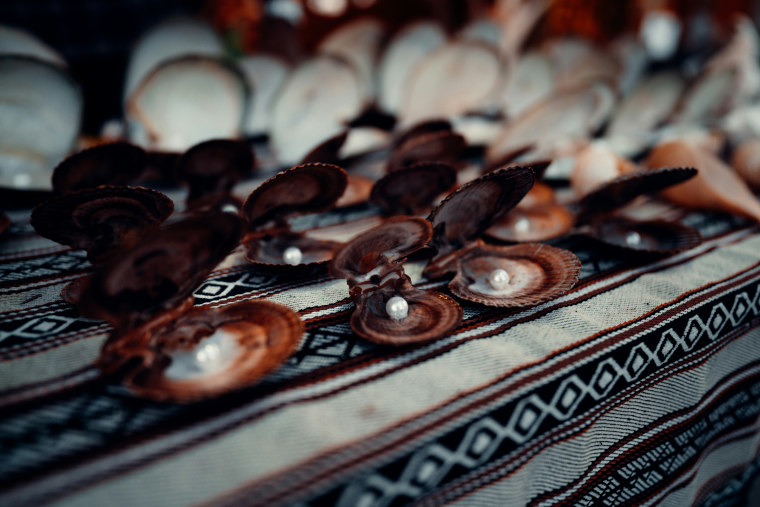 Image source: Ahmad Qime / unsplash.com


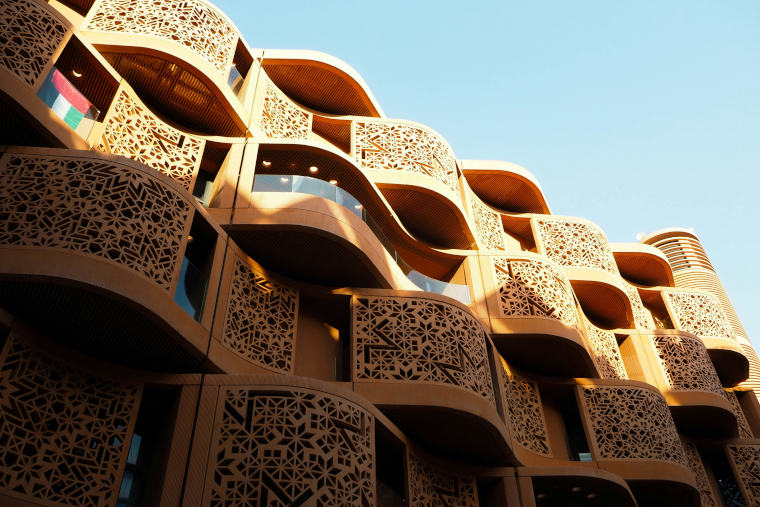 Image source: Mariia Sokolova / unsplash.com

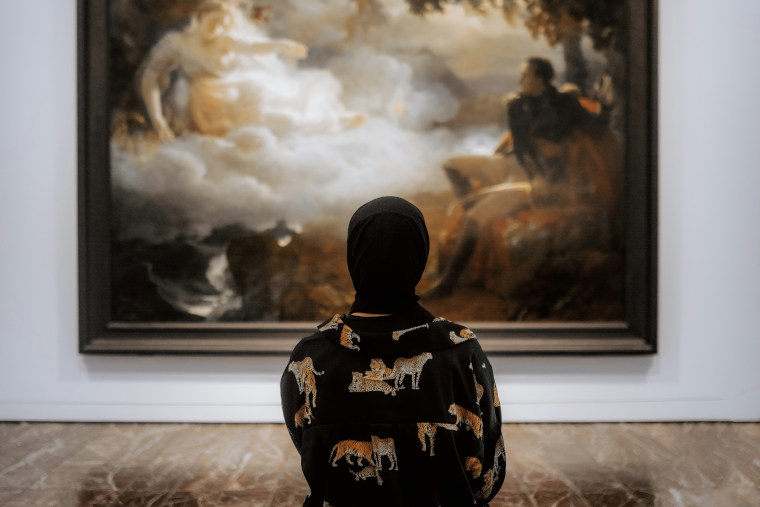 Image source: untldshots / unsplash.com


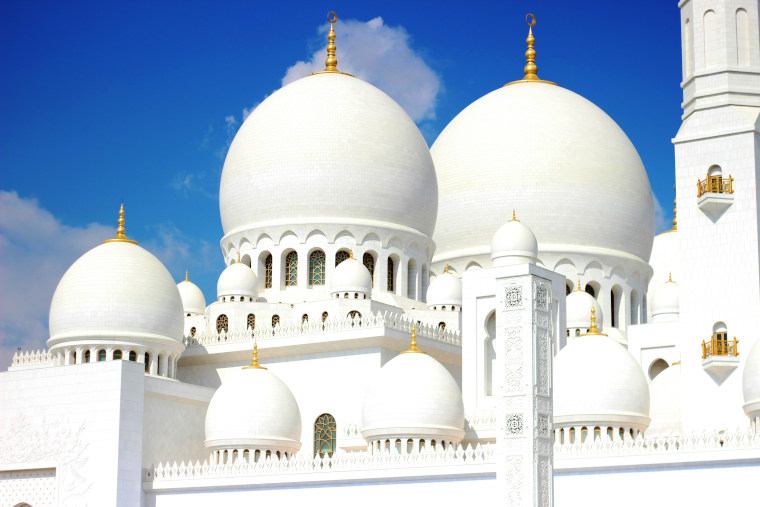 Image source: Feras Awad / unsplash.com


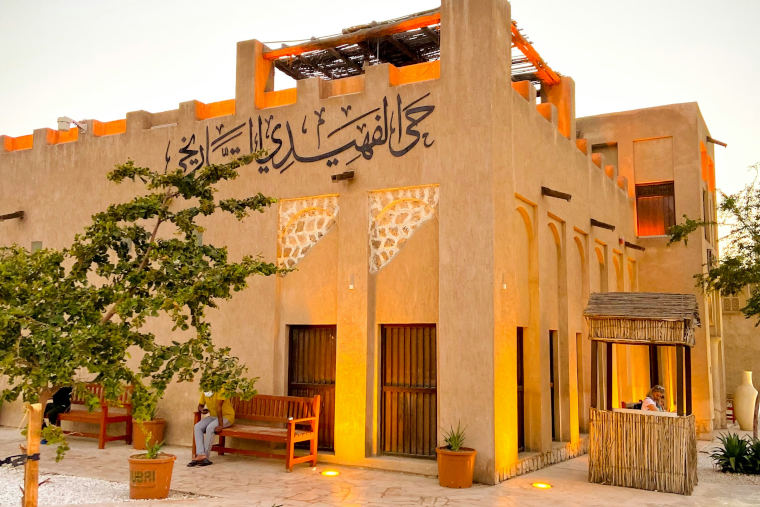 Image source: Muhammad Ahmad / unsplash.com