Public Transport in Abu Dhabi: A Guide to Buses and Payment
Save the article:
Finding your way around? Public transport in Abu Dhabi is a modern and well-developed system that connects all districts of the UAE capital. Buses in Abu Dhabi run along clearly organised routes with air conditioning and convenient stops. In recent years the transport network has expanded considerably, reaching many new areas.
Worried about the cost? The bus fare in Abu Dhabi remains one of the most affordable in the region starting at 2 dirhams per trip.There are also free buses in Abu Dhabi, which connect key tourist zones and business districts. Many passengers use a Hafilat card to pay their fare, especially for regular journeys.
Abu Dhabi Bus System
How much does a bus cost in Abu Dhabi, and how to make the most effective use of public transport — all of this is covered in detail in our practical guide. The information will help you save on transport costs.
Abu Dhabi’s bus network forms the backbone of the city’s public transport, covering all districts of the capital of the UAE. The system comprises more than 80 routes serving approximately 900 stops throughout the city, linking residential neighbourhoods with business centres, shopping complexes, and tourist attractions.
Types of buses and their amenities
City buses in Abu Dhabi are divided into three main categories. Standard route buses operate within the city, stopping at every stop along the route.
Express buses serve popular destinations with a limited number of stops, providing faster travel between key points. Intercity buses connect Abu Dhabi with other cities, including Dubai, Sharjah, and Al Ain.
All buses are equipped with air conditioning systems that maintain a comfortable temperature even during the hottest months, when outdoor temperatures exceed 45°C.
Inside the cabin there are padded seats with headrests, handrails for passenger safety, and dedicated spaces for people with disabilities. Modern buses have a low floor for easy boarding, as well as spaces for pushchairs and wheelchairs.
Route network and city coverage
Bus routes in Abu Dhabi follow a clear numbering and colour-coding system. Routes numbered 1–99 serve the central part of the city, including the Corniche, Central Market, and Cultural Foundation areas. Numbers 100–199 are assigned to routes connecting Abu Dhabi island with the mainland, including popular routes to Marina Mall and Yas Mall.
The routes cover all major districts of the capital: from the historic centre to modern residential complexes in Al Reem and the tourist zone of Yas Island. Buses run along the main highways, such as Sheikh Zayed Road and Corniche Road, providing connections between outlying districts and the city centre.
Particular attention has been paid to routes serving key facilities, such as the airport, universities, hospitals, and government buildings.
Intercity routes and connections to Dubai
Intercity bus routes play an important role in the UAE’s transport system, providing regular services between Abu Dhabi and Dubai. Buses to Dubai depart from the central bus station every 30–40 minutes throughout the day, offering passengers a comfortable alternative to private transport. The journey to Dubai takes approximately 2 hours, depending on traffic conditions.
Image source: SnapSaga / unsplash.com
The Abu Dhabi – Dubai route runs along the modern E11 motorway, connecting the two largest economic capitals of the emirates. Buses to Dubai are equipped with Wi-Fi, USB charging points, and a higher standard of comfort for long journeys. Intermediate stops include the Al Shahama and Jebel Ali, making the route convenient for residents of suburban areas.
The one-way fare to Dubai is 25–30 dirhams, which is considerably cheaper than a taxi or car hire. Passengers can purchase tickets to Dubai either at the bus station ticket offices or from the driver upon boarding. Monthly passes are available at a significant discount for regular trips to Dubai.
Bus timetable and frequency
Most city buses begin operating at 5:30 AM and finish at 11:00 PM. During peak hours, from 7:00 AM to 9:00 AM and from 5:00 PM to 7:00 PM, buses run every 10–15 minutes on main routes. At other times the bus frequency is 20–30 minutes, and during evening hours and on weekends the intervals increase to 30–45 minutes.
Express routes operate predominantly on weekdays with a higher frequency during peak hours. Buses to Dubai run every 30–60 minutes depending on the time of day, with increased frequency in the morning and evening hours.
Rules of boarding and conduct
Boarding is through the front door, where passengers are greeted by the driver. On entry, you need to tap the Hafilat card on the validator. The seats in the front section of the bus are designated for women, children, and elderly passengers in accordance with local customs.
Smoking and the consumption of food and drinks are prohibited on the bus, with the exception of water. Passengers are asked to speak quietly so as not to disturb other travellers. When approaching the required stop, the bell button should be pressed in advance or the driver should be informed. Exit through the rear door once the bus has come to a complete stop.
The bus driver can provide basic information about the route in English; however, stop announcements are made in Arabic. It is recommended to study the route map in advance and use GPS navigation to identify the correct stop accurately.
On buses to Dubai and other emirates, drivers generally have a higher level of English to serve international passengers.
Hafilat Card: Payment and Use
The Hafilat card is a universal transport card that serves as the primary method of payment for all types of public transport in Abu Dhabi. This contactless smart card uses NFC technology, allowing passengers to pass through validators quickly without the need to carry cash.
The Hafilat card can be purchased at numerous outlets throughout the city: at bus stations, shopping centres, the airport, as well as at specialised Hafilat kiosks and some supermarkets.
Card cost and purchase
The Hafilat card costs 5 dirhams, with a required deposit of 20 dirhams. The total amount at the time of purchase is 25 dirhams, of which 20 dirhams remain on the balance for travel. The deposit is refunded in full when the transport card is returned to any service point.
The card can be purchased at the following locations:
Bus stations and terminals
Abu Dhabi International Airport
Shopping centres (Marina Mall, Yas Mall, Al Wahda Mall)
Specialised Hafilat kiosks
Some Carrefour and Lulu supermarkets
An identification document must be presented at the time of purchase. The card registration process takes no more than 5 minutes. Each card has a unique number that will be required when registering in the mobile application.
Card types and their features
The Hafilat system offers several types of cards for different categories of users. The standard card is suitable for adult passengers and tourists. The concession card is intended for students, elderly people, and other categories of citizens entitled to discounts.
Image source: Aravind Sivaraj / wikipedia.org
The personalised card is linked to a specific user and contains their photograph, which prevents it from being passed to other individuals. This type of card is particularly popular among permanent residents of the city. A temporary card is issued to tourists for a short period and does not require the submission of extensive documentation.
Methods of topping up the balance
The Hafilat card can be topped up in several convenient ways, making the fare payment system as flexible as possible for the users.
Top-up machines
Specialised Hafilat terminals are installed at all major bus stations and in shopping centres. The machines accept banknotes of 5, 10, 20, 50, and 100 dirhams, as well as bank cards. The interface is available in Arabic and English. The minimum top-up amount is 5 dirhams, and the maximum is 500 dirhams per transaction.
Hafilat mobile application
The official application allows the balance to be topped up at any time using a bank card or e-wallet. To do this, the transport card must be registered in the application by entering its number. Top-ups are processed instantly and no commission is charged.
Ticket offices and service points
Operators at the ticket offices of bus stations and specialised Hafilat service centres also accept payments for top-ups.
This method is particularly convenient for those who prefer personal interaction or experience difficulty using the machines.
Rules for use on the bus
Using the Hafilat card correctly on the bus requires an understanding of simple but important procedures that ensure the correct deduction of funds.
Validation procedure
Upon boarding the bus, the card must be tapped against the validator located near the front door. The validator is a circular device with a symbol and an LED indicator. The transport card should be held against the centre of the validator at a distance of no more than 2–3 centimetres.
Successful validation is accompanied by a green light signal and a characteristic audible confirmation — a short beep. The validator’s display shows the amount deducted and the remaining balance. If the balance is insufficient, the validator emits a long signal and shows a red light.
Alighting from the bus
Before alighting, the card must also be tapped against the validator at the rear door. This procedure is important for the correct calculation of the fare, as the tariff depends on the number of zones travelled. Forgetting to tap out before alighting may result in the maximum fare for the route being deducted.
Maintenance and card replacement
In the event of damage to or loss of the card, it is necessary to visit the nearest Hafilat service centre. With a receipt of purchase and a form of identification, it is possible to have the card replaced with a new one and the remaining balance transferred. The replacement procedure takes approximately 15 minutes.
If the card has stopped working due to a technical fault, it can be replaced free of charge within the warranty period.
The damaged card must be handed to the operator for disposal in accordance with environmental requirements.
Special features and concessions
The Hafilat system provides for various categories of users with corresponding tariffs and rules of use.
Using one card for several people
A single card may be used by several passengers at a time, but each person must individually tap it against the validator upon boarding and alighting. The full fare in accordance with the current tariff is deducted for each validation.
The transport card must remain with the passenger who boarded first, so as to ensure the correct alighting procedure for everyone.
Concessionary categories
Children under 5 years of age travel free of charge without the need for registration but must be accompanied by an adult. A concessionary fare — 50% of the standard price — applies to children aged 5 to 15. Elderly people over the age of 60 are also entitled to a 50% discount upon presentation of the relevant documents at the time of card registration.
Full-time students at accredited educational institutions in the UAE may obtain a student Hafilat card with a 50% discount on all journeys. A certificate from the educational institution and a student card are required to apply.
The maximum balance is 500 dirhams, and the validity period of an unused card is 5 years from the date of the last transaction.
Fares and Tariffs
The bus fare in Abu Dhabi ranges from 2 to 4 dirhams depending on the distance of the journey and the type of route. All prices are fixed and do not depend on the time of day or day of the week.
Children under 5 travel free of charge, while students and elderly people over 60 receive a 50% discount upon presentation of the relevant documents.
Standard fares for adult passengers
The standard city bus fare is 2 dirhams for a journey of up to 10 kilometres. Beyond this limit the fare increases to 4 dirhams per journey. Express routes, which connect outlying areas with the city centre, have a fixed fare of 4 dirhams regardless of distance.
Intercity buses have a separate fare structure. The fare to Dubai is 25 dirhams, to Sharjah — 20 dirhams, and to Al Ain — 15 dirhams. Intercity fares remain stable throughout the year and are not subject to seasonal fluctuations.
Concessionary categories and discounts
How much does a bus cost in Abu Dhabi for concessionary categories? The price differs significantly from standard tariffs. Full-time students at universities and colleges pay 1 dirham for city journeys and 2 dirhams for express routes. A student card bearing a photograph and the stamp of the educational institution is required to qualify for the concession.
Image source: Drazen Zigic / shutterstock.com
Elderly UAE citizens over the age of 60 also benefit from a 50% discount upon presentation of their Emirates ID. People with disabilities travel free of charge, and their companions receive a 50% discount.
The zonal system and payment specifics
Abu Dhabi uses a simple two-zone tariff system. Zone 1 covers the central part of the city and the nearest districts within a 10-kilometre radius of the centre. Zone 2 encompasses outlying areas, industrial zones, and suburbs.
Transfers between buses within 30 minutes do not require additional payment, provided the total journey distance does not exceed the zone limits. This rule applies only when using the Hafilat card.
Comparison with other modes of transport
Bus fares are considerably more budget-friendly than alternative modes of travel. A taxi journey along the same route would cost 15–25 dirhams, which is 4–6 times more expensive than the bus. Car hire for a day costs at least 80 dirhams, plus fuel and parking expenses.
For tourists, the buses are the most budget-friendly way to see the sights. A day pass costing 7 dirhams allows unlimited journeys within a 24-hour period.
Special tariffs and travel passes
In addition to single journeys, the system offers advantageous season tickets. A weekly pass costs 30 dirhams and pays for itself after just 8–10 journeys. A monthly pass at 100 dirhams is particularly good value for regular commuters.
Tourist cards valid for 3 days cost 20 dirhams and include travel on all city routes. This option is ideal for short visits to the emirate’s capital.
Corporate tariffs for companies with a large number of employees offer discounts of up to 20% when purchasing monthly passes in bulk. The minimum order is 50 cards, which makes this option attractive for large companies.
Economic advantages and price comparison
Bus transportation offers significant savings compared to other modes of travel. Whilst a taxi from the airport to the city centre costs 60–80 dirhams, the bus costs just 4 dirhams. Taxis to shopping centres and other popular destinations also cost 3–5 times more than public transport.
Bus ticket prices remain among the most affordable in the region. Compared with other emirates, Abu Dhabi’s fares stand out for their stability and transparency. Taxi services offer comfort, but at a considerably higher price, especially during peak hours and for journeys to outlying areas.
Free Buses and Special Services
Abu Dhabi operates a wide range of free transport services covering the main tourist destinations and shopping centres. These routes offer significant savings on getting around the city.
Most free buses in Abu Dhabi run daily from morning until late in the evening, and some routes extend their hours on weekends and public holidays.
Free shuttles to shopping centres
Major shopping complexes run their own free buses for the convenience of customers. Marina Mall offers regular buses from the metro station to the mall entrance every 15 minutes from 10:00 AM to 10:00 PM. Yas Mall runs shuttles from Yas Island hotels and central city areas every 20 minutes.
Abu Dhabi Mall offers free transport from the Tourist Club Area and the Corniche from 9:30 AM to 9:30 PM. To use these services it is sufficient to present a receipt for a purchase of 50 dirhams or more, or simply to show an intention to shop. An additional route connects the shopping centre with the airport area for the convenience of transit passengers.
Transfers to beaches and landmarks
Emirates Palace Hotel organises free buses to the public Corniche Beach every hour from 8:00 AM to 6:00 PM. Saadiyat Beach Club provides a transfer from central hotels by prior arrangement for guests using a day beach pass.
Image source: Manish Tulaskar / unsplash.com
Sheikh Zayed Grand Mosque offers special shuttles from tourist areas on Fridays and weekends. The route includes stops at major hotels and operates from 9:00 AM to 8:00 PM every 30 minutes. An alternative route connects the mosque with the airport terminals for the convenience of arriving pilgrims.
Hotel shuttles and special services
Most four- and five-star hotels provide free transfers to key locations around the city. Hotels on the Corniche run regular services to Marina Mall and Abu Dhabi Mall. Hotels on Yas Island provide transport to Ferrari World and Yas Waterworld.
Beach Rotana and hotels belonging to other chains offer airport shuttles for guests staying more than three nights. The service is available on prior booking 24 hours in advance and includes assistance with luggage. A special express route from the airport to hotels operates around the clock for VIP guests.
Airport transfers and connecting routes
Abu Dhabi International Airport offers an extensive network of free shuttles for passengers. The main route connects all airport terminals with the city’s central bus station every 30 minutes. Additional services from the airport run to major shopping centres and hotel complexes.
The night route from the airport operates from 11:00 PM to 6:00 AM every 45 minutes, serving late and early flights. Transit passengers may use a special shuttle from the airport for short city excursions of up to 6 hours.
Seasonal routes and promotions
From November to March, additional free routes to cultural events and festivals are in operation. Abu Dhabi Festival arranges special buses from central stations to the venues of concerts and exhibitions.
During summer, shopping centres extend the operating hours of free shuttles until 11:00 PM and increase the frequency of services. Marina Mall and Yas Mall add extra stops near popular restaurants and cafés. Resort hotels launch an additional route to the airport during peak tourist seasons.
To use most free services, a document confirming tourist or hotel guest status is required. Some buses have restrictions on the number of passengers, so it is advisable to arrive at the stop 10–15 minutes before departure.
The information about all available routes and timetable changes is published on the operators’ official websites and in the mobile applications of other city transport services.
Practical Tips for Using Public Transport
Successfully using buses in Abu Dhabi requires knowledge of the basic rules and etiquette, which will help you to feel confident during any journey. Local traditions and cultural nuances influence public transport etiquette.
Image source: freepik / freepik.com
Modern technology and basic phrases in Arabic and English resolve most communication problems when travelling around the city. Bus drivers generally understand basic English and are willing to help tourists.
Rules of conduct and etiquette on buses
Travel on buses in Abu Dhabi is governed by clear rules that ensure the comfort of all passengers. Upon boarding, tap your Hafilat card against the validator and wait for the audible payment confirmation. Take available seats, starting from the front of the cabin, leaving priority seats for elderly people, pregnant women, and people with disabilities.
During the journey, maintain quiet, avoid loud telephone conversations, and do not play music without headphones. Eating and drinking on the bus is prohibited. When approaching your stop, prepare to alight in good time and politely ask to be let through to the door.
Specifics for men and women
Abu Dhabi buses have designated areas for women and children, marked with pink stickers on the seats. These seats are located in the front section of the cabin and are intended exclusively for women, regardless of age or marital status. Men should avoid these areas even when the bus is crowded.
Women may take any seat on the bus, but the priority pink seats provide additional comfort and security. Women travelling with children have priority and may proceed to the front seats first. Men must give up their seats to pregnant women and elderly passengers regardless of which zone they are in.
Route planning and mobile applications
The Darb application is the official tool for planning public transport journeys in Abu Dhabi. Download the application free of charge from the App Store or Google Play and create an account to access all its features. Darb shows up-to-date bus timetables, arrival times at stops, and optimal routes between any two points in the city.
To plan a route, enter your departure point and destination in the relevant fields. The application will suggest several options showing the journey time, number of transfers, and bus numbers. The real-time tracking function allows you to see the current location of the bus and the exact arrival time at your stop.
The interactive map in the Darb application displays all bus routes with colour coding, making it easier to choose the best path. The map shows the location of stops, attractions, and shopping centres relative to your position. The “Favourites” function allows you to save frequently used routes and stops for quick access.
Bus stops and timetables
Bus stops in Abu Dhabi are equipped with information displays showing names in both Arabic and English. Each stop has a unique number, indicated on yellow signs alongside the timetable. Route numbers are displayed in large figures, and directions of travel are indicated in both languages.
QR codes at stops link to a page with the up-to-date timetable and route map. Scan the code with your smartphone to get information about the arrival times of the next buses. Timetables are updated automatically to reflect traffic conditions and delays.
The schematic route map at each stop shows all stops on the route with the times between them. The map helps you determine the duration of your journey and the number of intermediate stops before your destination. The colour coding on the map corresponds to the route number for easy identification.
Overcoming the language barrier
How to pay on an Abu Dhabi bus and communicate with the driver? Basic phrases in English and Arabic will help. To pay, say “Hafilat card, please” or show the card to the driver. If you need to ask about a stop, use the phrase “Where is...?” in English or “Ayna...?” (أين؟) in Arabic.
Useful English phrases: “How much?”, “Next stop, please”, “Thank you”. In Arabic: “Shukran” (شكرا — thank you), “Maaf” (معاف — excuse me), “Aiwa” (أيوة — yes). Most drivers understand simple English words and are willing to help with navigation around the city.
Using the Hafilat transport card
The Hafilat card serves as a universal payment method for all types of public transport in Abu Dhabi. The card can be purchased at metro stations, bus stations, supermarkets, and through the mobile application. The card itself costs 5 dirhams, plus a minimum top-up of 20 dirhams.
The card can be topped up at special machines at bus stations, ticket offices, via the mobile application, or online through the official website. The card automatically selects the most favourable tariff based on the number of journeys and the distance. The card balance can be checked during each journey on the validator or through the Darb application.
The tourist Hafilat card offers special tariffs for short-term visitors, with the option of unlimited travel for 1, 3, or 7 days. This card offers especially good value for those who wish to explore the city actively and visit numerous attractions within a short period of time.
FAQ
Can I pay in cash on Abu Dhabi buses?
No, cash is not accepted on Abu Dhabi buses. All buses in the city network operate exclusively with the Hafilat card or the Darb mobile application. Drivers are not permitted to accept cash under the emirate’s transport system rules.
Image source: Ulises Icardi / wikipedia.org
If you do not have a card, you can purchase one at any bus stop using the special machines or at sales offices. As an alternative, taxis are always available and accept cash payment.
Do buses run at night and on weekends?
Most city routes in Abu Dhabi operate from 5:30 AM to midnight seven days a week. Certain popular routes, including those to Marina Mall and Yas Island, extend their hours until 1:00 AM on weekends.
Free buses at shopping centres run in accordance with the malls’ opening hours, usually until 10:00 PM–11:00 PM. After public transport ceases operation, the only option is a taxi, which runs around the clock.
How do I find out the timetable for a specific bus route?
The precise timetable for buses is available in the official Darb mobile application, which shows arrival times in real time. QR codes at each stop provide quick access to route information. The service frequency for most buses is 15–30 minutes during peak hours and 30–45 minutes at other times.
Can I carry luggage on the buses?
Hand luggage and small bags may be carried free of charge on Abu Dhabi buses. Larger luggage, including suitcases, must be placed in the designated areas near the entrance doors without blocking the aisles.
Bicycles and oversized items are not permitted inside the cabin — for their transportation, please use a taxi or specialised delivery services.
Are there concessions for tourists when paying fares?
There are no special tourist fares on Abu Dhabi public transport. However, tourists can use all free bus routes, including shuttles to beaches, shopping centres, and main attractions. The bus fare in Abu Dhabi is the same for all passengers — from 2 to 4 dirhams per journey.
What should I do if I forgot to tap my Hafilat card when alighting?
If you forgot to tap your card against the validator when alighting from the bus, the maximum fare for that route will be automatically deducted from your balance. To avoid overpaying, always tap your card both upon boarding and when alighting. Overpaid amounts can be recovered through the customer support service by visiting Hafilat card sales offices with relevant documentation.
When is it better to choose a taxi over the bus?
A taxi becomes the more preferable option in several situations: when travelling with a large amount of luggage, at night after 12:30 AM when buses are no longer running, or when you need to reach outlying areas not covered by bus routes.
A taxi is also more convenient for groups of 3–4 people, when the fare is shared between passengers. During peak hours a taxi may be faster than the bus, thanks to the possibility of using alternative routes and dedicated lanes.
Overview of Ras Al Khaimah. Districts of Ras Al Khaimah. Advantages of buying property in Ras Al Khaimah. Interesting facts about Ras Al Khaimah. Frequently asked questions about Ras Al Khaimah.
Types of taxis in Dubai. Ways to book a taxi in Dubai. Cost of taxis in Dubai. Protection against taxi fraud in Dubai. Frequently asked questions about taxis in Dubai.
Description of Dubai Outlet Mall. Location and opening hours of Dubai Outlet Mall. Shops in Dubai Outlet Mall. Frequently asked questions about Dubai Outlet Mall.
Healthcare in the UAE for foreigners. Medicines prohibited in Dubai. Procedure for importing controlled medicines to Dubai. Medicines available in Dubai pharmacies. Frequently asked questions about me...
General information about bus travel in Dubai. Rules of conduct in Dubai public transport. Bus fare in Dubai. Ways to find out Dubai bus schedules. Sightseeing buses in Dubai. Popular tourist bus rout...
How Dubai's transport system works. Transport cards in Dubai (NOL cards). Dubai Metro. Dubai Buses. Dubai Taxis. Dubai Tram. Dubai Monorail. Water transport in Dubai. Fines in Dubai public transport a...
The Emirate of Fujairah is an excellent place for relocation. It is the only emirate in the UAE located on the shore of the Arabian Sea of the Indian Ocean.
Which desert surrounds Dubai? Where the desert is located and how to get there? The best places for photo shoots in the desert. Entertainment and activities in the desert. FAQ.
How the car market in Dubai works? How car dealerships work in Dubai? The largest car market in Dubai. Car auctions in Dubai. How to buy a car at the car market in Dubai? Frequently asked questions ab...



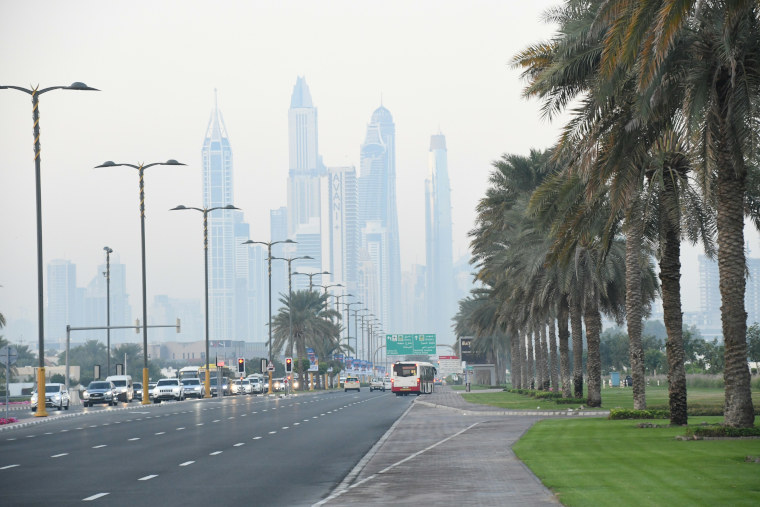 Image source: SnapSaga / unsplash.com

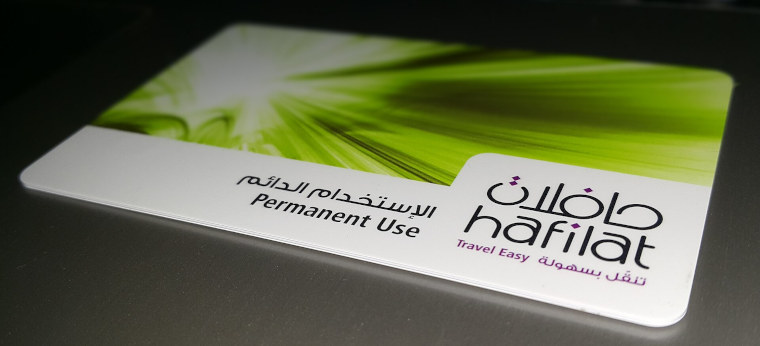 Image source: Aravind Sivaraj / wikipedia.org


 Image source: Drazen Zigic / shutterstock.com

 Image source: Manish Tulaskar / unsplash.com

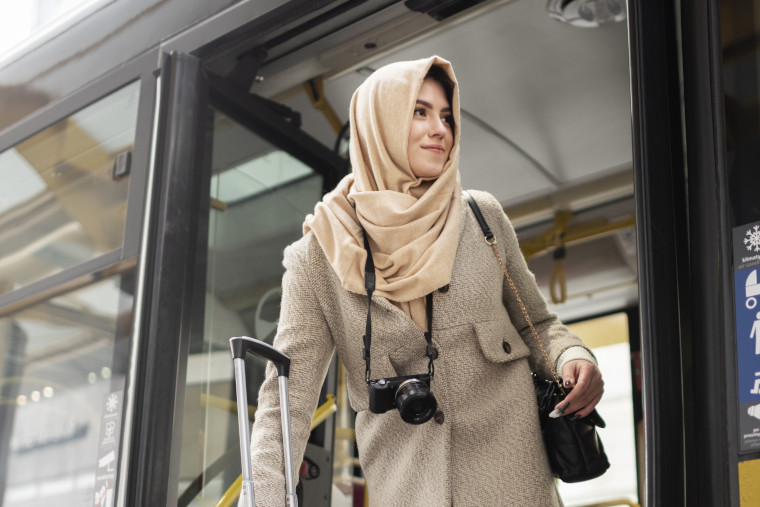 Image source: freepik / freepik.com

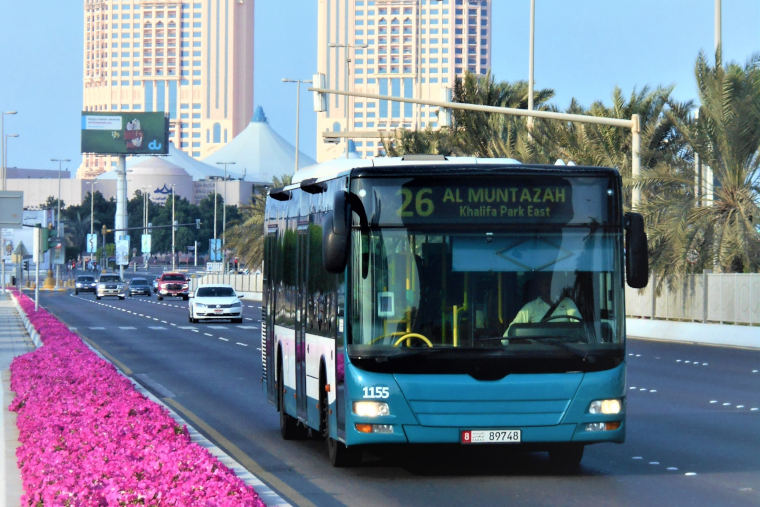 Image source: Ulises Icardi / wikipedia.org