Home/Cities of the UAE/Skyscrapers in Dubai: Architectural Masterpieces of the Emirates
13.03.2026
Cities of the UAE
1332
Reading time: 13 minutes
Skyscrapers in Dubai: Architectural Masterpieces of the Emirates
Save the article:
What do they symbolise? Majestic skyscrapers in Dubai, reaching towards the sky, are the true calling card of the city. They don't simply adorn the urban landscape but symbolise the emirate's rapid development, its ambitions and boundless possibilities.
What makes them interesting? The city can boast an entire ensemble of impressive skyscrapers, each unique in its design, engineering solutions and functionality, transforming the urban landscape into a true open-air museum of modern architecture.
Dubai as a City of Skyscrapers
Construction of the first skyscraper in Dubai, the Dubai World Trade Centre, began back in 1979. This 39-storey structure, standing 149 metres tall, was at that time the tallest building in the Middle East.
However, the real boom in high-rise construction only began in 1999 and reached its peak after 2005. Practically all of Dubai's skyscrapers taller than 220 metres are achievements of the last two decades.
Dubai confidently ranks among the world leaders in the number of skyscrapers. It surpasses most megacities and occupies a respectable fourth place in the ranking, behind Hong Kong, New York and Shenzhen. Today, the city has more than 38 high-rise buildings taller than 120 metres, and this figure continues to grow steadily thanks to active construction.
In Dubai, there is a wide variety of skyscrapers:
Office centres designed to accommodate commercial organisations.
Hotel complexes that include luxury hotels.
Residential towers with comfortable apartments.
Mixed-use complexes that combine various functions.
The greatest concentration of skyscrapers is along Sheikh Zayed Road and in the Dubai Marina area. It should be noted that many architectural projects feature an innovative approach, for example, the planned rotating Dynamic Tower, or Pentominium, which aspires to the title of the world's tallest residential building.
Architectural Features of Dubai's Skyscrapers
Skyscrapers in Dubai are a vivid example of how bold architectural solutions, realised through cutting-edge technologies, allow the implementation of the most ambitious projects and the creation of truly monumental structures. Each of them is a unique work of art, demonstrating progress, beauty and the boundless possibilities of human imagination.
Image source: Stephen Titus / unsplash.com
The architecture of the skyscrapers organically combines Eastern cultural traditions and Western innovative technologies. This synthesis creates a distinctive appearance of the city, which has become a symbol of rapid economic growth and architectural transformation in the 21st century.
The fusion of innovation and aesthetics
Skyscrapers in Dubai are vivid examples of architectural mastery, demonstrating a harmonious fusion of advanced technologies and aesthetic perfection. In designing these structures, priority is given not only to the strength of the constructions but also to creating comfortable conditions for people inside.
Architectural features
The architecture of skyscrapers in Dubai is characterised by asymmetry and unconventional geometric forms. The unusual contours of buildings are driven by the desire to effectively withstand strong winds.
Many structures are constructed using a spiraling principle or have a stepped structure that narrows towards the top. This approach not only gives buildings a distinctive appearance but is also aimed at ensuring maximum stability and safety.
Use of advanced materials and technologies
Concrete mixtures possess enhanced heat resistance, withstanding temperatures up to +50°C. Modern thermal panels on building façades effectively reduce interior heating. To ensure a solid foundation in sandy soil, suspended piles are used.
Decorative elements and frame structures are made from high-strength metal alloys, ensuring durability and structural stability.
Engineering solutions
In design, particular importance is given to engineering systems aimed at increasing building efficiency and environmental friendliness.
Centralised air conditioning systems effectively draw clean and cool air from the upper floors. Many buildings are equipped with solar panels integrated into the façade, which significantly reduces energy consumption.
Modern lifts provide fast and comfortable movement between floors. Innovative water collection installations gather condensation from façades for technical use.
Architectural and aesthetic features
Façade lighting transforms buildings in the evening, creating a mesmerising visual effect. Panoramic glazing of skyscrapers in Dubai provides both magnificent views and natural lighting of premises.
Image source: Vivek Vg / unsplash.com
Vertical greening transforms tall structures into true green oases, creating a unique atmosphere.
Functional zoning
The design of Dubai's skyscrapers is characterised by rational distribution of space. Buildings include multi-level car parks, extensive shopping and business zones, as well as recreational areas (observation decks, restaurants, sports complexes). Residential premises are equipped with high-class infrastructure meeting the highest requirements.
Environmental aspects
In modern construction of skyscrapers in Dubai, priority is given to the principles of sustainable development, where energy-efficient technologies are applied, significantly reducing resource consumption.
Water conservation and water recycling systems are implemented, as well as modern ventilation systems that ensure optimal indoor microclimate. The use of environmentally friendly materials makes these high-rise structures models of modern green architecture.
Famous Skyscrapers in Dubai
Dubai is a city that never ceases to amaze with its monumental structures. Here is a list of the most impressive skyscrapers in Dubai, which have become symbols of modern luxury and engineering genius.
Burj Khalifa
Height of the building: 828 m
Year of opening: 2010
Image source: Riyas Mohammed / unsplash.com
Named in honour of the President of the UAE, Sheikh Khalifa bin Zayed Al Nahyan, this modern architectural monument has 163 floors. The tallest skyscraper in Dubai represents an entire city in the sky, combining:
premium-class residential apartments with panoramic views;
office premises for major companies;
Armani Hotel — the world's first hotel under the Giorgio Armani brand;
shopping galleries with luxury brand boutiques;
observation decks on levels 124–125;
a swimming pool on the 76th floor (the highest in the world);
a mosque on the 158th floor;
fine dining restaurants.
Marina 101
Height: 425 m
Opening: 2017
This is a skyscraper with numerous flats, located in the prestigious district of Dubai.
Exclusive apartments designed in accordance with modern design solutions.
Complex infrastructure includes:
Full range of modern amenities: underground parking, a swimming pool, a fitness centre, retail outlets.
The highest level of security with round-the-clock guards.
Princess Tower
The height of this skyscraper in Dubai: 414 m
Year of commissioning: 2012
Located in the prestigious Dubai Marina district, this tower is one of the tallest residential skyscrapers in the world.
Image source: vwalakte / freepik.com
Architectural and engineering features:
Consists of 188 floors intended for residential use.
Equipped with modern technologies that ensure a high degree of comfort and safety.
Offers spacious apartments with exclusive interior design.
Complex infrastructure includes:
Underground parking.
A swimming pool for relaxation and wellness.
A spa centre for relaxation and self-care.
A fitness centre for maintaining physical fitness.
Panoramic windows that offer magnificent city views.
Almas Tower
Height: 363 m
Year of opening: 2008
Located in Dubai, the skyscraper is a unique business centre, whose architectural appearance resembles a cut precious stone. The building has become a symbol of the megacity's financial district.
Shopping galleries with exclusive boutiques and brands.
Fine dining restaurants.
An international-level conference centre equipped with advanced technologies for hosting major events.
The Marina Torch
Height: 336.8 m
Year of opening: 2011
The Marina Torch residential complex is stylised as a torch. It features modern façade design and provides residents with panoramic views of the city and seacoast.
The infrastructure of this skyscraper in Dubai includes:
A swimming pool.
Underground parking.
A fitness centre.
Retail outlets.
A high level of security.
Rose Tower
Height: 333 metres
Year of opening: 2007
The unique design of the tower in the shape of an unopened rose bud immediately catches the eye and makes it one of the city's main landmarks.
Image source: Saj Shafique / unsplash.com
Located inside the tower are:
A luxurious hotel with premium service, where every guest will feel special.
Panoramic restaurants offering breathtaking views of the entire city.
A fitness centre with modern equipment.
At the base of the tower lies an artificial water body, adding even more tranquillity and beauty to this unique structure.
Al Yaqoub Tower
Height: 330 metres
Year of commissioning: 2007
Named the “Dubai Big Ben”, the tower offers its residents and visitors:
prestigious office premises;
comfortable apartments;
ample parking spaces.
Burj Al Arab
Height: 321 metres
Year of commissioning: 1999
Image source: Dan Soriano / unsplash.com
The Burj Al Arab skyscraper — a sail-shaped hotel in Dubai — is famous for:
an exceptional level of service;
luxurious interiors;
the building's interior uses 1,790 square metres of 24-carat gold leaf, more than 21 thousand Swarovski crystals and over 24 thousand square metres of Italian marble.
All these skyscrapers are true architectural masterpieces that embody advanced technologies and bold engineering solutions. They create Dubai's unique appearance, attracting tourists from all over the world.
Economic Significance of High-Rise Construction in Dubai
High-rise construction has become a key tool for Dubai's economic development. This sector plays an important role in diversifying the emirate's economy, helping to reduce dependence on oil exports and stimulating the development of new spheres such as tourism, finance and business activity.
Skyscrapers in Dubai, and especially Burj Khalifa, have become true magnets for tourists from all over the world. The panoramic platforms of these monumental structures generate substantial income, contributing to the growth and development of the region's tourism industry.
The construction of high-rise structures has led to significant growth in the number of jobs both during the construction phase and during their subsequent operation. At major construction sites, the workforce could reach twelve thousand people.
Upon completion of construction, vacancies were created in the hotel industry, office centres, shopping complexes and companies specialising in building maintenance.
The construction of skyscrapers in Dubai has dramatically transformed the urban infrastructure. Transport systems have been modernised, public utilities have become modern and efficient. New shopping centres and entertainment complexes have appeared, and the hotel industry has significantly expanded. All this has led to a strong synergistic effect and has actively contributed to the city's economic growth.
Dubai has attracted major investments from global players — construction corporations, renowned architectural firms and financial institutions. Monumental high-rise construction projects have become a powerful engine for capital inflow, accelerating the emirate's economic development.
Skyscrapers in Dubai have turned into true centres of business activity, offering high-class office spaces and high-tech infrastructure. International conference centres located in these giants of glass and steel actively contribute to the development of business tourism and strengthen the emirate's position as the region's leading financial centre.
The construction of a single skyscraper in Dubai comparable to the Burj Khalifa brings colossal economic benefits. Even at the construction stage, the economic effect reached one and a half billion dollars. The building's continued operation and the growth in property values in adjacent areas continue to generate stable income for the city.
The construction of skyscrapers has become a driver of innovation in the construction industry. Energy-efficient technologies have been implemented, new engineering systems have been created, and the qualifications of local specialists have risen to a new level. All this has allowed Dubai to occupy leading positions in the world of high-rise construction.
Life in Dubai's Skyscrapers
Living in Dubai's skyscrapers provides residents with a unique opportunity to enjoy a combination of luxury, comfort and advanced technologies. In addition to a prestigious address, residents of high-rise buildings gain access to a whole complex of urban life advantages.
Comfort and amenities
Modern high-rises are equipped with innovative systems designed to ensure maximum comfort for the residents. Round-the-clock video surveillance and modern security systems guarantee reliable protection.
High-speed lifts provide rapid movement between floors, and advanced air conditioning systems maintain optimal temperature within the premises. Panoramic windows offer magnificent views of the city, and well-thought-out infrastructure makes life in a skyscraper as comfortable as possible.
Well-designed infrastructure
High-rise complexes are equipped with modern infrastructure ensuring comfortable living and leisure. The residents have access to well-equipped gyms and fitness centres with advanced technologies. For water sports enthusiasts, there are both indoor and outdoor swimming pools.
Dubai's skyscrapers also feature shopping areas with boutiques and stores featuring renowned brands, allowing you to go shopping without leaving the complex.
Automated parking systems provide convenient parking, and a wide selection of restaurants and cafes allows you to sample dishes from various cuisines.
Advantages of living
Prestigious location in the city centre is complemented by panoramic views of the urban environment. A high level of security is ensured by the use of advanced technologies and qualified security personnel.
The developed infrastructure of the complex allows for most needs to be met without leaving its boundaries. Modern utility systems create the most comfortable living conditions within the skyscraper.
Investment attractiveness
Housing in Dubai's skyscrapers offers more than just comfort; it also guarantees profit. Property prices in these complexes steadily rise, and rental demand remains consistently high. A prestigious address makes your square metres exceptionally liquid, transforming them into an ideal investment object.
Features of everyday life
Living in skyscrapers possesses its own specific characteristics. The residents have the opportunity to select apartments corresponding to their individual requirements and tastes, taking into account the area and layout of premises.
The cost of living in skyscrapers in Dubai depends on: panoramic views, unit size, floor level, and number of bedrooms. But even basic housing options are equipped with everything necessary for comfortable living.
Living in skyscrapers offers a unique lifestyle that harmoniously combines luxury, comfort and advanced technologies. Each resident gains the opportunity to become part of a dynamic urban community, enjoying all the advantages of high-rise living.
Frequently Asked Questions about Skyscrapers in Dubai
Why has Dubai become a city of skyscrapers?
Dubai positions itself as a leading international centre for business activity and tourism. Due to limited area, vertical construction has become the optimal solution for efficient land use.
How do they build skyscrapers in Dubai?
Skyscrapers in desert conditions are erected using advanced technologies that guarantee their reliability and safety.
To ensure stability against shifting sands, suspended piles are used.
A special type of concrete, resistant to high temperatures, is used for constructing walls and floors.
Thermal panels effectively protect the building from the scorching sun, maintaining a comfortable temperature inside.
Air conditioning systems ensure a comfortable microclimate inside the building.
What measures are taken to ensure skyscraper safety?
To guarantee the safety of both residents and visitors, the skyscrapers are equipped with:
Multi-level fire suppression systems. They prevent fire spread and ensure timely response to emergency situations.
Dubai maintains its status as one of the most actively developing megacities when it comes to high-rise construction. The planned increase in the number of skyscrapers testifies to the city's firm position as a global leader in this field.
Nuances of living with children in Dubai. Advantages and disadvantages of relocating to Dubai with children. Requirements for relocation to Dubai. Expenses related to relocation to Dubai. Best areas f...
General information about the Dubai Marina district. Hotels in the Dubai Marina district. Real estate in the Dubai Marina district. Transport in the Dubai Marina district. Popular restaurants in the D...
Population density of Dubai in 2025. Dubai’s Demographic Structure. Key growth factors of Dubai’s population. Specifics of life of the native citizens of the UAE and Dubai in particular. Frequently As...
Calendar of official holidays of the UAE. Muslim events in the UAE: traditions and rules of conduct. Opening hours of institutions and businesses during holidays. National events and public occasions...
Specifics of Dubai developers. Criteria for choosing a developer in Dubai. Top 10 Dubai developers. Russian developers in Dubai. Frequently asked questions about Dubai developers.
The history of artificial island construction in Dubai. Description of islands in Dubai. Whether to buy islands in Dubai or not. Frequently asked questions about islands in Dubai.
Official currency of the UAE. 3 best ways to exchange currency in Dubai. 3 worst ways to exchange currency in Dubai. Frequently asked questions about currency exchange in Dubai.



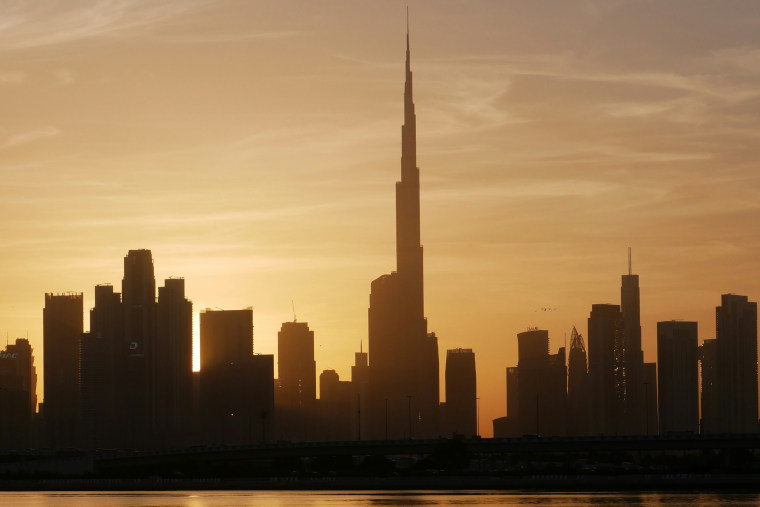 Image source: Stephen Titus / unsplash.com

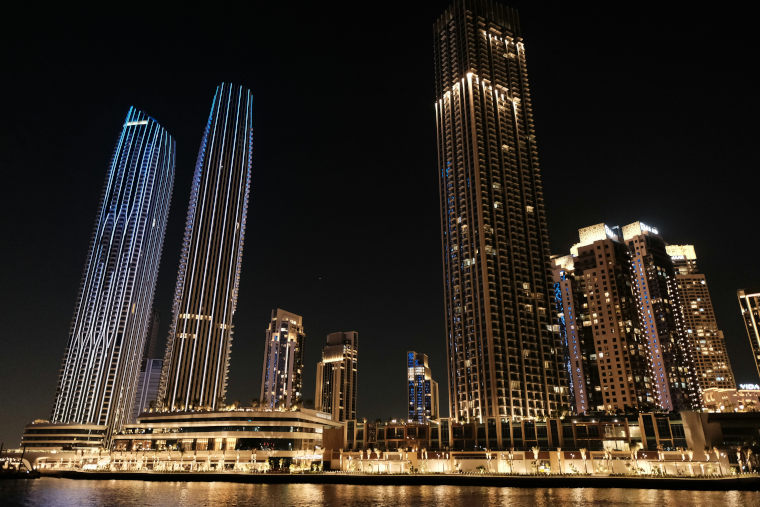 Image source: Vivek Vg / unsplash.com
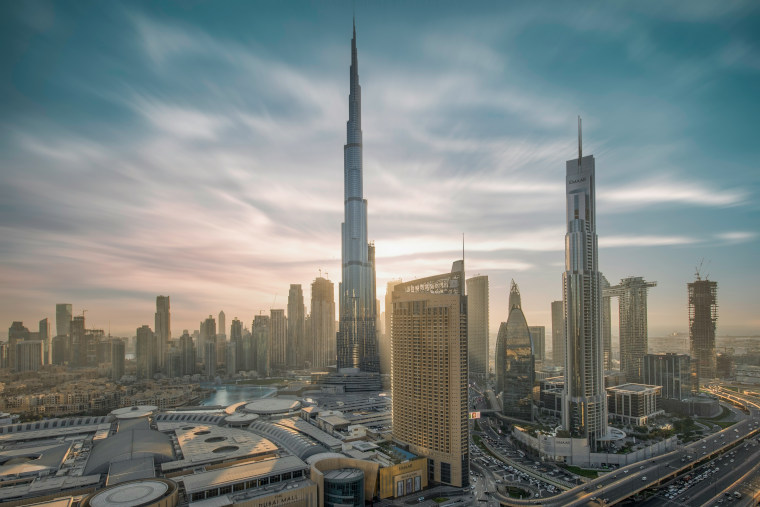 Image source: Riyas Mohammed / unsplash.com

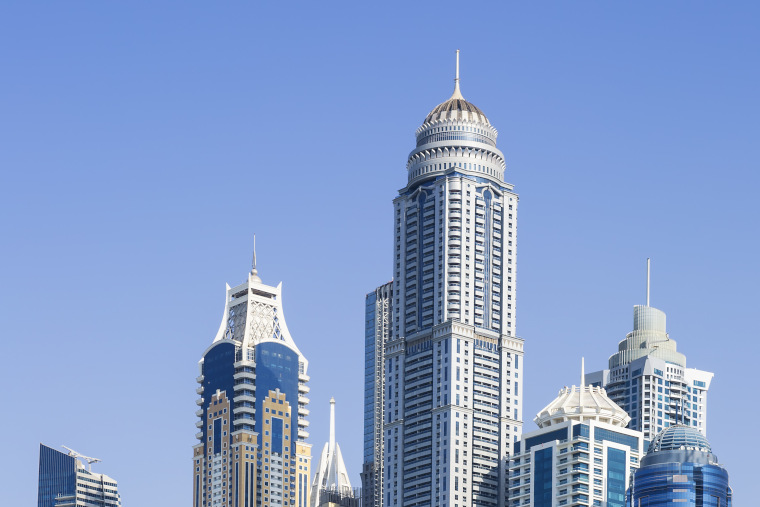 Image source: vwalakte / freepik.com

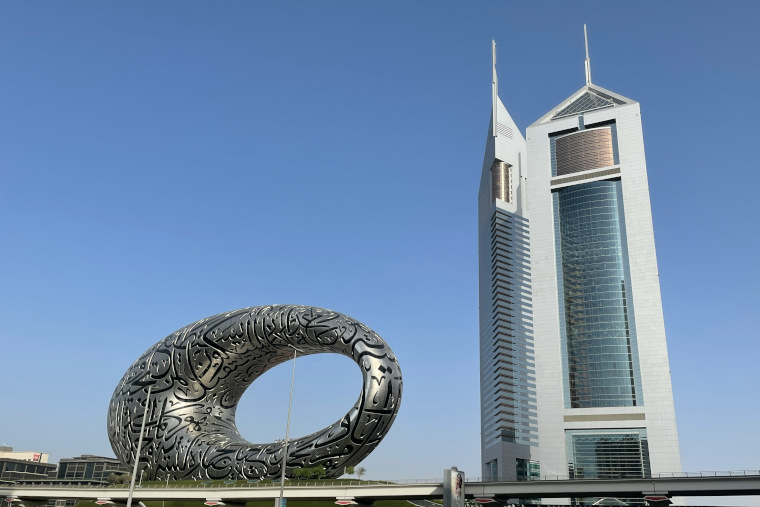 Image source: 67 Media / unsplash.com

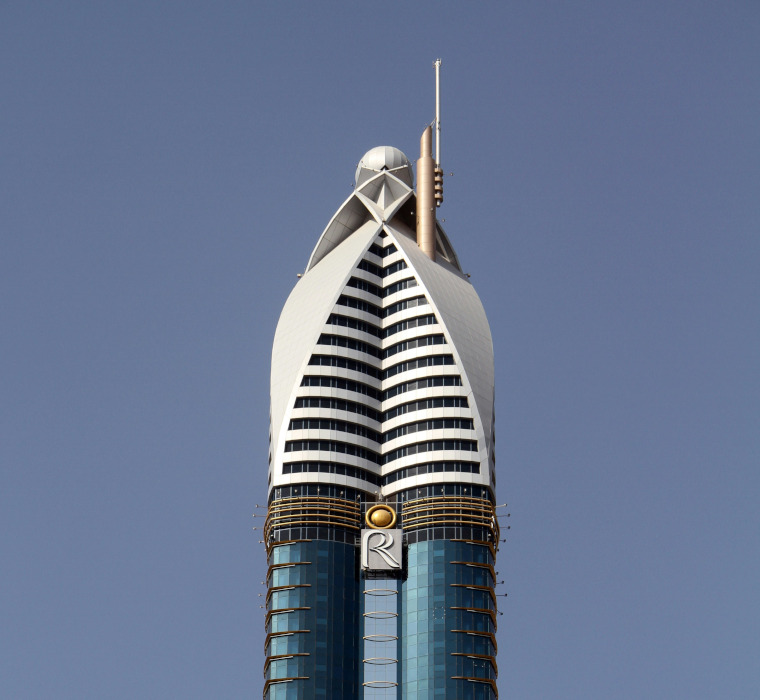 Image source: Saj Shafique / unsplash.com
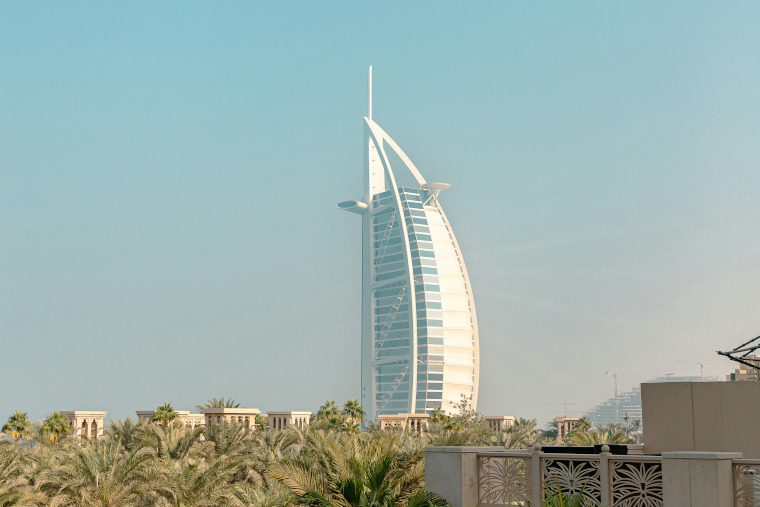 Image source: Dan Soriano / unsplash.com