How to dress in Dubai: a complete guide for tourists
Save the article:
Afraid of violating local traditions and receiving a fine for inappropriate clothing in Dubai? This fear plagues many tourists, especially women planning their first trip to the UAE. In this article, you will find clear dress code rules for all situations, practical advice on choosing clothes and real information about the consequences of violations, without scaremongering or conjecture.
For whom is this information critical? For all tourists who want to feel confident in Dubai whilst observing local culture. It is especially useful for families with children, female travellers and those visiting Arab countries and the Emirates for the first time. The article will help you put together the right wardrobe and avoid awkward situations.
Basic Dress Code Rules in Dubai: What Every Tourist Needs to Know
Muslim traditions in modern Dubai
Dubai combines deep Arab traditions with the cosmopolitan atmosphere of an international business centre. The United Arab Emirates shows far greater tolerance towards tourists than many other Muslim countries in the region. The UAE understands the importance of tourism to the economy and strives to create comfortable conditions for guests from all over the world.
Locals appreciate it when tourists show respect for their culture through appropriate clothing. This does not mean strict limitations — one should simply adhere to norms of modesty in public places. Most violations happen due to ignorance rather than malicious intent, so locals treat tourists with understanding.
Real consequences of violating the rules
Important! Fines and punishments for inappropriate clothing are the exception rather than the rule. In most cases, security guards at malls or hotel staff will simply politely ask you to put on something more suitable.
Real problems arise only with gross violations: appearing in a bikini in a public place, transparent clothing in a religious site or demonstrative disregard for staff remarks. Even then, the matter is most often limited to a warning and the necessity to change clothes.
The universal "shoulders + knees" principle
The main rule for all tourists in public places: shoulders and knees must be covered. This works in 90% of situations and will help avoid any awkward situations. Avoid transparent fabrics, even if they formally cover the body.
Image source: kroshka__nastya / freepik.com
This principle is equally relevant for men and women, although stricter norms are traditionally applied to women's clothing in the Emirates. By following the "shoulders + knees" rule, you can safely visit malls, restaurants and the majority of attractions.
Dress Code for Women in Dubai: a Detailed Guide
Length of clothes: skirts, dresses, shorts
The safe limit for skirts and dresses is not above the knee. Short shorts should be left for hotel beaches or worn with opaque leggings. If you have a favourite short dress that you want to take on the trip, complement it with trousers or a long tunic.
Maxi dresses and skirts are the ideal choice for Dubai's hot climate. They protect against the sun, comply with local norms and look elegant in any part of the UAE. In summer, it is better to choose a loose fit made from natural fabrics.
Tops, blouses and the principle of covering up
A deep neckline and bare shoulders are not suitable for public places. Choose blouses and tops with sleeves or wear cardigans. T-shirts with short sleeves are acceptable, but avoid overly tight styles.
Life hack: bring a few scarves or shawls with you. They will help you quickly cover up when entering a religious site or a conservative establishment, and will also provide sun protection in hot weather.
Type of clothing
Hotels and beaches
Malls
Restaurants
Religious places
Short skirts/dresses
✓
✗
✗
✗
Long dresses
✓
✓
✓
✓
Sleeveless tops
✓
✗
✗
✗
Blouses with sleeves
✓
✓
✓
✓
Shorts
✓
✗
✗
✗
Long trousers
✓
✓
✓
✓
Special rules for religious places
When visiting religious sites, the strictest norms apply. Arms must be covered to the wrists, legs to the ankles. A headscarf is mandatory. Many places provide abayas (traditional cloaks) for rent free of charge.
Don"t buy an abaya just for a single visit. Bring a long, loose, dark dress and a scarf — this universal solution will be suitable for any religious site in the United Arab Emirates.
Beachwear and swimwear
On private hotel beaches, one can wear any swimwear, including bikinis. Public beaches are more conservative — you should choose models with greater coverage or wear beach tunics.
Important! When moving from the beach to urban locations, be sure to change clothes. Walking in a swimsuit in public places is unacceptable and may lead to problems.
Climate and Clothing in Dubai: How to Dress for the Weather
Summer heat and sun protection
In Dubai, summer temperatures can exceed 40℃ with high humidity. In this case, wearing covered clothing provides protection. Light colours reflect the sun's rays, and a loose fit ensures air circulation.
Headwear is mandatory for all tourists, regardless of dress code norms. It"s very sunny and hot in the emirates, and heatstroke can occur within minutes. Wide-brimmed hats protect more effectively than caps.
Winter season: unexpected cool
From December to February, Dubai can be chilly, especially in the evenings. The temperature drops to 15–20℃, which feels quite cold after the summer heat. Bring a cardigan or jacket for evening walks.
In winter, there are many tourists in the Emirates precisely because of the comfortable weather. It is the optimal time for long excursions and walks around the city. Clothing can be multi-layered without the risk of discomfort from the heat.
Air conditioners: the eternal problem for tourists
In malls, restaurants and hotels, air conditioners operate at full capacity all year round. The temperature difference between the street and the room can reach 15–20℃. Many tourists catch a cold precisely because of this contrast.
Image source: freepik / freepik.com
Always carry a cardigan or scarf with you. Layering will help you quickly adapt to temperature changes. This is especially important when visiting large malls, where one might spend several hours.
Choice of fabrics and materials
Optimal fabrics for Dubai's hot climate are natural materials: cotton, linen, or bamboo fibres. They are breathable and absorb moisture, ensuring comfort in the heat. Avoid dense synthetics and fabrics that do not breathe well.
Natural fabrics dry quickly after washing, which is important in a humid climate. Many tourists wash clothes daily due to sweating, so it"s better to choose practical materials.
Where to Wear What: a Dress Code by Location and District of Dubai
Hotels and private beaches: maximum freedom
The most liberal rules apply on hotel territories. There one can wear shorts, short tops, short dresses — any comfortable clothing. Private beaches allow sunbathing in any swimwear.
However, when leaving the hotel territory, one must change or throw on something more appropriate. Many tourists forget this rule and find themselves in awkward situations as soon as they are in the lobby of the neighbouring mall.
Malls and restaurants
Large malls in Dubai often have their own dress code standards, which may be stricter than street norms. Signs with rules hang at the entrances, and security guards politely remind violators about them.
When it comes to restaurants, the dress code depends on the status of the establishment. Street cafes are more democratic, while elite restaurants have high standards for the appearance of their guests. When in doubt, it is worth dressing more conservatively.
Traditional districts: Deira, Bur Dubai
The old districts of Dubai preserve a more traditional atmosphere. More locals live there, and historical markets and religious sites operate. When visiting these districts, tourists should dress especially modestly out of respect for the local culture.
At traditional markets — Gold Souk, Spice Souk, Textile Souk — traders are more receptive to customers who look respectable. This may even influence prices when bargaining.
Modern districts: Downtown, JBR
The Downtown and JBR districts always attract an international crowd and have more liberal rules. There are many expats and tourists there, so the dress code is closer to European standards.
Trendy restaurants, clubs and international-class malls are concentrated in these districts. However, the basic "shoulders + knees" rule remains relevant there as well.
District/Place
Level of strictness
Special norms
Hotels and beaches
Low
Only for going out into the city
Downtown, JBR
Medium
Basic rules of decency
Malls
Medium
Covered shoulders and knees
Deira, Bur Dubai
High
Conservative clothing
Religious places
Maximum
Full body coverage
Practical Tips: What to Bring with You and Where to Buy in Dubai
Basic wardrobe for a week-long trip
2–3 long dresses or tunics
1–2 pairs of long trousers made of natural fabrics
3–4 blouses or T-shirts with sleeves
A cardigan
2–3 scarves
Comfortable shoes for excursions
Headwear for protection from the sun
A capsule wardrobe will help use the space in the suitcase as effectively as possible. Choose items that combine well with each other in colour and style.
Universal items for different situations
A pareo is an irreplaceable item for any trip to Dubai. During the day it serves as a beach cover-up, in the evening it turns into a scarf, and if necessary, it can become a skirt or shawl for visiting a religious place.
Cardigans and jackets help to quickly adapt an outfit to different situations. A simple dress with a cardigan is suitable for a mall, without it — for a beach bar.
Children's clothing: specifics and nuances
The norms are softer for children's clothing, but the basic rules remain. In public places children should be dressed modestly, especially when visiting religious sites. Prioritise comfort and practicality.
In Dubai's hot climate, children can easily get sunstroke or sunburn. Covering clothing will protect them more effectively than revealing clothing. Do not forget sun hats and comfortable shoes for long walks.
Shopping in Dubai: where and what to buy
Dubai is an excellent place to buy summer clothes. Local malls offer a wide selection of outfits suitable for the local climate and culture. Prices vary from budget to luxury.
Image source: freepik / freepik.com
What is worth buying locally: dresses and tunics, headwear, beachwear, sandals.What to bring with you: quality walking shoes, cardigans, underwear, sunglasses.
Conclusion
The dress code in Dubai should not frighten tourists or limit their leisure time. The main rules are simple and logical: covered shoulders and knees in public places, respect for local culture and common sense when choosing clothes.
Main tips for a successful trip:
Plan your wardrobe in advance considering the climate and culture
Bring multifunctional items
Always have something with you to cover up
Study the specifics of the places you plan to visit
Observing local clothing norms opens up more opportunities for tourists to get acquainted with the real culture of the UAE. Locals always treat guests who show respect for their traditions warmly. A properly dressed tourist can safely visit any district of the emirates, feeling like they belong in this amazing place.
Frequently Asked Questions
Can I wear jeans in Dubai?
Yes, jeans are perfectly acceptable in most places. Choose loose-fitting models that aren"t too tight. However, jeans might be uncomfortable in hot weather, so it is worth having alternative options that are made from more breathable fabrics.
Do women need to cover their heads?
In everyday life and most tourist places, covering the head is not mandatory. The exception is religious sites, where a headscarf is necessary.
However, a hat or sun hat is mandatory for protection from the sun.
What will happen if I violate the dress code?
In most cases — a polite remark from staff and a requirement to change or put on something more appropriate. Fines are only possible in cases of serious violations and disregard for staff remarks.
Is it allowed to sunbathe topless on hotel beaches?
No, going topless is forbidden even on private hotel beaches. This applies to the entire territory of the UAE. Revealing swimsuits are permitted, but full or partial nudity is prohibited.
What clothing is suitable for visiting malls?
Covered shoulders and knees are the main norm. Long trousers or skirts, blouses with sleeves, and dresses will be suitable. Take a cardigan in case of strong air conditioning.
Is the dress code different for men?
The basic rules are the same: covered shoulders and knees in public places. It is easier for men — ordinary trousers and T-shirts with sleeves are fine.
Image source: garetsvisual / freepik.com
Shorts are only allowed on beaches and in hotels.
Where can I buy suitable clothing in Dubai?
In any mall, there are shops with clothing for the local climate. There is an especially wide selection of summer dresses, tunics and blouses. Prices range from the budget and go up to luxury brands.
Is special footwear needed?
Special footwear is not needed. The main thing is comfort for long walks and protection from the hot asphalt in summer. Sandals, trainers, shoes — everything is suitable depending on the situation.
Geographical position of the UAE on the world map. Land borders of the UAE with neighbouring countries. Administrative structure and internal borders. Natural conditions of border territories. Dispute...
General information about the Dubai Marina district. Hotels in the Dubai Marina district. Real estate in the Dubai Marina district. Transport in the Dubai Marina district. Popular restaurants in the D...
Types of work visas in the UAE and Dubai. How to find work in Dubai? The process of obtaining a work visa in Dubai. Frequently asked questions about work visas in Dubai.
A reason to contact a real estate agency in Dubai. Regulation of real estate agencies in Dubai. How to choose a real estate agency in Dubai? Specifics of real estate agencies' work in Dubai. Risks of ...
Dubai as a city attractive to crypto investors. Types of crypto banking accounts that can be opened in Dubai. Specifics of cryptocurrency exchange in Dubai. Crypto zones in Dubai. Cryptocurrency regul...
Specifics of property rights types in the UAE. What is freehold? What is leasehold? Usufruct and musataha. Pros and cons of different forms of ownership in the UAE. Frequently asked questions about ty...
Healthcare system in Dubai. Access to medical care for UAE citizens. Access to medical care for residents and expats. Access to medical care for tourists and short-term visitors. Medical tourism in Du...
Cultural features of the UAE. Advantages and disadvantages of employment in Dubai. Company requirements for foreign employees. Job search options in Dubai. Visas for working in Dubai. Specifics of wor...



 Image source: kroshka__nastya / freepik.com

 Image source: freepik / freepik.com


 Image source: freepik / freepik.com

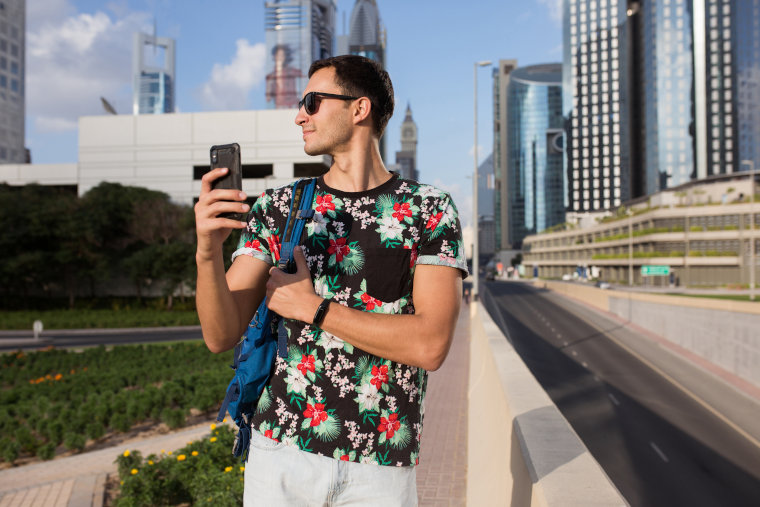 Image source: garetsvisual / freepik.com