How to Get from Dubai to Abu Dhabi: A Complete Guide for Travellers
Save the article:
Which option is the cheapest? The bus is the cheapest choice at 25–30 dirhams, a taxi or transfer will cost at least 250 dirhams, and car rental starts at 120 dirhams per day. Each transport option has its own advantages for different types of journeys between these UAE cities. A transfer from Dubai is becoming increasingly popular among tourists thanks to the convenience and comfort of the trip.
Intercity Bus
Public transport between the emirates consists of three main routes, linking key points in both cities. The RTA bus system provides regular services with a high level of comfort and a predictable timetable.
Bus routes and stops
Route E100 connects the central Ibn Battuta bus station in Dubai with the central bus station in Abu Dhabi. The bus makes intermediate stops at Jebel Ali and Al Ghuweifat, which is convenient for passengers travelling from the western districts of Dubai.
The journey takes approximately 2 hours in normal traffic. This route is considered the most popular among Dubai residents who regularly travel to Abu Dhabi for business.
E101 departs from Al Ghubaiba bus station in old Dubai and runs to Abu Dhabi's central terminal. This route passes through Dubai Mall and makes a stop near the Burj Khalifa, which makes it popular among tourists.
Image source: Ashish Mughal / unsplash.com
The journey takes 1.5–2 hours depending on road congestion. This bus is an excellent option for those who plan to combine a business trip to Abu Dhabi with a visit to Dubai's iconic landmarks.
Route E102 starts at Ibn Battuta metro station with a final stop at Abu Dhabi's central bus station. This is the most convenient option for those travelling by metro, as it provides a seamless connection between public transport modes. Passengers from various districts of Dubai can easily reach the metro station and continue their journey to Abu Dhabi by bus.
Timetable and service frequency
Buses run daily from 5:30 AM to 12:30 AM. During peak hours (7:00 AM–9:00 AM and 5:00 PM–8:00 PM), services run every 20–30 minutes; at other times, every 40 minutes. At weekends, the frequency decreases slightly, particularly in the evenings.
When planning your journey, it is advisable to avoid the morning rush hour (7:00 AM–9:00 AM), when the roads are most congested. The optimal departure window is between 10:00 AM and 3:00 PM, when traffic is at its lightest and you can expect the timetable to be followed accurately. During this period, the journey from Dubai to Abu Dhabi will take the standard 2 hours without delays.
Alternative travel options
In addition to the main bus routes, there are other options for travelling between Dubai and Abu Dhabi. An express bus operates during morning hours (6:00 AM–9:00 AM) and evening hours (5:00 PM–8:00 PM), reducing the journey time to 1.5 hours.
This option is particularly popular among business travellers who need to get from one emirate to the other quickly.
Night buses operate from 11:00 PM to 5:00 AM with a 2-hour interval. This mode of transport suits those who are planning a night-time trip and wish to avoid daytime traffic between Dubai and Abu Dhabi.
Fares and payment methods
The fare is 25 dirhams for a standard ticket and 30 dirhams for the silver class, which offers additional comfort. Payment is made exclusively by Nol card, which can be purchased from machines at any metro station or bus terminal for 25 dirhams (including a 19-dirham deposit).
The Nol card is also valid on all forms of public transport in Dubai, making it a worthwhile purchase for active travellers. When using a Red Nol card, the fare drops to 23 dirhams. For frequent journeys between Dubai and Abu Dhabi, it is advisable to purchase a monthly pass, which significantly reduces the cost of each trip.
Comfort and amenities on board
All buses are equipped with air conditioning that maintains a comfortable temperature even on hot days. Wi-Fi is available on most routes, although the speed may vary depending on network load. The seats are ergonomic with adequate legroom, and there is overhead luggage space.
Silver class buses feature wider seats, additional USB charging ports, and improved soundproofing. For a long journey, this may be worth the extra 5 dirhams. The silver class is the ideal option for business trips between Dubai and Abu Dhabi when additional comfort is important.
Taxi and Transfer
A taxi from Dubai to Abu Dhabi is the ideal choice for those who value comfort and are willing to pay for convenience. The fare is 250–400 dirhams, and the journey takes 1–1.5 hours depending on traffic and the chosen route. Many tourists opt for this way of travelling between the emirates, as the journey is as comfortable as possible.
Types of taxi and transfer services
Standard city taxis in Dubai operate on a meter and accept bookings for intercity journeys to Abu Dhabi. Drivers are required to use the air conditioning and provide a payment receipt. The cost is calculated on a base rate of 12 dirhams plus 2.82 dirhams per kilometre. A standard taxi ride from Dubai takes approximately 1.5 hours, depending on road congestion.
Uber offers several vehicle categories for the Dubai – Abu Dhabi route: UberX (250–300 dirhams), Uber Comfort (320–380 dirhams), and Uber Black (400–500 dirhams). The app displays the exact fare before you confirm your booking, which eliminates any unpleasant surprises. The waiting time for a vehicle in Dubai is 5–10 minutes.
Image source: Kate Trysh / unsplash.com
Careem is a local competitor to Uber with a similar service and pricing for the Dubai – Abu Dhabi route. A distinctive feature of the service is the option to select a female driver and pay by cash or card through the app. The service is popular among local residents and tourists planning to travel from Dubai to the UAE capital.
Private transfers and their features
Private transfer companies in Dubai offer fixed rates ranging from 280 to 450 dirhams, depending on the vehicle class. The advantage of a transfer is a meet-and-greet with a sign at the airport or hotel, assistance with luggage, and a guaranteed vehicle arrival at the appointed time. Most companies use comfortable premium-class vehicles for the journey to Abu Dhabi.
Many hotels in Dubai provide their own transfer services to Abu Dhabi at a cost of 350–400 dirhams. Transfer bookings are made through the concierge or at check-in, and payment can be made in your room. A hotel transfer guarantees a quality vehicle and an experienced driver for a comfortable journey.
Additional taxi services in Dubai
Many taxi drivers in Dubai offer sightseeing trips with stops en route to Abu Dhabi. This service includes visits to iconic Dubai landmarks, photo stops at points of interest, and stories about UAE culture. The cost of a sightseeing trip is 500–700 dirhams.
Some taxi services in Dubai offer special fares for group journeys of up to 7 people. Minivans and SUVs allow a large group to travel in comfort. A group trip from Dubai to Abu Dhabi will cost 450–600 dirhams for the entire vehicle.
VIP taxis in Dubai are premium luxury vehicles with a driver-guide. Such a trip includes refreshments, Wi-Fi, charging devices, and a personalised itinerary. The cost of a VIP journey from Dubai to Abu Dhabi starts from 800 dirhams.
Booking procedure and payment methods
To book via mobile apps, simply enter your departure point (Dubai) and destination (Abu Dhabi), select the vehicle type, and confirm the booking. Payment is processed automatically via the linked card or in cash to the driver. The apps display the estimated journey time and cost.
When hailing a taxi on the street in Dubai, be sure to agree on the total fare to Abu Dhabi before getting in. Many drivers offer a fixed price of 300–350 dirhams rather than using the meter, which may work out more favourably for the passenger.
Booking a transfer online in advance guarantees a fixed price and vehicle arrival at the specified time. Most companies require a 50–100 dirham deposit when booking online.
Best time for the journey
The best times for the trip from Dubai to Abu Dhabi are the morning hours between 9:00 AM and 11:00 AM, or the evening hours between 8:00 PM and 10:00 PM. The roads are less congested during these hours, and the journey will take the minimum amount of time. Avoid rush hours (7:00 AM–9:00 AM and 5:00 PM–7:00 PM), when journey times can increase to 2 hours.
If you are planning a trip to Abu Dhabi at the weekend, bear in mind the heavier traffic on Friday evenings, when many Dubai residents head to the capital to relax. On Saturday mornings, the journey will be easier and faster.
Luggage rules and useful tips
Standard luggage of up to 23 kg is carried free of charge in the boot of any taxi operating between Dubai and Abu Dhabi. An additional charge of 20–50 dirhams may apply for oversized items or luggage exceeding the limit.
To save money, book your transfer in advance through the official websites of companies in Dubai — this gives a discount of 10–15% off the standard fare for the journey to Abu Dhabi. Choose trusted services with a driver rating above 4.7 stars.
How to get to Abu Dhabi from Dubai on your own? Planning the trip becomes easier with advance route research and the contact information of reliable taxi services in Dubai. Have your destination address in Arabic to ensure you arrive at exactly the right place in Abu Dhabi.
Car Hiring
Hiring a car offers complete freedom of movement between the emirates and allows you to travel at your own pace. The process of arranging a rental in the UAE is straightforward for tourists, and the well-developed road infrastructure makes driving comfortable even for those with limited experience.
Documents and requirements for hiring a car
To hire a car, you will need an international driving licence, a valid passport, and a credit card in the driver's name. The minimum age is 21, although some companies set a limit of 25 for premium-class vehicles. Driving experience must be at least one year.
Image source: Nejc Soklič / unsplash.com
Most rental companies require a deposit of between 1,500 and 3,000 dirhams, which is blocked on the card and refunded upon return of the vehicle in undamaged condition. Always inspect the vehicle for any existing damage beforehand and ensure any prior damage is noted in the agreement.
Costs and popular companies
Basic economy-class rental starts at 120 dirhams per day, the mid-range class costs 180–250 dirhams, and premium vehicles start at 400 dirhams per day. The most reputable companies are considered to be the international chains Hertz, Avis, and Budget, as well as the local companies Thrifty and Fast Rent a Car.
All major rental companies operate in Dubai and Abu Dhabi, offering a wide selection of vehicles across various classes. Rental offices at Dubai Airport are open around the clock, which is convenient for tourists arriving at any hour. In Abu Dhabi, most companies operate from 8:00 AM to 10:00 PM, but some city-centre offices accept clients until midnight.
Make sure to include full CDW (Collision Damage Waiver) insurance in your hire cost, as it covers damage in the event of an accident. Basic insurance is usually included in the price but comes with an excess of 1,500–3,000 dirhams.
Hiring specifics in different emirates
Dubai offers the widest selection of rental vehicles — from budget saloons to luxury sports cars. Many offices in Dubai operate extended hours, accepting customers until late in the evening.
In the Dubai Marina and Downtown areas, you can find specialised companies offering exclusive models for special occasions. Dubai airports have a dedicated terminal for rental companies, which significantly simplifies the vehicle pickup process.
Abu Dhabi also has a well-developed network of rental offices, particularly in the Corniche area and near shopping centres. The emirate's capital offers competitive car rental prices, and the hiring process in Abu Dhabi is often faster thanks to a lower number of tourists compared to Dubai.
Popular destinations for road trips
Dubai is an excellent starting point for trips to other UAE cities. From Dubai you can easily reach Sharjah in 30 minutes, Ajman in 45 minutes, and Ras Al Khaimah in an hour and a half. All these cities are connected by modern motorways with excellent road surfaces.
Abu Dhabi also provides convenient access to various cities within the emirate. From the capital, you can head to Al Ain, which is renowned for its oases and historical landmarks. A trip to the cities of the western region, such as Al Mirfa or Al Sila, will reveal pristine beaches and traditional Bedouin culture to travellers.
Route and road traffic specifics
The main E11 highway (Sheikh Zayed Road) connects Dubai and Abu Dhabi via a direct four-lane motorway. The road features excellent surface quality and clear markings, with a maximum speed limit of 120–140 km/h on various sections. The journey between the centre of Dubai and the centre of Abu Dhabi takes approximately 1.5 hours when speed limits are observed.
Image source: Nik V / unsplash.com
There are no toll sections on the route, but do watch out for speed cameras — they are installed every 10–15 km. A fine for exceeding the limit by 20 km/h is 300 dirhams, and by 30 km/h — 600 dirhams. Automatic speed limit recording systems are in place on the approaches to Dubai and Abu Dhabi, so strictly adhere to the speed limits.
Parking and practical tips
In Abu Dhabi city centre, parking is chargeable from 8:00 AM to 10:00 PM, at a rate of 2–3 dirhams per hour. Large shopping centres offer free parking for 3–4 hours. In Dubai, the parking system operates similarly, but in some areas hourly charges apply until midnight.
To save on fuel, maintain a speed of 100–110 km/h and use cruise control on the motorway — fuel consumption will decrease by 15–20%. When planning the trip from Dubai to Abu Dhabi, take into account rush hours (from 7:00 AM to 9:00 AM and from 5:00 PM to 7:00 PM), when traffic slows considerably. On weekends, the road between Dubai and Abu Dhabi is less congested, allowing you to reduce journey time by 20–30 minutes.
Additional services and recommendations
Many rental companies in Dubai offer a vehicle delivery service to your hotel or any location in the city. This option is particularly popular among guests of Dubai's luxury hotels, such as the Burj Al Arab or Atlantis. Delivery within Dubai costs 50–100 dirhams depending on the distance.
When hiring a car in Dubai, pay attention to the included mileage — most companies offer 200–300 km per day free of charge. For trips to neighbouring cities, this is perfectly sufficient. GPS navigation is usually provided free of charge, which is especially useful for first-time visitors to Dubai who are navigating its complex road network.
Alternative Transportation
In addition to the traditional modes of transport between the emirates, travellers may consider several alternative options. Each has its own characteristics and suits particular situations and budgets.
Organised sightseeing tours
Tours offer a unique opportunity to combine transport with sightseeing. Tour companies offer day trips from Dubai to Abu Dhabi costing from 350 to 800 dirhams per person. The programme typically includes a visit to the Sheikh Zayed Grand Mosque, the Louvre Abu Dhabi, and a city sightseeing tour of the capital.
The advantages of organised tours include an air-conditioned coach, a guide, and a ready-made itinerary with no need for personal planning. The one-way journey takes approximately 1.5 hours, and the total duration of the excursion is 8–10 hours. The drawback is the fixed schedule and the limited time allotted at each location.
Some tour operators offer a premium small-group tour to Abu Dhabi for up to 15 people. Such a coach provides greater comfort and more personal attention from the guide. The cost of such tours to Abu Dhabi ranges from 600 to 1,200 dirhams per person.
Domestic flights
There are no direct flights between Dubai and Abu Dhabi airports due to the short distance between the cities. Airlines consider such a route unprofitable, as the flight would last only 20–25 minutes — comparable to the time of check-in and boarding.
The only aerial option is charter helicopter flights starting from 3,000 dirhams per flight. Such services are offered by several companies for VIP clients or special occasions, but they are not cost-effective for ordinary travellers.
Etihad Rail train service
The Etihad Rail train project is in active development. According to UAE government plans, passenger trains between Dubai and Abu Dhabi are expected to begin running in 2026. The anticipated journey time will be around 50 minutes, which will make the train the fastest mode of travel between the emirates.
The ticket price is expected to range from 25 to 50 dirhams depending on the class of service. The railway line will pass through key districts of both cities, with stops near major landmarks and business centres.
Planned stations in Abu Dhabi include stops near Abu Dhabi International Airport, the central part of the capital, and Yas Island. This mode of transport will be revolutionary for travel between the emirates and will significantly reduce journey times to Abu Dhabi.
Sea routes
Sea transport between the emirates is limited to tourist cruises and private yachts. There is no regular ferry service between Dubai and Abu Dhabi. Cruise companies organise multi-day tours around the Persian Gulf starting at 1,500 dirhams, but such trips are more of a leisure activity than practical transport.
Hiring a private yacht costs at least 2,000 dirhams per day, and the journey will take 4–5 hours depending on weather conditions and the type of vessel.
Weekend bus tours
A separate option is provided by specialised weekend bus tours, which allow you to explore Abu Dhabi in detail over two days. Such programmes include an overnight stay in an Abu Dhabi hotel and an extended sightseeing programme. A comfortable tourist bus transports groups on Friday evenings, with the return on Sunday.
Image source: Abdullah Azeez / unsplash.com
Two-day bus tours to Abu Dhabi costing 800–1,500 dirhams include accommodation, meals, and an extensive programme of visits. This option is particularly popular among tourists who wish to thoroughly acquaint themselves with Abu Dhabi's cultural heritage and visit as many of the capital's landmarks as possible.
FAQ
Can I buy a bus ticket on the bus itself?
No — intercity buses operate a cashless payment system only, via the Nol card. It is not possible to buy a ticket from the driver. You must top up the card in advance at a metro station, at a vending machine, or at a shop displaying the RTA logo. The minimum top-up amount is 25 dirhams. When boarding the bus, simply tap the card against the validator.
Do the buses run on Fridays and public holidays?
Buses operate daily, including on Fridays and UAE national holidays. On Fridays the timetable may change slightly — intervals increase to 45–60 minutes instead of the standard 30–40 minutes.
It is advisable to check the current timetable on the RTA website before travelling. On public holidays, buses may also run at increased intervals.
What should I do if I miss the last bus?
The last buses depart at around 11:00–11:30 PM depending on the route. If you miss them, you have three options: order a taxi (250–400 dirhams), use the Careem or Uber apps, or stay overnight in Dubai and take an early morning bus.
There are no overnight buses between the emirates, so plan your trip in advance.
Do I need to book a seat on the bus in advance?
Booking is not required — buses operate on a first-come, first-served basis. Seats are generally available throughout the day, but during rush hours (7:00–9:00 AM and 5:00–7:00 PM) you may need to wait for the next bus. It is best to arrive at the stop 10–15 minutes before your intended departure. Each bus accommodates 45–55 passengers depending on the model.
Can I bring large luggage on the bus?
Intercity buses have luggage compartments for standard-sized suitcases. Luggage is carried at no additional charge. Hand luggage is stored in overhead racks or under the seat. For oversized items, a taxi would be a better option.
Is there Wi-Fi on the bus?
Most modern intercity routes are equipped with free Wi-Fi. The connection is made automatically after boarding — find the RTA_Bus network in the list of available connections. The internet speed is sufficient for reading emails and using messaging apps, but may not be sufficient for watching videos.
How do I find out which bus I need?
Every bus displays clear route number markings on the windscreen and side panels. Information boards showing timetables and the numbers of passing routes are installed at stops. You can also use the RTA Dubai mobile app to track the arrival of the bus you need in real time.
Article header image source: Abdullah Azeez / unsplash.com
What Nakheel Mall is. What can be found in Nakheel Mall? Entertainment in Nakheel Mall. How to get to Nakheel Mall? Frequently asked questions about Nakheel Mall.
Healthcare in the UAE for foreigners. Medicines prohibited in Dubai. Procedure for importing controlled medicines to Dubai. Medicines available in Dubai pharmacies. Frequently asked questions about me...
Dubai as a city of skyscrapers. Architectural features of Dubai's skyscrapers. Famous skyscrapers in Dubai. Economic significance of high-rise construction in Dubai. Life in Dubai's skyscrapers. Frequ...
Calendar of official holidays of the UAE. Muslim events in the UAE: traditions and rules of conduct. Opening hours of institutions and businesses during holidays. National events and public occasions...
Shopping centres in Sharjah: are they worth visiting? 5 best shopping centres in Sharjah. 5 tips for shopping in Sharjah. Frequently asked questions about shopping centres in Sharjah.
Description of the Al Barsha district. Real estate in Al Barsha. Nurseries and schools in Al Barsha. Investment feasibility and development prospects of Al Barsha. Frequently asked questions about Al ...



 Image source: Ashish Mughal / unsplash.com

 Image source: Kate Trysh / unsplash.com

 Image source: Nejc Soklič / unsplash.com

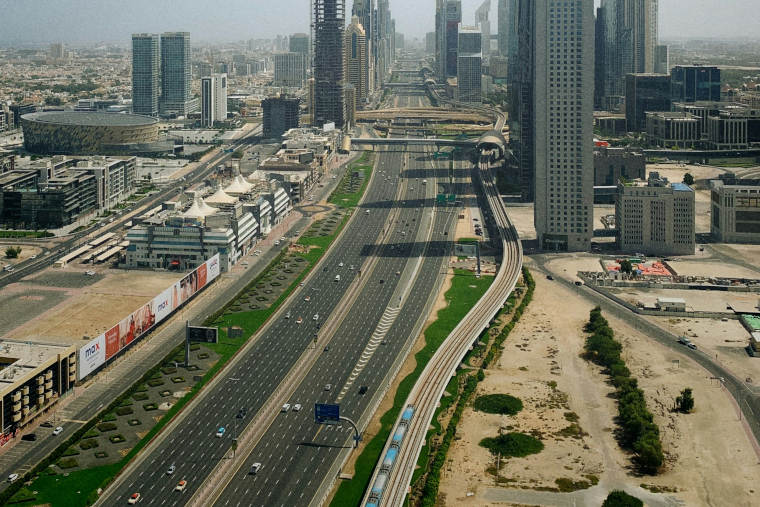 Image source: Nik V / unsplash.com


 Image source: Abdullah Azeez / unsplash.com