Prices in the UAE: Housing, Food, Transport and Entertainment Cost
Save the article:
How much does a holiday in the UAE cost? The minimum budget for a tourist is 3500–4500 rubles per person per day. This amount is enough for accommodation in a Dubai hostel, meals in cafes and travel around the city. Tours to the UAE allow you to save significantly, especially if you book your trip to Dubai in advance.
What affects the prices? The cost of living in the Emirates depends on the season, the location and your preferences. Dubai is 40–50% more expensive than Sharjah, and the high season increases expenses by 1.5–2 times; tours during low season can be significantly cheaper.
General Cost of Living and Recreation
The cost of living is influenced by several key factors. The country imports the majority of goods, which affects the final prices. The local currency is the dirham (AED), pegged to the US dollar at a rate of 3.67 per dollar.
One dirham is equal to approximately 27–28 rubles. Tours remain a popular way to save money, so many tour operators offer great deals on packages to visit top destinations, especially in Dubai.
Average tourist budget per day
Basic tourist expenses vary significantly depending on the level of comfort. A budget traveller can expect to spend 130–150 dirhams (3,500–4,200 rubles) per day, including accommodation in a Dubai hostel, meals at local cafes and public transportation. Online search for tours will help you find an affordable option for visiting Dubai.
Image source: Kate Trysh / unsplash.com
Mid-range travellers spend 300–400 dirhams (8,100–10,800 rubles) daily. This amount covers accommodation in a three-star Dubai hotel, dining in restaurants and taxi rides.
Luxury vacations start at 800–1,000 dirhams (21,600–27,000 rubles) per person per day. Tours with breakfast included usually cost more, but allow one to save on food in Dubai and other top resorts.
Estimated expenses by category
The distribution of a tourist's budget has its own specifics. Accommodation accounts for the largest share — 40–50% of the total budget. Food accounts for 25–30%, transport and entertainment — 10–15% each. Data analysis shows that tours from Moscow include transfer and insurance, which is convenient for travellers to Dubai.
Expense Category
Budget Traveller
Mid-Range Traveller
Premium
Accommodation (per night)
80–120 AED
200–350 AED
500+ AED
Food (per day)
40–60 AED
100–150 AED
250+ AED
Transport (per day)
10–20 AED
30–50 AED
80+ AED
Entertainment
20–40 AED
60–100 AED
200+ AED
Prices differ significantly between the emirates. Dubai and Abu Dhabi are considered the most expensive cities, while Sharjah and Ajman are more budget-friendly options. The price difference can reach 30–40% across all categories of goods and services. Package tours to Ras Al Khaimah are usually cheaper compared to tours to Dubai and other popular tourist destinations.
Seasonal prices in the Emirates
Seasons play a huge role in pricing. The high season lasts from October to April, when the air temperature is quite comfortable. During this period, hotel prices increase by 1.5–2 times. During this time the tours are in high demand, so it is worth subscribing to a tour operator's newsletter to receive information about discounts.
Low season occurs during the summer months (May to September), when the temperature reaches +45°C and above. Many hotels offer significant discounts — up to 50–60%. However, the heat limits the opportunities for outdoor activities. You can find great deals online for this time of year in Dubai and other emirates.
New Year’s holidays and Ramadan also affect prices. December to January is the peak of the tourist season with the highest prices for tours to Dubai. Ramadan, conversely, is considered a less attractive time for tourists due to restrictions on the operation of certain establishments; nevertheless, tours during this period are quite affordable.
Housing and Accommodation Prices
Accommodation is the main expense when visiting the UAE. The Emirates offers a wide range of accommodation options, from budget hostels to luxurious world-class resorts. The choice of location significantly affects the final cost. Tours often include accommodation, which allows you to save money and know the exact cost of your trip in advance.
Cost of hotels of different categories
Hostels are limited, and can be found primarily in Dubai and Abu Dhabi. A bed in a shared room in a hostel costs 80–120 dirhams (2,200–3,300 rubles) per night. Double rooms in hostels cost 150–200 dirhams (4,100–5,400 rubles). Hostels in Dubai are particularly popular among young people.
Two- and three-star hotels offer rooms for 180–300 dirhams (4,900–8,100 rubles) per night. Such hotels are often located in the districts of Deira, Bur Dubai or on the city outskirts. The quality of service and amenities meet international standards.
Image source: Saj Shafique / unsplash.com
Four-star hotels cost 350–600 dirhams (9,500–16,200 rubles) per night. Five-star hotel prices start from 800 dirhams (21,600 rubles), and luxury resorts in Dubai can cost 2,000–5,000 dirhams (54,000–135,000 rubles) per room. Tours with accommodation in such hotels are considered premium.
Renting apartments
Short-term apartment rentals via Airbnb or local services are often cheaper than hotels for longer stays. A one-bedroom apartment in central Dubai costs 200–400 AED (5,400–10,800 rubles) per night, on the outskirts of Dubai — 150–250 AED (4,100–6,800 rubles). Finding an apartment yourself is cheaper than through a tour operator.
Apartments with two bedrooms cost 350–600 AED (9,500–16,200 rubles) in the central districts of Dubai. For families, it is better to consider villas in the suburbs — 500–800 AED (13,500–21,600 rubles) per night, accommodating 6–8 people. When travelling with children, this is a great option for a comfortable vacation in one of the most picturesque places.
Long-term rentals are significantly cheaper. A one-bedroom apartment in Dubai costs 3,000–5,000 AED (81,000–135,000 rubles) per month, while a three-bedroom apartment costs 6,000–12,000 AED (162,000–324,000 rubles).
Buying real estate
The real estate market is open to foreign investors in certain zones. Prices for apartments in Dubai start from 800,000–1,200,000 AED (21.6–32.4 million rubles) for a one-bedroom apartment in new residential projects. Although this is expensive, many companies offer instalment plans and flexible payment terms.
Elite real estate on artificial islands or in the skyscrapers of Dubai costs significantly more. Apartments in the Burj Khalifa cost 2–3 million dirhams (54–81 million rubles). Prices on villas in prestigious districts reach 5–15 million dirhams (135–405 million rubles). When buying real estate, it is important to look up the developer's rating and obtain full information about the project.
Food: Restaurants, Cafes and Groceries
The culinary diversity reflects the multinational nature of the population. Cuisines from all over the world are represented, from traditional Emirati to modern European. Meal prices vary widely depending on the type of establishment and the district, especially in popular Dubai. Tours often include breakfasts or half board, helping you control food costs.
Prices in restaurants and cafes
Street food and casual cafes offer the most affordable prices. Shawarma costs 8–12 dirhams (220–330 rubles), falafel in Dubai — 5–8 dirhams (135–220 rubles). A lunch in a cafe will cost 25–35 dirhams (680–950 rubles).
Mid-range restaurants charge 60–100 dirhams (1,600–2,700 rubles) for a main course. Dinner for two with drinks in a restaurant costs 200–300 dirhams (5,400–8,100 rubles). International fast-food chains offer combo menus for 30–40 dirhams (810–1,080 rubles). Dubai is particularly rich in international chain restaurants.
Fine dining restaurants in hotels or with panoramic views of Dubai charge prices ranging from 150–300 dirhams (4,100–8,100 rubles) per dish. Dinner in a Michelin-starred restaurant can cost 800–1,500 dirhams (21,600–40,500 rubles) per person.
Cost of groceries in supermarkets
Supermarkets offer goods from all over the world, but prices are 30–60% higher than in Russia. Local chains (Carrefour, Lulu and Union Coop) are considered the most affordable. Premium supermarkets (Waitrose, Spinneys) are 20–30% more expensive. All major retail chains are represented in Dubai.
Image source: Prostock-studio / shutterstock.com
Basic food products have the following prices:
Bread — 3–6 dirhams (80–160 rubles)
Milk (1 litre) — 6–8 dirhams (160–220 rubles)
Eggs (12 pieces) — 8–12 dirhams (220–330 rubles)
Chicken fillet (1 kg) — 28–35 dirhams (760–950 rubles)
Beef (1 kg) — 45–60 dirhams (1,200–1,600 rubles)
Rice (1 kg) — 8–15 dirhams (220–400 rubles)
Fruits and vegetables are sold year-round thanks to imports. Prices depend on the season and country of origin. Local dates cost 15–30 dirhams (400–810 rubles) per kilogram. In Dubai, organic products are especially popular.
Prices for alcoholic drinks
Alcohol is subject to high duties and is available only in licensed shops and restaurants. Beer in a bar costs 35–50 dirhams (950–1,350 rubles) for 0.5 litres. A glass of wine in a restaurant costs 40–80 dirhams (1,080–2,160 rubles). In Dubai hotels, alcohol is available around the clock.
Specialized liquor stores offer lower prices: beer costs 12–18 dirhams (330–490 rubles) per bottle, wine — 60–150 dirhams (1,600–4,050 rubles) per bottle. Spirits cost 100–300 dirhams (2,700–8,100 rubles) per bottle depending on the brand. All-inclusive tours usually do not cover alcoholic beverages.
Transport and Travel
The transport system is well developed and includes a modern metro, buses, taxis and car rental. Transportation prices remain affordable thanks to government subsidies. Tours often include transfers, which simplifies travel around the country.
Public transport and travel passes
The Dubai Metro is the most convenient way to move around the city. A trip on the metro in Dubai costs 3–8 dirhams (80–220 rubles) depending on the number of zones travelled. A day pass costs 20 dirhams (540 rubles), and a weekly pass costs 80 dirhams (2,160 rubles). The Metro in Dubai operates with high punctuality and comfort.
Buses connect all districts of the city and neighbouring emirates. Bus tickets cost 2–5 dirhams (50–135 rubles). A trip from Dubai to Abu Dhabi by bus will cost 25 dirhams (680 rubles) and will take about 2 hours. Intercity buses are very comfortable.
For convenience, a Nol card is available. It can be purchased at metro stations for 25 dirhams (680 rubles), including 19 dirhams (515 rubles) on the account. The card is valid on all types of public transport.
Taxi and car rental
Taxis operate on a meter with fixed rates. A taxi ride costs 5–8 dirhams (135–220 rubles), and each kilometre costs 2–3 dirhams (50–80 rubles). A trip within Dubai costs on average 20–40 dirhams (540–1,080 rubles). Taxis are very convenient for tourists.
Popular applications Uber and Careem offer prices comparable to traditional taxis. Careem is often 10–15% cheaper. Rates are higher during peak hours and holidays.
Car rentals cost 80–120 dirhams (2,160–3,240 rubles) per day for economy class. SUVs and premium cars cost 200–500 dirhams (5,400–13,500 rubles) per day. An international driving license is required for rental. Renting a car offers greater freedom of movement.
Petrol Prices
Fuel prices are among the lowest in the world thanks to local oil production. A litre of petrol costs 2.5–3 dirhams (70–80 rubles). ADNOC, EPPCO and EMARAT petrol stations are widely available, especially in Dubai.
Parking in central districts is paid — 2–4 dirhams (50–110 rubles) per hour. In shopping centres’ parking lots, the first hours are often free. Fines for traffic violations are high — 200–1,000 dirhams (5,400–27,000 rubles). Traffic laws are especially strictly enforced in Dubai.
Entertainment and Attractions
In the UAE, one can find diverse entertainment — from traditional eastern bazaars to ultra-modern theme parks. The Emirates invest billions in tourism infrastructure, creating unique world-class attractions, especially in Dubai. Tours often include visits to the main attractions.
Entrance tickets and excursions
The main attraction in Dubai is the Burj Khalifa tower. Ascent to the observation deck (124–125 floors) costs 149–189 AED (4,000–5,100 rubles) depending on the time. A ticket to the higher levels (148th floor) will cost 500–800 AED (13,500–21,600 rubles). Tours often include a visit to the Burj Khalifa.
Theme parks are very popular. Tickets to IMG Worlds of Adventure in Dubai cost 300–345 AED (8,100–9,300 rubles). Dubai Parks and Resorts sells tickets for 295–375 AED (8,000–10,100 rubles). Atlantis and Wild Wadi waterparks in Dubai cost 280–320 AED (7,600–8,600 rubles).
Cultural attractions are more affordable. The Al Fahidi Fort Museum in Dubai costs 3 AED (80 rubles). The Dubai Frame will cost 50 AED (1350 rubles), the Museum of the Future in Dubai — 145 AED (3,900 rubles). Historical tours start at 80–120 AED.
Beaches and water entertainment
The majority of public beaches are free. Popular Jumeirah Beach, Kite Beach and La Mer in Dubai do not charge an entrance fee. A beach club with sunbeds and umbrellas will cost 100–300 AED (2,700–8,100 rubles) per day.
Water sports are available at various prices. Riding a jet ski in Dubai costs 200–300 AED (5400–8100 rubles) per hour. Parasailing will cost 250–350 AED (6,800–9,500 rubles) per flight. Diving is popular all year round.
Image source: Yuriy Vinnicov / unsplash.com
Prices for boat excursions and cruises range from 80 AED (2160 rubles) for an hour-long excursion to 500 AED (13500 rubles) for a luxurious dinner on a yacht. Deep-sea fishing costs 300–600 AED (8,100–16,200 rubles) per person in prime fishing spots. Tours often offer sea entertainment as an additional option.
Desert excursions and cultural tours
Desert safaris are one of the most popular activities. A standard desert tour from Dubai costs 150–250 AED (4,100–6,800 rubles) and includes dune bashing, dinner and a show. Premium tours to the desert with an overnight stay in a camp cost 400–800 AED (10,800–21,600 rubles).
Cultural excursions introduce the traditions of the emirates. A tour of old Dubai with a visit to museums and markets costs 100–200 AED (2,700–5,400 rubles). An excursion to Abu Dhabi from Dubai will cost 250–350 AED (6,800–9,500 rubles). Tours with a guide help to better understand the country’s culture.
Shopping and Purchases
The Emirates have earned the reputation of a paradise for shopping. The country combines modern shopping centres with traditional markets. The annual shopping festival held in January and February offers discounts of up to 70% in many shops. Shopping tours are especially popular among Russian tourists.
Prices for clothes and electronics
Designer clothing prices are comparable to European prices or even lower. Jeans from famous brands will cost 200–400 dirhams (5,400–10,800 rubles). A quality T-shirt in shops costs 80–150 dirhams (2,160–4,050 rubles). All the world's leading clothing brands are represented in Dubai.
Electronics are often cheaper than in Russia. iPhone 16 costs 2,800–3,500 dirhams (75,600–94,500 rubles) depending on the model. There are also great deals on laptops and tablets during sales. Duty Free at the airport offers additional discounts.
Local markets offer copies of famous brands at low prices. A fake Louis Vuitton bag costs 100–200 dirhams (2,700–5,400 rubles), but the quality can vary significantly. Both official boutiques and markets with replicas can be found in Dubai.
Jewellery and gold
The UAE is the largest trading centre for gold in the region. The Gold Souk in Deira (Dubai) offers products by weight plus workmanship. A gram of 18-carat gold costs about 200–220 dirhams (5,400–5,900 rubles), while 22-carat gold costs 240–260 dirhams (6,500–7,000 rubles).
Bargaining at the gold souk is not only possible, but also recommended. Experienced buyers receive discounts of 10–20% off the initial price. In official jewellery shops, prices are fixed, but the quality and guarantees are higher. Jewellers from different countries of the world work in Dubai.
Precious stones are also popular among tourists. Prices depend on the quality and size of the stone. A simple ring with small diamonds costs from 1,000–2,000 dirhams (27,000–54,000 rubles).
Souvenirs and gifts
Traditional souvenirs include dates, spices, coffee, incense and handmade products. A box of quality dates costs 30–80 dirhams (810–2,160 rubles). Arabic coffee will cost 25–50 dirhams (680–1,350 rubles) per pack.
Quality handmade carpets cost 500–2,000 dirhams (13,500–54,000 rubles) depending on the size and complexity of the pattern. Antique items require expert evaluation and can cost thousands of dirhams. Specialised antique markets operate in Dubai.
Shopping centres and malls
The Emirates are famous for grandiose shopping centres. Dubai Mall is one of the largest in the world, including more than 1,200 shops. Mall of the Emirates in Dubai is known for its indoor ski slope.
Sales are regularly held in shopping centres. In summer, discounts reach 50–70%. Winter sales are timed to coincide with the tourist season. Many tourists plan trips during the period of big discounts.
Additional Expenses and Services in the UAE
Mobile communication and Internet in the UAE
Mobile communication in the UAE is provided by two main operators: Etisalat and du. A tourist SIM card in the UAE costs 50–100 dirhams (1,350–2,700 rubles) with included internet data. In Dubai, Wi-Fi is available practically everywhere for free.
Image source: ihjaaz manarikk / unsplash.com
Roaming for Russian operators in the UAE is expensive — 50–100 rubles per minute. Internet roaming in the UAE costs 10–50 rubles per MB. Therefore, a local SIM card in the UAE is better for a long stay.
Medical services in the UAE
Healthcare in the UAE meets high international standards. A doctor's consultation in a private clinic costs 200–500 dirhams (5,400–13,500 rubles). Medical insurance for tourists is mandatory and usually covers emergency cases.
Medicines in UAE pharmacies are sold with a doctor's prescription. Over-the-counter medications are comparable in price to European prices. International pharmacy chains operate in Dubai.
Tips and service charges in the UAE
Tips in the UAE are not mandatory, but are welcomed. In restaurants, it is customary to leave 10–15% of the bill. Taxi drivers are given 5–10 dirhams for a ride. Maids in hotels are given 10–20 dirhams per day.
In some UAE restaurants, a service charge of 10% is automatically added to the bill. In UAE hotels, a municipal tax of 10–20 dirhams per night may also be charged. It is important to consider these expenses when planning the budget for a trip to the UAE.
Frequently Asked Questions about Prices in the UAE
How much money to bring to the UAE for a week?
The budget for a week in the UAE depends on your travel style. A budget traveller will spend 1,000–1,500 dirhams (27,000–40,500 rubles) in the UAE, not including airfare. A mid-range vacation in the UAE costs 2,500–3,500 dirhams (67,500–94,500 rubles) per person. A luxury vacation in the UAE starts at 6,000–8,000 dirhams (162,000–216,000 rubles) per week.
It is recommended to take 20–30% above the planned budget for unforeseen expenses and spontaneous purchases. Credit cards in the UAE are accepted everywhere, but cash is needed for tips, taxis and small purchases at markets.
What payment methods work in the UAE?
International Visa and Mastercard credit cards are widely accepted in the UAE. UnionPay cards of Russian banks are accepted at the majority of UAE terminals. Contactless payment via phone is also supported. In Dubai, cards are accepted almost everywhere.
You can get dirhams in cash at UAE ATMs or exchange dollars and euros at currency exchange offices. The exchange rate at airports is less favorable, so it's better to exchange money in the city. Tips are customary in cash: 10–15% in restaurants, 5–10 dirhams to taxi drivers.
Is it possible to bargain in UAE shops?
You can and should bargain at traditional UAE markets — gold, spices, and textiles souks. Initial prices at these markets can be safely reduced by 20–30%. In UAE shopping centres and official stores, prices are fixed. In Dubai, bargaining is especially active at traditional markets.
Image source: Arjun Radeesh / unsplash.com
Exceptions are large purchases in the UAE, such as furniture, carpets, jewellery products. For larger purchases, you can ask for a discount or free delivery. Taxi drivers in the UAE sometimes agree to a fixed price instead of a trip by meter, especially for long distances.
When are the best prices in the UAE?
The lowest prices in the UAE are during the summer months (May–September), when the low tourist season begins. Hotels offer discounts of up to 50–60%, and tours become significantly cheaper. However, high temperatures limit outdoor activities.
Trade festivals in the UAE take place in January–February and July–August. At this time, discounts in shops reach 70%. Tours during this period are popular among shopping enthusiasts. In Dubai, the festivals are especially large-scale.
Is it expensive to vacation in the UAE?
The UAE can be both an expensive and an affordable destination depending on your preferences. A budget vacation is possible with accommodation in hostels, meals in local cafes and use of public transport. Budget tours to the UAE make the trip accessible for a wide range of tourists.
The average price of a vacation in the UAE is comparable to European resorts. Luxury vacations are indeed expensive, but offer world-class service. Dubai is considered one of the most expensive cities in the UAE, but it also offers the most opportunities for savings. A well-planned trip to the UAE allows you to control your expenses and get the most out of your experience.
Specifics of Carrefour in Dubai. Average food prices in Dubai in 2025. Must-buy items in Dubai supermarkets. Competitors of Carrefour Dubai. Frequently asked questions about Carrefour Dubai.
Basic dress code rules in Dubai: what every tourist needs to know. Dress code for women in Dubai: a detailed guide. Climate and clothing in Dubai: how to dress for the weather. Where to wear what: a d...
A mall in Abu Dhabi, as in other cities, is a large shopping centre that unites dozens and hundreds of boutiques, entertainment venues and business attractions under one roof. The capital of the UAE c...
Specifics of working in Abu Dhabi. Popular industries in Abu Dhabi. Places to search for jobs in Abu Dhabi. Obtaining a work visa in Abu Dhabi. Salary range in Abu Dhabi. Frequently asked questions ab...
Main features of Creek Harbour, Dubai. Infrastructure of Creek Harbour. Advantages and disadvantages of the Creek Harbour district. Transport accessibility of Creek Harbour. Luxury real estate in Cree...
Healthcare system in the UAE. Medical insurance for Dubai residents. Registration of foreigners in the healthcare system. Best clinics in Dubai. Frequently asked questions about healthcare in Dubai.



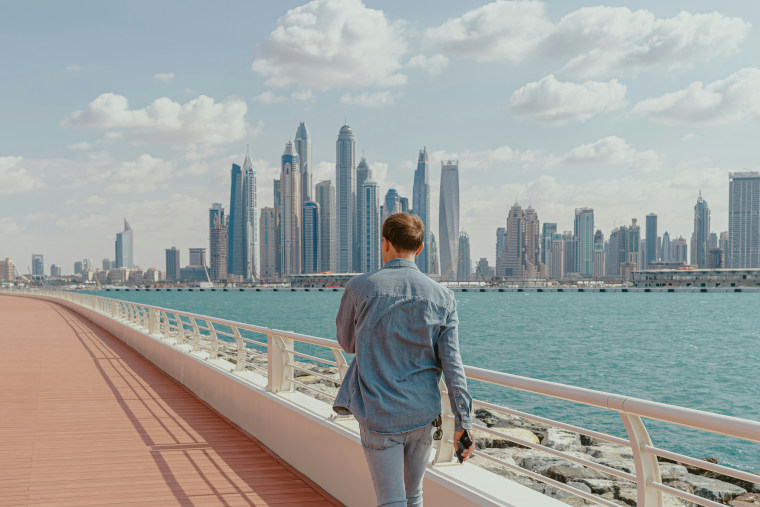 Image source: Kate Trysh / unsplash.com

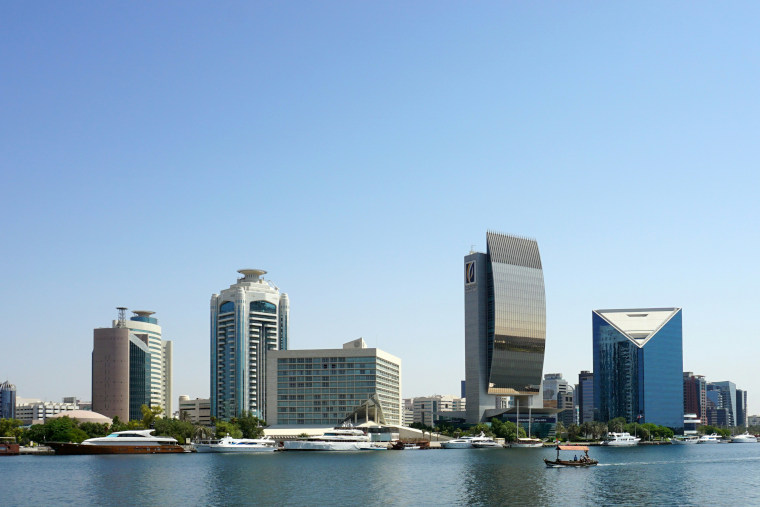 Image source: Saj Shafique / unsplash.com

 Image source: Prostock-studio / shutterstock.com


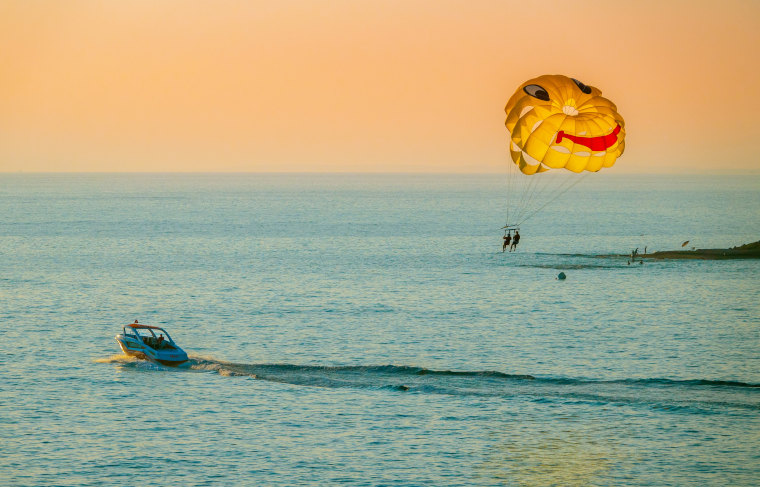 Image source: Yuriy Vinnicov / unsplash.com

 Image source: ihjaaz manarikk / unsplash.com

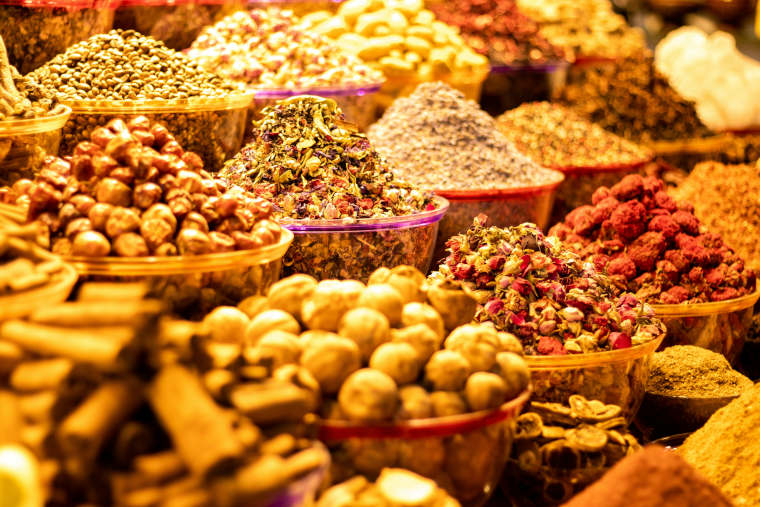 Image source: Arjun Radeesh / unsplash.com