UAE Holidays: a Complete Calendar of Public and Religious Holidays
Save the article:
Planning a trip to the United Arab Emirates or already living there? Knowing the holiday calendar will help you avoid unpleasant surprises such as closed banks, changes in restaurant opening hours, and special rules of conduct during the period of Islamic events. In this article, you will find the exact dates of all official celebrations, the customs associated with them, and useful tips for a comfortable stay in the country.
Who will find this information especially relevant? Tourists who want to make the most of their holiday, expats planning family leisure, businesspeople planning their work schedules, and everyone interested in the culture and customs of this amazing country will find this information relevant. Understanding local customs will help you not only avoid awkward situations but also get to know the rich heritage of the Emirates more deeply.
Calendar of Official Holidays of the UAE
The calendar of holidays of the United Arab Emirates includes both public events associated with the history of the country, and Islamic holidays based on the lunar calendar. Understanding this system is important for planning any activities in the state.
Islamic holidays follow the lunar calendar, which is shorter than the Gregorian calendar by 10–12 days. Therefore, Islamic holidays shift to earlier dates every year. The exact dates of Islamic events are determined after visual observation of the moon and are officially approved by the UAE government a few days before the start of the celebration.
Holiday Name
Date
Number of Days Off
Holiday Type
New Year
1 January
1
Public
Islamic New Year
June*
1
Islamic
Arafat Day
July*
1
Islamic
Eid al-Adha (Festival of Sacrifice)
July*
3
Islamic
Prophet Muhammad’s Birthday
September*
1
Islamic
Start of Ramadan
February–March*
-
Islamic period
Eid al-Fitr
March–April*
3
Islamic
Commemoration Day
30 November
1
Public
UAE National Day
2 December
2
Public
*Dates of Islamic holidays are approximate and are confirmed officially after moon observation.
For obtaining up-to-date information on the dates of Islamic events, it is recommended to follow official announcements of the UAE government, which are published in state media and on official websites of the emirates. Usually, exact dates are confirmed 1–2 days before the start of the celebration.
Muslim Events in the UAE: Traditions and Rules of Conduct
Muslim events constitute the basis of the cultural calendar of the emirates. They reflect the deep spiritual traditions of the Muslim world and have special significance for all residents and guests of the UAE, regardless of their religious affiliation.
Ramadan and Eid al-Fitr: sacred fast and celebration
The holy month of Ramadan begins approximately at the end of February or the beginning of March. During this month, Muslims observe a fast from dawn to sunset, abstaining from food, drink, and smoking. Ramadan is a time of spiritual development, prayers, and charity.
For non-Muslims, special rules of conduct apply in public places in the UAE. It is forbidden to eat, drink, or smoke on the streets, in offices, and shopping centres during the daytime. Restaurants may be closed during the day or serve clients in separate rooms hidden from general view. Many establishments create separate zones for non-Muslims in Dubai and other emirates.
Eid al-Fitr marks the end of the month of fasting and is one of the most significant events in the Muslim calendar. The celebration lasts for three days and includes special prayers, family feasts, and gift-giving. Locals wear new clothes and visit relatives.
Eid al-Adha and Arafat Day: pilgrimage and sacrifice
Arafat Day is expected in July, preceding the main Muslim event, Eid al-Adha. It marks the culmination of the Hajj pilgrimage to Mecca, when millions of Muslims gather on Mount Arafat for prayers and repentance.
Eid al-Adha, also known as the Festival of Sacrifice, marks the willingness of the Prophet Ibrahim to sacrifice his son by the will of Allah. Holiday rites include the traditional sacrifice of animals, the meat of which is distributed to the needy. Charitable programmes are organised in the UAE, allowing even non-Muslims to participate in helping the poor.
The event continues for four days, of which the first three are official days off. Families gather together, give gifts, and prepare traditional dishes. In many emirates, cultural programmes are conducted, accessible to all residents of the UAE.
Islamic New Year and Prophet’s Birthday
According to the Hijri the Islamic New Year calendar begins approximately at the end of June. On this day, the migration of the Prophet Muhammad from Mecca to Medina in 622 AD, which marked the beginning of the Muslim calendar. The celebration is quiet and meditative,with an emphasis on prayers and gratitude.
Image source: freepik / freepik.com
The Birthday of the Prophet Muhammad (Mawlid an-Nabi) is expected in September. In the UAE, this event is marked by reading the Quran, lectures, and recollections of the life of the Prophet. Mosques organise programmes including spiritual chants and stories about examples from the life of the founder of Islam.
Rules of conduct for non-Muslims
During Muslim events, it is recommended to wear modest clothing, especially when visiting public places in the UAE. Women should avoid revealing clothes, and men should wear shirts with long sleeves. Strict norms regarding clothing and behaviour apply when visiting mosques.
Greetings such as "Ramadan Mubarak" at the beginning of the holy month and "Eid Mubarak" during the holidays of Eid al-Fitr and Eid al-Adha are considered appropriate. Many local residents happily accept greetings from representatives of other cultures. It is important to respect traditions and not demonstrate a negative attitude towards Muslim practices. Residents of the UAE value such respect for their culture.
Opening Hours of Institutions and Businesses During Holidays
Planning business and personal matters requires a clear understanding of which organisations are open on holidays and which are closed. Opening hours vary depending on the type of both the holiday and the establishment.
Government institutions and banks
All government institutions, including ministries, municipal services, and passport offices, are closed during holidays in the UAE. Banks are also closed during all public and Muslim holidays. ATMs remain operational, but some transactions may be limited.
During Ramadan, government institutions reduce working hours. They work from 9 AM to 2 PM for Muslims and to 3 PM for non-Muslims. Many offices switch to an altered schedule, starting work in the morning to account for the meal before dawn.
Emergency response services, including the police, ambulance, and fire service, operate even during holidays. Airports and seaports also operate as usual every year, although some administrative services may be unavailable.
Shopping centres and restaurants
Shopping centres are open during holidays every year, often with extended operating hours. During Eid al-Fitr and Eid al-Adha, many malls organise programmes, children's activities, and sales. This makes holidays some of the busiest days for shopping in the UAE.
During Ramadan, restaurants close during the day or operate in separate rooms hidden from general view. After sunset, catering establishments are filled with visitors, as Muslims break their fast (Iftar). Many restaurants offer special menus for Muslim holidays.
Supermarkets and grocery stores work mostly without changes every year, with the exception of the first day of major holidays, when they may work according to an altered schedule. Pharmacies and medical centres maintain duty even on days off.
Tourist attractions and transport
The majority of tourist attractions in the UAE operate during holidays, but may change the schedule or prices for entrance tickets. Theme parks often organise special programmes, attracting both locals and tourists from different parts of the world. In December, many places offer special New Year programmes.
Public transport, including the Dubai Metro and buses, operates according to the usual schedule on most holidays. During major national events, additional routes may be introduced for mass programmes in the UAE. Taxis and car-sharing services are available at all times, but prices may change during peak hours.
The real estate market in Dubai also celebrates holidays with special offers. Real estate agencies in the UAE often run special promotions in December, when National Day is celebrated. The real estate sector in Dubai works according to an altered schedule during major holidays. UAE real estate investors are particularly active during the holidays.
Type of Institution
Public Holidays
Muslim Holidays
Ramadan
Government institutions
Closed
Closed
Reduced schedule
Banks
Closed
Closed
Normal schedule
Shopping centres
Open
Open (extended hours)
Normal schedule
Restaurants
Open
Open
Restrictions during the day
Tourist sites
Open
Open
Normal schedule
Public transport
Open
Open
Normal schedule
National Events and Public Occasions
National events of the UAE reflect the modern history of the country and emphasise the unity of the seven emirates. These events are accompanied by large-scale activities and serve as an occasion for expressing patriotic feelings of residents of all nationalities.
National Day
2 December is the main public event, marking the creation of the federation in 1971. Then seven emirates — Abu Dhabi, Dubai, Sharjah, Ajman, Umm Al Quwain, Ras Al Khaimah, and Fujairah — united under the leadership of Sheikh Zayed bin Sultan Al Nahyan.
The celebration includes official ceremonies, military parades, and cultural events throughout the country. Buildings are decorated with national flags and illumination in the colours of the state symbols — red, green, white, and black. Many residents wear traditional clothing or accessories in national colours.
The holiday often falls on a Monday, which creates a long weekend from Saturday to Tuesday. This is a period of large-scale family events, when parks and public spaces are filled with revelers. The government organises concerts, exhibitions, and entertainment programmes for all ages.
Commemoration Day
30 November is dedicated to the memory of servicemen and civilians who died in the line of duty. Across the entire state at 11:30 AM, a minute of silence is declared, during which traffic stops and business activity ceases.
Commemoration ceremonies take place at memorial complexes and military bases. Families of the fallen receive special honours, and their stories are told in the mass media.
New Year and international celebrations
The Gregorian New Year on 1 January is celebrated as an official public event, reflecting the international character of the country. The celebration includes fireworks, concerts, and events in hotels and entertainment complexes of the emirates every year.
Many international holidays are informally celebrated by expats and supported by local businesses. Shopping centres organise thematic decorations and promotions, and hotels offer service packages.
This tolerance towards various cultural customs underlines the UAE's aspiration to be a global centre where people of different nationalities and faiths can feel comfortable. The main condition is compliance with local laws and respect for Islamic customs.
Fireworks, parades and cultural events
Fireworks are an integral part of celebratory events. Each emirate strives to surpass previous records in the scale and beauty of fireworks, especially in Dubai.
Image source: Mo / unsplash.com
National Day parades include the demonstration of military equipment, performances by national ensembles, and school processions. Traditional dances, such as yowlah and ayala, are performed in national costumes to the accompaniment of traditional instruments.
Cultural festivals accompany the majority of events, presenting the rich heritage of Bedouin culture alongside modern artistic forms. Calligraphy exhibitions, poetry evenings, and gastronomic festivals attract both locals and tourists seeking a deeper understanding of Emirati culture and the customs of the UAE.
Useful Tips for Planning Trips and Events
Successful planning of a trip to the UAE requires taking into account a multitude of factors, from weather conditions to cultural specifics. Knowing the dates of celebrations will help you make the most of your vacation and avoid unexpected limitations.
The best time to visit the UAE
The most comfortable time for visiting is from November to March, when air temperatures remain between 20 and 30 degrees Celsius. This season coincides with the Islamic and public events, which creates a special festive atmosphere.
Visiting the UAE during Ramadan has its advantages and disadvantages. On one hand, hotels offer significant discounts, and tourist sites are less crowded during the day. On the other hand, restrictions on dining in public places and changed restaurant opening hours may create some difficulties.
Buying tickets and pricing policy during holidays
Planning a trip for the holiday period requires purchasing tickets in advance, especially for accommodation and air travel. Hotel prices can double or triple during National Day and New Year holidays. Buying tickets 2–3 months in advance usually guarantees the best prices.
Alternative accommodation options, such as apartments and guest houses, become especially popular during holidays. They offer more space for families and the ability to cook your own meals, which is especially valuable during Ramadan.
Tourist crowds can be avoided by planning activities for the early morning or evening hours. Many attractions are less crowded during the first days after celebrations, when the majority of tourists have already left the state.
School holidays and family vacation planning
School holidays in the UAE usually coincide with major holidays and seasonal changes. Winter break lasts from mid-December to early January, spring break lasts two weeks in March-April, and summer break lasts from late June to early September.
Image source: freepik / freepik.com
Differences between local public schools, private Arabic schools, and international educational institutions can affect the exact dates of holidays. International schools often follow the calendars of their home countries.
Many family events and entertainment programmes are planned taking school holidays into account. Theme parks offer children's programmes, museums organise educational master classes, and shopping centres conduct family festivals.
Conclusion
The UAE's holiday calendar reflects the unique combination of Islamic traditions and the modern cosmopolitan spirit of the country. Participating in these events opens doors to a deeper understanding of local culture, and knowing the exact dates helps you plan your trip to the Emirates as efficiently as possible.
Islamic holidays are not just days off, but important spiritual periods deserving of respect and understanding from all residents and guests of the country. Participation in events or at least observing them allows one to feel the warmth and hospitality of the local people.
Public events demonstrate the pride of the Emirates in their achievements and unity. These celebrations create an atmosphere of patriotism in which representatives of all nationalities living in the country seamlessly integrate.
Proper planning and taking into account the calendar of celebrations will help you avoid difficulties and turn your trip into an unforgettable experience of exploring one of the most dynamically developing countries of the world.
Frequently Asked Questions
Can I drink water on the street during Ramadan?
During the holy month of Ramadan, non-Muslims are not recommended to eat, drink, or smoke in public places during the day out of respect for those fasting. This applies to streets, parks, offices, and shopping centres. Water can be drunk in closed rooms, hotels, or special zones designated for non-Muslims in restaurants.
What gifts is it customary to give on Muslim holidays?
Traditional gifts on Islamic holidays include sweets, especially dates, beautiful clothes, books, perfumery, and jewellery items. Children are given toys and new clothes. It is important to avoid gifts with alcohol or pork.
Can non-Muslims visit mosques during the holidays?
Many mosques in the UAE are open to non-Muslims outside of prayer times, but access may be restricted during Islamic events.
Some mosques offer excursions for tourists, but dress codes and rules of conduct must be observed during the visit.
Does everything become more expensive during the holidays?
Prices for hotels and air tickets increase during major events. Taxi fares may increase during peak hours. Prices in restaurants and shopping centres usually remain stable.
How to congratulate Muslims on Islamic holidays?
Appropriate greetings include "Ramadan Mubarak" at the beginning of the holy month, "Eid Mubarak" during the period of the Eid al-Fitr and Eid al-Adha events. You can also say "Kullu am wa antum bi khair" (I wish you well-being every year). Greetings from non-Muslims are gratefully received in the UAE.
What restrictions apply to tourists during Islamic holidays?
The main restrictions concern a moderate dress code, especially when visiting public places during celebrations. During Ramadan, public consumption of food and drink is prohibited during the day. It is recommended to avoid loud music and noise near mosques.
Specifics of the administrative structure of the UAE. History of Abu Dhabi. Description of Abu Dhabi. Frequently asked questions about the capital of the UAE.
Basic dress code rules in Dubai: what every tourist needs to know. Dress code for women in Dubai: a detailed guide. Climate and clothing in Dubai: how to dress for the weather. Where to wear what: a d...
Dubai as a city of skyscrapers. Architectural features of Dubai's skyscrapers. Famous skyscrapers in Dubai. Economic significance of high-rise construction in Dubai. Life in Dubai's skyscrapers. Frequ...
Specifics of Dubai developers. Criteria for choosing a developer in Dubai. Top 10 Dubai developers. Russian developers in Dubai. Frequently asked questions about Dubai developers.
UAE Banking System. Reasons to open a bank account in the UAE. Best UAE banks for opening accounts. Types of accounts offered by UAE banks. How to open a personal account in the UAE? How to open a cor...
Main features of apartments in Dubai. 10 freehold zones for buying an apartment in Dubai. Main trends in the Dubai real estate market in 2024. Frequently asked questions about the cost of apartments i...



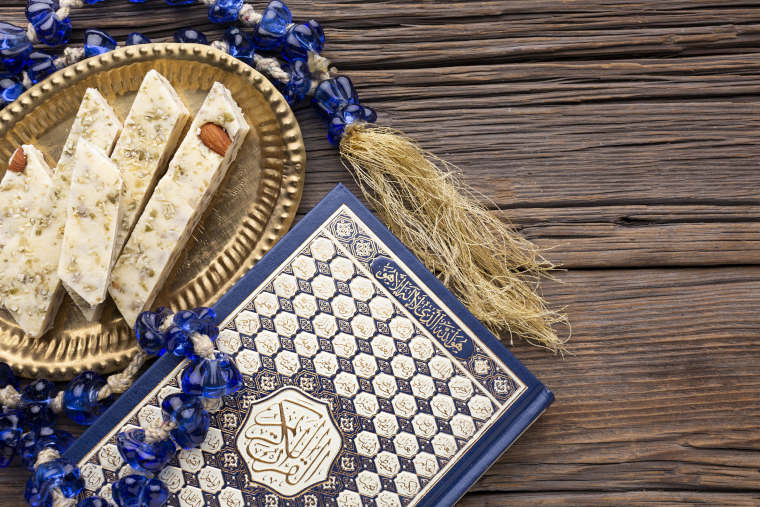 Image source: freepik / freepik.com


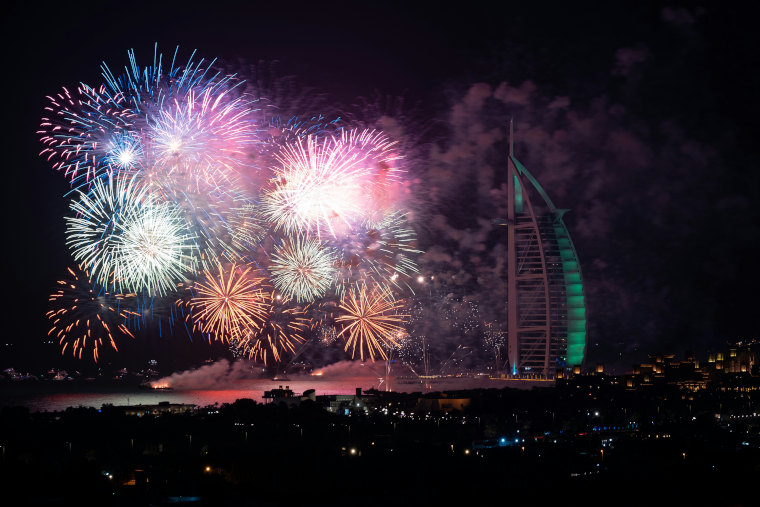 Image source: Mo / unsplash.com

 Image source: freepik / freepik.com