What is it about? Sheikhs in the UAE play an important role in the political and economic life of the country. They are the rulers of emirates and possess enormous power and influence. For citizens, they are true symbols of the nation and guardians of traditional values.
What to keep in mind? Sheikhs are members of the ruling families of emirates who inherit their positions. They head the executive branch and are responsible for making decisions regarding politics, economics, and social sphere.
Specifics of the UAE Government Structure
The seventh century became the time when the first Arab states led by sheikhs emerged on the Persian Gulf coast. After the founding of the Arab Caliphate, they merged into the new empire while adopting Islam. In the late 15th century, Arabia became acquainted with Europeans. Initially, these were merchants from Portugal, and later the British.
After years of confrontation with Great Britain, the emirs were forced to ratify the General Treaty, which established British hegemony in the region for a century and a half.
The 1920s became a time when life on the Arabian Peninsula began to change for the better for the local population. This was due to the beginning of investments in the economy. The reason is simple — oil was discovered there.
Truly pivotal and significant for modern Arabian history was December 2, 1971. On this day, 6 of the 7 emirates of the Trucial States, created by the British, announced the birth of a new country — the United Arab Emirates. In 2011, the country celebrated its 40th anniversary since its foundation. By the way, the seventh emirate (Ras Al Khaimah) also became part of the federation in 1972.
Speaking of federation, the UAE is an absolute monarchy and a federal state. World history had not known such a variant of government structure before.
The country still consists of seven emirates, headed by UAE sheikhs:
Abu Dhabi, territorially the largest.
Dubai, the most "promoted" and most populous.
Sharjah, located next to Dubai, 3rd largest by area.
Ajman, also lies near Dubai, has the smallest territory.
Ras Al Khaimah, widely known for its beautiful beaches and wonderful islands.
Umm Al Quwain, with the lowest population.
Fujairah, founded last.
In each emirate, the ruler is an autocratic sovereign, ruling for life, whose power is inherited. Together, the 7 emirs form the Supreme Council of the Union. And they are the wealthiest sheikhs of the UAE.
The core around which this entire system is built is the Black Gold. Each member of the federation has its own oil deposits, which are managed by the ruler of the emirate.
Image source: Malik Shibly / unsplash.com
Naturally, the amount of energy resources directly affects the monarch's position within the UAE. Thus, Abu Dhabi's subsoil contains 87% of all hydrocarbon reserves in the region, which is why the emirate occupies the leading position in the country, and its sheikhs from the Al Nahyan family hold the post of President of the United Arab Emirates.
Other leadership positions are filled according to this same principle. For example, the Prime Minister and Minister of Defence is the Emir of Dubai.
The state has a legislative advisory body — the National Council, consisting of forty deputies. And there, the representation from individual emirates reflects the influence of each monarch:
Abu Dhabi and Dubai — 8 deputies each.
Ras Al Khaimah and Sharjah — 6 deputies each.
Fujairah, Umm Al Quwain and Ajman — 4 deputies each.
The list of sheikhs heading the UAE (photos are available in open sources):
Sheikh
Emirate
Role
Sheikh Mohammed bin Zayed Al Nahyan
Abu Dhabi
President of the United Arab Emirates
Sheikh Mohammed bin Rashid Al Maktoum
Dubai
Vice President and Prime Minister of the United Arab Emirates
Sheikh Sultan bin Mohammed Al Qasimi
Sharjah
Ruler of Sharjah
Sheikh Saud bin Saqr Al Qasimi
Ras Al Khaimah
Ruler of Ras Al Khaimah
Sheikh Rashid bin Saud Al Mualla
Umm Al Quwain
Ruler of Umm Al Quwain
Sheikh Hamad bin Mohammed Al Sharqi
Fujairah
Ruler of Fujairah
Sheikh Humaid bin Rashid Al Nuaimi III
Ajman
Ruler of Ajman
Who the Sheikhs are
The sheikhs are the most famous people in the country, whose lives are studied by researchers, and whose names are given to temples and squares, airports and streets. Their role and significance for the life of the UAE are so great that grateful descendants try to preserve the memory of these people for centuries. Members of the ruling dynasty appear on television screens, pages of world magazines, and other media.
The title of sheikh cannot be bought, earned, or acquired in any way. The title is passed down only by inheritance. UAE sheikhs are the elite of the emirates, however, due to the large families, their number fluctuates around 1,200 people across all emirates.
Of this number, a very small group of those who currently rule the state and their successors attract close attention. It is they who are now making the history of the UAE, keeping the country at the forefront among world powers.
The dynasties existing in the Emirates trace their lineage from desert nomadic tribes (Bedouins), who once managed to establish themselves in the coastal cities of the Persian Gulf. This allowed them to organize control over pearl mining, as well as over the passing caravan routes. Later, when the time of "big oil" came, little changed. Well, except for the size of the profit received.
For example, the tribe, in whose zone of influence until 1973 was the large oasis of Al Liwa, gave rise to the current ruling dynasties of the UAE and Dubai. Later they built the capital on the shore in Abu Dhabi.
Such historical reminiscences are a source of great pride in the Arab world. Aristocrats emphasize their historical roots by cultivating horseback riding, hunting with birds of prey, and maintaining interest in the poetic traditions of the Bedouins (Nabati). This is also expressed in adherence to traditional clothing.
Sheikhs of Dubai
Dubai is the second largest state in the Emirates by territory and political weight, and perhaps the first in popularity among tourists, attracting UAE visitors with its developed entertainment industry, elite recreation, and world-class attractions.
The ruling dynasty of the emirate is the Al Maktoum family. Together with the Al Nahyan family ruling in Abu Dhabi, they consider the Al Bu Falah clan as their ancestors. The Al Maktoum family moved to the territories that now constitute Dubai in 1833, creating an independent state there.
When the idea arose to unite the sheikhs' domains into a single federation, Zayed bin Sultan Al Nahyan went there first. It was with the alliance of Abu Dhabi and Dubai, signed on February 18, 1968, by Rashid bin Said Al Maktoum, that the process of birth of the new country began. And the sheikhs of Dubai played not the least role in creating the UAE.
In 2006, Sheikh Mohammed bin Rashid Al Maktoum became the ruler of Dubai. He is a serious political figure and a person with very broad interests and capabilities.
Image source: Norbert Schiller / wikipedia.org
At one time, he led the local police. Mohammed's name is directly associated with the state's prosperity successes. Thanks to his proposals, artificial islands were created, shopping centres were built, airlines were established, and the city was decorated with fountains.
Currently, the ruler is 73 years old. He is a very active person, full of strength and energy, however, more and more attention from the world community is being drawn to his son, Hamdan bin Mohammed Al Maktoum, who is predicted to inherit his father's throne in the future.
To better understand the role and significance of sheikhs for the country's life, it is necessary to remember the father of the current ruler of Dubai, Sheikh Rashid bin Said Al Maktoum. It was he who, after the UAE was formed, became the first minister of the new state. The people did not award their monarch the honorary title of “Father of Dubai” for nothing. The emirate was under Sheikh Rashid's rule until 1990. During those years, a small settlement transformed into the flourishing city of Dubai.
Moreover, the wise politician did everything to ensure the country could live and develop without depending on oil production. Remembering his father's behest, the current ruler of the emirate, Sheikh Mohammed, was able to ensure that the share of oil trade in the state budget is only 4%.
Sheikhs of Abu Dhabi
The largest and most influential emirate is Abu Dhabi. Its capital and simultaneously the main city of the entire UAE is the eponymous city of Abu Dhabi. All the main government institutions are located there.
The Al Nahyan dynasty has been leading the country for more than two centuries. This family has produced many of the greatest figures of Arab history, who have forever inscribed their names in the people's memory.
It all began in 1761, when Sheikh Zayed I bin Isa Al Nahyan led his tribe to this territory. His ancestral roots go back to the Arab clan of Al Bu Falah, which was part of the Bani Yas tribal federation.
The end of the 20th century was marked by the creation of a federal union of 7 emirates. This happened thanks to the initiative of Sheikh Zayed I bin Sultan Al Nahyan, whom other monarchs recognized as their head. The first president of the UAE is still considered perhaps the most significant figure in the state's history. "For citizens and for the sake of citizens" — this was the slogan under which this extraordinary political figure ruled.
Later the post of country leader was taken by his heir and eldest son, Khalifa bin Zayed Al Nahyan.
Taking the helm of the UAE at the age of 56, the sheikh proved to be a very energetic reformer. Thanks to his military education, he resolved the issue of creating modern UAE armed forces.
Managing to launch a policy of tolerance towards foreign tourists visiting the country (such as matters of appearance, allowing women to visit without male accompaniment, and the like), he was able to transform the UAE into one of the centres of world tourism.
Bold and bright projects (architectural masterpieces, shopping and entertainment centres, parks, and so on) which were supposed to show everyone the appearance of the new Emirates, are the calling card of the second ruler of the state.
The politician passed away in May 2022. For the last few years, his brother Mohammed bin Zayed Al Nahyan was the de facto co-ruler, and he became the new monarch, governing the country to this day.
The figure of the United Arab Emirates leader attracts great interest in the world. It is known that falcon hunting is among his passions, he is keen on poetry and has been noticed composing verses himself. And not least of all, the close attention is due to the fact that this family is the richest sheikhs of the UAE.
Image source: President.az / wikipedia.org
Fatima bint Mubarak Al Ketbi (Mohammed's mother) is an influential woman bearing the unofficial title of "Mother of the Nation". Thanks to her influence, a woman became a minister for the first time in UAE history.
She headed the first women's public organization in UAE history, which she herself created, aiming to spread women's education in the state.
Sheikhs of Other Emirates
Rulers of Sharjah
Sharjah holds the third position in the emirates ranking by population and territory. The capital is the city of Sharjah. According to researchers, the oldest settlement in this place is about 5 thousand years old. In the 18th century, the Al Qasimi family established themselves in Sharjah, declaring the creation of an independent state in 1727. They joined the United Arab Emirates on December 2, 1971.
The Al Qasimi dynasty governs over the territory that has perhaps the strictest rules, where they fight against the slightest deviations from Islamic norms. The current ruler is Sheikh Sultan bin Mohammed Al Qasimi (Sultan III), born on July 2, 1939.
Today in Sharjah, it is not recommended to wear clothes that do not cover arms and shoulders, and a woman cannot go out on the street without a male companion. You should also keep in mind that a couple will not be accommodated in the same hotel room if they don't have documents confirming their marriage.
The monarch received a good education, studying in Sharjah, Dubai, Kuwait, and Egypt. Due to this, he holds, among other things, the position of President of the University of Sharjah and American University of Sharjah, and also has the title of professor at Exeter and Cairo Universities. Therefore, the ruler of the emirate, who is probably the most educated among all his UAE colleagues, received the honorary unofficial title "Sheikh Doctor Sultan III".
The path that led Sultan III to his current position is full of dangers. Until 1995, the emirate was ruled by Sheikh Saqr bin Sultan. However, his figure caused discontent among the British, and they organized a coup d'état, bringing Sheikh Sultan bin Mohammed Al Qasimi to power.
The deposed monarch attempted to reclaim the throne by recruiting Egyptian mercenaries. Troops from Dubai came to help. In the ensuing war, all claimants to the throne of Sharjah, except Sultan III, died. Thanks to British intervention in the country's internal life, the emirate turned into a prosperous territory.
Monarchs of Ras Al Khaimah
The emirate became independent in 1912, receiving recognition of this fact from Great Britain in 1921. This moment was important, as the British traditionally held strong positions in the Arabian Peninsula. Ras Al Khaimah became the last, seventh emirate to join the federation.
This state is also ruled by the Al Qasimi dynasty, but a different branch than in Sharjah. On July 17, 1948, Sheikh Saqr bin Muhammad Al Qasimi seized the throne from his uncle Sultan II bin Salim al-Qasimi through rebellion. Officially, this happened because the latter had concluded a secret agreement with a British company for oil supplies.
The current monarch Saud bin Saqr al-Qasimi is Saqr's fourth son. He is quite old (born on February 10, 1956), but the sheikh remains perhaps the most ambitious politician in the federation, enjoying influence and authority among other ruling families.
Ras Al Khaimah is not as "promoted" as Sharjah, not to mention Abu Dhabi or Dubai, but their starting conditions were worse. Oil reserves are lower, there are no trade advantages or cultural attractions.
The emirate's calling card is its educational policy and cultural development initiatives. Dozens of projects in education are being implemented, with great work being done to preserve ancestral traditions, national foundations, and principles.
Rulers of Fujairah
The youngest state formation in the UAE by time of emergence. The territory split from Sharjah in 1876 on the initiative of Sheikh Hamad bin Abdullah Al Sharqi. The struggle for independence ultimately gave its results. Fujairah received sovereignty in 1901.
Since that time, the ruling dynasty there has been Al Sharqi. The family traces its lineage from the Al Sharqiyin tribe, which was dependent on the mighty Al Qawasim tribe for a long period.
The current Sheikh Hamad bin Mohammed became the person thanks to whom many things in the emirate began to change for the better.
The monarch was born on May 25, 1949. Before coming to power, he oversaw the agricultural sector of the economy. Upon becoming the country's leader, he also focused efforts on construction, finance, and tourism.
Hamada (the ruler's mother) is the sister of the sheikh of Ajman emirate, and Fatima bint Thani Al Maktoum (his wife) is from the dynasty of Dubai sheikhs. Close ties with other ruling UAE dynasties were continued by crown prince Mohammed bin Hamad bin Mohammed Al Sharqi, who married the daughter of the current Dubai sheikh, Latifa.
Rulers of Umm Al Quwain
The state's population is concentrated in the capital city of Umm Al Quwain and in the territory of the Falaj Al Mualla oasis. At the turn of the 19th century, the Al Mualla family headed the Al Ali tribe, which lived on Al Sinniyah island. However, the drinking water sources there dried up, and the tribe was forced to move to the mainland.
The first reliable knowledge about the Al Mualla family dates back to 1768, when Sheikh Rashid bin Majid Al Mualla established a fortress in Umm Al Quwain. In 1775, he managed to achieve recognition of the new emirate's independence.
The ruling dynasty and its current Sheikh Saud bin Rashid Al Mualla (born October 1, 1952) have family ties with the emirs of Ras Al Khaimah, who are influential representatives of Arab aristocracy. The monarch assumed the throne after his father on January 2, 2009.
The state's territory is not particularly popular with tourists. The emirate's rulers are adherents of local traditions and culture, treating the preservation of historical heritage with reverence. Among the current sheikh's known interests are sea fishing and camel racing. In governance, the line continues on developing modern technologies and improving the welfare of the country's residents.
Monarchs of Ajman
Of all the emirates comprising the UAE, this is the smallest. The current Sheikh Humaid bin Rashid Al Nuaimi III comes from the Na'im tribe. This territory until the beginning of the 19th century was part of the Al Qasimi family's domains. After the defeat of Ras Al Khaimah by the British army, Rashid I bin Humaid Al Nuaimi declared Ajman's independence. This happened in 1820.
For a long time, only the most inquisitive tourists knew about this emirate, as all of Ajman's population until the beginning of the noughties did not exceed 1,000 people.
Constant heat, drought, lack of drinking water and similar factors determine the leadership's policy, which focuses on improving people's living standards, developing the capital, and the economy as a whole. To develop interest in their land, the sheikhs established and organized the presentation of the popular Science and Culture Award on Education Day.
In the past, Sheikh Humaid said: "Education is one of the blessings in life." Therefore, much effort is applied in the field of education, and Ajman University is the second most important in the UAE.
The predecessor of the current monarch ruled from 1928 to 1981, setting a record for the longest reign among the Emirates' leaders.
Frequently Asked Questions about UAE Sheikhs
Which of the sheikhs in the Emirates has the largest fortune?
Sheikh Mohammed bin Zayed Al Nahyan is recognized as the world's wealthiest head of state. His family's fortune exceeds 150 billion dollars, and the number of real estate properties is incalculable. At present, he is the UAE President and ruler of Abu Dhabi.
Where in Dubai do the main UAE sheikhs usually reside?
Emirates Hills is a gated residential complex, one of the most prestigious places of residence for Arab aristocracy in Dubai. This is where the sheikhs live in the UAE.
Where is the Dubai ruler's residence located?
Zabeel Palace, located in the southern part of the city, in the Zabeel district. Tourists are not allowed into the palace territory, but one can take a walk in the vicinity.
The UAE monarchs are a closed "club". This fact excites interest and gives rise to much gossip. Yes, sometimes it happens that young family members violate some norms of what is permitted, but the sheikhs who lead the country are respectable people and experienced political figures who maintain their states' prestige at a high level. And secrets always remain hidden behind palace walls.
Article header image source: Nick Fewings / unsplash.com
Description of the Jumeirah district in Dubai. Real Estate and Investments in the Jumeirah District. Availability of Education in the Jumeirah district in Dubai. Frequently Asked Questions about the J...
Advantages of Dubai for living and investment. The best business districts of Dubai. Top 3 districts of Dubai for living. Frequently asked questions about Dubai districts.
Types of work visas in the UAE and Dubai. How to find work in Dubai? The process of obtaining a work visa in Dubai. Frequently asked questions about work visas in Dubai.
Where is Dubai located? History and development of Dubai. Culture and architecture of Dubai. Districts of Dubai. Frequently asked questions about the location of Dubai.
Main features of Mohammed Bin Rashid City. Infrastructure of Mohammed Bin Rashid City. Housing in Mohammed Bin Rashid City. Transport accessibility of Mohammed Bin Rashid City. Frequently asked questi...
Advantages of studying at Dubai universities. Requirements for applicants to Dubai universities. Obtaining a visa for studying in Dubai. Top 3 universities in Dubai. Frequently Asked Questions about u...
History of oil production in Dubai. Volumes and the significance of oil for modern UAE and Dubai. Major oil-producing companies of the United Arab Emirates. Frequently asked questions about oil in Dub...
Benefits of starting a company in Dubai. Nuances of starting a company in Dubai. What is required to start a company in Dubai? How to start a company in Dubai as a foreigner in 2026? Relocation of exi...
How the car market in Dubai works? How car dealerships work in Dubai? The largest car market in Dubai. Car auctions in Dubai. How to buy a car at the car market in Dubai? Frequently asked questions ab...



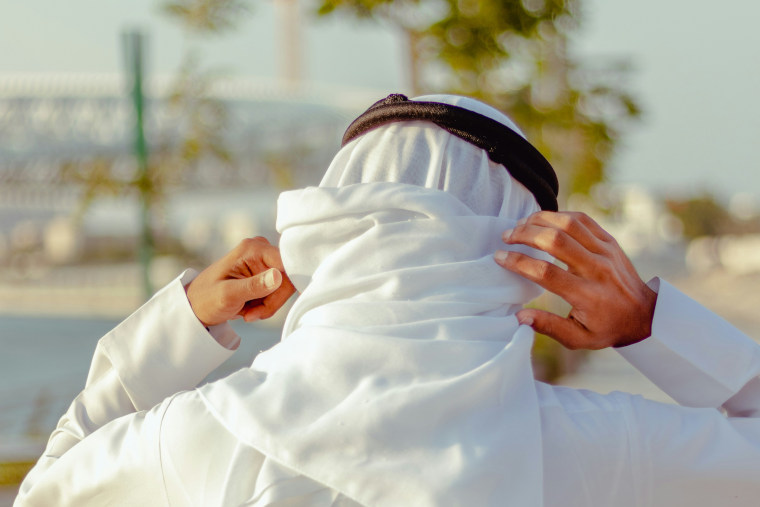 Image source: Malik Shibly / unsplash.com

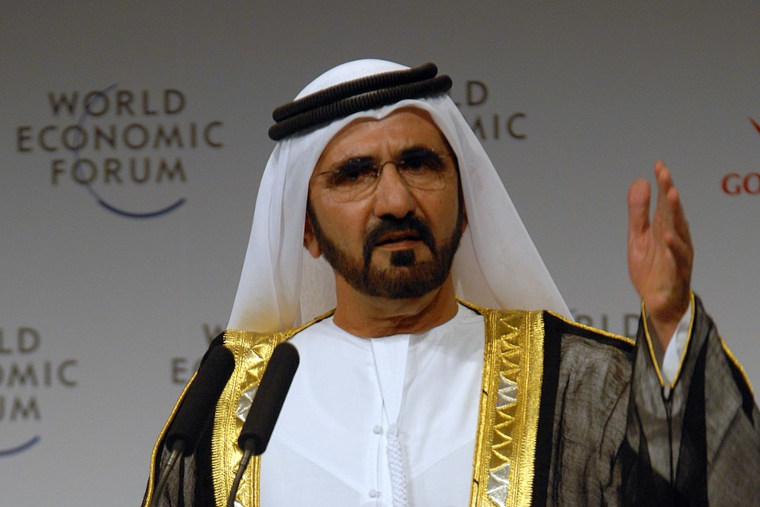 Image source: Norbert Schiller / wikipedia.org

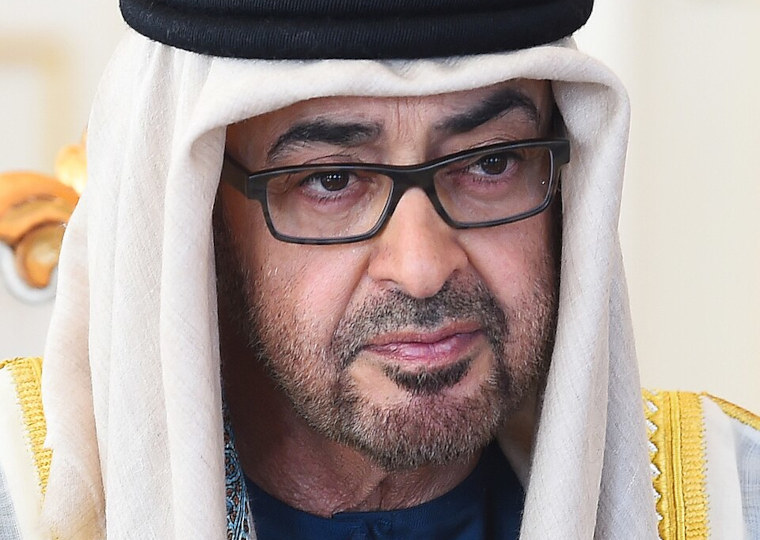 Image source: President.az / wikipedia.org