What is it about? Bur Dubai is a controversial district of Dubai. Some like it for its historical flair and intricate architecture, others are disappointed by the large number of traffic jams and a lack of parking spaces.
What to consider? The disadvantages of Bur Dubai are compensated by living amenities: a large number of schools, kindergartens, clinics, shopping centers, and supermarkets. Various real estate options are presented in the market: from inexpensive one-room apartments to villas. And traffic jams can be avoided by taking the metro.
What Bur Dubai Is Like
Bur Dubai is the historical part of the city, although it's not located in the geographical center. Currently, the district is on the western bank of Dubai Creek canal, in the eastern part of the metropolis. On the opposite side of the canal is the Deira district, and to the west of Bur Dubai lie Jumeirah and Downtown.
The name of this district translates as "the land of Dubai." In the times before oil was discovered, Bur Dubai was a key part of the city. On the site of modern Jumeirah districts, there were fishing settlements back then, and the Downtown territory was nothing but desert expanses.
In Bur Dubai, Al Fahidi Fort still remains, which was the residence of the emirate's rulers until 1971. Nearby, you can find houses of sheikhs and wealthy citizens, now converted into museums. The main religious building — The Grand Mosque — is also located in this district.
Image source: A.Savin / wikipedia.org
Today Bur Dubai remains an important administrative center. The country's government bodies, emirate administration, and consulates of different countries are located there. However, the Russian consulate is located in Jumeirah.
Bur Dubai is known for its traffic jams, especially in the morning and evening rush hours, when it's better to choose the metro over taking a taxi, as it's much faster and more convenient.
In Bur Dubai, there is very little space for parking vehicles, as many buildings were constructed in the 70s when cars were rare and there wasn't as much of a need for parking. As a result, parking spaces are insufficient, and fees are high.
If you plan to use a rental car, it's better to choose a hotel that offers free parking for its guests.
Also, note that crossing the bridges over Dubai Creek costs 4 dirhams. This fee also applies when taking taxis to Deira, Sharjah, and Ajman districts.
Pros and Cons of the Bur Dubai District
Advantages
Preservation of Cultural Heritage
The Bur Dubai district stands out for its rich history, being the site of many ancient buildings and landmarks over 200 years old.
Unique Architecture and Special Atmosphere
Bur Dubai is known for its architecture, where traditions and modern elements intertwine. This district immerses you in a unique atmosphere reflecting the cultural and historical heritage of the area.
Center of Government Institutions and Embassies
The district holds an important place in the city's administrative structure as various government departments and embassies are located in it.
Wide Choice of Housing
Bur Dubai offers a large selection of hotels and aparthotels suitable for both tourists and business people. Here you can find both budget options and luxurious high-class hotels.
One of the district's drawbacks is the tense traffic situation. Narrow roads, especially during peak hours, create serious traffic jams, making movement difficult and inconvenient for motorists.
Shortage of Parking Spaces
Another disadvantage of the district is the lack of parking spaces. The high number of both local residents and tourists makes finding a free spot to park a car a real problem.
Impact of Historical Architecture on the Infrastructure
Numerous old buildings and even streets require significant repair and modernization to meet modern standards and requirements.
Living Amenities in Bur Dubai
This district is ideal for those accustomed to a vibrant, active lifestyle and not used to sitting still. Bur Dubai creates all conditions for comfortable living. Numerous public parks will appeal to those who love nature, while fitness enthusiasts can choose from a large number of gyms.
Moreover, the district is rich in historical attractions such as The Grand Mosque and Dubai Frame, making it attractive for culture enthusiasts.
Image source: Sachimo / wikipedia.org
Bur Dubai has everything for comfortable living: supermarkets, restaurants, cafes, shops, clinics, hospitals, schools, and entertainment venues. For shopping, residents have access to Carrefour, Choithrams, Lulu, and Spinneys, as well as local grocery stores and mini-markets.
Education in the district is represented by numerous schools, among which Indian High School stands out with its high rating. Other available educational institutions include Dubai Gem Private School, GEMS Winchester School, and St. Mary Catholic High School.
Healthcare quality is ensured by facilities such as Mediclinic, Medeor, and Aster Clinic, which are located directly in Bur Dubai and offer high-class medical care.
Accommodation Options in Bur Dubai
Bur Dubai offers a wide selection of housing. A suitable option can be found for any taste and budget. You can choose either modern apartment complexes or high-class hotels.
The district offers an extensive range of residential complexes and hotel options, allowing both locals and tourists to find the perfect place to stay that meets their requirements and budget.
Low budget. For those who are looking for affordable housing, apartments in Al Raffa and Al Fahidi areas are suitable. These sub-districts are known for their lively atmosphere and comfortable but inexpensive apartments.
Mid-Range Segment. In Al Raffa, Oud Metha, Al Hamriya, and Al Jaddaf, you can find apartment buildings with quality mid-range apartments offering comfort and convenience at reasonable prices.
Luxury Housing. If you're looking for something more prestigious, consider elite apartments in Al Raffa, Oud Metha, and Al Jaddaf. Modern residential towers with luxury apartments meeting the highest standards are located there.
Villas and Townhouses. Al Jaddaf and Al Kifaf areas offer spacious villas and townhouses with modern amenities. These properties are often part of new residential projects and provide a high level of comfort.
Average rental price range for residential properties in Bur Dubai:
Studio apartments — 35,000 dirhams per year
One-bedroom apartments — 47,000 dirhams per year
Two-bedroom apartments — 65,000 dirhams per year
Three-bedroom apartments — 92,000 dirhams per year
Four-bedroom apartments — 90,000 to 120,000 dirhams per year
Four-bedroom villas — 186,000 dirhams per year
Five-bedroom villas — 190,000 dirhams per year
Image source: CrizzyStudio / shutterstock.com
Notable Hotels:
Grand Hyatt Dubai — an iconic 5-star hotel with 682 rooms and suites, offering several pools and diverse restaurants. It's conveniently located near Dubai Healthcare City and Sheikh Rashid Road.
Hilton Garden Inn Dubai Al Jadaf Culture Village — a luxury hotel featuring 326 rooms, an outdoor pool, a fitness center, and conference halls. The hotel is located near Al Jaddaf metro station.
Park Regis Kris Kin Hotel — a 5-star hotel located near popular attractions such as Dubai Museum and Dubai Creek. The hotel features the Kris With A View restaurant offering panoramic city views.
Palazzo Versace Dubai — an ultra-luxury resort on Jaddaf Waterfront, distinguished by Italian, Greek, and Arabic architectural elements. Guests have access to eight restaurants, outdoor pools, and manicured gardens.
Raffles Dubai — a prestigious 5-star hotel located near the Oud Metha area. The hotel features spacious rooms, suites, and the Raffles Spa for comfortable relaxation.
How to Get Around Bur Dubai
As confirmed by numerous reviews, Bur Dubai has rapidly developing transport infrastructure with many convenient travel options such as metro, buses, and taxis, making movement around the district and city comfortable.
Metro
In Dubai, the metro is one of the main transport options. In Bur Dubai, there are four metro stations: Emirates Towers, World Trade Centre Metro Station 2, Max Metro, and ADCB. It allows you to quickly reach main attractions, shopping centers, and business districts.
Buses
Bur Dubai has an excellent bus network. It connects districts, points of interest, and metro stations. Buses are convenient and accessible, ideal for both short and long trips.
Water Taxis and Abra Boats
In Dubai Creek, you can use water taxis and traditional abra boats. They allow you to quickly cross the bay and see the historic Deira district while enjoying city views.
Taxis
Taxis are a popular and convenient way to move around Dubai. Taxis can be hailed on the street or booked through Uber and Careem apps.
Practical recommendations for navigating Bur Dubai:
Use the Metro. To move easily around Bur Dubai, use the green metro line. You can find the metro map and schedule online or at stations.
Study Bus Routes. Familiarize yourself with local bus routes and schedules. Bus stops are marked with route numbers and destinations, making it easy to find the right route.
Get a Nol Card. This is a smart card for contactless payment on Dubai public transport, including metro, buses, trams, and water buses. The card is easy to top up, and travel with it is cheaper than buying separate tickets.
Use the Water Transport. Enjoy a ride on a traditional abra boat or water taxi across Dubai Creek. This allows you to see the city and its attractions from a unique perspective.
Plan Your Travel Time. Keep in mind that during peak hours, traffic in Dubai can be intense. When planning a trip it’s better to take into account possible delays, especially if you have important meetings or a tight schedule.
Use Taxi Apps. In Dubai, it's easy to order a taxi using popular apps like Uber and Careem. These apps make moving around the city convenient and comfortable. Simply download the needed app to your smartphone and familiarize yourself with its features.
Use Navigation. Use navigation apps or maps on your phone to find the best routes. They provide up-to-date information about traffic and offer alternative routes for more convenient movement.
Frequently Asked Questions about Bur Dubai
What residential complexes and districts are there in Bur Dubai?
Bur Dubai is one of the largest residential districts of the city. It includes communities such as Al Mankhool, Oud Metha, Culture Village, Al Raffa, Al Jaddaf, Al Karama, and Umm Hurair.
Bur Dubai residents can quickly reach Jumeirah Beach, which is just 20 minutes away. There you can spend time on the seashore, enjoying refreshing swimming or water sports. Al Mamzar beach is also popular and worth visiting to enjoy quality waterfront recreation.
How safe is Bur Dubai?
Bur Dubai, like other Dubai districts, is characterized by high security. Regular police patrols and stations in Al Raffa, Port Rashid, and near Zabeel Park in Al Jafiliya ensure order. Furthermore, in Umm Hurair, where consulates are located, there are police posts and officers, which additionally strengthens the district's security.
Bur Dubai is a vibrant district with rich cultural history that combines ancient traditions and Dubai's modern lifestyle. Its historical significance combined with modern urban elements creates a special atmosphere that attracts both residents and city visitors.
The diversity of historical monuments, impressive architecture, bustling markets, and wide range of activities make this district a true gem of Dubai.
What is an emirate? History of the Arab Emirates. Interesting facts about the Emirates that you probably didn't know. Meaning of the names of the Arab Emirates. Frequently asked questions about the Em...
Shopping centres in Sharjah: are they worth visiting? 5 best shopping centres in Sharjah. 5 tips for shopping in Sharjah. Frequently asked questions about shopping centres in Sharjah.
Advantages of working in the UAE. In-demand professions for work in the UAE. Visa requirements for work in the UAE. Life in the UAE for expats. Frequently asked questions about work in the UAE.
Does voice communication via messengers work in the UAE? Main telecommunication operators in the UAE. 3 telecommunication operators in the UAE with eSIM support. How to activate an eSIM for communicat...
How schools are structured in Abu Dhabi. Public and private schools in Abu Dhabi. Enrolling in a school in Abu Dhabi. Top international schools in Abu Dhabi. Schools in Abu Dhabi with an intensive foc...
Specifics of mobile communication in the UAE. Roaming conditions in the UAE from Russian operators. How to activate roaming in the UAE. Alternatives to roaming in the UAE. Frequently asked questions a...
A mall in Abu Dhabi, as in other cities, is a large shopping centre that unites dozens and hundreds of boutiques, entertainment venues and business attractions under one roof. The capital of the UAE c...
Government services and healthcare apps for Dubai. Home services apps for Dubai. Transport services apps for Dubai. Food delivery apps for Dubai. Frequently asked questions about useful apps for Dubai...



 Image source: A.Savin / wikipedia.org

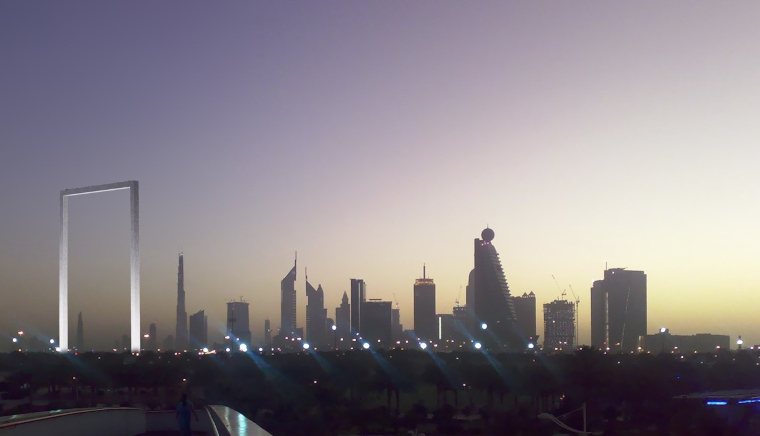 Image source: Sachimo / wikipedia.org

 Image source: CrizzyStudio / shutterstock.com
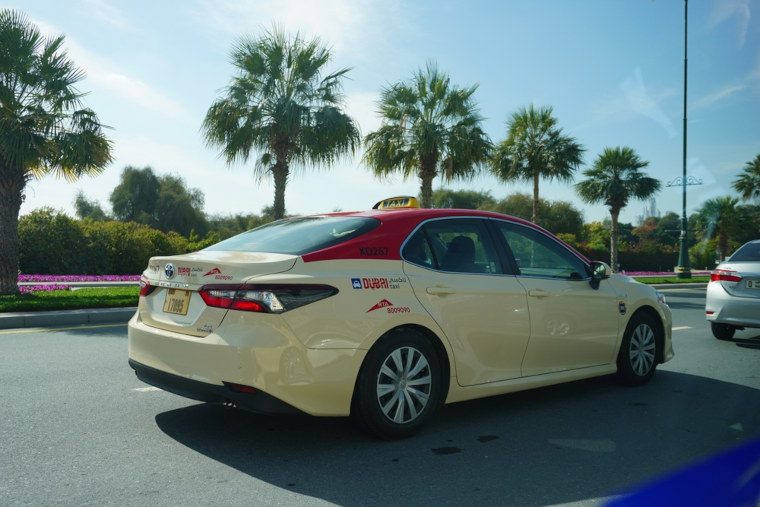 Image source: Khaled Aboun-Nasr / shutterstock.com