Capital of the UAE: History and Features of Abu Dhabi
Save the article:
What is it about? The capital of the UAE, Abu Dhabi, is located on a picturesque island in the south-eastern part of the Persian Gulf. This city is a unique combination of futuristic architecture and ancient Eastern traditions.
How did it originate? There is a legend about how hunters, pursuing a gazelle, found a source of fresh water and built a small village there. Centuries later, from a small settlement where fishermen and pearl divers lived, Abu Dhabi transformed into one of the richest and most modern cities in the world.
Specifics of the Administrative Structure of the UAE
The UAE was formed on 2 December 1971, when six emirates came under unification – Umm al Quwain, Abu Dhabi (the capital), Sharjah, Dubai, Fujairah, Ajman. Soon the seventh emirate, Ras al Khaimah, signed the treaty of accession.
A state was formed that functions as a federation, where each territory is governed by an emir. These persons comprise the Supreme Council of Rulers. This body deals with the country's internal and foreign policy, and approves the appointment of the president and his deputy.
By tradition, the ruler of the capital Abu Dhabi usually becomes president of the UAE, and the emir of Dubai is appointed his deputy and prime minister.
Why is Dubai not the capital of the UAE? About 10.6 million people live in the Arab Emirates today. The most substantial part of the population is in Abu Dhabi, which is the largest emirate by area, so the ruler of the territory becomes the president.
The country's capital, Abu Dhabi, is located in the emirate of the same name, which today occupies almost 87% of all the Emirates. This city is also the political centre, where administrative buildings are located, including the president's residence and the government building.
Besides the business part of the city, there is also a residential area, where numerous green park zones and residential neighborhoods are located. The main symbols of the capital are the Louvre Abu Dhabi museum and the Sheikh Zayed Grand Mosque, which is considered one of the most beautiful and largest mosques in the Islamic world.
History of Abu Dhabi
Excavations conducted in the territory of today's capital of the United Arab Emirates (UAE) revealed that a settlement existed there as early as the third millennium BC. The modern city was founded in the 1760s. A legend reveals the details of this event.
Arab hunters who lived in the Liwa valley were walking through the desert and noticed gazelle tracks. While tracking the animal, the travellers wandered far, eventually coming to the Persian Gulf. The gazelle ran to an island located near the shore.
During the chase, the hunters found a source of clean fresh water. Tired and exhausted from the chase, they thanked the gazelle for leading them to this place. They did not kill the animal.
Over time, a settlement arose at the site, which was named “Abu Dhabi”, now the capital of the UAE. It means "father of the gazelle" in Arabic. Initially, the area consisted of a small fort and fishing huts. In 1793, sheikhs arrived at the place and established their residence there.
Abu Dhabi remained mostly unchanged for a long time. In the middle of the last century, fishermen discovered pearls in the gulf. And in 1958, oil deposits were found by accident not far from the capital, which led to the prosperity and development of this territory.
Over thirty years, the small fishing settlement transformed into a modern city, where highways, skyscrapers, green parks, and entertainment and shopping centres arose. The majority of the UAE's population lives in the capital.
Description of Abu Dhabi
Today, Abu Dhabi is commonly referred to as the “dazzling” capital of the UAE — a city where futurism and ancient Eastern traditions combine, luxury harmoniously blends with ancient culture, and innovations do not hinder cultural development. It's hard to imagine that this once small fishing village has transformed itself into a modern, wealthy, and developed city in just a few decades.
The climate there is hot and arid, with year-round sunshine. Sun-lovers regularly visit the capital. One and a half million people live in Abu Dhabi, which allows the city to develop and maintain the economy at a high level. Despite its modern architecture, historical monuments are carefully preserved, and cultural heritage is meticulously protected.
Image source: Daniel Olah / unsplash.com
One of the most famous landmarks of the capital is the Sheikh Zayed Grand Mosque. This majestic building is an Islamic shrine; its exterior is striking in its whiteness and grandeur.
The Emirates Palace Hotel is architecturally remarkable, a symbol of Arabian hospitality and luxury. The Louvre Abu Dhabi cultural center is a must-see when visiting the capital, distinguished by its unique architecture and stunning art collection.
A walk through the city will also be special — there are many green zones, the local Corniche waterfront is very beautiful, and in the centre you will find numerous places for shopping and entertainment.
In summer, the temperature in Abu Dhabi can reach 40°C and higher, but usually remains at 33–35°C. Winter is milder and more comfortable, with temperature staying within the range of 20–22°C. Precipitation is rare in the capital; rain is possible in winter, but it is quite a rare phenomenon. Dry, arid summers and warm winters characterize Abu Dhabi's weather.
There are several international airports in Abu Dhabi and nearby areas, so you can fly there from any point in the world, and a journey to the Arab Emirates will be comfortable.
Abu Dhabi International Airport is the central one. This modern airport is located 28 kilometres east of the city centre. The airport can be reached by taxi or public transport in 40–60 minutes.
The travellers are served by numerous major airlines that are part of the national carrier Etihad Airways, therefore, direct flights arrive there from a large number of cities worldwide.
You can reach the capital of the UAE, Abu Dhabi, from the airports in neighbouring Dubai. Dubai International Airport (DXB) is one of the most famous in the world. It is located approximately 130 kilometres from the UAE capital. The journey from this Dubai airport to Abu Dhabi by car or bus will take about two hours.
You can also reach the capital by arriving at Al Maktoum International Airport, which is also located in Dubai. It is located 93 kilometres from Abu Dhabi, and the journey from it to the UAE capital will take about one hour and forty-five minutes.
Modern, air-conditioned buses operate throughout Abu Dhabi. Payment for travel can be made with a Hafilat card, which can be bought and topped up at special vending machines. Unlike Dubai, there is no metro in Abu Dhabi.
Many people travel by taxi, which is inexpensive and pays by meter; you can use modern ride-hailing applications like Uber and Careem. Renting a car is also possible, but an international driver's license is required. The roads are excellent, although traffic is heavy; parking in the city centre is paid and usually packed with cars.
The capital of the UAE today is a very progressive city.
Abu Dhabi attracts people from all over the world not only with its majestic skyscrapers and expensive hotels but also with its rich cultural heritage and comfortable green zones. The city can be explored for a long time and you can always find opportunities for relaxation and experiencing the cultural traditions of the East.
Lovers of impressive greenery usually visit Mangrove National Park. This nature reserve is located right within the city. It sharply contrasts with the futuristic centre of Abu Dhabi; you can kayak on the water, look at rare birds, including flamingos, and observe marine fauna. The park attracts those who enjoy exotic nature.
Umm Al Emarat Park, an oasis within the city, is another popular place. A botanical garden, fountains, a petting zoo, and an amphitheatre are located there. You can comfortably sit on a well-maintained lawn and relax with the whole family. The park is beautifully illuminated in the evenings, which creates a unique magical atmosphere.
If you are interested in the cultural life of the capital, then be sure to visit the Louvre Abu Dhabi. It is considered an architectural masterpiece; the building was designed by Jean Nouvel. The "rain of light" beneath the delicate dome leaves a deep impression on every tourist.
The museum’s halls display a variety of works of art, collected by experts from around the world. Different eras and civilizations — all this allows you to experience the world's cultural diversity. Visiting the Louvre will become one of the most important experiences for city guests.
If you are taking a stroll through the city, be sure to visit one of the oldest buildings — Qasr Al Hosn. It was built in 1761. Previously, it was part of a fort that guarded the springs. The stone structure was later converted into a palace, the residence of Sheikh Shakhbut.
Frequently Asked Questions about the Capital of the UAE
What is forbidden to do in Abu Dhabi?
The ruler of the UAE strictly enforces laws in the capital. Due to the eastern mentality, the Arab Emirates imposes a number of restrictions that tourists should be aware of. The LGBT movement is banned, and sodomy carries a prison sentence of up to 14 years. Cross-dressing is prohibited. Swearing, hostile behavior, and aggressive gestures are also prohibited.
Is it allowed to hold hands in Abu Dhabi?
In the Arab Emirates, it is forbidden to hold hands, kiss, or hug in public.
How should women dress in Abu Dhabi?
In Abu Dhabi, women choose modest clothing that covers the stomach, shoulders and knees. It is best to choose a long skirt or a light dress with sleeves for a walk. Swimsuits are permitted in beach areas and near pools in hotels. In mosques and other religious places, only clothing that covers the body is permitted and be sure to cover your head.
How to find Abu Dhabi on the map?
Abu Dhabi is located on a small peninsula surrounded by natural islands of the Persian Gulf.
What is Abu Dhabi's economy like?
The oil and gas industry forms the backbone of the emirate's economy. The head of state is committed to the development of the UAE capital. Today, the economy is actively diversifying, with tourism, the financial sector, and innovation being developed.
To ensure a stable life for locals in Abu Dhabi, the Abu Dhabi Investment Authority was established to house the country's domestic savings. Established in 1976, the fund's assets total over 800 billion dollars; it is one of the largest investment funds in the world.The funds are invested in various asset groups: stocks, bonds, real estate, private and hedge funds.
Article header image source: Leon Macapagal / unsplash.com
General information about alcohol consumption rules in Dubai. Alcohol-related fines in Dubai. Places where you can buy alcohol in Dubai. Popular restaurants and nightclubs in Dubai licensed to sell al...
How Dubai's transport system works. Transport cards in Dubai (NOL cards). Dubai Metro. Dubai Buses. Dubai Taxis. Dubai Tram. Dubai Monorail. Water transport in Dubai. Fines in Dubai public transport a...
General information about bus travel in Dubai. Rules of conduct in Dubai public transport. Bus fare in Dubai. Ways to find out Dubai bus schedules. Sightseeing buses in Dubai. Popular tourist bus rout...
The Emirate of Fujairah is an excellent place for relocation. It is the only emirate in the UAE located on the shore of the Arabian Sea of the Indian Ocean.
The official language of the United Arab Emirates. English language in the United Arab Emirates. Useful Arabic phrases for communication in the UAE. Frequently asked questions about the language of th...
This article discusses which emirates are better and the characteristics of the UAE regions. While tourists are interested in hotels, beaches and entertainment infrastructure, other factors must be co...
Types of educational institutions in Dubai. Popular educational programmes in Dubai. The process of admission to educational institutions. Cost and financing of education in Dubai. List of the best nu...



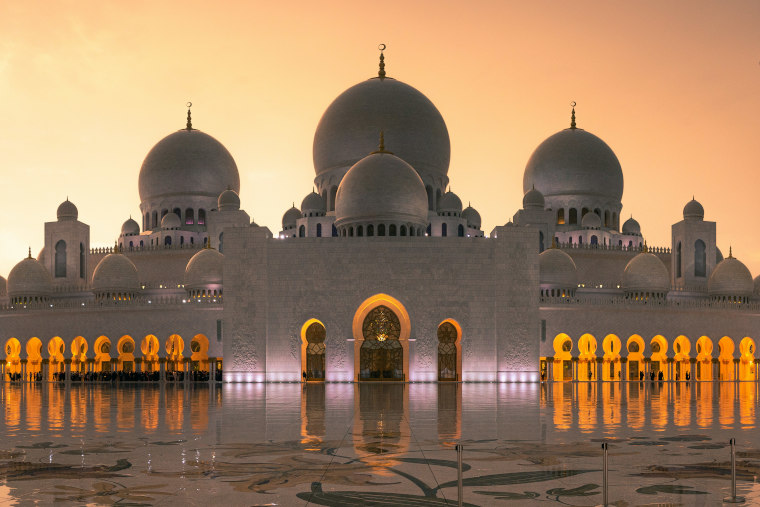 Image source: Daniel Olah / unsplash.com

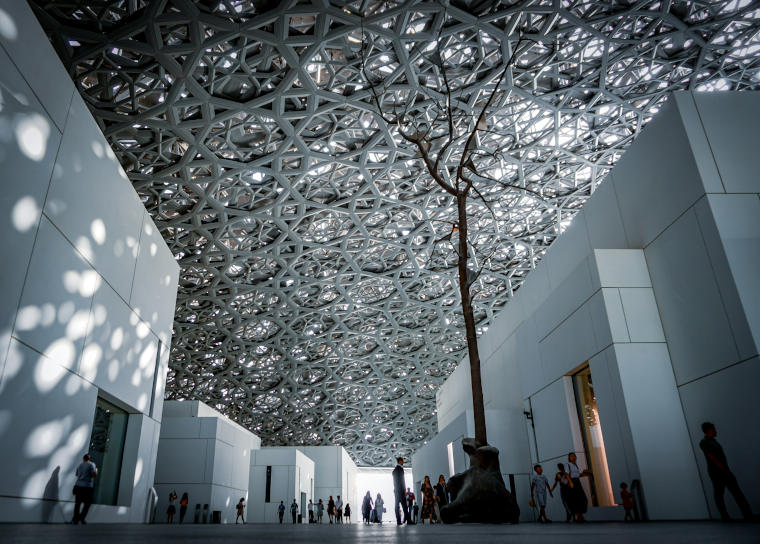 Image source: Agnieszka Stankiewicz / unsplash.com