Home/Cities of the UAE/Nightlife in Dubai: A Complete Guide to the Best Entertainment and Leisure Spots
06.04.2026
Cities of the UAE
1277
Reading time: 13 minutes
Nightlife in Dubai: A Complete Guide to the Best Entertainment and Leisure Spots
Save the article:
Why is Dubai at night considered one of the most impressive places in the world? As darkness falls, this metropolis is transformed into the shining pearl of the Middle East, where skyscrapers become glowing towers and urban spaces are filled with a unique atmosphere of luxury and modernity. Dubai's nightlife offers a distinctive blend of traditional Arab culture and ultra-modern entertainment, creating unforgettable experiences for every traveller. It is precisely during the dark hours that the city reveals its true beauty and energy.
Who is this guide for? This material will be useful for party-going tourists who are looking for the best night clubs and want to find out about prices, dress codes and etiquette in the venues. Romantic travellers will find information about the most beautiful spots for evening walks and restaurants with panoramic views of the city. Photographers and bloggers will receive practical tips on choosing locations for night-time photography, optimal timing and permit requirements. This article will also give you a practical plan for the perfect night out in Dubai.
The Main Night-Time Attractions of Dubai
At night Dubai transforms into a sparkling pearl of the Middle East, where every building becomes part of a spectacular light show. Modern skyscrapers, luxurious embankments and architectural masterpieces create an unforgettable panorama that astonishes even the most seasoned travellers.
Burj Khalifa and the dancing fountains
The Burj Khalifa — the tallest building in the world — at night transforms into a vertical light installation standing 828 metres tall. The observation decks At the Top (floors 124–125) and At the Top Sky (floor 148) are open until midnight, offering breathtaking views of the city at night.
Admission prices range from 149 dirhams ($40) on weekdays to 370 dirhams ($100) during peak hours for the standard deck. The premium Sky level will cost 500–800 dirhams ($135–220). It is best to purchase tickets online via the official website 2–3 days in advance, especially for the sunset hour (6:00–7:00 PM).
The Dubai Fountain at the foot of the tower puts on performances every 30 minutes from 6:00 PM to 11:00 PM. The best spots for photography are: the Dubai Mall terrace (free), the Armani/Amal restaurant on the 3rd floor (reservation required), or the Dubai Fountain Boardwalk (a platform costing 20 dirhams).
Image source: Raimond Klavins / unsplash.com
Insider tip: During the winter months (November–March), the decks are open until 1:00 AM on Fridays and Saturdays, and in summer it is best to visit after 8:00 PM because of the heat.
Dubai Marina and the promenade
Dubai Marina at night becomes the "Manhattan of the Middle East", with an impressive illumination of 200-metre towers reflected in the waters of an artificial canal. The Marina Walk promenade, stretching 7 km, is open around the clock and is completely free.
The main highlight of the district is Ain Dubai (a 250-metre-tall observation wheel), which is open until midnight on weekdays and until 2:00 AM on weekends. Price: 130–200 dirhams ($35–55) depending on the type of cabin and time of day. One full rotation takes 38 minutes, revealing a panorama of the illuminated marina, Palm Jumeirah and the coastline.
The best photography spots are: the Marina Walk bridge near the Emirates Crown towers, the terrace of the Zero Gravity restaurant on the 40th floor, and Dubai Marina Yacht Club. For a professional photo shoot, hiring an abra (a traditional boat) for 100 dirhams per hour is recommended.
The old town and the golden lights
The historic district of Bastakiya and the Gold Souk offer a completely different atmosphere of night-time Dubai. The Gold Market operates until 10:00 PM, and after the shops close the decorative lighting of the traditional arches and minarets comes on.
A ride on an abra across Dubai Creek costs just 1 dirham and allows you to witness the contrast between the modern skyscrapers of Deira and the historic quarters of Bur Dubai. Private dinner cruises cost 150–300 dirhams ($40–80).
The Jumeirah Mosque — the only mosque in the city open to non-Muslims — is especially photogenic in the evening illumination. External viewing is free; guided tours are conducted until 7:00 PM and cost 25 dirhams.
Palm Jumeirah and Atlantis
Palm Jumeirah — the artificial island in the shape of a palm tree — at night turns into a luminous pattern visible even from space. The monorail operates until midnight; a ticket costs 25 dirhams one way.
The Atlantis hotel offers several evening activities: the Lost Chambers aquarium is open until 11:00 PM (105 dirhams); the Aquaventure waterpark with night sessions on Fridays until 10:00 PM (280 dirhams); the Nobu restaurant on the 23rd floor offers stunning views of the illuminated Palm.
The View observation deck on the 52nd floor of the Palm Tower is open until 10:00 PM, and lets you get the best view of the entire Palm and the marina. Price: 100–150 dirhams.
Global Village and seasonal highlights
Global Village — a themed park with pavilions representing 90 countries — is only open from October to April, daily from 4:00 PM to 1:00 AM. Entry ticket: 25 dirhams; parking is free. It is the only place where you can experience the cultural diversity of the world in one location, complete with impressive light shows.
Image source: yasara hansani / unsplash.com
During the summer months (May–September), many open-air venues reduce their operating hours due to extreme heat. It is best to plan your visit after 9:00 PM, when the temperature drops to a comfortable 30°C.
Practical tip: Download the Dubai Pulse app to track attraction opening times and purchase tickets with discounts of up to 20%.
Nightlife and Clubbing
Dubai offers one of the most diverse and luxurious nightlife scenes in the world, where Western trends blend harmoniously with Eastern hospitality. The city attracts international DJs, celebrities and lovers of quality entertainment, creating a unique atmosphere of cosmopolitan nightlife.
Top 5 best night clubs in Dubai
WHITE Dubai at Meydan Racecourse is the flagship of the club scene, with an open terrace and panoramic views. It specialises in electronic music and hip-hop, and regularly hosts international stars. Dress code: smart casual; entry fee 200–500 dirhams; cocktails cost 80–120 dirhams. Open Thursday–Saturday from 11:00 PM to 4:00 AM.
Zero Gravity on Jumeirah Beach is a unique combination of beach club and night venue. It plays house, deep house, and commercial music. Daytime pool parties smoothly transition into evening events. Entry is 150–300 dirhams; drink prices start at 60 dirhams.
Soho Garden DXB at Meydan is a multi-level complex with a Japanese restaurant, a lounge area and a dance floor. Musical genres: techno, progressive, and commercial house. Strict dress code; entry is 250–400 dirhams; premium cocktails cost 100–150 dirhams.
Base Dubai in the Design District is an underground venue for lovers of electronic music: techno, minimal and experimental sounds. A more relaxed dress code; entry is 100–250 dirhams; beer prices start at 45 dirhams.
Cavalli Lounge at the Fairmont Hotel is an elite establishment with a luxurious interior by Roberto Cavalli. It plays lounge, deep house and jazz. Dress code: formal; entry is 200–350 dirhams; champagne costs at least 800 dirhams per bottle.
Specifics of nightlife in a Muslim country
Alcohol policy in Dubai is liberal — alcoholic beverages are served in all licensed establishments, hotels and restaurants. However, public consumption of alcohol outside of licensed premises is prohibited. The minimum age is 21, and a passport is always required.
During the holy month of Ramadan, many clubs are closed or have limited opening hours. Friday is considered a sacred day, but does not affect the nightlife. But remember to adhere to the dress code — avoid overly revealing clothing, especially in the more conservative areas of the city.
Rooftop bars and lounge areas
CÉ LA VIE on the 54th floor of Address Sky View offers breathtaking views of Burj Khalifa and the dancing fountains. Open daily from 5:00 PM to 2:00 AM; cocktails start at 85 dirhams. Be sure to book a table 2–3 days in advance.
Image source: Ahmed Aldaie / unsplash.com
AER at Four Points by Sheraton is located on the 52nd floor and is one of the highest open-air bars in the world. It specialises in craft cocktails and panoramic sunsets. Prices: cocktails 70–100 dirhams; snacks 60–120 dirhams.
40 Kong at The H Hotel is an Asian restaurant-bar with a terrace and views of Sheikh Zayed Road. It is known for its innovative cocktails and live music on weekends. Average bill: 300–500 dirhams per person.
Live music and entertainment venues
The Irish Village in Garhoud is an authentic Irish pub with live music every evening. Prices are reasonable: beers start at 35 dirhams; hearty dishes cost 80–150 dirhams. The atmosphere encourages informal socialising.
Jazz@PizzaExpress at JBR offers quality jazz in an intimate setting. Performances by international musicians are paired with artisan pizza. Entry is free; the average bill is 200–300 dirhams.
Practical recommendations
Most premium venues require advance booking, especially on weekends. Use apps such as Platinumlist, or contact club managers directly. The best time to arrive is 11:30 PM–12:30 AM, when the atmosphere reaches its peak.
A taxi or a ride-sharing service is the optimal way to travel between venues. Uber and Careem operate around the clock; a journey within the Dubai Marina – JBR area costs 25–40 dirhams. Many hotels provide free transfers to popular clubs.
Dubai's Night Markets and Beaches
Dubai's nightlife is revealed not only in the gleam of skyscrapers and luxury clubs, but also in the special atmosphere of traditional bazaars and romantic beach promenades. When the daytime heat subsides, the city invites you to explore its historic quarters and coastline in an entirely different light.
Traditional bazaars: immersion in an Eastern fairy tale
The night market in Dubai takes on a special charm after sunset, when soft lighting turns on and the air fills with the aroma of spices and incense. The Gold Souk in the Deira district is transformed into a glittering gallery, where more than 380 jewellery shops display their treasures until 10:00 PM. You can find any type of jewellery there, from simple earrings for 50 dirhams to exclusive pieces worth millions.
The Spice Souk operates until 11:00 PM and offers an incredible variety: from saffron at 15 dirhams per gram to rare herbs used in traditional medicine. The vendors will happily offer you tea and tell you about the properties of each spice. The textile market in Bur Dubai delights the eye with vibrant fabrics and ready-made clothing until midnight.
Secrets of successful bargaining
Start negotiations with an amount 3–4 times lower than the asking price. Examine the goods carefully and ask questions about their origin and quality. Do not rush — the vendors appreciate patient buyers and are prepared to lower the price considerably. Have cash dirhams on you, as this gives you additional leverage for bargaining.
Image source: Phuong D. Nguyen / shutterstock.com
Security in the markets is extremely high, thanks to video surveillance and regular police patrols. Women are advised to cover their shoulders and knees out of respect for local traditions.
Beach romance under the stars
A night-time beach in Dubai opens up a whole new dimension of leisure, as the daytime bustle gives way to the soothing whisper of the waves. Jumeirah Beach becomes the perfect spot for romantic strolls after 8:00 PM, offering a stunning view of the illuminated Burj Al Arab.
The beach clubs Zero Gravity and Nikki Beach stay open hours until 2:00 AM, offering fine cuisine and cocktails with views of the bay. The cost of dinner for two is 400–600 dirhams, but the atmosphere and views are well worth it.
Night-time beach activities
La Mer Beach offers open-air cinema screenings on Thursdays and Fridays. Entry is free, but it is best to arrive early to secure a spot. Kite Beach is known for its evening yoga sessions on the sand, and beach volleyball under artificial lighting.
For safe swimming, choose supervised stretches of beach with lifeguards on duty. The water in the bay remains comfortable for swimming even at night, with temperatures staying at around 24–26°C.
Practical recommendations
You can get to the markets by metro (Al Ghubaiba or Al Fahidi stations), and to the beaches by taxi or hired car. Parking at most beaches is free after 6:00 PM.
Dress comfortably: for the markets, light, modest clothing and comfortable footwear are appropriate; for the beaches, light trousers or a long skirt over a swimsuit. Be sure to bring a light jacket — the evening sea breeze from the bay can be rather cool.
Night Walks and Excursions
Night-time excursions in Dubai reveal an entirely different side of the city, where familiar daytime locations are transformed into glittering backdrops for unforgettable experiences. The variety of formats available allows you to choose the perfect option for any budget and preference — from romantic boat trips to thrilling helicopter tours over the metropolis.
Walking routes through the historic centre
An evening walk through the Al Fahidi Historical District takes 2–3 hours and costs 120 dirhams per person. The route includes a visit to the Dubai Museum, a stroll through narrow alleyways with traditional architecture and a stop at an authentic café for Arabic coffee. The best tour operators — Dubai Culture and Frying Pan Adventures — offer excursions in English and Arabic.
The Bastakiya district is particularly beautiful in the evening light, when the illumination of the wind towers and historic buildings is switched on. A private tour with a personal guide costs 400–600 dirhams for a group of up to six people and allows the route to be tailored to the interests of the participants.
Boat trips along Dubai Creek
Traditional abra boats ply the creek until midnight, offering 45-minute trips for 25 dirhams per person. More comfortable dhow cruises lasting 2 hours include dinner and cost 180–250 dirhams. Al Mansour Dhow and Bateaux Dubai organise romantic trips with live music and panoramic views of the illuminated waterfront.
Image source: Tariq Iqbal / unsplash.com
For beautiful photos of Dubai at night, it is best to position yourself at the sides of the boat — from there you get stunning angles of the skyscrapers of the business district and the traditional markets of Deira.
Bus sightseeing tours
Big Bus Dubai double-deckers operate along the night route from 7:00 PM to 11:00 PM. The route covers the main attractions with an audio guide in 12 languages. An alternative — Dubai City Tour — offers 3-hour night tours for 150 dirhams, including visits to observation decks and photo stops.
Helicopter tours over the night city
Helicopter flights lasting 12–40 minutes cost from 650 to 2,200 dirhams per person. Helicopter Tour Dubai and Alpha Tours offer routes over Palm Jumeirah, Burj Al Arab and the city centre. The price includes a hotel transfer, a safety briefing and professional photo and video recording of the flight.
Tips for night-time photography
The best time for taking photos of Dubai at night is the "blue hour" from 7:30 PM to 8:30 PM, when the sky takes on a deep blue hue and the city's illumination is already switched on. Optimal camera settings: ISO 800–1600, shutter speed 1/60–1/125 seconds, aperture f/2.8–f/5.6.
Top locations for photography: the Dubai Marina Walk embankment, the bridge over Dubai Creek, and the Sky Deck at Address Downtown. A tripod is essential for sharp shots in low light. Many tour operators provide professional cameras for hire at an additional cost of 50–100 dirhams.
Practical Tips for Night-Time Leisure
Planning a night out in Dubai requires special attention to the details that will ensure comfort and safety during your stay. Proper preparation will allow you to make the most of Dubai's nightlife and avoid any unpleasant surprises.
Transport and getting around the city
Dubai Metro operates until midnight on weekdays and until 1:00 AM on weekends; the fare is 3–8 dirhams. For night-time entertainment in Dubai after the metro closes, use Uber or Careem — a journey across the city will cost 15–40 dirhams. The Ekar car-sharing service is available around the clock, with hire cost starting at 25 dirhams per hour.
A taxi from the airport to the city centre costs 50–80 dirhams; to Marina or JBR hotels — 70–100 dirhams. Book a transfer in advance via GetTransfer to save 20–30%.
Dress code and rules of conduct
Night clubs in Dubai operate a strict dress code: men are required to wear closed shoes, long trousers and a collared shirt. Women are advised to wear dresses or elegant outfits and to avoid overly revealing clothing. At beach clubs, a more casual dress code is acceptable.
Alcohol is permitted only in licensed establishments for those aged 21 and over. Public drinking and being intoxicated on the street are strictly prohibited and are punishable by a fine of up to 2,000 dirhams.
Prices and ways to save money
Entry tickets to top clubs cost 100–300 dirhams; cocktails are 50–80 dirhams. To save money, use guest lists via official club websites or the Platinumlist and Virgin Megastore apps. Ladies' night on Tuesdays and Wednesdays offers free entry and drinks for women.
Night markets in Dubai are bargaining friendly, so you can reduce the initial price by 40–60%. In restaurants, leave a tip of 10–15%; in bars — 5–10 dirhams per drink.
Safety and emergency contacts
Dubai is considered one of the safest cities in the world, but observe basic safety rules: never leave your drinks unattended, use official taxis and avoid sparsely populated areas after midnight.
Image source: Darya Jum / unsplash.com
Emergency numbers: police 999, ambulance 998, fire service 997. Be sure to arrange medical insurance with coverage of at least $50,000 as prices at private clinics are high: 500–2,000 dirhams per consultation.
Seasonal specifics
In summer (June–September), night-time walks in Dubai are more comfortable after 10:00 PM, when the temperature drops to 30°C. Dubai's night beaches are especially popular during the hot season. In winter (December–March) rain is possible — check the weather forecast before heading out.
Book tables at restaurants and clubs 2–3 days in advance, especially on weekends and public holidays. Use the OpenTable and Zomato apps to make reservations with discounts of up to 25%.
Frequently Asked Questions
Is it safe to walk around Dubai at night?
Dubai is considered one of the safest cities in the world for evening strolls, thanks to its low crime rate and effective policing. The tourist districts of Dubai Marina, Downtown Dubai and JBR are patrolled around the clock, and CCTV cameras are installed almost everywhere.
Women can move about the central areas freely, even alone, although it is advisable to avoid remote industrial zones. Always keep your documents and your hotel's phone number on you in case of an emergency.
Where can you buy alcohol in Dubai?
Alcohol is sold exclusively at licensed MMI and African + Eastern shops, which are open from 10:00 AM to 11:00 PM except on Fridays. A passport and a special licence are required for purchase; tourists can obtain the licence free of charge at the airport or at any of the shops. In hotel restaurants and bars, alcohol is served without restrictions upon presentation of a form of identification. Alcohol prices are quite high — a bottle of wine costs 80–120 dirhams in a shop.
How does public transport operate at night?
Dubai Metro stops running at midnight on weekdays and at 1:00 AM on weekends, so for night-time entertainment it is better to use a taxi or Uber. Some buses run until 1:30 AM, but at extended intervals.
Taxis operate around the clock at fixed rates — a journey across the city will cost 15–40 dirhams depending on the distance. Many hotels provide free transfers to major shopping centres and beaches.
What is the dress code in night venues?
Most night clubs in Dubai operate a strict dress code — men are required to wear closed shoes, long trousers and a collared shirt. Women are advised to wear elegant clothing, avoiding overly revealing outfits — shoulders and knees should be covered.
Image source: freepik / freepik.com
In beach clubs the dress code is more relaxed, and smart casual is acceptable. Sportswear, shorts and flip-flops are unacceptable in all prestigious venues.
How much does night-time entertainment cost in Dubai?
Entry tickets to top night clubs range from 100 to 300 dirhams, often including one drink. Cocktails in bars cost 45–80 dirhams; beer is 35–50 dirhams; a bottle of wine in a restaurant starts at 200 dirhams. Dinner at a restaurant with city views will cost 150–400 dirhams per person without alcohol. River cruises with dinner cost 120–250 dirhams; helicopter tours start at 600 dirhams for a 15-minute flight.
Is it necessary to book tables in advance?
Reservations are essential at popular restaurants and night clubs, especially on weekends and public holidays. Tables at venues overlooking Burj Khalifa or the fountains should be reserved 2–3 days in advance, and on Fridays and Saturdays — a week ahead. Many clubs require a minimum spend of 500–1,000 dirhams per table. For spontaneous plans it is better to choose less popular venues or to visit on weekdays before 9:00 PM.
Article header image source: Alexey O / unsplash.com
Features of the Dubai Festival City district. Daily life in Dubai Festival City. Housing in Dubai Festival City. Shopping and entertainment in Dubai Festival City. Transport accessibility of Dubai Fes...
VAT and Tax Free in Dubai. The difference between Tax Free and Duty Free in Dubai. The Tax Free procedure in Dubai. New VAT refund system in Dubai. 6 important nuances of Tax Free registration in Duba...
Geographical position of the UAE on the world map. Land borders of the UAE with neighbouring countries. Administrative structure and internal borders. Natural conditions of border territories. Dispute...
The best places to go shopping in Dubai. What is worth buying in Dubai. Gifts and souvenirs from Dubai. Practical shopping tips. Frequently asked questions.
Specifics of property rights types in the UAE. What is freehold? What is leasehold? Usufruct and musataha. Pros and cons of different forms of ownership in the UAE. Frequently asked questions about ty...
Advantages and disadvantages of opening a business in Dubai. 10 most in-demand areas for starting a business in Dubai. Choosing a company type for business registration in Dubai. Steps to register a b...
History of Dubai Internet City. Main attractions of Dubai Internet City. Aspects of Living in Dubai Internet City. Infrastructure of Dubai Internet City. Business amenities in Dubai Internet City. Fre...
Advantages of taxis in the UAE. Options for calling a taxi in Abu Dhabi. The cost of taxis in Abu Dhabi. Rules for taxi rides. Frequently asked questions about taxis in Abu Dhabi.



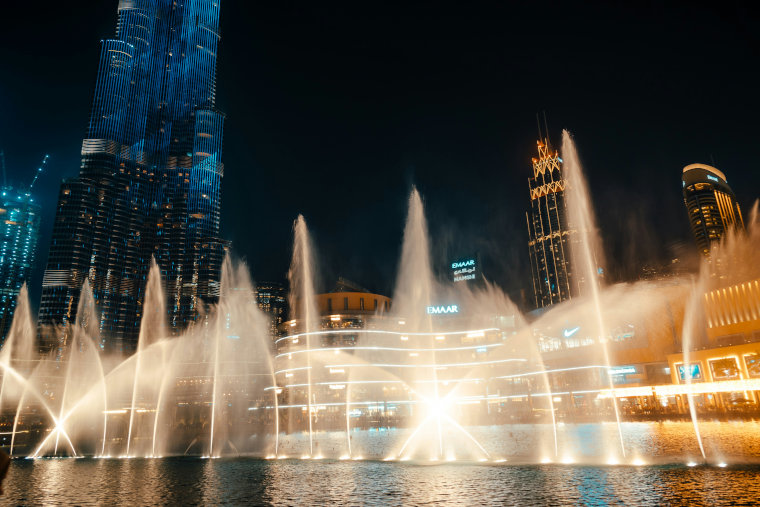 Image source: Raimond Klavins / unsplash.com
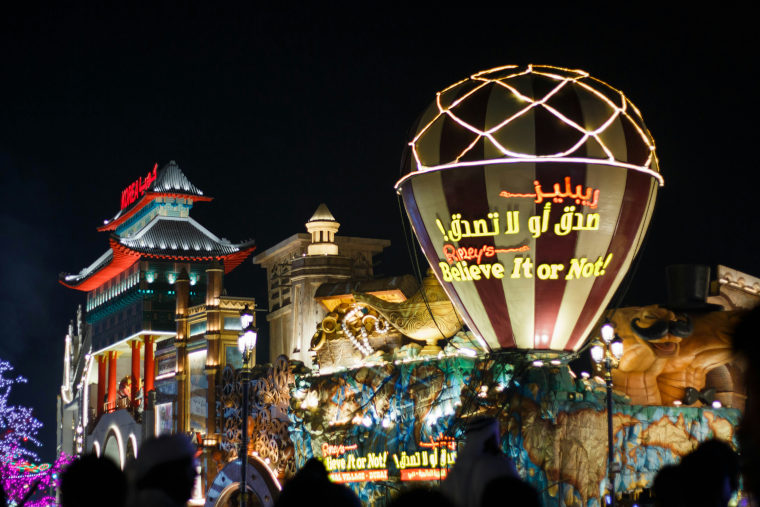 Image source: yasara hansani / unsplash.com

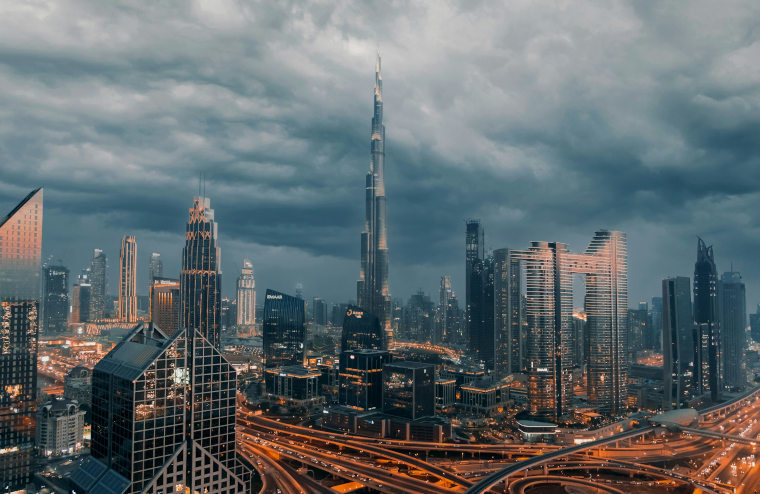 Image source: Ahmed Aldaie / unsplash.com

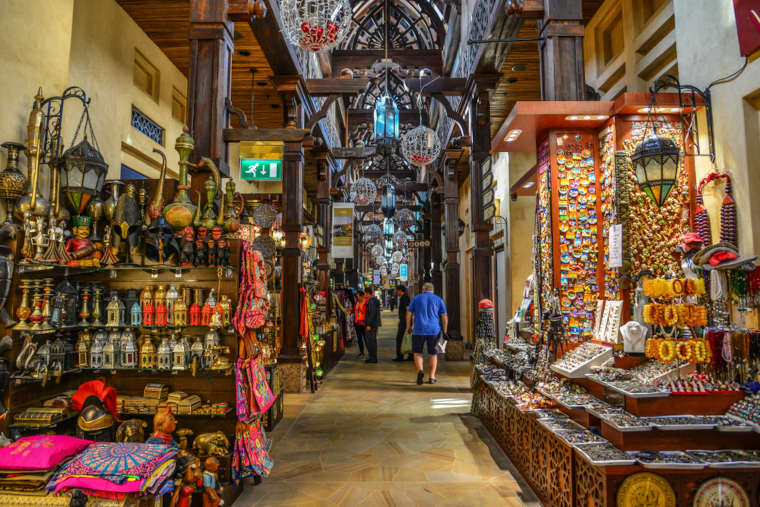 Image source: Phuong D. Nguyen / shutterstock.com

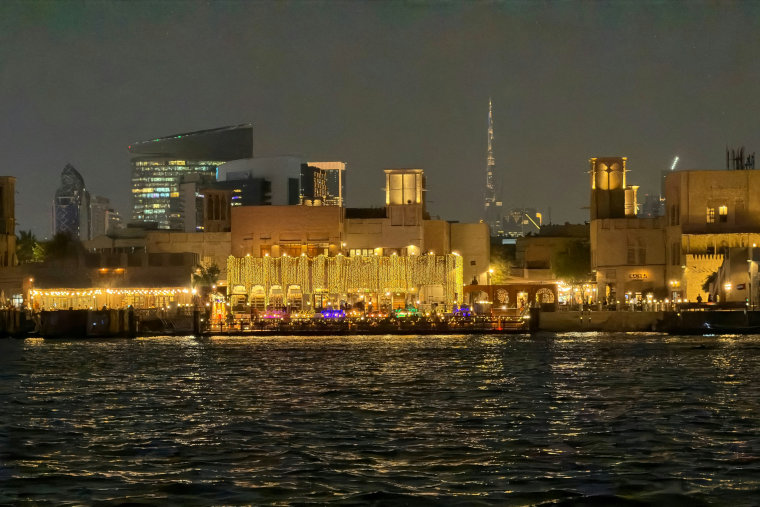 Image source: Tariq Iqbal / unsplash.com

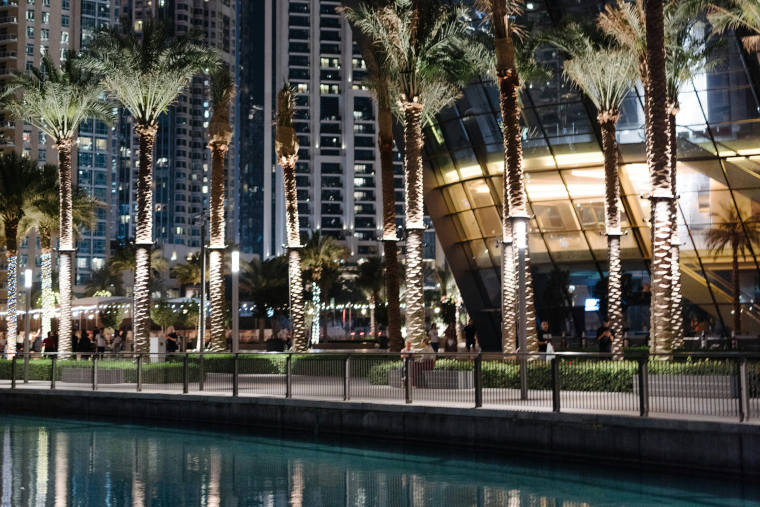 Image source: Darya Jum / unsplash.com

 Image source: freepik / freepik.com