Population of Dubai: Size, Composition, and Growth Factors
Save the article:
What is it about? Dubai’s population reveals a unique demographic structure, typical for Gulf states. The emirate’s population now exceeds 3.5 million and continues to grow steadily due to labor migration.
What are the specifics? Foreign nationals account for about 90% of the population, with the largest groups originating from India, Pakistan, and Bangladesh. Native Emiratis form a small but influential group, with special rights and privileges.
Population Density of Dubai in 2025
It is difficult to imagine, but by the mid-20th century, the emirate counted only around 20,000 residents. According to the Dubai Statistics Center, Dubai’s population surpassed 3.9 million in 2025.
This rapid growth positions Dubai as a major urban agglomeration. UN reports indicate that Dubai’s population increases by about 2% per year.
Whereas most residents were once UAE citizens, today their share has become minimal. The modern face of Dubai is formed mostly by international migrants.
Image source: Chichi Onyekanne / unsplash.com
Reasons for Dubai’s high growth rates are clear. The emirate attracts people with economic stability, abundant well-paid jobs, a welcoming attitude toward foreigners, and transparent integration mechanisms for newcomers, including popular visa programs (like the “golden” and “silver” visas) and the prospect of obtaining UAE citizenship.
Dubai’s area covers over 3,800 sq km; most residents are concentrated in the city. Central districts see peak population densities, with an average of 400 people per sq km (according to Wikipedia, 2025).
Population Growth Dynamics in the emirate Dubai:
Year
Residents
Growth Rate
Absolute Growth
2020
2,878,000
1.59%
45,200
2021
2,921,000
1.49%
43,000
2022
2,964,000
1.47%
43,000
2023
3,008,000
1.48%
43,200
2024
3,051,000
1.43%
43,400
Emirates NBD reports Dubai as the most populous emirate, outpacing even the capital Abu Dhabi (population around 1.5 million, according to World Population Review). Dubai also leads in population density.
Dubai’s Demographic Structure
Dubai is a melting pot of cosmopolitanism, attracting energetic expats from every nationality and culture, each contributing to the city’s remarkable projects and landmarks.
Expats now compose the majority of Dubai’s population. Here is a detailed demographic analysis:
Gender Ratio
A significant portion of foreign workers live in Dubai without their families, resulting in a noticeable gender imbalance, with a significant male predominance. According to the Dubai Demographics 2025 report:
This disparity is tied to employment sectors like trade, construction, and services, which attract predominantly male workers in Dubai.
Age Structure
Analyzing Dubai's population by age, one can note its overall youthfulness — the majority of residents are economically active. Here's the age distribution in 2025:
14.79% — children (under 14)
11.16% — youth (15–24)
68.97% — adults (25–54)
3.93% — adults (55–64)
1.15% — seniors (66 and older)
The dominance of the 25–54 age group highlights Dubai’s appeal as a business hub, attracting enterprising people and highly qualified experts from around the world.
Key Growth Factors of Dubai’s Population
Population growth in Dubai is driven by several factors. The emirate’s attractiveness intensifies annually, encouraging more foreigners to relocate.
Economic Prospects
Dubai’s fast-growing economy draws skilled workers and investors to new opportunities, boosting both prosperity and population of the emirate.
In the past year, Dubai’s GDP per capita reached nearly $50,000. Real estate, financial services, global trade, and tourism are particularly attractive investment sectors.
Projected inflation for 2025 remains around 2%, despite rising housing and utility costs. Expectations for economic expansion greatly exceed earlier IMF forecasts.
A significant increase of approximately 7.8% in oil exports from the Persian Gulf states is expected in 2025. Non-oil exports are experiencing a record surge: according to the first quarter of 2025 financial statements, exports increased by 40.7% year-on-year.
Quality of Life and Infrastructure Development
The second most significant factor driving Dubai's population growth is its outstanding infrastructure. The emirate boasts world-class healthcare, advanced engineering, a diverse range of entertainment venues, excellent education, and friendly service.
Dubai’s reputation as a global hub with limitless opportunities fuels foreign migration, making it a very attractive destination for both work and life. Steadily pursuing a course of progressive development, this part of the UAE demonstrates ambitious plans in the construction sector.
Dubai's booming construction market is expected to reach $9.4 billion by 2029. By implementing the most ambitious projects, the emirate attracts a huge number of highly skilled professionals seeking work, which explains Dubai's high population today.
Geographic Advantage
Strategically located at the intersection of African and Eurasian interests, Dubai is a magnet for tourism businesses and multinational corporations.
This location provides natural communication advantages, simplifying production and trade logistics. Such favorable geographic position encourages entrepreneurs looking to invest in rapidly growing economic sectors to make Dubai their optimal choice.
Flexible Immigration Policy
Dubai is implementing a well-thought-out and modern immigration policy, which includes a number of programs aimed at attracting highly qualified specialists and creating attractive conditions for foreign investment.
The increase in immigration is actively stimulated by popular visa programs, such as the 10-year Golden visa, long-term visas for skilled professionals, and special permits for retirees, businesspeople, and the self-employed.
Image source: Carlvic Lim / unsplash.com
These programs guarantee bright prospects, enhancing Dubai’s appeal for talented professionals.
Cultural Pluralism and Openness
Dubai welcomes those wishing to join its multicultural society. The UAE’s liberal stance on many social issues makes the emirate particularly hospitable, driving population growth and diversity.
Specifics of Life of the Native Citizens of the UAE and Dubai in Particular
Today, the UAE has about 8.5 million residents, and around 85% are labor migrants.
Native Arabs in the UAE enjoy lifelong privilege, often running businesses or holding executive posts. Most are owners of foreign real estate and other assets outside their homeland.
Upon graduation, young Emiratis earn an average of $10,000 a month, rising to $100,000 at retirement.
Every native citizen receives a share of oil revenues. Parents are granted a one-time payment of $55,000 upon a child’s birth.
As in all Islamic countries, strict rules prevail: revealing clothes, smoking, and public alcohol consumption are prohibited.
Since men and women have equal rights in the Emirates, it’s common to see women in senior government roles.
Men may have multiple wives, but certain conditions must be met:
Each wife must be provided with separate housing, servants, and receive expensive gifts
Before entering into a new marriage, a man must obtain the official consent of all his current wives
National dress is highly respected; shoulders and arms must be covered, regardless of the weather, and women frequently wear a paranja.
The majority of Dubai's employed population works in the service, industrial, tourism, and agricultural sectors. Non-natives typically work as hotel service staff, food service workers, and other similar positions.
Image source: Kate Trysh / unsplash.com
The UAE has no official minimum wage or subsistence level.
Native Emiratis are entitled to:
Free water and energy
Free education
State medical coverage
$120,000 for wedding expenses
State-funded overseas education
Frequently Asked Questions About Dubai’s Population
What impact does the demographic boom have on the emirate’s economy and infrastructure?
Native population size is less significant than overall growth.
Rapid expansion drives demand for housing, transport, education, and healthcare, opening new horizons for public and private sector development but also straining the infrastructure. Key challenges include:
Increased pressure on transport networks
Rising demand for housing, pushing up prices
Expansion of education and medical facilities
UAE authorities effectively manage population growth by integrating advanced urban and transport planning.
Does Dubai have demographic targets?
Dubai is ambitious: by 2040 it plans to increase its population to 5.8 million, requiring broad infrastructural expansion and ecological standards.
Initiatives like the “2040 Urban Master Plan” aim to improve livability, develop green zones, and promote eco-friendly technologies. The authorities are also actively working to attract highly qualified experts in the fields of scientific research, information technology, and healthcare, offering them attractive visa programs.
What share of residents are expatriates?
The expat community in Dubai is represented by the following major diasporas:
Indians form the largest group, accounting for an estimated 37.96% of Dubai's total population. They are mostly employed in medicine, construction, commerce, and the IT sector.
Pakistanis, comprising approximately 16.72% of the total population, work in retail, logistics, and construction.
Bangladeshis account for approximately 7.38% of the total population, and their labor is particularly in demand in the service sector and on construction sites.
Filipino nationals account for a small share, only 6.89%, and are primarily employed in domestic service and other professional services.
Egyptians account for approximately 4.23% of the total population, working in healthcare and the hospitality industry.
Other residents are predominantly from Somalia, Canada, the United States, and the United Kingdom.
The people of Dubai are a vivid illustration of the harmonious coexistence of diverse cultures striving for prosperity. This rapidly developing city has become the embodiment of a dream come true. Its future lies in a unique synthesis of tradition and innovation, as it charts new standards for modern civilization.
Article header image source: Fredrik Öhlander / unsplash.com
What cuisines are represented in Dubai restaurants? 5 best restaurants in Dubai according to MICHELIN Guide 2024. Fine dining restaurants in Dubai. 3 most expensive restaurants in Dubai. 10 inexpensiv...
How rain forms naturally. What is artificial rain? How artificial rain is induced in Dubai. The dangers of weather interference: meteorologists' opinion. Consequences of artificial rain in Dubai. Whic...
Advantages and disadvantages of opening a business in Dubai. 10 most in-demand areas for starting a business in Dubai. Choosing a company type for business registration in Dubai. Steps to register a b...
What Bur Dubai is like. Pros and cons of the Bur Dubai district. Living amenities in Bur Dubai. Accommodation options in Bur Dubai. How to get around Bur Dubai. Frequently asked questions about Bur Du...
How schools are structured in Abu Dhabi. Public and private schools in Abu Dhabi. Enrolling in a school in Abu Dhabi. Top international schools in Abu Dhabi. Schools in Abu Dhabi with an intensive foc...
How much do food products cost in Dubai in 2025? 5 best supermarkets in Dubai where you can buy affordable groceries. Best grocery markets in Dubai. 3 food delivery services in Dubai. Food prices in D...
General information about the UAE. Form of government in the UAE. Historical specifics of governance in the UAE. The structure of the UAE's government. Frequently asked questions about the form of gov...
Specifics of mobile communication in the UAE. Roaming conditions in the UAE from Russian operators. How to activate roaming in the UAE. Alternatives to roaming in the UAE. Frequently asked questions a...



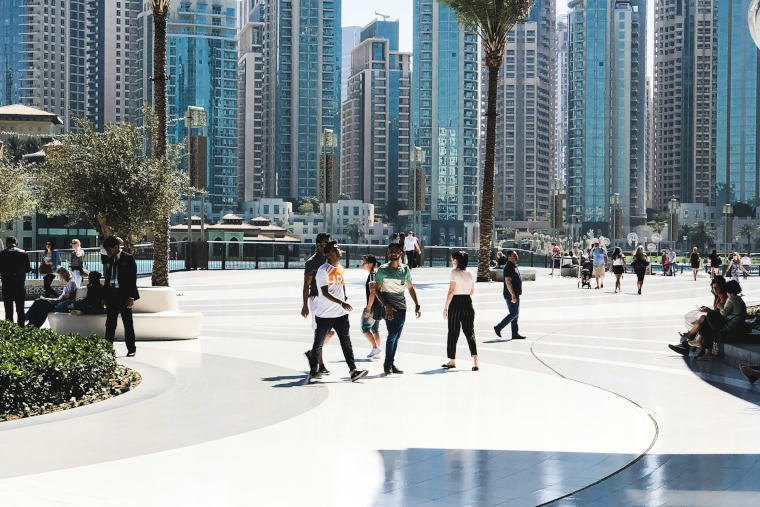 Image source: Chichi Onyekanne / unsplash.com


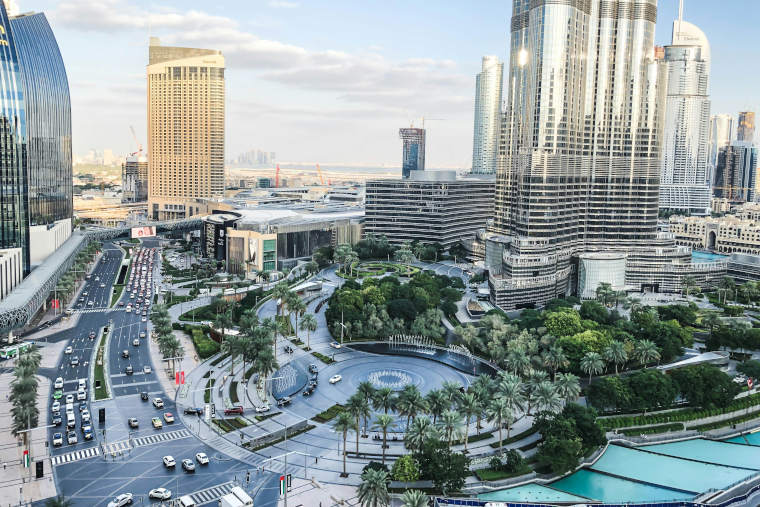 Image source: Carlvic Lim / unsplash.com
 Image source: Kate Trysh / unsplash.com