What is it about? Ras Al Khaimah is an emirate in the UAE with the capital of the same name, where the highest percentage of local residents live (up to 25%). This region is characterised by a milder climate, as well as plantations where vegetables and fruits are grown.
What to pay attention to? However, Ras Al Khaimah has other advantages as well. A free economic zone has been established there, which allows companies not to pay taxes, and the return on investment in real estate is comparable to that of Dubai.
Overview of Ras Al Khaimah
Ras Al Khaimah is the northernmost emirate of the country with a capital of the same name. Its closest neighbours are Sharjah and Fujairah. Ras Al Khaimah consists of two parts of approximately equal area. The southern part of the emirate mostly consists of sparsely populated villages. Most of the population lives in the northern half. Taking both components of this region into account, the population is approximately 355 thousand people.
Ras Al Khaimah accounts for about a quarter of the country's indigenous population, unlike other emirates where their percentage does not exceed ten.
The Hajar Mountains, with the highest peak in the Arab Emirates, Jebel Jais (1934 metres), stretch across the eastern part of Ras Al Khaimah. The waters of the Persian Gulf wash the north of the emirate. The views there are simply incredible, as the coastline stretching for more than sixty kilometres is literally dotted with natural lagoons.
Image source: sander traa / unsplash.com
Additionally, the region features rare terracotta deserts and Ras Al Khaimah's calling card — mangrove thickets, where pink flamingos live in their natural environment.
It is slightly cooler in Ras Al Khaimah than in other emirates. During the summer period, the temperature difference can reach ten degrees Celsius. It can be said with certainty that the climate there is more comfortable for living.
Another pleasant feature of the region is the most fertile soil in the country. Cabbage, tomatoes, onions, tobacco, citrus fruits, bananas, and dates are actively grown there. Mostly, the harvest is collected for local consumption or sent to other emirates.
Transport
Ras Al Khaimah, UAE, has its own international airport, but unfortunately, air connections with Russia were suspended during the pandemic, so Russian flights arrive in Dubai or Sharjah.
To get to Ras Al Khaimah from Dubai, you need to travel eighty kilometres by car. If there are no traffic jams on the roads, it will take no more than fifty minutes. Locals recommend using special bypass routes to save time.
Water transport is quite well developed there and there are several ports. Saqr is the largest and most significant of them.
There is no public transport in this emirate; shuttle buses only run between settlements. Tourists usually move around the resort by taxi or use car sharing. Local residents usually have their own vehicles.
Economy
Not only agriculture but also the mining industry operates at the highest level in this region, and it is also where the largest cement production plant in the country is located.
It is in Ras Al Khaimah where the country's first and still largest pharmaceutical company — Gulf Pharmaceutical Industries — is located.
For more than half a century, RAS Ceramics has been manufacturing premium quality ceramic tableware there.
The leaders in the field of high technology are Falcon Technologies International and Innovative Composite Engineering.
Ras Al Khaimah is a free economic zone, which is a comfortable and promising place for doing business. This is evidenced by high ratings from international statistical agencies. Neither companies nor individuals pay taxes or duties there.
Enterprises have a comfortable logistics system thanks to nearby seaports, an international airport, and highways. This makes it possible to build trade flows with the east and west, which year after year attracts hundreds of companies to do business there.
Undoubtedly, the tourism sector is actively developing in the emirate. To date, about thirty high-class hotels can accommodate guests from different parts of the world. In addition, it is Ras Al Khaimah where UAE residents themselves love to relax. They come with their entire families during vacations and weekends.
Attractions
It will be interesting for those who are fascinated by history. For example, the abandoned village of Al Jazirah Al Hamra, where sailors and pearl divers lived, will leave no one indifferent.
In the capital of Ras Al Khaimah itself, you can find evidence of the country's rich history.
Al Hisn Fort has been preserved to this day in the Old City. Previously, it was the residence of the emirs of the Al Qasimi clan, and today the National Museum operates there.
Another interesting place is the village of Dhayah, located in the northeastern part of the city. Previously, the local fort was designed for the defence of the territory. In addition, findings that are five thousand years old, testifying to the ancient Umm an-Nar civilization, can be seen in this place.
At the peak of Jebel Jais among the beautiful Hajar Mountains, there is a cable car about three kilometres long. It is the longest cable car in the world, as recorded in the Guinness World Records.
For those who love thrills, there is a zipline. At a speed of about one hundred and fifty kilometres per hour, you can make a dizzying descent from a height of 1680 metres.
There are famous golf courses in Ras Al Khaimah: Al Hamra Golf Club and Tower Links Golf Club, each with 18 holes.
The emirate also has several yacht clubs and a private flying club.
Districts of Ras Al Khaimah
Old City
The Old City is the name given to the historical part of the Ras Al Khaimah emirate, which is surrounded by the bay, mountains, and desert from different sides. The atmosphere there is very special thanks to the ancient settlements and structures. This place attracts thousands of tourists interested in history or simply not indifferent to the mysterious places of our planet.
By the way, nearby is the old market of the Al Quwain district, where you can purchase unusual items and souvenirs. A stroll along the authentic houses and watchtowers on the outskirts of the city will leave a lasting impression.
Two nearby forts, Dhayah and Falayah, have an interesting history, as they played a very important role in the relations between the United Arab Emirates and England. Dhayah became the site of a battle in 1819. Today it is included in the UNESCO World Heritage List. In Fort Falayah, a peace treaty was signed in 1820 between the two countries.
Al Nakheel
The Al Nakheel district is considered the complete opposite of the Old City, where the life of modern society thrives, with government and municipal institutions, large companies, shopping centres, and the residence of the emirate's ruler.
Local residents purchase any necessary goods at Lulu Center and Safeer Market shops. They love to go shopping at the nearest shopping centre called Naeem Mall. The federal highway E11 passes through Al Nakheel, which means that from there you can easily reach other emirates and all the objects of interest there.
Al Nakheel is a district where life will be interesting and comfortable for both adults and children. There aren’t many tourists in the quarter, which allows you to immerse yourself in its unforgettable atmosphere.
Al Hamra Marina
The Al Hamra Marina quarter is rightfully considered the most in-demand in Ras Al Khaimah, as it is located along the coast between the sea waters and a natural lagoon. From the centre of Dubai, you can reach this place in just one hour by car.
The district is adorned with picturesque beaches and green alleys, mountain ranges, reserves, and national parks. There you can feel unity with nature, enjoy beautiful views, breathe the sea air, and simply take pleasant walks.
Wherever you live, you will be able to visit beaches, swimming pools, gyms, and playgrounds for free. The main tourist infrastructure includes the Al Hamra Mall shopping centre, Al Hamra Golf Club, and several modern hotel complexes, such as Al Hamra Fort and Al Hamra Palace.
Al Qawasim
The promenade stretching for almost three kilometres is the most popular place for walks in Ras Al Khaimah. Along it, there are cafes and restaurants for every taste and budget. In addition, there are bicycle and running tracks for those who are fond of outdoor sports.
The main attraction of Al Qawasim is the Pearl Museum, where you can see collections of pearls of the most incredible sizes, colours, and shapes. It is there that the most famous of them, the “Miracle of Arabia”, can be found.
From this same museum, those who wish can go to a pearl farm to learn about the modern technology of pearl cultivation.
Advantages of Buying Property in Ras Al Khaimah
The main advantages of buying property in Ras Al Khaimah include:
The ability to retain most of your income due to the absence of income tax in the country.
Ample opportunities for professional and career growth in the fields of tourism, trade, construction, modern technologies, finance, and so on. The dynamic labour market creates high demand for buying and renting property.
High standard of living, comfort, and developed infrastructure: schools, kindergartens, shopping and medical centres, cafes, and restaurants. The most commonly chosen housing options are penthouses, villas and apartments.
Convenient transport interchange: from Ras Al Khaimah, you can easily reach not only any part of the emirate but also other regions of the country, which makes this place attractive for doing business.
Internationality — there are about two hundred different nationalities in the United Arab Emirates, which means it is a multicultural country. Everyone feels comfortable there and is able to find like-minded people among those around them.
The high level of medicine and education make the region even more attractive for families with children.
An ideal place for doing business. There are multiple free economic zones in the United Arab Emirates, which means companies with one hundred percent foreign participation, registration, and licensing can be created there. This attracts even more foreign investors, increasing the demand for real estate in the country.
Interesting Facts about Ras Al Khaimah
Ras Al Khaimah is considered the greenest region of the country; fruits and vegetables are actively grown in the emirate, as well as exported. By the way, most of the date plantations in the United Arab Emirates are located there.
Once upon a time, on the site of modern Ras Al Khaimah there was Julfar, a city that was founded by ancient Armenians. In those times, it was a famous pearl trading centre. According to legend, it was here that the Queen of Sheba stopped on her way to Solomon.
For a long time, Ras Al Khaimah was called the pirate coast. This is not surprising, as sea raiders made regular attacks on this land. To protect the territory, watchtowers and forts were built, eighteen of which have been preserved to this day.
The highest point of the United Arab Emirates, Mount Jebel Jais (height 1934 metres), is located in Ras Al Khaimah. This is a favourite place for romantics and fans of extreme sports.
Image source: Dilip James / unsplash.com
The name “Ras Al Khaimah” translates from Arabic as "Top of the Tent". The emirate received such a name thanks to its northern location on the country’s map.
One of the most mysterious cities in the world, Jazirat Al Hamra, is located in the emirate. Among tourists, it is often called a ghost town. They say that to this day, jinns live in the abandoned houses of the oldest settlement in the Persian Gulf, coming out onto the streets late at night.
Another calling card of the region is the man-made island of Marjan, where a huge amount of African sand was specially brought in. The territory of the island is partially wild and literally strewn with cuttlefish skeletons.
Frequently Asked Questions about Ras Al Khaimah
Is it possible to purchase an exclusive property in Ras Al Khaimah (UAE)?
Yes, such an opportunity exists, as the market is not overloaded at the moment.
Is it profitable to invest in real estate?
The profit can be compared with Dubai's indicators, which is more than seven percent when renting out real estate.
What shopping opportunities are there in Ras Al Khaimah?
Manar Mall is especially popular in Ras Al Khaimah, located in the central part of the city right on the coast of the Persian Gulf. This shopping centre has its own promenade, where tourists and locals love to walk after shopping.
Ras Al Khaimah is an emirate where incredible nature and the atmosphere of an eastern fairy tale are combined. It is comfortable to work and relax there, as peace and tranquillity reign everywhere. By investing in the Ras Al Khaimah real estate market, you can receive a high and stable income.
Immerse yourself in an Arabian fairy tale, breathe in the salty aroma of the Persian Gulf, enjoy the view of the picturesque Hajar Mountains, and stroll along modern embankments and parks. The UAE is a country that does not leave anyone indifferent!
Article header image source: Max Tcvetkov / unsplash.com
Description of the Al Barsha district. Real estate in Al Barsha. Nurseries and schools in Al Barsha. Investment feasibility and development prospects of Al Barsha. Frequently asked questions about Al ...
Visa-free entry to the UAE for citizens of Russia. Required documents for entry to the UAE. Travelling to the UAE with children and minors. Payment methods and finances in the UAE for Russians. Custom...
Calendar of official holidays of the UAE. Muslim events in the UAE: traditions and rules of conduct. Opening hours of institutions and businesses during holidays. National events and public occasions...
How rain forms naturally. What is artificial rain? How artificial rain is induced in Dubai. The dangers of weather interference: meteorologists' opinion. Consequences of artificial rain in Dubai. Whic...
Types of educational institutions in Dubai. Popular educational programmes in Dubai. The process of admission to educational institutions. Cost and financing of education in Dubai. List of the best nu...



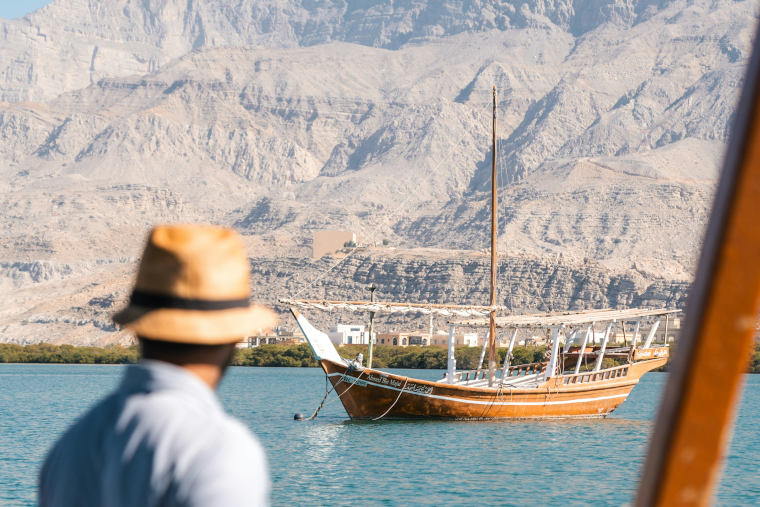 Image source: sander traa / unsplash.com


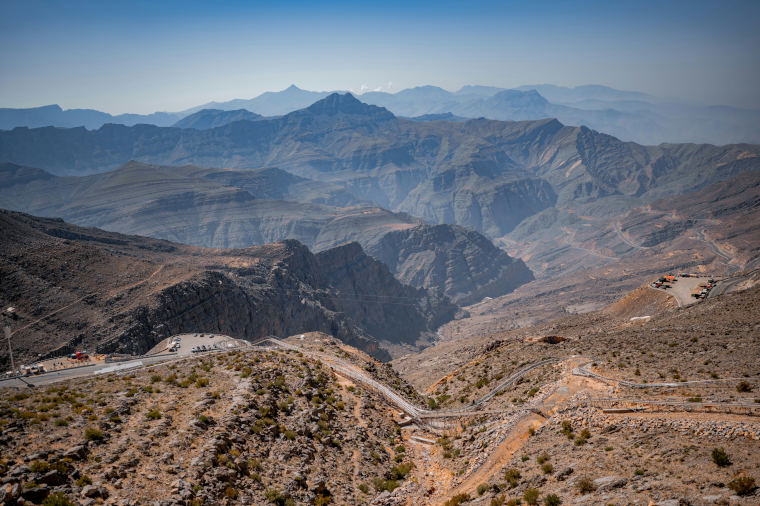 Image source: Dilip James / unsplash.com