Home/Cities of the UAE/Summer in Dubai: A Complete Guide to Temperatures, Weather, and Holiday Specifics
27.03.2026
Cities of the UAE
1015
Reading time: 13 minutes
Summer in Dubai: A Complete Guide to Temperatures, Weather, and Holiday Specifics
Save the article:
Why does summer Dubai frighten tourists, and should you really be afraid of 45°C? Many travellers rule out a trip to the UAE in summer for fear of the extreme heat, yet in doing so they miss the opportunity to save up to 70% on hotels and avoid the tourist crowds. But in reality with the right preparation and an understanding of the local climate, a summer holiday in Dubai can be not only comfortable but also more affordable. The key is to understand how the city’s air-conditioned infrastructure works and which activities are available during the hot season.
For whom will this article be particularly useful? First and foremost, for those planning their first trip to Dubai who are uncertain about their timing, worried they may not cope with the heat or that it could affect their health. The material will also be of help to experienced travellers who are looking for a balance between comfort and savings when choosing the best time for their holiday. Travellers on a limited budget will find practical ways to save substantially without sacrificing the quality of their holiday.
Climate and Weather in Dubai in Summer
The summer months in Dubai are characterised by extremely high temperatures and elevated humidity. This period lasts from May to September, with the peak heat occurring in July–August. Understanding the climatic specifics will help you prepare properly for your trip and avoid any unpleasant surprises.
Monthly temperature figures
The temperature in Dubai in summer reaches critical levels as early as June; the daytime air temperature stands at 42°C, whilst at night it drops to 28–30°C. July and August can be a real challenge for tourists, as the thermometer climbs to 45–50°C during the daytime, and even at night the temperature rarely falls below 32°C.
May and September are considered transitional months with more comfortable temperatures of 38–40°C during the day and 25–27°C at night. However, even during these periods humidity remains high, which intensifies the feeling of stuffiness.
Humidity and its effect on how you feel
Humidity levels during summer reach 80–90%, particularly in coastal areas. High humidity combined with extreme temperatures creates an environment, in which the air becomes thick and heavy to breathe. The heat index (the apparent temperature) can exceed 55–60°C.
Image source: frantic00 / shutterstock.com
The greatest discomfort is felt in the morning hours between 6:00 AM and 9:00 AM, when humidity reaches its maximum. By midday the air becomes drier, but temperatures rise to critical levels.
Water temperature in the Persian Gulf
The water in the Persian Gulf warms up to 32–35°C in summer, which is comparable to the temperature of a hot bath. Such warm water provides no real relief from the heat — on the contrary, after swimming you feel as though you are sitting in an outdoor jacuzzi.
The water temperature reaches its peak in August and September, reaching 35°C. Even late-night swims bring no relief, since the water cools by only 1–2 degrees.
Characteristics of daytime and night-time
The daytime hours from 10:00 AM to 6:00 PM become practically unsuitable for extended time outdoors. Tarmac heats up to 60–70°C, and metal surfaces burn to the touch. Most local residents avoid going outside during these hours unless absolutely necessary.
The night-time offers only modest relief. What is the weather like in Dubai in summer at night? The temperature drops by just 10–15 degrees, remaining at 30–32°C. Only the period between 3:00 AM and 6:00 AM can be described as cool.
Comparison with the winter period
The contrast between summer and winter climates in Dubai is striking. In winter (December–February) daytime temperatures are a comfortable 24–26°C and night-time temperatures are 15–18°C, which is 20–25 degrees lower than summer temperatures. During winter, humidity drops to 40–50%, making the weather ideal for walks and excursions.
The sea temperature in winter stands at 22–24°C, refreshing and comfortable for swimming. This is a world away from the summer “boiling pot”, when the sea only adds to the heat rather than cooling you down.
Advantages of a Summer Holiday in Dubai
The summer period in Dubai is a time of best opportunities for the budget-conscious travellers. Despite the high temperatures, the low season opens up access to luxury holidays at prices that seem unattainable in winter.
Colossal savings on accommodation
Hotel rates in summer fall by 50–70% compared to the winter period. A room at the five-star Atlantis The Palm, which costs $800–$1,200 per night in January, can be booked in summer for $250–$400. Burj Al Arab, the symbol of Dubai’s luxury, offers summer rates starting from $1,500 per night instead of the usual $3,000–$4,000.
Image source: PureSolution / shutterstock.com
Four-star hotels become even more affordable: rooms in the Dubai Marina or JBR area, which cost $200–$300 in winter, cost $80–$120 in summer. Such savings allow you either to extend your holiday or to choose a hotel in a higher category than originally planned.
Flights at attractive prices
The cost of flights drops by 30–50% in the summer months. Direct flights from Moscow to Dubai and back, which cost 60,000–80,000 roubles in winter, can be found for 35,000–45,000 roubles in summer. Emirates, flydubai and Aeroflot regularly offer attractive deals with additional discounts of up to 25%.
Dubai Summer Surprises festival
The annual Dubai Summer Surprises programme turns the city into a true paradise for shoppers. From June to August, shopping centres hold grand sales with discounts of up to 90% on designer clothing, electronics and jewellery.
Dubai Mall and Mall of the Emirates run special promotions: spend $500 or more and receive vouchers for food or entertainment.
No crowds or queues
In summer, the number of tourists falls by two to three times, which radically changes the quality of the holiday experience. At Burj Khalifa it is possible to ascend to the observation deck without advance booking, and tickets are sold at a 40% discount. Aquaventure waterpark operates without queues, meaning you can ride the most popular slides with no waiting time.
Restaurants welcome guests without reservations, whilst museums and galleries take on an intimate atmosphere that is ideal for a leisurely browse of the exhibitions.
Special summer packages
Tour operators offer package deals: a week in a five-star hotel with breakfasts, transfers and excursions costs $1,200–$1,500 per person, compared with $2,500–$3,000 in winter. Many hotels include complimentary spa treatments, dinners and children’s entertainment in their summer packages.
Careful planning of a summer trip can reduce the budget by 40–60% while maintaining a high level of comfort and experiencing the full range of what Dubai has to offer.
Summer Activities and Entertainment
The summer heat in Dubai need not be an obstacle to an eventful holiday, provided you know where to find the cool. The city offers a wealth of air-conditioned entertainment options that allow you to spend your time comfortably even when the outdoor temperature reaches 45°C.
Shopping centres as entertainment hubs
Dubai Mall is not merely a shopping destination but an entire entertainment complex spanning 502,000 m². It houses an aquarium with 33,000 marine creatures, the Olympic Ice Rink skating rink, and a cinema with 22 screens. Opening hours: Sunday–Wednesday 10:00 AM–12:00 AM, Thursday–Saturday 10:00 AM–1:00 AM.
Image source: Melnikov Dmitriy / shutterstock.com
Mall of the Emirates is famous for its indoor ski resort, Ski Dubai, which features real snow at a temperature of −4°C. The shopping centre also houses the VOX cinema with VIP screens and the Magic Planet children’s play zone. Opening hours: daily 10:00 AM–12:00 AM, Thursdays until 1:00 AM.
Waterparks and aquatic entertainment
Aquaventure at the Atlantis hotel offers 105 water slides and attractions in fully air-conditioned indoor areas and covered zones. A particular advantage of visiting in summer is the ability to use the private beach, where cooling systems are installed in the beach huts.
Wild Wadi features an innovative climate-control system in its rest areas. The park operates from 10:00 AM to 6:00 PM, and summer tickets are 40% cheaper than winter ones.
Cultural and educational entertainment
The Museum of the Future maintains a comfortable temperature of 22°C all year round. Its interactive exhibitions offer three to four hours of cool exploration. The ticket price in summer is 149 dirhams instead of 195 dirhams in winter.
The Dubai Museum in Al Fahidi Fort offers the opportunity to explore its underground galleries, where the temperature is naturally 10–15 degrees lower than outside.
Indoor theme parks
IMG Worlds of Adventure is the world’s largest indoor theme park, covering 140,000 m². The temperature is maintained at 24°C, making a visit comfortable at any time of year. The park operates from 12:00 PM to 10:00 PM.
Nightlife and dining
After 8:00 PM, the temperature drops to 35°C, making it possible to enjoy restaurant terraces equipped with misting cooling systems. Popular venues include Atmosphere (122nd floor of Burj Khalifa) and CÉ LA VIE with its panoramic view of the city.
Hotel spa centres offer special “cooling” treatments: cryotherapy at Talise Spa and ice massages at ShuiQi Spa. The average cost of treatments falls by 30% in summer.
Practical Tips for a Comfortable Holiday
Successfully adapting to Dubai’s summer climate requires a comprehensive approach and adherence to tried-and-tested safety guidelines. Proper preparation will help you cope well with the extreme heat and get the most out of your holiday.
Choosing the right clothing for a hot climate
The key to comfort in Dubai’s heat is well-chosen clothing made from natural fabrics. Linen and cotton allow natural ventilation and quickly wick away moisture. Avoid synthetic materials, which prevent the skin from breathing and increase discomfort.
Image source: Sven Hansche / shutterstock.com
Wear light clothing in pale colours with long sleeves — it provides protection from direct sunlight. Be sure to bring a wide-brimmed hat or panama hat, sunglasses with a UV filter, and closed footwear made from breathable materials.
Keeping properly hydrated
In conditions of extreme heat, the body loses up to two to three litres of fluid per hour through perspiration. Start drinking water before you even leave your hotel, and drink 250–300 ml every 15–20 minutes whilst outdoors. Avoid alcohol and caffeine during the daytime, as these accelerate dehydration.
Add a pinch of salt to your water or use isotonic drinks to replenish electrolytes. Always carry a water bottle of at least one litre.
Using sun protection correctly
30 minutes before going outdoors apply sunscreen with an SPF of at least 50. Reapply protection every two hours, even when in the shade — sand and water can reflect up to 15% of UV rays. Pay special attention to the nose, ears, lips and the backs of your hands.
Planning activities according to the time of day
The optimal time for walks and excursions is in the morning before 10:00 AM and in the evening after 6:00 PM, when the temperature drops to a relatively comfortable 38–40°C. Between 11:00 AM and 5:00 PM, plan only air-conditioned activities: visiting museums, shopping centres or spa treatments.
Choosing accommodation and transport
Book hotels with powerful air-conditioning systems — the description should specify the ability to set the temperature to 18–20°C. Check reviews regarding how the climate-control system performs, especially in the summer months.
Use only air-conditioned transport: the metro, a taxi, or a hired car with a fully functioning cooling system. Avoid lengthy waits for transport: it is better to book a taxi via an app in advance.
Comparing the Summer and Winter Seasons
The choice of the best time of year for a trip to Dubai depends on your priority: comfort or value for money. Each season has its own advantages, which are important to consider when planning your holiday.
Weather conditions and comfort
The winter period (November–March) offers ideal temperatures of 24–28°C during the day and 15–20°C at night. Humidity stands at a comfortable 40–60%, allowing you to spend the whole day outdoors without discomfort. In summer, temperatures reach 42–48°C with humidity of 80–90%, restricting outdoor activities.
Pricing and availability
When is the best time to save money? Definitely in the summer. Hotels reduce their prices by 50–70%, and flights become 40–60% cheaper. A five-star room for $150 in summer will cost $400–$500 in winter, when the prices reach their peak, especially in December–January, when demand is at its highest.
Tourist footfall and atmosphere
The summer season is characterised by low tourist numbers — restaurants are quiet, attractions are accessible without queues, and beaches are uncrowded.
Image source: v.ivash / freepik.com
Winter brings a mass influx of visitors: queues at popular attractions, packed beaches, and the need to book restaurant tables in advance.
Beaches and water activities
In winter, the sea temperature of 22–26°C is ideal for swimming, though getting out of the water can feel chilly. In summer, the water warms up to 30–33°C, turning into a warm bath — comfortable for extended swimming, but with no refreshing effect.
Entertainment programmes
In winter, outdoor events come to life: festivals, open-air concerts and fairs. In summer, the focus shifts to indoor entertainment: shopping centres extend their hours, and waterparks offer special programmes.
Conclusion: winter is well-suited to an active and comfortable exploration of the city, whilst summer is ideal for a budget holiday with an emphasis on indoor entertainment and spa treatments.
Frequently Asked Questions
Is it worth going to Dubai in summer?
A trip to Dubai in summer is worthwhile for travellers who are willing to endure high temperatures in exchange for significant savings. The summer season in Dubai allows you to save up to 70% on hotels and entertainment, whilst all the main attractions continue to operate as usual.
The key rule is to plan activities in air-conditioned spaces and avoid spending long periods outdoors during the daytime. If you cannot tolerate temperatures above 30°C, it is better to choose the winter period for your trip.
What is the temperature in Dubai in summer?
The temperature in Dubai in summer reaches 42–45°C during the day and drops to 30–35°C at night. The hottest months are July and August, when the thermometer can climb to 48°C. Air humidity stands at 60–80%, which creates a stifling effect and impedes the body’s natural cooling. The water temperature in the Persian Gulf warms up to 33–35°C, making swimming less refreshing.
What is there to do in Dubai in summer in the heat?
In the summer heat, it is best to focus on visiting shopping centres, museums and indoor entertainment complexes with powerful air conditioning. Plan walks for the early morning before 9:00 AM or late evening after 7:00 PM, when temperatures become more comfortable.
An excellent option is to spend the day at waterparks or indoor hotel beaches, where you can take shelter from the blazing sun. Avoid lengthy desert excursions and active beach activities between 10:00 AM and 6:00 PM.
How much can you save by holidaying in Dubai in summer?
A summer holiday in Dubai allows you to save 50–70% on accommodation at four- and five-star hotels compared to the winter holiday. Flights become 30–40% cheaper, and many restaurants and entertainment centres offer special summer discounts of up to 50%.
Image source: Sven Hansche / shutterstock.com
On average, a week-long holiday in summer costs one and a half to two times less than an equivalent trip in December–March.
Can you swim in the sea in summer?
Swimming in the sea in summer is possible, but the water warms to 33–35°C and provides little of the cooling you might hope for. Many tourists prefer hotel pools with water-cooling systems or indoor beach complexes. Sea water remains comfortable for swimming in the early morning hours and after sunset. When swimming, it is important to remember about sun protection and to limit time in the water to 15–20 minutes.
What should you wear in Dubai in summer?
Choose lightweight clothing made from natural, breathable fabrics in light colours that covers as much of the body as possible from the sun. Always wear a hat, sunglasses, and use sunscreen with an SPF of at least 50. Bring a light cardigan or jumper when visiting shopping centres and restaurants, as the air conditioning can be very intense. Avoid synthetic materials and dark colours, which amplify the feeling of heat.
Dubai as a city attractive to crypto investors. Types of crypto banking accounts that can be opened in Dubai. Specifics of cryptocurrency exchange in Dubai. Crypto zones in Dubai. Cryptocurrency regul...
Advantages of Dubai for living and investment. The best business districts of Dubai. Top 3 districts of Dubai for living. Frequently asked questions about Dubai districts.
Advantages and disadvantages of opening a business in Dubai. 10 most in-demand areas for starting a business in Dubai. Choosing a company type for business registration in Dubai. Steps to register a b...
How much do food products cost in Dubai in 2025? 5 best supermarkets in Dubai where you can buy affordable groceries. Best grocery markets in Dubai. 3 food delivery services in Dubai. Food prices in D...
The creation and development of the World Islands. Infrastructure of the World Islands. Location and transport accessibility of the World Islands. Real estate on the World Islands. Frequently Asked Qu...
Healthcare system in Dubai. Access to medical care for UAE citizens. Access to medical care for residents and expats. Access to medical care for tourists and short-term visitors. Medical tourism in Du...
Specifics of mobile communication in the UAE. Roaming conditions in the UAE from Russian operators. How to activate roaming in the UAE. Alternatives to roaming in the UAE. Frequently asked questions a...



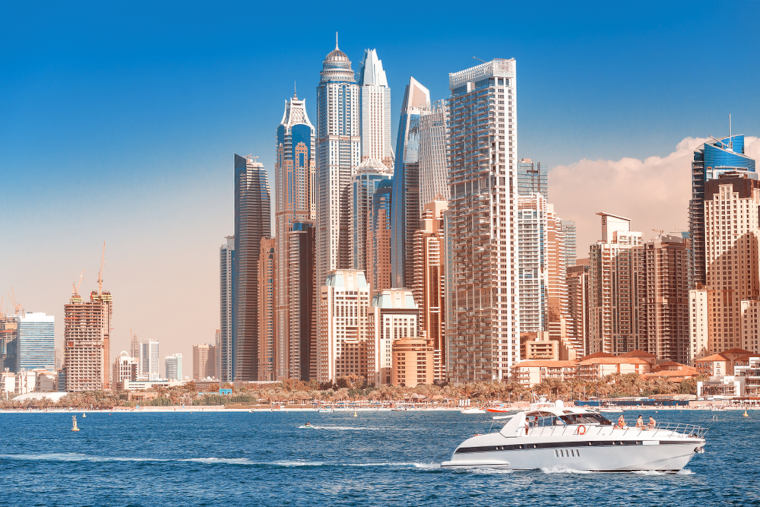 Image source: frantic00 / shutterstock.com

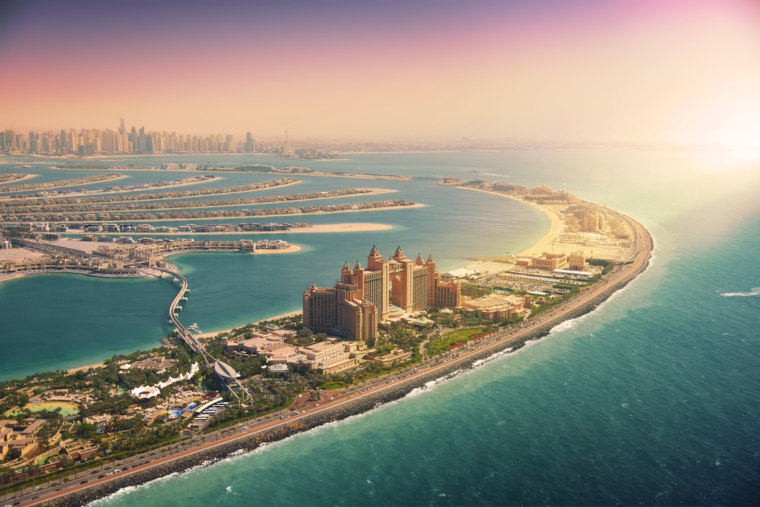 Image source: PureSolution / shutterstock.com

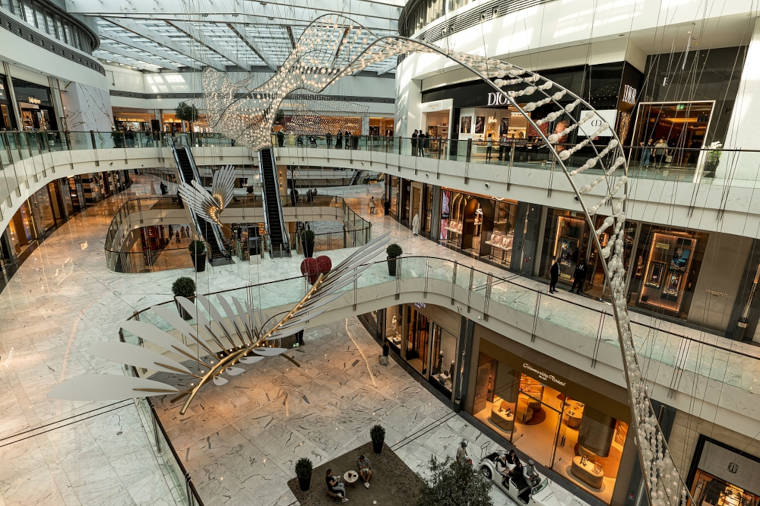 Image source: Melnikov Dmitriy / shutterstock.com

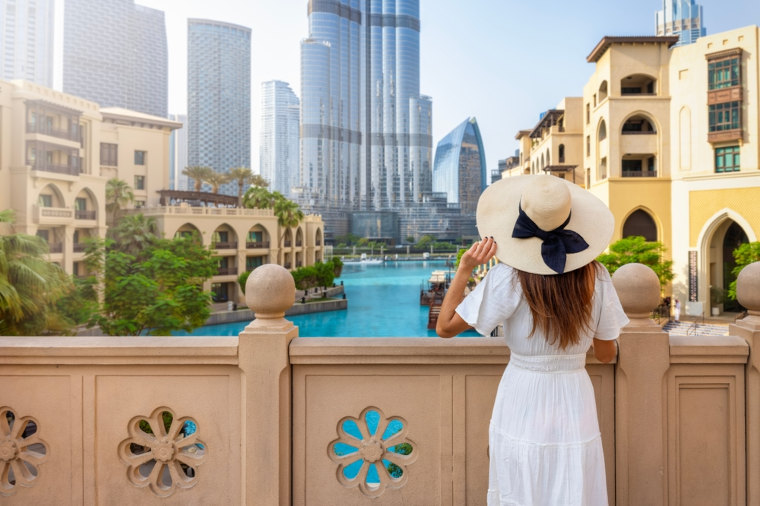 Image source: Sven Hansche / shutterstock.com

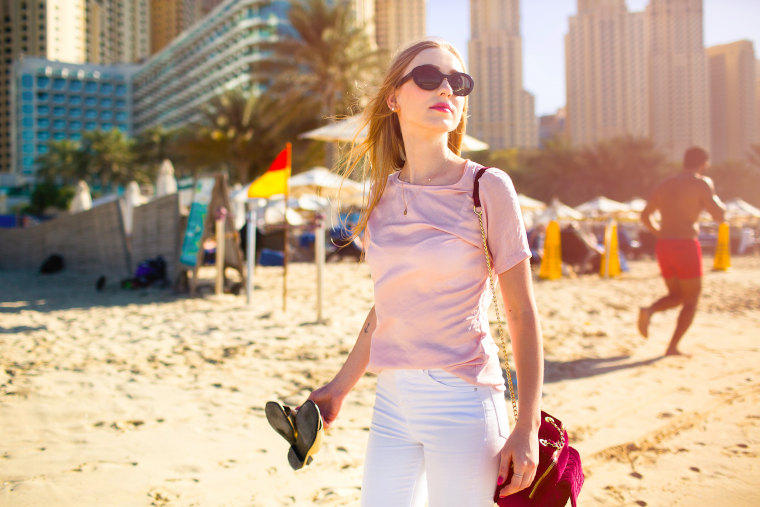 Image source: v.ivash / freepik.com

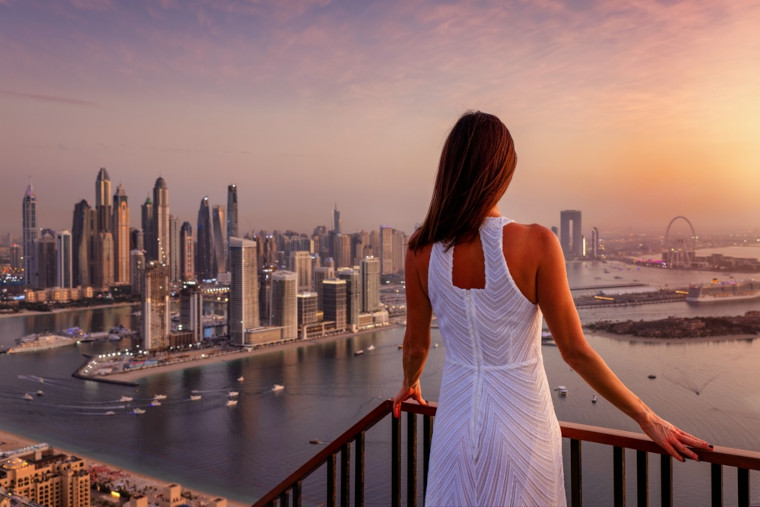 Image source: Sven Hansche / shutterstock.com