Currency Exchange in Dubai: 3 Best and 3 Worst Ways
Save the article:
What is it about? Currency exchange in Dubai is available at banks, exchange offices, ATMs, and terminals. Official exchange points are the most reliable way to obtain dirhams — they always offer a fair rate and guaranteed transaction security.
What to watch out for? Street exchange offices often lure tourists with flashy signs promising unbeatable rates. But be cautious: some may apply hidden fees or give you a much worse rate when handing over the cash.
Official Currency of the UAE
The official currency of the United Arab Emirates (Abu Dhabi, Dubai, Sharjah, Ajman, Umm Al Quwain, Ras Al Khaimah, and Fujairah) is the UAE dirham (AED).
This currency is known for its stability and reliability, thanks to its fixed peg to the US dollar and the strong UAE economy, driven primarily by oil production and tourism. Tourists are the ones most interested in exchanging currency for dirhams in Dubai.
The name “dirham” comes from the ancient Greek drachma — a silver coin widely used in eastern trade in antiquity. Over time, the term became established in the Arab world and is now used as the currency name in several Middle Eastern and North African countries.
Image source: fanjianhua / freepik.com
After the seven emirates united into a single country in 1971, a common national currency was needed as a symbol of sovereignty and unity. Before the dirham, the territory used the Indian rupee, followed by the Qatari and Bahraini riyals. This fragmented system complicated domestic and regional trade.
The new unified national currency was introduced in 1973, fully replacing the riyals and becoming the foundation of the financial system of the newly formed country. This step solidified the UAE’s economic independence and financial integrity.
Currently in circulation are:
Banknotes of 5, 10, 20, 50, 100, 200, 500, and 1,000 dirhams
Coins of 1 dirham, 50 fils, and 25 fils (1 dirham = 100 fils)
Banknotes differ in color and feature various cultural and historical symbols of the country. Examples on the front side include:
Sharjah market wall façade (5 dirhams)
Traditional Arab dagger (khanjar) (10 dirhams)
Al Fahidi Fort in Dubai (100 dirhams)
Kasr Al Hosn palace tower (old 1,000-dirham note) and a space probe with shuttle (new 1,000-dirham note)
All inscriptions on banknotes are in Arabic, while numerals use the Eastern Arabic (Indic) numerals common throughout the Middle East.
The dirham is an important element of UAE national identity, symbolizing stability, prosperity, and confidence in the future. For visitors, it guarantees a transparent and reliable exchange rate.
As mentioned, the dirham is synonymous with stability and predictability. Its fixed peg to the US dollar (unchanged since 1997) makes currency exchange in Dubai straightforward. The official rate is 1 USD = 3.6725 AED. This allows tourists to plan their expenses in advance without worrying about currency fluctuations.
Approximate exchange rates for major currencies (as of 2025):
1 dirham ≈
0.27 US dollars
27 Russian rubles
0.25 euros
For reference:
100 AED ≈ 2,700 RUB or 27 USD
500 AED ≈ 13,500 RUB
1,000 AED ≈ 27,000 RUB
For example, a 15 AED coffee will cost a Russian tourist about 405 RUB, while a 250 AED excursion ticket equals roughly 6,750 RUB.
Possible hidden fees at smaller, less reputable outlets
Before exchanging currency, always check the current rate on the official website or mobile app of the chosen exchange office.
Below is a detailed overview of the most reliable and time-tested exchange networks in the UAE. These companies have earned their reputation through decades of operation and consistently high service quality. For the most favorable rates, consider the options listed below.
Al Ansari Exchange network
In the field of currency exchange, Dubai offers tourists the services of the oldest company, which began operations back in 1966. Over the decades, Al Ansari Exchange has grown to more than 170 branches across the UAE and has opened over 70 offices abroad — in the USA and various European countries.
The company has repeatedly received prestigious business awards. While walking around the city, travelers can easily find at least one of its branches.
Among the advantages of the service is the ability to exchange not only cash but also traveler’s cheques and bank drafts. Money transfers are also available, in addition to currency exchange in Dubai. Dollars to dirhams, as well as euros, are exchanged there at the best rates. The situation is less favorable for Russian rubles.
The head office is located in the Al Barsha district, on the first floor of the Al Ansari Business Centre. It operates from Saturday to Thursday, 8:00 a.m. to 10:00 p.m.
One of the branches is located in the Al Fahidi market area, near the Mina Bazaar. Its working hours: Sunday to Thursday 9:00 a.m. to 10:00 p.m., Saturday from 4:00 p.m. to 10:00 p.m.
Another exchange point is located in the City Centre Deira mall and operates daily, from 9:00 a.m. to midnight.
There is also a convenient official website where real-time exchange rates are published, along with a full list of all branch addresses.
Al Rostamani network
Although Al Rostamani has fewer branches than its predecessor (only 16 in Dubai), it enjoys an excellent reputation. It was the first company in the region to receive the prestigious Dubai Quality Award.
One office is located in the Al Rostamani Twin Towers on Sheikh Zayed Road. It operates Saturday to Thursday 9:00 a.m. to 9:00 p.m., and on Fridays from 4:00 p.m. to 9:00 p.m.
Another branch is situated near the Old and Textile Souks on Al Fahidi Street. It is open seven days a week: weekdays from 9:00 a.m., Fridays from 4:00 p.m. to 9:30 p.m.
A third branch is located in the Al Khazna shopping centre near Karama Park and follows the same schedule as the previous one.
Like other major exchange networks, Al Rostamani has its own website where you can quickly check current rates and find the nearest branch.
UAE Exchange network
UAE Exchange is one of the most extensive networks in Dubai, with over 60 branches. Many tourists consider it among the most reliable. There is a loyalty program for regular customers, as well as cheque exchange and cashing services.
The head office is located on Damascus Street in the Al Mansouri building. It operates Saturday to Thursday 8:00 a.m. to 10:00 p.m., and on Friday 8:30–11:30 a.m. and 2:00–10:00 p.m. Another large branch is near the famous Gold Souk and stays open until 10:30 p.m.
There is also a branch in the historic Al Fahidi district, right next to the Dubai Museum. It is open daily from 8:00 a.m. to 11:00 p.m. (on Fridays from 1:30 p.m. to 11:00 p.m.).
The official UAE Exchange website publishes up-to-date rates, addresses of all branches, and other useful client information.
Al Fardan network
Al Fardan is part of the eponymous international corporation founded in 1954, although it began offering currency exchange services later. Despite this, it quickly gained customer trust. There are 16 branches in Dubai.
The head office is located in the historic Bur Dubai district, in the Al Zahra Techno Centre. Its main advantage is that it operates seven days a week, including Friday. On Saturday and Sunday it opens from 9:00 a.m. to 9:30 p.m., and on other days from 8:30 a.m.
Another important branch is in Deira, on Al Maktoum Street. It operates weekdays 8:30 a.m. to 10:00 p.m., and on Fridays 3:00 p.m. to 7:30 p.m.
In addition to currency exchange, Al Fardan offers money transfer services and other financial transactions.
ATMs and terminals
In Dubai, you can easily pay with an international bank card from another country. Conversion to dirhams happens automatically at your bank’s rate. Still, it’s wise to carry some cash for tips in restaurants and hotels, as well as for purchases in small shops and markets that don’t accept cards.
Cash withdrawals are available at ATMs found everywhere — in malls, airports, hotels, and busy streets.
Before withdrawing, check your bank’s fees. There may be an additional currency exchange commission in Dubai and a foreign withdrawal fee. To minimize costs, make fewer large withdrawals instead of many small ones.
The most widely available ATMs belong to HSBC, Mashreq Bank, Dubai Islamic Bank, and Emirates NBD. The lowest fees for international cards are usually charged by ADCB and HSBC ATMs.
In the Emirates, there really are ATMs that charge no fee at all for foreigners. However, in most cases, a fee of 22 to 26.26 dirhams is deducted for each transaction with a foreign card.
International debit and credit cards are actively accepted at UAE ATMs. Visa, Mastercard, Cirrus, and Plus systems are supported. At the same time, American Express, JCB, UnionPay, Maestro, and RuPay cards usually do not work in most ATMs.
3 Worst Ways to Exchange Currency in Dubai
Airports
Exchanging currency at Dubai airport is not recommended, despite the convenience, speed, and 24/7 availability. Rates are deliberately poor and commissions are much higher than in city exchange offices.
For example, for $100 you may receive 10–15 dirhams less than at a reliable city centre service. It’s better to exchange only the minimum needed for a taxi or essentials and do the rest later in a more favorable location.
Hotels
Many hotels offer currency exchange right at the front desk, but they do it solely in their own interest. Rates are heavily inflated and commissions are hidden in the spread. This service targets tourists who don’t want to leave the hotel grounds or are unaware of better alternatives.
Random street exchange offices
On Dubai streets you may encounter small exchange booths with flashy signs like “Best Exchange Rate!” or “Zero Commission!”. Behind the bright advertising, however, unfavorable conditions are often hidden: non-transparent rates, hidden fees, and lack of a license.
Image source: Einstock / shutterstock.com
They may display an attractive rate on the board, but the final amount received will be significantly lower than expected.
Frequently Asked Questions about Currency Exchange in Dubai
Can I exchange cryptocurrency in the UAE?
Yes, Dubai has specialized points where you can convert cryptocurrency into fiat money.
It’s worth noting that the crypto market in the UAE is officially legalized and regulated at the state level. Nevertheless, caution is required when choosing a service: not all offers on the market are reliable, and there is a risk of encountering fraudulent schemes.
Are there commissions when exchanging currency at Dubai banks?
Yes, most banks in Dubai charge certain fees for currency conversion. These include the exchange-rate margin, service commissions, and sometimes additional charges for ATM withdrawals.
However, when exchanging large amounts, some institutions may offer better conditions or even partially waive fees.
Currency exchange rates in Dubai: where is it most profitable to exchange?
Among the most popular and reliable banks in terms of exchange rates and service quality are Emirates NBD and Mashreq Bank. Compared to smaller financial organizations, these institutions most often provide more transparent and competitive conditions. However, keep in mind that the final rate will depend on the transaction volume and type of service.
Before exchanging currency, it is always recommended to compare current rates and confirm whether there are any commissions. This will help you choose the best and safest option.
Specifics of the UAE government structure. Who the sheikhs are. Sheikhs of Dubai. Sheikhs of Abu Dhabi. Sheikhs of other emirates. Frequently asked questions about UAE sheikhs.
What is considered the centre of Dubai? Key attractions in the centre of Dubai. Real estate in the centre of Dubai. Central districts of Dubai for living. Practical tips on choosing a location in the ...
Cultural features of the UAE. Advantages and disadvantages of employment in Dubai. Company requirements for foreign employees. Job search options in Dubai. Visas for working in Dubai. Specifics of wor...
What does UAE citizenship provide? Advantages of UAE citizenship. How to obtain UAE citizenship? Conditions for obtaining UAE citizenship. Procedure for obtaining UAE citizenship. Loss of UAE citizens...
Description of the Al Barsha district. Real estate in Al Barsha. Nurseries and schools in Al Barsha. Investment feasibility and development prospects of Al Barsha. Frequently asked questions about Al ...
How rain forms naturally. What is artificial rain? How artificial rain is induced in Dubai. The dangers of weather interference: meteorologists' opinion. Consequences of artificial rain in Dubai. Whic...
Healthcare in the UAE for foreigners. Medicines prohibited in Dubai. Procedure for importing controlled medicines to Dubai. Medicines available in Dubai pharmacies. Frequently asked questions about me...
How the car market in Dubai works? How car dealerships work in Dubai? The largest car market in Dubai. Car auctions in Dubai. How to buy a car at the car market in Dubai? Frequently asked questions ab...
Nuances of living with children in Dubai. Advantages and disadvantages of relocating to Dubai with children. Requirements for relocation to Dubai. Expenses related to relocation to Dubai. Best areas f...



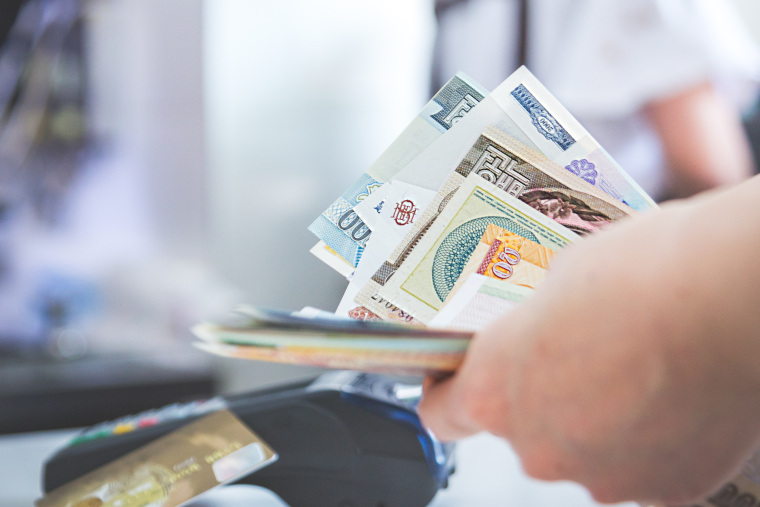 Image source: fanjianhua / freepik.com

 Image source: Number1411 / shutterstock.com


 Image source: Einstock / shutterstock.com