Doctors in Dubai as a Symbol of Reliable and Modern Medicine
Save the article:
Who are these specialists?Doctors in Dubai have become a symbol of world-class modern medicine. Thanks to massive investments in healthcare infrastructure and attractive conditions for top specialists from around the globe, the emirate has assembled a team of professionals who master the latest treatment methods and work with state-of-the-art equipment.
Why are they in demand? Dubai’s medical sector attracts the planet’s best specialists, who have the opportunity to continuously improve their skills and apply innovative technologies. Regular participation in international conferences and knowledge exchange with colleagues from leading global centers allow them to maintain a benchmark level of care, making Dubai medicine a role model worldwide.
Healthcare System in Dubai
The organization and quality of healthcare in the United Arab Emirates is among the best in the world. Medicine falls under the Ministry of Health and Prevention.
There are 143 clinics in the Emirates in total — 84% are private and 16% are public. They include both specialized facilities (e.g., women’s and children’s health) and general hospitals. The staff consists of about 15,000 doctors and 33,000 nursing personnel.
Doctors in Dubai and throughout the UAE are usually foreigners recruited to work in the country. Emirati citizens who choose medical education study both abroad and at local universities.
Medical care of any complexity is completely free for UAE citizens. Emergency services are available to everyone staying in the UAE. If a visitor has medical insurance, they are entitled to free treatment, including any surgery. In Abu Dhabi and Dubai, having a health insurance policy is mandatory for everyone.
The high standard of disease prevention and treatment is achieved because the state invests heavily in this socially important sector — about 3% of GDP.
Additional funds are attracted through a favorable investment climate, business support, and preferential tax policies. Every year, budget and investment funds finance the following endeavours:
Construction of new clinics and purchase of cutting-edge equipment
Opening of laboratories and introduction of advanced research technologies
Improved patient care and stronger disease prevention
Expansion of telemedicine and use of artificial intelligence
Access to Medical Care for UAE Citizens
One of the major social benefits guaranteed by the state to its citizens is completely free medical care of any complexity. When payment is required, the amounts are minimal and not burdensome.
Image source: Ground Picture / shutterstock.com
The country runs a state-funded insurance program called Saada for Emirati citizens who do not have other government medical support.
Interestingly, under this program patients can be treated not only in public hospitals but also in private clinics. Participants simply confirm their citizenship with personal documents. Private employers may offer their own insurance plans — the choice remains with the citizen.
Access to Medical Care for Residents and Expats
About 85 % of the UAE population consists of expatriates and residents whose work largely supports the country’s economy. They too are guaranteed medical care through a system of mandatory private health insurance regulated by the 2013 ISAHD law.
Every non-citizen resident who is employed must have a policy; otherwise they face substantial fines. The law also applies to family members of the workers.
When hiring, the employer fully covers the employee’s insurance cost — it cannot be deducted from salary. However, dependents’ insurance must be paid by the resident themselves (unless another sponsor, e.g., the same employer, covers them). In any case, every person living in the country must have valid paid insurance.
To ensure affordable care for all, the government has set a minimum insurance benefit level. The Essential Benefits Plan (EBP) is designed for workers earning less than 4,000 AED/month (and some others). It includes doctor visits, emergency care, basic medicines and tests, vaccinations, and maternity services.
Residents receive treatment at private clinics assigned by their insurance but may also visit public facilities (paying higher rates than citizens and presenting their medical card). To obtain or renew a residence visa in Dubai, valid health insurance is required.
Access to Medical Care for Tourists and Short-Term Visitors
How can an ordinary traveller ensure access to medical care? The most reliable traditional method is to purchase comprehensive travel insurance before departure, without trying to save money on it. The policy should cover medical assistance for as wide a range of cases as possible. In the absence of such insurance, treatment costs can be extremely high.
In Dubai, a tourist who needs medical attention can visit any healthcare facility — public or private. If emergency care is required, qualified treatment will be provided in any clinic in the emirate. If a person’s health has deteriorated to a life-threatening level, a public-sector facility may even issue temporary registration to allow legal stay in the country.
For non-emergency visits to a doctor, payment is required — either through insurance or out of pocket. If you travel without insurance at your own risk, remember that the real cost of treatment is very high. A hospital stay bill can be financially devastating. Therefore, insurance is essential for any tourist.
Visitors who are citizens of Bahrain, Oman, Kuwait, Qatar, and other Gulf countries can obtain a medical card by submitting an application. Every traveler visiting the United Arab Emirates should know the emergency numbers: ambulance (998) and rescue service (999).
Medical Tourism in Dubai
Medical tourism is a significant source of revenue for the budget of the United Arab Emirates. It involves visiting the country specifically for treatment. Foreigners from all over the world are attracted by extra-class medical care and comfortable conditions.
Doctors in Dubai possess high qualifications confirmed by internationally recognized diplomas, and their licenses are issued by the government organization DHA (Dubai Health Authority). Patients come to the Emirates with a wide variety of conditions — from orthopedics to severe oncology. All patients are guaranteed maximum attention from staff and the highest level of care.
Dentistry
Dubai is considered one of the best places in the world for solving dental problems. Finding a dentist in Dubai is not difficult: the emirate has numerous specialized clinics, private practices, and dedicated dental departments in general hospitals.
Image source: Prostock-studio / shutterstock.com
All of them are equipped with the most advanced diagnostic and treatment equipment. There you can not only treat caries, place fillings and crowns, but also correct bite issues, perform prosthetics of any complexity, and resolve other oral health problems.
Surgery
Many patients who require surgical intervention prefer to be operated on in Dubai. Experienced and attentive surgeons, highly qualified nursing staff, and the most modern methods of diagnosis, treatment, and rehabilitation enable doctors to perform all types of operations. By the way, cosmetic doctors in Dubai are also considered among the best in the world.
Pediatrics
Pediatricians in Dubai are no less highly qualified than other specialists. Specialized departments at mother-and-child centres and family medicine clinics are superbly equipped and provide a full range of diagnostic and treatment services for any childhood illnesses. A child can undergo a complete check-up there and receive all the necessary care.
Gynecology
Infertility is a pressing issue today. As a result, the number of women’s clinics and reproductive medicine specialists is growing. Very often, women visit the United Arab Emirates specifically to undergo IVF procedures. Due to the country’s national and religious traditions, obstetrics and gynecology are staffed almost exclusively by female doctors and nurses.
Best Clinics in Dubai
Canadian Specialist Hospital
A large, highly reputable private general hospital with doctors in 54 specialties (oncology, therapy, surgery, gynecology, dentistry, vascular surgery, ophthalmology, etc.).
A basic check-up costs around $270; comprehensive organ-system check-ups are more expensive.
Dr. Amal Alias Fertility & Gynaecology Center
Dr. Amal Alias is one of the top reproductive endocrinologists. All tests, including genetic, are available. IVF price starts from $8,800.
Aster Hospital Al Qusais
A family-oriented private hospital with a full price list on their website, plus an in-house lab and pharmacy.
Dubai Healthcare City (DHCC)
It is one of four such centers in the UAE. Sheikh Mohammed bin Rashid Al Maktoum put forward the original idea of creating a free economic zone dedicated to the provision of medical services. In 2002, this unique medical hub was opened.
Image source: hamdi bendali / shutterstock.com
Around 4,500 medical professionals work there. The complex houses 10 hospitals, 168 medical facilities, 36 wellness centers, and the country’s leading medical university named after Mohammed bin Rashid (which includes colleges of medicine, nursing and midwifery, and dental medicine). The city covers 38 hectares and is divided into two main sections:
Medical Community
Wellness Community
Within DHCC following clinics are located:
Mediclinic City Hospital (specializing in 60 medical fields)
Dubai Dental Hospital (dentistry)
American Heart Center (cardiology)
Dubai Bone and Joint Center (musculoskeletal disorders)
Fertility Center (reproductive health)
What do patients receive at Dubai Healthcare City:
Accurate, modern diagnostics
The latest treatment methods
Consultations and assistance from highly specialized experts
Individually tailored rehabilitation programs
Comprehensive medical care
The center enjoys a well-deserved high reputation worldwide. Patients from various countries strive to go there for diagnosis and treatment because genuine care is shown for patients, providing them with maximum comfort and excellent treatment outcomes.
Frequently Asked Questions about Doctors in Dubai
How to find a highly qualified doctor in Dubai?
Perhaps someone you know has been treated there and can recommend a doctor. It’s also helpful to read detailed online reviews from tourists — people willingly share their experiences.
Before booking an appointment, make sure the specialist has a DHA medical license and check information about their diploma and qualifications. When choosing a clinic, give preference to those with international JCI accreditation, which confirms the highest standards of quality.
How much does a doctor’s appointment cost? What benefits does insurance provide?
In the UAE, an initial consultation with doctors of different specialties costs 15–70 dollars. If you do not have medical insurance, you pay out of pocket for every service: examinations, diagnostics, treatments, and procedures. These are quite large amounts, although at fixed rates. Some clinics offer discounts for cash payment.
For UAE citizens, residents, expats, their family members, and dependents, health insurance is a mandatory condition of residence. The minimum annual premium is 150 dollars per person. This insurance guarantees access to basic services (including maternity care) as well as emergency medical assistance.
How to book an appointment with a doctor?
In the emirate of Dubai, there is a convenient local mobile app called «Dubai Now» that allows you to make appointments. Be prepared that a visit to a general practitioner may only be available in a day or two. Waiting times for narrow specialists are longer — patience is required. You can also book directly on a clinic’s website or simply by phone. Online telemedicine consultations are becoming increasingly common. Some doctors even work on weekends.
What language do doctors and staff speak?
English is universally spoken throughout the United Arab Emirates and is used in all spheres alongside the official Arabic language. Medical professionals communicate fluently in English, and many speak additional languages. Large clinics have in-house interpreters.
Image source: fizkes / shutterstock.com
Are there clinics in Dubai with Russian-speaking doctors? A list of Russian-speaking doctors can be found on the website Russian Emirates. They are not necessarily Russian citizens — many simply studied in Russia. Russian doctors in Dubai do exist, and reviews about them are available online.
What documents may be needed at a doctor’s appointment?
When going to see a doctor for the first time, be sure to bring your insurance policy and passport. If you have recently had tests or examinations, take the results with you. Your medical record will be entered into the computer system, and if needed, you can access your medical history through a special app.
How to get emergency help?
As in all countries, ambulance and rescue services operate 24/7. In the UAE, the numbers are 998 (for ambulance) and 999 (for rescue services). If there is a threat to life or health, dial either of these numbers immediately. No prior appointment is required for emergency care.
Is there anything specific about treatment in Dubai?
Yes, there is. You can be confident that only modern science and technology will be used in your care. If you have doubts, you have the right to seek a second opinion from another doctor.
A major advantage of treatment in Dubai is that the doctor will thoroughly explain the examination results and provide detailed recommendations on diet, lifestyle, and physical activity during treatment and recovery.
How to get assistance in different situations?
Pregnant women are provided with all types of care and consultations — contact the facility where the woman is registered. If a child has health problems, seek consultation and treatment at pediatric departments in hospitals, clinics, or centers. Geriatric facilities are available for elderly and senior patients. If document translation into another language is needed, the clinic will provide it.
If you have any health concerns, an excellent solution is to seek help from Dubai specialists. This is undoubtedly a city and region with one of the highest levels of medical development in the world. Diagnosis and treatment are carried out in a comfortable and welcoming environment using the latest tools, medications, equipment, examination methods, and care. Take the opportunity to improve your health at one of Dubai’s medical centres.
Cultural features of the UAE. Advantages and disadvantages of employment in Dubai. Company requirements for foreign employees. Job search options in Dubai. Visas for working in Dubai. Specifics of wor...
Shopping centres in Sharjah: are they worth visiting? 5 best shopping centres in Sharjah. 5 tips for shopping in Sharjah. Frequently asked questions about shopping centres in Sharjah.
UAE Banking System. Reasons to open a bank account in the UAE. Best UAE banks for opening accounts. Types of accounts offered by UAE banks. How to open a personal account in the UAE? How to open a cor...
Overview of Ras Al Khaimah. Districts of Ras Al Khaimah. Advantages of buying property in Ras Al Khaimah. Interesting facts about Ras Al Khaimah. Frequently asked questions about Ras Al Khaimah.
Can you use a Russian driving licence in Dubai? How to obtain a driving licence in Dubai? Specifics of obtaining a driving licence in Dubai. Cost of a driving licence in Dubai in 2025. Getting a licen...
History of Dubai Internet City. Main attractions of Dubai Internet City. Aspects of Living in Dubai Internet City. Infrastructure of Dubai Internet City. Business amenities in Dubai Internet City. Fre...
Benefits of starting a company in Dubai. Nuances of starting a company in Dubai. What is required to start a company in Dubai? How to start a company in Dubai as a foreigner in 2026? Relocation of exi...



 Image source: Ground Picture / shutterstock.com

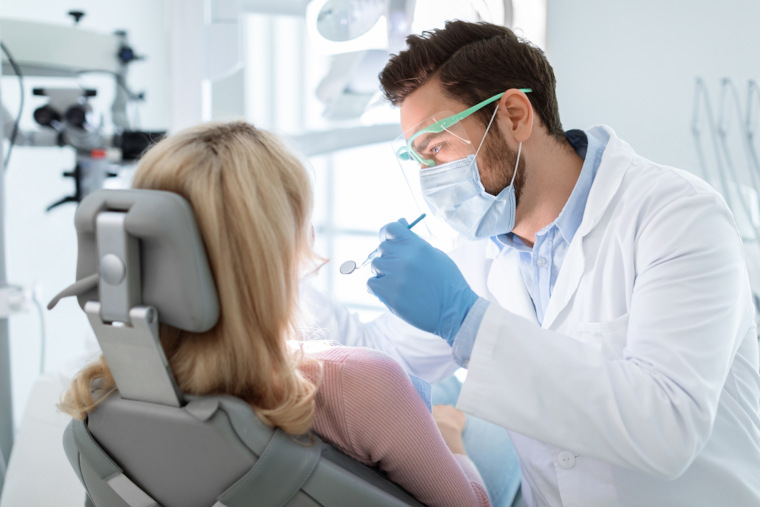 Image source: Prostock-studio / shutterstock.com

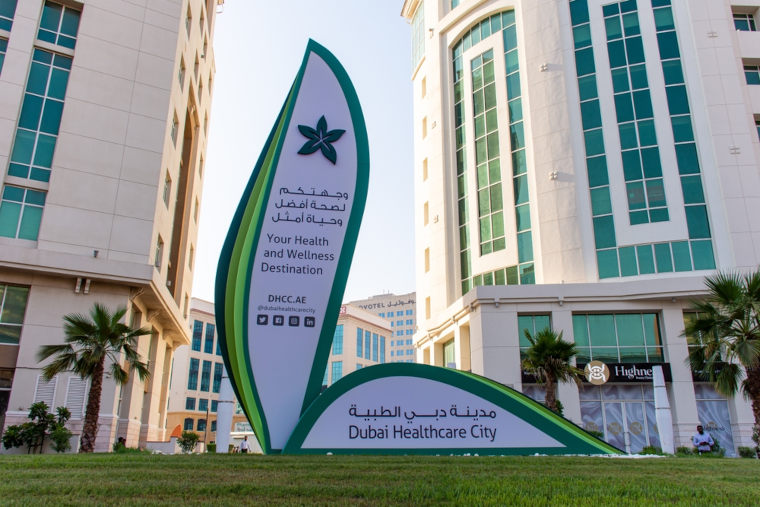 Image source: hamdi bendali / shutterstock.com

 Image source: fizkes / shutterstock.com