Dubai Desert: A Complete Guide to Rub’ al Khali and the Best Photo Locations
Save the article:
Which desert is in Dubai? This is a question asked by thousands of tourists planning a trip to the UAE. Dubai is surrounded by the magnificent Rub’ al Khali — the world’s largest sand desert, stretching to the south and east of the city. This desert in Dubai offers unique opportunities for an unforgettable journey among golden dunes.
Where is it located?Knowledge of the region's geography is crucial for successful route planning and capturing stunning photos in the Dubai desert. Understanding how many deserts there are in Dubai and where they are located will help you choose the best spots for photo shoots and activities among the endless sands of the Emirates.
Which Desert Surrounds Dubai
What is the desert in Dubai called? Rub’ al Khali, which in Arabic means “The Empty Quarter”. This name reflects not only the geographical position of the region but also its lifeless character — a quarter of the Arabian Peninsula where there is virtually no vegetation or permanent settlements.
The world’s largest sand desert covers a colossal area of 650,000 square kilometres. For comparison, that is one and a half times the size of France. Rub’ al Khali stretches across the borders of four countries: the United Arab Emirates occupy the northern part, Saudi Arabia controls the main territory, whilst Oman and Yemen share the eastern and southern regions respectively.
Origin of the name and historical significance
Arab geographers first mentioned the term “Rub’ al Khali” in medieval chronicles of the 9th century. Bedouin tribes called this land “ar-Ramla al-Kabira” — the Great Sands, emphasising its vastness.
European explorers long referred to the region as the “Great Southern Desert” until the British explorer Bertram Thomas established the modern name in geographical literature in the 1930s.
This desert played a key role in the trade routes of Arab caravans connecting different parts of the Arabian Peninsula. Many historical sources mention how merchants from Dubai and other emirates crossed the northern parts of the desert, heading towards the region’s major trading centres.
Unique natural characteristics
The sand dunes of Rub’ al Khali are impressive in their scale — some reach a height of 250 metres, which is comparable to an 80-storey skyscraper. These giant sand mountains constantly change shape under the influence of winds, creating dynamic landscapes in the boundless desert.
The climatic conditions there are extreme: summer temperatures rise to +55°C, whilst winter nights can cool to +5°C. Annual rainfall amounts to less than 30 millimetres, making this region one of the driest on the planet.
Image source: Juliana Malta / unsplash.com
Various types of dunes form in the desert: longitudinal, transverse and star-shaped. Each type creates unique formations that can be observed during excursions from Dubai. The height of individual dunes in some parts of the desert exceeds 200 metres, creating impressive landscapes.
Natural phenomena and landscape features
In the eastern part of the desert, closer to the UAE, unique salt flats — sabkha — can be found, formed on the sites of ancient lakes. These snow-white plains create a fantastic contrast with the golden sand dunes, creating extraordinary locations for photography.
The Arabian Desert is known for mirages and sandstorms — haboob — which can reach a height of 3 kilometres. Such natural phenomena transform ordinary landscapes into mystical scenes, particularly impressive at dawn and dusk, when the sand takes on shades ranging from delicate pink to deep orange.
The desert’s connection to modern Dubai
Modern Dubai is closely connected to the surrounding desert not only geographically but also culturally. Many hotels in Dubai organise desert safari tours, allowing tourists to experience the traditional Bedouin way of life. The desert has become an integral part of Dubai’s tourism industry, offering unique entertainment — from camel rides to dinners under the stars.
The residents of Dubai have long adapted to life in desert conditions, which is reflected in the architecture, cuisine and traditions of the emirate. The desert's influence on Dubai’s culture is evident in modern building design, the use of natural materials, and colour schemes that imitate the shades of sand dunes.
Dubai’s environmental programmes include the study and preservation of the desert’s unique ecosystem. Research centres in Dubai are actively working on projects to green certain areas of the desert and create oases, demonstrating the potential of modern technology in transforming arid territories.
Where the Desert is Located and How to Get There
The Rub’ al Khali desert begins just 30–40 km to the south and east of Dubai’s centre, making it one of the most accessible deserts in the world for tourists. The main entry points to the desert zone are located in the Al Lahbab, Al Awir and the Dubai Desert Conservation Reserve areas.
Main access areas to the desert
Al Lahbab is considered the most popular starting point for safaris in Dubai, thanks to its high red dunes and well-developed tourist infrastructure. This area is located 45 km away from the city centre along route E44 (Emirates Road). The main camps for jeep safaris and evening programmes are situated there. A trip to this desert area from Dubai takes about an hour, but the experience of riding the dunes is well worth the time.
The Al Awir area attracts those who prefer a more leisurely getaway and desert photography. The distance from Dubai is approximately 35 km along road E311. This is where you can hire quad bikes and enjoy the less crowded desert scenery.
The golden dunes of this area are ideal for romantic photo shoots and quiet contemplation of the beauty of the Arabian desert.
The Dubai Desert Conservation Reserve is located 65 km away from the city and offers eco-tours with the opportunity to see local desert fauna, including Arabian oryxes and gazelles. This part of the desert in Dubai is particularly valued for the preservation of its unspoilt nature and the opportunity to witness traditional Bedouin life.
Ways to get to the desert
By rented car — the most flexible option for independent travel to the desert from Dubai. The route to Al Lahbab is as follows: depart from Dubai’s centre along Sheikh Zayed Road, then turn onto Emirates Road (E44) and follow the signs for Big Red Dune.
The journey takes 50–60 minutes, and car rentals start at 120 dirhams per day. This kind of trip allows you to plan your time in the desert freely and explore various sections of the dunes.
With an organised tour — the best choice for beginners planning their first safari in the Dubai desert. A standard jeep safari includes a transfer from the hotel, dune bashing, dinner at the camp and an entertainment programme. Prices range from 180 to 350 dirhams per person, depending on the level of service. Group desert safaris are particularly popular among tourists visiting Dubai for the first time.
By taxi — suitable for short trips to the desert areas closest to Dubai. A trip to Al Awir will cost 80–120 dirhams one way, with a journey time of approximately 40 minutes. This method is convenient for those planning a short visit to the desert without a lengthy safari.
Types of safari and desert activities
Various types of outdoor activities are available in the desert near Dubai. A classic evening dune safari includes thrilling descents and ascents along sandy slopes. A morning desert safari offers a more leisurely pace and magnificent views of the sun rising over the dunes.
For thrill-seekers, quad bike safaris across the desert’s high dunes are available. This type of entertainment is especially popular amongst young people visiting Dubai. Sandboarding down the slopes of the dunes is another exciting way to spend time in the desert.
Practical tips for planning
The best time to visit the desert in Dubai is early morning (6:00 AM–9:00 AM) or evening (4:00 PM–7:00 PM), when the temperature is more comfortable and the light is ideal for photographing the dunes. During the summer, it is recommended to opt for morning hours only when making a trip to the desert.
For an independent drive to the desert from Dubai, be sure to take a GPS navigator, a supply of water, sun protection and a full tank of fuel. The road to the main tourist zones in the desert is paved, but an off-road vehicle will be required to explore the more remote sections of the dunes.
Image source: Zafeerah Heesambee / unsplash.com
When planning a route through the desert, bear in mind that mobile phone coverage deep within the desert may be unreliable. Let your relatives know about your plans to travel to the desert and your expected return time to Dubai. It is also recommended that you study a desert map before leaving Dubai, in order to navigate more easily among the dunes.
The Best Places for Photo Shoots in the Desert
The Dubai desert offers photographers unique opportunities to capture impressive shots. Each location has its own unique beauty and requires an individual approach to photography.
Al Lahbab dunes: red sands for striking portraits
The Al Lahbab dunes are renowned for the rich red-orange shade of their sand, which creates a natural warm backdrop for photos in the Dubai desert. In the morning (6:00 AM–8:00 AM), soft light is ideal for portrait photography — shadows are minimal, and the sand takes on a golden hue. In the evening (5:00 PM–7:00 PM), sidelight creates dramatic contrasts and accentuates the texture of the dunes.
The best angles: shooting upwards from the lower parts of the dunes to create silhouettes; using the ridges of the dunes as natural compositional lines. Camera settings: ISO 100–200, aperture f/8–f/11 for sharpness in the foreground and background, shutter speed 1/125–1/250 to avoid motion blur from the wind.
Al Qudra oasis: the contrast between nature and civilisation
Al Qudra oasis offers a unique opportunity to capture the contrast between desert landscapes and the modern skyscrapers of Dubai on the horizon. The artificial lakes create reflections that are particularly striking at sunset. Flamingos and other birds inhabit the area, adding life to the shots.
Image source: Ahmed Galal / unsplash.com
Optimal time for photography: the golden hour (one hour before sunset) for maximum contrast between water and sand. Use a polarising filter to eliminate glare from the water surface and enhance colour saturation.
Dubai Desert Conservation Reserve: an authentic atmosphere
The reserve offers the most authentic beautiful locations for photography, with minimal human interference. The natural desert ecosystem with its rare vegetation and wildlife has been preserved there. Bedouin camps in the reserve provide opportunities for cultural photography.
The best locations for panoramic photography in the desert
Elevated areas in the Dubai desert offer breathtaking views of the boundless sandy expanses. Spots with natural vantage points allow for epic desert panoramas to be created, which are particularly spectacular at sunrise. Fossil Rock hills in the desert offer unique geological formations and open horizons for wide-angle photography.
For creating multi-layered compositions, use a foreground of rocks or desert vegetation, a middle ground of undulating dunes and a background of mountain ridges. These best techniques help convey the scale and depth of desert landscapes.
Hidden desert gems for secluded photography
Remote desert areas offer little-known locations where you can take unique photographs away from the tourist crowds. The Hatta canyons in the eastern part of the desert offer dramatic rock formations and an interplay of light and shadow. Old caravan routes in the desert have preserved traces of ancient trade and create atmospheric compositions.
Abandoned settlements deep in the desert tell the story of the region through architectural details. These secluded spots in the desert require special preparation and a guide, but reward photographers with exclusive shots.
Practical tips for protecting equipment
Sand is the main enemy of photography equipment in the desert. Use UV filters on lenses and keep the camera in a closed bag between shots. When changing lenses in the desert, turn your back to the wind. Regularly clean equipment with a soft brush to remove sand particles.
Popular photo spots with camels
Camel farms near Al Lahbab operate from 8:00 AM to 5:00 PM. At sunset, the silhouettes of camels in the desert create iconic shots. Arrange with the handlers in advance for the animals to pose — this will ensure natural-looking scenes and safe photography in the desert.
Camel caravans moving across the desert dunes create dynamic compositions. Camel tracks in the desert sand add texture and leading lines to the frame.
Entertainment and Activities in the Desert
The Dubai desert has become a genuine hub of adventure tourism, offering more than 15 different types of outdoor activities. From adrenaline-fuelled dune descents to romantic hot-air balloon flights — every tourist will find entertainment to their taste amongst the golden sands of Rub’ al Khali.
Jeep safaris: the classic desert adventure
Desert safaris remain the most popular entertainment amongst tourists. A standard route includes a 4–6-hour programme visiting dunes up to 300 metres high in the Al Lahbab area. The excursion begins with thrilling dune bashing — driving along the steep slopes of dunes in specially prepared Toyota Land Cruiser off-road vehicles.
Half-day tours (2:00 PM–8:00 PM) cost 200–350 dirhams and include a transfer from the hotel, dune bashing, stops for photo shoots and dinner at a Bedouin camp. Full-day programmes (9:00 AM–9:00 PM) additionally include camel riding, sandboarding and a visit to a camel farm.
Jeep safaris in the desert are offered by various operators, each with their own unique routes. Group safaris include up to 6 people per vehicle, whilst private tours allow the programme to be customised. Experienced guides lead safaris through the most picturesque areas of the desert, where tourists can observe the unique flora and fauna of the arid lands.
Extreme activities: quad bikes and buggies
For those who prefer to take the wheel themselves, Yamaha Raptor 700CC quad bikes and Can-Am Maverick buggies are available in the desert. One-hour quad bike hire costs 150–200 dirhams, and two-hour hire costs 280–350 dirhams. Compulsory requirements: an international driving licence and a minimum age of 16.
Popular routes pass through the Fossil Rock dunes in the emirate of Sharjah (45 minutes away from Dubai) and the Big Red Dune in Al Awir. Instructors conduct a 15-minute safety briefing and cover the basics of driving on sandy desert terrain.
Extreme quad bike tours in the desert allow you to explore remote corners inaccessible to ordinary transport. Special routes lead to hidden desert oases, where unique photographs can be taken against a backdrop of contrasting landscapes.
Camel riding: the traditional mode of transport
Camel riding takes place at specialised centres including the Al Maha Desert Resort and Arabian Adventures Camel Farm, located in the heart of the desert. Short rides (20–30 minutes) cost 50–80 dirhams; one-hour guided desert tours cost 120–180 dirhams.
Image source: Fernando Jorge / unsplash.com
Dromedary camels are specially trained for tourist purposes in desert conditions. The maximum load is 120 kg; the recommended age for participants is 8 to 65 years. The rides take place in the morning (7:00 AM–9:00 AM) and evening (5:00 PM–7:00 PM), avoiding the midday desert heat.
Caravan routes in the desert retrace ancient trade paths used by Bedouins for centuries. During rides, guides share stories about the history of the desert, the traditions of nomadic tribes and methods of survival in the harsh arid climate.
Overnight stays in Bedouin camps: cultural immersion
Overnight desert programmes offer complete immersion in traditional Bedouin culture. The cost is 800–1,200 dirhams per person and includes a barbecue dinner with more than 20 dishes of Arabic cuisine, and an entertainment programme featuring belly dancing, a fire show and falconry.
Accommodation is in stylised tents with mattresses, cushions and blankets in a traditional style. The desert camps have modern amenities: toilets, showers and air conditioning. Breakfast is served in a traditional Arabic style with dates, coffee and flatbreads.
Night-time programmes in the desert include stargazing without the light pollution of the city. Professional guides recount desert legends and teach the basics of astronomical navigation used by ancient travellers in the boundless sands.
Unique activities: flights and astronomy tours
A hot-air balloon flight over the desert is an unforgettable adventure costing 1,200–1,500 dirhams. Flights are conducted at sunrise (5:30 AM–8:30 AM) by Balloon Adventures Emirates. The basket can accommodate up to 24 people, and the flight altitude reaches 1,200 metres above the desert dunes.
Astronomy tours with professional telescopes are organised in the Al Qudra area deep in the desert. The programme includes observing constellations and planets, as well as lectures on celestial navigation used by ancient Bedouins in the desert.
Specialised tours and photo safaris
Photography safaris in the desert are growing in popularity amongst professional photographers and enthusiasts alike. These tours take place during the golden hours — at dawn and sunset, when the desert light creates ideal conditions for photography. The guides know the best locations for photographing the dunes, oases and desert wildlife.
Botanical excursions in the desert allow you to study the unique flora of arid regions. Tourists can learn about succulent plants capable of surviving in the extreme desert conditions and their use in traditional Bedouin medicine.
FAQ
How many deserts are there in Dubai?
Technically, there is one large desert in the Dubai area — Rub’ al Khali — but tourists are often confused by the different names of the locations.
Image source: Haris khan / unsplash.com
Local guides and tour operators use the names of specific areas: the Al Lahbab desert, the Al Awir desert, which creates the impression of multiple deserts in Dubai. Many tourists are surprised to learn that all the sand dunes in Dubai belong to a single, vast desert system.
Is it possible to get to the desert on your own?
Independent visits to the desert in Dubai are possible in a hired four-wheel-drive vehicle, but require experience of driving on sandy surfaces. It is safer to choose organised tours or a taxi to the nearest desert entry points, especially for a first visit to the Dubai desert. Tourists without experience of driving on sand risk getting stuck in the dunes.
What is the best time to take photos?
The optimal time for taking photos in the Dubai desert is one hour before sunset (5:00 PM–6:30 PM in winter, 6:00 PM–7:30 PM in summer) and one hour after sunrise (6:00 AM–7:30 AM). During these hours, the sand dunes take on golden hues and the temperature in the desert is comfortable for extended photography sessions. Tourists make the most impressive shots during these time periods.
Is any special preparation required for a visit?
Be sure to bring SPF 50+ sun cream, a hat, closed-toe shoes and plenty of water for your trip to the Dubai desert.
Information about weather conditions is critically important — avoid visiting the desert during sandstorms and extreme heat above 45°C. Sandy winds can significantly reduce visibility and create dangerous conditions for tourists in the desert.
Where is the desert in Dubai closest to the hotels?
The nearest access points to the desert are located 30–40 km away from Dubai’s centre. The Al Lahbab desert area is the most popular amongst tourists, thanks to its good transport links and well-developed infrastructure for organised desert tours in Dubai.
What documents are required to visit protected areas?
Entry to the Dubai Desert Conservation Reserve requires advance booking through official tour operators. Public access to the protected part of the desert is restricted due to conservation measures, but the majority of open desert areas in Dubai are accessible without special permits.
Article header image source: Haris khan / unsplash.com
Advantages of working in the UAE. In-demand professions for work in the UAE. Visa requirements for work in the UAE. Life in the UAE for expats. Frequently asked questions about work in the UAE.
Education in Dubai is available for preschoolers, schoolchildren, and university students. The educational structure is similar to the Russian one: nurseries, kindergartens, schools, colleges, and hig...
Overview of Ras Al Khaimah. Districts of Ras Al Khaimah. Advantages of buying property in Ras Al Khaimah. Interesting facts about Ras Al Khaimah. Frequently asked questions about Ras Al Khaimah.
Types of educational institutions in Dubai. Popular educational programmes in Dubai. The process of admission to educational institutions. Cost and financing of education in Dubai. List of the best nu...
Specifics of property rights types in the UAE. What is freehold? What is leasehold? Usufruct and musataha. Pros and cons of different forms of ownership in the UAE. Frequently asked questions about ty...
Where is Dubai located? History and development of Dubai. Culture and architecture of Dubai. Districts of Dubai. Frequently asked questions about the location of Dubai.
The official language of the United Arab Emirates. English language in the United Arab Emirates. Useful Arabic phrases for communication in the UAE. Frequently asked questions about the language of th...
General information about bus travel in Dubai. Rules of conduct in Dubai public transport. Bus fare in Dubai. Ways to find out Dubai bus schedules. Sightseeing buses in Dubai. Popular tourist bus rout...



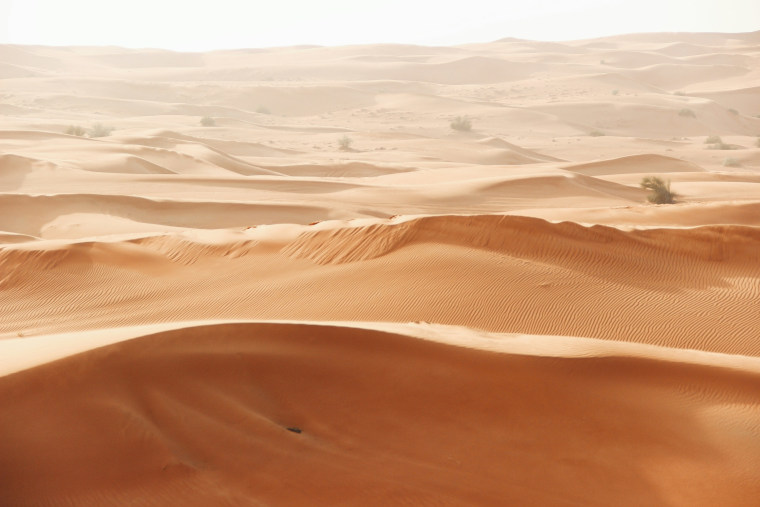 Image source: Juliana Malta / unsplash.com


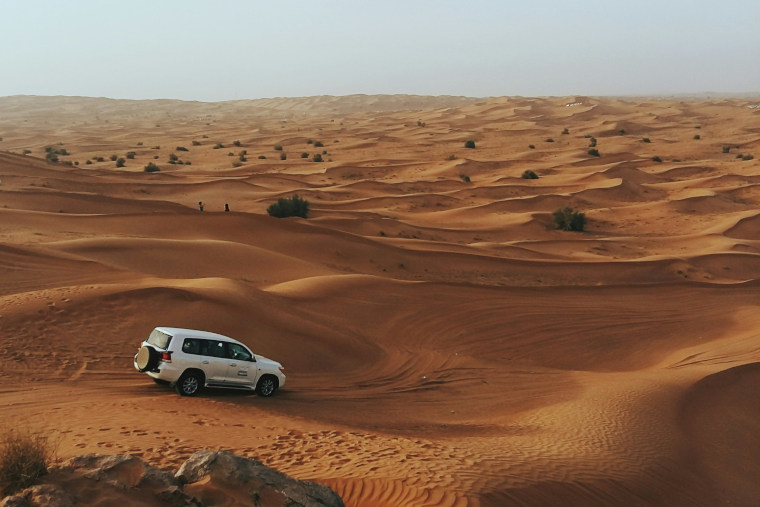 Image source: Zafeerah Heesambee / unsplash.com
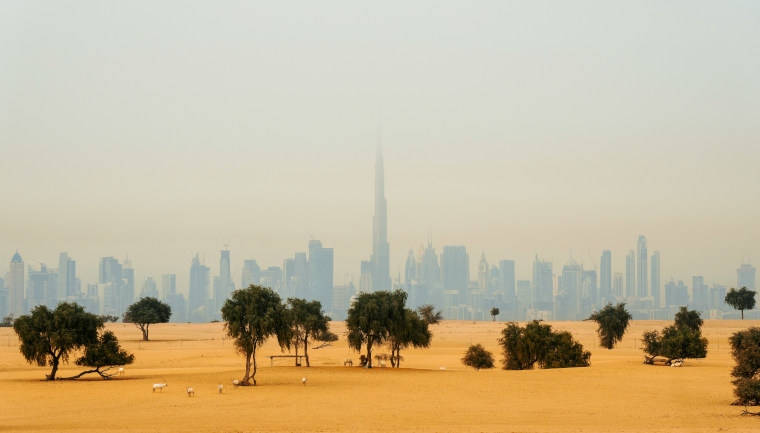 Image source: Ahmed Galal / unsplash.com

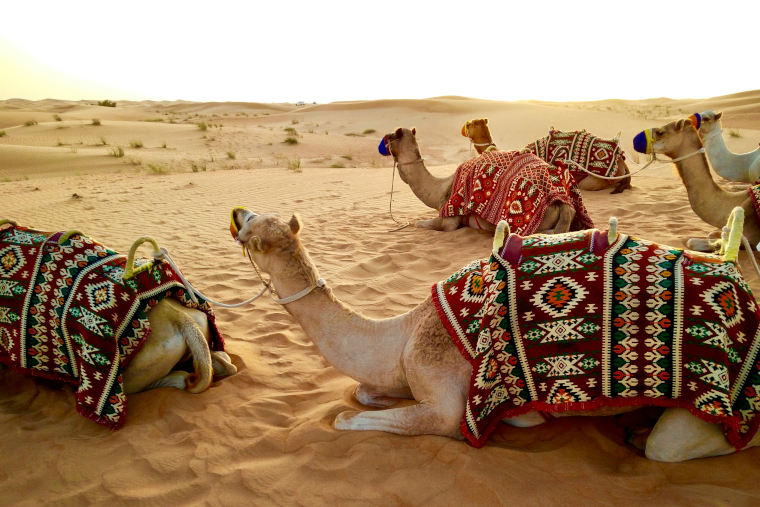 Image source: Fernando Jorge / unsplash.com

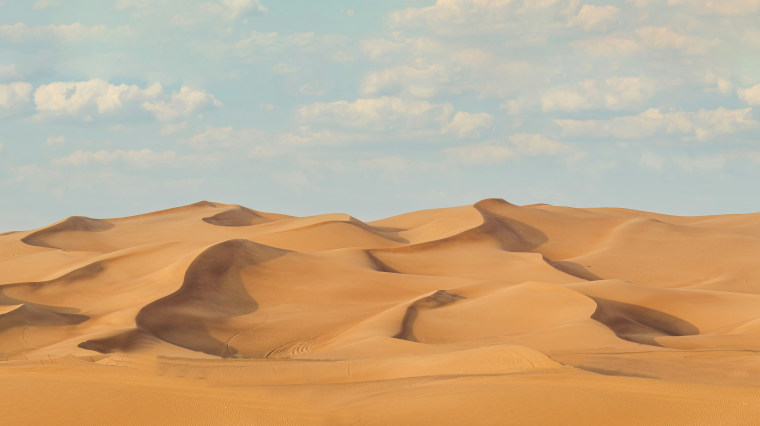 Image source: Haris khan / unsplash.com