What is it about? The resources of the UAE are not limited to oil alone — the country is rich in coal, bauxite, ore, and rare-earth metals. Marine resources (fish) and recreational assets also play a significant role.
What to pay attention to? This diversity creates a favorable investment climate. Investing in the UAE is possible not only in real estate and tourism, but also in mining and export-oriented companies.
Geographical Features of the UAE
The United Arab Emirates has a highly advantageous geographical location. It is situated on the eastern part of the Arabian Peninsula, at the crossroads of trade routes connecting Africa, Europe, and Asia. However, the UAE did not immediately begin to fully exploit this advantage.
Until the mid-20th century, the country’s economy relied on pearl diving and fishing. Active development of the region began only after the discovery of oil deposits.
In 1971, the treaty establishing the federal state of the United Arab Emirates was signed, and the country gained independence from British administration. Initially, the federation consisted of six emirates, with the seventh joining later. The largest emirate is Abu Dhabi.
Image source: Nick Fewings / unsplash.com
Each emirate has a monarchical form of government, headed by the Supreme Ruler (Emir), and Islam is the official state religion.
The country is located on the coast of the Persian Gulf, so its economy is heavily influenced by offshore oil and gas fields. The waters of the Gulf also serve as a source of marine resources: fish, water, and salt.
On land, the UAE borders only Saudi Arabia and Oman. Certain parts of the country are enclaves and exclaves. Border demarcation issues were once acute but were ultimately resolved peacefully.
The climate in the UAE is almost always hot and dry; summer temperatures reach 45 °C and higher, making agricultural development extremely challenging and requiring constant irrigation.
The terrain is predominantly desert plains. The country’s absolute elevation is low, but there are several relatively high peaks. The most famous mountain range is the Hajar Mountains in the northeast, extending into Oman. The highest point is Jebel Jais. In the UAE part, it reaches 1,892 m; on the Omani side it reaches 1,934 m. The Hajar Mountains feature deep gorges and stunning landscapes.
A significant portion of the country is occupied by the Rub’ al Khali desert, one of the largest sand deserts on the planet. Its Arabic name translates as “Empty Quarter.” The landscapes formed by 200-meter dunes are mesmerizing.
Thanks to its unique terrain, the UAE has distinctive natural conditions for sports tourism and various active leisure activities.
Due to its strategic location and proximity to the oil and gas fields of the Persian Gulf, the United Arab Emirates has been able to rapidly develop its economy and improve the living standards of its population.
Key Resources of the UAE
Geographical location significantly shapes the character of the UAE. Most of the country is desert. All resources necessary for life are concentrated in small coastal oases. Nevertheless, the land possesses considerable natural wealth.
Water resources
Water resources in the UAE are extremely limited. Currently, 35 desalination plants operate across the country to provide water for daily needs and agriculture.
Image source: New Africa / shutterstock.com
Fresh water is a priceless asset in the desert. There are virtually no freshwater bodies; small rivers dry up completely in summer, and most groundwater is unsuitable for drinking or irrigation. Desalination is therefore the only viable source of potable water.
Soil resources
The situation with fertile land is also difficult, making it highly valuable. Only 2.27% of the territory is used for orchards and gardens, while arable land accounts for just 0.77%. These areas are the oases where major settlements are located.
Oil resources
According to expert estimates after 2010, proven oil reserves in the UAE amount to approximately 13 billion tonnes. Deposits are mainly located on the Persian Gulf shelf, as well as in Abu Dhabi and Dubai. The country primarily extracts light, low-sulfur crude. The leading producing companies are ZADCO, ADCO, and ADMA-OPCO, with the state holding shares in each.
A large volume of crude oil and refined products is exported. About 70% of total exports go to Japan, with significant volumes also shipped to India, South Korea, China, Thailand, and Singapore. The transportation is exclusively by sea.
The UAE ranks 7th globally in proven oil reserves. Associated natural gas deposits place the country 5th worldwide. Experts estimate that, at current production rates, known reserves will last for at least 100 years.
Other commercial assets
The UAE extracts minerals such as uranium, chromium, coal, iron, copper, platinum, magnesite, bauxite, nickel, copper oxide, and asbestos. These raw materials support the development of shipbuilding, mechanical engineering, and the chemical industry.
The country operates its own fishing fleet in the Persian Gulf, catching fish and various seafood. Frozen, fresh, and dried products are sold to neighboring countries as well as China, Thailand, Japan, and Singapore.
High-quality natural pearls harvested from Gulf shellfish remain an important export item; they are processed into jewelry at local factories and sold worldwide. The export of precious stones, gold, and silver is also a significant part of the country’s economy.
The role of recreational resources is growing every year — UAE beaches attract an increasing number of tourists. Annual passenger traffic to major tourist centers already exceeds 250,000 people. Hotels, airports, and entertainment infrastructure are being actively built to attract visitors.
Image source: Youssef / unsplash.com
The UAE earns substantial revenue from re-export. Free economic zones, where participants are almost entirely exempt from taxes, play a special role in this. This indicates that the Emirates no longer rely solely on a raw-material economy and are undergoing a serious economic transformation.
Investments in the Resource Sector and Other Sectors of the UAE
The choice of the most profitable sector for investment depends on various factors, including market dynamics, current economic trends, and the personal preferences of investors. Nevertheless, several core sectors attract the majority of capital.
Sector
Description and Features
Real Estate
Commercial and residential properties, either completed or under construction. Attractive due to stable demand, the opportunity to generate income from rentals, and capital gains from property value appreciation.
Tourism and Hospitality
Investments in tourist complexes and the hotel business. Promising due to large tourist flows and the ongoing development of related infrastructure.
Retail and Wholesale Trade
Investments in shopping centers, retail outlets, and e-commerce. The sector is growing thanks to rising consumer spending and the expanding middle class.
Financial Sector
Insurance, banking, and financial services. The sector is currently undergoing digital transformation, creating new investment opportunities.
Technology and Innovation
Investments in startups, blockchain, AI, and fintech. The adoption of cutting-edge technologies and the development of an innovative ecosystem are actively supported by the government.
Oil and Gas Industry and Renewable Energy Resources
Still accounts for a large share of the economy. The renewable energy segment is expanding thanks to government efforts to diversify the energy sector.
Education and Healthcare
As the population and living standards rise, demand for educational and medical services continues to increase.
Agriculture and Food Industry
Food production and processing. Investors receive state support as the country implements measures to develop the agro-industrial complex and strengthen food security.
Infrastructure and Construction
Includes the development of infrastructure, housing, and transport projects. Supported by substantial government investments.
Transport and Logistics
Crucial for maintaining the Emirates’ status as a global transport hub. Includes investments in logistics, aviation, and maritime sectors. Underpinned by the country’s strategically advantageous geographical location.
The table provides an overview of the UAE economy’s sectors that are most promising for investment. Keep in mind that each sector offers both significant opportunities and certain risks that must be carefully identified and analyzed. If necessary, professional assistance is recommended.
Frequently Asked Questions about UAE Resources
Which resources does the UAE import from abroad?
The United Arab Emirates imports metals, precious stones, electronics, and vehicles from abroad. Import distribution by country:
China — 20.8%;
India — 12.1%;
USA — 8.1%;
Hong Kong — 4.7%;
Germany — 4%.
To whom does the UAE supply its resources?
Hydrocarbons dominate the country’s exports, with Japan being the main buyer. At the same time, the UAE purchases electronics, vehicles, food products, consumer goods, and chemicals from Japan. The UAE also sells oil, gas, dates, and dried fish to Singapore, South Korea, Oman, and India.
Is the resource sector still the leading one in the country’s economy?
According to the World Bank, the future development of the UAE economy will depend not on natural resources (oil and gas), but on the growth of entrepreneurship and the purchasing power of the population. The current geopolitical situation suggests that progress across the entire Arab region will likely be driven by increased business activity.
The UAE economy is steadily moving toward diversification. GDP is now growing more actively thanks to direct investment and tourism rather than solely from oil and gas extraction and processing.
Construction, agriculture, and manufacturing are developing rapidly. State policy and competent strategic planning play a major role in this transformation. The government is committed to building a socio-economic system in which the priority is to ensure a high standard of living for the population.
UAE Oil Industry. What makes Arab oil famous? Major oil deposits in the UAE. Current state of the oil and gas industry in the UAE. Frequently asked questions about oil in the UAE.
Types of work visas in the UAE and Dubai. How to find work in Dubai? The process of obtaining a work visa in Dubai. Frequently asked questions about work visas in Dubai.
Main features of Sharjah City Centre. What’s for sale at Sharjah City Centre? Entertainment for children at Sharjah City Centre. Restaurants at Sharjah City Centre. Cultural events at Sharjah City Cen...
The Dubai Mall. Mall of the Emirates. Dubai Marina Mall. Ibn Battuta Mall. Dubai Festival City. Frequently asked questions about shopping centres in Dubai.
Where is Dubai located? History and development of Dubai. Culture and architecture of Dubai. Districts of Dubai. Frequently asked questions about the location of Dubai.
Specifics of salary payment in the UAE. The composition of salaries in the UAE. Salary overview by economic sector in the UAE. The ratio of salary to living standards in the UAE. Frequently asked ques...
What was before the beginning of the history of the UAE? Territories of the UAE in the 19th century. History of economic development of the UAE. The scandalous story of the UAE emir. Top 5 interesting...



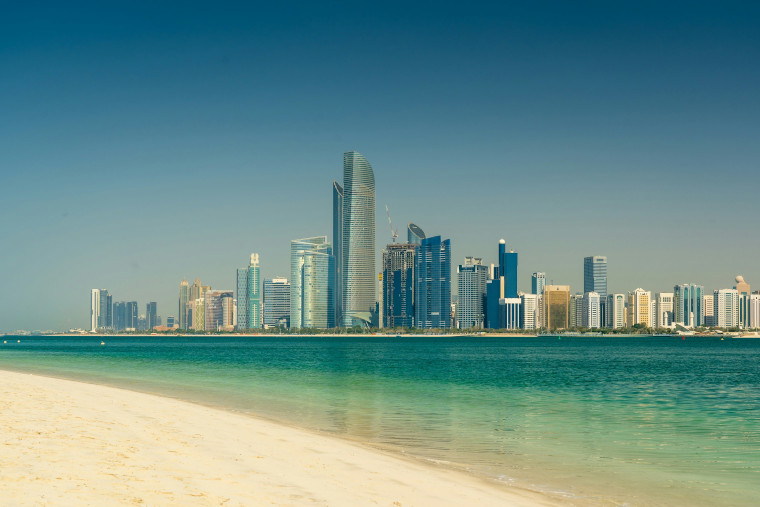 Image source: Nick Fewings / unsplash.com

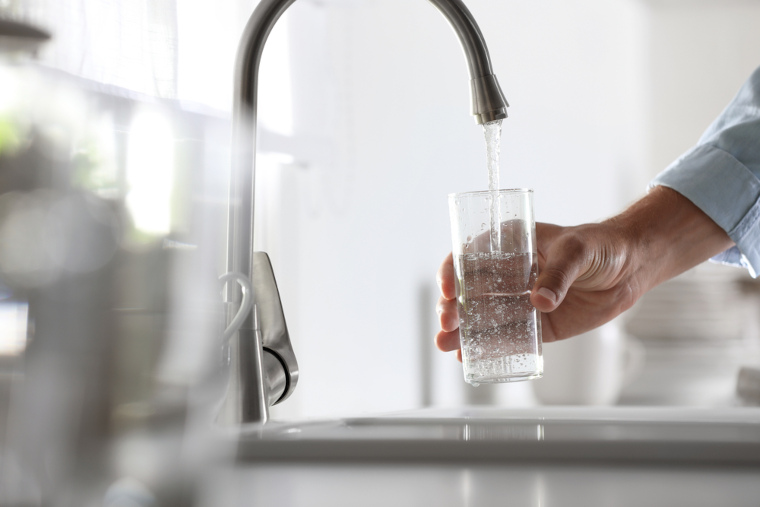 Image source: New Africa / shutterstock.com

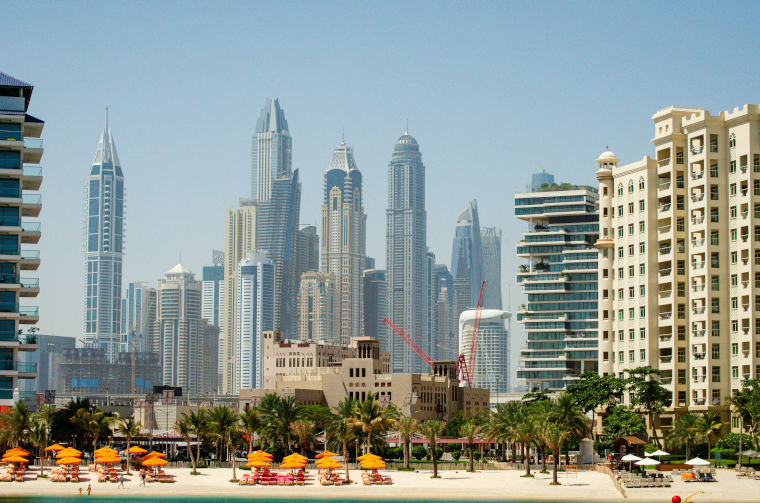 Image source: Youssef / unsplash.com