The UAE Economy: From Oil Dependency to Diversification
Save the article:
What lies behind the UAE’s economic miracle? In half a century, the United Arab Emirates has transformed from a region of fishermen and pearl divers into a global economic centre. This transformation was the result of a competent strategy for diversifying the UAE economy, which allowed the country to reduce its dependence on oil revenues from 85% to 32% of GDP.
Why does the country’s economy attract global investors? Today, the UAE is the second-largest economy in the Arab world after Saudi Arabia, with a GDP of over 400 billion dollars. The country is successfully developing tourism, financial services, trade and high technologies, creating a sustainable foundation for future growth.
General Characteristics of the UAE Economy
The UAE economy represents a unique development model based on a combination of rich natural resources and active diversification. The federation of seven emirates demonstrates impressive growth rates and stability, making the country one of the key economic centres of the Middle East.
Main macroeconomic indicators
The GDP of the United Arab Emirates exceeds 415 billion dollars according to 2024 data, which ensures the country’s high positions in global rankings. GDP per capita reaches 67,700 dollars, which is one of the highest figures in the world.
Indicator
Value in 2024
Forecast for 2025
Forecast for 2026
GDP Growth
4%
4.8%
5.4%
Inflation Rate
2.8%
2.5%
2.2%
Unemployment Rate
1.72%
1.6%
1.5%
GDP per capita
$67,700
$70,200
$73,100
The economically active population comprises 6.58 million people, with a significant proportion consisting of highly qualified foreign specialists. The monetary system is based on the UAE dirham, which is pegged to the US dollar.
Position in the regional and global economy
The UAE holds leading positions in key international rankings and plays an important role in the global economy. The country is a member of influential international organisations and trade blocs.
Key achievements of the UAE in global rankings:
33rd place in the world in the Index of Economic Freedom
1st place in the Middle East region for business climate
2nd largest economy in the Arab world after Saudi Arabia
4th place in the world for tourism revenues
Active membership in OPEC, WTO and GCC
In the regional economy, the United Arab Emirates plays the role of a financial and trading hub. Dubai has become an international centre of trade between Europe, Asia and Africa, whilst Abu Dhabi is strengthening its position as a centre of the oil and gas industry.
Structure of GDP by economic sectors
The structure of the UAE economy has undergone major changes over the last decades, demonstrating successful diversification. If in 2009 the oil and gas sector dominated, today the economy has become significantly more balanced.
Image source: Andrii Yalanskyi / shutterstock.com
The service sector forms 54.7% of GDP, including financial services, tourism, trade and logistics. Industry accounts for 44.6% of GDP, where the key role is played by oil refining, metallurgy and building materials. Agriculture accounts for 0.7% of GDP.
The non-oil sector demonstrates sustainable growth and is becoming the main driver of the economy. The UAE government has set an ambitious goal to reduce the share of oil in GDP to 20% by 2030, actively developing alternative industries.
The Oil and Gas Industry as the Basis of the Economy
The oil and gas industry remains the foundation of the UAE economy, despite active diversification. Hydrocarbons provide a significant part of state revenues and foreign exchange earnings, forming the financial basis for the development of other sectors.
Hydrocarbon reserves and oil production
The United Arab Emirates possesses impressive reserves of hydrocarbons, which provide the country with a strategic advantage in the global energy market. Proven oil reserves amount to approximately 98 billion barrels, which places the country in 6th place in the world.
Daily oil production is about 3.2 million barrels per day. The national oil and gas company ADNOC is the largest operator in the industry, actively modernising production capacities and introducing advanced extraction technologies.
Natural gas reserves are estimated at 6.1 trillion cubic metres — 5th place in the world ranking. An increase in production capacities to 5 million barrels per day is planned by 2030.
Export of energy resources and the role of OPEC
The UAE is an active and influential member of OPEC, strictly observing quotas on oil production and participating in the formation of global energy policy. The country exports about 85% of extracted oil, leaving only the necessary share for domestic consumption.
The volume of energy resource exports amounts to about 316 billion dollars per year, forming the basis of foreign exchange earnings. Besides crude oil, the UAE actively exports petroleum products and liquefied natural gas through major terminal ports.
Image source: Nithin Najeeb / unsplash.com
Exports are carried out through strategically important ports, including Jebel Dhanna, Fujairah and the terminals of Abu Dhabi. Within the framework of the OPEC+ strategy, the UAE participates in coordinating global oil prices, maintaining a balance between maximising revenues and the stability of the energy market.
Diversification of the Economy and Key Industries
The strategy for diversifying the UAE economy has become a model for other oil-producing countries. The government systematically develops alternative industries, which are already demonstrating impressive results and ensuring the sustainability of the economy.
Tourism and the hospitality industry
The tourism industry has turned into one of the main drivers of the non-oil economy of the UAE, demonstrating phenomenal growth over the last two decades. In 2022, more than 25 million tourists visited the country, generating revenue of 35 billion dollars.
The Emirates offer a unique variety of tourism products. Dubai is known for architectural masterpieces, luxurious shopping centres and world-class entertainment complexes. Abu Dhabi develops cultural tourism with the Louvre Abu Dhabi and Guggenheim museums.
The hospitality sector provides jobs for about 400,000 people — 5% of the country's population. The industry demonstrates the highest standards of service and successfully competes with traditional tourist destinations.
Ambitious forecasts suggest tourism revenues will grow to 72 billion dollars by 2027, which will constitute 12.4% of the UAE's total GDP.
Financial services and the banking sector
The UAE financial sector has become a regional leader, attracting international institutions and investment funds. The Dubai International Financial Centre has turned into a key hub for banks, insurance companies and asset management companies.
The banking system demonstrates exceptional stability with high capitalisation and liquidity indicators. The Central Bank of the UAE effectively regulates financial risks and introduces advanced supervisory standards.
In 2024, insurance companies showed impressive premium growth of 21.4% to 64.8 billion dirhams. FinTech technologies, Islamic banking products and digital payment systems are actively developing.
Trade, logistics and transport
The unique geographical location of the UAE between three continents has turned the country into a natural trade bridge. The ports of Dubai and Abu Dhabi process millions of containers annually, servicing global trade flows.
Port Jebel Ali in Dubai is among the top 10 largest container ports in the world by cargo turnover. UAE airports handle over 50 million passengers a year, developing both cargo and passenger transport.
The logistics industry actively introduces revolutionary technologies, including full automation of warehouse processes, artificial intelligence for supply chain management and drone delivery.
Construction and development
The construction industry of the UAE is experiencing a new wave of development, fuelled by large-scale infrastructure projects and dynamic population growth. The country is undertaking construction worth a record amount of over 350 billion dollars.
Dubai and Abu Dhabi compete in creating architectural masterpieces that set new global standards. Innovative residential complexes, office skyscrapers, and new-generation shopping and entertainment facilities are being built.
Sustainable construction technologies and green development have become a priority. New projects correspond to strict international environmental standards and energy efficiency requirements.
Industry and manufacturing
The industrial sector of the UAE is actively diversifying, going beyond the framework of traditional revitalised petrochemicals. High-tech metallurgy, aluminium production, the pharmaceutical and food industries are developing.
Emirate
Industrial Specialisation
Key Enterprises
Abu Dhabi
Petrochemicals, metallurgy
ADNOC, Emirates Steel
Dubai
High technologies, aluminium
Dubai Aluminium, technoparks
Sharjah
Light industry
Textiles, plastics
Other emirates
Specialised clusters
Food industry, building materials
The Made in the UAE government programme stimulates the creation of products with high added value, attracting international technologies and expertise. Industrial free zones provide unprecedented benefits to manufacturers.
Innovations and Digital Technologies
The UAE positions itself as a global centre for innovation and advanced technologies, investing billions of dollars in digital transformation. The country strives to create a knowledge economy and become the technological leader of the region.
IT sector and digital transformation
The UAE IT sector demonstrates explosive growth, attracting branches of the largest global technology corporations. Dubai Internet City has become the largest technological hub of the Middle East, where the offices of Microsoft, Google, IBM and hundreds of other companies are based.
The national digital transformation strategy envisaged the complete digitalisation of government services by 2025. The government invests in the development of cybersecurity, artificial intelligence and big data analysis.
The startup ecosystem is actively supported through state incubators, international accelerators and venture funds. The volume of investment in technological startups is growing exponentially.
Smart cities and infrastructure projects
The concept of smart cities has become a national priority for the UAE. Dubai ambitiously strives to become the smartest city on the planet, introducing revolutionary technologies in urban management.
Large-scale projects include intelligent lighting with adaptive control, smart transport systems with autonomous buses, digital platforms for public services and complex systems for monitoring the urban environment.
Image source: Kent Tupas / unsplash.com
Abu Dhabi is developing the unique Masdar City project — a completely ecological city of the future, powered entirely by renewable energy. The city serves as a living laboratory for testing green technologies.
Investment Environment and Business Climate
The UAE has created one of the most attractive investment ecosystems in the world, organically combining liberal legislation, first-class infrastructure and a strategic geographical location.
Free economic zones
A unique feature of the UAE economic model is the developed network of more than 40 specialised free economic zones, each of which offers targeted advantages for specific industries.
Jebel Ali remains the largest multi-industry FEZ in the world, where more than 7,000 companies from 120 countries operate successfully, while Dubai International Financial Centre specialises in world-class financial services.
In FEZs, foreign entrepreneurs receive revolutionary opportunities: 100% ownership of the company without a local partner, full exemption from profit taxes and import duties, and simplified registration procedures.
Tax policy and benefits for business
The UAE tax system remains one of the most competitive globally. The corporate tax introduced in 2023 constitutes a symbolic 9% for profits above 375,000 dirhams, whilst FEZ companies retain the option of a zero rate.
Personal income tax is completely absent, turning the country into a magnet for highly qualified international talent. VAT remains at a minimum level of 5%.
Benefits for various categories of business:
Small business (turnover up to 3 million dirhams) — exemption from corporate tax until 2026
Startups — special tax holidays and state support
Research companies — additional deductions for R&D
Manufacturers — benefits on the import of equipment and raw materials
Attraction of foreign investments
The UAE leads in attracting foreign direct investment (FDI) in the Arab world, which confirms the trust of the international business community. In 2024, the inflow of FDI exceeded a record 25 billion dollars.
The government has radically simplified migration legislation by introducing Golden Visas for 10 years for large investors, entrepreneurs and outstanding specialists. Specialised investment support agencies have also been created.
Strategic partnerships with leading global corporations are being developed, facilitating the transfer of advanced technologies and the creation of high-tech joint ventures.
Labour Market and Labour Relations
The UAE labour market is characterised by the highest level of employment, active attraction of international talent and complex programmes for the development of local personnel. Labour legislation complies with the best international standards.
Structure of employment and emiratisation
The economically active population of the UAE is 6.58 million people, whilst about 85% of the workforce consist of qualified foreign specialists. UAE citizens are traditionally employed in the public sector, management and high-tech industries.
The ambitious Emiratisation programme is aimed at an increase in the share of local personnel in the private sector. The government sets progressive quotas for companies and provides substantial benefits to employers.
The labour market is structured by qualification levels with clear differentiation of conditions. Highly qualified specialists receive competitive international salaries and extended social packages.
Working conditions and social protection
UAE labour legislation fully complies with the main international standards and is regularly improved. The working week is a maximum of 48 hours and employees are guaranteed 30 days of paid leave annually.
Image source: fizkes / shutterstock.com
Employers are obliged to provide comprehensive medical insurance, and many also provide their employees with housing and cover transport expenses. A progressive pension provision system for long-term residents is being actively developed.
FAQ
What was the share of oil in the UAE economy in 2024?
The share of the oil and gas sector in the UAE GDP is 32% according to 2024 data. This is a significant reduction compared to 85% in 2009, demonstrating the successful diversification of the economy of the Arab Emirates.
Which industries are the main drivers of the UAE's economic growth?
The key drivers of growth are tourism, financial services, trade and logistics, IT technologies, construction and the manufacturing industry. The non-oil sector demonstrates stable growth.
What is the tax burden for business in the UAE?
Corporate tax is 9% for profits above 375,000 dirhams, VAT — 5%. Companies in free economic zones can receive a zero tax rate upon observance of certain conditions.
What advantages do UAE free economic zones offer?
FEZs offer 100% foreign ownership without a local partner, substantial tax benefits, simplified registration procedures, developed infrastructure and direct access to international markets.
What are the forecasts for UAE economic growth for the coming years?
The Central Bank of the UAE forecasts sustainable economic growth of 5.4% in 2026. The main driver will be the dynamic development of non-oil sectors of the economy.
What conditions have been created for foreign investors in the UAE?
The UAE offers Golden Visas for 10 years, simplified business conduct procedures, attractive tax benefits, developed world-class infrastructure and strategic access to regional markets.
What is the role of tourism in the UAE economy?
Tourism generates 35 billion dollars annually and ensures the employment of 400,000 people. Ambitious forecasts suggest growth in revenues to 72 billion dollars by 2027.
What is the Emiratisation programme?
Emiratisation is a complex state programme for increasing the share of UAE citizens in the private sector through progressive quotas, benefits to employers and large-scale programmes for the professional training of local personnel.
Geographical features of the UAE. Key resources of the UAE. Investments in the resource sector and other sectors of the UAE. Frequently asked questions about UAE resources.
Specifics of mobile communication in the UAE. Roaming conditions in the UAE from Russian operators. How to activate roaming in the UAE. Alternatives to roaming in the UAE. Frequently asked questions a...
What Nakheel Mall is. What can be found in Nakheel Mall? Entertainment in Nakheel Mall. How to get to Nakheel Mall? Frequently asked questions about Nakheel Mall.
A mall in Abu Dhabi, as in other cities, is a large shopping centre that unites dozens and hundreds of boutiques, entertainment venues and business attractions under one roof. The capital of the UAE c...
Main features of the Dubai Hills district. Infrastructure of Dubai Hills. Investment opportunities in Dubai Hills. Frequently asked questions about Dubai Hills.
Can you use a Russian driving licence in Dubai? How to obtain a driving licence in Dubai? Specifics of obtaining a driving licence in Dubai. Cost of a driving licence in Dubai in 2025. Getting a licen...
UAE bank terms and conditions, and how to meet them. Step-by-step instructions for opening a bank account: from documentation to receiving the services. Best UAE banks: a comparison of conditions for ...



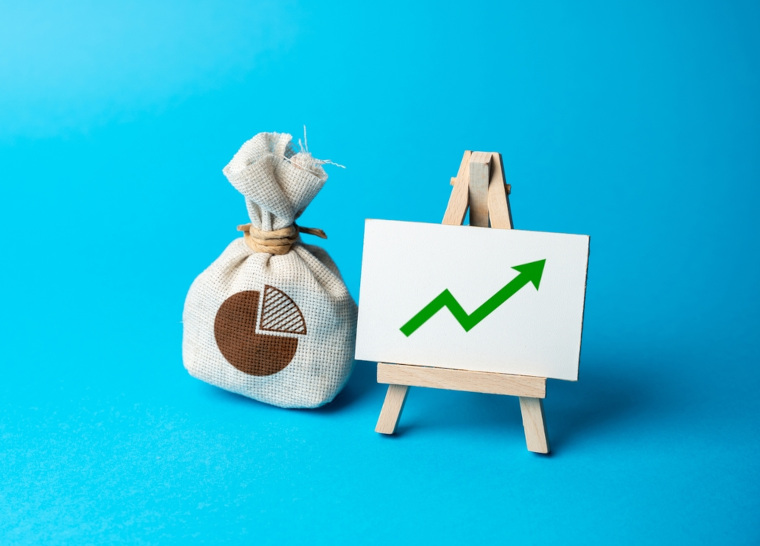 Image source: Andrii Yalanskyi / shutterstock.com

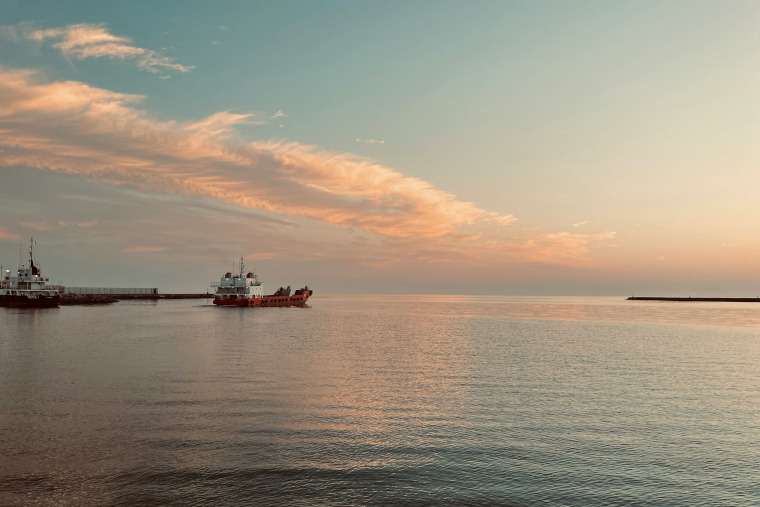 Image source: Nithin Najeeb / unsplash.com


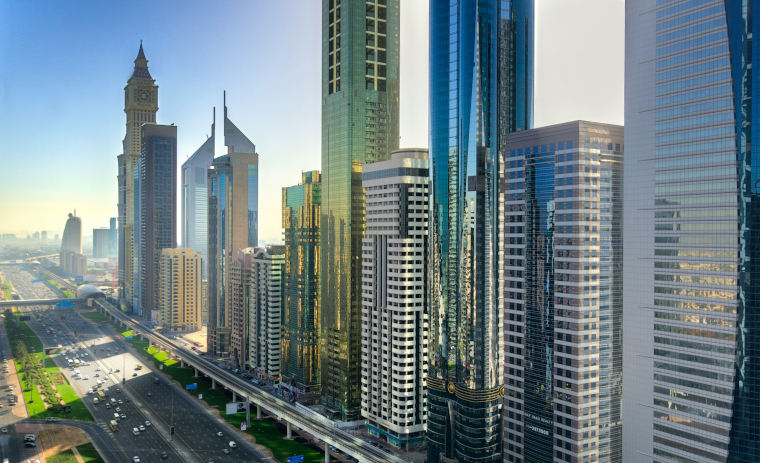 Image source: Kent Tupas / unsplash.com

 Image source: fizkes / shutterstock.com