What is it about? UAE export and import are the most important components of the country's economy. The United Arab Emirates is famous for its goods, which are popular all over the world. But the desert dwellers are not only skilled in selling, but also in buying what they need wisely, which is why today it is one of the major participants in world trade.
What are the relations with Russia? Russia is an importer and exporter of the UAE. In recent years, trade with the emirates has been actively developing in both directions, although it has its own specifics.
Significance of Import and Export in the UAE
The United Arab Emirates is a country with a highly dynamic economic development rate. Advantageous geopolitical position, rich hydrocarbon reserves, and active innovation in the economy, coupled with a favorable investment climate, make the UAE a major hub for global business projects.
The Emirates play a significant role in global trade, being one of the countries most closely integrated into international economic processes.
According to the UAE Federal Competitiveness & Statistics Centre, the UAE exported goods worth 558 billion dollars in 2023. In 2022, this figure was 515 billion dollars. Import of various products into the country also shows positive dynamics:
427 billion dollars in 2022
482 billion dollars in 2023
In 2024, exports from the Emirates exceeded 309.7 billion dollars.
Exports include: oil and gas, aluminium, gold, plastic, precious stones. Hydrocarbons remain the main export item, but the share of non-energy goods is gradually increasing.
The UAE government's desire to diversify its economic ties has led to an increase in the volume of imported goods from various points around the globe. The UAE leadership confirms the significance of importing foreign goods through large investments in the development of logistics routes and infrastructure facilities.
Import into the Emirates includes clothing and fabrics, electronics, petrochemical products, food, construction materials, and consumer goods.
Image source: tawatchai07 / freepik.com
According to information from the UAE Ministry of Economy, the country's 10 main trading partners are China, India, the USA, Saudi Arabia, Turkey, Iraq, Switzerland, Japan, Hong Kong and Russia. According to Russian Export Center (REC) data, annual non-resource trade turnover between the Emirates and these states grew by 26%.
Main Items of UAE Export and Import
Together, UAE export and import are a vivid example of successful diversification of trade flows, allowing the country to balance its trade and avoid dependence on a single sector.
Hydrocarbons remain the main source of revenue, but their share is declining. The country exports about 2.5 million barrels of oil per day.
Gold and other precious metals. Dubai is an international centre for gold trading (over 20% of global turnover).
Diamonds and jewellery. DMCC handles the largest volume of diamond sales in the world.
Aluminium. Emirates Global Aluminium is among the five main global producers.
Petrochemicals and plastics. The main market for these products is in Asia and Africa.
Financial and transport services. One of the most important export sectors, albeit an intangible one.
The UAE satisfies most of its needs through import:
Machinery and equipment — from aircraft parts to construction machinery.
Electronics and IT — a significant share goes to re-export.
Cars and car parts — Dubai has become a major hub for resale of cars in the Middle East and Africa.
Food products — over 85% of food must be imported, which is due to difficult climatic conditions in the country.
Pharmaceuticals — since 2020, this sector of the economy has been growing at a very rapid pace.
Main trading partners:
China — the main source of electronics, machinery and equipment.
India — exports food and jewellery, imports oil and gold.
Saudi Arabia — key partner within the GCC, trade in petrochemicals and construction materials.
USA — supplier of technologies, aviation, medicines.
EU (Germany, Italy, France) — sale of machinery, pharmacology and chemicals.
African countries (Kenya, Nigeria, Egypt) — import a significant share of goods through re-export from Dubai.
China and India are strategic partners, the EU and USA are a source of high technologies, and Africa is a sales market.
Specifics of UAE Import and Export with Russia
After the newly independent United Arab Emirates emerged in 1971, diplomatic relations were immediately established between it and the Soviet Union. Trade is built on the basis of the intergovernmental “Agreement on Trade, Economic and Technical Cooperation” from 1990. In addition to this, in 2018, Russia and the UAE signed a Declaration on the Strategic Partnership.
Export from the UAE and import into the UAE from Russia is the result of mutually beneficial exchange between the two countries based on an equal partnership. Primarily, petroleum products, bituminous mixtures, and coal are imported from the Russian Federation, accounting for approximately 40% of total exports, worth 2 billion dollars (in 2021).
There is great demand in the Emirates for luxury items, including precious stones. Russia, being one of the world's largest exporters of diamonds, occupies 2nd place in supplies of precious stones to the UAE (after Botswana). Thus, in 2021, rough diamonds (HS code 710231) constituted 25% of all Russian exports to the Emirates, worth 1.1 billion dollars.
Trade relations between Russia and the UAE are characterised by growth in trade turnover volumes. Over the last 5 years, this indicator has grown by 154% and reached the level of 9.5 billion dollars (according to 2024 information). The main reason for this has been the activation of parallel import processes and strengthening of mutual investment contacts.
In addition to precious metals and stones, Russian exports to the Emirates include minerals, petroleum refining products, ferrous and non-ferrous rolled metal, grain, vegetable oil, fish, and seafood.
Stable demand is also noted for agricultural products. This is due both to the fact that Russia is one of the largest exporters of food products, and to the challenging climate conditions in the Arab Emirates, which make it difficult to ensure food security of the country on its own.
Image source: Billion Photos / shutterstock.com
According to information from the federal centre Agroexport, published in February 2025, in 2024 the Russian Federation imported into the UAE about ten thousand tonnes of poultry meat. This is 2.2 times higher than in 2023. Of the total volume, 83% consisted of chicken carcasses and parts, turkey meat products accounted for about 17%, and duck meat about 1%. In total meat exports from Russia in 2024 amounted to over 700 thousand tonnes, an increase of 27%.
Key export items from Russia to the United Arab Emirates:
petroleum products and bituminous mixtures;
coal;
precious stones and jewellery;
rubber and plastics;
fertilisers;
ferrous and non-ferrous rolled metal;
equipment and spare parts;
motor transport;
timber and paper;
grain, meat, fish, dairy products;
confectionery and beverages.
The UAE supplies the Russian market with equipment and components, fruits and vegetables, electronics and electrical engineering, beverages, plastics and polymers, as well as:
Oil and petroleum products: despite the fact that Russia is an oil-exporting country, the different composition and properties of various grades of oil play an important role.
Chemical industry goods: quality chemicals and fertilisers, which the Russian economy needs.
Jewellery: extensive experience working with precious stones and gold allows Arab artisans to create unique products that are in demand in Russia.
Cars: premium-class car models from the UAE are in demand on the Russian car market.
The range of goods is constantly increasing, which ensures close economic ties between the two countries.
The Emirates boast significant success in creating various equipment for the oil and gas industry, which includes drilling rigs, pumps, compressors, pipelines and other technical devices. There, alongside global leaders like National Oilwell Varco, local manufacturers such as Gulffusion or Lamprell hold strong positions.
The production of equipment for the construction, electrical, and metalworking industries is also noteworthy.
Black tea is also an export item to the Russian Federation. The climatic and environmental conditions of the Emirates do not allow them to produce this beverage. However, the UAE is a major international centre for purchasing, processing and retail sale of Indian, Ceylon and Kenyan tea.
Rules for Export from the UAE to Russia
Emirates legislation imposes strict rules and restrictions on foreign companies operating in the country. However, to stimulate investment in the economy, the government has established over forty-five free trade zones.
To optimise transport flows from Russia, both into the country and in transit through the state's territory, it is necessary to obtain a certificate (Permit For Export Strategic Goods) from the Ministry of Foreign Affairs (MOFA).
A certificate does not need to be obtained if you:
send goods from Sharjah airport (SHJ);
transport goods of popular brands (for example, smartphones, computers, household appliances).
CID (Crime Investigation Department) inspection is required for all shipments for which a MOFA certificate is issued, as well as in case of customs inspection or other checks. For more details, see below.
UAE customs processes imported and exported goods in the standard order:
Products must not be on the list of cargo prohibited for import into Russia.
The process begins with filing a customs declaration, and filing the declaration begins with determining the HS code. Mistakes during customs clearance due to an incorrectly indicated code can result in administrative and criminal prosecution. It should be noted that accurately determining the code is often quite difficult.
Customs declaration of goods imported into Russia is carried out electronically. You will need an electronic digital signature (EDS) from a legal entity or its customs representative.
Along with the declaration, a set of documents is submitted.
You will require at least:
an international contract;
a commercial invoice;
a packing list;
a detailed technical description of products in Russian, to determine the HS code;
transport documentation.
Additionally, there may arise a need for information about both the product and the terms of its delivery: certificates, licences, and other documents.
Rules for Import from Russia to the UAE
When importing goods into the Emirates, it is necessary to comply with the requirements set by the Department of Economic Development and the Federal Customs Authority of the United Arab Emirates.
Legal entities registered in free economic zones import goods under simplified conditions, without paying customs duty. But there is a condition: the cargo must either be re-exported, or the goods will be used within the free economic zone. If goods are exported outside the free economic zone to the Emirates, the standard UAE import procedure applies, with all necessary taxes and duties paid.
For cargo import, a UAE company (consignee or agent) must submit the following package of documents (originals):
A commercial invoice indicating batch volume, description of each type of goods and cost per each item.
A certificate of product quality issued by the Chamber of Commerce and Industry of the manufacturing country.
A packing list, where weight, packing method and HS code are indicated.
Waybill.
If the imported goods are subject to restrictions or are exempt from tax payments, an import document issued by the relevant department must be attached.
Import of food, animals and livestock products, animal feed, food additives, any alcohol, pork products and tobacco products into the UAE is impossible without prior approval from the UAE Ministry of Climate Change and Environment.
For food products, the following will also be necessary:
Health Certificate. Confirms that the product is approved for human consumption.
Halal Certificate. Required for any animal products, including milk.
The import of certain plant or animal products will also require documentation confirming the absence of radioactive contamination. Health products, dietary or baby foods, and other special products must have special labels containing detailed nutritional information.
Documentation for any import except food must pass preliminary approval at the Embassy of the United Arab Emirates in Russia.
Importing certain goods into the Emirates, such as food products, may require an import permit.
Check the accuracy of the product code indicated in the documents. The UAE participates in the harmonised system of HS codes, and there are discrepancies between TN VED codes in Russia and in the Emirates.
Frequently Asked Questions about UAE Export and Import
Why has Dubai turned into an international centre for re-export?
A combination of factors played a role:
an advantageous geographical position;
developed infrastructure;
a well-thought-out policy of UAE authorities;
an established system of international agreements.
As a result, the city has become a global distribution hub, where goods are imported and then shipped to other markets without significant processing. The concentration of trade routes of Europe, Asia and Africa reduces transit times and costs for corporations.
Re-export constitutes up to 40% of all the UAE's foreign trade balance:
Cars. From Japan and Germany to Saudi Arabia, and African countries.
Electronics. From China and Korea to the Middle East and the African region.
Food products. From India and Brazil to countries of the Arabian Peninsula.
Gold. Intersecting flows between India and Africa.
What are the advantages of trade through the Arab Emirates?
Advantages:
convenient geographical position;
modern ports and airports;
financial hubs (DIFC, ADGM);
free economic zones and preferential taxation;
flexibility of CEPA and FTA agreements.
Are there disadvantages of trade through the UAE?
Disadvantages:
highly competitive environment;
dependence on the global market situation;
significant costs in premium-class locations.
The United Arab Emirates has long since transformed from the world's main oil seller into an international trading hub. This happened thanks to a combination of factors: a favorable geographic location, a world-class infrastructure network, financial hubs, free economic zones, and a system of strategic agreements. Import and export from the UAE have a significant impact on the economic development of various countries, including Russia.
Description of the Jumeirah district in Dubai. Real Estate and Investments in the Jumeirah District. Availability of Education in the Jumeirah district in Dubai. Frequently Asked Questions about the J...
A mall in Abu Dhabi, as in other cities, is a large shopping centre that unites dozens and hundreds of boutiques, entertainment venues and business attractions under one roof. The capital of the UAE c...
Main features of the Dubai Hills district. Infrastructure of Dubai Hills. Investment opportunities in Dubai Hills. Frequently asked questions about Dubai Hills.
Overview of Ras Al Khaimah. Districts of Ras Al Khaimah. Advantages of buying property in Ras Al Khaimah. Interesting facts about Ras Al Khaimah. Frequently asked questions about Ras Al Khaimah.
Specifics of Dubai developers. Criteria for choosing a developer in Dubai. Top 10 Dubai developers. Russian developers in Dubai. Frequently asked questions about Dubai developers.
How schools are structured in Abu Dhabi. Public and private schools in Abu Dhabi. Enrolling in a school in Abu Dhabi. Top international schools in Abu Dhabi. Schools in Abu Dhabi with an intensive foc...
Types of taxis in Dubai. Ways to book a taxi in Dubai. Cost of taxis in Dubai. Protection against taxi fraud in Dubai. Frequently asked questions about taxis in Dubai.
Population density of Dubai in 2025. Dubai’s Demographic Structure. Key growth factors of Dubai’s population. Specifics of life of the native citizens of the UAE and Dubai in particular. Frequently As...



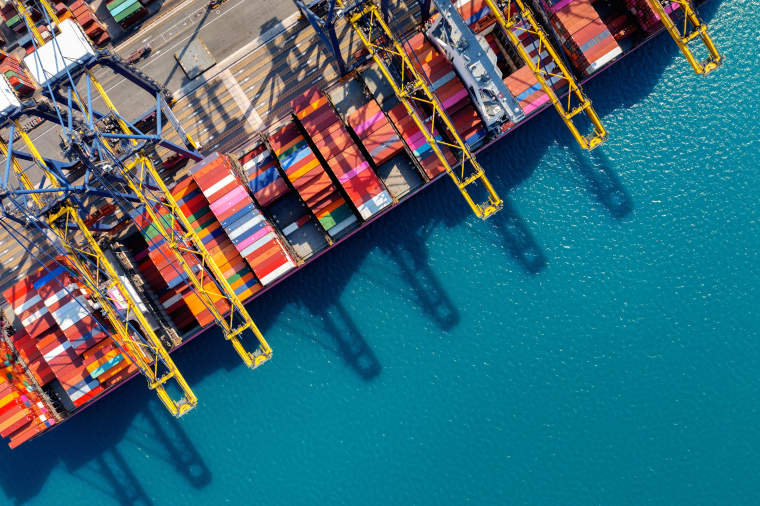 Image source: tawatchai07 / freepik.com

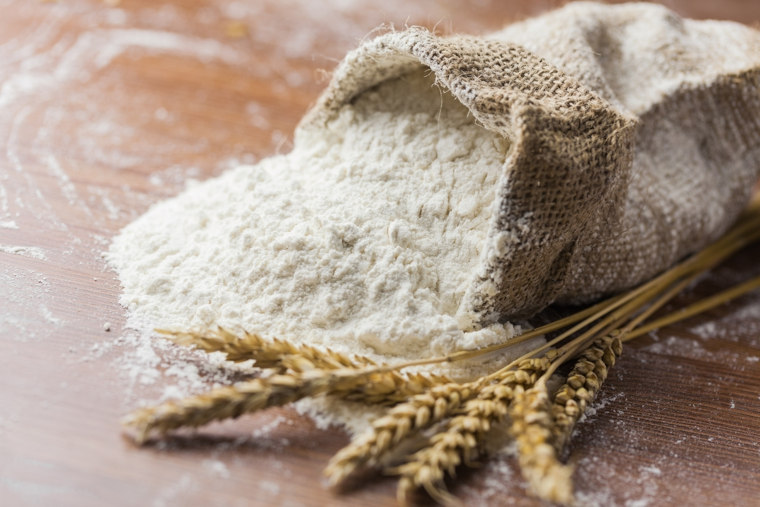 Image source: Billion Photos / shutterstock.com


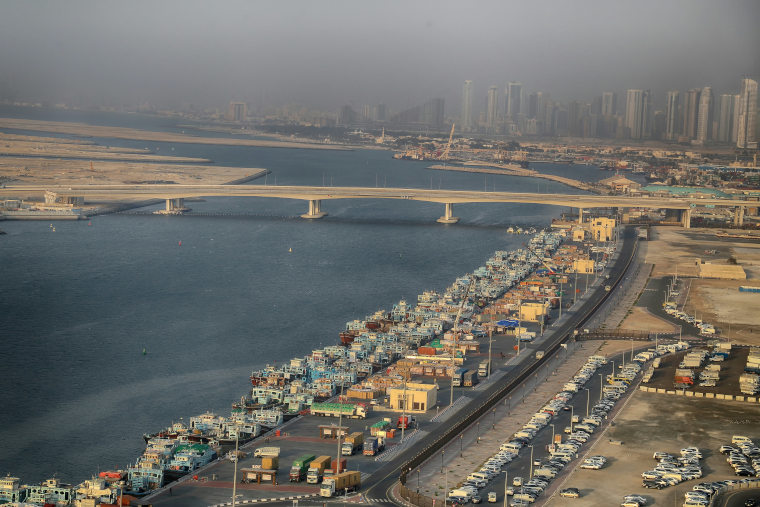 Image source: Iwona Castiello d'Antonio / unsplash.com