The UAE's oil industry began developing in the 1960s, and since then it has become one of the main components of the country's economy.
UAE Oil Industry
The United Arab Emirates' economy is based on the oil industry, including both oil exports and re-exports. The country ranks fifth in the Middle East in terms of proven oil reserves. The first major deposits were discovered in 1962, and since then, the export of black gold from Abu Dhabi has become the most important part of the UAE economy.
According to analysts, the total proven oil reserves in the country amount to approximately 14 billion tonnes, which allows for projected extraction over the next 100 years. In the global rankings, the UAE holds sixth position in terms of daily production volume, reaching about 3.471 million barrels. By these indicators, the UAE is only behind the USA, Saudi Arabia, Russia, China, and Canada.
Image source: wirestock / freepik.com
Oil in the UAE is known for its high quality: most local grades are categorised as light crude, making them attractive to the international market due to their minimal sulphur content.
The daily oil refining volume in the country reaches 40 thousand tonnes. The government controls practically the entire oil sector, and the Abu Dhabi National Oil Company (ADNOC) plays a key role in managing and developing the industry, being responsible for oil extraction, refining, and export.
What Makes Arab Oil Famous
According to OPEC, Middle Eastern countries hold leading positions in global oil production volumes. Saudi Arabia ranks third, Iraq fifth, the UAE seventh, followed by Kuwait and Iran in eighth and ninth places respectively.
These high indicators are due to significant oil reserves in the Persian Gulf, as well as partnerships with international companies that support oil production development in this region.
Oil in the UAE includes the benchmark grade Dubai Crude Oil, which has been used since the 1980s as a standard for quality assessment and price determination for oil exported from Persian Gulf countries to Asia. This grade also serves as a reference point for setting prices for Russian ESPO and Sokol oils, which are also exported to Asian countries.
Saudi Arabia is the world's leading oil exporter, supplying approximately 7 million barrels daily to the market. The main buyers are countries such as the USA, China, Japan, India, South Korea, Singapore, and several European countries.
Saudi Arabian oil is available in a wide range, from heavy to ultra-light grades. Varieties include Arabian Heavy, Arabian Medium, Arabian Light, Arabian Extra Light and Arabian Super Light. About two-thirds of production consists of light grades, making Saudi oil particularly in demand on the global market.
Oil quality is typically determined by characteristics such as density and sulphur content. Light grades with low impurity levels are suitable for producing petrol, kerosene and diesel fuel. Viscous, thick oil is primarily used for manufacturing fuel oil and fuel intended for industrial furnaces and heating systems.
Major Oil Deposits in the UAE
In 1955, when oil production in the United Arab Emirates was just beginning, daily production volume reached 290 thousand tonnes. Over time, the country's oil sector expanded significantly, and today it plays a vital role in the UAE economy.
Since its establishment in 1971, Abu Dhabi National Oil Company has played a key role in developing the country's oil industry. Despite established quotas regulated by OPEC, the Emirates sometimes exceed production volumes, as occurred in 1990 due to the Kuwait crisis.
Today, the majority of oil produced in the UAE is exported abroad, with Japan, the USA, and European countries being the main importers.
Major Oil Fields in the UAE:
Umm Shaif. This field was discovered in 1962 and contains approximately 573 million tonnes of oil. ADNOC is responsible for developing the site.
Fateh. The field, discovered in 1966, has approximately 200 million tonnes of oil. Dubai Petroleum Establishment operates the exploitation.
Bunduq. This oil field, discovered in 1965, has reserves of about 100 million tonnes. The British company BP holds the extraction licence.
Mubarraz. Discovered in 1969, this field contains around 160 million tonnes of oil. ADNOC manages the extraction.
Rashid. The field was discovered in 1973, and its initial reserves amount to approximately 200 million tonnes. Dubai Petroleum Establishment manages operations.
Rumaitha. Discovered in 1969 and contains oil reserves of 300 million tonnes. The extraction licence belongs to ADNOC.
Sahil. This field, discovered in 1967, has reserves of around 160 million tonnes. ADNOC manages the operations.
Abu Al Bukhoosh. The field was discovered in 1969, and contains about 200 million tonnes of oil. The French company Total operates the exploitation.
Al Dabbiya. Discovered in 1966, this field contains oil reserves of approximately 271 million tonnes. ADNOC manages its development.
Al Zakum. This is one of the UAE's largest fields, discovered in the Persian Gulf waters in 1965 and containing reserves of around 10.7 billion tonnes of oil. Extraction is carried out in two sectors: Lower Zakum, developed by ADNOC, ExxonMobil and Japan Oil Development, and Upper Zakum, which is fully managed by ADNOC.
Asab. The field was discovered in 1973 and contains approximately 843 million tonnes of oil. It is managed by ADNOC.
Current State of the Oil and Gas Industry in the UAE
In 2023, gas production in the United Arab Emirates reached approximately 49.2 billion cubic metres, indicating a 24.9% growth in volume compared to the previous year. According to information from the British company BP, the country's daily gas production level is about 56 million cubic metres, which emphasises the high pace of development in this sector.
Oil reserves in the UAE are estimated at 12.98 billion tonnes, but their distribution across the country is uneven. The main part of the deposits is concentrated in Abu Dhabi — which holds 94% of all oil reserves, whilst Sharjah and Dubai account for 1% and 4% of reserves respectively.
In recent years, the UAE has actively employed innovative technologies to increase production volumes. This has allowed the country to achieve indicators close to 140 million tonnes of oil per year. The majority of extracted oil is light in composition with minimal sulphur content, making it highly sought after on the global market.
Image source: ArtPhoto_studio / freepik.com
In January, UAE Minister of Energy Suhail Al Mazrouei outlined a strategic goal — to increase daily oil production to 3.5 million barrels. This initiative aims to strengthen the country's position in the global oil market and attract investment to the industry.
Frequently Asked Questions About Oil in the UAE
Where are the UAE's largest oil reserves located?
The United Arab Emirates' oil reserves amount to approximately 97.8 billion barrels. The majority of these resources are concentrated in the emirate of Abu Dhabi, which holds about 95% of all national oil reserves. Additionally, oil is also extracted in Dubai and Sharjah, but their share is significantly smaller.
How is oil extracted in the UAE?
In the Emirates, oil is primarily extracted on offshore platforms, and a significant portion of oil exports comes from offshore fields. This extraction scheme helps the country successfully meet international market demands.
How are oil trade revenues distributed?
Profits obtained from oil sales are evenly distributed among the country's citizens. This allows all native UAE residents to receive their share of oil revenues, maintaining a high standard of living for the population.
Description of Al Ain city in the UAE. Where Al Ain is located. Climate in Al Ain. Infrastructure of Al Ain. Shopping in Al Ain. Entertainment and Nightlife in Al Ain. Specifics of the real estate mar...
Main features of the Downtown Dubai district. Infrastructure of Downtown Dubai. Investment attractiveness of the Downtown Dubai district. Frequently Asked Questions about Downtown Dubai.
How schools are structured in Abu Dhabi. Public and private schools in Abu Dhabi. Enrolling in a school in Abu Dhabi. Top international schools in Abu Dhabi. Schools in Abu Dhabi with an intensive foc...
General characteristics of the UAE economy. The oil and gas industry as the basis of the economy. Diversification of the economy and key industries. Innovations and digital technologies. Investment en...
The creation and development of the World Islands. Infrastructure of the World Islands. Location and transport accessibility of the World Islands. Real estate on the World Islands. Frequently Asked Qu...
Shopping centres in Sharjah: are they worth visiting? 5 best shopping centres in Sharjah. 5 tips for shopping in Sharjah. Frequently asked questions about shopping centres in Sharjah.
Demographic indicators of the Arab Emirates. General information about the population of the Arab Emirates. Benefits for the indigenous population of the Arab Emirates. Rules for communicating with th...
Advantages of working in the UAE. In-demand professions for work in the UAE. Visa requirements for work in the UAE. Life in the UAE for expats. Frequently asked questions about work in the UAE.



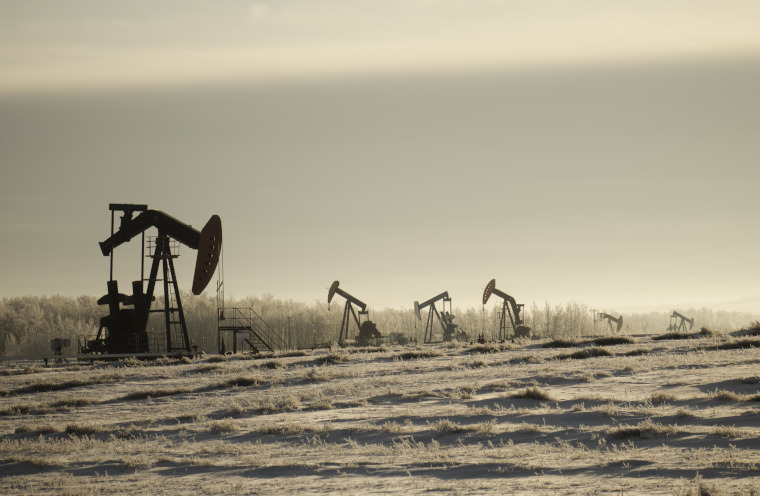 Image source: wirestock / freepik.com


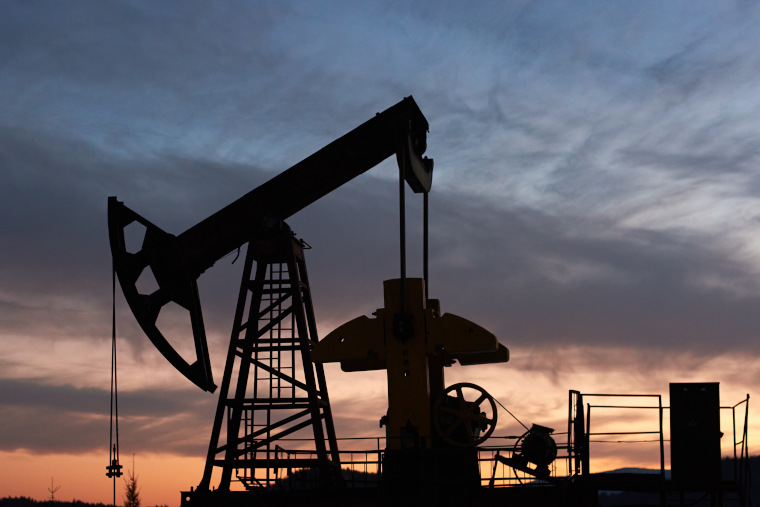 Image source: ArtPhoto_studio / freepik.com