Dubai City Centre: A Complete Guide to Districts and Property
Save the article:
Why is the centre of Dubai considered the most attractive area for buying property? The central districts of Dubai combine prestige, well-developed infrastructure and high investment liquidity. This is where the emirate’s key business centres, world-class shopping complexes and iconic landmarks are concentrated. The cost per square metre in the centre can range from 15,000 to 50,000 AED, depending on the district and property type.
Who will find this guide to Dubai’s central districts useful? First and foremost, buyers of new homes who are unsure which districts are considered central and are worried about overpaying for location. Investors will find an analysis of rental yields and development prospects for the central districts to help them make informed decisions. Expats and those relocating will gain practical information on transport links, infrastructure and the characteristics of each district for a comfortable transition to their new country.
What is Considered the Centre of Dubai
Geographically, the centre of Dubai is a multi-layered concept that encompasses both historic districts and modern business quarters. Unlike many of the world’s major cities, where the centre formed over centuries, Dubai built its heart in stages, giving rise to several central zones with different functions and characteristics.
Downtown Dubai — the modern heart of the emirate
Downtown Dubai is officially recognised as the main central district of the modern city. This 200-hectare district is situated along Sheikh Zayed Road and is bounded by Al Safa Street to the north and Financial Centre Road to the south. The district borders the bay to the east, whilst the western boundary runs along Al Mustaqbal Street.
The main landmarks of Downtown Dubai are the 828-metre tall Burj Khalifa tower, the Dubai Mall with a total area of 502,000 square metres, and the Dubai Fountain musical display. This is where the headquarters of the largest corporations, premium hotels and elite residential complexes are concentrated.
The Downtown area is home to luxury hotels from international chains, including Address Downtown, Armani Hotel and The Ritz-Carlton, DIFC. These hotels offer direct access to Dubai’s main attractions and are considered the benchmark for hospitality in the region. Many Downtown hotels provide transfers to the nearest beaches, making them particularly popular among tourists.
Image source: Riyas Mohammed / unsplash.com
The area is easily accessible by public transportation, thanks to the Burj Khalifa/Dubai Mall and Business Bay metro stations, as well as an extensive bus network. The international airport is a 20-25-minute drive from the city center by taxi or metro.
Historic centres: Deira and Bur Dubai
Before the modern centre of Dubai came into existence, the main districts were Deira and Bur Dubai, separated by the waters of the Dubai Creek. These districts were formed in the early twentieth century as trading ports and remain the historical heart of the emirate.
Deira is renowned for its traditional markets — the Gold Souk with 300 jewellery shops and the Spice Souk with its oriental spices. The city’s oldest hotels are located there, including the five-star Hyatt Regency, which has been operating since 1980. The district is served by the Union, Baniyas Square and Al Ras metro stations.
Bur Dubai includes the historic Al Fahidi quarter with its eighteenth- and nineteenth-century traditional architecture and the Dubai Museum. The restored Al Seef district, stretching 1.8 kilometres along the bank of the Dubai Creek, has become the main attraction. The transport hubs are Al Fahidi and Al Ghubaiba stations.
Business hub: Business Bay and DIFC
The modern understanding of the city centre has expanded to include the Business Bay area, often referred to as “Dubai’s Manhattan”. The district covers 64 square kilometres and includes more than 240 skyscrapers, among them the 355-metre JW Marriott Marquis.
Image source: Nelemson Guevarra / unsplash.com
The Dubai International Financial Centre (DIFC) operates as a separate financial zone with a special legal status. More than 600 international companies have offices there, and Dubai international stock exchange is also based in the district. It is close to the Emirates Towers metro station and served by complimentary shuttle buses.
Modern business hotels are located in Business Bay, such as the Millennium Plaza Hotel and JW Marriott Marquis. These hotels specialise in corporate hospitality and offer world-class conference facilities.
Resort districts: Jumeirah and Dubai Marina
Jumeirah is a prestigious coastal district of Dubai that stretches for 15 kilometres along the Persian Gulf. The famous Burj Al Arab hotel, which has become a symbol of the city, is situated there. The Jumeirah district comprises several zones: Jumeirah 1, Jumeirah 2, Jumeirah 3 and Umm Suqeim.
Jumeirah Beach is considered one of the finest urban beaches in the world. The snow-white sandy beach stretches for 7 kilometres and is equipped with all the necessary infrastructure. Along the beach, luxury hotels are situated: Jumeirah Beach Hotel, Al Qasr and Madinat Jumeirah. Kite Beach is particularly popular among water sports enthusiasts.
Dubai Marina is another important district of modern Dubai, where an artificial canal 3 kilometres in length is located. The district is known for its skyscrapers and Marina Beach. Luxury hotels operate there, including The Ritz-Carlton and Address Dubai Marina. Marina Beach is distinguished by its well-developed infrastructure and proximity to shopping centres.
Beach infrastructure of the central districts
Dubai’s beaches in the central districts offer a variety of leisure options. La Mer beach is situated between Jumeirah and the city centre, offering modern facilities and restaurants. Sunset Beach is known for its picturesque views of Burj Al Arab and is considered an ideal location for photoshoots.
Entry to Dubai’s public beaches is free and they are equipped with showers, changing rooms and lifeguard posts. Private hotel beaches offer additional services: sun lounger hire, water sports and beachfront restaurants. Black Palace Beach is particularly popular among local residents for its peaceful atmosphere and clean water.
Key landmarks of the central districts
Navigation around Dubai city centre is made easier by iconic landmarks:
Architectural landmarks: Burj Khalifa, Burj Al Arab, Emirates Towers
Shopping centres: Dubai Mall, Mall of the Emirates, BurJuman
Cultural sites: Dubai Opera, Dubai Museum, the Alserkal Avenue gallery
Natural landscapes: Dubai Creek, Jumeirah beaches, Zabeel Park
Each of these landmarks serves as a starting point for determining one’s position in the central part of the city.
Transport integration of the central zones
All of Dubai’s central districts are linked by the Red Line and Green Line metro routes, which intersect at the Union and BurJuman stations. The RTA bus network comprises 119 routes, 80% of which pass through the central areas. The Abra water taxi runs along the Creek every 5–10 minutes, connecting the historic districts.
For drivers, the centre is accessible via the main highways: Sheikh Zayed Road, Al Khaleej Road and Umm Hurair Road. Parking in Downtown Dubai costs 4–6 dirhams per hour; in the historic districts, 2–3 dirhams.
Differences between the historic and business centres
The historic centre (Deira and Bur Dubai) retains its traditional Arabian character, with narrow streets, markets and low-rise buildings. The average building height does not exceed 10–15 storeys, and the population density is 12,000–15,000 people per square kilometre.
Image source: Saj Shafique / unsplash.com
The business centre is characterised by modern architecture, wide boulevards and skyscrapers reaching 200–400 metres. Building density here is 2–3 times higher, and the infrastructure is oriented towards business and international-level tourism.
Shopping centres and entertainment
Shopping centres play a key role in the structure of Dubai’s central districts. Dubai Mall in Downtown Dubai remains the world’s largest shopping centre by total area. Mall of the Emirates in the Al Barsha district is renowned for its indoor ski slope. BurJuman Centre in the historic area specialises in luxury brands.
Every shopping centre is situated close to leading hotels and beaches, making shopping an integral part of a stay in Dubai. Shopping complexes also serve as important transport hubs connecting the various districts of the city. City Centre Deira shopping centre offers traditional Eastern goods, whilst Mercato Shopping Mall is distinguished by its Italian design and proximity to Jumeirah beaches.
Hotel infrastructure of the central districts
Dubai’s hotels in the central districts range from budget hotels in the historic center to ultra-luxury beach resorts. Atlantis, The Palm hotel is situated on an artificial island and offers direct access to a private beach. The Four Seasons Resort in Jumeirah is renowned for its spa services and beach views.
Business hotels in Downtown Dubai and DIFC cater for business travellers, offering conference facilities and proximity to office centres. Beach hotels specialise in family holidays and water activities. The majority of Dubai’s hotels provide complimentary transfers to the main beaches and shopping centres, making a stay in the city as comfortable as possible for the guests.
Key Attractions in the Centre of Dubai
The emirate’s centre concentrates world-class architectural masterpieces and cultural attractions that define the appearance of this modern metropolis.
Each of the main landmarks there is not merely a tourist attraction, but an important element of the urban infrastructure that influences property values within a radius of 2–3 kilometres. These iconic locations turn Dubai into one of the most visited cities in the world, where every place holds special significance for tourists and investors alike.
Burj Khalifa — the city’s architectural centrepiece
The 828-metre Burj Khalifa remains the tallest building in the world and the key landmark of the emirate’s centre. The building comprises 163 above-ground floors and 46 lifts capable of reaching speeds of up to 18 metres per second. This structure is situated at the very heart of the business district and serves as a symbol of modern architectural achievement.
The observation decks are located on three levels. Floors 124–125 house the main observation area, “At the Top”, with ticket prices starting at 149 dirhams during off-peak hours. The premium “At the Top Sky” deck on the 148th floor costs at least 500 dirhams, but provides exclusive access to the highest public observation deck in the world.
It is advisable to book tickets in advance through the official website, particularly for sunset hours (5:00 PM–7:00 PM). During peak hours, the price can double or triple. The tower is open daily from 8:30 AM to 11:00 PM, with the last admission one hour before closing. From the observation decks, a panoramic view of the entire city and the Persian Gulf coastline is revealed.
Dubai Mall, a world-class shopping and entertainment complex
The shopping centre covers more than 1.2 million square metres and includes over 1,200 shops. It is not merely a place for shopping, but a city within a city, with unique entertainment zones. This retail giant ranks among the world’s largest malls by floor area and visitor numbers.
The Dubai Aquarium and Underwater Zoo houses more than 33,000 marine animals in a 10 million-litre tank. Ticket prices start at 120 dirhams for adults; children under 3 enter free of charge. The ice skating rink, with an area of 1,800 square metres, operates year-round, and a session costs 65 dirhams, including skate hire.
The VR Park entertainment zone offers 18 virtual and augmented reality attractions. Entry costs 100 dirhams, with individual attractions priced from 25 to 50 dirhams. The KidZania children’s zone simulates a real miniature city where children can try out more than 60 professions for 95 dirhams.
The shopping complex also includes more than 200 restaurants and cafés offering various world cuisines, making it an ideal destination for a family day out. One of the largest bookshops in the Middle East and numerous boutiques from global brands are also located there. This shopping centre has become a true magnet for shopping enthusiasts in Dubai, offering a unique retail experience under one roof.
The Dubai Fountain, a water symphony at the foot of a skyscraper
The Dubai Fountain stretches 275 metres in length and shoots jets of water to a height of up to 150 metres. The system includes 6,600 light sources and 25 colour projectors, creating unique light shows. This location has become one of the most photographed attractions in the world.
The performances take place every 30 minutes from 6:00 PM to 11:00 PM daily; on Fridays and Saturdays they continue until midnight. Daytime shows are held at 1:00 PM and 1:30 PM. The best viewing spots are the promenade around Burj Khalifa Lake, the terraces of the nearby restaurants, or the bridge between the Dubai Mall shopping centre and the Souk Al Bahar hotel.
For a VIP viewing experience, you can book a table at the Armani/Amal restaurant on the 142nd floor of Burj Khalifa, or take a ride on a traditional abra boat on the lake for 65 dirhams per person. The fountain shows are accompanied by music of various genres, from classical to modern pop.
Dubai Opera, the emirate’s cultural centre
Dubai Opera, which opened in 2016, became the first multi-purpose theatre in the Middle East. The building, designed in the shape of a traditional Arab dhow, seats 2,000 and can be transformed into a theatre stage, concert hall or banqueting venue. This cultural attraction is situated in the prestigious Downtown Dubai district and draws art enthusiasts from around the world.
Ticket prices for performances range from 95 to 1,500 dirhams, depending on the event and seat. The season runs from September to May, with special programmes held during the summer months. The box office is open from 10:00 AM to 8:00 PM, and until 10:00 PM on performance days
Guided tours of the building take place on Saturdays at 2:00 PM and cost 50 dirhams. The programme includes a visit to the main auditorium, backstage areas and VIP boxes, accompanied by commentary on the architecture and technical features. The Opera District also includes several high-end restaurants and contemporary art galleries.
The Museum of the Future, an innovative symbol of the emirate
The Museum of the Future presents a vision of humanity 50 years from now. The torus-shaped building with calligraphy on its façade has become an architectural icon of innovative Dubai and one of the city’s most distinctive landmarks.
The exhibition is spread across seven floors, each dedicated to a specific theme — from space exploration to the biotechnologies of the future. Tickets cost 145 dirhams; a concession ticket for children aged 3–15 is 95 dirhams. The museum is open daily from 10:00 AM to 6:00 PM.
Interactive installations allow visitors to experience augmented reality technologies, interact with artificial intelligence and view prototypes of future modes of transport. It is advisable to allow 2–3 hours for a full visit. The museum also houses a research center where the technologies of tomorrow are being developed.
Shopping centres and attractions as an investment asset
The fact that these iconic locations are within walking distance of one another makes Dubai’s city centre particularly attractive for property purchases. Apartments within a 1-kilometre radius of these sites show steady value growth and high liquidity on the rental market. Proximity to the city’s main attractions guarantees a high tourist footfall and stable income from short-term rentals.
Image source: Nelemson Guevarra / unsplash.com
Retail areas and cultural attractions form a unique ecosystem in which each landmark complements the others. Visitors can spend an entire day moving from the shopping centre to the museum, then on to the opera, and round off the evening at the fountains. Such a concentration of entertainment makes the district especially appealing to tourists, which has a positive effect on commercial property values.
This concentration of cultural and entertainment venues turns Downtown Dubai into a place that rightfully deserves to be called the heart of one of the world’s most dynamically developing cities. Property investors in Dubai particularly prize this location for the stability of its income and the prospects for asset value growth.
Real Estate in the Centre of Dubai
The real estate market in the city’s centre is one of the most dynamic and prestigious segments of the global luxury residential market. According to Dubai Land Department data, the price of an apartment in the centre increased by 12% over the past two years, making this location attractive both for living and for investment. The central districts account for more than 40% of all luxury property transactions in Dubai.
Types of housing in the central districts
Real estate in the centre is available in three main categories, each with its own characteristics and price segments.
Apartments make up 75% of all residential stock in the city’s centre and range from compact studios to spacious four-bedroom flats. The average floor area of a one-bedroom apartment is 65–80 sq m, two-bedroom apartments are 110–140 sq m, and three-bedroom apartments are 160–220 sq.m. Modern apartments are equipped with smart home systems, floor-to-ceiling windows and access to the residential complex’s communal areas.
Penthouses represent the luxury segment, with floor areas ranging from 300 to 800 sq m. They occupy the upper floors of skyscrapers and include private terraces, swimming pools and personal lifts. There are approximately 150 penthouses in Downtown Dubai, which creates a limited supply and keeps the prices high.
Townhouses are less common in the central districts, and can be found primarily in premium-class neighbourhoods. They offer 3–4 bedrooms, private gardens and garages, combining the advantages of a country home with urban infrastructure.
Prestigious projects in Downtown Dubai
Burj Khalifa Residences remains the district’s flagship project, offering 900 residences in the world’s tallest building. Apartment prices range from 3,500,000 dirhams for a one-bedroom and reach 25,000,000 dirhams for a three-bedroom apartment with views of the fountains. The residents have access to exclusive lifts, a concierge service and private leisure areas.
The Address residential complexes include several towers with a combined housing stock of approximately 1,200 units. The prices range from 1,800,000 dirhams for a studio to 8,000,000 dirhams for a three-bedroom apartment. The complexes offer direct access to Dubai Mall and their own beachside areas.
Boulevard Point represents a more accessible segment of premium housing, with prices starting at 1,400,000 dirhams for a one-bedroom apartment. The project stands out for its contemporary architecture and well-developed infrastructure for family living.
Purchase specifics for foreign nationals
Foreign nationals may purchase property in the Dubai’s centre on a freehold basis without restrictions on nationality or residency status.
Image source: Kate Trysh / unsplash.com
Required documents:
A passport with a UAE visa
A criminal record certificate (for transactions exceeding 1,000,000 dirhams)
A confirmation of source of income
A bank statement confirming solvency
The purchase procedure comprises five main steps: reserving the property with a 10% deposit, signing the preliminary agreement, arranging a mortgage (if required), final verification of documents, and registration of title with Dubai Land Department. The entire process takes 4–6 weeks for a completed property purchase.
Additional costs amount to 7–9% of the property value and include a government fee of 4%, an agency commission of 2%, notary services and bank charges.
Investment attractiveness
Dubai’s centre boasts stable rental yields of 5–7% per annum, exceeding those of most global metropolises. Studios and one-bedroom apartments are particularly attractive, as they are in high demand among young professionals and tourists.
Growth potential is supported by several factors: limited land supply in the centre, a growing tourist footfall, and the development of transport infrastructure. Analysts forecast price growth of 8–12% over the next three years, particularly in the completed housing segment.
Tax advantages include no income tax, capital gains tax or inheritance tax, making investment in Dubai's central property particularly attractive for international buyers.
Segment development prospects
Long-term forecasts suggest that Dubai’s central districts property market will maintain its status as one of the most attractive property investment destinations. Planned infrastructure projects, including metro expansion and the creation of new cultural facilities, will reinforce the centre’s standing as the most prestigious district for living and doing business.
Central Districts of Dubai for Living
Choosing a central district in which to live in the city requires a detailed analysis of each location in light of your needs and budget. Dubai city centre districts include several key zones, each possessing unique characteristics suited to different categories of residents.
Business Bay: the business heart of the metropolis
Business Bay is a modern business centre where the offices of the largest corporations and high-rise residential complexes are concentrated. This district has been developing actively since 2005 and today offers more than 240 skyscrapers of various purposes.
The area attracts residents from cities across the globe, thanks to its cosmopolitan atmosphere and international business environment.
Advantages of Business Bay:
Direct access to the canal with picturesque embankments
Three metro stations (Business Bay, First Gulf Bank, ADCB) provide excellent transport links
Well-developed infrastructure: Bay Avenue and Bay Square shopping centres
Close proximity to Downtown Dubai (5–7 minutes by car)
Disadvantages of the district:
High building density creates a “concrete jungle” effect
A limited number of green spaces and parks
Rush-hour traffic congestion due to the concentration of offices
Property values in Business Bay range from 1,200,000 dirhams for a studio to 4,500,000 dirhams for a three-bedroom apartment. The district is ideally suited to young professionals working in the financial sector and investors seeking a stable rental yield (6–8% per annum).
DIFC: a prestigious financial centre
The Dubai International Financial Centre (DIFC) occupies a unique position among Dubai’s districts as an international financial free zone. This 110-hectare district brings together 500+ financial companies and offers exclusive living conditions. Representatives from leading financial cities — London, New York, Singapore and Hong Kong — work there.
The highest level of security with round-the-clock security
Exclusive architecture by leading global firms
Direct access to Emirates Towers metro station
Property in DIFC belongs to the premium segment: prices start at 2,500,000 dirhams for a two-bedroom apartment and reach 15,000,000+ dirhams for penthouses. The area attracts senior executives of international companies and affluent investors from the largest cities in Europe and Asia.
Downtown Dubai: the heart of the modern city
Downtown Dubai remains the most prestigious location, with the iconic Burj Khalifa and Dubai Mall. Despite its popularity with tourists, this location offers comfortable conditions for permanent residence, thanks to its well-developed infrastructure and transport links.
Residential complexes in Downtown Dubai offer apartments with prices starting at 1,800,000 dirhams (studio) and reaching 12,000,000+ dirhams (penthouse). The area is suitable for families with children, owing to its proximity to the best schools — Emirates International School and GEMS World Academy.
Main features of the central locations for foreign residents
Each central district of Dubai forms a unique ecosystem that attracts residents from different cities and countries.
Business Bay is popular among people from India, Pakistan and the Philippines, owing to its well-developed business environment. DIFC is traditionally chosen by representatives of European and North American countries . Downtown Dubai attracts a cosmopolitan audience from all the world’s major cities.
The central districts are characterised by a high degree of multiculturalism. Every district features restaurants serving national cuisines from countries across the globe, international schools and medical centres staffed by specialists from major European and American cities.
Comparative analysis of the central districts
Transport links:
Business Bay: 3 metro stations, excellent connectivity with other districts
DIFC: 1 metro station (Emirates Towers), premium transport services
Downtown Dubai: 2 metro stations (Burj Khalifa/Dubai Mall, Financial Centre)
Infrastructure for families:
Business Bay: limited choice of schools, basic medical services
DIFC: exclusive private clinics, proximity to international schools
Downtown Dubai: a full range of educational and medical establishments
Investment appeal:
Business Bay: 6–8% yield, high liquidity
DIFC: 4–6% yield, stable value growth
Downtown Dubai: 5–7% yield, maximum prestige
Infrastructure advantages of the central locations
The central districts of Dubai offer world-class social infrastructure. Local medical centres are equipped with state-of-the-art technology and staffed by specialists from leading European and American clinics. The educational system features international schools following British, American and international curricula.
Cultural life in the centre is rich with events: art galleries, theatres and concert halls regularly host world-class stars. The sports infrastructure includes modern fitness centres, tennis courts, Olympic-standard swimming pools and premium-class spa complexes.
Recommendations for choosing a district
Young professionals would do well to consider Business Bay for its optimal price-to-quality-of-life ratio. Families with children will find the best conditions in Downtown Dubai, owing to its well-developed social infrastructure. Affluent investors and senior executives will appreciate the exclusivity of DIFC.
When choosing a specific property, pay attention to the floor (above the 20th for the best views), window orientation (avoid the western side because of the heat) and proximity to metro stations (no more than a 10-minute walk). These factors significantly affect both residential comfort and the investment appeal of a property in any central district.
Practical Tips on Choosing a Location in the Centre
Identifying the optimal location in Dubai’s centre requires a systematic approach and a clear understanding of your priorities. The choice of location depends on a multitude of factors: from the purpose of the purchase to everyday infrastructure requirements.
Defining goals and priorities
The first step towards a successful choice is an honest assessment of your needs. For tourism-based investments, the priority will be proximity to Dubai Mall and the famous Burj Khalifa tower, which ensures high returns from short-term rentals. Families with children should consider districts with well-developed educational infrastructure, such as the area around DIFC, where international schools are located.
Image source: Nelemson Guevarra / unsplash.com
Investors planning for long-term rentals will opt for locations with maximum transport accessibility — within a 500–800-metre radius of Business Bay or Burj Khalifa/Dubai Mall metro stations. For permanent residence, comprehensive infrastructure is critically important: medical centres, supermarkets and restaurants within walking distance.
Analysis of transport links
The transport network determines the convenience of daily travel and affects property values. The Red Line metro passes through the key stations of the centre: Burj Khalifa/Dubai Mall, Business Bay, Emirates Towers and Financial Centre. Apartments within a 10-minute walk of these stations cost 15–20% more than comparable properties elsewhere.
Bus routes duplicate the main metro directions but are particularly important for the areas where metro stations are at a greater distance. Routes F13, F55A and X28 provide direct connections to the airport and beaches.
When assessing a location, measure the actual walking time to transport hubs in hot weather — a comfortable distance does not exceed 7–8 minutes on foot. Underground walkways and covered walkways significantly enhance the appeal of a property.
Infrastructure checklist
Quality infrastructure forms a comfortable living environment and sustains property values. Within a 2-kilometre radius, there should be international-standard medical centres — Mediclinic City Hospital or American Hospital offer high service standards.
Educational infrastructure is critically important for families: GEMS Wellington International School, Dubai International Academy, and Raffles International School are located in the central districts and offer international curricula.
Retail infrastructure encompasses not only large malls but also everyday necessities: grocery shopping (Carrefour, Spinneys, Waitrose), pharmacies and dry-cleaners. The districts around the main shopping centre and City Walk offer the widest variety of services.
Green spaces affect quality of life and rental values: Zabeel Park, Al Khazzan Park and Dubai Creek create a favourable microclimate and recreational opportunities.
Budget planning and alternatives
Central locations require significant investment, but there are strategies for optimising the budget. The Old Town and South Ridge areas in Downtown Dubai offer more accessible options whilst retaining a prestigious address. Studios there start at 900,000 dirhams, compared to 1,200,000 dirhams in the premium towers.
Al Karama and Oud Metha can be the alternatives for a limited budget — a 15-minute journey to the centre, with apartment prices 30–40% lower. These districts retain the authentic atmosphere of the city and offer a diverse range of amenities.
Consider purchasing off-plan in projects by Emaar or other local developers — discounts can reach 15–20% off the market value of completed properties. District One and Dubai Creek Harbour will become new central districts in 3–5 years' time.
Practical advice for inspection
Plan property inspection at different times of day and on different days of the week in order to assess traffic levels and noise. The morning hours (7:00 AM–9:00 AM) and the evening hours (5:00 PM–7:00 PM) will provide a realistic picture of traffic conditions.
Image source: Phil Korn / unsplash.com
Make sure to study the district’s development plans for the next five years — new shopping centres, schools or transport junctions significantly affect the prospects for value growth. Consult local estate agents who are familiar with the specific characteristics of each sub-district and current market trends.
FAQ
Which central district is best for a family with children?
For families, Dubai Marina and JBR are optimal, thanks to their well-developed infrastructure, proximity to beaches and schools. Dubai Marina offers numerous playgrounds, family restaurants and walkways. Downtown Dubai suits families who value cultural activities and proximity to educational centres.
Business Bay is also a family-friendly district, thanks to its modern residential complexes with child-friendly infrastructure.
What is the rental yield on property in the centre?
The average yield is 6–8% per annum. In Business Bay, the rental yield reaches 8–9% owing to high demand from the business community. Downtown Dubai returns 5–7% due to its premium status, whilst Dubai Marina delivers a stable 6–8% due to tourist traffic.
Every central district sustains active rental demand, guaranteeing a stable return on investment.
How do I travel from the centre to work in other districts?
The central districts are well connected to the rest of the city via the metro, which links Dubai Marina, Business Bay and Downtown Dubai. The journey times are: 10–15 minutes to DIFC, 20 minutes to Dubai Media City, and 30–40 minutes to the airport by metro or taxi.
Transport links are available in every key central district, ensuring convenient travel throughout the entire city.
Where in the centre is there a developed everyday infrastructure?
The most well-developed infrastructure is found in Dubai Marina and Downtown Dubai. Marina Walk offers supermarkets, pharmacies, restaurants and medical centres within walking distance. Downtown Dubai concentrates premium services, including private clinics, international schools and cultural centres. The Business Bay district is actively developing its infrastructure, offering modern shopping centres and office complexes.
Is it worth buying property in the centre for investment?
Central property demonstrates stable annual value growth of 8–12% and high liquidity. The most attractive investment options are completed properties in Business Bay and Dubai Marina with yields of 7–9%, as well as new builds in Downtown Dubai with a growth potential of 15–20% by the time of handover.
Every central district attracts heightened investment interest, owing to its well-developed infrastructure and proximity to the city’s key business centres.
Specifics of buying property in different central districts
When choosing a particular district, it is important to consider its specialisation. Business Bay is ideal for office rentals; Dubai Marina is well-suited to short-term rentals; whilst the prestigious Downtown Dubai district is ideal for long-term investment. The DIFC financial district is considered a premium segment and requires a larger initial outlay, but offers stable returns.
Moving to and living in Dubai attracts many people. This is not surprising: high level of comfort and almost absolute security, first-class healthcare and excellent education system, low taxes.
What is an emirate? History of the Arab Emirates. Interesting facts about the Emirates that you probably didn't know. Meaning of the names of the Arab Emirates. Frequently asked questions about the Em...
VAT and Tax Free in Dubai. The difference between Tax Free and Duty Free in Dubai. The Tax Free procedure in Dubai. New VAT refund system in Dubai. 6 important nuances of Tax Free registration in Duba...
Ancient history and the founding of Dubai. Key stages of the city's development. Modern Dubai: achievements of recent decades. Construction pace and architectural records. FAQ.
Climate and weather in Dubai in summer. Advantages of a summer holiday in Dubai. Summer activities and entertainment. Practical tips for a comfortable holiday. Comparing the summer and winter seasons...
What does UAE citizenship provide? Advantages of UAE citizenship. How to obtain UAE citizenship? Conditions for obtaining UAE citizenship. Procedure for obtaining UAE citizenship. Loss of UAE citizens...



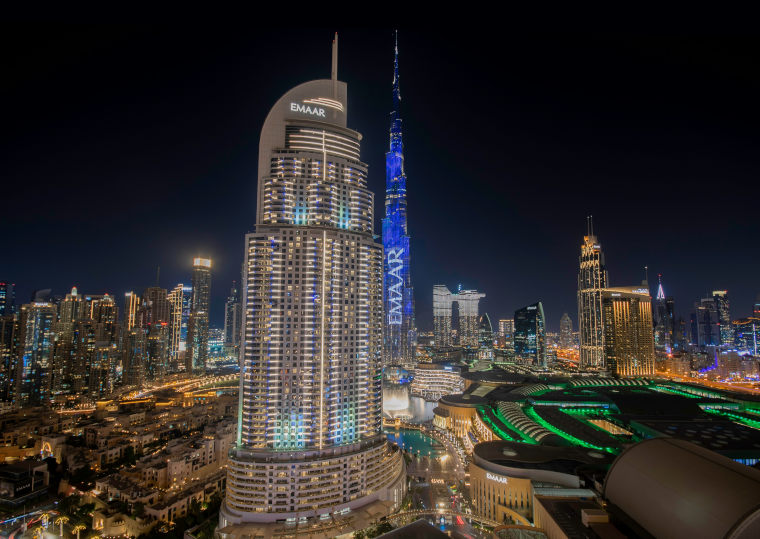 Image source: Riyas Mohammed / unsplash.com
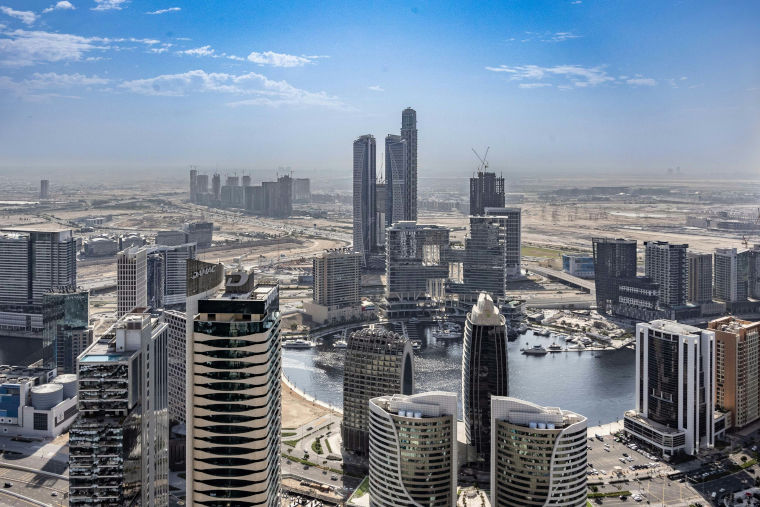 Image source: Nelemson Guevarra / unsplash.com

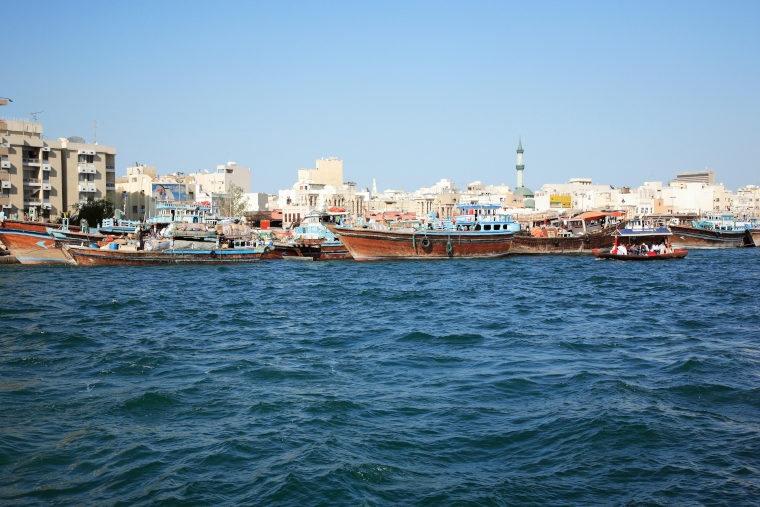 Image source: Saj Shafique / unsplash.com


 Image source: Nelemson Guevarra / unsplash.com

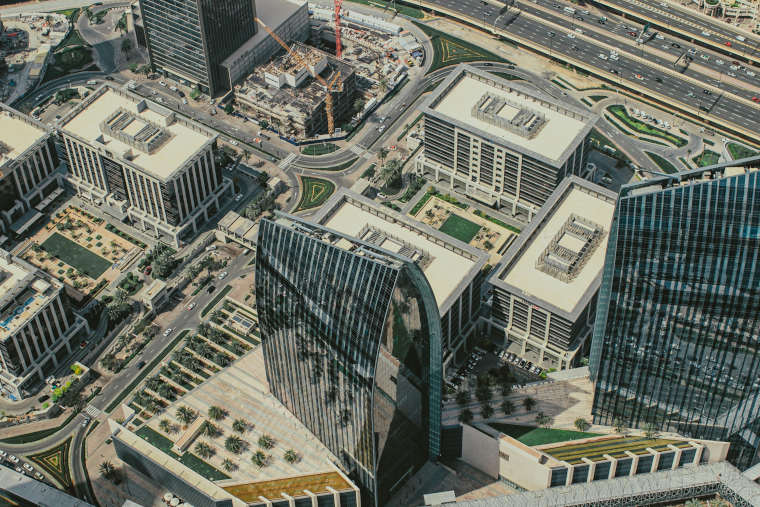 Image source: Kate Trysh / unsplash.com


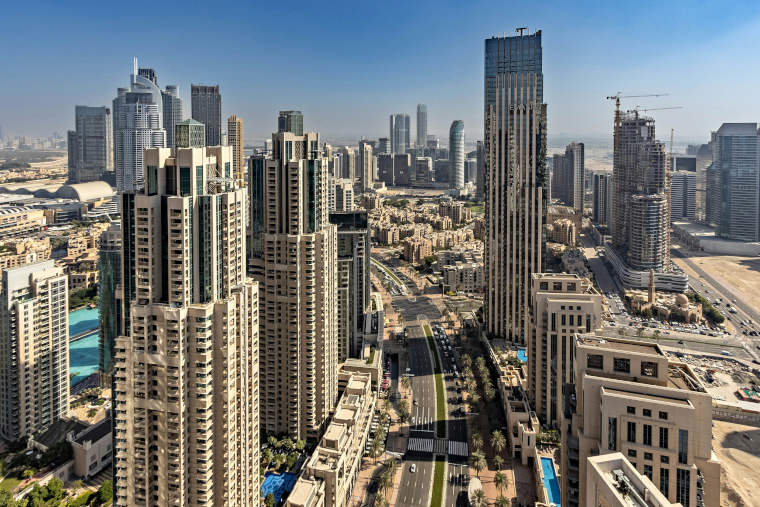 Image source: Nelemson Guevarra / unsplash.com
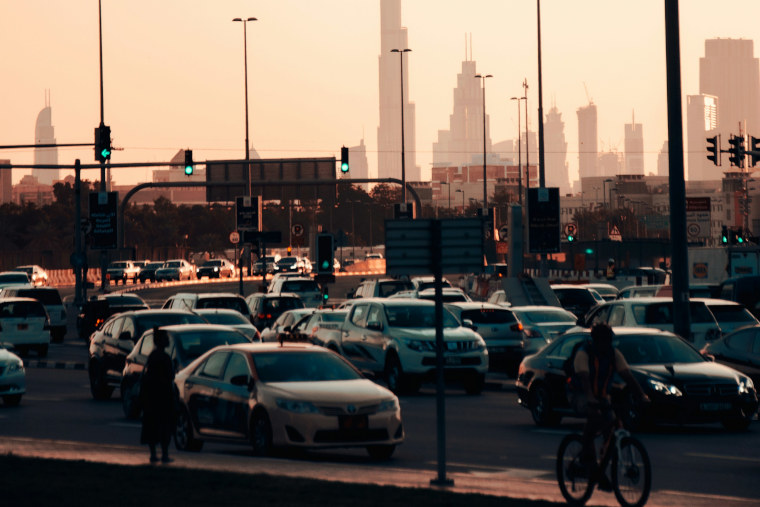 Image source: Phil Korn / unsplash.com