UAE Army: modern armed forces in the heart of the Persian Gulf
Save the article:
Who serves in the UAE Army? The modern United Arab Emirates have turned their armed forces into one of the most technologically advanced armies in the Middle East, where both citizens of the country and foreign specialists serve.
How strong is the UAE Army? Despite a modest strength of 63,000 personnel, the UAE armed forces occupy high positions in world military rankings thanks to modern equipment and significant military expenditure of 30 billion dollars annually.
History and Development of the UAE Armed Forces
The modern armed forces of the UAE have gone through a complex path of formation, reflecting the process of unifying seven emirates into a single federal state. The history of the UAE Army is inextricably linked with political processes and the economic development of the country.
Creation of a unified army in 1976
The first armed units in the region appeared back in the 1950s, when individual emirates began to form their own forces. However, the real history of the unified armed forces began in 1976, when a single military command centre was created.
The unification process proved to be difficult. In 1978, Dubai and Ras Al Khaimah temporarily withdrew from the unified forces, which reflected political disagreements between the emirates.
Ras Al Khaimah subsequently returned to the federal armed forces, however, Dubai still retains significant autonomy in the military sphere, maintaining its own armed forces with a strength of about 15,000 personnel.
The territory of the UAE was divided into three military districts: Central (Dubai, Sharjah, Ajman, Umm Al Quwain), Western (Abu Dhabi) and Northern (Ras Al Khaimah, Fujairah). Such a structure remains today, ensuring effective command of troops across the federation's territory.
Military budget and investment in defence
The economic boom of the 1990s allowed the UAE to radically increase military expenditure. If in the mid-1990s the military budget was 2 billion dollars, by the end of the decade it had grown to 3.2 billion dollars. Real military expenditure was even higher — 3.8 billion dollars in 1999 and 3.9 billion dollars in 2000.
By 2018, the UAE's military expenditure reached an impressive 30 billion dollars, which puts the country on a par with the world's leading military powers in relative terms. These investments allowed the creation of one of the most modern armies in the region.
In terms of arms imports in the 1990s, the UAE could only compete with Saudi Arabia. The country consistently invested in the most advanced military technologies, sparing no expense to purchase the best weaponry from leading world manufacturers.
Stages of UAE Army modernisation
The modernisation of the UAE armed forces took place in several stages. In the 1990s, the main emphasis was placed on replacing obsolete equipment with modern Western models. A typical example was the 1993 contract for the supply of 436 Leclerc tanks worth up to 4.6 billion dollars — at that time the UAE had only 136 main battle tanks.
In the 2000s, the development of the Air Force became the priority. Large-scale contracts were signed with France for the supply of Mirage-2000-9 fighters (5.5 billion dollars) and with the USA for the supply of 80 F-16C/D fighters (6.4–7.9 billion dollars).
Image source: Abed Ismail / unsplash.com
From the 2010s, the emphasis shifted to air defence and anti-missile defence systems. The UAE became one of the first countries to receive the American THAAD missile defence system, and also deployed Patriot PAC-3 batteries.
The latest stage of modernisation involves the development of cyber forces, unmanned systems and space technologies. A space reconnaissance centre and a national ground station for analysing satellite information operate in Abu Dhabi.
Strength and Structure of the UAE Army
The UAE armed forces represent a compact but high-tech military organisation. The structure of the army reflects the geographical features of the country and its strategic priorities in the Persian Gulf region.
Total strength of the armed forces
As of 2024, the total strength of the UAE armed forces is about 63,000 personnel. This figure includes all branches of the armed forces: Land Forces, Air Force, Navy and special units.
For comparison: in 2010, the army's strength was 51,000 personnel, which indicates a gradual increase in the country's military potential. The growth in numbers is connected both with the expansion of mandatory military service and with the attraction of foreign specialists.
A distinctive feature of the UAE army is the high proportion of foreign servicemen. By 2021, 85% of the personnel consisted of foreigners, predominantly originating from Yemen and other Arab countries.
This structure is due to the small number of UAE citizens (about 10% of the country's total population) and the need for experienced military specialists.
Land Forces and their composition
The Land Forces constitute the basis of the UAE armed forces with a strength of 44,000 personnel. They include:
Additionally, the Dubai Army possesses 2 mechanised brigades, which are formally integrated into the general structure but retain certain autonomy.
The main armament of the Land Forces includes 385 main battle tanks, over 2,000 armoured combat vehicles, 641 artillery guns and MLRS, and over 300 ATGM launchers.
Air Force and Aviation
The Air Force and Air Defence Forces number 4,500 personnel and are divided into three operational commands: Western (Abu Dhabi), Eastern (Dubai) and Northern (Sharjah).
64 military transport aircraft (including 8 heavy C-17s)
86 training aircraft
3 aerial refuelling aircraft
29 combat helicopters
The UAE Air Force possesses an extensive arsenal of modern aviation weapons, including guided munitions, long-range missiles and the latest AMRAAM air-to-air missiles.
Naval Forces and Coast Guard
The UAE Naval Forces number 2,000 personnel and are intended mainly for operations in the coastal zone of the Persian Gulf and the Arabian Sea.
Fleet composition:
15 combat ships
Up to 50 combat boats (including 12 missile boats)
5 auxiliary vessels
2 carriers of ultra-long-range torpedoes
Naval aviation:
22 helicopters of various types
The main naval base is located in Abu Dhabi. The fleet is actively replenished with new ships and boats, however, its combat capability is currently assessed as insufficiently high.
Image source: SnapSaga / unsplash.com
The National Coast Guard is tasked with protecting territorial waters, combating smuggling and ensuring the security of maritime communications in the region.
Military Service in the UAE: Specifics and Requirements
The military service system in the UAE reflects the country's leadership's desire to strengthen national identity and ensure reliable defence of the state. The introduction of mandatory service became an important step in the development of the armed forces.
Mandatory service for male citizens
In 2014 the UAE implemented mandatory military service for all male citizens. This step was driven by the need to increase the share of UAE citizens within the armed forces and strengthen national unity.
Age limits and conditions for conscription:
Conscription age: from 18 to 30 years (usually conscripts are under 24 years old)
The obligation applies to all male citizens without exception
Even sons of ruling families undergo military service on a par with others
Terms of service depend on the level of education:
For men without a high school diploma — 16 months
For high school and university graduates — 11 months
In case of mobilisation or emergency situations, the terms may be extended
The system of differentiated service terms stimulates education and contributes to improving the overall level of training of conscripts.
Voluntary service of women in the army
The UAE became one of the first Arab countries to allow women to serve in the armed forces. Since 2014, female citizens can undergo voluntary military service lasting 11 months.
Many women enthusiastically take part in military service, seeing it as an opportunity to make a contribution to the defence of the homeland and demonstrate patriotism.
Role of foreign servicemen
A unique feature of the UAE army is the high proportion of foreign servicemen. By 2021, foreigners made up 85% of the personnel, which is explained by several factors:
Sources of staffing:
Predominantly originating from Yemen and other Arab countries
Specialists from Western countries on a contract basis
Military instructors and advisors
Reasons for attracting foreigners:
Small number of UAE citizens (about 10% of the country’s population)
Need for experienced military specialists
Need for rapid build-up of military potential
Linguistic and cultural advantages of Arab servicemen
Foreign servicemen play a key role in maintaining the combat readiness of the army and transferring experience to local personnel. However, high dependence on foreign personnel remains one of the vulnerabilities of the UAE armed forces.
Image source: L M / unsplash.com
Basic training for all recruits lasts 3 months and includes:
Military discipline and tactical training
Physical training and survival in the desert
Fire training with modern weapons
Basics of cybersecurity and working with high-tech equipment
After basic training, servicemen are sent to various branches of the armed forces depending on abilities and the army's needs. The most capable may get into elite units or onto additional courses on unmanned systems and cyber warfare.
Armament and Technical Equipment
The UAE armed forces are distinguished by exceptionally modern technical equipment, which allows a small army to maintain a high level of combat readiness. The country consistently invests in the most advanced military technologies.
Modern tanks and armoured vehicles
The basis of the UAE armoured forces consists of French Leclerc tanks, which are considered some of the best in the world. The contract for their supply, concluded in 1993, became one of the biggest export successes of the French defence industry.
46 armoured recovery vehicles based on the Leclerc
Before the modernisation of the 1990s, the UAE possessed only 136 main battle tanks of obsolete types (100 AMX-30 and 36 OF-40), which shows the scale of the modernisation carried out.
Other armoured vehicles:
Over 2,000 armoured combat vehicles
BMP-3 of Russian manufacture
Various types of armoured personnel carriers
Armoured vehicles for special operations
The Presidential Guard additionally possesses 50 tanks and modern BMP-3s, which ensures a high level of protection for key objects.
Aviation fleet and fighters
The UAE Air Force is equipped with some of the most modern combat aircraft in the world. The basis consists of American and French fighters of the latest generations.
Image source: Abed Ismail / unsplash.com
Multifunctional fighters:
F-16E/F Block 60 fighters represent a unique modification created specifically for the UAE. These machines are equipped with:
Modern AESA radar
Conformal fuel tanks
Electronic warfare systems
Capability to use a wide spectrum of weaponry
French "Mirage-2000" of various modifications complement the aviation fleet:
30 new Mirage-2000-9
33 modernised Mirage-2000-5
7 reconnaissance Mirage-2000ED
Prospects for development: In 2018, the US President proposed considering the supply of 24 fifth-generation F-35 fighters for the UAE Air Force, which may become the next stage of aviation modernisation.
Air defence systems
The UAE has created one of the most modern air defence systems in the region, capable of withstanding various aerial threats.
Long-range surface-to-air missile systems:
System
Number of batteries
Launchers
Features
Patriot PAC-3
9
72
ABM capabilities
THAAD
2
9
Interception of ballistic missiles
I-HAWK
7
42
Modernised complex
Short-range systems:
SAM Crotale of French manufacture
SAM Rapier
ZRPK Pantsir-S1 of Russian manufacture (50 units)
40 man-portable air defence systems
The Emirates possess a modern system of radar control of airspace and plan to create an integrated centre for command of air operations and missile defence.
Innovative solutions:
The UAE is actively developing unmanned systems of various purposes. The military corporation EDGE Group, founded in 2019, operates in the country and produces:
Attack drones
Reconnaissance UAVs
Electronic warfare systems
High-precision munitions
A characteristic feature of the UAE's military-technical cooperation is the creation by suppliers of special modifications of weaponry according to the requirements of Emirati customers, which ensures maximum adaptation of equipment to local operating conditions.
UAE Army in World Ranking and Its International Activity
Despite a relatively small strength, the UAE armed forces play a significant role in regional and international security. The country actively projects military power beyond its borders and maintains broad defence ties.
Place in global military rankings
The UAE Army occupies a worthy place in international military rankings thanks to modern equipment, high military expenditure and combat experience.
Military expenditure per capita: one of the highest in the world
Ratio of military expenditure to GDP: about 5–6%
In terms of arms imports, the UAE consistently enters the top 10 countries of the world. In the 1990s only Saudi Arabia could compete with the Emirates in this indicator among regional states.
The qualitative characteristics of the UAE army allow it to perform effectively in coalition operations with the armed forces of leading Western countries. This is confirmed by joint exercises and combat operations.
Participation in military operations abroad
The UAE has become one of the most active Arab countries in terms of participation in international military operations. Such a policy reflects the ambitions of the leadership to turn the country into a regional power.
Operation in Yemen (2015-2020):
Participation in the coalition led by Saudi Arabia
Deployment of land forces and aviation
Creation of local allied formations
Conducting counter-terrorist operations
During the Yemeni conflict, the UAE army acted more effectively than Saudi forces, demonstrating better training and tactical flexibility. In February 2020, the Emirates completed the withdrawal of their troops from Yemen.
Other operations:
Gulf War (1991)
Civil war in Libya (from 2011)
Operations against the Islamic State in Syria
Peacekeeping missions in Afghanistan and Somalia
International military cooperation
The UAE maintains extensive military-technical ties with leading world powers, which ensures access to the most modern technologies and weapon systems.
Main partners:
The United States acts as the main ally and supplier of weaponry for the UAE. American companies have supplied F-16E/F Block 60 fighters, THAAD and Patriot missile defence systems, as well as heavy C-17 transport aircraft. Washington provides the Emirates with security guarantees in the event of a potential conflict with Iran.
France remains a traditional partner of the UAE in the field of defence for decades. French manufacturers have supplied Leclerc main battle tanks, Mirage-2000 fighters of various modifications and Crotale air defence systems. Joint exercises and active exchange of military experience are regularly held between the two countries.
Russia specialises in the supply of specific types of weaponry where Russian technologies have competitive advantages. For 734 million dollars, 50 Pantsir-S1 anti-aircraft missile-gun systems were supplied, as well as BMP-3 infantry fighting vehicles and multiple launch rocket systems.
Other important partners include Great Britain, which provides services for training military personnel and military consultancy, Germany, supplying various military technologies, China, specialising in unmanned systems, and Belarus, which supplies special military equipment.
Regional cooperation:
The UAE is an active participant in military integration within the framework of the Gulf Cooperation Council (GCC):
Participation in the Peninsula Shield Force
Joint exercises with the armies of Saudi Arabia, Kuwait, Bahrain
Coordination in the field of air defence and missile defence of the region
The UAE armed forces regularly participate in international military exercises, which increases their combat readiness and ability to interact with allies. The army's personnel take part in training servicemen of other countries, especially in Africa and the Middle East.
Frequently Asked Questions
What is the total strength of the UAE Army?
The total strength of the UAE armed forces is about 63,000 personnel. This includes all branches of the armed forces: Land Forces (44 thousand), Air Force (4.5 thousand), Navy (2 thousand) and the Presidential Guard (12 thousand). For comparison, in 2010 the strength was 51,000 personnel.
Is military service in the UAE mandatory for all citizens?
Since 2014, military service is mandatory for all male citizens aged from 18 to 30 years. The term of service depends on education: 16 months for men without a high school diploma, and 11 months for high school and university graduates.
Image source: EduLife Photos / shutterstock.com
Women can undergo voluntary service lasting 11 months.
Who makes up the basis of the UAE army's personnel?
By 2021, 85% of the UAE army's personnel were foreigners, predominantly originating from Yemen and other Arab countries. This is explained by the small number of UAE citizens (about 10% of the population) and the need for experienced military specialists.
What place does the UAE army occupy in world rankings?
The UAE Army is one of the leading military forces of the region thanks to modern equipment and high military expenditure (30 billion dollars in 2018). In terms of arms imports, the country is consistently in the top 10 of the world, and in terms of military expenditure per capita — among the world leaders.
With what modern systems is the UAE army equipped?
The UAE armed forces are equipped with the most modern technology: 388 Leclerc tanks, 78 F-16E/F Block 60 fighters, 58 Mirage-2000 fighters, THAAD and Patriot PAC-3 missile defence systems, 50 Pantsir-S1 ZRPK. The supply of fifth-generation F-35 fighters is planned.
In which international operations has the UAE army participated?
The UAE actively participates in international military operations: the Gulf War (1991), operations in Yemen (2015–2020), the civil war in Libya, the fight against the Islamic State in Syria, peacekeeping missions in Afghanistan and Somalia.
In the Yemeni conflict, the UAE army showed higher effectiveness compared to Saudi forces.
How much does the UAE spend on defence and where does it purchase weaponry?
The UAE spends about 30 billion dollars annually on defence, which is 5–6% of GDP. The main suppliers of weaponry are the USA (fighters, missile defence systems), France (tanks, aviation), Russia (SAMs, BMPs), as well as Great Britain, Germany and China. The country is included in the top 10 world importers of military products.
What is the command structure of the UAE armed forces?
The Supreme Commander is the President of the UAE, the Deputy is the Crown Prince of Abu Dhabi. Important military issues are decided by the Supreme Council of Rulers. The territory is divided into three military districts: Central, Western and Northern. Dubai retains its own armed forces with a strength of 15,000 personnel.
The modern UAE army is a unique example of how a small state can create highly effective armed forces thanks to correct investments, international cooperation and a clear understanding of its strategic goals. From modest beginnings in the 1970s to modern high-tech forces — the path of the UAE Army reflects the transformation of the entire country into an important regional player.
VAT and Tax Free in Dubai. The difference between Tax Free and Duty Free in Dubai. The Tax Free procedure in Dubai. New VAT refund system in Dubai. 6 important nuances of Tax Free registration in Duba...
This article discusses which emirates are better and the characteristics of the UAE regions. While tourists are interested in hotels, beaches and entertainment infrastructure, other factors must be co...
Visa-free entry to the UAE for citizens of Russia. Required documents for entry to the UAE. Travelling to the UAE with children and minors. Payment methods and finances in the UAE for Russians. Custom...
The creation and development of the World Islands. Infrastructure of the World Islands. Location and transport accessibility of the World Islands. Real estate on the World Islands. Frequently Asked Qu...
What is an emirate? History of the Arab Emirates. Interesting facts about the Emirates that you probably didn't know. Meaning of the names of the Arab Emirates. Frequently asked questions about the Em...



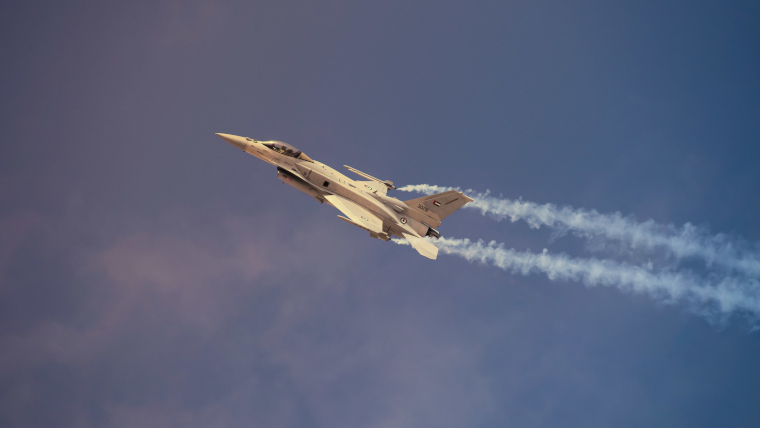 Image source: Abed Ismail / unsplash.com

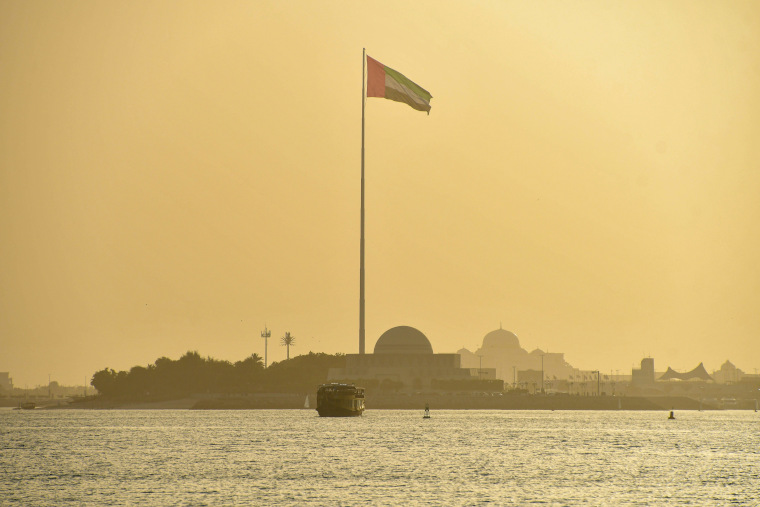 Image source: SnapSaga / unsplash.com

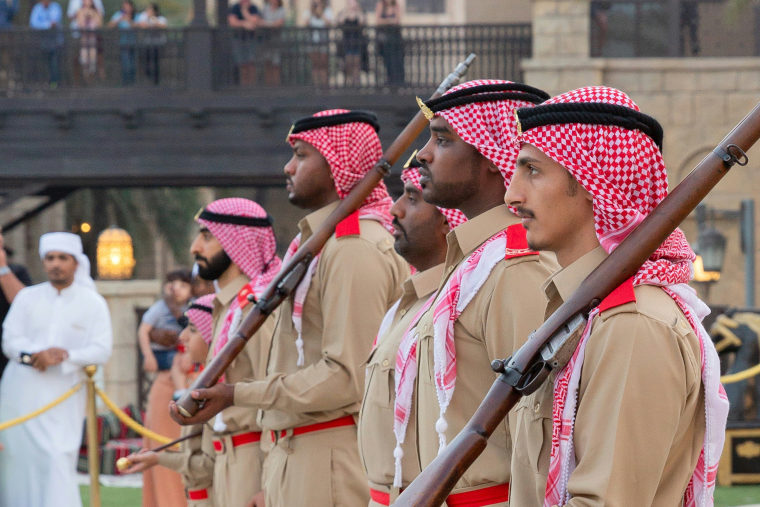 Image source: L M / unsplash.com

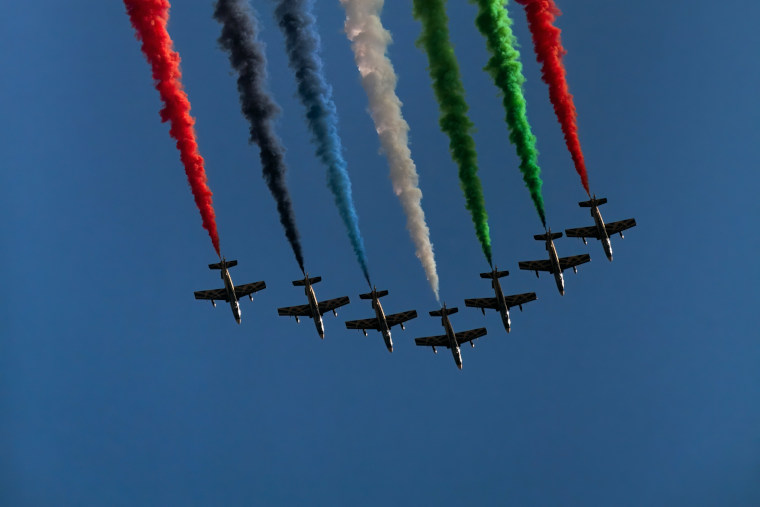 Image source: Abed Ismail / unsplash.com


 Image source: EduLife Photos / shutterstock.com