UAE Borders: With Which Countries Do the United Arab Emirates Share a Border
Save the article:
Where exactly are the borders of the UAE? The United Arab Emirates is situated in a strategically important section of the Arabian Peninsula and shares borders with three countries. As a federal state, the UAE has land borders with Saudi Arabia and Oman, and maritime borders with Iran. The largest UAE cities are located on the coast, where the Emirates achieved maximum development thanks to trade routes.
Are there any disputed zones? Despite the relative stability of the region, the UAE is engaged in disputes with Iran over three strategically important islands in the Persian Gulf. Some sections of the UAE’s land borders remain undefined to this day. On the regional map, these disputed territories of the UAE are marked specifically, which underscores the complexity of the border situation in which the emirates find themselves.
Geographical Position of the UAE on the World Map
The United Arab Emirates occupies a unique geographical position, which has turned the country into a crucial transport and economic hub between Asia, Africa, and Europe. The geography of the UAE determines the modern development of the emirates and its international relations with neighbouring countries.
Dubai and Abu Dhabi have become the largest cities in the UAE thanks to the advantageous location of the emirates. The world map clearly demonstrates the strategic importance of the place the country occupies in the system of international relations.
Location in the northeast of the Arabian Peninsula
The UAE is located in the northeastern part of the Arabian Peninsula, which provides the emirates with an advantageous strategic position in the region. The emirates occupy a territory with an area of 83,600 km², which is comparable to the size of Austria or Portugal. The regional map shows the importance of the UAE's position in the world, and information about the emirates' borders helps to understand the geopolitical significance the UAE holds for neighbouring countries.
The UAE stretches from west to east for approximately 650 km, and from north to south for 300 km. The extreme northern point of the UAE is located at latitude 26°04' North, the southern border of the emirates — at 22°50'. The eastern border of the UAE runs along 56°23' East longitude, the western border of the emirates — along 51°00'.
Such a location makes the UAE a "gateway" between various regions of the world, where the emirates play a key role in international trade:
To the north, across the Persian Gulf from the UAE, lies the route to Iran and further to Asian countries
To the east of the emirates lies the Indian Ocean with trade routes to India and the countries of Southeast Asia
To the west of the UAE are the territories of Saudi Arabia and other Arab countries of the region
To the south of the emirates, there are routes to the countries of East Africa, including Egypt
Access to the Persian and Oman Gulfs
The coastline of the UAE stretches for 1,318 km and is washed by the waters of two gulfs, which ensures the emirates access to international maritime routes. The northern coast of the UAE opens to the Persian Gulf, the eastern coast of the emirates — to the Gulf of Oman, which is part of the Arabian Sea.
The Persian Gulf provides the UAE with access to the most important maritime trade routes of the region. Through these waters, washing the emirates, passes a significant part of the world's oil exports. The coastal strip of the Persian Gulf in the UAE area is heavily indented with numerous bays, lagoons, and inlets, which creates excellent conditions for the construction of ports.
Image source: Nithin Najeeb / unsplash.com
The Gulf of Oman is less indented but also holds strategic importance for the UAE and the development of the eastern emirates. The eastern coast of the UAE is distinguished by more mountainous relief, where rocky cliffs alternate with the pebble beaches. The map of the UAE coast demonstrates a diversity of natural conditions in which the emirates develop.
Total area and length of borders
The total length of the UAE borders is approximately 1,600 km, which defines the perimeter of the emirates' territory:
Border Type
Length
Features
UAE Land borders
867 km
With Saudi Arabia and Oman
Maritime borders of the emirates
1,318 km
Coastline of two gulfs
The land borders of the UAE run predominantly through territories with an arid climate. The UAE border with Saudi Arabia stretches for 457 km, the border of the emirates with Oman — for 410 km. The maritime waters of the UAE border the waters of Iran across the Persian Gulf. Al Ain and other border cities of the UAE play an important role in the trade of the emirates with neighbouring countries. Dubai is located in the central part of the UAE and serves as the main transport hub of the emirates.
Hajar mountain regions in the east of the UAE
The eastern part of the UAE differs radically from the desert western regions of the emirates. In the east stretches the Hajar mountain system, which is a continuation of the Omani mountains and serves as a natural border of the UAE with Oman. The highest points of the emirates are located in this region of the UAE.
The Hajar Mountains within the UAE rise to a height of up to 1,527 metres above sea level. The highest point of the UAE — Jebel Jais — is located in the emirate of Ras Al Khaimah. This mountainous area of the UAE is distinguished by a milder climate compared to the desert regions of the emirates.
More rainfall is observed in the mountainous regions of the UAE — up to 250 mm per year, which creates more favourable conditions for the emirates in terms of water supply and agriculture.
Land Borders of the UAE with Neighbouring Countries
The land borders of the UAE were formed over many decades and finally took shape only after the emirates received independence in 1971. Dubai and other emirates received a clear demarcation with neighbouring Arab countries of the region.
These UAE borders run through diverse natural zones — from coastal salt flats to the high-mountain regions. The map of UAE borders clearly shows the complexity of their configuration, which reflects the historical development of the emirates.
Border with Saudi Arabia in the south and west
The border between the UAE and Saudi Arabia is the longest land border of the emirates. It runs from the south to the west of the UAE, encompassing the territories of several emirates, but the greater part of it is in the emirate of Abu Dhabi. Al Ain has become an important border city of the UAE in this region, where the emirates actively develop cross-border trade.
This UAE border runs through the Rub' al Khali desert, which is often called The Empty Quarter. There, within the UAE, an arid climate with extremely rare precipitation prevails. The border of the emirates follows these natural landmarks:
Salt flats and sand dunes in the western part of the UAE
Rocky plateaus in the central regions of the emirates
Buraimi Oases in the east of the UAE border
The border crossing between the UAE and Saudi Arabia is carried out through several checkpoints of the emirates. The main ones are located in the area of the Buraimi oasis and on the motorway connecting Abu Dhabi with Riyadh. Abu Dhabi develops active economic ties with neighbouring countries through these border crossings of the UAE.
Border of the UAE and Oman in the east
The UAE border with Oman is more complex and runs through diverse landscapes of the emirates. A distinctive feature of this UAE border is that the territory of Oman partially surrounds the eastern emirates. On the map, it is clearly visible how this dividing line runs through the mountainous terrain of the UAE.
Image source: Nagendra Badiganti / unsplash.com
In the north, the UAE border runs through the Hajar mountain regions, where the highest point of the emirates is located — Jebel Jais (1,527 metres). This terrain creates natural obstacles and serves as a clear geographical demarcation between the UAE and Oman.
In the middle part, the UAE border crosses:
Valleys and gorges within the emirates
Sections of the rocky desert of the UAE
Rare oases with date palms on the territory of the emirates
In the south, the UAE border again emerges onto territories with an arid climate. The main highways linking the UAE with the Sultanate of Oman run here. Fujairah remains a key emirate of the UAE in this direction, ensuring the connection of the emirates with the Gulf of Oman.
Maritime borders with Iran and proximity to Qatar
The maritime borders of the UAE run along the waters of the Persian and Oman Gulfs, defining the emirate's maritime space. Across the Persian Gulf, the UAE borders Iran; the distance between the shores ranges from 54 to 95 km at various points of the emirates' water area. Dubai and other coastal cities of the UAE use these maritime routes for trade with neighbouring countries.
Qatar is located just 50 km northwest of the UAE. Although there is no direct land border between these states, their waters practically touch in the northern part of the Persian Gulf, where the emirates have maritime interests. Sharjah is located close to this area of the UAE and actively develops maritime connections of the emirates with neighbouring countries.
The maritime borders of the UAE run through strategically important areas:
The Strait of Hormuz — a key maritime route for transporting oil from the UAE
Numerous islands in the Persian Gulf belonging to the emirates
Areas of oil and gas fields on the maritime shelf of the UAE
Administrative Structure and Internal Borders
The UAE represents a federal state consisting of seven emirates. Each of these emirates retains significant autonomy and has its own internal borders. The administrative division of the UAE was formed historically and reflects the tribal structure of the region. The map of the emirates shows their unique placement within the UAE and helps to understand the features of governance of this Arab federation, where each emirate preserves its specific characteristics.
Seven emirates within the federation
The UAE Federation was formed on 2nd December 1971, when six emirates united into a single country. The seventh UAE emirate — Ras Al Khaimah — joined the federation in 1972. These Arab emirates created one of the most prosperous countries in the world, where each emirate contributes to the development of the UAE.
The emirates differ in area, population, and economic significance in the UAE structure:
Abu Dhabi — the largest emirate of the UAE, the capital of the federation
Dubai — the most important trade and financial centre of the Arab world and the UAE
Sharjah — the cultural capital of the Arab world within the UAE
Ras Al Khaimah — the centre of heavy industry of the emirates
Fujairah — the only UAE emirate on the coast of the Gulf of Oman
Ajman — the smallest emirate of the UAE
Umm Al Quwain — the least populated emirate of the UAE
Each emirate is governed by a hereditary ruler (emir), who possesses practically absolute power within his territory. At the same time, general federal issues of the UAE are resolved in Abu Dhabi, the capital of the emirates.
Territorial features of the largest emirates
Abu Dhabi occupies 85% of the territory of the entire UAE federation — about 67,340 km². The emirate of Abu Dhabi stretches from the coast of the Persian Gulf to the UAE borders with Saudi Arabia and Oman. The UAE's main oil fields are concentrated in Abu Dhabi, making this emirate the economic backbone of all the emirates.
Image source: Gamze Teoman / unsplash.com
Dubai, despite a smaller area (3,885 km²), plays a key role in the UAE economy. The emirate has an advantageous location on the shore of the Persian Gulf and controls important trade routes of the emirates. The city of Dubai has become one of the most famous centres of trade and tourism in the world. Abu Dhabi also attracts attention as the capital of the UAE and the location of the main state institutions of the emirates.
Specifics of the territorial division of the UAE:
Emirate
Area (km²)
Share of UAE
Administrative Centre
Abu Dhabi
67,340
85%
Abu Dhabi
Dubai
3,885
5%
Dubai
Remaining 5 emirates
8,146
10%
Ras Al Khaimah, Umm Al Quwain, Fujairah, Sharjah, Ajman
Natural Conditions of Border Territories
The natural conditions in the border regions of the UAE are extremely diverse and largely determine the nature of the emirates' borders with neighbouring countries. From sandy deserts in the west of the UAE to mountain peaks in the east of the emirates — the landscape changes radically across the territory of the UAE.
Rub' al Khali desert and desert borders
A large part of the southern and western border of the UAE runs through the Rub' al Khali desert — the largest sand-covered area in the world. This desert occupies about 650,000 km² and extends across the territory of four countries, including a significant part of the UAE.
Within the UAE, the Rub' al Khali desert covers approximately 90% of the territory of the emirates. A tropical desert climate with extremely high temperatures prevails there. In summer in these regions of the UAE, the thermometer often rises above 50°C, and in winter the temperature in the emirates rarely drops below 20°C.
Main characteristics of the desert border territories of the UAE:
Shifting sand dunes up to 250 metres high on the territory of the emirates
Salt flats in the lowlands and coastal regions of the UAE
Extremely sparse vegetation in the desert regions of the emirates
Complete absence of permanent watercourses in the greater part of the UAE
Precipitation in this region of the UAE is less than 100 mm per year, and rains in the emirates happen extremely rarely and irregularly. The main part of the moisture in the desert regions of the UAE comes in the form of dew in the winter months.
Hajar Mountain regions in the east
The UAE's mountainous regions receive more rainfall — up to 250 mm per year. In these regions you may find:
Patches of green vegetation in the valleys of the UAE
Rare permanent water sources on the territory of the emirates
Terraced slopes with date palms in the mountain regions of the UAE
Small oases in the intermontane basins of the emirates
The mountainous terrain creates more favourable conditions for life and agriculture in the eastern regions of the UAE. Dates, citrus fruits, and vegetables are grown in the oases of the emirates.
Disputed Territories and Border Conflicts
Despite the relative stability in the region, the UAE has several disputed zones with neighbouring countries. These conflicts are rooted in the colonial past and are linked to the strategic importance of disputed territories.
Image source: fariz Safarulla / unsplash.com
The United Arab Emirates strives to resolve these issues peacefully, maintaining diplomatic relations with neighbouring countries.
Disputes with Iran over islands
The most significant dispute is conducted between the UAE and Iran over three islands in the Persian Gulf: Abu Musa, Greater and Lesser Tunbs. These islands have strategic importance for the UAE, as they control the maritime routes of the emirates and possess potential oil and gas resources.
The conflict began in 1971, when Iran seized these islands on the eve of the UAE's declaration of independence. Since then, this issue remains one of the most contentious in relations between the UAE and neighbouring countries of the region.
Positions of the parties in the dispute:
The UAE insists on the historical right of the emirates to the islands and demands their return
Iran asserts that the islands are an integral part of Iranian territory
The international community recognises the UAE’s right to these territories, but Iran continues their occupation
Iranian military bases are located on the islands, which creates tension in the region and affects the security of the UAE. The Emirates continue diplomatic efforts to regain these territories.
Undefined sections of land borders
Besides disputes with Iran, there are undefined sections of the UAE land borders with neighbouring Arab states. Although the main demarcation lines of the emirates have been defined, some regions of the UAE still cause controversy.
Some sections of the UAE border with Oman in the Hajar mountain regions
Disputed territories in the desert areas on the border of the emirates with Saudi Arabia
Maritime borders of the UAE in areas of oil and gas fields
The majority of these disputes are technical in nature and relate to the precise definition of the UAE border line in hard-to-reach regions. The emirates are negotiating with neighbouring countries to finally resolve all contentious issues.
In recent years, the UAE has been actively working on the peaceful resolution of these disputes. The emirates follow a policy of dialogue and compromise, striving for stability in the region and the development of good-neighbourly relations with surrounding countries.
Frequently Asked Questions about UAE Borders
With which countries do the UAE share a border?
The UAE has land borders with two countries: with Saudi Arabia (in the south and west of the emirates) and Oman (in the east of the UAE). The Emirates' maritime border with Iran runs through the Persian Gulf. Qatar is located in immediate proximity to the UAE — just 50 km to the northwest, but there is no direct border between these countries.
What is the total length of the UAE borders?
The total length of the UAE borders is about 1,600 km. Of these, 867 km are land borders (457 km of the UAE border with Saudi Arabia and 410 km of the emirates' border with Oman), and 1,318 km are the coastline of the UAE, washed by the Persian and Oman Gulfs.
Image source: RAHUL NADUVATH / unsplash.com
This information is important for understanding the scale of the emirates' territory and their strategic position among the countries of the region.
Do the UAE’s borders extend across the sea?
Yes, the UAE has maritime borders with Iran across the Persian Gulf. The distance between the shores of the UAE and Iran ranges from 54 to 95 km at various points.
What disputes is the UAE engaged in?
The main dispute the UAE is engaged in is with Iran over three islands in the Persian Gulf: Abu Musa, and Greater and Lesser Tunbs. Iran occupied these islands in 1971, but the international community and neighbouring countries recognise the UAE’s rights to these territories. The emirates continue diplomatic efforts to resolve this issue peacefully.
Where is the highest point of the UAE located?
The highest point of the UAE — Jebel Jais with a height of 1,527 metres — is located in the Hajar mountain system in the emirate of Ras Al Khaimah near the border of the emirates with Oman.
Which desert occupies the greater part of the UAE territory?
The Rub' al Khali desert (The Empty Quarter) covers about 90% of the UAE territory. It is the largest sand-covered area in the world, and also extends into the territory of Saudi Arabia, Oman, and Yemen.
Within the UAE, this desert determines the climate and natural conditions of the majority of the emirates.
How many emirates are part of the UAE?
The UAE consists of seven emirates: Abu Dhabi, Dubai, Sharjah, Ras Al Khaimah, Fujairah, Ajman, and Umm Al Quwain. Each UAE emirate retains significant autonomy and has its own internal borders. Abu Dhabi is the largest emirate and the capital of the UAE, occupying 85% of the territory of all emirates.
When were the UAE borders defined?
The UAE's current borders were largely established after the emirates gained independence on 2nd December 1971. However, some sections of the UAE borders, particularly in the desert regions and mountain areas of Hajar, continue to be clarified through bilateral negotiations of the emirates with neighbouring countries of the region.
What role does Abu Dhabi play in the UAE?
Abu Dhabi occupies a special place among the emirates as the capital of the UAE and the largest emirate of the federation. The territory of the emirate accounts for 85% of the UAE's total area. The majority of oil resources of the Emirates are in Abu Dhabi, which makes it the economic backbone of the entire UAE. The city of Abu Dhabi is the administrative centre of the UAE federation, where key decisions for all emirates are made.
How are the UAE's relations with neighboring countries developing?
The UAE maintains active diplomatic and trade relations with the majority of neighbouring countries of the region. The emirates are developing economic cooperation with Saudi Arabia and Oman; at the same time, the UAE strives for a peaceful resolution of disputed issues with Iran.
Image source: fizkes / shutterstock.com
Emirati diplomacy aims to create a stable and prosperous regional system, where the UAE plays the role of a bridge between various countries and cultures.
Specifics of property rights types in the UAE. What is freehold? What is leasehold? Usufruct and musataha. Pros and cons of different forms of ownership in the UAE. Frequently asked questions about ty...
What is an emirate? History of the Arab Emirates. Interesting facts about the Emirates that you probably didn't know. Meaning of the names of the Arab Emirates. Frequently asked questions about the Em...
Demographic indicators of the Arab Emirates. General information about the population of the Arab Emirates. Benefits for the indigenous population of the Arab Emirates. Rules for communicating with th...
General information about alcohol consumption rules in Dubai. Alcohol-related fines in Dubai. Places where you can buy alcohol in Dubai. Popular restaurants and nightclubs in Dubai licensed to sell al...
Nuances of living with children in Dubai. Advantages and disadvantages of relocating to Dubai with children. Requirements for relocation to Dubai. Expenses related to relocation to Dubai. Best areas f...
Where to invest money in the near future? Where to invest money in the UAE? Attractiveness of investing money in the UAE. Investment directions in the UAE. Investing in UAE real estate. Investment obj...
Calendar of official holidays of the UAE. Muslim events in the UAE: traditions and rules of conduct. Opening hours of institutions and businesses during holidays. National events and public occasions...



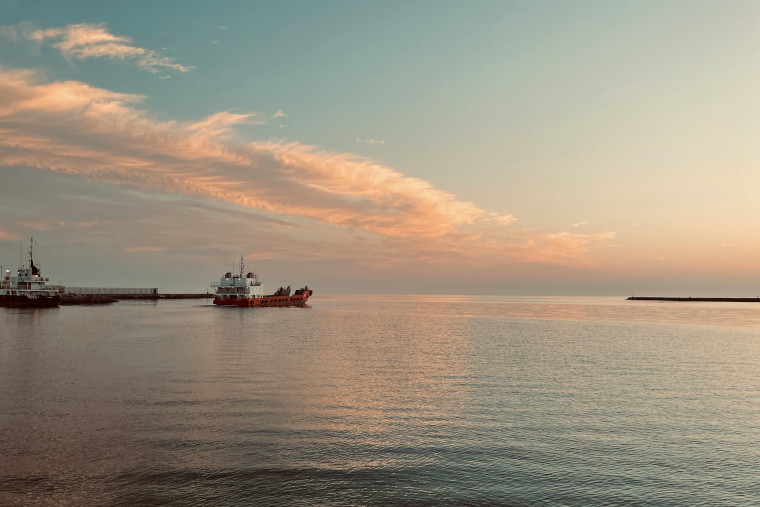 Image source: Nithin Najeeb / unsplash.com

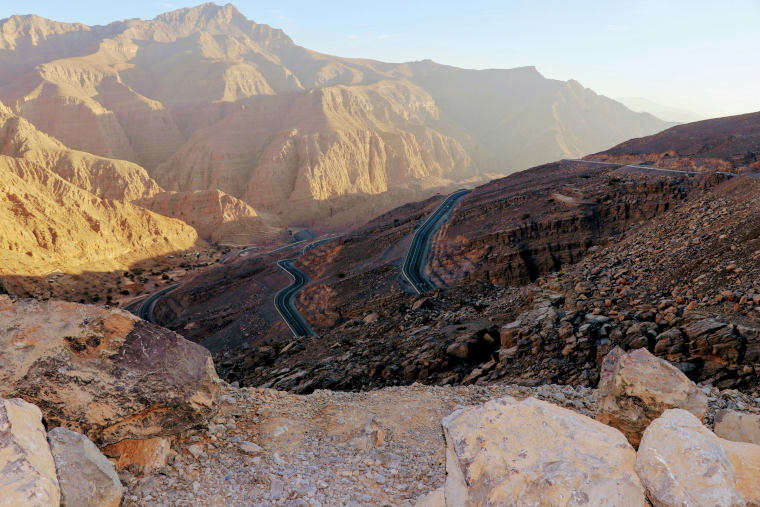 Image source: Nagendra Badiganti / unsplash.com

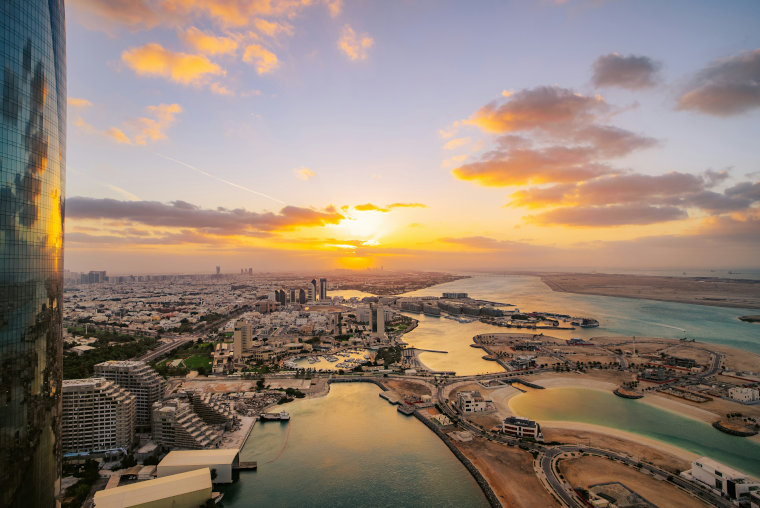 Image source: Gamze Teoman / unsplash.com

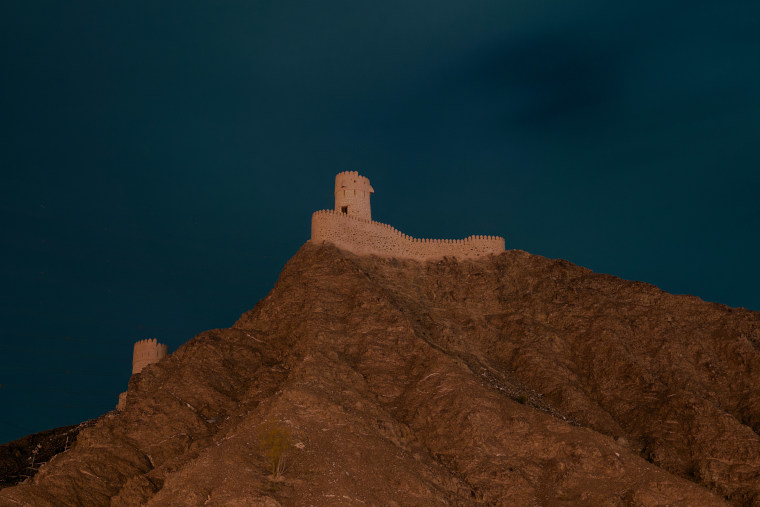 Image source: fariz Safarulla / unsplash.com

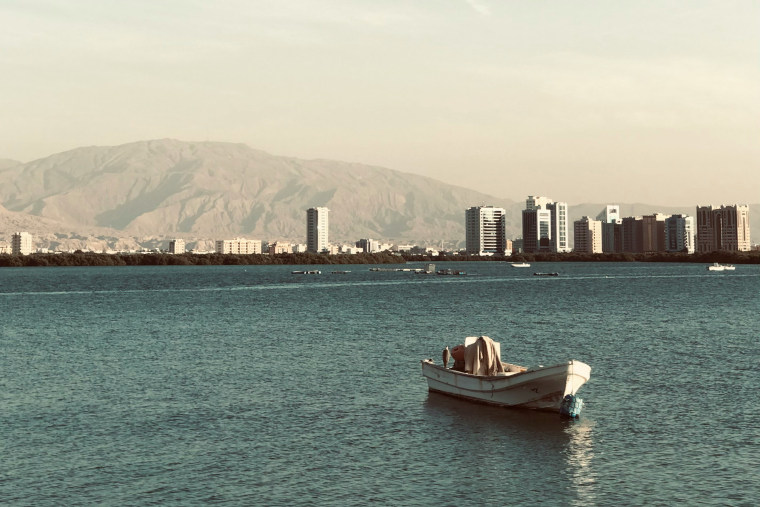 Image source: RAHUL NADUVATH / unsplash.com

 Image source: fizkes / shutterstock.com