What is it about? Ajman is a small emirate within the UAE, which often remains in the shadow of its more famous neighbours, Dubai and Abu Dhabi. However, it is precisely this modest size that gives it a special charm: free from megaprojects and giant skyscrapers, it retains the authentic atmosphere of a traditional Arabian coastline.
What to consider? Ajman attracts travellers and investors with moderate prices, a calm environment, and proximity to the country's key transport hubs. There is a large selection of property near the beaches on the real estate market — the pride of the small emirate. Investments in it pay off faster than in Dubai.
Where Ajman is Located
Ajman is the smallest emirate in the UAE in terms of area, occupying only 259 square kilometres. This is comparable to the area of Russian cities such as Orenburg, Stavropol, or Cheboksary. Compared to Moscow (excluding the territory of New Moscow), Ajman is approximately 10 times smaller.
Despite its small size, Ajman ranks fourth among the seven emirates in terms of population, ahead of Ras Al Khaimah, Fujairah, and Umm Al Quwain.
According to statistical data for 2024, about 550 thousand people live there. At the same time, indigenous Arabs who are citizens of the country constitute only 42,186 people, or 7.9% of the total number of residents. The rest of the population are labour migrants from Iran, Pakistan, India, and other third world countries.
Where is Ajman located? The emirate's territory includes the main coastal area on the shore of the Persian Gulf, as well as two remote exclaves — Masfout and Manama. Almost the entire central region is occupied by the city of Al Ajman and the suburban district of Al Hamidiyah, where industrial zones, warehouses, and undeveloped wastelands are concentrated.
Image source: Ayshamarjana / wikipedia.org
When coming to the UAE, many ask "Where is Ajman?" and are surprised to learn that this small and tranquil emirate with beautiful beaches is located just half an hour's drive from bustling Dubai.
Ajman is part of the large Dubai-Sharjah-Ajman urban agglomeration, forming a single metropolis where administrative boundaries between the emirates run directly within urban areas. It borders Sharjah to the southwest and south, and Umm al-Quwain to the northeast.
At the same time, due to its exclaves (Masfout and Manama), the emirate officially shares borders with Dubai, Fujairah, Ras Al Khaimah, and even the state of Oman.
The city of Al Ajman was founded in 1800 by representatives of the ruling Al Nuaimi dynasty, who had been living in this region since the end of the 17th century. Traditional occupations of the local residents included pearl diving, trade, and breeding of pedigree horses.
In 1820, the ruler signed a treaty with Great Britain, making Ajman a protectorate of the British Crown. The emirate became part of the independent UAE in 1971.
For a long time, Ajman was a major supplier of natural pearls to the global market. However, this business fell into decline in the 1930s, when the technology for cultivating artificial pearls was invented and patented in Japan.
Nowadays, Ajman is the only emirate with no oil fields on its territory. Its economy is focused on the development of beach tourism. The resort attracts visitors with affordable prices and high-quality sandy beaches.
For those looking for an affordable vacation in the UAE, tours to Ajman are an ideal combination of low prices and proximity to the main attractions of the emirates.
Ajman's Infrastructure
Ajman's beaches
The emirate's main treasure is its beaches. The long coastline is covered with fine white sand, the slope into the water is very gentle, and waves are infrequent, which creates ideal conditions for relaxation.
The most well-maintained and picturesque beaches are managed by hotels. They are equipped with comfortable sun loungers and umbrellas. Typically, only hotel guests have access to these areas, but day passes are sometimes available. Among the hotels of the Emirate of Ajman with the best beaches, the following stand out:
Fairmont Ajman. A spacious beach with impressive views.
Ajman Saray. A cosy coastal area with a high level of service.
Bahi Ajman Palace. A great option for those who value tranquillity and privacy.
An excellent option for a luxurious vacation is to book a room in one of Ajman's 5-star hotels with a private beach and a view of the Persian Gulf.
Image source: Dovlet Hojayev / unsplash.com
There are also public beaches in Ajman. The water here is just as clear as in hotel areas, and there are usually not many people. However, there is little to speak of in terms of service.
The sea in Ajman is warm all year round. Even in winter, the water temperature never drops below 22°C. The best time for swimming is from October to May. The water is also warm in summer, but the intense heat makes the beach uncomfortable during the day.
Water activities are limited, especially compared to Dubai. Boat, speedboat, and banana boat rides are available, but the conditions are unsuitable for surfing, snorkeling, and diving.
Transport system
Ajman is a compact emirate, where the main attractions, including beaches, restaurants, and the museum, are concentrated in the centre and easily accessible on foot. The most convenient way to get around there is by taxi or on foot. As for public transport, it is limited to bus routes connecting Ajman with other emirates: Sharjah, Abu Dhabi, and Dubai.
Payment for travel can be made using the Masaar transport card or its digital equivalent in the app, as well as in cash. However, keep in mind that cash payment will make the trip more expensive.
Shopping
In contrast to the pompous Dubai malls, Ajman's shopping centres are intimate and cosy. You will find everything you need there: from shops and cafés to places for relaxation, but without the dazzling luxury.
The main shopping areas in the emirate include:
City Centre Ajman (Ajman City). The largest mall, featuring the Carrefour supermarket, clothing brands (H&M, Max, Centrepoint), a food court (KFC, McDonald's, Starbucks), and a VOX cinema.
Ajman China Mall. A market offering a large variety of goods, from electronics and clothing to furniture and home decor.
Safeer Mall. A small but comfortable shopping centre with a supermarket, clothing shops, and household appliances stores.
For luxury shopping, it is better to head to Dubai or Sharjah. The journey to famous malls such as Dubai Mall or Mall of the Emirates will take no more than 30–40 minutes.
What to See and Do in Ajman
Although Ajman cannot boast an extensive list of attractions, there are a few things to do and see.
Ajman Museum
The historical heart of the emirate beats within the walls of this 18th-century fort, which today houses the national museum. The building itself is powerful yet somehow fairytale-like, built from coral stone (it was the residence of the ruling sheikhs until 1970). Inside, numerous halls preserve the spirit of the past: ancient manuscripts, traditional clothing, formidable weapons, and household items immerse you in the atmosphere of an oriental fairytale.
Image source: ZI Jony / wikipedia.org
The museum is rarely overcrowded, allowing you to explore the exhibits at your own pace. The entrance fee is symbolic — 5 dirhams.
When travelling to Ajman, be sure to take a photo against the backdrop of the ancient fort, stroll along the lively promenade, and capture the view of the modern cityscape from above.
Sheikh Zayed Mosque
Escape the scorching sun during a stroll in one of Ajman's elegant and beautiful mosques. The central one bears the name of the founder and first ruler of the United Arab Emirates. Although it is not as grand as its famous namesake in Abu Dhabi, it invariably attracts attention with the refined, austere lines of its minarets and the unique, tranquil atmosphere that reigns both within its walls and outside.
All mosques are active, and people of any religion can visit them provided they observe the dress code: cover shoulders and knees, and women must also cover their heads.
Al Zorah Mangrove Reserve
This protected wetland area has its own special ecosystem. There, in a green oasis in the middle of arid Ajman, kayak excursions are conducted. You will glide smoothly through lagoons amongst mangrove groves and pass through natural tunnels, where tree branches, intertwining overhead, form whimsical patterns.
The reserve is home to more than 60 species of birds, from bright parrots to those you never even knew existed. And if you are lucky, you might even be accompanied by the true aristocrats of these areas — flocks of pink flamingos.
Marsa Ajman promenade
The modern recreation area in Ajman's harbour is protected from strong winds. The evenings are the most pleasant time to spend there. A small but well-maintained and spacious promenade awaits you for leisurely walks, with romantic illumination everywhere.
Cozy cafes line the shore, and a playground is available for children. After a busy day, it is especially pleasant to sit on a bench and watch the sun disappear beyond the horizon, while the windows on the high-rise buildings light up one by one.
Al Tallah Camel Race Course
For those who seek to immerse themselves more deeply in the exoticism and national traditions of the emirate, a visit to the dromedrome — a special stadium for camel racing — is ideal. These majestic, well-groomed, and powerful animals seem to have stepped from the dusty pages of ancient Arabian tales.
Al Tallah is a compact but highly renowned racetrack: wealthy sheikhs from all over the country go there for the February festival, and the races themselves are a truly epic spectacle.
Competitions are held during the cooler season, from October to March, usually on Fridays or Sundays. You can visit them for free if you manage to catch them or find out the schedule from local residents in advance — no official race schedule is published.
National passion — sea fishing
Spending time on Ajman's beaches, you will meet fishing enthusiasts everywhere. This hobby is equally popular among both indigenous residents and tourists: among the happy anglers, you can spot even modern foreign girls and entire families with children. Ajman has long been an emirate of fishermen, and this deeply rooted tradition is alive there to this day.
Along the coastline, you can find both specially equipped and completely wild fishing spots, all of them are marked on maps. For example, the Al Zorah fishing point location, known for stunning sunrises, or the fishing spot Ajman near Al Zorah beach, where the catch can be immediately cooked on an open grill.
If this type of recreation appeals to you, you can easily find equipment rental points near popular fishing spots, as well as specialised shops within the Al Ajman city.
Where to Eat and What to Try in Ajman
Seafood of all kinds and sizes (fish, crabs, prawns, and other marine products) is a must-try for every visitor to Ajman. The heart of this culture is the local Fish Market, one of the most famous in the UAE. Both residents and tourists value it for reasonable prices for exceptionally fresh produce. Purchased delicacies can be cleaned and prepared on site for a small additional fee.
For those who want not only to buy but also experience the fishing lifestyle, the best time to visit is around 5 PM. That's when the fishermen bring in their fresh catch, the unloading begins, and a real auction takes place. It is a captivating, noisy, and dynamic spectacle, worthy of a stock exchange: the auctioneer shouts prices through a megaphone, and the entire crowd begins to move rapidly.
You can try dishes made from freshly bought seafood at the Souq Al Samak Restaurant, located in the market building. They will grill your catch or offer ready-made dishes. The portions are generous and reasonably priced, so be sure to assess your appetite wisely.
For a special atmosphere, head to Marsa Ajman Floating Restaurant, a floating restaurant on a ship. As you might guess, its menu is also dedicated to seafood. This mini-cruise offers a few hours of incredibly festive and friendly dining.
Live music, performances by artists in national costumes, children's entertainment, the lights of the promenade, and the soft sound of waves overboard create ideal conditions for an unforgettable family dinner. It is best to book a table in advance: this place is not yet well-known amongst tourists, but is very popular with local residents.
Ajman's Economy
The emirate's economy has traditionally been based on two pillars: fishing and pearl diving. And if the first industry remains vitally important, the second, despite competition from artificial Japanese pearls, has been preserved as a valuable industry and cultural heritage.
Image source: rawpixel.com / freepik.com
The ruling sheikh's wise policies prevented the region from falling into poverty. In addition to developing tourism, shipbuilding was emphasized. Ajman is the only place in the UAE where traditional single-masted dhow are still built, which are in great demand amongst both fishermen and tourists.
The emirate's international port is a key trading hub, handling enormous cargo flows and making a significant contribution to the country's budget. Economic diversification has led to industrial growth: furniture, perfumes, textiles, leather goods, and much more are actively produced in the emirate. Ajman's products are exported to 65 countries around the world, and the geography of sales continues to expand.
Unlike many desert states, Ajman does not experience a shortage of fresh water. Its own mineral springs not only fully meet the emirate's needs but also allow for water export to other Gulf countries.
The example of neighboring Dubai's economic miracle inspired the government of Ajman to take a bold step, allowing foreigners to buy property. This led to a real construction boom in 2006, which was temporarily halted by the 2008 global financial crisis. However, today, interest in Ajman property is on the rise again.
Foreign buyers are attracted by several key factors:
Proximity to the international airports of Sharjah (SHJ) and Dubai (DXB).
The cost of housing is significantly lower than in neighbouring emirates.
By UAE standards, the weather there is somewhat milder.
A more measured pace of life compared to the metropolis of Dubai.
Alcoholic products in Ajman are freely available, unlike in some other emirates.
3 Reasons to Invest in Ajman
№ 1. Free economic zone (FEZ)
Ajman Free Economic Zone unites thousands of international companies from 160 countries. Head offices of global brands, modern business centres, and environmentally friendly warehouse complexes are based within its territory.
For entrepreneurs seeking a promising business location in the UAE, Ajman's FEZ is of particular interest. The zone is conveniently located near four sea ports, two international airports, and key highways. The emirate's authorities are continuously improving its infrastructure, constructing new power plants, reservoirs, and road junctions.
The free zone creates favourable conditions for launching and developing projects, including:
affordable energy rates;
available labour resources;
no taxes or export duties;
competitive rental rates;
full ownership rights for foreign investors.
After the introduction of the federal corporate tax (9% on income exceeding 375,000 dirhams) in June 2023, many investors turned their attention to Ajman's FEZ due to its continued zero tax rate.
The zone also offers highly efficient logistics infrastructure. Whether you are launching a new project or scaling an existing business, Ajman's free economic zone allows you to fully utilise the potential of the UAE.
№ 2. Favourable and convenient conditions for entrepreneurs
Ajman offers some of the lowest costs in the country for leasing land plots and obtaining business licences. That is why registering a company in the local free economic zone is in high demand amongst start-ups, small and medium-sized businesses, as well as foreign investors in the UAE.
Investors have access to a wide range of benefits: newcomers can take advantage of special tariffs and flexible instalment options. Unique offers are available in Ajman for entrepreneurs under 30 years old: the licence cost for them is only 5,000 dirhams (about 1,360 dollars).
Prices for other types of licences start from 13,500 dirhams (around 3,675 dollars). A business licence can be paid in instalments (in 2, 3, or 6 payments). Such conditions are offered exclusively by Ajman's FEZ.
Land plots or office space can also be leased for any period, facilitating the project's planned development and expansion.
The procedure for opening a business in Ajman is as simplified as possible and eliminates bureaucratic obstacles. All necessary permits can be obtained in just a few days.
№ 3. Promising residential property market
Being an emirate that is developing dynamically but somewhat lags behind the leaders in terms of growth rates, Ajman offers more affordable prices for residential and commercial property compared to Dubai. Investments in purchasing property there open up high potential for subsequent profitable resale and capital growth in a few years.
The emirate's residential stock consists primarily of modern apartment complexes and villas. Buying apartments for rental purposes is a particularly profitable strategy there: the annual return on such investments can reach 9–10%, which exceeds average Dubai indicators. Consistently high demand for rental is due to the advantageous location: Ajman is in close proximity to Dubai.
Ajman is amongst the first three emirates where freehold was permitted. High construction quality, developed infrastructure, and excellent property characteristics make the local market very attractive. At the same time, purchasing property in full ownership is possible at a significantly lower price than in neighbouring Dubai.
Image source: Omar Yehia / unsplash.com
The Ajman market offers diverse property formats:
Commercial property. Includes both small retail pavilions and large business centres.
Residential property. Widely represented by apartments, villas, and townhouses for all tastes.
Industrial property. An ideal option for companies in need of production facilities or warehouse premises.
Duplexes. A popular format for large families; options with 3 and 5 bedrooms from 260 sq m are available.
Best Areas of Ajman
Al Nuaimiya
Al Nuaimiya is a well-maintained and lively area comprising three residential clusters. Its main thoroughfares are Al Ittihad Street, Sheikh Khalifa Bin Zayed Street, and Al Nuaimiya Street. Buyers can choose from both cozy one- and two-bedroom apartments, and luxurious villas with 5–7 or more bedrooms.
The area's infrastructure is well developed: Thumbay Hospital, British International School in Ajman, Al Nuaimia Private School, and Al Hayat Kindergarten are located there. Shopping options include Safeer Mall and Al Murad Mall, as well as Ramez Shopping Center, Al Ain Market, and Zodiac Grocery.
The residents can relax in local parks, numerous cafés, and restaurants offering a diverse cuisine. The famous Ajman Beach is just a 15-minute drive away.
Al Rawda
Al Rawda is a prestigious residential area consisting of three communities. It features predominantly spacious villas with 5–8 bedrooms with large private areas. The area has excellent transport accessibility due to its proximity to Sheikh Maktoum Bin Rashid Street and quick access to Al Ittihad Street. Key infrastructure facilities include Ajman Medical Center, Ajman Nursery, Green Apple Nursery, and Lamset Hanan Nursery.
The main shopping destinations are Shrooq Mall and the shopping area around Abaya Roundabout Ajman, as well as numerous grocery shops, cosy cafés, and restaurants. Those seeking exotic entertainment will be interested in visiting the Al Tallah Camel Racecourse, where camel races take place, which is just a short drive away.
Al Yasmeen
Al Yasmeen is an area stretching along Sheikh Salem Bin Sultan Al Qasimi Street. Its residential units are primarily villas with 3–7 bedrooms, but studios and apartments with one or two bedrooms can also be found there. The daily needs of the residents are met by Al Yasmeen Supermarket, Al Yasmeen Hypermarket, and Al Marabie Al Khadhra Grocery.
For pet owners, there is the Ahmed Emara Veterinary Clinic and Pet Care kennel. The centre of attraction for family recreation is the spacious Al Helio Park, equipped with barbecue areas, a football field, and bicycle and quad bike rental points.
Well-Known Property Developers in Ajman
The property sector in Ajman is experiencing a period of active growth, facilitated by the emirate's favourable geographical location, stable economic development, and the emergence of many new projects.
Several major development companies play a leading role in this segment, amongst which Aqaar Developers and GJ Real Estate particularly stand out. Their activities largely determine the modern appearance of the city, filling it with innovative and comfortable buildings.
Aqaar Developers’ operations are based on the principles of implementing progressive solutions, guaranteeing high standards, and focusing on clients' interests. This approach has allowed them to implement a number of large-scale initiatives in both the residential and commercial sectors. Amongst the most famous properties are Ajman One Tower, Gharoob Towers, City Towers, and Al Yasmeen Towers.
GJ Real Estate also makes a significant contribution to the development of the construction market. It has earned trust through the consistent implementation of premium-class projects within stipulated timeframes.
Over the past ten years, the developer has completed 15 elite residential complexes in Ajman and the Northern Emirates, including Al Ameera Village, Oasis Tower, and Nuaimia One Towers. Currently, the Gulfa Tower and Ajman Creek Towers properties are in an active phase of development, already attracting attention from both investors and potential residents.
Ajman represents one of the most promising property markets in the UAE, offering a wide choice of investment options, from elite villas to modern high-rise residences.
The emirate's offerings are available to both local and foreign investors, standing out against neighbouring regions with attractive pricing, a favourable geographical location, and rapid growth rates. This makes Ajman particularly attractive to those seeking to invest in a growing and promising market.
Amongst the key projects shaping the new face of Ajman in 2026 are properties under construction, such as real estate in Seaside Hills Al Zorah, apartments in Gateway Porto Al Zorah, and villas in Beach Hills Villas.
These complexes offer modern architecture, advanced amenities, and flexible acquisition terms, including interest-free instalments. Such initiatives strengthen Ajman's appeal as a tranquil yet well-integrated emirate with easy access to the country's major urban centres.
Frequently Asked Questions about Ajman
Are there any strict rules in Ajman?
Unlike conservative Sharjah with its prohibition or democratic Dubai, Ajman offers a golden mean.
Alcoholic beverages are permitted in Ajman's hotels, restaurants, and bars, and there are no strict dress codes — regular summer attire will do. Of course, as throughout the UAE, it is important to respect local cultural norms and traditions.
When is the best time to visit Ajman?
The climate in the emirate is typical for the UAE: summer months become scorching hot, with temperatures exceeding 45°C, making daytime walks practically unbearable. The ideal time for a visit is considered to be the period from October to April. During this time, daytime temperatures reach a comfortable 25–30°C, and in the evenings, you can enjoy relaxing on the outdoor terrace. Even in winter, the sea water remains very warm.
How to get to Ajman?
There is no international airport in the emirate. The nearest airport is in neighbouring Sharjah, just 11 km away. The second most convenient is the large Dubai airport (DXB), located at a distance of 24 km from Ajman.
Image source: DARKROOMLABS / unsplash.com
From Minsk to Sharjah, there are direct flights by Belavia airline (flight time about six hours, tickets cost starts at 400 dollars). From Moscow, Air Arabia offers direct flights (five hours en route, tickets cost starts at 400 dollars). Many other airlines also offer routes with connections in cities such as Antalya, Doha, or Tashkent.
Ajman is an excellent choice for those seeking a relaxing beach holiday. At the same time, all the buzzing entertainments of neighbouring emirates are just a 10–40 minutes' drive away. The main advantages are its affordable accommodation and food prices compared to Dubai or Sharjah.
The emirate is actively developing, having its own free economic zone and a modern real estate market, which makes it attractive to foreign investors seeking high and quick returns on their investments.
Specifics of Dubai developers. Criteria for choosing a developer in Dubai. Top 10 Dubai developers. Russian developers in Dubai. Frequently asked questions about Dubai developers.
What is considered the centre of Dubai? Key attractions in the centre of Dubai. Real estate in the centre of Dubai. Central districts of Dubai for living. Practical tips on choosing a location in the ...
A reason to contact a real estate agency in Dubai. Regulation of real estate agencies in Dubai. How to choose a real estate agency in Dubai? Specifics of real estate agencies' work in Dubai. Risks of ...
How Dubai's transport system works. Transport cards in Dubai (NOL cards). Dubai Metro. Dubai Buses. Dubai Taxis. Dubai Tram. Dubai Monorail. Water transport in Dubai. Fines in Dubai public transport a...
Overview of Ras Al Khaimah. Districts of Ras Al Khaimah. Advantages of buying property in Ras Al Khaimah. Interesting facts about Ras Al Khaimah. Frequently asked questions about Ras Al Khaimah.
General information about the Dubai Marina district. Hotels in the Dubai Marina district. Real estate in the Dubai Marina district. Transport in the Dubai Marina district. Popular restaurants in the D...
Nuances of living with children in Dubai. Advantages and disadvantages of relocating to Dubai with children. Requirements for relocation to Dubai. Expenses related to relocation to Dubai. Best areas f...
Sockets in Dubai: standards and specifications. Adaptors and converters for sockets in Dubai. Specifics of sockets in Dubai's hotels. Where to buy an adaptor in Dubai. Practical tips for travellers. F...



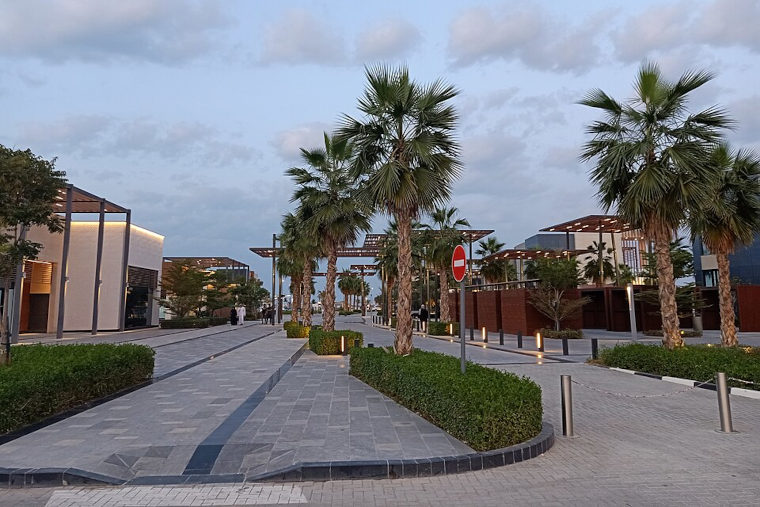 Image source: Ayshamarjana / wikipedia.org
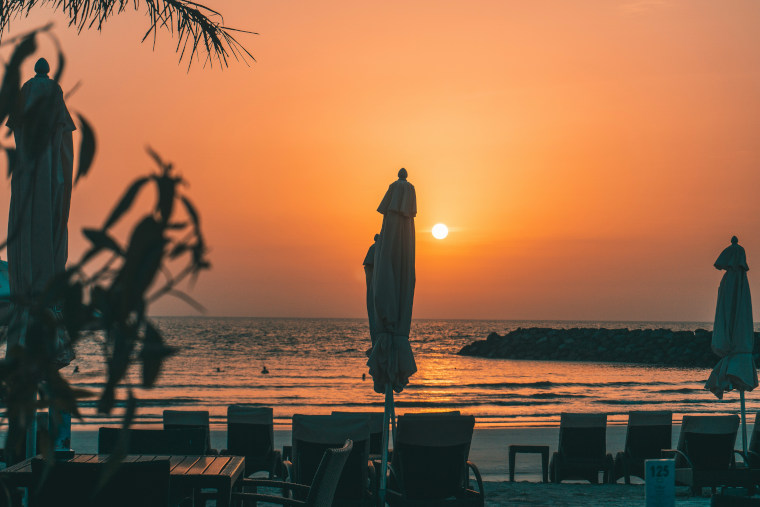 Image source: Dovlet Hojayev / unsplash.com

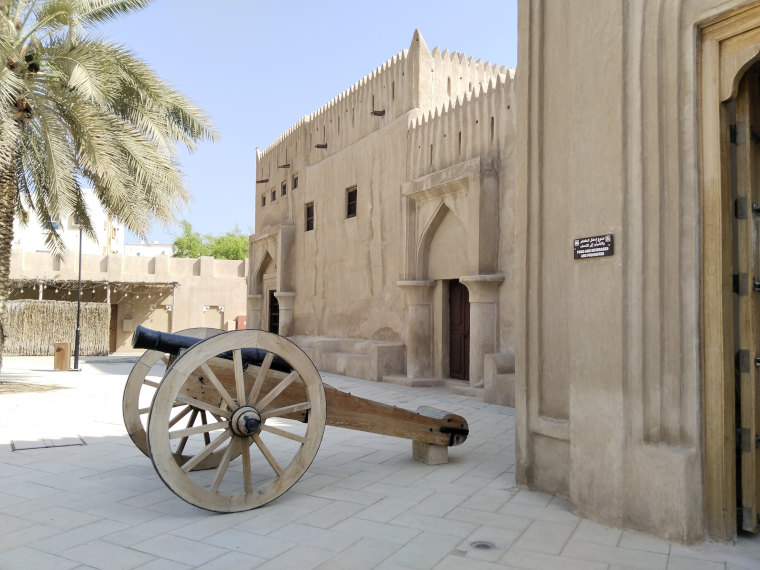 Image source: ZI Jony / wikipedia.org


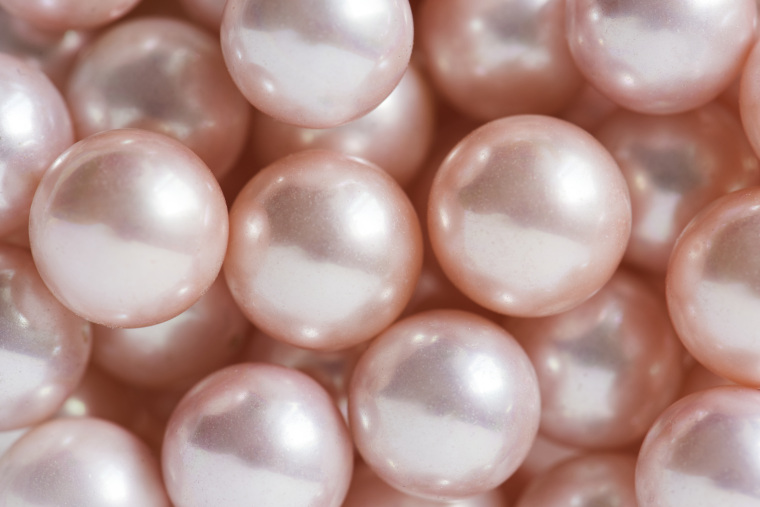 Image source: rawpixel.com / freepik.com


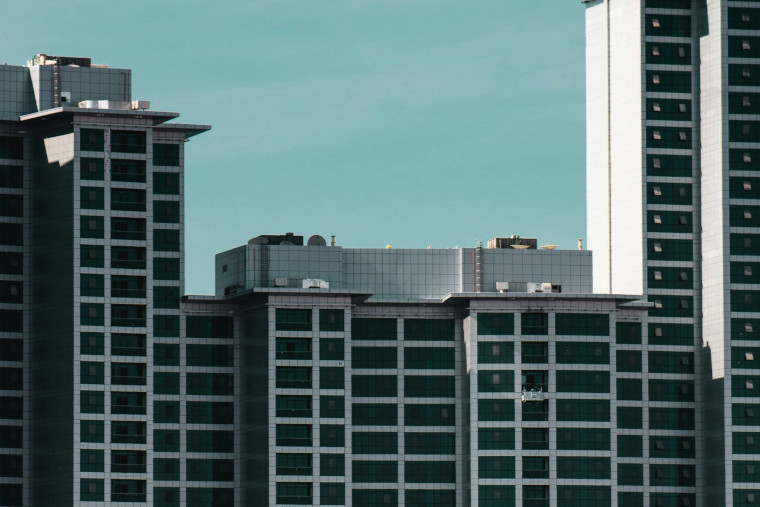 Image source: Omar Yehia / unsplash.com


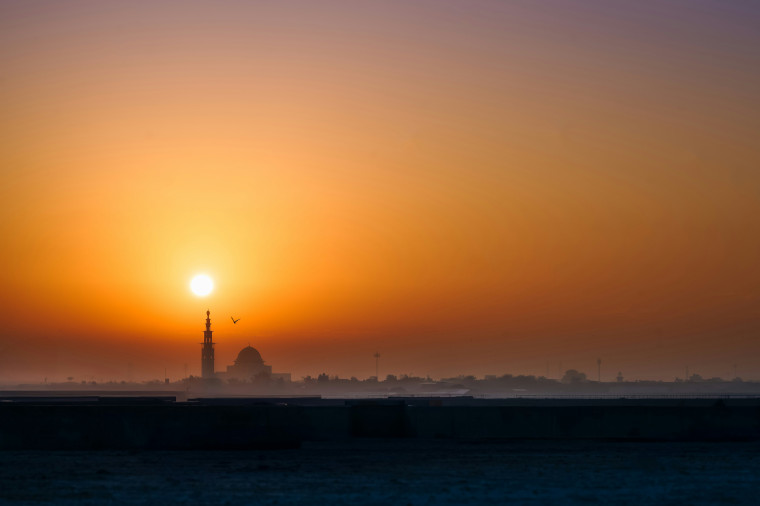 Image source: DARKROOMLABS / unsplash.com