What You Cannot do in Dubai: A Complete Guide to Prohibitions for Tourists
Save the article:
Why is it important to know what is prohibited in Dubai? Dubai is a modern metropolis with traditional Islamic values, where breaking local laws can result in serious fines or even deportation. Many tourists find themselves in difficult situations due to a lack of knowledge about the cultural nuances and legal norms of the UAE. Observing local traditions and laws is not only a matter of respect, but also a guarantee of a safe and comfortable holiday.
Who is this article for? This material will be particularly useful for: women who are visiting Dubai for the first time and are concerned about the dress code and rules of conduct; male tourists who want to avoid problems with alcohol and cultural clashes; families with children planning a safe holiday. You will receive a practical action plan with specific recommendations to help you avoid fines and unpleasant situations during your trip. After reading, you will have a clear understanding of what you can and cannot do in Dubai in 2026.
Principal Prohibitions and Rules of Conduct in Dubai
Dubai is a unique combination of modern cosmopolitanism and traditional Islamic values. Understanding local legislation and rules of conduct is very important for every visitor to the country, as violations can entail serious consequences — from fines to deportation.
Public displays of affection and intimacy
Any public displays of affection are strictly prohibited. Kissing, embracing, and holding hands between unmarried couples is punishable by a fine of between 1,000 and 3,000 dirhams ($270–$815). More than 150 cases of tourists being detained for such violations were recorded in 2023.
Image source: freepik / freepik.com
Beach areas and shopping centres are subject to particularly close monitoring. Even light embraces can attract the attention of the police. A degree of restrained affection is permitted for married couples, but caution is advised.
The following are prohibited:
Kissing on the lips in public
Intimate touching
Conspicuous embracing
Sitting on a partner's lap
Obscene gestures and offensive behaviour
Local laws provide for imprisonment of up to six months for making obscene gestures. Showing the middle finger, as well as obscene movements of the hands or body, are regarded as a serious offence.
In 2024, a British tourist was fined 5,000 dirhams and deported for making an obscene gesture at a taxi driver.
Similar punishments apply to:
Pointing the soles of one's feet towards people
Pointing a finger at a person
Gestures simulating sexual acts
Sticking out one's tongue in an offensive manner
Loud behaviour and breach of the peace
Disturbing the peace incurs fines of between 500 and 2,000 dirhams. Loud conversations, shouting, singing on public transport and in shopping centres are closely monitored by local police.
Particular attention is paid to behaviour in religious areas and during prayer times. Between 12:00 PM and 2:00 PM on Fridays, maximum quiet is recommended near mosques.
Prohibited actions:
Loud music in public
Shouting and noisy conversation on public transport
Singing and dancing in the streets
Using a car horn unnecessarily
Obscene language and insults
Using obscene language in public is punishable by a fine of up to 10,000 dirhams (approximately $2,700) and possible imprisonment of up to one year. This applies to both Arabic and any foreign offensive language.
In 2023, an American tourist was fined 3,000 dirhams for using offensive language towards a hotel employee. Local authorities closely monitor such violations through their surveillance camera system and witness testimonies.
Public intoxication
Appearing in a state of alcoholic intoxication outside licensed establishments carries serious consequences. The fine ranges from 2,000 to 10,000 dirhams, and imprisonment of up to six months is possible.
Image source: pch.vector / freepik.com
Consuming alcohol is permitted only in licensed restaurants, bars, and hotels. Drinking on beaches, in parks, or on the streets is prohibited and can lead to immediate detention.
Photography without permission
Taking photographs of local residents, especially women, without their consent is punishable by a fine of up to 5,000 dirhams. Prohibitions extend to photographing:
Government and military installations
Local women in traditional dress
Police officers and security personnel
Private property without permission
Those who violate these rules may face confiscation of their equipment and deportation. More than 80 cases of tourists being detained for illegal photography were recorded in 2024.
Specifics of legislation in the Emirates
The legal system in the Emirates is based on Islamic law (sharia) and modern civil legislation. Tourists should keep in mind that local laws can differ significantly from the European or American norms they are accustomed to. Ignorance of the law is not a defence.
The UAE applies a zero-tolerance principle to violations of cultural traditions. Even an accidental violation can have serious legal consequences for visitors. The Emirates authorities regularly conduct information campaigns for tourists, explaining the principal prohibitions and cultural nuances.
Recommendations for a safe stay
Observing these rules of conduct will ensure a safe and comfortable stay in Dubai. Local authorities value a respectful attitude towards emirati culture and traditions. Tourists are recommended to familiarise themselves with the principal laws and prohibitions before their trip in order to avoid unpleasant situations and to enjoy their holiday to the full.
Dress Code and Clothing Requirements
The rules of dress in Dubai are based on Islamic traditions and require particular attention to covering the body. Failure to observe the dress code can result in fines of up to 2,000 dirhams or administrative detention of up to six months. It is especially important to know what women cannot do in Dubai in terms of wardrobe choices, as the requirements for women's clothing are stricter.
General principles of the dress code
The fundamental rule is that shoulders and knees must be covered in public spaces. Clothing must not be figure-hugging or transparent. Décolletage must be covered, and the length of skirts and shorts must reach the knee or be longer.
Men are prohibited from appearing without a shirt outside beach areas. Revealing clothing with provocative inscriptions or images is unacceptable for everyone. Religious symbols of other faiths may also provoke a negative reaction.
Clothing requirements in shopping centres
A strict dress code is in force in shopping centres. Women are not permitted to wear:
Sleeveless tops and vest tops with bare shoulders
Mini-skirts and shorts above the knee
Dresses with a deep neckline
Transparent or figure-hugging clothing
Men are prohibited from wearing shorts above the knee, vest tops, and flip-flops. Shopping centre security actively monitors compliance with the rules and may ask visitors to leave the premises if the dress code is violated.
Rules of dress on beaches
On private hotel beaches, the rules are more lenient. Swimsuits, bikinis, and swim trunks of a standard cut are permitted. However, going topless is categorically prohibited everywhere, including in enclosed beach clubs. Violation incurs a fine of 1,000 dirhams or more.
On public beaches, the requirements are stricter — it is necessary to cover the body when moving from the water to the sun loungers. Women are recommended to carry a sarong or light cover-up, and men a T-shirt.
Dress code in restaurants and cafés
Upscale restaurants require elegant attire. Men must wear full-length trousers and a shirt with sleeves; women must wear dresses or outfits with covered shoulders. In beach restaurants, more relaxed clothing is acceptable, but swimwear must be covered.
Street cafés and food courts have less stringent requirements, but the basic principles of covering the body remain mandatory.
Specifics when visiting mosques
The strictest rules apply when visiting mosques. Women must cover:
Their hair with a headscarf or shawl
Their arms to the wrists
Their legs fully with long clothing
Their décolletage with a high collar
Men are required to wear full-length trousers and a long-sleeved shirt. Footwear is removed upon entry. Many mosques provide traditional garments for hire to tourists.
Differences between tourist areas and local districts
In the tourist districts of Dubai Marina, JBR, and Downtown Dubai, the rules are applied more leniently. Local authorities are understanding of tourists' cultural differences, but the basic requirements remain unchanged.
Image source: Kate Trysh / unsplash.com
In the traditional districts of Deira and Bur Dubai, as well as in neighbourhoods with a concentrated Emirati population, one should dress as conservatively as possible. Tourists are advised to avoid revealing clothing and bright colours when visiting such locations.
Recommendations for tourists on choosing a wardrobe
Experienced tourists advise planning a wardrobe in advance, taking into account the cultural nuances of the Emirates. It is best to bring a few versatile items suitable for different situations.
For tourists from European countries, it is important to understand that their summer clothing may prove unsuitable. It is recommended to choose light but modest outfits made from natural materials.
A practical tip: always carry a light cover-up or cardigan to quickly cover your shoulders when necessary. This will help you avoid awkward situations and possible fines.
Alcohol and Prohibited Substances
The rules regarding alcohol consumption in Dubai differ significantly from European standards and require strict observance. Violating alcohol legislation carries serious legal consequences, including fines of up to 10,000 dirhams and possible deportation.
Where alcohol consumption is permitted
Alcohol consumption in the UAE is legal only in licensed establishments. Such zones include hotels with the appropriate licences, hotel restaurants, specialised bars and clubs with a permit to sell alcoholic drinks. The majority of five-star hotels in Dubai hold licences to serve alcohol in their restaurants and bars.
Tourists may purchase alcohol in specialised hotel shops or in the airport duty-free zone. It is important to note that purchasing alcoholic drinks from retail outlets requires a special licence, which tourists cannot obtain — this option is available only to UAE residents.
Zones where drinking is strictly prohibited
Public areas are subject to the strictest prohibition on alcohol consumption. These include:
All beaches, including private beach clubs without a licence
Streets, parks, and public gardens
Shopping centres and their surrounding areas
Public transport and bus stops
Cars and car parks
Drinking alcohol on Jumeirah Beach, in the Dubai Marina area, or on embankments results in immediate police detention. Being in a state of intoxication in busy areas is punishable by a fine of between 2,000 and 10,000 dirhams, or detention for a period of up to one month.
Rules for transporting and storing alcohol
Alcohol purchased at duty-free or licensed shops must be transported in a sealed condition. Opening bottles in a car or on the street is equivalent to consuming alcohol in an unauthorised zone. Alcoholic drinks may be stored only in a hotel room or in a private residence.
Image source: freepik / freepik.com
The transportation of alcohol between emirates is also governed by specific rules. In some emirates, stricter restrictions are in force, so tourists are advised to learn about local requirements before travelling.
Penalties for alcohol-related offences
The UAE law enforcement authorities maintain a zero-tolerance policy towards violations of alcohol legislation. The following sanctions are provided for appearing intoxicated in public areas:
An administrative fine of 2,000 dirhams or more
Detention for a period of up to 30 days
Deportation with a ban on re-entry
Confiscation of alcoholic drinks
Driving under the alcoholic influence is a particularly serious offence — even a minimal blood alcohol level results in imprisonment and substantial fines.
Prohibited substances and medicines
The UAE enforces an extremely strict policy on narcotic substances. All types of drugs are prohibited, including soft drugs that are permitted in some Western countries. Even trace amounts of prohibited substances in the blood or urine can lead to arrest and a lengthy prison sentence.
Medicines require particular attention. Many common medicines contain components that are classified as narcotic substances in the UAE:
Codeine (found in certain painkillers and cough remedies)
Tramadol and other opioid analgesics
Medicines for treating ADHD (containing amphetamines)
Certain antidepressants and tranquillisers
Rules for importing medicines
When importing medicines, it is necessary to have the original packaging with clear labelling and a doctor's prescription in English or Arabic. For medicines containing controlled substances, prior authorisation from the UAE Ministry of Health is required.
The quantity of medicines imported must not exceed a 30-day supply for personal use. Exceeding this limit may be interpreted as an intention to supply, which entails criminal liability. Tourists are advised to clarify the status of their medicines in advance through the UAE consulate or via official channels.
Photography and Social Media
Photography in Dubai is governed by clear rules of security and privacy, the violation of which can result in fines of up to 5,000 dirhams or detention for a period of up to one year. Particular attention should be paid to subjects that are prohibited from being photographed.
Subjects prohibited from being photographed
Government buildings and the palaces of the ruling family are under an absolute ban on photography. These include the Ruler's Palace, ministry buildings, judicial institutions, and administrative complexes.
Image source: Arin Melikyan / unsplash.com
Military installations and air force bases include barracks, military warehouses, UAE navy vessels, and air force aircraft. Photographing such installations is regarded as a threat to national security.
Airports and seaports are prohibited from being photographed in security zones, including runways, air traffic control towers, and border checkpoints.
Photographing people and the rules of consent
Photographing local residents without their explicit consent is prohibited, especially women in traditional dress. Always ask for permission before taking a photograph and respect any refusal.
Rules for posting on social media
Posting content on social media that criticises the UAE authorities or religious beliefs, or that contains offensive material, is prohibited. Violation of these rules results in account blocking and legal consequences.
Nuances of photography in religious sites
Special restrictions are in force when visiting mosques and religious complexes. Photography inside prayer halls is prohibited, and photography in public areas requires prior authorisation from the administration. It is necessary to observe the dress code and rules of conduct established for each particular site.
Special Rules During Ramadan
The time of Ramadan in Dubai requires a particular understanding of and respect for Islamic traditions. During this holy month, special restrictions are in force that apply to all residents and tourists, regardless of their religious affiliation.
Restrictions on eating and drinking in public areas
During daylight hours (from sunrise to sunset) it is prohibited to eat, drink, smoke, or chew gum on streets, in parks, shopping centres, offices, and on public transport. A violation can incur a fine of up to 2,000 dirhams or administrative detention.
Restaurants and cafés operate in a special mode — many are closed during the day or serve customers only in enclosed premises with darkened windows. Hotels usually set up special areas for non-Muslims where food may be consumed away from the sight of those who are fasting.
Additional restrictions during the holy month
During Ramadan, stricter requirements regarding conduct and dress are in force. Music in public areas is played more quietly or excluded entirely during the daytime. Many entertainment venues reduce their programmes or move them to the evening hours.
Smoking in public areas is prohibited, even in designated smoking spots. A more conservative dress code is recommended — avoid revealing clothing and bright colours.
Recommendations for tourists
It is important for visitors to the emirate to plan their day with local traditions in mind. Tourists are asked to refrain from loud conversation and noisy behaviour during the daytime. Special informational brochures outlining the rules of conduct during the holy month are made available to tourists.
Many hotels offer tourists a room-service option during the daytime, so that guests may eat comfortably in their rooms. Tourists are also informed about the opening hours of restaurants and cafés during the Ramadan period.
Showing respect for traditions
Respect for fasting Muslims is expressed through an understanding of the significance of the fast and refraining from conspicuous consumption of food and drink. It is recommended to plan meals in the hotel room or in specially designated areas.
Image source: Angelina and Antonis / unsplash.com
In the evening, after sunset, the restrictions are lifted and the city returns to its usual rhythm of life. Many restaurants offer special iftar menus — for the evening meal that breaks the fast.
Frequently Asked Questions
What is the fine for violating the dress code in Dubai?
Failure to comply with dress codes in public places carries a fine of 500 to 2,000 dirhams. In particularly serious cases, administrative detention of up to six months is possible.
Clothing in shopping centres, government institutions, and religious areas is subject to the most rigorous monitoring. Tourists are advised to always carry a cover-up or cardigan to quickly cover exposed areas of the body.
Is it possible to drink alcohol on the beach in Dubai?
Drinking alcoholic beverages on public beaches is prohibited and is punishable by a fine of up to 10,000 dirhams. Alcohol is permitted only in hotel bars holding a special licence and in some private beach clubs. A complete ban on all alcoholic drinks is in force on municipal beaches. A violation can lead to arrest and deportation from the country.
What are the consequences for public embracing in Dubai?
Open displays of affection, including embracing and kissing, are treated as an administrative offence punishable by a fine of up to 1,000 dirhams. In the event of complaints from local residents, detention for a period of up to one month is possible.
Holding hands between spouses is not usually prosecuted, but it is better to exercise restraint. Conduct on public transport and in shopping centres is subject to particularly close monitoring.
Is it possible to photograph people in Dubai?
Photographing people without their consent is a violation of the privacy law and carries a fine of up to 5,000 dirhams. It is especially strictly prohibited to photograph local women in traditional dress and children. It is also forbidden to photograph government buildings, military installations, and airports. Explicit permission must be obtained from people before taking any photographs of them.
What restrictions are in force during Ramadan?
During daylight hours, eating, drinking, and smoking in public areas is prohibited, with a fine of up to 2,000 dirhams. Many restaurants operate only after sunset or provide food for takeaway. Loud music and entertainment during the daytime are also restricted. Tourists are recommended to plan their meals in hotel rooms or in areas specially designated for non-Muslims.
What is prohibited from being brought into the UAE by tourists?
The importation of narcotic substances, pornographic materials, and certain medicines without a doctor's prescription is prohibited. Electronic cigarettes and vaping liquids are also subject to the ban. An attempt to import prohibited substances is punishable by imprisonment of four years to life.
Before your trip, be sure to check the list of prohibited medicines on the country's official customs website. The importation of alcohol without a special permit is also prohibited — tourists may bring a limited quantity of alcoholic drinks and only through certain entry points.
Is it possible to criticise the UAE authorities on the internet?
Any negative comments about the government, sheikhs, or state policy on social media are punishable by a fine of up to 500,000 dirhams and imprisonment. The law applies to all publications, including posts, comments, and reposts.
Image source: Anucha Tiemsom / shutterstock.com
The authorities actively monitor social media and messaging apps for such content. Tourists should refrain from any political commentary on the internet during their stay in the country. The country's legislation provides for liability even for liking posts that are critical of state policy.
What is the punishment for offensive language in Dubai?
Using obscene expressions in public areas incurs a fine of 1,000–3,000 dirhams. Repeated violations may result in detention for up to three months. The use of offensive language in the presence of women and children is punished with particular severity.
What male tourists cannot do in Dubai is use offensive language, even when intoxicated, as this only aggravates the punishment. The country's laws are applied equally to all visitors, regardless of their nationality.
Nuances of alcohol consumption for tourists
The purchase and consumption of alcohol in the UAE is governed by the country's special laws. Tourists may buy alcoholic drinks only in licensed hotel establishments or in specialised shops.
Drinking alcohol on the streets, in parks, or in other public areas incurs serious fines and possible deportation. It is important to remember that the country's legislation prohibits appearing under the influence of alcohol in any areas other than those specially designated for this purpose at hotels and restaurants.
What is Dubai Outlet Mall: the first outlet in Dubai. Where the outlet is in Dubai: address, location and opening hours. Shops at Dubai Outlet Mall: brands and categories. Infrastructure, restaurants ...
General characteristics of the UAE economy. The oil and gas industry as the basis of the economy. Diversification of the economy and key industries. Innovations and digital technologies. Investment en...
Advantages of working in the UAE. In-demand professions for work in the UAE. Visa requirements for work in the UAE. Life in the UAE for expats. Frequently asked questions about work in the UAE.
Sheikh Zayed Grand Mosque: the main attraction of Abu Dhabi. Visiting rules and dress code. Practical information for visitors. What else to see in Abu Dhabi. Frequently asked questions.
Description of the Jumeirah district in Dubai. Real Estate and Investments in the Jumeirah District. Availability of Education in the Jumeirah district in Dubai. Frequently Asked Questions about the J...
Which restaurants in Dubai Mall are worth your attention and why. Where to eat in beautiful surroundings. Where to eat affordably in Dubai Mall: food courts, prices, and tips. Where alcohol is served ...



 Image source: freepik / freepik.com
 Image source: pch.vector / freepik.com

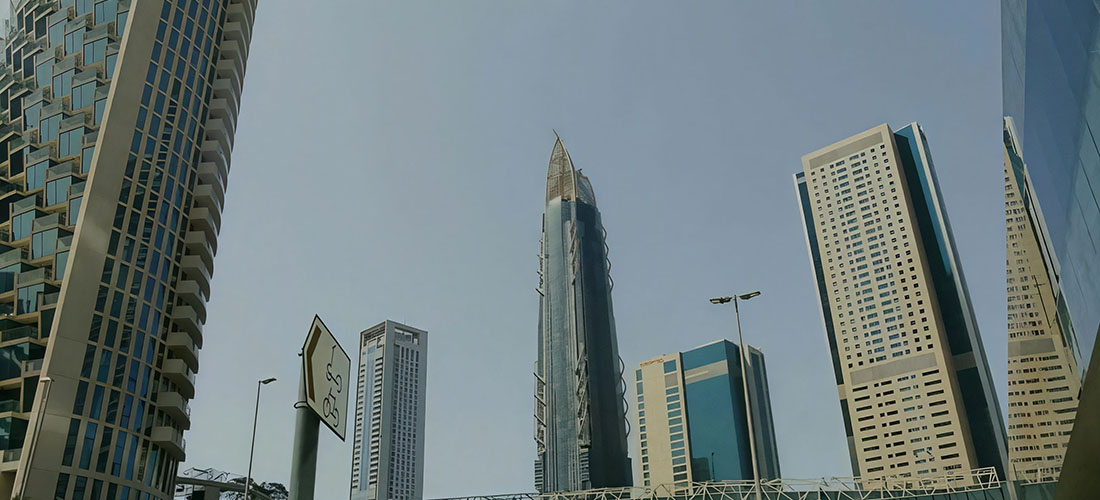
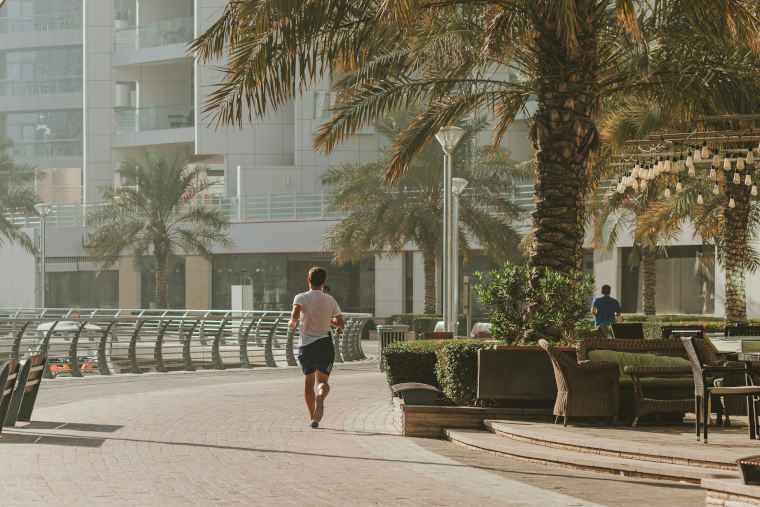 Image source: Kate Trysh / unsplash.com

 Image source: freepik / freepik.com

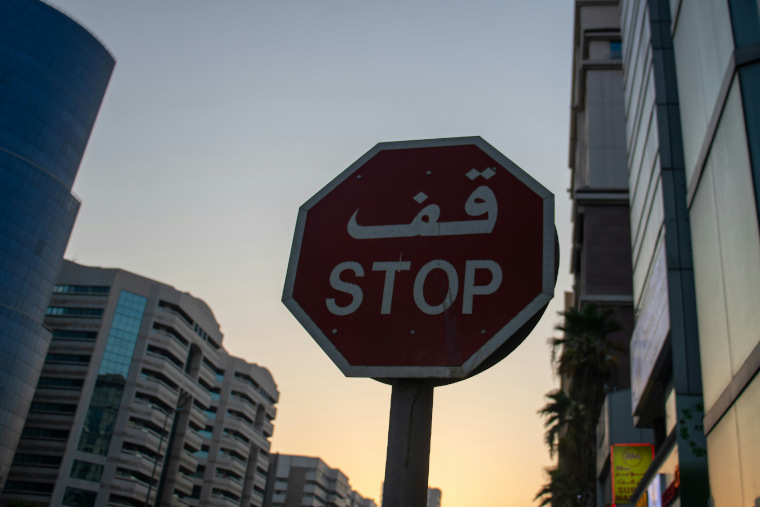 Image source: Arin Melikyan / unsplash.com

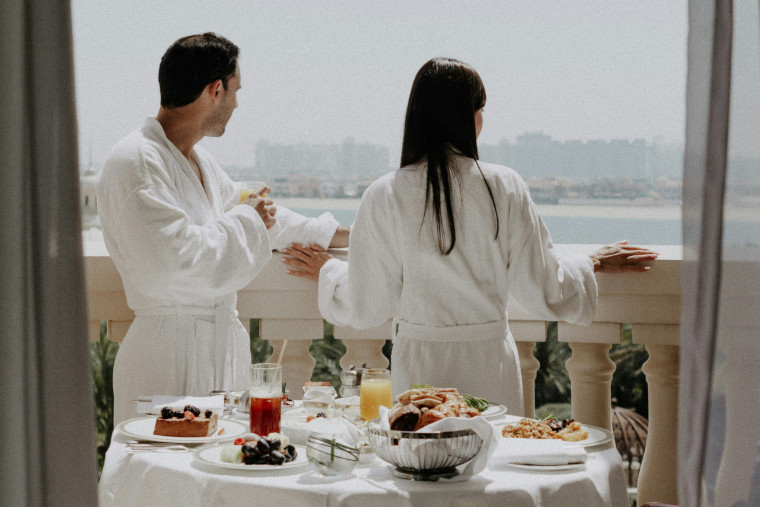 Image source: Angelina and Antonis / unsplash.com

 Image source: Anucha Tiemsom / shutterstock.com