Is It Okay to Wear Shorts in Dubai: Dress Code Rules for Tourists
Save the article:
Why is it important to know the dress code for Dubai? Dubai is a modern metropolis with a liberal outlook, but it remains part of a Muslim country with certain cultural traditions. Not knowing the local rules can lead to awkward situations, refusal of service, or even fines. A proper understanding of the dress code will help you avoid cultural conflicts and feel confident during a holiday or business trip.
Who will find this information particularly useful? The article is aimed at first-time visitors to Dubai who are worried about violating local traditions and do not know how to dress appropriately. Business travellers will find recommendations on how to combine work and leisure without reputational risks. Families will receive clear instructions on choosing clothing for all members of the family, including children. You will receive a practical action plan with specific recommendations for different situations and locations.
General Rules for Wearing Shorts in Dubai
Dubai is a unique combination of Eastern traditions and Western openness, making it one of the most liberal cities in the Middle East. Unlike more conservative emirates, it operates a flexible approach to the dress code, particularly in areas catering to international tourism. The basic rule is simple: whether it is okay to wear shorts in Dubai depends on the specific location and time of day.
Tourist zones and international districts
In the majority of Dubai's tourist areas, shorts are perfectly acceptable. The Dubai Marina area is renowned for its cosmopolitan atmosphere, where tourists from all over the world stroll freely in shorts even late in the evening. Jumeirah Beach Residence (JBR) is also fully adapted to Western clothing standards.
Downtown Dubai, with its famous skyscrapers and shopping centres, welcomes any comfortable summer clothing. The Business Bay district is filled with office workers in business attire during the day, but tourists in shorts are a common sight there. Palm Jumeirah, as an artificial island of luxury, is entirely geared towards international guests.
Hotels and resort complexes
All international hotels in Dubai, from the Burj Al Arab to smaller boutique hotels, maintain a liberal dress code. Is it okay to wear shorts in Dubai hotel lobbies, restaurants, spas, and on hotel grounds? Yes, wearing shorts in these places is permitted. The only exceptions are fine-dining restaurants, where a formal dress code applies regardless of location.
Image source: Kate Trysh / unsplash.com
The Atlantis The Palm, Madinat Jumeirah, and Le Méridien resort complexes are designed as self-contained tourist ecosystems. The guests there may wear any beach attire as they move between rooms, restaurants, and leisure areas.
Shopping centres and entertainment complexes
Dubai Mall, Mall of the Emirates, and Ibn Battuta Mall are international shopping centres where shorts are worn by tourists and expats alike. However, the air conditioning in shopping centres is so intense that many visitors bring a light cardigan with them.
Global Village, as an international cultural fair, is completely tolerant of any clothing. IMG Worlds of Adventure and other theme parks are focused on family leisure and visitor comfort.
Beach areas and promenades
All of Dubai's public beaches — Jumeirah Beach, Kite Beach, La Mer — call for beach attire. The Dubai Marina Walk promenade and The Beach at JBR are extensions of the beach zones, so shorts are also natural there at any time of day.
Dubai Creek Harbour, with its contemporary architecture, also adheres to international standards. Walking along Al Seef — the historic district on the creek — is comfortable in light clothing.
Transport and public spaces
There are no restrictions on shorts in Dubai's public transport — the metro, buses, or taxis. Dubai International Airport serves millions of international passengers, so any comfortable clothing is acceptable.
Zabeel Park, Dubai Garden Glow, and Miracle Garden are designed for family leisure in comfortable clothing. The Dubai Fountain and the surrounding areas welcome thousands of tourists in shorts every day.
Differences between districts
The key distinction lies between international tourist zones and traditional residential districts. In the older districts of Deira and Bur Dubai, particularly at the Gold Souk and Spice Souk markets, more conservative clothing is recommended out of respect for local culture. However, even there shorts are not prohibited, but long trousers would be more appropriate.
The Al Fahidi Historical Neighbourhood, as a cultural area, encourages a more restrained clothing style, although there are no strict prohibitions. In areas with mosques, shorts are permitted on the streets, but full-length clothing will be required to enter religious buildings.
Specifics for Men and Women
Gender differences in Dubai's dress code reflect the balance between Islamic traditions and modern tolerance. Although the city is renowned for its openness, the requirements for men's and women's clothing differ considerably in terms of strictness and detail.
Rules for men: maximum freedom
Men can move around in shorts in Dubai's tourist zones with almost no restrictions. The permissible length is to the knee or 5–7 cm above, which includes the majority of modern men's styles.
Image source: senivpetro / freepik.com
Materials and styles for men are not strictly regulated. The following are all suitable:
Classic chinos and Bermuda shorts
Sports shorts made from breathable fabrics
Beach styles for resort areas
Mid-length denim shorts
The colour palette is unrestricted — from neutral beige and navy to bold tropical prints. The only taboo is overly figure-hugging styles and extremely short sports shorts.
Requirements for women: emphasis on modesty
The women's dress code is considerably stricter and more detailed. Do women wear shorts in Dubai? Yes, but with significant restrictions on length and style.
Length — at least to mid-thigh, ideally 10–15 cm above the knee
A loose cut that does not cling to the figure
Dense, non-transparent fabrics
A high waist that prevents the lower back from being exposed
Short shorts are unacceptable for women in public places. Mini-shorts are only permitted on private hotel beaches and in spa areas.
The cultural basis of the differences
The difference in requirements is rooted in the Islamic concept of "awrah" — the parts of the body that must be covered. For men, this is the area from the navel to the knees; for women, it is considerably more.
Image source: Dmitrii Filatov / unsplash.com
Local traditions prescribe a more conservative style for women as an expression of respect for the culture. Men are afforded greater freedom, as their clothing has historically been subject to fewer regulations.
In Dubai Marina and JBR, women can wear shorter styles than in the traditional areas of Deira. Standards for men remain consistent across all tourist locations.
When visiting shopping centres, women are asked to observe stricter norms — shorts should cover the knees completely. These requirements scarcely affect men.
Understanding the gender differences will help avoid awkward situations and demonstrate respect for local values whilst maintaining comfort during a holiday.
Where Shorts are Definitely not Permitted
Despite Dubai's liberal character, there are places where wearing shorts is strictly prohibited or may lead to serious difficulties. Violating the dress code in certain locations can result in being denied entry, fines, or even deportation. Knowing these restrictions will help avoid confrontational situations and show respect for local culture.
Religious buildings: an absolute prohibition
Wearing shorts in mosques is unacceptable for all visitors regardless of gender or nationality. The Sheikh Zayed Grand Mosque in Abu Dhabi, the Jumeirah Mosque in Dubai, and other religious buildings require fully covered clothing. Men must wear long trousers and long-sleeved shirts; women must wear covered dresses or abayas.
A strict dress code check is carried out at the entrance to mosques. Security staff have the right to refuse entry to visitors in inappropriate clothing with no possibility of changing on site. Some mosques provide cover-ups for hire, but it is better to arrive already dressed appropriately.
Government institutions and official services
Strict dress code rules apply in Dubai's government institutions. Immigration services, police stations, courts, municipal offices, and consulates do not admit visitors in shorts. Violation can lead to refusal of service and the need to return on another occasion in appropriate clothing.
Image source: andreas / freepik.com
Particular care must be taken when visiting buildings where religious and governmental functions are combined. In such places, dress codes are extremely strict.
Cultural and educational institutions
Many traditional museums, especially those dedicated to Islamic culture and the history of the Emirates, have a dress code that excludes shorts. The Dubai Museum at Al Fahidi Fort, the Sheikh Saeed House, and similar institutions may refuse entry to visitors in open clothing.
Traditional markets (souks) in the older districts of the city also prefer conservative clothing. Although the law does not explicitly prohibit shorts in markets, inappropriate clothing may provoke a negative reaction from traders and visitors.
Consequences of violations and alternatives
Violating the dress code may result in a fine of up to 2,000 dirhams (approximately $545) or administrative detention. In extreme cases, deportation is possible, particularly in the event of repeat violations or a deliberate disregard for local norms.
Optimal alternatives to shorts include: lightweight long trousers made from linen or cotton, chino trousers, loose-fit jeans. For women, long skirts, maxi dresses, or wide-leg trousers are suitable. In hot weather, choose light-coloured natural fabrics that will provide comfort whilst meeting dress code requirements.
Practical Tips and Alternatives
Choosing the right clothing for a trip to Dubai requires an understanding of the climatic conditions and cultural norms. Lightweight long trousers made from natural materials make the ideal alternative to shorts, providing comfort whilst conforming to the local dress code.
Optimal alternatives to shorts
Loose-fitting linen or cotton trousers provide maximum ventilation in conditions of extreme heat. Temperatures in Dubai can reach 45°C, so it is better to choose fabrics that do not cling to the body and allow the skin to breathe.
Cropped trousers reaching mid-calf are a compromise between shorts and full-length trousers. They are suitable for beach areas and shopping centres, where the question of “is it okay to wear shorts in Dubai” may remain debatable.
Palazzo and wide-leg trousers in an Eastern style not only comply with local traditions but also provide excellent temperature regulation. Such clothing protects against the scorching sun and the sudden drops in temperature when moving from the heat into air-conditioned spaces.
Choosing materials and colours
Natural fabrics made from cotton, linen, and bamboo absorb moisture and dry quickly. Synthetic moisture-wicking fabrics are also suitable for active leisure.
Light shades — white, beige, light grey — reflect sunlight and keep you cool. Dark colours absorb heat, making them impractical in a desert climate.
Where to buy suitable clothing
Dubai Mall and Mall of the Emirates shopping centres stock international brands — Uniqlo, H&M, and Zara — with collections designed for a hot climate. Local brands Splash and Centrepoint offer lightweight styles adapted to local conditions.
The traditional Gold Souk and Textile Souk markets sell quality cotton and linen at accessible prices. There you can find authentic Eastern clothing that is perfectly suited to the local climate.
What to pack in your suitcase
It is worth packing at least three or four pairs of lightweight trousers of varying fabric density. The thinnest styles are suitable for daytime outings; slightly heavier ones work better for the evening.
Be sure to include in your luggage:
Linen trousers for city sightseeing
Cotton cropped trousers for beach leisure
One pair of dark trousers for restaurants
Comfortable harem trousers for visiting traditional districts
Bear in mind that powerful air conditioning operates in shopping centres, so it may feel chilly even on a hot day. A thin cardigan or a light long-sleeved shirt will protect against both the cold indoors and sunburn outdoors.
Remember: while men can move around in shorts in Dubai, a well-chosen pair of trousers will provide greater comfort and versatility for any situation.
Frequently Asked Questions
Can men wear short shorts in Dubai?
Men are permitted to wear short shorts in the majority of Dubai's tourist zones, including beaches, hotels, and many shopping centres. The main requirement is that shorts should not be too figure-hugging. The most liberal dress code applies in hotels and on resort grounds. Avoid wearing short shorts in religious sites, government institutions, and traditional districts of the city.
What happens if you violate the dress code in Dubai?
The consequences of violating the dress code range from a simple refusal of service to serious fines. At mosques and other religious sites, you will simply be refused entry or asked to change.
At government institutions, a violation can result in a fine of between 500 and 2,000 dirhams. In extreme cases of blatant disregard for local norms, problems with the police and deportation are possible.
Can women wear shorts in shopping centres?
Women may wear shorts in most of Dubai's major shopping centres, such as Dubai Mall, Mall of the Emirates, and Ibn Battuta Mall. Shorts should be knee-length or longer and not too tight-fitting.
In some traditional markets and older districts of the city, it is advisable to opt for more conservative clothing. Always take your cue from the behaviour of local residents and other visitors.
What clothing is best suited to Dubai's hot climate?
For a comfortable stay in a hot climate, choose loose-fitting clothing made from natural materials — linen, cotton, or bamboo fibre. Long trousers and long-sleeved shirts offer sun protection and prevent sunburn. Light colours reflect sunlight and help keep you cool. Always wear a hat and sunglasses to protect yourself from the intense sun.
Do women need to cover their heads in Dubai?
Women are not required to cover their heads in everyday life in Dubai; this requirement applies only when visiting mosques. In the majority of tourist zones, hotels, restaurants, and shopping centres, you may go with an uncovered head.
Upon entering mosques, all women are provided with special head scarves or abayas free of charge. Wearing a hat is recommended for sun protection rather than for religious reasons.
Where can you buy suitable clothing in Dubai?
Suitable clothing can be purchased in major shopping centres — Dubai Mall and Mall of the Emirates — where international brands are represented with a wide selection. For budget purchases, the markets in Deira and Bur Dubai are ideal, selling lightweight locally made cotton clothing. Hotels usually have boutiques stocking beach and casual wear. Many shops offer special collections for a hot climate with UV protection.
Description of the Al Quoz district in Dubai. Location of the Al Quoz district. Infrastructure of the Al Quoz district. Leisure and entertainment in Al Quoz. Specifics of the real estate market in Al ...
Qatari citizenship: general characteristics and nuances. Grounds and ways for obtaining Qatari citizenship. How to obtain Qatari citizenship: a step-by-step guide. Rights, privileges and alternatives ...
Main features of the Downtown Dubai district. Infrastructure of Downtown Dubai. Investment attractiveness of the Downtown Dubai district. Frequently Asked Questions about Downtown Dubai.
Top countries to live in 2026. Dubai as the best destination for relocation. Best countries to live in with children. How to choose a country for relocation: a practical guide. Frequently asked questi...
Why Arabic is not a single language. How Arabic dialects arose — a brief history. The main groups of Arabic dialects — where they are spoken and how. Do Arabs from different countries understand one a...
The history of artificial island construction in Dubai. Description of islands in Dubai. Whether to buy islands in Dubai or not. Frequently asked questions about islands in Dubai.
A mall in Abu Dhabi, as in other cities, is a large shopping centre that unites dozens and hundreds of boutiques, entertainment venues and business attractions under one roof. The capital of the UAE c...



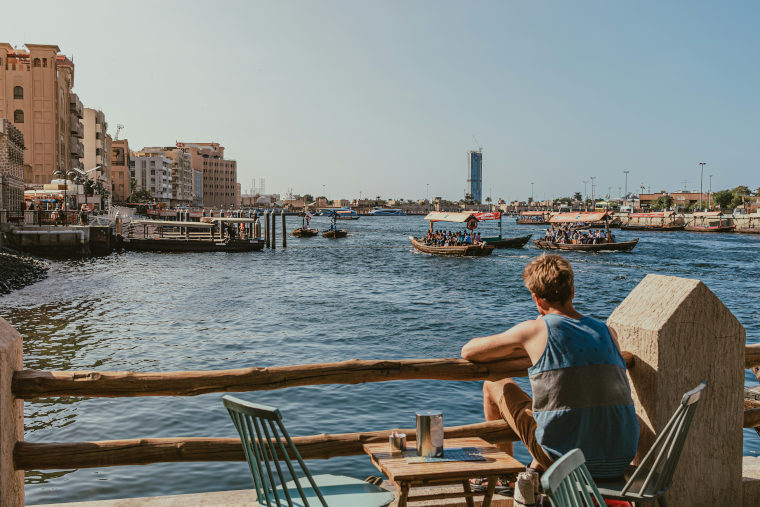 Image source: Kate Trysh / unsplash.com

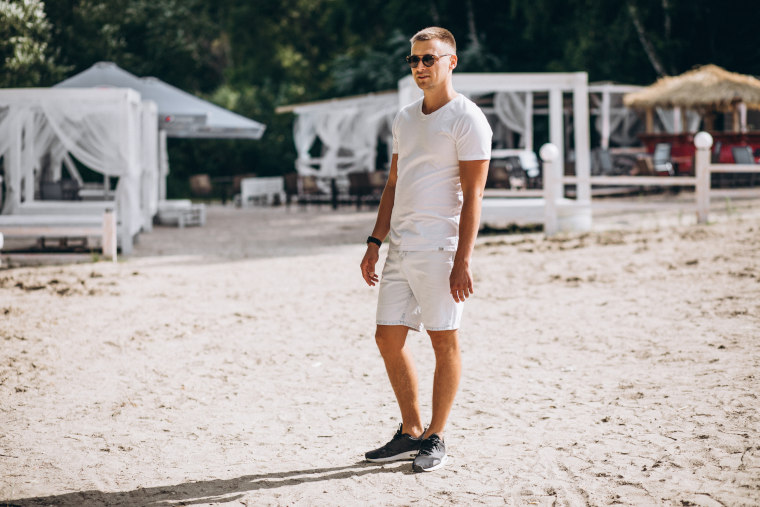 Image source: senivpetro / freepik.com

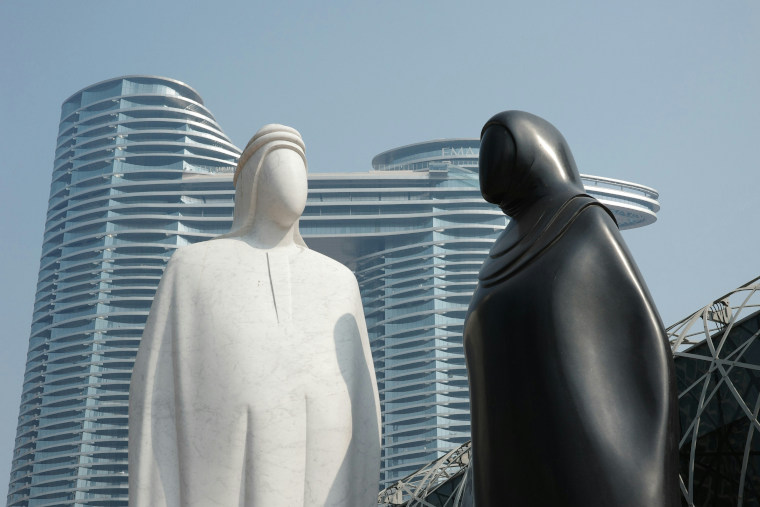 Image source: Dmitrii Filatov / unsplash.com
 Image source: andreas / freepik.com