Alcohol in Sharjah: Rules on Importing, Purchasing, and Consuming
Save the article:
Can you drink alcohol in Sharjah at all? This question concerns every tourist planning a holiday in the cultural capital of the UAE. Sharjah is known for its strict rules regarding alcoholic beverages — a complete prohibition is in force there. But this does not mean an absolute ban for visitors.
Who is this article for? For those who want to avoid fines and a ruined holiday. You will learn the exact import limits, where to legally purchase alcohol, and what penalties await those who break the rules. We will explore how Sharjah differs from Dubai and the other emirates, and whether it is worth visiting for those who enjoy an active holiday with a glass of wine at sunset.
Alcohol Consumption Rules in Sharjah
Sharjah is the only emirate in the United Arab Emirates with an absolute ban on the sale of alcoholic beverages. There are no bars serving craft beer, no restaurants with wine lists, and no nightclubs. Even five-star hotels do not offer alcohol to guests — the all-inclusive system exists only in an alcohol-free format.
Image source: Ximin Lin / unsplash.com
This strictness is explained by Sharjah's status as the cultural capital of the Arab world. The emirate has received UNESCO recognition for the preservation of Islamic traditions and values. The local ruling family holds conservative views, which is reflected in every sphere of city life.
Can you drink alcohol in Sharjah's hotels
Alcohol is entirely absent from hotel bars and restaurants. This applies to all establishments without exception — from budget hotels to luxury resorts. Waiters will not bring you a glass of wine with dinner, and bartenders will not be able to prepare a cocktail even for a generous tip.
Hotel guests often ask about a hidden menu or the possibility of room service. No such options exist. Staff are trained to follow the law, and management risks losing its licence at the slightest violation. Any attempt to obtain alcohol through hotel employees is doomed to fail.
Consumption in a hotel room or apartment
The law permits tourists to drink alcohol in private — in a hotel room or rented apartment. The main condition is complete privacy and an absence of conspicuous behaviour. The key rule is quiet, in-room consumption behind closed doors.
The practical rules for safe drinking in a hotel room are straightforward. Do not make noise or attract the attention of staff with loud conversation. Remove empty bottles yourself and place them in a communal waste bin, rather than leaving them in plain sight for the housekeeping staff. Do not leave the room whilst intoxicated — even a walk along the corridor to the lift can give grounds for a complaint.
Hotel room balconies are formally considered a private area, but it is better not to take the risk. Neighbouring guests or passers-by on the street below may see you with a glass. Any witness is entitled to file a complaint with the police, which will lead to unpleasant consequences.
The ban on drinking in public places
Public places in Sharjah are an absolute alcohol-free zone. Beaches, parks, embankments, squares, and shopping centres — the strict rule applies everywhere. Even a small can of beer on the seafront will constitute a breach of the law.
Appearing in public whilst intoxicated is treated on a par with actual drinking. The smell of alcohol, an unsteady gait, or slurred speech — the police have the right to carry out a check and issue a fine. Call a taxi directly from your room if you plan to drink. You should only move about the hotel grounds or go out onto the street when completely sober.
A car is considered a public space even in a car park. Drinking in a parked vehicle carries the same consequences as drink-driving. The rules apply to both drivers and passengers.
Bringing Alcohol into Sharjah
Tourists may legally bring alcoholic beverages through Sharjah International Airport. The law sets clear limits, and adhering to them guarantees no problems at customs. The key is to know the limits and pack the alcohol correctly in your luggage.
Import limits for tourists
The official limit is two litres of alcohol per adult passenger. The age threshold in the UAE is twenty-one years. Teenagers and young people under this age are not permitted to import alcohol even when travelling with their parents.
Two litres is the total volume of any alcoholic beverages combined. The strength is irrelevant. You may bring two one-litre bottles of wine, four 500 ml cans of beer, or one 700 ml bottle of whisky plus two cans of beer. Any combination is permitted — only the total volume matters.
Exceeding the limit results in the confiscation of the excess. Customs officers will allow you to keep the permitted two litres and will seize the rest without compensation. Fines are not usually issued for minor exceedances, but you will lose the alcohol for good. Large quantities may raise suspicion of smuggling, with serious consequences.
Packaging and transport rules
Alcohol must be transported exclusively in checked luggage. Hand luggage and personal items are not suitable for this purpose — customs will confiscate any alcohol found there. Pack your bottles securely: wrap each one in clothing or towels and place them in the centre of your suitcase, where there is less risk of damage during loading.
Use opaque bags or fabric for additional concealment of the contents. This is not an attempt to hide alcohol from customs — it is simply a sign of respect for local culture. Placing bottles conspicuously on the conveyor belt during a security check may cause offence, although it is not formally a violation within the permitted limit.
Customs checks at Sharjah Airport operate on a selective basis. Not every passenger is checked. If your luggage is selected for inspection, calmly explain that you are carrying alcohol for personal consumption within the permitted quantity. Customs officers take a reasonable view of this when the rules are being observed.
Transporting alcohol between emirates
Formally, transporting alcohol from other emirates into Sharjah is considered an import and is subject to the same rules. In practice, the borders between emirates are open and there are no checkpoints. A car drives along an ordinary road, travelling from Dubai to Sharjah in twenty minutes without stopping.
Image source: fabrikasimf / magnific.com
Occasional selective police checks are possible on the roads. The likelihood of being subjected to such a check is extremely low, but it does exist. Keep your alcohol in the boot and do not leave bottles on the back seat in plain view. Adhering to the two-litre limit is your protection during any check.
Buying Alcohol in Neighbouring Emirates
The alcohol brought with you may not last the entire holiday. Purchasing alcohol directly in Sharjah is virtually impossible — legal sales are entirely absent. Tourists have to seek alternatives: the airport duty-free shop or trips to neighbouring emirates with more liberal rules.
Duty-free at Sharjah Airport
The only legal point of sale within the emirate is located at the international airport. The duty-free shop operates in the transit zone on the second floor. Passengers on international flights gain access to the range of products after passing through passport control.
A small kiosk is also located in the arrivals zone at the terminal exit. The selection is more modest there, but the main categories are represented: strong alcohol, wine, and beer. Prices are duty-free, making purchases more budget-friendly compared to shops in the city of Dubai.
The two-litre limit applies to purchases just as it does to imports. The sales assistant will ask to see a boarding pass for an international flight. Local residents and passengers on domestic flights do not have the right to purchase. Payment is accepted in dirhams and major world currencies.
Alcohol shops in Ajman
Ajman is located just ten kilometres away from the centre of Sharjah. The journey by taxi or car takes fifteen minutes without traffic. This tiny emirate is known for its liberal approach to the sale of alcohol; a licence is not required for purchase, even for tourists.
The shops are concentrated in the industrial zone and along the Corniche embankment. The range is wide: from local beer to premium whisky and cognac. A distinctive feature of Ajman is that payment is in cash dirhams only. Bank cards are not accepted, but a currency exchange point can be found near the shops.
Prices are lower than in Dubai due to the absence of high import duties. Many Sharjah residents make regular trips to Ajman for purchases. Officially, taking alcohol out to Sharjah is prohibited; in practice, checks at the informal border are entirely absent. The risk is minimal, but it does exist.
Buying in Dubai with a licence
Dubai is fifteen to thirty kilometres away, depending on the area. A buyer licensing system for alcohol operates there. Tourists receive a temporary licence free of charge, valid for thirty days. The process takes just a few minutes in the shop itself — presenting a passport is sufficient.
Chains of specialised stores are located throughout the city. The selection is vast and the quality of goods is guaranteed. The downside is higher prices due to import duties. A litre of average-quality wine will cost more than in Ajman or at a duty-free shop.
The licence grants entitlement to a certain monthly purchase limit, but for tourists these restrictions are not significant. The quantity of alcohol purchased in one visit is governed only by common sense and the size of one's wallet. Taking alcohol out to Sharjah is subject to the general two-litre rule in the event of a check.
A comparison of the purchasing options will help you choose the best way to replenish your alcohol supplies during a holiday in Sharjah. Each option has its own advantages and disadvantages.
Place of purchase
Distance from Sharjah
Licence requirement
Features
Risks when taking to Sharjah
Duty-free, Sharjah Airport
0 km (at the airport)
No
The only legal place in the emirate; duty-free prices
No risks
Ajman
10 km
No
Cash payment in dirhams only; low prices
Export officially prohibited; checks are very rare
Dubai
15–30 km
Yes (free for tourists)
Wide selection; high prices
Checks are rare
The table shows the key differences between the available options. The choice depends on your priorities: convenience, price, or minimising the risks. For a trouble-free holiday, it is better to stick to legal methods — the airport duty-free shop or an official purchase in Dubai with a licence.
Fines and Penalties for Breaking Alcohol Rules
Ignorance of the law is no defence. Sharjah takes the enforcement of alcohol-related prohibitions seriously. Penalties range from financial penalties to custodial sentences, depending on the severity of the offence. Understanding the possible consequences helps you avoid trouble.
Administrative fines
Drinking alcohol in a public place is punishable by a financial penalty. The fine can reach two thousand dirhams. The police have the right to detain a violator until the fine is paid or a guarantee of payment is provided. A bank card will resolve the matter quickly; having no funds will result in detention pending a hearing.
Appearing in public whilst intoxicated, without any actual drinking taking place, carries a fine of between one thousand and two thousand dirhams. The criteria for determining intoxication are the smell of alcohol, inappropriate behaviour, and impaired coordination. An alcohol test is conducted at the request of a police officer.
Exceeding the two-litre import limit results in confiscation of the excess. Additional fines are not usually issued if the excess quantity is small. Large quantities of alcohol will raise suspicion of commercial resale which results in an entirely different level of penalty.
Criminal liability
Serious violations fall within the category of criminal offences. Driving a vehicle whilst under the influence of alcohol carries a heavy fine, disqualification from driving, and possible imprisonment. Even minimal blood alcohol levels are considered a violation — zero tolerance is strictly applied.
Causing a disturbance or engaging in disorderly conduct whilst intoxicated carries a custodial sentence of up to six months. Fighting, verbal abuse, criminal damage — any unlawful actions committed under the influence of alcohol are treated as an aggravating circumstance. The courts show no leniency in such cases.
Deportation is applied either following the completion of a sentence or as a standalone measure. The authorities have the right to expel a foreign national for a serious breach of the laws of the emirate. A deported person is placed on a blacklist and barred from entry to the United Arab Emirates. Having the ban lifted requires lengthy procedures and is not guaranteed.
Practical reality for tourists
Well-behaved tourists who follow the basic rules rarely encounter problems. The police do not conduct raids on hotel rooms. Staff do not check luggage in taxis or car parks without cause. The main thing is not to draw attention to yourself through conspicuous behaviour.
Specific examples of violations and the corresponding penalties will help you to better understand the boundaries of what is permissible.
Drinking on the beach — up to 2,000 dirhams
Appearing in a public place whilst intoxicated — 1,000–2,000 dirhams
Driving a vehicle whilst under the influence of alcohol — a heavy fine, disqualification from driving, and possible imprisonment
Causing a disturbance whilst intoxicated — imprisonment for up to 6 months plus deportation
The list demonstrates the seriousness with which the authorities treat alcohol-related violations. But it also reveals an underlying logic: the penalty is proportionate to the severity of the offence. Quiet consumption in a hotel room is of no interest to law enforcement. Problems arise when the boundaries of privacy are crossed.
Alcohol in Other UAE Emirates: A Comparison
The United Arab Emirates consists of seven emirates with different approaches to the regulation of alcohol. Understanding these differences will help you choose a holiday destination that matches your expectations. Some emirates offer complete freedom in bars and restaurants, whilst others adhere to strict restrictions.
Dubai — the most liberal emirate
Dubai occupies the opposite position to Sharjah on the matter of alcohol. Alcohol is sold legally there, bars and nightclubs operate until the early hours, and hotels offer all-inclusive packages with open bars. The city's tourism industry is built with an international audience in mind.
An alcohol purchase licence for non-Muslims is issued free of charge. Tourists need only present a passport at a specialised shop. A purchase can be made immediately upon receiving the permit. The tourist licence is valid for thirty days, with the possibility of renewal.
Restaurants and bars can be found in every district of the city. The choice of establishments is vast: from pubs serving craft beer to premium wine bars; prices vary widely. The one restriction is that drinking on streets and in parks is prohibited. Public spaces remain a forbidden zone for alcohol consumption.
Abu Dhabi — the liberal policy of the capital
The UAE capital takes an open approach to alcohol. Alcoholic beverages are sold in specialised shops and supermarkets. Bars operate in hotels and shopping centres. A licensing system is in place, but obtaining a permit presents no difficulties.
Image source: Daniel / unsplash.com
The nightlife scene is less developed than in Dubai, but the choice of bars and restaurants is decent. Beach clubs at hotels offer cocktails and soft drinks. The atmosphere is more relaxed than in the neighbouring metropolis, but there are ample opportunities to enjoy a drink.
Ajman — accessible purchasing
This small emirate, situated between Sharjah and Umm Al Quwain, has become a popular destination for buying alcohol. The absence of a licence requirement attracts residents from neighbouring emirates. Shops operate openly and prices are lower than in Dubai.
Bars and restaurants serving alcohol are present, but their number is limited. Tourist infrastructure is poorly developed. The majority of visitors come to Ajman specifically to make purchases rather than for an extended stay.
Ras Al Khaimah and Fujairah — beach holidays
The northern emirates attract tourists with peaceful beach holidays and all-inclusive hotel complexes. Alcohol is available in hotel bars and on resort grounds. Purchasing at shops requires a licence, but tourists typically make use of hotel services.
Ras Al Khaimah is known for its large number of resorts with open bars. Fujairah, on the east coast, offers quiet beaches and diving. Both destinations are suitable for families and couples seeking a relaxed holiday without an active nightlife scene.
Umm Al Quwain — the quietest emirate
A tiny emirate with minimal tourist infrastructure. Alcohol is sold in hotel bars, but the choice of establishments is extremely limited. Tourists choose this emirate for seclusion and tranquillity rather than entertainment.
Why Sharjah chose prohibition
The decision to ban alcohol was made by the emirate's ruling family decades ago. Sharjah positions itself as the cultural capital of the Arab world. Its UNESCO status confirms the importance of preserving Islamic traditions and values.
The policy is aimed at attracting a certain type of tourist — families with children, culture enthusiasts, and people who respect a conservative way of life. The absence of bars and nightclubs creates a calm atmosphere that is safe for children.
The comparative table of alcohol policy across all emirates provides a complete picture to help you choose a holiday destination.
Emirate
Sales in shops
Bars/restaurants
All-inclusive hotels
Features
Sharjah
Prohibited (duty-free only)
None
None
Strict prohibition
Dubai
Yes (with licence)
Wide choice
Yes
Most liberal
Abu Dhabi
Yes (with licence)
Yes
Yes
Liberal policy
Ajman
Yes (without licence)
A few
Yes
Accessible purchasing
Ras Al Khaimah
Yes (with licence)
Yes
Many
Beach holidays
Fujairah
Yes (with licence)
Yes
Yes
East coast
Umm Al Quwain
A few
In hotels
Rarely
Quiet emirate
The table clearly illustrates Sharjah's unique position. The choice of emirate for a holiday depends on your priorities. An active nightlife — Dubai. A relaxed beach holiday with the option of a drink — Ras Al Khaimah or Fujairah. Cultural tourism without alcohol — Sharjah is ideal.
Alternatives to alcohol in Sharjah
The absence of alcohol does not mean a dull holiday or a monotonous drinks menu. Sharjah's hotels and restaurants offer creative non-alcoholic options that are every bit as satisfying as cocktails in terms of taste and presentation. Discovering local drinking traditions opens up new gastronomic experiences.
Mocktails are alcohol-free versions of classic cocktails. Hotel bartenders create drinks that imitate the taste of mojitos, aperol spritzes, and gin and tonics. Fresh juices, house-made syrups, herbs, and spices are used. The presentation is no less impressive than alcoholic cocktails: attractive glasses, fruit garnishes, and ice.
A virgin piña colada made with coconut milk and pineapple juice is refreshing in the heat. An alcohol-free mojito with mint and lime is invigorating during the day. Ginger lemonade with honey is warming in the evening. The variety of flavours compensates for the absence of alcohol content.
Arabic coffee with cardamom is a symbol of hospitality. It is served in small cups alongside dates. The taste is bitter and the aroma is rich. The coffee is drunk slowly, savoured during moments of conversation.
Karak — sweet tea with milk and spices — is popular amongst locals as an everyday drink. It is prepared with the addition of cardamom, ginger, and cinnamon. Strong, warming, and full of energy.
Freshly squeezed juices made from tropical fruits are available everywhere. Mango, pomegranate, watermelon, and orange — the choice is vast. Prices are reasonable and quality is high. Many cafés offer fresh blends — combinations of several fruits in a single glass.
An alcohol-free holiday offers the opportunity to immerse yourself more deeply in the local culture. Tasting traditional drinks, discovering the Arabic traditions of tea drinking, and conversing with locals in coffee houses is an experience that is simply unavailable in the bars of Dubai. The resort's family atmosphere creates a comfortable holiday for families with children. The absence of intoxicated tourists on the streets improves safety.
Popular non-alcoholic drinks worth trying in Sharjah:
Mocktail "Alcohol-free mojito" — mint, lime, soda water, sugar syrup.
Arabic coffee with cardamom — a traditional drink of hospitality, served with dates.
Karak — sweet tea with milk, cardamom, and spices.
Freshly squeezed mango, pomegranate, or watermelon juice.
These drinks do not simply replace alcohol — they offer an authentic gastronomic experience. Having tried karak or Arabic coffee, you will take home not only memories of the beach, but also the flavours of the local culture.
Conclusion
Sharjah imposes strict requirements regarding alcohol, but observing the rules ensures a peaceful holiday. Legal importation of up to two litres per person allows tourists to enjoy their favourite drinks in the privacy of their hotel room. Purchasing at the airport duty-free shop or in neighbouring emirates resolves the question of restocking supplies.
The most important thing is to respect the local culture and traditions. Do not drink in public places, do not appear in the streets whilst intoxicated, and keep alcohol out of sight. These simple rules will protect you from fines and serious problems with the law.
If alcohol is critically important to your holiday, consider Dubai, Ras Al Khaimah, or Fujairah. There, bars operate legally, hotels offer all-inclusive packages, and there is more than enough entertainment for the entire holiday. Sharjah is perfect for a calm family holiday, cultural tourism, and discovering traditions. Choose your destination according to your own priorities, and your holiday will be an enjoyable one.
Frequently Asked Questions
Can you drink beer on the beach in Sharjah?
No, drinking alcohol on beaches is strictly prohibited. This is a public place where a complete ban on alcohol applies. The violation carries a fine of up to two thousand dirhams. Drinking is only permitted in a hotel room behind closed doors.
How much alcohol can you bring into Sharjah from abroad?
The permitted limit is two litres per adult passenger aged over twenty-one. The type of alcohol is irrelevant — wine, beer, and spirits are all counted together. Exceeding the limit will result in the confiscation of the excess.
Are there any all-inclusive hotels in Sharjah that include alcohol?
No, not a single hotel in the emirate offers alcohol as part of an all-inclusive package or otherwise. The ban applies to absolutely all establishments in Sharjah, including five-star resorts. An alcohol-free catering system is available everywhere.
Where is the nearest place to Sharjah where you can buy alcohol?
The nearest option is Ajman, located ten kilometres away. The journey by taxi takes fifteen minutes. Alcohol is sold there without a licence, with payment in cash dirhams only. An alternative is the duty-free shop at Sharjah Airport or shops in Dubai, where a free tourist licence can be obtained.
Is alcohol checked when entering Sharjah from Dubai by car?
There are no official border posts between the emirates. Selective police checks are possible but the likelihood is extremely low. Officially, the transport of alcohol from other emirates is subject to the two-litre limit. Keep the bottles in the boot and do not leave them in plain view.
Can you drink alcohol on a hotel room balcony in Sharjah?
A balcony is considered part of the private area of a hotel room, but it is better not to take the risk. Neighbouring guests or passers-by may see you with a glass and file a complaint. It is safer to drink inside the room, where nobody can see you.
What is the fine for drinking alcohol in a car in a car park?
A car is considered a public space even in a private car park. Drinking in a parked vehicle carries the same consequences as drink-driving — a heavy fine, and possibly disqualification from driving and imprisonment. Do not take the risk.
Can you buy alcohol at Sharjah duty-free when departing?
Yes, the duty-free shop operates in the transit zone of the airport. Purchases are available to passengers on international flights after passing through passport control. The limit is the same — two litres per person. Payment is accepted in dirhams and major currencies.
What will happen if I am caught drunk on the street in Sharjah?
Appearing in a public place whilst intoxicated carries a fine of between one thousand and two thousand dirhams. Causing a disturbance or disorderly conduct carries a custodial sentence of up to six months and deportation with a ban on entry to the UAE. Do not leave your room after consuming alcohol.
What can I drink instead of alcohol on holiday in Sharjah?
Hotels offer non-alcoholic cocktails — mocktails that imitate classic drinks. Try traditional Arabic coffee with cardamom, karak (sweet tea with milk and spices) and freshly squeezed juices from tropical fruits. Many people find these drinks no less enjoyable than their usual alcoholic beverages.
What is considered the centre of Dubai? Key attractions in the centre of Dubai. Real estate in the centre of Dubai. Central districts of Dubai for living. Practical tips on choosing a location in the ...
The official language of the United Arab Emirates. English language in the United Arab Emirates. Useful Arabic phrases for communication in the UAE. Frequently asked questions about the language of th...
How many mosques are there in the UAE? 4 beautiful mosques in the UAE. The most beautiful mosque in the UAE. Frequently asked questions about the number of mosques in the UAE.
Do Russians need a visa for the UAE and how do you obtain one? What documents are required to enter the UAE? What are the differences between entry rules for Dubai, Sharjah and Abu Dhabi? What you nee...
What is a townhouse and how is it laid out? How does a townhouse differ from other housing formats? Advantages and disadvantages of a townhouse. How to choose and buy a townhouse. Frequently asked que...
Top countries to live in 2026. Dubai as the best destination for relocation. Best countries to live in with children. How to choose a country for relocation: a practical guide. Frequently asked questi...
Features of Saadiyat Island. Infrastructure of Saadiyat Island. 7 districts of Saadiyat Island. Top 5 residential projects on Saadiyat Island. Frequently asked questions about Saadiyat Island.



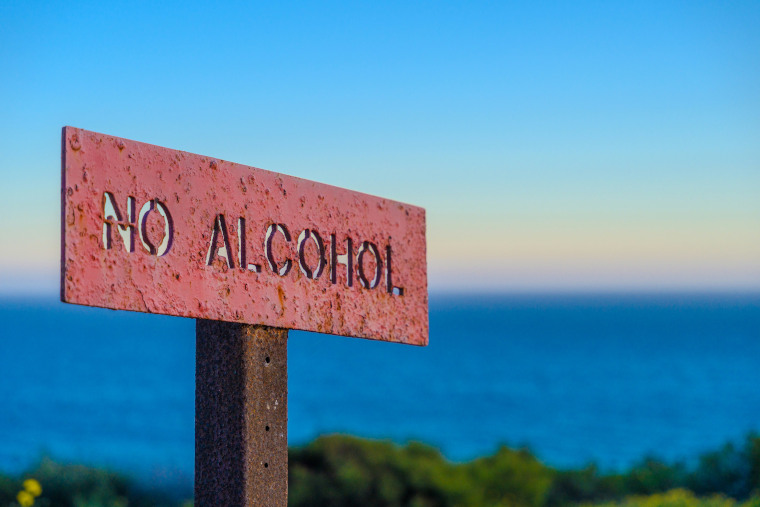 Image source: Ximin Lin / unsplash.com

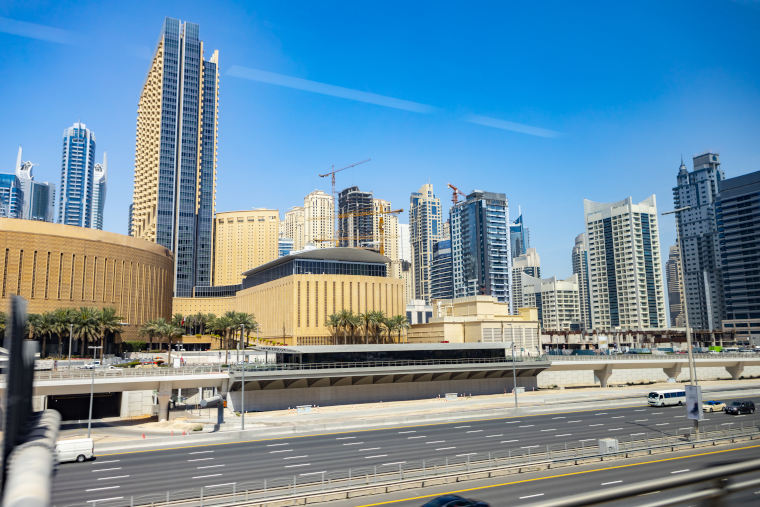 Image source: fabrikasimf / magnific.com


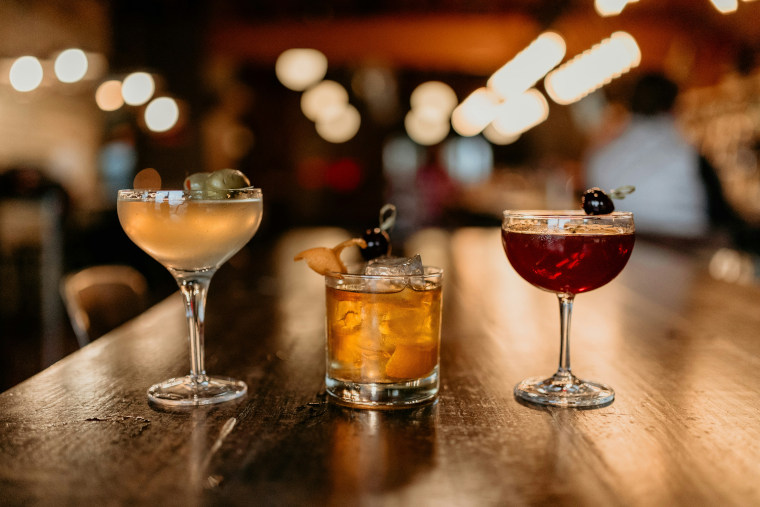 Image source: Daniel / unsplash.com