Townhouse: What It Is, How It Differs from a Detached House, and How to Choose One
Save the article:
What Is a Townhouse and How Is It Laid Out
Before getting into the details of buying one, it's worth understanding the format itself: where the word "townhouse" comes from, what features define it, and what it looks like inside. This is the foundation you need before weighing up the pros, cons and pitfalls discussed further on.
What does the word "townhouse" mean and where did it come from
The word means a "house in town" or "city house". Buildings like this began to be built in Western Europe, primarily in England, several centuries ago. Townspeople wanted to live close to one another, saving on land and construction costs, while still having their own entrance and a small patch of land rather than sharing a stairwell with dozens of strangers.
Image source: Aman Kumar / unsplash.com
Over time, neighbouring European countries adopted the trend for this type of building, which is why the townhouse is considered a classic European solution for urban development.
It arrived in Russia much later: the first townhouses appeared back in the Soviet era, but large-scale construction only began in the 1990s. At first, this was a niche, fairly expensive type of housing, accessible to few. Over time, developers began reducing the size of the sections and simplifying the designs, and the townhouse turned into an affordable alternative to both a flat and a detached cottage.
Today, such developments are built mainly on the outskirts of major cities, and less often within city limits, as ready-to-move-in housing that buyers can occupy immediately after purchase, without a long wait for utilities to be connected or interior finishing to be completed.
The main features and characteristics of a townhouse
To distinguish a townhouse from other low-rise housing formats, it's enough to remember a few key features. The building is divided into several sections — usually between two and ten — each belonging to a separate owner. Each section has its own entrance directly from the street, with no shared stairwell or lift. There are neighbours, but they are to the side — left, right or both — rather than above or below, as in a block of flats.
A standard section covers between 80 and 200 square metres — noticeably larger than a typical city flat, but smaller than a full-sized detached cottage. It is usually two to three storeys high, and there is almost always a small private plot next to it: a front garden by the porch, a parking space, sometimes a back garden with a seating area.
It is precisely this combination of a separate entrance, a compact plot and a moderate price that makes the townhouse recognisable among other low-rise housing options.
Another important feature is the unified architectural style of the whole building. The sections are built at the same time, to a single design, so the facades, roof and overall appearance look cohesive, even though each block has its own owner. This sets it apart from piecemeal private development, where neighbouring buildings can be entirely different in style and materials.
It's also worth understanding what it is not. It is not a studio flat with an unusual layout, nor a detached mansion on a large plot — it is precisely an intermediate option that deliberately combines features of both types of housing. The buyer gets more space and privacy than in a block of flats, but less independence than owning a fully detached building on their own land.
Townhouse materials and layout
Three main materials are used in the construction of the sections. Brick provides good thermal and sound insulation but costs more than other options. Aerated concrete blocks are cheaper and reasonably warm, which is why this option is often chosen by developers of mass-market estates aimed at a wide range of buyers.
Timber-frame technology allows for fast construction and a flexible layout, but requires particular attention to the soundproofing of shared walls — otherwise conversations and the sounds of neighbours' household appliances will be heard all too clearly.
The layout usually follows a single logic: the kitchen, living room and hallway — that is, the shared spaces with access to the plot and, if there is one, to the parking area — are on the ground floor. Bedrooms, children's rooms, bathrooms and dressing rooms — that is, the private areas for rest — are on the second and third floors.
This vertical zoning creates the feeling of a proper house rather than a flat with extra square metres: daytime life and night-time rest are separated by a flight of stairs rather than a single front door.
The attic floor, which appears in many projects, deserves special mention. An extra room is often set up under the roof — a study, a children's playroom or a guest bedroom — allowing the usable floor area to be increased without extending the building itself.
How Does a Townhouse Differ from Other Housing Formats
A townhouse is often confused with a flat, a cottage, a duplex and even a penthouse — the names really do sound similar, and the boundaries between formats aren't always obvious. Let's look at the differences with each format in turn, then bring the key parameters together in a single table for an easy comparison.
How does a townhouse differ from a flat
The main difference is the number of storeys and the position of the entrance. In a flat, you enter a shared stairwell, go up to your floor, and can hear neighbours above, below and all around. In a townhouse, the door leads straight out onto the street, and there is no one living overhead or underfoot; there are only neighbours to the side, beyond a shared wall.
The floor area of a section is generally larger than that of a comparably priced flat, but so is the level of responsibility: the condition of the porch, the internal staircase and the entrance area is the owner's responsibility, not that of a management company.
There is also a difference in the sense of space. A flat is single-level housing, with all the rooms on one floor. A townhouse section, on the other hand, is almost always spread over multiple levels: two or three storeys make it possible to physically separate shared and private areas, rather than simply arranging partitions on a single plane. For families with children, this often becomes the deciding factor in favour of a townhouse.
How does a townhouse differ from a cottage
A cottage is a fully detached house on its own plot, with no shared walls with anyone. A townhouse section, by contrast, is part of a larger structure, so building and running costs are lower: part of the cost of the foundations, roof and utilities is shared between neighbours.
The flip side is a smaller plot of land and the need to agree the appearance of the facade, or any repairs to the shared roof or utilities, with the neighbours.
A cottage offers complete autonomy: the owner decides what to do with the house and the plot without having to consult anyone. A townhouse section is a compromise between the autonomy of a private house and the cost savings typical of flats. The price difference between the two formats can be considerable, particularly for comparable floor areas.
How does a townhouse differ from a duplex and a penthouse
A duplex is essentially a special case of a townhouse: a building designed for exactly two sections sharing one common wall. The owner of a duplex has only one neighbour, the plot is usually more spacious, and privacy is greater than in a building with four or more sections. The underlying construction principle is the same; the difference lies in the number of blocks and, as a result, in the atmosphere of the whole development.
A penthouse, however, has less in common with a townhouse than the similar-sounding names might suggest. A penthouse is a luxury flat on the top floor of a high-rise building, with panoramic windows and a separate entrance via lift. About the only thing the two formats share is a separate entrance; in every other respect, they are fundamentally different types of housing: a penthouse remains a flat within a high-rise, while a townhouse is low-rise housing on the ground.
How does the urban format differ from the out-of-town one
Townhouses are built both within the boundaries of major cities and in the suburbs, and the difference between the two is quite noticeable. The urban option is more expensive per square metre but offers walking distance to schools, work and city infrastructure, while the plot is minimal — often just a small front garden by the entrance.
The out-of-town option, by contrast, offers more space, quiet and a secure, gated development, but requires a car for everyday trips into town; without one, getting to the shops, nursery or work can be inconvenient.
To bring it all together, below is a comparison of a townhouse with a flat and a cottage across the key parameters that usually matter when choosing a home.
Parameter
Townhouse
Flat
Cottage
Number of storeys
2–3 storeys
1 level
1–3 storeys
Entrance
Separate, from the street
Through a shared stairwell
Separate
Neighbours above and below
No
Yes
No
Shared walls
1–2, with neighbours
Around the whole perimeter of the building
None
Plot
Small, private
Usually none
From several hundred square metres upwards
Responsibility for facade and roof
Shared with neighbours
With the management company
Entirely with the owner
As the table shows, this type of housing occupies an intermediate position: it offers more space and privacy than a flat, but requires less independent upkeep than a fully detached building on its own land.
It is precisely this balance that explains the growing interest among buyers — particularly among families who have "outgrown" a flat but aren't yet ready for a full-sized cottage, with all the costs of maintaining a large plot that come with it.
It's worth adding that the price per square metre for the housing types being compared doesn't always vary predictably either. A townhouse section in a development far from the city may cost less than a flat in a dormitory district of that same city, while a section in a prestigious gated development near a major city may cost more than a small cottage in a distant suburb.
So when comparing options, it's worth looking not only at the type of property, but also at the specific location, infrastructure and year of construction.
Advantages and Disadvantages of a Townhouse
Every housing format has its strengths and weaknesses, and the townhouse is no exception. Below is a breakdown of what owners typically like, and what's worth bearing in mind in advance, so that the purchase doesn't turn into an unpleasant surprise.
The advantages of a townhouse
The main advantage is the combination of the space of a private house with a relatively accessible price. A section of 100–150 square metres, spread over several floors with its own plot, costs less than a full-sized cottage of comparable size, while being noticeably more spacious than a typical flat.
The feeling of home is quite different from that of a flat: your own entrance, no neighbours above or below, quiet evenings, and the ability to step out onto your own small plot without a lift or an intercom.
Another advantage is privacy combined with ready-made infrastructure. Many developments are gated and guarded, with a management company handling the upkeep of the grounds and utilities — meaning owners don't have to deal with roads, lighting or rubbish collection themselves, as is often the case when living in a detached house on your own land.
Children in such developments can often go out on their own, and adults don't have to spend time building up the development's amenities from scratch.
The multi-level layout is worth highlighting separately as an advantage in its own right, not just a feature. Dividing a townhouse across floors makes it possible to physically separate noisy and quiet areas: for example, a children's playroom can be located far from the parents' bedroom, while the living room is on the ground floor, close to the kitchen and the way outside.
For large families, where several generations live together, this kind of zoning is particularly valuable — everyone gets their own space within a single house.
The disadvantages and limitations of a townhouse
The main trade-off of a townhouse is the shared wall with neighbours. Even with good soundproofing, it's impossible to eliminate neighbours' noise entirely, especially if the townhouse is built from inexpensive materials with thin inter-section partitions.
Any changes to the facade — repainting, replacing windows, glazing a balcony — generally require approval from the management company or the owners' association, in order to preserve the unified appearance of the whole building. This takes away some of the freedom that the owner of a detached cottage enjoys.
You should also budget for higher running costs compared with a flat of the same price: heating a larger area costs more, plus there are contributions towards the upkeep of the development's shared areas. The plot, meanwhile, is usually modest — don't expect a proper vegetable garden or a large recreational area, as you might with a private house on your own land; more often than not, it's just a few metres in front of the porch or a small back garden.
Finally, it's worth factoring in the distance from the city: such developments are more often built outside it, meaning everyday life without a car can be inconvenient. If work and the children's school are in the city, the family will most likely need more than one car, and routes will need to be planned with possible traffic jams at the entrance and exit of the development during rush hour in mind.
Weighing up all these factors, it's worth honestly asking yourself: what matters more to you — complete peace and quiet and a large plot with a detached building, the compactness and accessibility of a city flat, or the sensible balance between the two that this intermediate housing option offers.
How to Choose and Buy a Townhouse
Once you've chosen a townhouse, the practical part begins — checking the paperwork, the status of the land, mortgage options and the condition of the specific property. Let’s look at what to pay attention to before the transaction.
Is a townhouse legally a house or a flat
There is formally no term "townhouse" in Russian legislation — it's a colloquial name. Officially, such a property is registered as a house of blocked (terraced) development: an independent residential building made up of several blocks, each designed for one family, with its own entrance from the street, and not connected to neighbouring blocks by shared stairs or corridors.
This is what fundamentally distinguishes a townhouse section from a flat: each block has its own cadastral number and separate title of ownership, rather than a share in the shared property of the whole building. In practice, this means you can register your residence there in the same way as in a private house, and utility charges and property tax are calculated individually for each block, independent of the neighbours.
A second, less common form of registration exists — as flats in a low-rise block of flats. In this case, the land is held in shared ownership by all residents, and any significant changes — from redevelopment to a sale — formally require the neighbours' consent.
Before buying, it's worth checking with the seller or developer which of the two registration forms applies to the specific property, as this directly affects the owner's rights and the ease of any future property transactions.
What is the status of the land under a townhouse
The status of the land under a townhouse determines how freely the owner can deal with their section. Individual ownership of the plot is the optimal arrangement: each block stands on its own cadastral plot, which belongs entirely to the owner, while the development's shared areas are managed by the homeowners' association or a management company.
The second option is shared ownership of the land under the whole building. In this case, selling a section, or even minor building work on your own plot — putting up a gazebo or a fence, for example — may formally require the consent of the other owners, which complicates both transactions and everyday life.
Before buying, it's worth checking with the developer or seller which category the land falls into and what its permitted use is: it needs to correspond to residential development, otherwise there may be difficulties registering ownership.
There is a third point that is often overlooked: the category of the land itself. The plot needs to belong to land within settlement boundaries with permitted use for residential construction.
If the land is classified as agricultural, the owner may later run into difficulties not only with registering their residence, but also with legalising the property itself, so this detail is worth checking before putting down a deposit, not after signing the contract.
Can you buy a townhouse with a mortgage or using maternity capital
Yes — as a house of blocked development, a townhouse is classified by banks as a "residential house" rather than a "flat in a block of flats", which opens up access to mortgage programmes intended for houses, including family and rural mortgage options.
Maternity capital can also be used as a down payment or to pay off a mortgage early, provided the property has residential status. Specific terms, rates and limits should be checked directly with the bank at the time of the transaction, as government support programmes change from time to time.
How much does a townhouse cost, and what are the running costs
The cost of this type of housing is made up of several factors: the region and distance from the city, how developed the estate's infrastructure is, the wall materials and construction technology used, the size of the section and the size of the adjoining plot. As a rule, the further from the city and the more compact the section, the lower the price per square metre.
Image source: Radu Prodan / unsplash.com
Completed townhouses with finished interiors cost more than properties still under construction, without finishing or connected utilities.
Monthly running costs usually include utility bills — calculated in the same way as for a detached house — plus a contribution towards the upkeep of the development's shared areas, if a management company operates there.
It's also worth bearing in mind that heating a larger area than a flat increases utility bills, especially during the cold season. When choosing a property, it makes sense to check the approximate monthly charges with the seller or developer in advance, so you can weigh them up against your own budget.
What should you look out for when inspecting and buying
Before the deal, it's worth carefully checking several key points:
the property's legal status — a house of blocked development with a separate cadastral number for each block;
the wall material and the thickness of the partitions between sections — this has a direct impact on soundproofing;
the condition of the utilities — heating, water supply, electrics and gas, if there is any;
the status of the land plot — individual or shared ownership, the land category and its permitted use;
the terms of service from the management company — what's included in the monthly charge and how often it might change.
It's also worth talking to your future neighbours and, if possible, viewing the townhouse at different times of day — during the day and in the evening, on a weekday and at the weekend. This helps you form a realistic picture of the noise level, transport links and overall atmosphere of the development, rather than relying solely on the impression from a single short visit with an estate agent.
If the property is being bought off-plan, it's worth separately researching the developer's reputation and their previously completed projects: how well they've kept to deadlines, the quality of the work, and how closely the advertised infrastructure matches reality once residents have moved in.
Frequently Asked Questions about Townhouses
Can you register your residence in a townhouse?
Yes. Since a townhouse is legally registered as a residential house rather than a flat within a block of flats, permanent registration of residence in a townhouse follows the same rules as in an ordinary private house — with no additional restrictions and no need to obtain the neighbours' consent. In this respect, a townhouse is no different from any other private residence.
Can you carry out a redevelopment in a townhouse?
Redevelopment within your own townhouse section is possible, but with restrictions: you cannot affect load-bearing structures or walls shared with neighbours. Any changes to a townhouse that affect the facade or shared elements of the building — the roof or entrance area, for example — generally require approval from the management company or the owners' association, even if the alterations themselves take place entirely within one block.
What is the difference between a townhouse and a duplex?
A duplex is a special case of a townhouse for exactly two sections with one wall shared between the neighbours. A townhouse, more broadly, is a wider concept that covers buildings from two sections upwards, sometimes as many as ten in a single row. The construction principle of a townhouse is the same in both cases; only the number of sections differs, and, as a result, the number of neighbours and the overall atmosphere of the development.
Who is a townhouse suited to — which families and buyers?
It is most often chosen by families with children who have found a flat too cramped but aren't yet ready for the full upkeep of a detached cottage. Townhouses also appeal to young couples who want to live outside the city in a modern townhouse without a "dacha" feel, and to middle-aged people looking for a balance between quiet, privacy and manageable upkeep.
Does changing a townhouse's facade need to be agreed with the neighbours?
In most cases, yes. Since all the sections of a townhouse form a single architectural ensemble, changes to the facade — repainting, replacing windows, glazing a balcony — generally need to be agreed with the management company or the townhouse's owners' association, in order to preserve the building's overall appearance and not infringe on the neighbours' interests.
Does buying a townhouse off-plan differ from buying a finished property?
Yes, and noticeably so. Buying a townhouse from a developer at the construction stage is usually cheaper and gives you a townhouse with new utilities, but carries the risk of delays.
A finished, already lived-in property on the secondary market lets you see the real condition of the townhouse, meet the neighbours and get a feel for the development's atmosphere before the deal, though it may need renovation work or hide defects that only become apparent after moving in.
What's important to check before buying a townhouse?
Above all, the legal status of the townhouse and the land, the wall material and the quality of soundproofing between sections, the condition of the utilities, and the terms of service from the management company. A flat, a cottage or a townhouse — the choice ultimately depends on which way of life suits you best; the more you check in advance, the fewer surprises await you after moving into a townhouse.
Article header image source: Radu Prodan / unsplash.com
Where is Dubai located? History and development of Dubai. Culture and architecture of Dubai. Districts of Dubai. Frequently asked questions about the location of Dubai.
Does voice communication via messengers work in the UAE? Main telecommunication operators in the UAE. 3 telecommunication operators in the UAE with eSIM support. How to activate an eSIM for communicat...
Distance and journey time from Dubai to Fujairah. Bus E700: the cheapest option. Taxi and transfer from Dubai to Fujairah. Driving from Dubai to Fujairah. How to get from Abu Dhabi to Fujairah? Conclu...
What Umm Suqeim is like. Real estate in Umm Suqeim. Features of residential real estate in Umm Suqeim. What affects commercial real estate prices? Entertainment in Umm Suqeim. Frequently asked questio...
Advantages of studying at Dubai universities. Requirements for applicants to Dubai universities. Obtaining a visa for studying in Dubai. Top 3 universities in Dubai. Frequently Asked Questions about u...
Why Arabic is not a single language. How Arabic dialects arose — a brief history. The main groups of Arabic dialects — where they are spoken and how. Do Arabs from different countries understand one a...
What real estate is and which types of property are legally classified as such. What are the main types of real estate? What types of residential and commercial real estate exist? How to register righ...
General cost of living and recreation. Housing and accommodation prices. Food: restaurants, cafes and groceries. Transport and travel. Entertainment and attractions. Shopping and purchases. Additional...



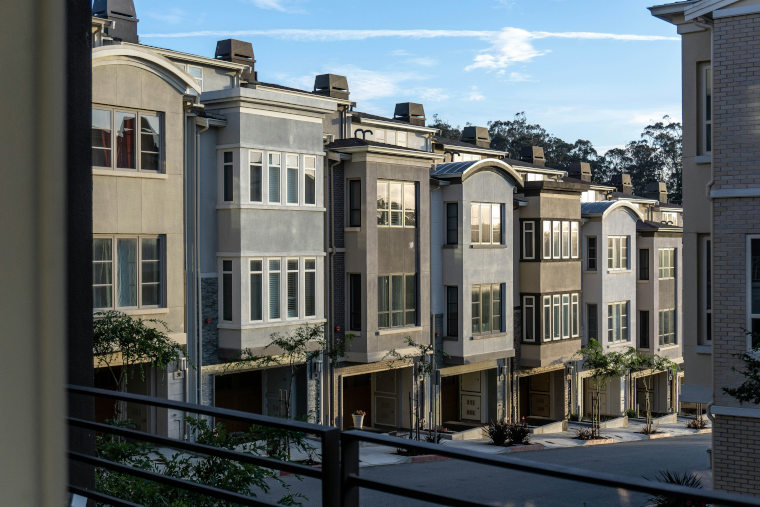 Image source: Aman Kumar / unsplash.com


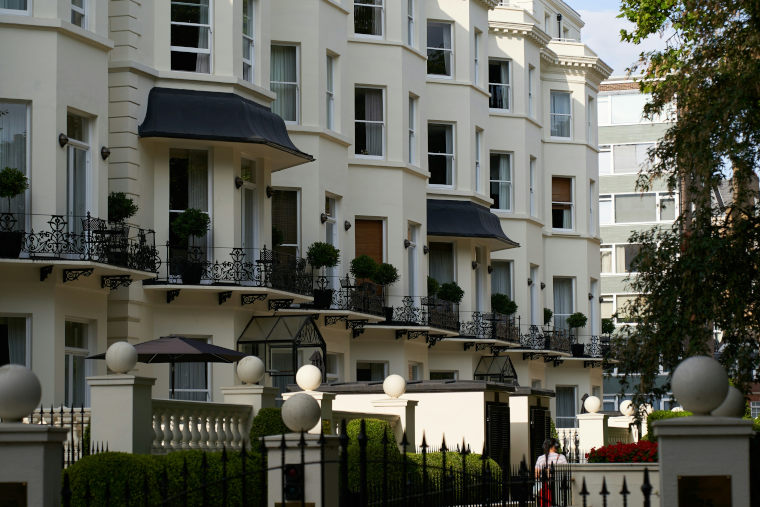 Image source: Radu Prodan / unsplash.com