Home/Real Estate Market/Dubai South: infrastructure, leisure options, average property prices
06.11.2026
Real Estate Market
918
Reading time: 15 minutes
Dubai South: infrastructure, leisure options, average property prices
Save the article:
What is it about? Dubai South is a relatively new district of the emirate, situated around Al Maktoum International Airport. It is designed to accommodate at least one million residents. It has well-developed infrastructure and serves as a centre for trade and logistics.
What to pay attention to? The property market in Dubai South is vast: there are numerous villas and townhouses, as well as a considerable number of high-rise buildings. Moreover, construction is actively continuing, as the number of people wishing to relocate to this district is steadily growing.
General Overview of the Dubai South District
Dubai South was conceived as a large-scale, self-sufficient district built around Al Maktoum International Airport. The original concept envisaged the creation of a kind of "city of the future", where residential quarters, business infrastructure and industrial facilities would be united into a single system.
Today, Dubai South is one of the largest developing communities in Dubai. The district covers approximately 145 km² and includes residential, commercial and industrial zones. This format makes it attractive not only to those seeking accommodation, but also to entrepreneurs and investors. Various incentives and preferential conditions are available for businesses there.
One of the key advantages of Dubai South is the opportunity to combine a calm urban environment with well-developed infrastructure. The district is suited to permanent residence, including families with children, and the range of available properties is gradually expanding. It features apartment complexes, townhouses, villas and commercial properties.
Considerable attention is paid to landscaping and the improvement of public spaces during the district's development. The area is designed in such a way that parks, green spaces and pedestrian zones are preserved amidst modern construction. This creates a more tranquil atmosphere and distinguishes Dubai South favourably from many densely built urban districts.
At the same time, the district cannot be described as isolated. Its development is closely connected to Al Maktoum International Airport and the logistics, commercial and business facilities located nearby. As a result, its own infrastructure is taking shape, catering to both residents and employees of companies operating in the district.
Another factor in its appeal is transport accessibility. As Dubai South develops, its connectivity with other parts of the emirate is improving, and proximity to the airport is becoming an especially important advantage for those who travel frequently or work in the field of international business.
Dubai South thus represents not merely a residential district, but a large-scale urban cluster in which housing, business, logistics and public infrastructure are all developing simultaneously. It is precisely this combination of growth potential, proximity to the airport and variety of property that makes it an attractive destination for those considering purchasing a home or investing in Dubai real estate.
Infrastructure of Dubai South
Dubai South is being developed as a self-sufficient urban district, so its infrastructure is designed not only for employees of companies based there, but also for permanent residents. The district has shops, cafés, restaurants and other establishments for everyday leisure. Public and paid parking facilities, educational institutions, spa centres, retail outlets and mosques are all available.
Image source: magnific / magnific.com
At the same time, Dubai South has a far broader remit than an ordinary residential district. It is home to industrial, logistics, technology and business facilities — including those linked to international transport and the aviation sector. This combination forms a fully functional economic ecosystem and creates additional opportunities for business and employment.
The territory of Dubai South is divided into eight interconnected clusters, each serving its own purpose.
Commercial cluster
The commercial zone covers approximately 7.95 km². It provides various formats of commercial property and workspaces, creating an environment suitable for companies across diverse sectors and fostering the creation of new jobs.
Residential cluster
The residential section of Dubai South covers approximately 7.15 km². Modern property is being developed there, aimed primarily at buyers and tenants in the mid-price segment.
The residential cluster offers a variety of properties, making the district suitable both for independent living and for investment in rental properties.
The logistics zone specialises in the transportation, storage and distribution of goods. Modern solutions are employed there for organising supply chains and managing logistics processes.
Proximity to Al Maktoum Airport and major transport routes makes this cluster particularly important for international trade and companies involved in freight transport.
Humanitarian cluster
A dedicated area is designated for humanitarian and international organisations. This is where coordination of relief operations and emergency response activities takes place.
Golf District
One of the most attractive zones for living and leisure is the Golf District. It includes world-class golf courses, practice facilities, club infrastructure and specialised shops.
Residential property is also being developed nearby (townhouses and villas). This means the cluster combines opportunities for sport, relaxation and permanent residence in a comfortable environment.
Al Maktoum Airport
Al Maktoum International Airport is one of the key facilities within Dubai South. Its presence shapes a significant part of the district's business and logistics specialisation and influences the further development of the surrounding areas.
Image source: vwalakte / magnific.com
Aviation cluster
The aviation zone, covering approximately 6.7 km², is focused on servicing air transport. It houses facilities connected to maintenance, repair and other aviation processes.
Business Park
At the exit from Dubai South is the Business Park — a free economic zone oriented towards companies from various industries. It features modern office and administrative buildings suitable for accommodating corporate structures and conducting international business.
Dubai South also includes facilities necessary for business and educational activities. It houses offices, warehouse space, and venues for conferences and educational events, including those involving international organizations.
Dubai South thus combines several functions: residential, commercial, logistics, aviation and recreational. As a result, the district is gradually transforming into an independent urban centre where one can not only live, but also work, develop a business and make use of essential infrastructure without travelling to other parts of Dubai.
Cultural and Entertainment Leisure Options in Dubai South
Life in Dubai South is not limited to work and everyday affairs. One of the interesting places for walks and cultural leisure is Expo City, located nearby. It is home to modern exhibition spaces, themed pavilions, public areas and venues for events.
Particularly noteworthy is the Terra sustainability pavilion, designed by the British architectural firm Grimshaw Architects. Its exhibitions are dedicated to ecology, natural resources and modern methods of environmental conservation.
The architecture of the building itself continues this concept: 4,912 solar panels are installed on the roof, and a further 18 tree-shaped structures are also fitted with solar elements. Together, they are capable of generating approximately 4 GWh of renewable energy per year.
Inside Terra, visitors can explore several themed spaces dedicated to the oceans, forests, natural phenomena and other aspects of the natural world. This makes the pavilion of interest not only to adults, but also to families with children.
Another unusual venue in Expo City is Fire Falls. Water performances take place there, with fountains creating the visual effect of water moving upwards. In the evening, the show is enhanced by lighting, and fire appears in the centre of the square. The musical accompaniment was specially composed by Ramin Djawadi.
In addition, Expo City features pavilions from various countries, so a walk there can be combined with a brief "journey" through world cultures.
Green spaces are available for outdoor recreation in the district and its surroundings. Al Forsan Park, for example, has a spacious children's playground. Dubai South itself regularly hosts public events, conferences and concerts, so residents can spend their free time not only in shopping centres and restaurants, but also at public venues around the district.
Leisure within residential communities
Convenient amenities are also provided directly within the residential communities. In Emaar South, residents can use sports facilities, relax by an artificial lake, visit the outdoor swimming pool and work out in the community centre gym. Green spaces are available for walks and family leisure.
The Residential District also has infrastructure for everyday leisure: parks, gardens, children's playgrounds and outdoor sports facilities. The residents therefore need not leave the district every time they wish to spend time with family or do sport.
Popular Dubai destinations within a short drive
Dubai South's location also allows for fairly swift access to other well-known attractions of the emirate. Depending on traffic conditions, the journey to many popular destinations takes around 20–30 minutes.
Options for trips include:
Palm Jumeirah — the famous artificial palm-shaped archipelago with beaches, restaurants, shops, Nakheel Mall, an aquarium and water parks.
Marina Walk — a waterfront promenade along Dubai Creek with yachts, cafés and restaurants.
Bluewaters Island — an island with shops, restaurants and leisure facilities, including the famous observation wheel.
Trump International Golf Club — a professional golf club with an 18-hole course.
Riverland Dubai — a retail and entertainment district with themed quarters styled in different architectural traditions.
Motiongate Dubai — a theme park dedicated to famous Hollywood films and characters.
Legoland Dubai — a themed park for family leisure with rides and entertainment for children.
Al Qudra Desert — a desert area for walks, outdoor recreation and exploration of the emirate's landscapes.
The Camel Farm — a farm where visitors can get up close to one of the region's iconic animals.
Image source: EastBridge Think Lab / unsplash.com
Dubai South thus combines a tranquil residential atmosphere with access to Dubai's vibrant urban life. Within the community itself there are places for sport, walks and family leisure, whilst major attractions and entertainment centres are within a reasonable distance.
Opportunities for Physical Activity in Dubai South
For those who enjoy an active lifestyle, Dubai South offers a considerable number of options. The residents can engage in sport both in equipped fitness centres and outdoors. The main options include:
Fitness centres and gyms — modern facilities with equipment for strength and cardio training.
Swimming pools — outdoor and indoor pools for swimming, training and leisure.
Pedestrian and cycling routes — well-maintained paths for walks, runs and cycling.
Sports facilities — football pitches, tennis courts, basketball courts and other facilities for team and individual activities.
Yoga and Pilates studios — specialised spaces for classes aimed at developing flexibility, strength and endurance.
Golf courses — modern, high-quality courses meeting international standards.
Particular mention should be made of Dubai's sports clubs and academies. The city is home to establishments where one can take up martial arts, equestrian sport and other disciplines.
Al Nasr Club — a multi-sport club offering classes in a variety of sports. It is located in the Oud Metha area of Bur Dubai.
Team Nogueira Dubai — a martial arts academy specialising in MMA, Brazilian jiu-jitsu and boxing. The club is located in the Al Quoz district.
Dubai Polo & Equestrian Club — an equestrian sports club where one can take up horse riding and learn about equestrian sport.
Dubai's sports infrastructure thus makes it possible to find a pursuit to suit almost any interest — from gym workouts and swimming to tennis, martial arts and horse riding. For residents of Dubai South, an additional advantage is the proximity to major sports facilities in neighbouring districts.
Average Property Prices in Dubai South
The property market in Dubai South is developing actively, so the range of available options is constantly expanding. New residential complexes, villas, townhouses and high-rise projects are appearing in the district. Thanks to the ongoing development of infrastructure, Dubai South is considered not only as a place for permanent residence, but also as a promising investment destination.
The backbone of the new housing stock consists of gated communities with villas and townhouses. Projects featuring flats in multi-storey buildings are also being developed simultaneously. Buyers have access both to off-plan properties and to ready-to-move-in homes that can be occupied immediately after purchase. In some projects, flats and houses are handed over with full finishing, plumbing, kitchen furniture and the necessary appliances.
Property prices in Dubai South
The variety of projects makes it possible to find property in Dubai South across different price categories — from comparatively affordable studios to spacious premium-class villas.
Image source: krishna kumar c / unsplash.com
For instance, a studio with modern finishing, panoramic glazing and a central air-conditioning system can be purchased for approximately 330,000 AED. The price of a two-storey villa with three bedrooms is around 2.6 million AED. Such a home may include a private enclosed plot, complete finishing, plumbing and a fitted kitchen.
At the upper end of the market, large villas are available in premium residential communities. For example, the price of an under-construction three-storey villa of approximately 765 m² in a development beside an artificial lagoon can reach 7.2 million AED.
Property in Dubai South is thus suitable for buyers with different budgets. Smaller flats can be considered as a relatively accessible option for a first investment, whilst spacious homes are available for family living and long-term investment.
Investment appeal
One of the key advantages of Dubai South for investors remains the potential of a developing district. According to available estimates, rental yields there may be approximately 4.4–9.1% per annum, depending on the type of property. Studios and one-bedroom flats traditionally deliver the most attractive returns.
When assessing a specific property, it is important to take into account not only the potential yield, but also the purchase price, location within the district, size, quality of the development, availability of furnishings and infrastructure, as well as the prospects for further territorial development.
The rental market also offers a fairly wide range of options. Prices depend on the type of property, size, condition of the property, whether it is furnished, and its location relative to transport and social infrastructure.
Compared with Dubai's most expensive central and coastal districts, Dubai South typically offers more affordable rental options. This makes the district attractive to those who wish to live in Dubai but are not prepared to pay a premium for a central location.
As a point of reference, studios with modern finishing, panoramic glazing and furnishings are available to rent for approximately 35,000 AED per year. A two-bedroom townhouse can be rented for approximately 65,000 AED per year.
The development of the district may gradually increase demand for both purchasing and renting property. For an investor, this means that Dubai South can be considered not only in terms of current property values, but also with regard to the long-term potential of the area.
Pros and Cons of Dubai South
Dubai South is one of Dubai's most actively developing districts. It is being created as a modern, self-sufficient community that unites residential, business, logistics and aviation infrastructure. For some buyers, this represents an opportunity to acquire property in a promising location; for others, it raises the question of how comfortable it is to live there today.
Like any developing district, Dubai South has its own advantages and specifics that are worth considering before relocating or purchasing property.
Advantages of Dubai South
Modern architecture and layout
The district is being designed in line with modern construction standards and urban planning requirements. New residential complexes feature contemporary architecture, functional layouts and energy-efficient solutions. Great attention is paid to transport accessibility and the rational use of space during the development of the area.
Spaciousness and relatively light traffic
Compared with some of Dubai's long-established districts, Dubai South has more open space and wider roads. Parking is easier there, and the density of development in many quarters remains comparatively low. This is particularly convenient for families and people who prefer a more relaxed pace of life.
Prospects for further development
Dubai South was conceived from the outset not merely as a residential district, but as a fully functional urban community where one can live, work and do business. Aviation and logistics sectors, commercial infrastructure and new residential projects are all being developed there. Ongoing construction creates potential for further growth of the area.
Proximity to the airport
One of the district's key advantages is its location next to Al Maktoum International Airport. This is especially convenient for people who travel frequently, work in the aviation sector or run a business related to international transport.
Gradually expanding infrastructure
Supermarkets, educational institutions, medical centres, fitness centres, parks, sports facilities and other everyday amenities are appearing in Dubai South. As new residential complexes are built, the number of services available to their residents also increases.
Dubai South hosts special economic zones and offers a business-friendly environment. The district is of particular interest to companies involved in aviation, logistics, trade and other international sectors.
Opportunities for sport and active leisure
The residents can make use of swimming pools, sports facilities, pedestrian and cycling routes, fitness centres and other amenities. The golf courses and sports infrastructure in neighbouring communities are an additional advantage.
Disadvantages of Dubai South
Infrastructure not yet fully formed
Despite its active development, Dubai South cannot yet compete with Dubai's most popular central districts in terms of the number of restaurants, large shopping centres, cinemas, boutiques and entertainment venues. For some services, the residents need to travel to neighbouring districts.
Ongoing construction
Active development has its downsides. Building works may be accompanied by noise, dust and temporary road restrictions. For those purchasing property in a new development, it is important to research in advance what is planned for neighbouring plots and how long the works are likely to continue.
Low population density
In some parts of Dubai South, there is a certain lack of the usual urban activity. A number of quarters appear fairly quiet and sparsely populated, as some projects are still under construction or have only recently been commissioned. For those who enjoy a lively urban atmosphere, this environment may feel too quiet.
Distance from central districts
Dubai South is located a considerable distance from Dubai's popular business and tourist destinations. If your work or daily activities are centered in Downtown Dubai, Business Bay, Dubai Marina or other central districts, daily commutes may take a noticeable amount of time.
Image source: Dubai Travel Blog / unsplash.com
Cost of living
Despite the more accessible prices of some properties compared with premium coastal districts, life in Dubai in general entails significant expenditure. When calculating a budget, it is important to factor in not only rent or mortgage payments, but also transport, utilities, education, healthcare and other everyday costs.
Traffic congestion during peak hours
At normal times, the district's roads can be fairly clear; however, as the number of residents increases and the area develops, the traffic situation is changing. During peak hours, congestion is possible on main routes, particularly when travelling to other parts of the city.
Dubai South may be a good option for those who value modern residential complexes, spaciousness and a tranquil atmosphere; who do not aspire to be in the heart of urban life every day; and who are interested in a district with strong growth potential.
That said, before purchasing or renting property, it is worth considering the stage of development of the specific quarter in question. Some parts of Dubai South already have the necessary infrastructure in place, while others are still being actively built up. It is therefore better to assess not only the district as a whole, but also the specific residential complex, its surroundings, transport routes and plans for further development.
Frequently Asked Questions about Dubai South
What restaurants are there in Dubai South?
The number of cafés and restaurants in Dubai South's residential communities is gradually increasing. The Residential District is home to establishments offering a variety of cuisines and price points, including coffee shops, cafés and restaurants.
Additional gastronomic options are offered by nearby Expo City. Restaurants, cafés and food trucks operate there, and visitors can try baked goods, desserts, dishes from various cuisines and quick snacks.
Amongst the establishments represented in the district and its surroundings, one can find restaurants serving Turkmen, Lebanese, African and other cuisines. The gastronomic infrastructure of Dubai South continues to develop alongside the growth in its resident population.
How is transport in Dubai South?
One of the district's advantages is convenient access to major highways connecting Dubai South with other parts of the emirate. Proximity to Al Maktoum Airport also makes the district convenient for those involved in aviation and international freight transport.
At the same time, public transport is currently less developed than in Dubai's central districts. As a result, for everyday travel — particularly if work or study is located far from home — many residents prefer to use a private car or taxi.
As Dubai South continues to develop, its transport infrastructure will also expand. It is therefore worth researching the location of a specific residential complex in relation to main roads, stops and future transport facilities before purchasing property.
What schools and nurseries are there near Dubai South?
The district's educational infrastructure is continuing to take shape alongside the development of residential communities. New schools and childcare facilities are planned to be built directly within large residential projects, including Emaar South and Residential District.
Image source: Prostock-studio / shutterstock.com
For the time being, some families choose educational institutions in neighbouring districts. In Dubai Investments Park (DIP), for instance, several international schools are located: Greenfield Community School, The International School of Choueifat — Dubai Investments Park, as well as Dove Green Private School.
Another option is educational institutions in Dubai Sports City, which can be reached by car. These include Victory Heights Primary School and Kinder Castle Nursery.
When choosing a home, families with children should consider not only the distance to school, but also road congestion during peak hours. In some cases, it is more convenient to choose a residential complex close to existing or planned educational facilities.
Are there hospitals and clinics in Dubai South?
The district's medical infrastructure is developing alongside residential construction. When necessary, the residents can access clinics and hospitals in neighbouring districts, which are reachable by car.
Medical facilities in the surrounding area include NMC Royal Hospital in DIP, NMC Specialty Hospital, Access Clinic in JAFZA and Aster Cedars Hospital.
As the population of Dubai South grows, further medical centres and other social infrastructure facilities are expected to appear directly within the district. For a family purchasing property there, this is a particularly important consideration: before relocating, it is worth checking which clinics, pharmacies and medical services are available near the chosen residential complex.
Article header image source: Kate Trysh / unsplash.com
What Ramadan is and when it takes place. Rules of conduct and restrictions for tourists during Ramadan. What to do in the UAE during Ramadan: entertainment, festivals, and gastronomy. Is it worth visi...
How the postal system works in the UAE. What to enter instead of a postcode when filling in forms. P.O. Box as an alternative to a postcode. Area and emirate codes in the UAE. Delivery of parcels and ...
Advantages of taxis in the UAE. Options for calling a taxi in Abu Dhabi. The cost of taxis in Abu Dhabi. Rules for taxi rides. Frequently asked questions about taxis in Abu Dhabi.
What is DMCC? Location: Jumeirah Lakes Towers and Uptown Dubai. Advantages of registering a company in DMCC. Types of licenses in DMCC. Types of activities in DMCC. The company registration process in...
Types of taxis in Dubai. Ways to book a taxi in Dubai. Cost of taxis in Dubai. Protection against taxi fraud in Dubai. Frequently asked questions about taxis in Dubai.
What a free economic zone in Dubai is. Overview of Dubai's key free economic zones. How to choose a free economic zone for your business. Registering a company in a free economic zone: process, taxes,...
Description of the Al Barsha district. Real estate in Al Barsha. Nurseries and schools in Al Barsha. Investment feasibility and development prospects of Al Barsha. Frequently asked questions about Al ...
Specifics of life in Abu Dhabi. Popular vacancies for Russians in Abu Dhabi. Requirements for job seekers in Abu Dhabi. Where to look for work as a Russian in Abu Dhabi. Frequently asked questions abo...


 Image source: magnific / magnific.com

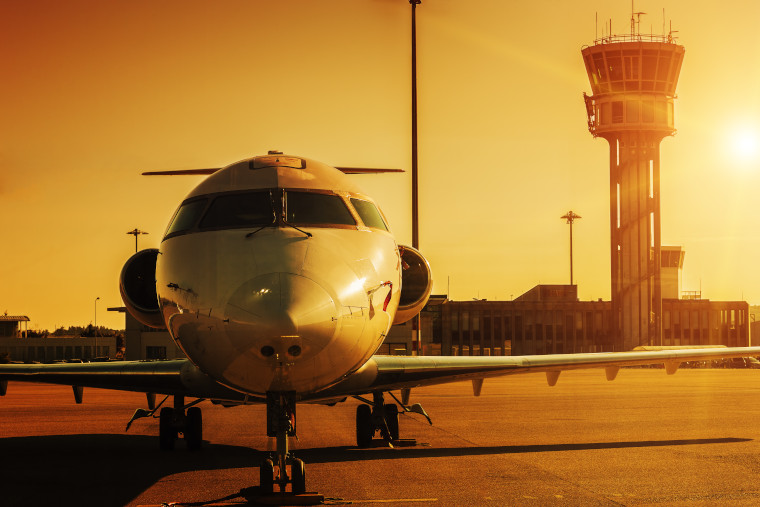 Image source: vwalakte / magnific.com

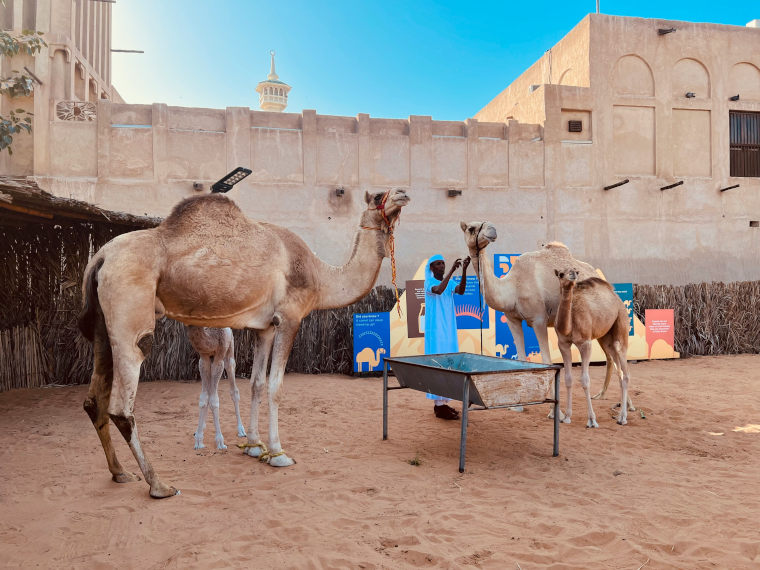 Image source: EastBridge Think Lab / unsplash.com

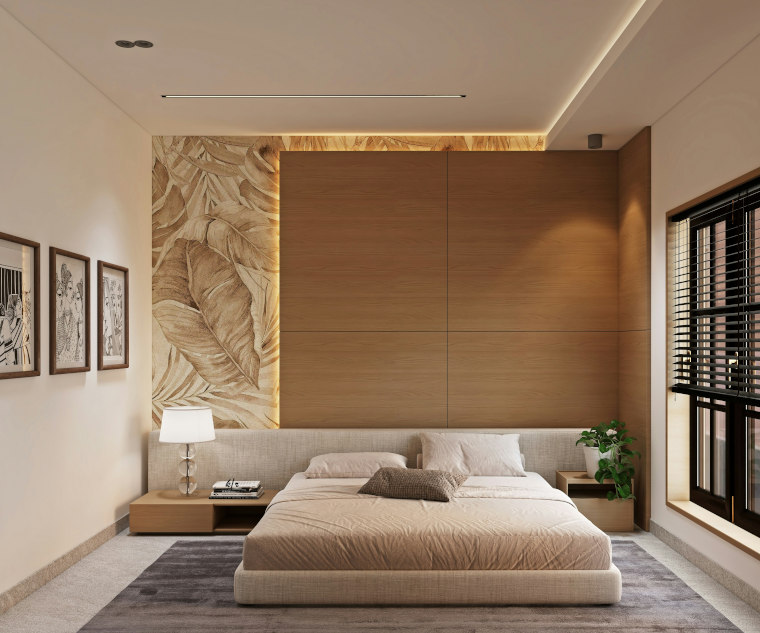 Image source: krishna kumar c / unsplash.com


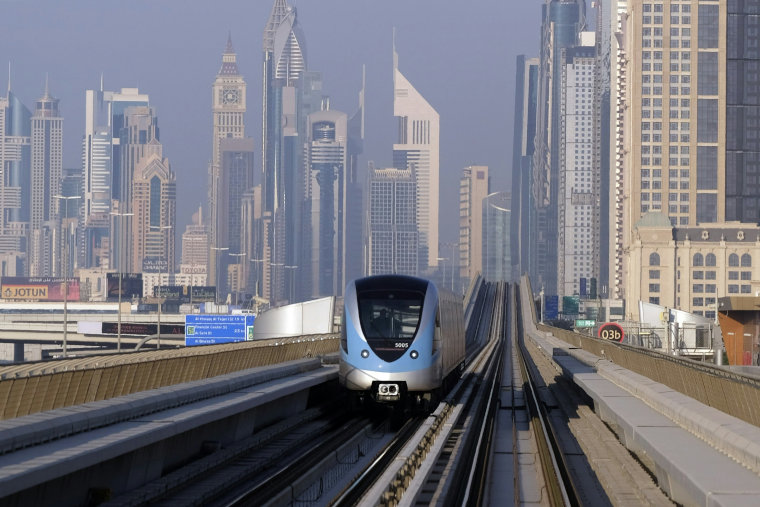 Image source: Dubai Travel Blog / unsplash.com

 Image source: Prostock-studio / shutterstock.com