The best cities to live in the UAE: not just Dubai
Save the article:
What is this about? The best cities to live in the UAE are defined by a combination of economic opportunities, infrastructure, cultural environment, and climatic conditions. Each emirate offers a unique balance of business activity, comfort, and social security.
What should you consider when choosing? The key factors include housing affordability, the development of the transport network, and the availability of international schools and medical facilities. Tolerance towards different cultures, career prospects, and the variety of leisure and recreational areas are also taken into account.
Dubai as the Best City to Live in the UAE
More and more Russian citizens are choosing to relocate to the United Arab Emirates, particularly Dubai, owing to its appeal and prospects. Let us examine how one can buy property there, start a business, and obtain official residency.
Dubai consistently features in lists of the most rapidly developing and business-friendly cities in the world. According to Euromonitor International data for 2022, it ranked second in the Top 100 City Destinations Index, which evaluates economic activity, the tourism sector, and quality of healthcare. Notably, only two cities outside Europe made it into the top ten — Dubai and New York.
Based on 2023 results, Dubai ranked first among Middle Eastern cities and entered the top five best cities in the world for living, working, investment, and tourism, according to the international agency Resonance Consultancy.
In the safety ranking from the Numbeo database, it holds sixth place. The city is home to representatives of between 200 and 250 nationalities, who coexist peacefully. Local residents account for only 12%, yet respect and integrity are highly valued there. Front doors and cars are often left unlocked without concern. The city offers a high standard of comfort for its most affluent residents.
Purchasing property in Dubai is one of the most advantageous ways to obtain a residency visa. Along with it, the investor gains the opportunity to live in a region with a perpetually sunny climate.
Even if a person does not plan to relocate immediately or eventually chooses a different city, the property will remain a source of stable income — through rental or profitable resale. Demand for housing in this region remains high and does not diminish over time.
The key areas for investment in Dubai are considered to be Dubai Creek Harbour, Dubai Marina, Jumeirah Beach Residence, Bluewaters, and Palm Jumeirah. Apartments are most commonly purchased in Downtown Dubai, Business Bay, and Jumeirah Village Circle.
Image source: Waqas Sultan / unsplash.com
Downtown Dubai is the business centre of the emirate, where prestigious restaurants, large shopping complexes, and iconic landmarks are concentrated. It is home to the Burj Khalifa, Dubai Mall, and the famous dancing fountains. The area is popular among investors seeking high rental yields, owing to sustained demand from senior executives of leading companies.
The lifestyle in Jumeirah Village Circle is markedly different, as it is oriented primarily towards families with children. Schools, medical facilities, parks, cafés, and supermarkets are all nearby, creating comfortable living conditions. Although the area is known for its villas and townhouses, apartments are also in demand, both for purchase and rental.
Business Bay and Dubai Marina are considered universally appealing locations, attracting residents with their convenient transport links and well-developed infrastructure, suited to comfortable living and working.
Dubai Creek Harbour stands out for its comfortable living conditions and attractive relocation prospects. It features a pedestrian-friendly environment with walking routes, cycle paths, and children's playgrounds.
Everything necessary for an active and fulfilling lifestyle is available within the area. Furthermore, it boasts excellent transport links: by car, one can reach the international airport or the city centre in just 10–15 minutes. In addition, Dubai Creek Harbour offers easy access to popular destinations such as Dubai Marina and Palm Jumeirah.
One of the main attractions for local residents and tourists in Dubai Creek Harbour is the Ras Al Khor Wildlife Sanctuary. This is a protected natural area within the city, featuring diverse ecosystems, from salt flats to mangrove forests, and home to thousands of birds, including pink flamingos.
The area's popularity will increase further once construction of the Dubai Creek Tower is completed — a skyscraper that will surpass the Burj Khalifa in height by 100 metres.
In addition, modern residential complexes are being built in Dubai Creek Harbour, offering apartments of various sizes: from compact studios to spacious penthouses with panoramic views of Dubai. The total area of the new housing will amount to approximately 7.3 million sq m, making this district one of the most dynamically developing areas in the city.
This unique area is home to several upscale residential complexes that are in demand amongst affluent buyers.
Foreign businesspeople view Dubai as a promising development hub owing to its advantageous location and access to the largest markets in the Middle East region. An attractive economic environment has been created for entrepreneurs, with no taxes on the majority of income types, including investment returns.
In addition, doing business in Dubai entails supplementary costs, such as licence fees and excise duties on certain goods. At the same time, the UAE is actively attracting investors and specialists by developing numerous free economic zones, the majority of which are located in Dubai.
Each free economic zone (FEZ) establishes its own unique conditions for resident companies, with some specialising in specific industries.
For example, Dubai Auto Zone is focused primarily on automobile exports. Meanwhile, larger FEZs, such as DMCC, where around 20,000 companies are registered, offer considerably more diverse opportunities for conducting business across various sectors.
The Specifics of Life in Abu Dhabi
Abu Dhabi, the capital of the UAE, plays a pivotal role in many aspects of the country's life — from culture to the economy. The city is spread across several islands and is continuously developing.
Buying property there remains challenging due to high demand and a relatively slow construction pace. Although property prices continue to rise, the growth is less steep than in Dubai. To attract investors, the authorities have expanded the areas where full ownership (freehold) is permitted, allowing buyers to become full owners.
Investors who invest over $545,000 in real estate can apply for a ten-year Golden visa. This opens up prospects for those seeking stable, long-term residency in the emirate.
Abu Dhabi attracts investors owing to its prestige, favourable tax regime, well-developed banking system, and specialised free zones. These factors create favourable conditions for conducting both local and offshore business, making the region particularly attractive for entrepreneurs.
The emirate of Abu Dhabi is renowned for its high standard of living, which attracts affluent residents. Labour turnover is low, which ensures the quality of services provided. Local businesses do not face a shortage of staff, thanks to a skilled and educated workforce. This creates comfortable conditions for living and doing business.
Abu Dhabi offers unique opportunities for those seeking stability, dynamic development, and a high level of comfort. Thanks to the diversity of its advantages, the emirate is becoming an attractive destination for permanent residency and investment.
The Differences Between Dubai and Abu Dhabi
Skyscrapers and low-rise development
Abu Dhabi is predominantly a low-rise city, where tall buildings are found only in the central area and on the islands of Al Reem and Al Maryah. Compared with Dubai, there are significantly fewer skyscrapers in Abu Dhabi. This creates a variety of living options: if you prefer to live in a tall building, such options are available, and if you want a cosy apartment in a smaller building or a detached villa, the choice is also sufficiently wide.
Dubai, of course, has many villa districts, but finding low-rise apartment buildings is more challenging than in Abu Dhabi, as such buildings are encountered very rarely.
When looking for this type of housing, the focus is usually on modern, well-maintained buildings with pleasant architecture, predominantly inhabited by European expats. It is also important that the complex has its own grounds and offers an attractive view.
In Dubai, only two residential complexes fully meet these requirements — Bluewaters Residences and City Walk. Both projects were developed by Meraas, which is known for creating convenient and thoughtfully designed environments in the UAE. Another promising development is Dubai Hills, built in partnership between Emaar and Meraas, which may speak to its potential.
However, it is worth noting that rental prices in these areas are quite high: a one-bedroom apartment of approximately 80 sq m in City Walk will cost at least 175,000 AED (approximately $47,656) per year, whilst in Bluewaters it’ll cost no less than 300,000 AED (approximately $81,697) per year (figures as of 2023).
In Abu Dhabi, thanks to the prevalence of low- and mid-rise residential buildings, one can find apartments at comparatively lower prices: if you wish to stand out, rental will cost approximately 90,000 AED per year, and if you desire to live in luxury — up to 175,000 AED per year with a sea view that is in no way inferior to Bluewaters.
Greenery and concrete
Abu Dhabi is distinguished by an abundance of greenery: mangrove forests grow there, alongside well-maintained embankments and numerous mature trees in residential areas, creating a pleasant, natural atmosphere that contrasts with the concrete urban environment.
In Abu Dhabi it is difficult to find a true desert, so the sense of lifelessness is almost entirely absent — one notices it only through the hot weather. It’s more like being in a green, almost idyllic corner of the world. Birdsong is constantly audible, herons can often be seen strolling by, and quick little lizards dart about. What is more, even without leaving the city, one has a chance to observe elegant flamingos, giving the place a special character and vitality.
Image source: SnapSaga / unsplash.com
This is a significant contrast to the "glass jungle" of Dubai, where one can see only peacocks. In Abu Dhabi, to immerse oneself in nature, it is enough to step outside or drive to a neighbouring district. Walks take place not along narrow pavements, but along broad tree-lined avenues with flowers and lawns.
Capital-city tranquility or business hyperactivity
Abu Dhabi has a distinctive sense of calm: there is no bustle, no one is in a hurry. Traffic jams are practically non-existent — compared with Moscow they are entirely insignificant, and by UAE standards almost invisible.
On Abu Dhabi's roads there is a sense of tranquillity: traffic is light, and there is no need to wait at traffic lights for several minutes at a time. The absence of complex interchanges minimises the risk of missing a turning and wasting time on a detour, making driving there very comfortable.
Tourists
Abu Dhabi also attracts fewer tourists, which means one does not have to deal with long queues or crowds. This creates a pleasant atmosphere for strolling and sightseeing.
Expats
There are fewer expats in Abu Dhabi, so government services there are likely to operate more quickly than in Dubai.
Ostentation and real life
Abu Dhabi is not a place for showing off. You will not encounter crypto salesmen or owners of dubious start-ups there. The most you will be offered is perfume in shopping centres.
Abu Dhabi is more restrained and calm, without the excessive glitter and bustle characteristic of tourist destinations.
In this respect Dubai clearly has the advantage. There are numerous wonderful beaches there — both paid and free. In Abu Dhabi it is more complicated: most beaches are located in bays where the water is calmer but rather murky, and the chance of encountering dolphins or other interesting marine life is practically nil. Nevertheless, the choice ultimately rests with each individual.
In Dubai the beach infrastructure is excellent: changing rooms, showers, and numerous cafés are always available, and there are cosy and modern leisure zones around the beaches.
Entertainment
Dubai is ahead once again. One of the most popular activities for tourists is shopping, particularly visiting the Fashion Avenue section of Dubai Mall. This place stands out for its bright interior, pleasant atmosphere, and a distinctive fragrance that has been specially designed to enhance the visitor experience. There are usually far fewer people there than in the main part of the shopping centre, making shopping even more comfortable.
Abu Dhabi doesn't offer the same level of shopping as the Dubai Mall. Galeria Mall has a small section with luxury brands and a picturesque view of the embankment, but in terms of size and scale it does not compare with Fashion Avenue in Dubai.
To conclude the topic of shopping, it is worth noting that new and interesting venues and entertainment options open in Dubai every year, meaning that even on frequent visits there is always something fresh and unusual to discover.
Although many of Dubai's attractions, such as the Dubai Frame or the Museum of the Future, are often over-hyped, their external appearance genuinely impresses with its beauty.
In Abu Dhabi, three key destinations currently stand out: the Louvre Abu Dhabi museum, the Sheikh Zayed Grand Mosque, and the Ferrari World theme park. It appears that the list of interesting attractions in Abu Dhabi will expand over time, but for now Dubai retains its status as the main tourist centre.
Abu Dhabi does, of course, have its own unique attractions — for example, the Qasr Al Watan presidential palace — but the choice is considerably more limited than what Dubai has to offer.
It is precisely the diversity of entertainment and tourist destinations that makes Dubai particularly appealing. One can find everything there: from yacht trips and small boat excursions to extreme activities — skydiving, diving, and more.
In Abu Dhabi, water-based activities are far more modest: only water taxis between Yas Island and Al Raha Beach or kayaking are available, and for more interesting sea outings one must hire a yacht independently.
Image source: Murthy Venkat / unsplash.com
Dubai offers a wealth of excellent restaurants, so finding an Italian cuisine establishment or sampling Azerbaijani dishes presents no difficulty. However, relocating to Abu Dhabi is also worth considering: this city is renowned for its beautiful nature, calm atmosphere, and more affordable rental prices compared with Dubai.
6 Other Decent Cities to Live in the UAE Beyond Dubai and Abu Dhabi
The majority of residents of the United Arab Emirates are foreigners. People from Europe, the Americas, Asia, and other regions relocate there in search of better opportunities and higher incomes. Although not everyone manages to achieve what they set out for, the country offers broad prospects for both business owners and employed workers.
Free economic zones, diverse forms of company registration, the absence of taxes, well-developed infrastructure, and an available workforce are just some of the advantages for entrepreneurs. Workers in the service, agriculture, and construction sectors earn less, but middle and senior managers are satisfied with their standard of living and salaries in the Emirates.
The majority of foreign residents of the UAE traditionally choose to live in Dubai or Abu Dhabi — the most developed, wealthy, and densely populated cities in the country. The main job opportunities, free economic zones, an active property market, and diverse leisure options are all concentrated there.
At the same time, approximately 80% of the country's territory is uninhabitable, so the choice of cities for expats is limited. Nevertheless, experienced immigrants who have lived in the Emirates for a long time recommend taking a look at six other settlements that can also offer comfortable living conditions.
Al Ain
This is one of the oldest cities in the UAE, located in the emirate of Abu Dhabi, approximately 148 km away from the capital. In terms of population it ranks fourth in the country, with around half a million residents. Despite having no coastline, this city is an important cultural and tourist centre.
Tourists are drawn by numerous attractions: a mineral spring, a large zoo, a historical fort, shopping centres, as well as parks and fountains. Al Ain offers fewer business and employment opportunities compared with Dubai or Abu Dhabi, but the city is developing dynamically and may in future become competitive with them.
Today it is a green and peaceful city with affordable housing, low traffic congestion, a high level of safety, and comfortable conditions for living and working.
Sharjah
Sharjah is the third-largest city in the United Arab Emirates by both population and area, with over 1,000,000 residents. Over the past five years it has expanded considerably, absorbing nearby villages. This city is frequently chosen as a place to live by expats working in manufacturing or those who own industrial enterprises.
Sharjah is home to large industrial zones, accounting for around 40% of the country's production capacity. Among its main attractions are one of the UAE's largest fountains, the King Faisal Mosque, ancient watchtowers, and amusement parks.
The advantages of Sharjah lie in:
its immediate proximity to Dubai, with which it shares a border;
free economic zones that promote business development;
lower prices for housing and goods;
the presence of an international airport and seaport, ensuring convenient transport connections;
its advantageous location between the Persian Gulf and the Gulf of Oman.
There is one important nuance in Sharjah that is worth bearing in mind. This emirate and its capital are considered the most conservative in the UAE. Rules are strictly observed there, including a ban on alcohol. Tourists will not find the usual entertainment venues such as shisha bars.
Residents of Sharjah, particularly women, must adhere to a strict dress code: short skirts, shorts, low necklines, and bare shoulders are not acceptable there.
Fujairah
Fujairah is a small but modern and pleasant city with a population of just over 90,000 people, placing it seventh among the UAE cities by number of residents.
The city is situated on the shore of the Gulf of Oman and has both an international airport and a seaport. A free economic zone operates in the emirate, making it attractive to foreign entrepreneurs. Although there are fewer vacancies there than in larger cities, good opportunities can be found.
Life in Fujairah is affordable and comfortable. The main attraction is an ancient, partially ruined fort. The mountainous landscape is ideal for hiking and outdoor activities. Unlike Dubai and Abu Dhabi, Fujairah is peaceful and perfectly suited to families who value tranquillity and a measured pace of life.
Ras Al Khaimah
Ras Al Khaimah is a significant administrative and financial centre of the UAE with a population of over 190,000 people. This ancient city, formerly known as Julfar, is located at the very north of the country and is washed by the waters of the Persian Gulf. A tidal creek divides it into two parts: the historic part with numerous attractions, and the modern part, where foreigners live and work.
Ras Al Khaimah has a seaport and an airport, ensuring international connections. Dubai can be reached via a modern motorway in just one hour. Expats particularly value this city for:
The presence of two free economic zones, one of which provides the opportunity to register offshore companies.
Affordable prices for accommodation, rental, and property purchase, making life there relatively inexpensive.
A pleasant climate owing to Ras Al Khaimah's location at the foot of the Hajar Mountains, which means that the summer heat there is considerably milder than in other parts of the country.
A wide range of options for outdoor activities, including beach entertainment and other leisure pursuits.
The main drawback of the city is the absence of public transport, apart from taxis. Residents of Ras Al Khaimah find it virtually impossible to get by without a car. This is related not only to the need to get around within the city, but also to the fact that there is no bus or other transport link between Ras Al Khaimah and the other emirates.
Consequently, a personal vehicle becomes essential for travel to other regions of the UAE.
Ajman
Ajman is one of the most populous cities in the UAE, with a population of approximately 550,000 people. Situated on the shore of the Persian Gulf, it has its own international port. The city attracts tourists with its attractions: a museum, the Al Nuaimi Mosque, a historic watchtower, and a stadium where traditional camel racing takes place.
Image source: DARKROOMLABS / unsplash.com
In Ajman, ancient crafts are still preserved — for example, the construction of traditional dhow sailing vessels. By choosing this city to live in, you will be able to appreciate all its unique advantages and comforts.
Ajman is appealing for its affordable yet quality housing, which makes it popular amongst foreigners working in Dubai.
There is no prohibition on alcohol there, which is also a positive aspect.
The emirate has a free economic zone with favourable conditions for registering foreign companies.
The city offers decent infrastructure and good opportunities for beach leisure.
The main drawback is the limited career and entertainment opportunities; however, Dubai is just 15 km away, where one can always find work and a wide variety of entertainment.
Umm Al Quwain
This is a small city covering a little over 2,000 square kilometres, situated on a sandy peninsula on the shores of the Persian Gulf.
The population of the city is approximately 90,000. For migrants who have come to the UAE for work, this region is unlikely to be suitable owing to the limited number of available vacancies. Entrepreneurs, however, can set up a business in the local free economic zone. It is precisely for this reason that Umm Al Quwain is most often chosen by business people.
For tourists wishing to immerse themselves in the traditional way of life of the UAE's indigenous population and to avoid crowded places, Umm Al Quwain will be an excellent choice.
This city is well suited to expats who prefer tranquillity and a more measured pace of life compared with the bustling Dubai and the expensive Abu Dhabi.
However, Umm Al Quwain has its drawbacks — remoteness, and limited opportunities in the labour and property markets.
Thus, the UAE has numerous cities that may interest those seeking an alternative to the largest metropolises.
Frequently Asked Questions about the Best Cities to Live in the UAE
What are the conditions for obtaining a residency visa to live in Dubai?
To obtain a residency visa, the following is required:
for a 2-year visa — invest in finished property a sum of no less than $204,000;
for a 5-year visa — establish an innovative business with a share capital of no less than $136,000 (approximately 11 million roubles);
for a 10-year visa — invest at least $545,000 (approximately 44.4 million roubles) in finished or off-plan property, or establish a company with a capital of equivalent size.
Is it possible to purchase housing in Dubai with a mortgage?
Foreign investors have the opportunity to purchase property in Dubai with a mortgage. The maximum loan amount for persons who are not UAE residents typically does not exceed 50% of the property value. At the same time, for residents of the country the limit may reach 80%. The interest rate varies depending on the borrower's status: for non-residents it starts at approximately 3.5%.
When applying for a mortgage, it is important to take the applicant's age and income into account. The loan is available to persons over the age of 21, and the final payment must be made before the borrower reaches the age of 65.
The maximum loan term is 25 years. Monthly mortgage payments may not exceed 50% of the client's total income. In addition, after making a payment, the borrower must retain a sufficient sum to maintain a normal standard of living for their family.
The borrower must be between 21 and 65 years of age.
The monthly mortgage payment must not exceed 50% of the total income.
After the payment has been made, the family must have a minimum of $950 (approximately 77,500 roubles) remaining per member to cover other expenses.
Which areas are best to choose for living in Abu Dhabi?
The best residential areas in Abu Dhabi:
Downtown. This is the heart of the city, with prestigious residential complexes, numerous shopping centres, a variety of cafés and restaurants, and the best nurseries and schools. Living there allows the residents to manage without a private car, thanks to the well-developed infrastructure. The main caveat is the high cost of living.
Madinat Zayed is located close to the city centre, whilst property prices there are considerably lower than in the very centre of Abu Dhabi. The area is home to one of the most popular attractions — the Gold Souk, which is well worth a visit.
Al Raha is renowned for its numerous beaches and a spacious embankment. The area is fully equipped for comfortable living: apartments and private houses, a large shopping centre, medical facilities, and international schools are all available there. Interestingly, renting accommodation by the sea costs less than in more remote parts, where expensive apartments are located. This peaceful and pleasant area is ideal for families.
It is worth emphasising that Dubai, despite its opulence, is not the only choice for those planning to relocate or reside long-term in the UAE. Other emirates — Abu Dhabi, Sharjah, Ras Al Khaimah — offer various social and economic opportunities for foreign residents.
From the peaceful beaches of Ajman to the cultural diversity of Sharjah, from the business prospects of Abu Dhabi to the picturesque views of Ras Al Khaimah — each region surprises with its individuality. Those who relocate have the chance not only to change their place of residence but also to gain a new perspective on the world. Before making a decision, it is important to carefully consider all the options and evaluate the advantages that the emirates have to offer.
How the UAE economy functions: from oil dependency to diversification. Which production sectors are most developed in the UAE? Why the UAE attracts foreign investors? How to set up a manufacturing com...
Oman as a beach holiday destination: everything you need to know. The best seaside resorts in Oman. Comparing resorts: how to choose based on your priorities. Oman hotels and holiday budget. Frequentl...
Natural features of Saudi Arabia: geography and terrain. Climate and nature of Saudi Arabia by region. Natural resources of Saudi Arabia and their use. Natural landmarks of Saudi Arabia and tourist lo...
Types of Dubai visas. Entry rules to Dubai from Russia. The process of passing passport control. Dubai residence visa requirements. Frequently asked questions about the need for a Dubai visa.
Where to buy a car in Dubai? Car registration and ownership costs in Dubai. Fines and driving rules in Dubai. Car rental in Dubai. Frequently asked questions about cars in Dubai.
A reason to contact a real estate agency in Dubai. Regulation of real estate agencies in Dubai. How to choose a real estate agency in Dubai? Specifics of real estate agencies' work in Dubai. Risks of ...
What Umm Suqeim is like. Real estate in Umm Suqeim. Features of residential real estate in Umm Suqeim. What affects commercial real estate prices? Entertainment in Umm Suqeim. Frequently asked questio...
Nuances of living with children in Dubai. Advantages and disadvantages of relocating to Dubai with children. Requirements for relocation to Dubai. Expenses related to relocation to Dubai. Best areas f...
Specifics of working in Abu Dhabi. Popular industries in Abu Dhabi. Places to search for jobs in Abu Dhabi. Obtaining a work visa in Abu Dhabi. Salary range in Abu Dhabi. Frequently asked questions ab...


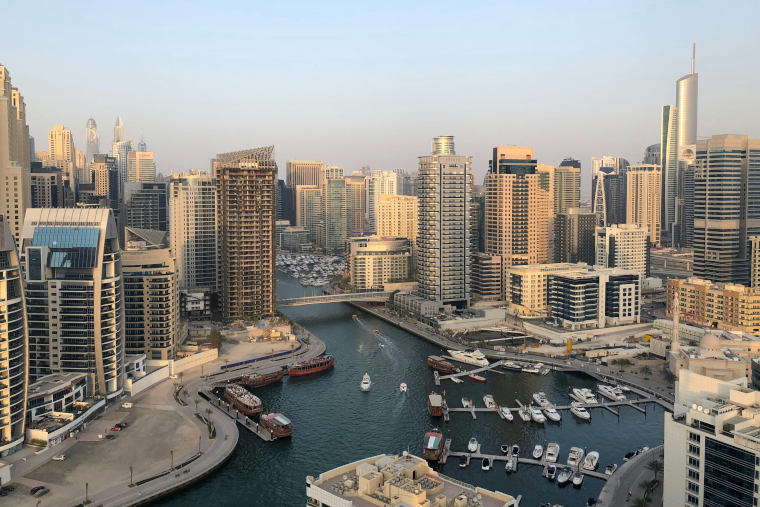 Image source: Waqas Sultan / unsplash.com


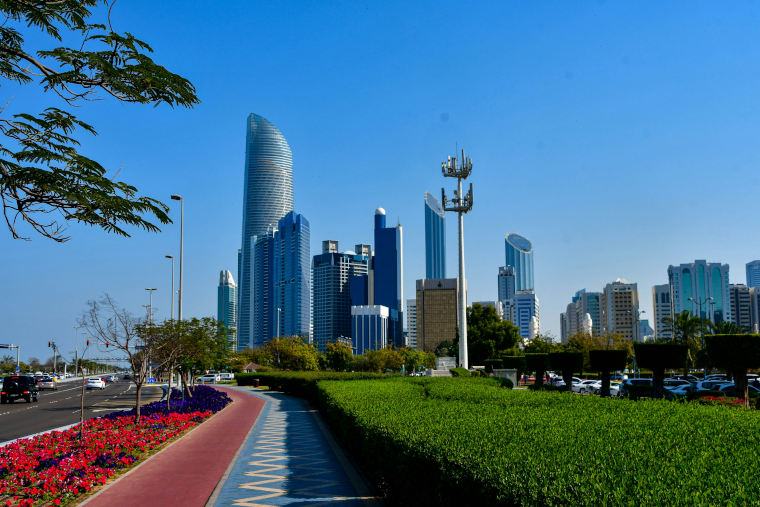 Image source: SnapSaga / unsplash.com

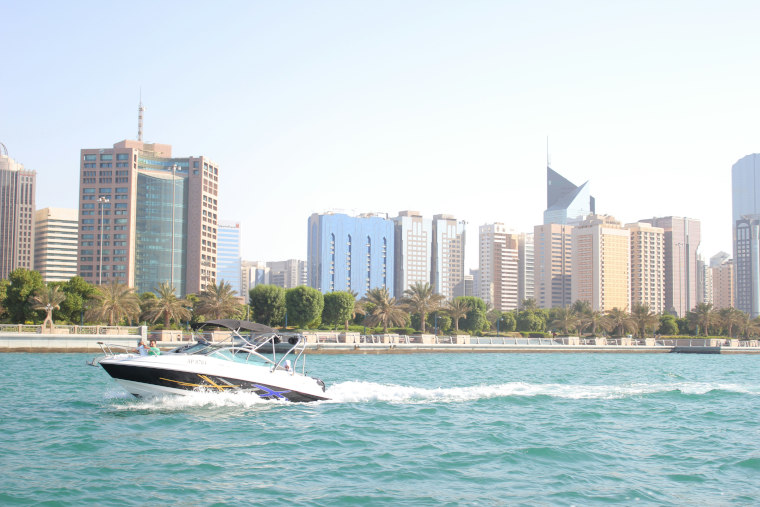 Image source: Murthy Venkat / unsplash.com


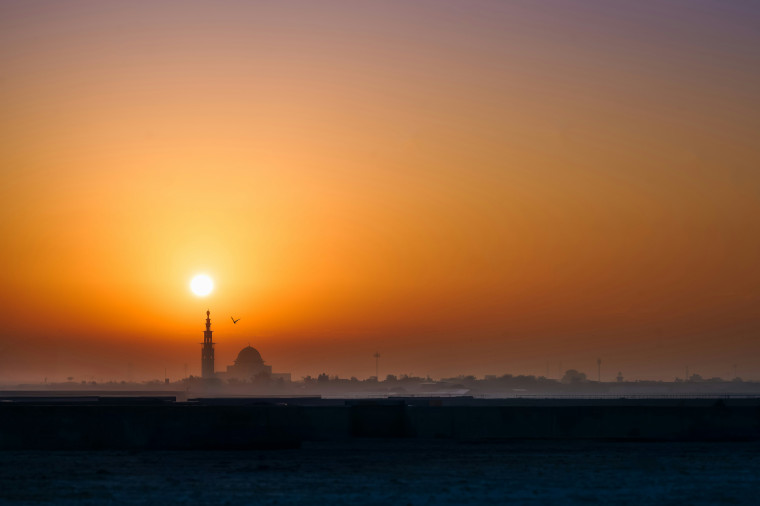 Image source: DARKROOMLABS / unsplash.com