Public Transport in Dubai: Convenience and Comfort
Save the article:
What are the features? Public transport in Dubai is a modern system for moving residents and guests of the city. It is distinguished by convenience, speed, and reliability. Its distinctive features include a well-developed infrastructure and innovative technologies.
What are the options? There are many options: from familiar buses and metro to monorail, boats, and ferry. The rules are simple and clear to every passenger, but they must be followed, as Dubai values order.
Main Features of Public Transport in Dubai
Although most Dubai residents prefer to use private cars, the public transport system in the city is well developed and convenient. The most popular is the metro, consisting of two lines and numerous stations.
In areas where the metro has not yet been built, passengers are transported by regular bus routes, trams, and, in some places, by passenger boats. Such a transportation network provides comfortable and accessible movement around the city.
Image source: Karthik Thoguluva / unsplash.com
In Dubai, passenger transport is controlled by the state organisation RTA (Roads and Transport Authority), established in 2005. RTA is responsible not only for transport within the city but also for connections with other emirates and neighbouring countries, which contributes to the smooth and efficient operation of the UAE's entire transportation network.
Public transport in Dubai not only meets modern standards but significantly surpasses them. In 2018, unique autonomous capsules accommodating up to 10 passengers were tested there, demonstrating a commitment to innovation and development.
The capsules are designed for transporting passengers over short distances along specially designated routes. These vehicles are equipped with advanced safety systems that prevent accidents and technical malfunctions.
By 2030, autonomous vehicles are expected to account for approximately 20% of all public transportation in the city. Whilst this project is still in development, you can explore the existing modes of urban transport that are creating the image of the "city of the future."
Dubai Public Transport Zones, Rules, and Tickets
The city is divided into seven transport zones, which are fully covered by ground transport. The ticket price depends on the number of zones your route passes through. Children under 5 years of age or under 90 cm tall travel for free.
If you are travelling within one zone, the tariff will be minimal.
When crossing two zones, the cost increases.
If the route includes three or more zones, the price reaches its maximum.
For example, a trip from Dubai Mall to Dubai Marina covers two zones and costs 5 AED. A trip from the airport to Burj Khalifa covers three zones and costs 7.5 AED.
Cash payment on public transport is impossible, a Nol card is used for travel.
The Red Nol card
The Red Nol card serves as a travel pass and allows convenient payment for trips throughout the city. This is a paper non-personalised travel pass intended for infrequent trips. It can be purchased at ticket offices or through designated ticket machines. Top-ups are only available at these machines; there is no online option. The card is valid for either 90 days or up to 10 trips.
Image source: pio3 / shutterstock.com
In 2025, its cost was 2 AED, with a minimum balance of at least one trip. The maximum top-up is 10 trips at a time. Keep in mind that the red card can only be used for one mode of transport per trip — either metro or bus. Paying for parking with it is not possible.
In 2025, travel using the red card cost:
a trip within one zone — 4 AED;
a trip across two adjacent zones — 6 AED;
when covering more than two zones — 8.5 AED.
An option for unlimited travel in standard class carriages for the entire day is also available for 20 AED.
In case of upgrading to the Gold Class luxury cabin, the cost of each of the specified fares doubles.
The Silver Nol card
The Silver Nol card is a plastic non-personalised card intended for regular trips. It can be purchased and topped up at ticket offices, RTA offices, official partners, or through special terminals. An online top-up option is also available. The card is valid for 5 years.
In 2025, its cost was 25 AED, of which 19 AED are credited to the account. The maximum top-up limit is 1,000 AED. The card is suitable for paying for all types of public transport, as well as parking services.
The cost of travel using a silver card in 2025:
a trip within one zone — 3 AED,
a trip across two adjacent zones — 5 AED;
when covering more than two zones — 7.5 AED.
The Gold Nol card
The Gold Nol card is a plastic non-personalised card that provides access to premium Gold Class cabins. It is similar to the Silver card but with the ability to use Gold Class carriages on public transport where available. However, if you are travelling on buses without premium class, the additional fee for Gold Class is not charged.
In 2025, the Gold card cost 25 AED, of which 19 AED remain on the account. The card is valid for five years. It can be purchased at metro ticket offices and topped up at ticket offices, RTA offices, official partners, through special terminals, or online. The gold card is suitable for paying for parking and is available for use on all types of public transport.
Image source: frantic00 / shutterstock.com
In 2025, travel using a Gold card in Dubai cost:
6 AED for a trip within one zone;
10 AED — when moving across two adjacent zones;
15 AED if the trip covers more than two zones.
There is also a plastic personalised Blue Nol card available only to local residents upon presentation of an ID card.
The Nol card is accepted not only on public transport but also at Carrefour, Lulu, and Al Maya stores, Aster pharmacies, Burger King restaurants, and other places; check at the ticket office for details. This makes Nol a convenient alternative to bank cards.
Dubai Metro
The metro in Dubai is not just a means of transport but one of the city's main tourist attractions. It's clean and comfortable, the carriages are equipped with air conditioning, and trains operate without drivers. The metro lines cover all of Dubai, including stations at the airport.
Dubai Metro became the first fully automated underground transport system in the Arab world. It includes two lines that connect the most important areas of the metropolis, such as the airport, Burj Khalifa, Dubai Marina, and the city's historic districts.
Dubai Metro has a number of distinctive features:
All stations and carriages are equipped with air conditioning.
There is a strict code of conduct for passengers.
Trains are divided into ordinary carriages, Gold Class, and special ones for women.
Payment for travel is made exclusively using a Nol card.
The Red Line is considered the busiest and most important, as it covers key areas of the city:
Dubai Airport (terminals 1 and 3).
Business Bay and Downtown areas with such attractions as Burj Khalifa and Dubai Mall.
Financial Centre along with the Deira district.
Dubai Marina, Jumeirah Beach Residence (JBR), and Al Barsha.
Expo City and Jebel Ali.
Transfers:
At Union station, a transfer to the green metro line is available.
Burjuman station also allows you to transfer to the green line.
At Damac Properties and Jumeirah Lakes Towers stations, you can transfer to the tram.
Green Line
The Green Line is ideal for getting acquainted with the historic part of the city. It passes through areas with rich culture and traditions:
Deira with its famous spice, gold, and textile markets.
Al Ras Market and picturesque Dubai Creek.
The old Bur Dubai quarter.
Al Karama and Al Qusais areas.
The trains are fully automated and operate without a driver, running every 3–4 minutes. The line is mostly above-ground and open, and free Wi-Fi is available at stations and in carriages.
To pass through turnstiles, the NOL card must be applied both upon entry and exit. At each metro station, there are free toilets in the hall behind the turnstiles. Stairs, escalators, and elevators are available for passenger convenience.
Trains consist of three types of carriages: a "gold" enhanced comfort carriage available only with a Gold Nol card; a "pink" carriage for women and children, where a special travel pass is not required; the remaining carriages are "silver", common to all. All carriages are easy to distinguish by coloured stripes on the floor: yellow, pink, or grey, both on the platform and at the entrance.
Dubai Buses
Bus services in Dubai are provided by RTA, which includes more than 1,500 vehicles serving 119 routes throughout the emirate. The network coverage encompasses about 90% of the city's territory. Buses and stops are equipped with air conditioning for passenger comfort.
Entry to the bus is through the front door; exit is by pressing the driver call button. Usually, the first three rows of seats are intended for women with children, so it is not recommended to occupy them. Payment for travel is made using Nol cards. The N55 night route connects Al Maktoum Airport with Al Ghubaiba Bus Station.
During Ramadan, the bus schedule changes. Detailed information can be found on the carrier's official website or on information boards installed at each bus stop.
Image source: Ondrej Bocek / unsplash.com
To find out the current departure time, possible route adjustments, and plan a trip, use the route planner from RTA. In addition, many Dubai hotels provide guests with their own shuttle buses, providing transportation to the city center and public beaches.
In Dubai, as in many other tourist metropolises, there are hop-on/hop-off sightseeing buses. This is a convenient way to get acquainted with the city's main attractions.
The bus route allows you to get on and off at any stop to spend more time in interesting places, take photos, and then continue the journey on the next bus on the same route. This format is perfect for those who want to plan their own excursion at their own pace.
In Dubai, tourists have the opportunity to ride on famous double-decker buses both during the day and at night. All vehicles are equipped with air conditioning and audio guides supporting 12 languages. There are many companies on the excursion market; one of the largest is Big Bus Tours. Two routes are available to travellers:
Red — a City Tour, covering 14 stops and lasting about 1 hour 50 minutes.
Blue Marina Tour — a bus route with 11 stops, designed for 1 hour 30 minutes.
Purchased tickets are valid for six months from the date of purchase. Children's tickets are for children aged 5 to 15; children under 5 years old travel for free. When ordering online, a 20% discount is provided. In 2025, the cost was:
Adult ticket when purchasing directly on the bus — 79 dollars.
Adult ticket when booking online — 71 dollars.
Child ticket when purchasing directly on the bus — 53.10 dollars.
Child ticket when booking online — 47.80 dollars.
Dubai Tram
Dubai's tram network is a compact 10.6-kilometer line with 11 stops. This is the first non-European tram system operating on underground cable power. This type of transport is considered one of the safest in the world and provides convenient connections with the metro, monorail, and Jumeirah Beach Road.
A distinctive feature of the Dubai tram is its platform sliding doors, which increase passenger safety and maintain a comfortable interior temperature. Wi-Fi is available in the carriages. Rules of conduct and fines are the same as on the metro.
The carriages are divided into several categories: Gold Class with leather seats and panoramic windows, special carriages for women and children, and ordinary common carriages. Trams operate around the city at different times: on weekdays, they run from 6 AM to 1 AM, and on Fridays from 9 AM to 1 AM.
Dubai Monorail
The Palm Monorail line began operation on 30 April 2009, connecting Palm Jumeirah island with the mainland. Trains depart daily at 15-minute intervals. The first service from Palm Gateway station starts at exactly 9 AM, and the last at 9:45 PM. From Atlantis Station, the first trains depart at 9:15 AM, and the final service at 10 PM.
The monorail system is not currently integrated with the metro, but a transfer to Dubai Internet City station is planned for the near future.
Tourists often choose the monorail to enjoy beautiful views and take photographs of Palm Jumeirah island from above. It is important to note that this transport is not part of the government public transport system and belongs to a private company, so Nol cards are not accepted. Tickets can be purchased at any station, from vending machines or from the ticket counter.
Image source: Ahmed Zaki / unsplash.com
In 2025, the travel cost was as follows:
A one-way ticket from Gateway to Atlantis (or back) cost 20 AED, and when purchasing a round-trip ticket — 30 AED.
A one-way ticket from Gateway to Al Ittihad Park (or back) cost 10 AED, and when purchasing a round-trip ticket — 15 AED.
A one-way ticket from Atlantis to Al Ittihad Park (or back) cost 10 AED, and when purchasing a round-trip ticket — 15 AED.
Tickets can only be purchased on the day of travel itself, advance purchase is not available. Currently, there are no discounts for groups and no special children's tickets. Children up to 110 cm tall, regardless of age, travel free of charge. A height ruler is installed near ticket kiosks, which makes it easy to determine whether your child needs a ticket.
Public Water Transport in Dubai
Water taxis are considered one of the most ancient types of transport in the country, but today their main passengers are tourists. The water taxi network includes 44 stops and covers routes along the Persian Gulf and Dubai Canal.
Modern vessels often look like high-tech boats with air conditioning and televisions. Alongside them, traditional wooden boats known as abras are also found, which primarily ply Dubai Creek.
Payment for travel is made using a transport card. The schedule of vessels usually starts from early morning and continues until late evening, but the schedule and cost may differ depending on the chosen route and type of vessel. Ticket prices remain quite reasonable, which makes water transport accessible to tourists with different budgets.
Tickets for water transport can be purchased directly at the ticket counter at the pier or paid for with a Nol card. Ferries and passenger vessels ply various routes throughout the city, covering Dubai's coastal lines and stopping in areas such as Deira, Bur Dubai, and Palm Jumeirah island.
This type of transport provides convenient access to important attractions, including Burj Khalifa and Dubai Marina, and also allows you to enjoy views of modern skyscrapers and historic parts of the city from the water.
There are several types of water passenger transport in Dubai, each of which serves its own routes.
Abra
One of the popular options is abras — small boats with an open deck. They are traditionally used for ferrying passengers across Dubai Creek. In addition, abras ply the picturesque Dubai Marina bay, providing convenient connections between various points on the water.
Various types of abras with different travel costs operate in the city:
petrol;
electric;
motor;
with air conditioning.
The cost of a trip usually ranges from 1 to 5 dirhams, which makes abras one of the most affordable types of transport. These traditional boats play an important role in the city's transport system, providing convenient connections to popular places such as the Gold Souk and Spice Souk.
Image source: Manu Kr / unsplash.com
In addition, a trip on an abra offers the opportunity to enjoy beautiful views of modern Dubai and immerse yourself in the atmosphere of ancient trade routes.
Ferry
Ferries in Dubai are modern and comfortable passenger vessels. They regularly make trips across Dubai Creek, connecting key tourist areas such as Dubai Marina and Palm Jumeirah. Usually, before departure, you need to wait until a group of 10–12 people gathers. Despite this, ferries are in demand not only amongst tourists but also amongst local residents, so they fill up quickly.
Ferry routes in Dubai enjoy wide popularity thanks to convenience, accessibility, and impressive views of the modern urban landscape and unique architectural structures. In addition to transportation, ferries often host cruises with entertainment programmes, making them an attractive option for those who want to spend time on the water in an interesting and comfortable way.
Water taxi
In Dubai, water taxis are a fast and comfortable way to get around the city. Such small vessels are equipped with modern safety systems and comfortable passenger cabins.
To use a water taxi, you just need to approach the nearest pier or quay, where special stops are usually located. At the same time, vessel routes are not fixed, and passengers can order a trip in the desired direction.
Unlike traditional boats, a water taxi is a modern and fast type of transport. This method of water travel is ideal for quick movement around Dubai, allowing you to enjoy picturesque landscapes and the comfort of on-board air conditioning and free Wi-Fi.
However, water taxis are advisable to use primarily for bypassing city traffic jams. They are not recommended for pleasure boating, as they are not the most budget-friendly transport option in the city.
Taxis in Dubai
The main transport provider in Dubai is the government-owned RTA Taxi service. Its cars can be easily hailed on the street, found at special taxi ranks, or ordered through the S'hail mobile application.
Calling a taxi is also available by phone at +971-4-208-0808. Whilst at one of the taxi ranks, you can send a text with its number to 4774. In response, you will receive information about the car that will be arriving soon.
An alternative is Hala taxi, a joint project of RTA and IT company Careem. To call it, use the Careem application.
In addition, a taxi can be booked through the Dubai Taxi Corporation (DTC) application, owned by RTA, or through Uber. In 2022, new private taxi services entered the Dubai market: XXRide, WOW, Koi, and Wikiride. All private taxi companies in Dubai are under the control of the city authorities. For example, Uber’s tariffs and the number of cars in its fleet are approved by the RTA.
Dubai also has a special women's taxi service, which is easy to recognise by its pink roof. Drivers are exclusively female, and passengers are limited to women and children under 10. Men may use this taxi only when accompanied by a woman. Such transport can be booked through the DTC application or by hailing a car at a taxi rank.
In Dubai, transport tariffs are under the control of the RTA. This organisation regulates travel costs, ensuring transparency and uniformity of tariffs for all types of transport in the city.
Rules of Conduct on Public Transport in Dubai
Dubai has strict regulations in place that also apply to public transport. This city in a Muslim country adheres to special rules requiring respectful behaviour. Violations are punished by significant fines, so it is important to familiarise yourself with them in advance to avoid unnecessary expenses.
If a passenger smokes, eats, drinks, or chews gum on public transport, they face a fine of 100 dirhams.
If a passenger occupies a seat in a carriage that does not correspond to the ticket purchased, or tries to travel in a "gold" carriage with an ordinary ticket, they may be fined up to 100 dirhams.
Men who ride in carriages intended for women face a fine of 100 dirhams.
Sleeping at metro stations and public transport stops carries a fine of 300 dirhams.
Being on public transport whilst intoxicated or transporting alcohol is punishable by a fine of 100 dirhams.
Occupying seats intended for pregnant women and disabled people carries a fine of 100 dirhams.
Unjustified use of emergency buttons and emergency communication panels incurs a fine of 2,000 dirhams.
Image source: Thanzi Thanzeer / unsplash.com
Disturbing order and peace, including transporting animals (except guide dogs), creating noise, and other actions that disturb other passengers, incurs a fine of 100 dirhams.
In the event of travelling without payment, using an incorrect card, or a card with an expired validity period, the fine will be 200 AED.
The same amount is collected from passengers who leave rubbish or smoke on the metro.
Using a counterfeit transport card carries a fine of 500 AED.
Violating station rules, such as being in prohibited or fenced-off areas, will result in a fine of 100 AED.
On public transport, it is forbidden to put feet on seats or occupy places not intended for it, resulting in a fine of 100 AED.
It is not permitted to sleep leaning on another passenger's shoulder; the fine will be 300 AED.
Transporting weapons, flammable materials, and sharp objects is punishable by a fine of 1,000 AED.
Fines can be paid at any metro station.
On buses, the amounts of fines are usually lower:
It is forbidden to smoke inside the bus or at stops, use obscene language when communicating with the driver, conductor, or inspector, or engage emergency equipment without good reason. It is also forbidden to consume food and drinks in the bus, transport animals except guide dogs, damage property, and create conflicts amongst passengers.
Occupying seats intended for women or disabled people, as well as attempts to exit through the front door or enter through the middle one (except for women, children, and people with disabilities) are punishable by a fine of 50 AED.
Attempting to enter into conflict with the driver, conductor, or inspector, transporting weapons or dangerous items, leaving rubbish in the bus, as well as refusing to leave the bus at the driver's or inspector's request when overcrowded or violating order, the fine will be 100 AED.
For fare evasion, using an invalid or expired card, as well as for not keeping the ticket until the end of the trip, a fine of 200 AED is provided.
Frequently Asked Questions about Public Transport in Dubai
What unusual types of transport are there in Dubai?
In Creek Park in Dubai, you can take a ride on an unusual form of transport: a cable car 2.3 km long. Rising to a height of about 30 metres, tourists get a magnificent panorama of the park and the city. Park entry costs only 5 AED. In 2025, the cable car ride cost 25 AED for adults and 10 AED for children.
In Dubai, tourists can rent cars, electric scooters, and electric bicycles.
How does check-in work on Dubai public transport?
To enter public transport, for example, the metro, you need to apply the Nol card to the terminal at the turnstile. On buses and other transport, readers are located inside near the entrance.
Make sure that the card has at least 7.50 AED — this amount is reserved in case you forget to check out. After your card is successfully scanned, you need to wait for an audible or visual signal and only then pass through the turnstile or enter the bus.
Public transport in Dubai is a developed and modern system that is constantly being improved. The city has a modern metro, a unique tram line, as well as several seaports and airports.
Ground transport, such as the metro, buses, and taxis, is the most popular amongst residents and tourists. Travelling around Dubai is easy and convenient; the main thing is to observe the rules of conduct on public transport.
Ancient history and the founding of Dubai. Key stages of the city's development. Modern Dubai: achievements of recent decades. Construction pace and architectural records. FAQ.
Does voice communication via messengers work in the UAE? Main telecommunication operators in the UAE. 3 telecommunication operators in the UAE with eSIM support. How to activate an eSIM for communicat...
Barsha Heights Dubai is a district located in the centre of Dubai, offering easy access to the metropolis's business and entertainment establishments. Barsha Heights is not as noisy as Downtown, featu...
UAE and Saudi Arabia: what they have in common and their key differences. Culture, laws and way of life: what is the difference? Economy, business and employment opportunities. Tourism and expat life:...
Where the Dubai Mall is located and how to get there. Fashion Avenue — the luxury brand zone. Popular clothing and shoe stores. Cosmetics and perfume at Dubai Mall. Electronics stores. Jewelry stores ...
Why you need a local SIM card in Dubai. Is the free SIM card in Dubai worth using? Differences between a regular SIM card and an eSIM. Choosing a mobile operator for an eSIM in Dubai. Frequently asked...
The official language of the United Arab Emirates. English language in the United Arab Emirates. Useful Arabic phrases for communication in the UAE. Frequently asked questions about the language of th...



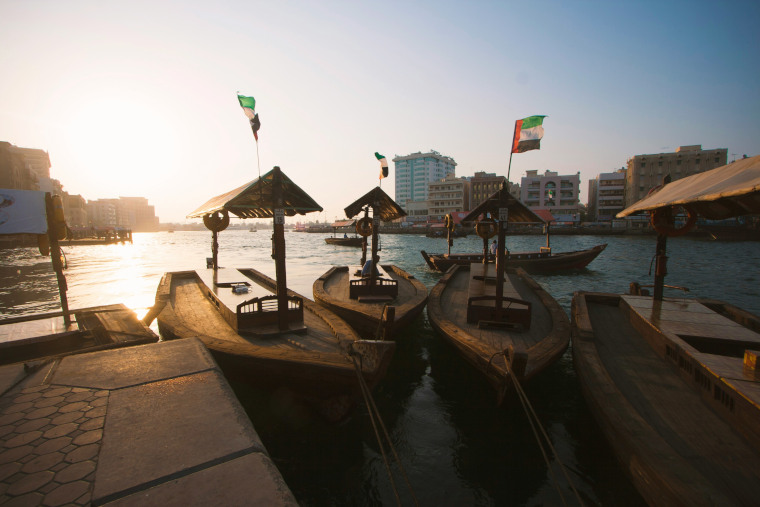 Image source: Karthik Thoguluva / unsplash.com

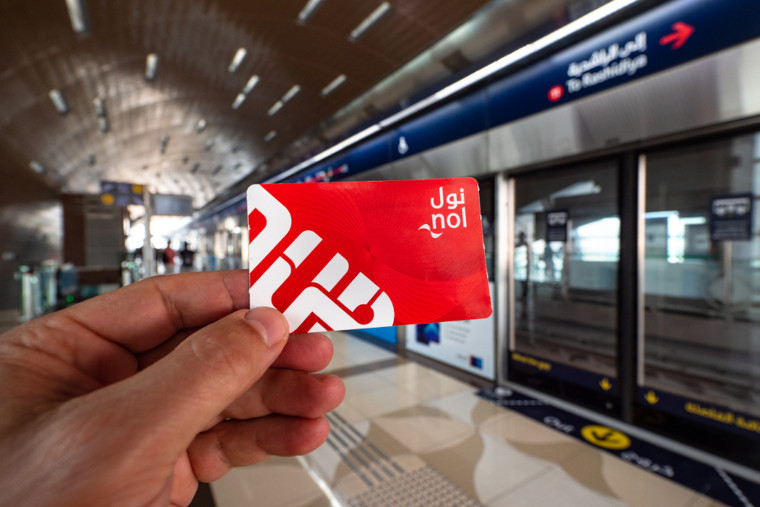 Image source: pio3 / shutterstock.com
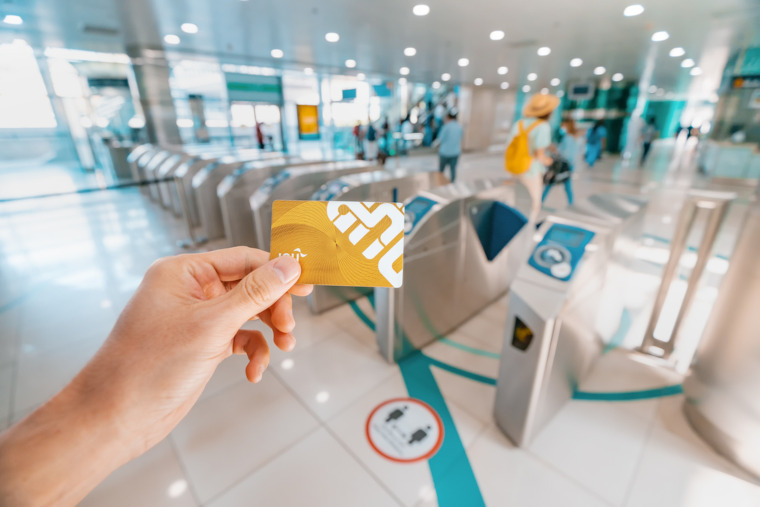 Image source: frantic00 / shutterstock.com
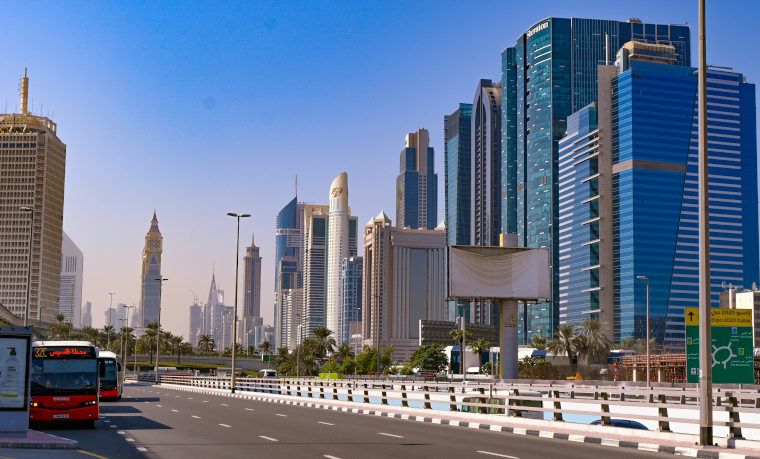 Image source: Ondrej Bocek / unsplash.com

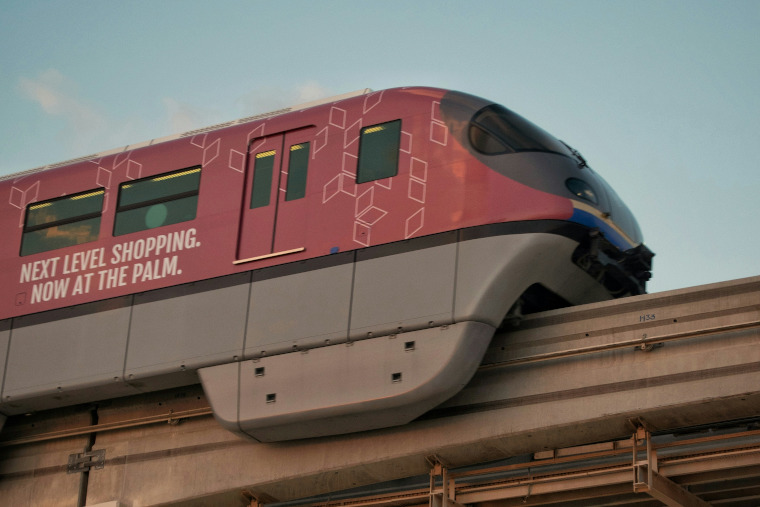 Image source: Ahmed Zaki / unsplash.com

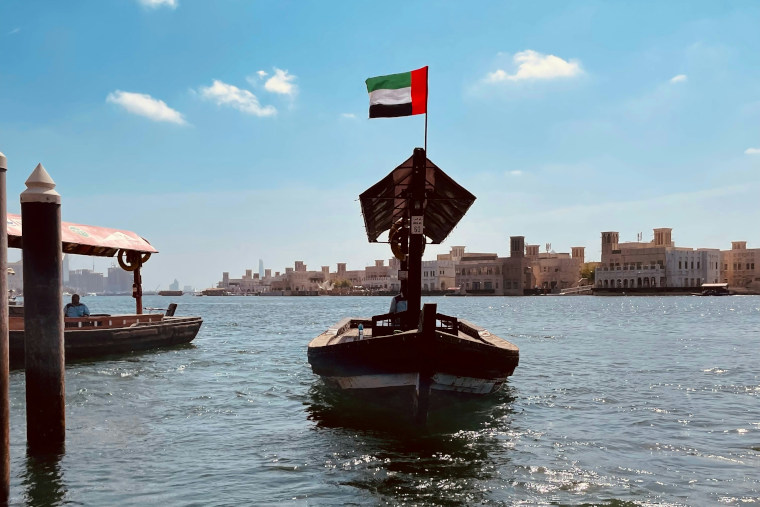 Image source: Manu Kr / unsplash.com

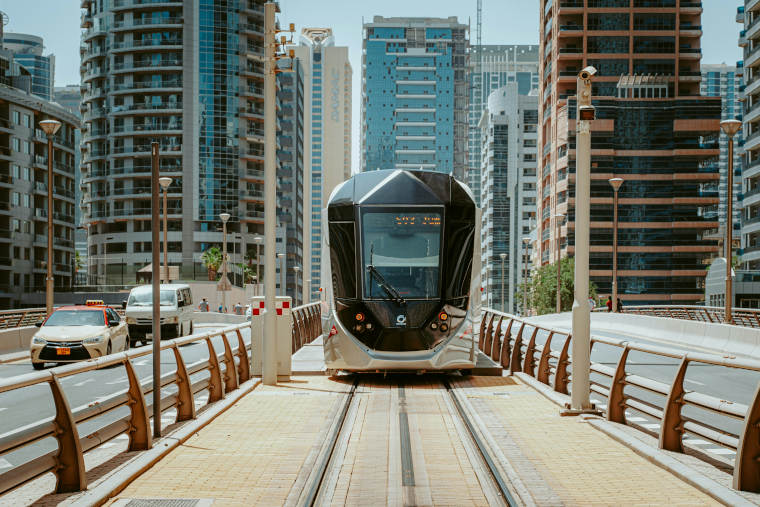 Image source: Thanzi Thanzeer / unsplash.com