Home/Middle East/Holidays in Cyprus: A Complete Calendar of Days Off and Planning Tips
26.10.2026
Middle East
1348
Reading time: 14 minutes
Holidays in Cyprus: A Complete Calendar of Days Off and Planning Tips
Save the article:
What problem have you faced when planning things in Cyprus? Some people move to the island and cannot understand why all the banks are closed on a particular day. Others book a holiday and worry that they will arrive when museums and excursions are on a special schedule. Others are responsible for staff rotas and need to know exactly which dates are non-working days by law.
Holidays in Cyprus are not merely marks on a calendar. They are real factors that affect shops, transport, government offices and whole sectors of the island’s economy. Public holidays there are closely intertwined with religious traditions, and without understanding this system it is easy to end up in an awkward situation.
How will this article help? The article offers a practical guide to a year: exact dates, an explanation of the difference between official and transferable days off, and specific examples of how holidays affect banks, retail and the island’s tourist infrastructure.
It will help you plan a trip, a holiday or a work schedule. Rather than relying on guesswork, you can rely on a clear structure and verified information about how the Cypriot holiday calendar works.
Public Holidays in Cyprus: A Complete List by Date
Cyprus has official public holidays, but public-sector, bank and sector-specific days off may differ. Shop opening hours depend on the particular holiday and establishment, and public transport runs to a reduced timetable.
The image was generated using AI technologies
It is important to distinguish these holidays from religious and folk festivals. Those festivals are celebrated everywhere but do not have the status of a day off, so employees keep working and institutions operate as usual. Understanding this difference helps you calculate working days accurately, plan a trip and avoid surprises such as finding a bank closed just when you need it.
Below are the main holiday dates observed in Cyprus. Their status and the opening hours of institutions should be checked against the official calendar for the year in question. For each date, it is indicated whether it is fixed or movable, that is, linked to the Easter cycle and changing every year.
Date
Holiday
Type
1 January
New Year’s Day
fixed
6 January
Epiphany (Fota)
fixed
February–March
Clean Monday
movable
25 March
Greek Independence Day
fixed
1 April
Cyprus National Day
fixed
April–May
Good Friday, Easter, Easter Monday
movable
1 May
Labour Day
fixed
May–June
Kataklysmos (Holy Trinity Day)
movable
15 August
Dormition of the Mother of God
fixed
1 October
Cyprus Independence Day
fixed
28 October
Oсhi Day
fixed
25 December
Christmas Day
fixed
Each of these days has its own significance. Some are linked to the history of the struggle for independence, others to Orthodox traditions, and still others to the national values of work and family. In the subsections below, we look at each holiday in more detail, with dates, traditions and practical points for those who live on the island or are planning a visit.
New Year and Epiphany (Fota) — January
On 1 January, Cypriots celebrate St Basil’s Day, the holiday that opens the calendar year. The main tradition is cutting the Vasilopita, a cake with a coin baked inside: it is believed that whoever finds the coin will have good luck for the whole year. It is a family holiday with feasts, gifts and wishes for prosperity.
6 January is Epiphany, also known as Fota. It honours the baptism of Jesus Christ in the River Jordan and is associated with the memory of St Epiphanius. On this day, church services are held, along with the rite of the blessing of the water. In coastal towns such as Limassol, Larnaca and Paphos, a priest throws a cross into the sea and volunteers dive in after it, symbolically purifying themselves. Both 1 and 6 January are official days off throughout the country.
Greek Independence Day and Cyprus National Day
25 March is Greek Independence Day, which marks the start of the Revolution of 1821 against the Ottoman Empire. This holiday has particular significance for Greek Cypriots because it highlights the island’s cultural and historical ties with Greece. On this day, military parades, school processions and patriotic events take place in Nicosia and other towns.
1 April marks the anniversary of the start of the national liberation struggle. It commemorates the launch of the campaign against British colonial rule in Cyprus in the mid-20th century. This holiday relates more to local history than to an external context. Even so, the two days share the idea of resistance to imperial power and the striving for self-determination. On both dates, official ceremonies are held, attended by the authorities and veterans.
The Easter cycle: Clean Monday, Easter and Kataklysmos
Clean Monday, also known as Green Monday, marks the start of Great Lent and falls 48 days before Orthodox Easter. On this day, Cypriots traditionally head out into the countryside for picnics, prepare Lenten dishes and fly kites — a custom for which the coastline and the parks surrounding major cities are particularly well-known.
Orthodox Easter is the main religious festival of the year. Good Friday is dedicated to the memory of the Crucifixion, Holy Saturday is a time of anticipation, and the night leading into Easter Sunday features solemn church services accompanied by a religious procession. Traditionally, eggs are dyed red, festive pastries are baked and family feasts are held on the eve of the holiday. Easter Monday continues the festivities.
Kataklysmos is celebrated on the Monday after Orthodox Pentecost, the day after the Feast of the Holy Spirit. In coastal towns, especially Larnaca, it turns into a real water festival: people drench each other with water from hoses and buckets, and there are fairs and concerts.
The image was generated using AI technologies
Remember that all the dates of the Easter cycle change every year according to the lunar calendar, so check them in advance when planning a trip.
Labour Day, the Dormition of the Mother of God and Cyprus Independence Day
1 May is Labour Day, a celebration of spring and working people. It is marked by large-scale festivities, picnics and family outings to the countryside. It is one of the most relaxed holidays in the calendar, with no strict religious or military rituals.
15 August is the Dormition of the Most Holy Mother of God, one of the most important religious holidays for Orthodox Cypriots. On this day, believers make pilgrimages to monasteries, including the famous Kykkos Monastery. They also attend church services and gather round the table with their families.
1 October is the Independence Day of the Republic of Cyprus, the date on which independence from Great Britain was proclaimed in 1960. On this day, official ceremonies are held, attended by the President and government representatives, along with celebrations in Nicosia.
Ochi Day and Christmas
28 October is Ochi Day. It commemorates Greece’s refusal to submit to the ultimatum of Fascist Italy in 1940. The word ‘ochi’ means ‘no’, and on this day military parades and patriotic processions take place across the island, reflecting solidarity with Greek history.
25 December is Christmas, the Nativity of Christ, one of the main family holidays of the year. Cypriots attend church services, decorate their homes, prepare a festive dinner and exchange gifts. Both 28 October and 25 December are official days off.
Religious and Folk Holidays in Cyprus
Besides the official public holidays, many religious and local holidays are celebrated in Cyprus. How they affect the opening hours of organisations depends on the location and the specific date. Each of these religious holidays is linked to the memory of a particular saint, to a church event or to a seasonal tradition rooted in the farming way of life of past centuries.
The difference from public holidays is fundamental. On these days, banks, government offices and most shops operate as usual, employees do not get an extra day off and schools continue teaching. Even so, churches fill with worshippers, fairs are held in villages and pilgrims from all over the island gather at monasteries.
For tourists and people relocating to the island, understanding this system matters more from a cultural point of view than a practical one. These dates explain why streets in certain towns might suddenly be closed off for a procession and why a neighbour invites you to a festive meal on an ordinary Tuesday. They also explain why the local media actively discuss an event that has no effect on working hours.
This is part of the Cypriot mentality, in which religion and everyday life are far more closely intertwined than in secular European countries.
Holidays that are not days off
One well-known date is the Exaltation of the Holy Cross, celebrated on 14 September. It is dedicated to the finding of the cross on which Jesus Christ was crucified. On this day, churches hold special services, and some monasteries bring out relics for the faithful to venerate.
Another significant date is the feast day of St Neophytos, a revered hermit whose retreat is near Paphos. On this day, hundreds of pilgrims come to the cave monastery to take part in the liturgy and see the historic frescoes.
The feast of the Kykkos Icon of the Mother of God deserves special mention. The icon is one of the island’s most revered Orthodox relics and is kept at Kykkos Monastery in the Troodos Mountains. Processions of the cross and mass pilgrimages are held on this date, and the monastery welcomes visitors from all over Cyprus and abroad.
The church calendar also includes dozens of commemoration days for local saints, which particular towns and villages celebrate on a grand scale:
the patron saint’s day of the town or village, with a festive liturgy;
fairs and feasts in the main square;
processions with the saint’s icon;
charity lunches at churches.
Meanwhile, the same day may pass completely unnoticed in the neighbouring village; regional differences are very pronounced.
Seasonal festivals: flowers, wine and culture
In spring, the island comes alive with the Anthestiria flower festival. It is a colourful parade with floral displays, music and street performances, most often held in May in the larger towns.
The image was generated using AI technologies
In autumn, Limassol hosts the Wine Festival, one of the oldest and largest cultural events in Cyprus. At the Wine Festival, you can discover local grape varieties, visit artisan fairs and listen to live music in the open air.
Before the start of Great Lent, Cypriots hold a carnival. The streets fill with costumed parades, bands and dance groups, and the largest carnival is traditionally held in Limassol, lasting about ten days.
Besides these three key events, dozens of local cultural events take place throughout the year: exhibitions, classical and folk music concerts, and craft fairs in mountain villages.
If you are planning a trip in advance, check the festival calendar of the town you are heading to. Being there for carnival or the Wine Festival turns an ordinary holiday into a vivid cultural experience.
Days Off in Cyprus: How They Affect the Opening Hours of Institutions
Holiday dates and the opening hours of institutions in Cyprus depend on the relevant calendar: public, bank or sector-specific. Sundays are different: they are non-working days by tradition but do not have a separate holiday status.
On ordinary non-working days such as Saturday shops and other establishments are usually open, although with shorter hours.
Public holidays are a completely different matter. On such dates, the law expressly requires banks and government offices to close, and businesses follow a single nationwide pattern. The next section explains how this affects particular establishments and transport. After that, a separate section covers the rules for transferring days off when a holiday falls on a Sunday.
Operation of banks, shops and transport on public holidays
On bank holidays, all banks are closed — this applies both to head offices and to branches in smaller towns. Supermarket opening hours vary on public holidays, so check the hours of the particular shop in advance. Instead of opening at the usual 8 or 9 AM, they may open later and close two to three hours earlier.
Small family-run shops, cafés in residential areas and pharmacies that are not on the duty rota often close completely, especially if the holiday falls on a weekday.
The image was generated using AI technologies
On public holidays, public transport switches to a special timetable. Buses run less often, some routes are curtailed, and final departures may occur earlier than usual.
There is a noticeable difference between tourist areas and other towns: in Ayia Napa, Paphos and Limassol, cafés, restaurants and beach bars usually stay open as normal for holidaymakers, whereas establishments in the residential districts of Nicosia or Larnaca may close earlier.
Before going to a bank, government office or large shop on a public holiday, check the opening hours on the organisation’s official website in advance.
Transferred days off and long breaks
An important specific of local legislation, unlike the practice in some European countries, is that the transfer rule depends on the applicable calendar and terms of employment. This means that if a holiday coincides with Sunday, it does not create an extra non-working day, so employees do not get a day off in lieu later.
Even so, long holiday weekends do happen in Cyprus, especially during the Easter cycle. Good Friday, Easter Sunday itself and Easter Monday form a natural run of several consecutive non-working days. The same can happen at other times of the year if a holiday falls next to the weekend.
The dates of the Easter cycle change every year, and the transfer rule does not apply, so when planning a holiday or trip to Cyprus, check the official calendar for that year — this will help you calculate working days accurately.
How to Plan a Trip or Holiday Around Public Holidays
Cyprus is one of the most popular tourist islands in the Mediterranean, and holidays there are celebrated on a grand scale, with festivals, parades and street celebrations that bring whole towns together.
Being familiar with the holiday calendar is a practical necessity, as public holidays in Cyprus directly affect hotel availability, air fares and transport timetables; they even affect whether you can get the paperwork you need done at a government office.
The image was generated using AI technologies
Careful planning helps you avoid inconvenience and also makes your trip richer and more culturally interesting. Below are specific tips for two groups: those coming to the island for a holiday or to relocate, and those responsible for work schedules and staff leave.
Tips for tourists and those relocating
When planning a trip that coincides with public holidays in Cyprus, the first rule is to book hotels and excursions in advance, especially during Easter, Christmas and New Year. On these dates, accommodation prices rise noticeably, and rooms in popular resort areas become scarcer as early as a couple of months before arrival.
It is also worth considering the seasonal weather. Spring and autumn holidays usually bring pleasant temperatures, while summer months bring heat and crowded beaches.
If you want to understand local culture more deeply, plan your visit to coincide with folk celebrations or festivals; this is a chance to see the island not only as a resort but also as a living community with its own traditions.
Before your trip, find out how sights, beaches and public transport operate on specific public holidays, as timetables often change. For those relocating to the island, it is also advisable to find out in advance when government offices are closed — otherwise, you might find your paperwork delayed indefinitely.
Recommendations for businesses and HR on leave scheduling
Employers should draw up an annual schedule in advance, based on the official calendar of public holidays in Cyprus. This makes it easier to calculate working days and plan staff leave for the whole year ahead. Pay particular attention to the Easter cycle. The date of Easter changes every year, so the related non-working days, which affect the working calendar, shift too.
During long holiday weekends, demand for leave among staff traditionally rises; leave requests should therefore be collected and approved in advance to avoid staff shortages.
HR specialists would do well to record the dates in a single internal company calendar and synchronise it with the official government list of public holidays, updating it every year. This approach helps avoid scheduling conflicts, plan workloads accurately and deal with staffing issues in good time, without a last-minute rush.
Frequently Asked Questions
Which holidays in Cyprus result in a long weekend?
The longest holiday breaks in Cyprus come with the Easter cycle. Good Friday, Easter Sunday itself and Easter Monday form a natural run of several consecutive non-working days.
The same can happen at other times of the year if a public holiday falls next to the weekend, for example next to a Saturday. Dates such as 1 May or 15 August give only one non-working day on their own, but they sometimes conveniently fall at the end of the week. As the dates of the Easter cycle change every year, check the current calendar each time to plan your holiday accurately.
Are holidays moved if they fall at the weekend?
In Cyprus, the law does not provide for a public holiday to be moved automatically to another day if it falls on a Sunday. This sets local practice apart from some European countries, where the holiday must be moved to a Monday.
If a holiday falls on a Sunday, employees do not get an extra day off in lieu, and the holiday simply coincides with an ordinary non-working day. That is why it is important to check the specific dates for the current year when drawing up a working calendar.
On public holidays, banks and government offices in Cyprus are completely closed nationwide, with no exceptions for individual towns. Large supermarkets usually stay open, but with reduced hours, opening later and closing earlier.
Small shops, cafés and pharmacies that are not on the duty rota often close altogether, especially if the holiday falls on a weekday. In tourist areas such as Ayia Napa, Paphos and Limassol, restaurants and beach bars are more likely to operate as normal for holidaymakers.
When is Orthodox Easter celebrated in Cyprus?
The date of Orthodox Easter changes every year and can fall between late March and early May; the exact date should be checked for the specific year. The date is set by church rules and often differs from Catholic and Protestant Easter, which is based on the Gregorian calendar.
The festival includes Good Friday, a solemn night service and Easter Monday, which together make up the main spring holiday break in Cyprus. Before travelling or planning a work schedule, check the exact date for that year in advance to avoid confusion with the international Catholic calendar.
Article header image was generated using AI technologies
Specifics of the administrative structure of the UAE. History of Abu Dhabi. Description of Abu Dhabi. Frequently asked questions about the capital of the UAE.
How the UAE economy functions: from oil dependency to diversification. Which production sectors are most developed in the UAE? Why the UAE attracts foreign investors? How to set up a manufacturing com...
What the UAE flag looks like. The meaning of the UAE flag's colours. The history of the UAE flag's creation. The use of the flag in the modern UAE. Frequently asked questions.
Citizenship by real estate investment, its advantages and risks. Countries offering citizenship or a residence permit for purchasing real estate. Costs and ways to obtain a legal status through purcha...
Main features of apartments in Dubai. 10 freehold zones for buying an apartment in Dubai. Main trends in the Dubai real estate market in 2024. Frequently asked questions about the cost of apartments i...
Types of Dubai visas. Entry rules to Dubai from Russia. The process of passing passport control. Dubai residence visa requirements. Frequently asked questions about the need for a Dubai visa.
General characteristics of Qatar's population. Demographic structure and indigenous population. Population growth and migration. Qatar's economy and its influence on the population. Comparison of Qata...
What Bur Dubai is like. Pros and cons of the Bur Dubai district. Living amenities in Bur Dubai. Accommodation options in Bur Dubai. How to get around Bur Dubai. Frequently asked questions about Bur Du...


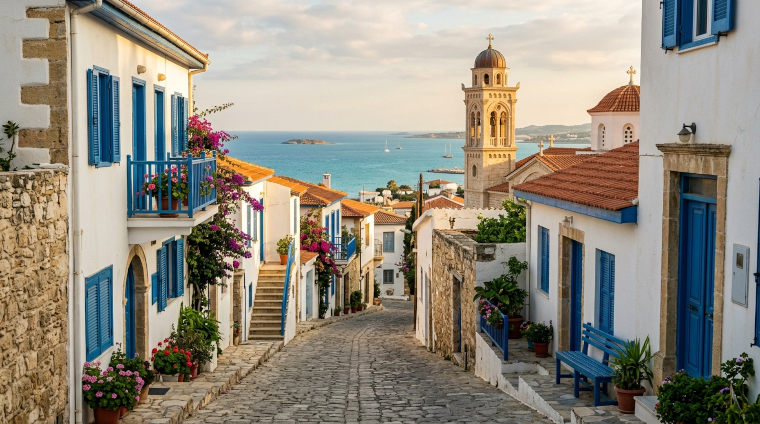 The image was generated using AI technologies

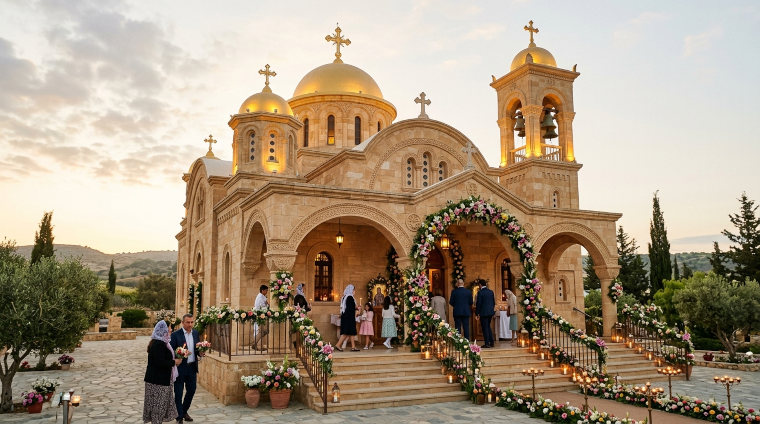 The image was generated using AI technologies


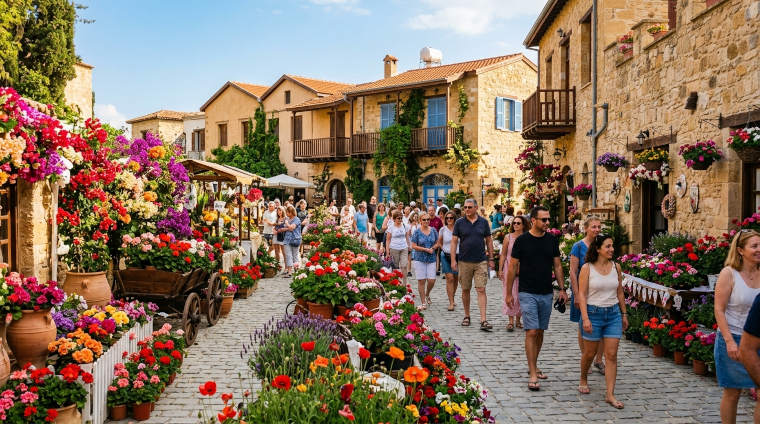 The image was generated using AI technologies
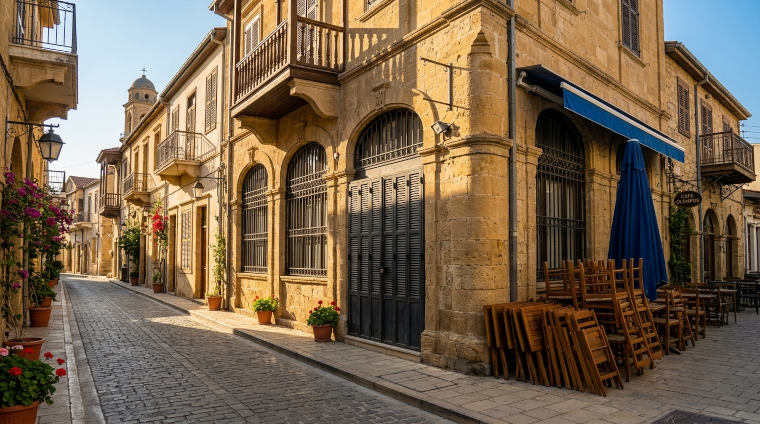 The image was generated using AI technologies

 The image was generated using AI technologies