The Deira district in Dubai: tourist and investment appeal
Save the article:
What is it like? The Deira district in Dubai is a historic area situated on the northern bank of the Creek inlet. It is home to traditional markets, mosques, and historic buildings that attract expatriates with their authenticity, as well as apartments at attractive prices.
What makes it appealing? It is not only tourists who find inspiration there. Investors, too, are turning their attention to Deira, owing to its favourable location and development potential. This is a place where the culture of the past and the opportunities of the future intertwine. Purchasing property in Deira is becoming a profitable investment of capital.
The Fame of the Deira District in Dubai
The Deira district in Dubai is known throughout the world as a major trading centre with vast malls and famous gold, perfume, spice, and fish souks. Among Russian tourists, however, this place is primarily associated with budget accommodation options and affordable tours to the UAE.
Image source: Creative Family / shutterstock.com
In Deira there are indeed many hotels, from luxury five-star establishments such as Hyatt, Sheraton, Hilton, and Carlton to more modest ones. For this reason, the majority of travellers who wish to keep costs down choose this district for their stay.
Deira is one of the oldest and most significant districts in Dubai, where historical traditions and the modern pace of metropolitan life intertwine. The district attracts tourists and locals alike with its authenticity, colourful bazaars, and diversity of cultures; modern architecture stands alongside narrow alleyways and ancient markets, creating a unique contrast.
Deira is a true cultural melting pot, where the traditions of many peoples coexist. Arabs, Indians, Pakistanis, Iranians, and many others live in this district, creating an atmosphere of unique diversity. This diversity manifests itself in the local cuisine, languages, crafts, and everyday customs, forming the district's inimitable character.
The History of the Deira District in Dubai
The origins of the Deira district date back to the early 19th century, when it began to take shape as a key trading hub owing to its advantageous position on the coast of the Persian Gulf and along Dubai Creek. This natural waterway played an important role in the development of trade, bringing together merchants from the Arabian Peninsula, Persia, India, and East Africa.
Over time, Deira evolved into a bustling port district where spices, textiles, pearls, and other goods were actively exchanged.
Traditional dhow boats, which transport people and cargo between the banks, can still be observed in Deira to this day.
In 1841, when a smallpox epidemic broke out in the Bur Dubai district, part of the population relocated eastwards to Deira. This migration gave impetus to the development of the district: not only residential buildings but also commercial spaces began to be erected there. The eastern bazaars, which have become the hallmark of Deira, continue to operate to this day. The most well-known are the Spice and Gold Souks, where jewellery, perfume, coffee, spices, and fabrics are sold.
In the early 20th century, the Deira district became the centre of business activity in Dubai. During this period, traditional markets — souks — developed actively, and they remain iconic for this district to the present day.
Markets such as the Gold Souk, the Spice Souk, and the Textile Souk attracted traders and buyers from across the region, reinforcing Deira's status as an important trading centre. Furthermore, the pearl trade, which had formed the backbone of the city's economy prior to the oil era, flourished precisely in this district.
The Structure of the Deira District in Dubai
The Deira district appears rather small on a map, but this impression arises only when comparing it with the scale of Dubai as a whole. In reality, Deira's area is comparable to that of the largest districts of Moscow.
The district occupies a substantial stretch of land along the Dubai Creek canal and, together with Bur Dubai, forms the historic part of the city. Whilst Bur Dubai serves as the administrative centre of the emirate, Deira is known as its main commercial district.
The Deira district is situated in the north-eastern part of Dubai and stretches along the coastline from Dubai Creek to the border with the emirate of Sharjah.
The western boundary of this district is formed by the natural waterway of Dubai Creek. Along the canal on the Deira side lies a small port known as Port Saeed, from which cargo vessels and tourist groups depart on traditional dhow boats that carry passengers to the western bank. In addition, river shuttle boats operate along the canal, providing convenient connections between the two banks.
To the north, the Deira district is bounded by the waters of the Persian Gulf. In the early 2000s, there were plans to construct an artificial island as part of the ambitious "Palm" project — the Palm Deira island. Work commenced; however, the financial crisis of 2008 significantly slowed its realisation.
In the end, the island was only partially completed, with just a few small landmasses created. The resumption of construction is not currently planned, and this area has been named Deira Island. Today, the greater part of these territories has been developed and is home to hotel complexes and shopping malls.
The Deira district also borders the emirate of Sharjah to the east. During the 1960s and 1970s, it was Dubai's main trading hub. Today, business activity has shifted to the opposite bank of Dubai Creek, along Sheikh Zayed Road. Despite this, active construction continues in Deira: new skyscrapers and modern bridges spanning the canal are appearing, lending the district a modern look.
Image source: Saj Shafique / unsplash.com
Deira encompasses several sub-districts, which together form the rich and vibrant atmosphere of the area. The main buildings are located within large residential complexes and represent a combination of residential, commercial, and administrative property. Each of these categories has its own unique advantages; however, not all sub-districts permit the purchase of property by foreign nationals.
Transport Accessibility of the Deira District in Dubai
The Deira district is situated at a considerable distance from Dubai's main tourist attractions; however, it benefits from a favourable location and good transport infrastructure. Key highways of the city — Al Maktum Road and Baniyas Road — pass through its territory.
The emirate has two airports: Dubai International (DXB) and Dubai Al Maktoum (DWC). The majority of Russian tourists arrive at Dubai International Airport, which is located within approximately 5 km from the city centre and borders Deira to the south. By car, the journey from the airport to the district takes around 15 minutes. One may also make use of the bus or the red line of the metro for a convenient transfer.
Within the district there are ten metro stations, three of which are situated on the red line and seven on the green line. For travelling into the city centre, the red line is the most convenient, whilst the green line serves exclusively local routes within the district. Interchange between the red and green lines is possible at Union and BurJuman stations.
Due to the dense development and narrow streets of old Deira, private vehicle traffic there is challenging; it is therefore advisable to use public transport. Buses have dedicated lanes, which significantly reduces the likelihood of congestion.
The banks of Dubai Creek are connected by several bridges: Garhoud, Al Maktum, Business Bay, and the pontoon Floating Bridge. There is also the Al Shindagha tunnel. Passage across these structures is subject to a toll of approximately 5 dirhams. It is important to bear this in mind when travelling by taxi and to clarify with the driver in advance, as the toll is not included in the fare displayed on the meter.
On the banks of Dubai Creek there are numerous abra boats, whose owners are ready to swiftly ferry tourists across the water to the Bur Dubai district for just 1 dirham, which is considerably cheaper than a taxi ride.
The Deira district occupies an advantageous position: the UAE's longest highway — E11, connecting this emirate with the neighbouring emirate of Sharjah to the east and Abu Dhabi to the west — passes through it.
Real Estate in the Deira District in Dubai
Deira is one of the oldest districts in Dubai, where the majority of property is available only to citizens of the UAE and the Gulf states. The district is home to several unique sub-districts where prices are considerably lower than in neighbouring areas.
Previously, it was difficult for foreign investors to purchase real estate there; however, the situation has changed: in the Al Mamzar sub-district, the purchase of real estate by foreign nationals is now permitted. This prestigious coastal area attracts visitors with its clean beaches and beautiful parks.
Within the Al Mamzar Front project, located in Al Mamzar, land plots for villa construction may be purchased from the well-known developer Meraas. The project has been developed in accordance with the requirements of the Dubai Creative Clusters Authority. The developer offers convenient payment terms, with no restrictions on construction timelines.
Renting property is possible in any sub-district of Deira. The area's particular popularity is enhanced by affordable housing options for foreign nationals and the only Russian school in Dubai.
Let us also consider other interesting sub-districts for long-term rental. For example, Al Rigga is a prestigious neighbourhood with the well-known Deira Clocktower. It is situated near the waterfront and offers a wide range of shops, cafés, and restaurants. Residential complexes, commercial premises, and important government institutions are also located there.
The Naif neighborhood is comprised primarily of low-rise and mid-rise buildings. It boasts excellent public transportation, with metro stations and bus stops, as well as numerous entertainment options.
As for Port Saeed, it is a residential neighbourhood situated along the northern bank of the Dubai Creek. The area is predominantly occupied by a yacht club and an 18-hole golf club. Port Saeed is predominantly commercial, but also features small apartment buildings and villas.
The Deira district is considered one of the most advantageous for purchasing property, owing to its accessible prices for accommodation. Many tourists, including Russians, prefer to rent apartments there or stay in hotels, which opens up excellent opportunities for income through short-term and long-term lettings.
In some projects, the return on investment reaches a minimum of 7%. When purchasing property at the construction stage, the return on capital invested may amount to up to 28%, depending on the point of entry into the project.
Frequently Asked Questions about the Deira District in Dubai
What are the distinctive features of the district's architecture?
The architecture of the Deira district represents a harmonious combination of traditional and modern elements. Narrow alleyways, structures built from coral stone, and the characteristic wind towers — barjeel — which provided natural cooling, reflect the district's historical heritage.
Landmark buildings such as the Sheikh Saeed Al Maktoum House and the Dubai Museum, housed in the Al Fahidi Fort nearby, vividly demonstrate Deira's deep connection with Arab cultural traditions.
What traditional crafts are practised in the district?
In the Deira district, craftsmen continue traditional artisan practices such as jewellery-making, weaving, and carpet-making. The local markets offer a wide range of handmade goods that reflect Arab cultural traditions. These crafts play an important role in the preservation of the historical heritage and attract tourists who wish to purchase souvenirs with an authentic national character.
Are cultural events held in Deira?
A variety of cultural events are regularly organised in Deira, including festivals and exhibitions that reflect the rich heritage of the district. For example, traditional fairs at the markets and festive events such as Eid al-Fitr and UAE National Day bring the area to life and attract a great many visitors.
The climate in the Deira district coincides with the general climate of Dubai — a hot desert climate. Summer temperatures frequently exceed 40°C, whilst in winter the weather becomes milder — around 20–25°C. For a comfortable trip, it is advisable to plan a visit in the autumn–spring season, when the weather is more favourable.
Is Deira suitable for families with children?
Deira is an excellent destination for a family holiday. There are numerous family-oriented restaurants, and parks with pleasant walking areas nearby. Children are sure to enjoy camel rides and trips on traditional dhow boats along the Creek.
Deira is a living embodiment of history that continues to evolve. This district carefully preserves its cultural and historical heritage whilst successfully adapting to modern conditions. Today, Deira remains a key economic and tourist centre where one can experience the true rhythm of life in Dubai — a place where tradition and innovation exist in harmony.
The district demonstrates how a rich past can serve as a foundation for a successful and dynamic future, inspiring both residents and visitors from around the world.
Article header image source: Saj Shafique / unsplash.com
Pros and cons of an autumn holiday in Dubai. Autumn weather in Dubai. Which autumn month is best for visiting Dubai? Dubai's beaches. Dubai's sights. Entertainment events in Dubai in autumn 2026. How ...
Main features of the Downtown Dubai district. Infrastructure of Downtown Dubai. Investment attractiveness of the Downtown Dubai district. Frequently Asked Questions about Downtown Dubai.
Types of Dubai visas. Entry rules to Dubai from Russia. The process of passing passport control. Dubai residence visa requirements. Frequently asked questions about the need for a Dubai visa.
What does UAE citizenship provide? Advantages of UAE citizenship. How to obtain UAE citizenship? Conditions for obtaining UAE citizenship. Procedure for obtaining UAE citizenship. Loss of UAE citizens...
How the postal system works in the UAE. What to enter instead of a postcode when filling in forms. P.O. Box as an alternative to a postcode. Area and emirate codes in the UAE. Delivery of parcels and ...
Why Dubai is the gastronomic capital of the Middle East. Dubai restaurants by cuisine type. Restaurants with panoramic views and unusual formats. Michelin-starred and the most expensive restaurants in...
Why Arabic is not a single language. How Arabic dialects arose — a brief history. The main groups of Arabic dialects — where they are spoken and how. Do Arabs from different countries understand one a...
Which restaurants in Dubai Mall are worth your attention and why. Where to eat in beautiful surroundings. Where to eat affordably in Dubai Mall: food courts, prices, and tips. Where alcohol is served ...


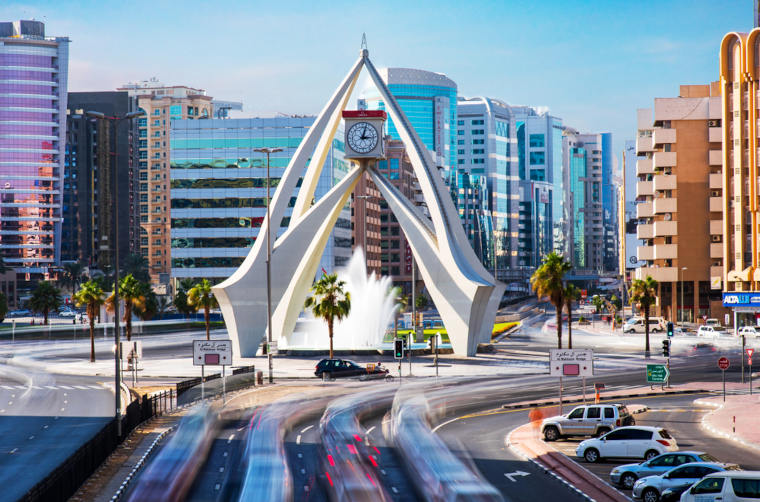 Image source: Creative Family / shutterstock.com

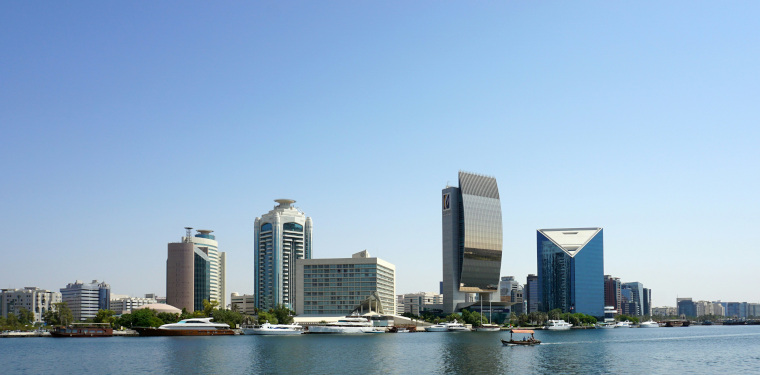 Image source: Saj Shafique / unsplash.com