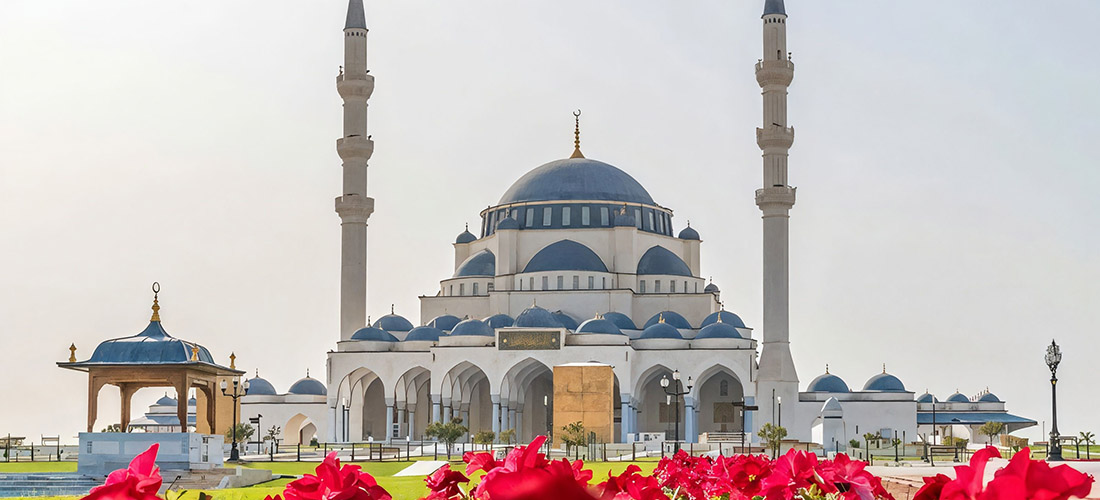
The Appeal of Dubai Harbour: From Real Estate to Entertainment
Save the article:
What is it? Dubai Harbour is a luxury district of the metropolis, situated on the shore of the Persian Gulf. It is renowned for its yacht port, magnificent architecture, and upmarket real estate.
What makes it appealing? Comfortable housing ranging from villas to apartments, the ability to moor a watercraft at your own berth and relax on your own stretch of beach, well-developed and convenient infrastructure, and a wealth of leisure options — all of this makes the district attractive not only to tourists but also to investors.
Location of Dubai Harbour
The Dubai Harbour district is located on the coastline between Jumeirah Beach and Palm Jumeirah and covers approximately two square kilometres of prestigious waterfront territory. It is home to the largest yacht harbour in the region. Dubai Harbour Marina has 700 berths.
Image source: Rushikesh Patil / unsplash.com
A cruise terminal and water station have also been built, making the location one of the key attractions for travellers. The complex stretches along the Persian Gulf coastline between the districts of Dubai Marina, Al Sufouh, and Jumeirah Beach Residences, combining upmarket housing, high-class hotels, shopping galleries, and leisure zones.
Today the area is regarded as a new focal point for affluent residents and tourists. It offers panoramic views of the sea, the Dubai Marina skyscrapers, the Burj Al Arab hotel, and the Palm Jumeirah island. The everyday infrastructure has been planned down to the last detail — supermarkets, clinics, and educational institutions are nearby, reachable in just a few minutes on foot or by car.
The project is described as a symbol of modern ideas and a creative approach to urban space on the shore of the Persian Gulf. The waterfront is filled with entertainment and landmark destinations, which is why the district has quickly become one of the most visited in Dubai.
It is home to beaches with soft sand, high-end restaurants, stylish hotels, and a wealth of opportunities for active leisure. The space looks particularly striking in the evening, when the city lights up.
The architecture of the district is executed in a contemporary premium style: the residential towers are designed with clean lines and elegance, using quality materials and a light colour palette. Generous floor plans, large balconies, and floor-to-ceiling panoramic windows fill the apartments with natural light during the day, whilst at night they reveal breathtaking views of the city skyline and the sea.
The surroundings of Dubai Harbour are home to a large number of restaurants, cafés, and hotels — from luxury complexes by the marina to cosy establishments offering aromatic coffee and world cuisines. It is easy to find both refined gastronomic experiences and tranquil spots for relaxing by the water.
The district stretches along Sheikh Zayed Road, making it convenient to reach from any part of the city. People arrive by car, taxi, or public transport, and the well-developed network of water taxis, ferries, and cruise routes allows one to combine the journey with a cruise along the bay and views of the cityscape.
Transport Links to Dubai Harbour
On the map, Dubai Harbour is situated between the artificial islands of Palm Jumeirah and Bluewaters Island, making it convenient to get to almost any part of the city from there. This location makes the area particularly appealing for seaside recreation and an active urban lifestyle. The journey to Dubai city centre takes an average of 20–30 minutes. Roughly the same amount of time is needed to reach Dubai International Airport.
Most residents travel by car, which is the simplest and most comfortable option. Residential complexes have their own parking facilities for residents, and there are also public car parks nearby for guests. That said, the district is by no means cut off from public transport: bus and tram routes run through the neighbouring areas, allowing one to travel to other parts of the city with ease.
The nearest public transport stops — Jumeirah Royal Meridian 1 and 2, as well as Media City 1 and 2 — are just a few minutes away. The Dubai Internet City, Nakheel, and DAMAC Properties metro stations can be reached in approximately 10–15 minutes.
The transport situation has been noticeably improved by the new infrastructure developments of recent years. The most significant of these was a bridge approximately one and a half kilometres in length, which directly connected Dubai Harbour with Sheikh Zayed Road. As a result, accessing the city's main highway now takes just a few minutes instead of the previous twelve. This change in particular has significantly increased interest in the district from both home buyers and investors.
Sights and Points of Interest in Dubai Harbour
Near Dubai Harbour there are several popular destinations that draw both tourists and city residents. Just a few minutes away is the Dubai Marina Walk promenade and the lively The Walk at JBR with its shops, cafés, and evening atmosphere by the sea.
Also nearby is the Aquaventure Waterpark and the enormous Ain Dubai observation wheel. Skydive Dubai, where one can parachute with views of the coastline, is located there as well. Yacht clubs operate within the harbour itself, and the renowned Dubai International Marine Club is also nearby. Dubai Marina is also close at hand, which means there is truly no shortage of entertainment in the area.
Good restaurants are easy to find nearby, for example, Pier 7, Massimo's Italian Restaurant, and Sloane's. The Dubai Marina Mall is also not far away, offering a wide selection of shops, restaurants, and family-friendly venues. The popular beaches of JBR Beach and Marina Beach are nearby, with white sand, beach clubs, and long promenade zones along the water.
Not far from Dubai Harbour is the Burj Al Arab hotel, considered the most luxurious in the world. Even those not staying there often visit simply to dine and take in the cityscape from a magnificent vantage point.
Image source: Cédric Dhaenens / unsplash.com
Also nearby is the Ain Dubai observation wheel, offering panoramic views of the coastline and the Persian Gulf. Those wishing to see Dubai Harbour from above will also appreciate The View at The Palm observation deck and the Burj Khalifa tower.
One can simply take a stroll along Jumeirah Beach or along the Jumeirah Beach Residence waterfront — there are plenty of cafés, boutiques, and spots where it is pleasant to spend an evening by the sea. Dubai Harbour itself, with its aparthotels and front-row villas, is considered one of the most comfortable and prestigious waterfront locations in the city.
Those who enjoy active leisure will appreciate Skydive Dubai — the jumps take place directly over the coastline. Furthermore, the district has become an important centre of maritime tourism: a modern cruise terminal and a large yacht marina operate there.
Another popular nearby destination is Bluewaters Island. You can browse the shops, dine with a view of the bay, or attend concerts and events that are held on the island on a regular basis.
Investments in Dubai Harbour
Dubai Harbour is a waterfront district with premium-class housing and direct views of the yacht harbour and the Persian Gulf. Modern homes are built there with a clear and comfortable layout logic: spacious bedrooms, built-in wardrobes, fully equipped kitchens, large floor-to-ceiling windows, and wide balconies. The apartments are bright, with contemporary finishes and a sense of open space.
In addition to apartments, large penthouses are also available, with four bedrooms, en-suite bathrooms, open-plan kitchens and living rooms, as well as terraces where a fully equipped leisure area can be arranged. One of the most prominent projects in the district is EMAAR Beachfront, comprising 27 residential towers right by the sea.
Purchasing property there isn't just about finding a waterfront home; it is about investing in a neighborhood that continues to appreciate and develop. Dubai Harbour has already established itself as a fully formed community, which is why investors regard it as a more stable and straightforward asset.
Why investors are entering this market:
Prices continue to rise
Demand for waterfront property remains consistently high, and there is almost no new land available for development. As a result, property values have risen noticeably over the past several years. The district is already fully functioning — infrastructure, services, and a ready-made environment are all in place, not merely plans for the future.
The district continues to improve
Plans are in place to expand the marina, construct pedestrian bridges providing access to Palm Jumeirah, and further develop transport links. New routes and projects make the district increasingly accessible, which in turn drives interest from buyers and tenants.
A lifestyle that people are willing to pay for
Dubai Harbour is chosen not only for its square metreage. It offers a quiet life by the sea with swift access to restaurants, events, and city activities. Entrepreneurs, international professionals, and yacht owners settle there; a private and prestigious community is taking shape, which directly influences property values.
According to the latest data, the average capital appreciation exceeds 10% per year, whilst the occupancy rate of premium-segment rental apartments remains above 85%. This indicates stable demand and a clear return for those purchasing property to let.
Another important advantage is that foreign nationals can register real estate as freehold property: the buyer receives 100% ownership of the property, the possibility of obtaining a long-term residency visa, and the freedom to manage the property without burdensome restrictions, whether renting it out, selling it, or transferring it.
The residential complexes themselves are designed with a focus on everyday comfort: high ceilings, abundant light, spacious terraces, and quality materials create a sense of a premium yet genuinely liveable space.
The residents have access to fitness centres, spa and wellness facilities, swimming pools with sea views, children's play areas, and private leisure zones. And access to a private beach and a yacht marina becomes the defining bonus that firmly establishes the district's status as one of the most prestigious waterfront locations in Dubai.
Frequently Asked Questions about Dubai Harbour
What beaches are there near Dubai Harbour?
In Dubai Harbour, the private beach is located right next to the residential complexes; one can walk to the sea on foot. If a change of scenery is desired, the popular Marina Beach and JBR Beach are just 10–15 minutes away by car. The latter is particularly well-loved for its water sports, promenade zones, and lively atmosphere.
What is the cruise terminal in Dubai Harbour like?
One of the key distinguishing features of the district is its modern cruise terminal — the largest in the region. It is capable of simultaneously accommodating several liners and serving more than 13,000 passengers per day. Such a volume of tourists brings the district to life: new restaurants, boutiques, hotels, and sought-after residential real estate are emerging, which directly impacts the development of the local infrastructure.
Are Dubai Harbour and Dubai Creek Harbour the same district?
No, they are different locations with different concepts. Dubai Harbour is situated by the open sea and is oriented towards a resort-style way of life: a yacht marina, premium residential complexes, five-star hotels, and high-end restaurants. The district was conceived as a prestigious waterfront zone with an emphasis on comfort and status.
Dubai Creek Harbour is an entirely different concept. The district is being built along the Dubai Creek inlet and more closely resembles a modern urban centre. It features the Dubai Creek Harbour embankment — a long promenade zone with restaurants, cafés, and views of the water and downtown.
Also located in this district is the main planned architectural landmark — the tower in Dubai Creek Harbour, known as the Dubai Creek Tower, which is currently under construction and is set to become one of the city's new visual focal points.
The key distinction lies in the concept: Dubai Harbour offers an ultra-premium life by the sea, whilst Dubai Creek Harbour is designed for a broader range of buyers and long-term district development.
In general, Dubai Harbour’s appeal lies in its way of life: the sea on the doorstep, yachts, promenade waterfronts, restaurants, and a constant sense of leisure.
The district combines a resort atmosphere with the convenience of a major city: a well-developed transport system, a modern marina, and a high level of service. This is why it is increasingly regarded not only as a place to live, but also as a compelling investment destination against the backdrop of growth in Dubai's real estate market.
Article header image source: martin bennie / unsplash.com
What does UAE citizenship provide? Advantages of UAE citizenship. How to obtain UAE citizenship? Conditions for obtaining UAE citizenship. Procedure for obtaining UAE citizenship. Loss of UAE citizens...
Distance and journey time from Dubai to Fujairah. Bus E700: the cheapest option. Taxi and transfer from Dubai to Fujairah. Driving from Dubai to Fujairah. How to get from Abu Dhabi to Fujairah? Conclu...
Do Russians need a visa for the UAE and how do you obtain one? What documents are required to enter the UAE? What are the differences between entry rules for Dubai, Sharjah and Abu Dhabi? What you nee...
What attracts tourists to shopping in Abu Dhabi? What to buy in Abu Dhabi. 10 best shopping centres in Abu Dhabi. What to pay attention to while shopping in Abu Dhabi. Frequently asked questions about...
Mortgages in Dubai are available to foreign citizens, which is why many consider purchasing residential property in one of the world's wealthiest cities.
Description of the Al Quoz district in Dubai. Location of the Al Quoz district. Infrastructure of the Al Quoz district. Leisure and entertainment in Al Quoz. Specifics of the real estate market in Al ...
Advantages of Dubai for living and investment. The best business districts of Dubai. Top 3 districts of Dubai for living. Frequently asked questions about Dubai districts.
Why Arabic is not a single language. How Arabic dialects arose — a brief history. The main groups of Arabic dialects — where they are spoken and how. Do Arabs from different countries understand one a...


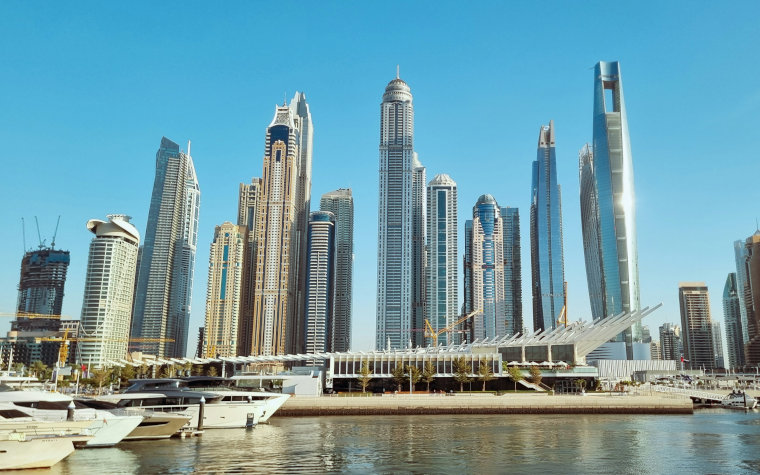 Image source: Rushikesh Patil / unsplash.com

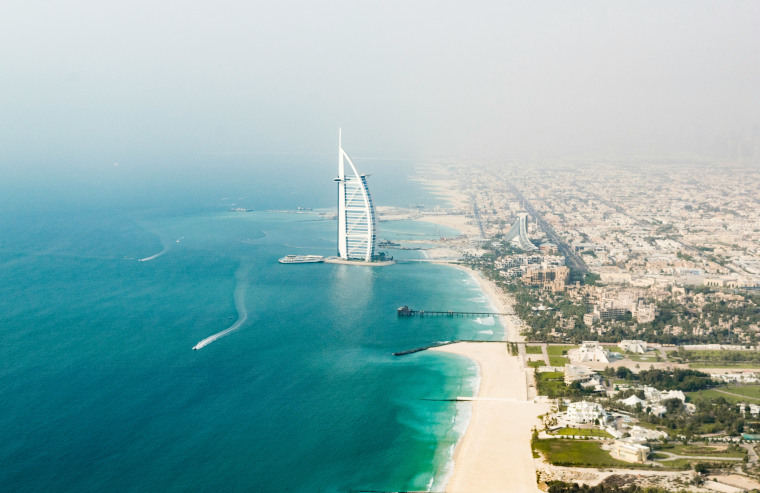 Image source: Cédric Dhaenens / unsplash.com