What makes it distinctive? Dubai cuisine… Just a few years ago, this phrase raised eyebrows: could a city of fairy tales really have its own authentic food, rather than simply a collection of expensive restaurants bearing world-famous names? Yet today we are witnessing a genuine gastronomic boom.
What sparked it? It all began with the viral Fix chocolate bar filled with crunchy pistachio paste and kataifi, which literally exploded across social media feeds and set the whole world talking about Dubai desserts. But behind this sensation lies a far deeper and more complex system of flavours, where Arab hospitality meets the boldness of content creators and innovation in presentation.
Characteristics of Dubai Cuisine
Dubai cuisine is a true explosion of impressions: age-old desert customs sit side by side with the luxury of Michelin-starred restaurants. Not so long ago, these were merely the meagre fruits of the land that kept people from hunger, and now they are the bold creations of local chefs conquering the world's culinary heights.
Image source: stockking / magnific.com
This remarkable transformation — from a modest nomadic way of life to an ultra-modern restaurant scene — reflects Dubai itself: a city that is restless yet deeply respectful of its roots and always open to new currents. It is therefore no surprise that the authentic cuisine of the Emirates is now drawing visitors from every continent, promising an experience that goes far beyond an ordinary meal.
To savour the dishes of Dubai cuisine is not merely to fill one's stomach. This kind of experience allows one to discern echoes of the UAE's long history in the aromatic fragrances, to feel the legendary Arab generosity around an abundantly laden table, and to discover the true colour of Arabia, dispelling the myth of Dubai as a city dominated only by skyscrapers and concrete.
Origins of Dubai Cuisine
Emirati dishes carry the memory of the past — in them one can hear both the harsh voice of the sands and the fresh breath of the Gulf, as well as the spirit of the old trade routes. The ingredients and cooking methods there are not simply a collection of products, but a genuine fragment of the life and customs of the land, passed down from generation to generation.
Desert cuisine (Bedouins)
Try to picture the daily life of a Bedouin — a person who is constantly moving through the desert. For him, each new day is a battle against the scorching sun and burning sand. What sustained his strength? Chiefly, dates. These sweet, highly nourishing, and almost sacred fruits of the palm tree have long been considered a symbol of hospitality and a source of energy among Arabs.
In addition, the sharp, tangy milk of camels was put to use, as was the meat of these animals and of goats — all gifts of a nature that appears meagre at first glance yet is capable of feeding those who know how to work with it. Food was prepared simply but wisely: it was boiled, slow-cooked, or baked directly in the hot sand or over the embers of a dying fire. Thin flatbreads crisped over the coals and filled the air with a smoky aroma.
For a long time, dates and camel's milk served nomads not merely as food but as the very things that gave them their vitality and helped them endure harsh conditions. And if a guest received these offerings, it was considered the highest mark of welcome and the most sincere respect — a custom that lives on to this day.
The sea was the primary source of sustenance for those whose fate was bound to the Persian Gulf. Fresh fish and other marine riches formed the foundation of their daily diet. When the catch was plentiful, it had to be saved from spoiling: fish were skilfully dried in the sun, salted with sea salt, or smoked over bonfires.
These ancient preservation methods survive to this day, and thanks to them the flavour of the fish becomes entirely distinctive. Rice, which arrived in the Emirates along maritime trade routes, soon became a centrepiece of many dishes and took root firmly in coastal cuisine.
The influence of trade routes and the magic of spices
For centuries, Dubai served as a crossroads of caravan routes, gradually absorbing the aromas and flavours of distant lands. Alongside their goods, merchants from India, Persia, and the Levant brought not only merchandise but also the secrets of their culinary traditions. It was through this exchange that cardamom, saffron, turmeric, and cinnamon began to feature in Dubai cuisine. Spices added colour, fragrance, and depth of flavour to the food.
Worthy of special mention is loomi — dried black lime — which lends dishes an entirely unique sourness with a hint of smokiness. New cooking methods emerged as well: Dubai's cooks learnt to slow-cook ingredients in clay pots, mastered the art of making rich rice dishes such as majboos and biriyani-style dishes, and also learnt the recipes for exquisite Eastern sweets.
The tradition of hospitality: qahwa and dates
Emirati generosity begins with qahwa — Arabic coffee — and the ritual of serving it has long become the soul of local culture and the foremost sign of a warm welcome.
Image source: magnific / magnific.com
The coffee is roasted lightly, to a golden colour, gently flavoured with cardamom, and poured into tiny handleless cups called finjan. And alongside it, fresh, succulent dates are always placed. To offer a guest qahwa and dates is the same as saying: "My home and my heart are open to you."
Cultural heritage
Every dish of Dubai cuisine is not simply a recipe. It is rather a living link between the past and the present, an important part of how the Emirates understands itself. In such food one can read the story of a people, their everyday way of life, their ancient customs of hospitality, and the skill with which they turned whatever nature provided into a festive occasion.
Top 12 Dishes of Dubai Cuisine
To truly understand Dubai, one must try these 12 dishes.
1. Al Makboos (Al Machboos / Majboos)
Al Makboos is the signature dish of Dubai cuisine — its defining symbol. It is made with rice, meat, and a blend of spices: cardamom, saffron, cloves, cinnamon, and dried lime (loomi). The rice is cooked in a fragrant broth so that it absorbs all the spices and meat juices, which results in a flavour that is spiced, warming, and faintly smoky.
When the sound of the surf can be heard in Dubai and the scent of saffron drifts through the air, a bowl of spiced Al Makboos brings a particular kind of pleasure. And the very essence of Dubai cuisine — rich, aromatic, generously seasoned with Gulf spices — reveals its character most fully through this dish.
2. Al Harees
At the heart of Al Harees lie just two ingredients — wheat and meat. They are cooked on a very low heat for many hours, until the mixture becomes thick, uniform, and cream-like in consistency. The dish is served with melted butter and a pinch of spices; the result is deeply satisfying and gentle on the palate.
Major celebrations and weddings in the Emirates rarely pass without Al Harees. And many travellers make a point of trying it during Ramadan — it is one of the best ways to immerse oneself in the spirit of the country.
3. Thereed (Thareed / Tharid)
This Arab bread stew is prepared by taking tender meat and braising it together with potatoes, courgettes, carrots, and tomatoes, with the addition of spices and tomato paste. The result is a rich, thick sauce. At the bottom of the serving dish there are usually pieces of ragag — an extremely thin local flatbread.
According to legend, the Prophet Muhammad was very fond of this dish. In Dubai, thereed frequently appears on the table during Ramadan — it is used to break the fast after a day of abstention, and on such evenings traditional food brings the whole family together.
4. Balaleet
Among the many dishes of Dubai cuisine, balaleet is one of the most surprising. Imagine sweetened vermicelli cooked with saffron, cardamom, and sugar, topped with a light omelette or a fried egg.
On festive days, particularly at Eid, balaleet appears on the table frequently. And on an ordinary morning, there is something especially pleasant about eating it slowly with a spoon, breathing in the scent of cardamom and feeling the soft Dubai sun just beginning to warm the day.
5. Kebabs
The meat is cut into small pieces, left to marinate in a spiced mixture, and then grilled over coals; the result is juicy and tender. The secret of Dubai's kebabs lies in the marinade of yoghurt, onion, saffron, cumin, and lemon. The kebabs are typically served with tanoor flatbread, tabbouleh salad, hummus, and a special pomegranate sauce.
6. Hummus
Hummus is well known far beyond the Middle East, and in Dubai it has long been considered one of the main culinary symbols. This smooth chickpea paste with tahini, olive oil, lemon, and garlic is most commonly eaten in the Emirates with warm pitta bread, fresh vegetables, or meat skewers.
7. Shawarma
In Dubai, everyone loves shawarma — it is both delicious and inexpensive, and has become the defining symbol of street food throughout the entire Middle East. The meat turns on a vertical spit, slowly cooking through, before being shaved off in thin strips and placed into a soft flatbread together with vegetables, sauce, and pickled gherkins. Sometimes french fries are added inside as well.
Image source: Orkun Orcan / unsplash.com
8. Falafel
Chickpeas or broad beans are combined with garlic, onion, parsley, and spices, rolled into balls, and deep-fried to a crispy, golden crust. Falafel is placed in pitta bread with hummus, tahini, and vegetables, and is also frequently included in mezze platters served before the main course.
Anyone who truly loves this dish will finish a portion and ask for more. Falafel is a simple example of how Dubai cuisine turns everyday street food into a genuine pleasure.
9. Manakish (Manaqish / Man'ousheh)
Manakish is a flatbread — the Middle Eastern equivalent of pizza. Thinly rolled dough is baked with various toppings: most often za'atar (a blend of thyme, sesame, and sumac) or cheeses such as halloumi and akkawi, and sometimes meat or spinach is added. Manakish is eaten in the morning, at lunchtime, and whenever one fancies a snack.
10. Luqaimat
Small balls of dough are rolled, fried until crisp and golden, and then generously drizzled with thick date syrup or honey. Sesame seeds are often scattered on top. In flavour, luqaimat is something between a doughnut and a churro — only smaller and lighter.
11. Knafeh (Kunafeh / Kunafa)
The base of this dessert is either semolina or the finest threads of kataifi pastry. These are layered with soft cheese — most commonly akkawi or nabulsi — and baked until golden. The finished dessert is drenched in a fragrant syrup made with rose water and scattered with pistachios.
Arabic sweets are made differently across various regions: Palestinians use more cheese, while the Lebanese prefer more pastry and butter. In Dubai, this treat is especially popular in the evenings, served with mint tea or cardamom coffee.
12. Arabic coffee (Gahwa) and dates
For Arabic coffee, lightly roasted arabica beans are used, flavoured with cardamom and sometimes saffron, cloves, or rose water. It is drunk from tiny finjan cups, without sugar but accompanied by dates. In this combination lies the entire philosophy of Dubai cuisine: the art of sharing an aroma, one's time, and the warmth of one's heart.
How to Choose a Restaurant in Dubai
In Dubai, wherever one looks, there is an invitation to try the traditional cuisine — from small, almost home-like establishments in the old districts to Michelin-level restaurants in glass towers. How does one find one's own place amid all this variety — somewhere that will be remembered not merely for the food, but for a warm feeling within? It is quite simple: first, honestly answer a few questions.
What to pay attention to:
Style of service. Are you drawn to full immersion in the old ways — unpretentious but soulful? Or would you prefer to see how chefs reinterpret traditional recipes in a bold, contemporary manner?
Prices. Dubai cuisine spans a wide range. In small cafés one can eat very affordably; in a mid-range restaurant the experience is comfortable; and if one is after something special, there are fine-dining establishments too.
Atmosphere. What appeals more — a quiet corner in the old part of the city, a family restaurant with live music, a glamorous venue with views of the skyscrapers, or a fashionable young establishment with a striking interior?
Your reason for going. Simply to have dinner, to spend a romantic evening, to encounter local culture for the first time, to meet with business partners, or to gather the whole family around a large table?
First, decide what matters most to you. Do not rush to choose a venue. Think carefully: what do you actually want — for your soul as well as your stomach? Perhaps you are seeking a flavour that carries centuries of history behind it — truly Emirati dishes, almost as though you were a guest in a local family's home?
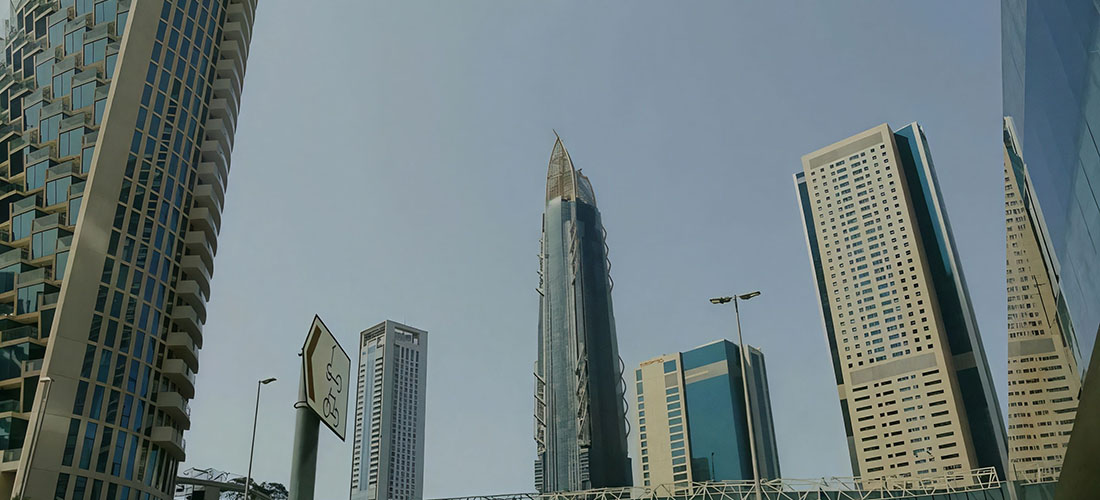
Image source: mahyar motebassem / unsplash.com
Or perhaps you are drawn to unexpected combinations, where ancient recipes intertwine with modern cuisine and each dish is a small event in itself? Or maybe you simply want to try the essentials of what the UAE has to offer — delicious and unpretentious? Once you answer honestly, you will know exactly where to go.
In Dubai, cuisine often adapts to the city's many visitors from around the world. In restaurants that cater frequently to tourists, Emirati food may be somewhat milder than you expected: a little less spice, perhaps, or more dishes without meat. But do not worry: even in this softened form, the dishes usually retain what matters most — their traditional foundation and those characteristic notes by which you will unmistakably recognise the Emirates.
Frequently Asked Questions about Dubai Cuisine
In which establishments in Dubai is it worth looking for typical local food?
Traditional dishes can be tried at:
Al Fanar Restaurant & Café;
Al Mashowa;
Aseelah;
Logma;
Arabian Tea House;
Al Makan (Madinat Jumeirah).
In some of these places, a meal becomes an educational experience — a guide will tell you in detail about both the cuisine and the culture of the country.
Are there any food prohibitions or special customs among Emiratis?
There is no point looking for pork on the menu — this is a common feature of the cuisine of many Arab countries. And during the holy month of Ramadan, strict rules come into effect governing when, what, and how one may eat.
How does restaurant operation change during Ramadan?
During the holy month, Dubai's establishments adjust to new opening hours. This is because the faithful fast during this time and eat only after sunset. Some cafés open at lunchtime — around 12:00 PM or 1:00 PM — and operate until midnight. Others do not begin receiving guests until 6:00 PM and close well after midnight. Some establishments remove alcohol from the menu entirely and revise the composition of their dishes.
Dubai cuisine is a remarkable blend of ancient Bedouin customs, the culinary traditions of neighbouring peoples — Indians, Iranians, Pakistanis, and others — and contemporary global trends. You can find both traditional harees and elegant fusion dishes there; this tapestry of flavours tells the story of how trade routes passed through the Emirates for centuries, and of how Dubai itself grew from a tiny settlement into a vast, modern city.
To try the local food is to better understand the culture of this place and to feel the very atmosphere of somewhere in which the old and the new live side by side.
General rules for wearing shorts in Dubai. Specifics for men and women. Where shorts are definitely not permitted. Practical tips and alternatives. Frequently asked questions.
Features of the Dubai Festival City district. Daily life in Dubai Festival City. Housing in Dubai Festival City. Shopping and entertainment in Dubai Festival City. Transport accessibility of Dubai Fes...
How the UAE economy functions: from oil dependency to diversification. Which production sectors are most developed in the UAE? Why the UAE attracts foreign investors? How to set up a manufacturing com...
Types of taxis in Dubai. Ways to book a taxi in Dubai. Cost of taxis in Dubai. Protection against taxi fraud in Dubai. Frequently asked questions about taxis in Dubai.
Main features of the Al Manara district in Dubai. Infrastructure of Al Manara. Renting and buying property in Al Manara. Food market in Al Manara. Frequently asked questions about Al Manara.
Where to buy a car in Dubai? Car registration and ownership costs in Dubai. Fines and driving rules in Dubai. Car rental in Dubai. Frequently asked questions about cars in Dubai.
What Umm Suqeim is like. Real estate in Umm Suqeim. Features of residential real estate in Umm Suqeim. What affects commercial real estate prices? Entertainment in Umm Suqeim. Frequently asked questio...
Taxes in Dubai are among the lowest in the world. In some cases, individuals and businesses don't pay them at all, while in others, they pay no more than 9% on profits, which is significantly lower th...


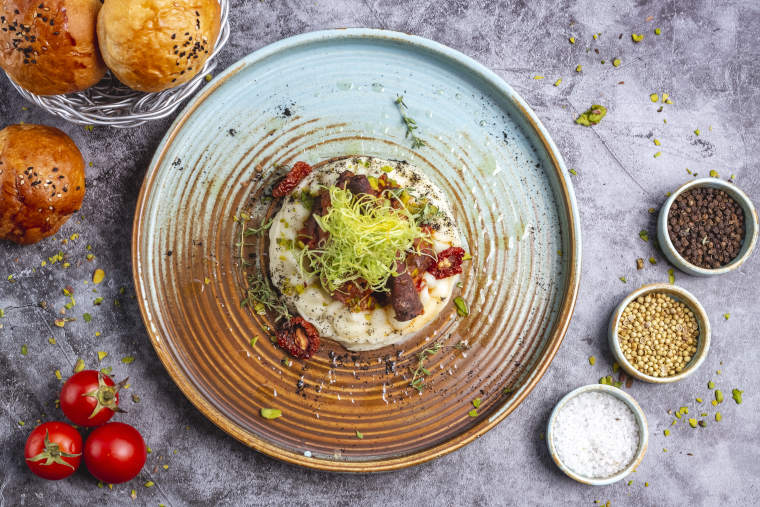 Image source: stockking / magnific.com

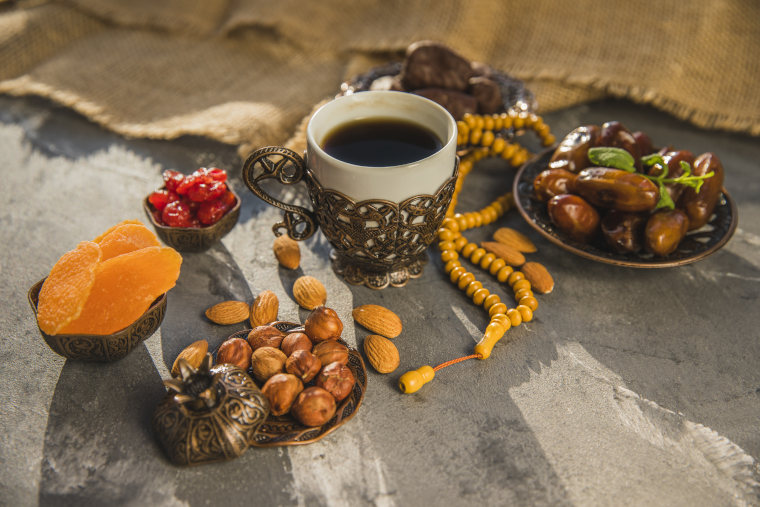 Image source: magnific / magnific.com

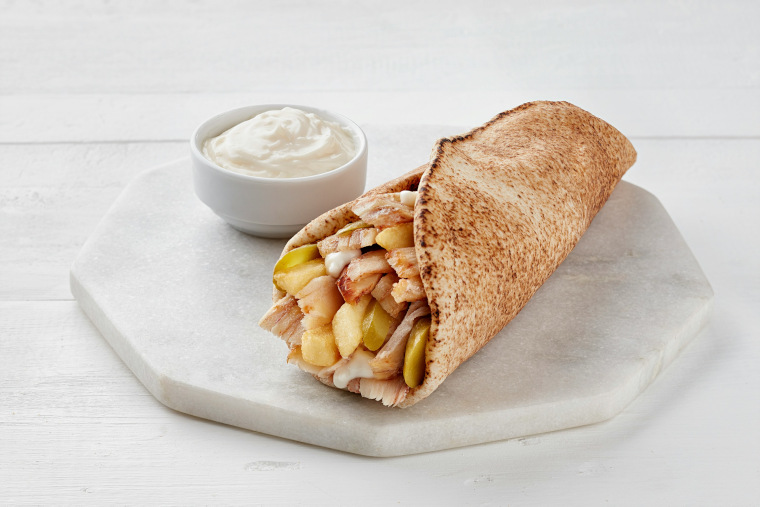 Image source: Orkun Orcan / unsplash.com

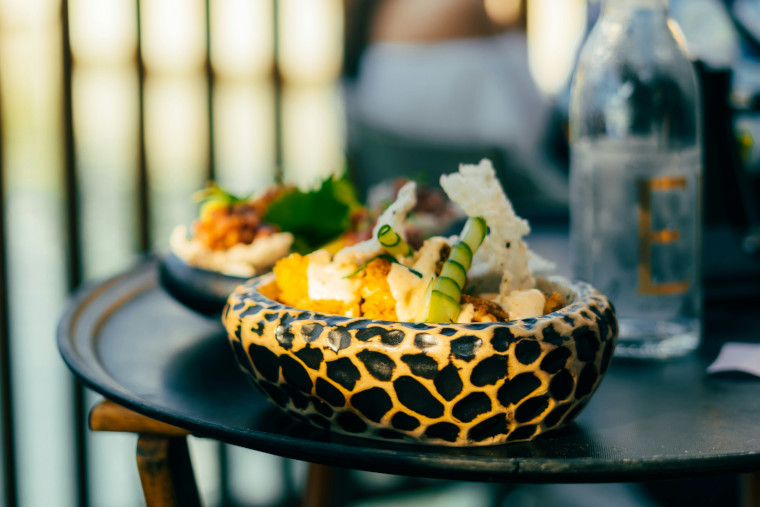 Image source: mahyar motebassem / unsplash.com