Home/Everything about the UAE/UAE Industry: What the Emirates Produce Beyond Oil and How the Country's Economy Works
14.07.2026
Everything about the UAE
1256
Reading time: 12 minutes
UAE Industry: What the Emirates Produce Beyond Oil and How the Country's Economy Works
Save the article:
What is this about? The UAE moved beyond raw material exports long ago; the country builds factories, develops pharmaceuticals, produces aluminium, and exports food products across the globe. Anyone wishing to understand how this economy is structured will find a comprehensive overview of its key sectors in this article.
What's inside? Which manufacturing directions have taken shape in the United Arab Emirates, why the country has become one of the most significant hubs in the Middle East, and what those considering the UAE as a business location need to know.
How the UAE Economy Functions: From Oil Dependency to Diversification
The United Arab Emirates is a federation of seven emirates with one of the most dynamic economies in the Middle East. Each emirate makes its own contribution: Abu Dhabi is focused on the oil sector, Dubai specialises in trade and technology, whilst Sharjah and Ras Al Khaimah focus on manufacturing. This structure makes the country's economy resilient to fluctuations in oil prices.
The country is actively diversifying its economy. The share of the oil and gas sector in GDP has declined over recent decades, whilst manufacturing, trade and services have taken on significant positions. Diversification has been assigned the central role in the long-term development strategy, which is already yielding measurable results in the volume of non-oil exports.
How oil and gas shaped the country's manufacturing foundation
The discovery of major hydrocarbon deposits gave the UAE a powerful initial impetus. Oil revenues (many billions of dollars over the decades) financed the construction of ports, airports, roads and industrial zones. Without this foundation, it would have been impossible to create modern manufacturing infrastructure in desert conditions. Oil became the foundation, not the ceiling, for the country's economy.
What share of UAE GDP does the manufacturing sector account for today
The manufacturing sector occupies third place in the GDP structure, after hydrocarbon extraction and the trade and services sector. According to open-source data, its volume constitutes a significant portion of the country's total GDP, and its growth indicators are among the highest in the region. The contribution of manufacturing is growing steadily year on year.
Image source: Thanakorn.P / shutterstock.com
What the manufacturing development programme is and why it is needed
The government has adopted a strategy aimed at multiplying the contribution of the manufacturing sector to GDP by 2031. The programme defines priorities: the food sector, pharmaceuticals, medical equipment, advanced technologies, and renewable energy sources.
The UAE is investing in the creation of new manufacturing capacities and attracting foreign capital by offering incentives, subsidies and simplified access to special zones.
Which ProductionSectors Are Most Developed in the UAE
The manufacturing complex of the United Arab Emirates spans a broad range of directions — from traditional petrochemicals to high-technology enterprises. Below is an overview of the key sectors: what is produced, where the main enterprises are located and why these segments have developed.
Sector
Key products
Main regions
Oil, gas and petrochemicals
Crude oil, LNG, petrochemicals, fertilisers
Abu Dhabi
Metallurgy
Aluminium, rolled steel, metal products
Abu Dhabi, Dubai
Chemicals, plastics and rubber
Polymers, packaging, industrial products
Dubai, Sharjah
Food
Food products, beverages, processing
Dubai, Sharjah, Ras Al Khaimah
Pharmaceuticals
Medicines, drugs, dietary supplements
Dubai, Sharjah
Cement, materials and energy
Cement, aggregates, asphalt, solar panels
Across all emirates
The UAE manufacturing sector combines traditional industries (oil and gas, metallurgy, cement) with growing high-technology and consumer-oriented directions, reflecting the policy of economic diversification.
The choice of location and the success of projects depend on infrastructure, access to ports and logistics, as well as government incentives and free zones; when planning investments or partnerships, it is advisable to take these factors into account and to verify current support programmes.
The oil, gas and petrochemical sector
Despite the drive towards diversification, oil and gas remain the backbone of the country's economy. The main deposits are concentrated in Abu Dhabi, where extraction, refining and petrochemical production are carried out. The sector produces fertilisers, polymers and semi-finished products that serve as raw materials for related industries such as plastics, rubber and packaging.
Metallurgy: aluminium, steel and metal products
The UAE is one of the world's major producers of primary aluminium. The development of metallurgy was made possible by affordable energy, well-developed port infrastructure and proximity to global markets. The products are used in construction and aerospace, and are exported to dozens of countries. Metallurgy plays a key role in the country's non-oil exports.
The chemicals sector, plastics and rubber
Dubai is a major centre for the production and export of plastic products: packaging, pipes, construction profiles and household goods. Rubber products are used in the automotive and construction industries. The sector relies on petrochemical raw materials produced domestically, which makes its products cost-competitive on the global market.
Food production is demonstrating one of the highest growth rates among all sectors. The reasons are clear: a multimillion, multinational population, an intensive flow of tourism (millions of tourists per year) and national food security policy.
Thousands of manufacturing companies operate in the country. A significant proportion of output is oriented towards export to the Gulf countries and Africa.
The pharmaceutical sector
Pharmaceuticals is a strategic direction for the UAE, aimed at reducing import dependency in a critically important product category. The production of medicinal products has been developing for several decades, and the number of enterprises continues to grow.
The sector specialises in over-the-counter medicines, pharmaceutical drugs and dietary supplements. Specialised industrial zones with simplified regulatory procedures help with development.
Cement and materials production, and the energy sector
The UAE construction sector is experiencing sustained growth. Cement, aggregates, building stone and asphalt — everything required for large-scale infrastructure projects — are produced domestically.
Image source: Sach336699 / shutterstock.com
The energy sector is developing along several directions: thermal power stations provide base load, solar energy is accounting for an increasingly large share of generation output, and the nuclear programme has added a clean and stable source of electricity.
Why the UAE Attracts Foreign Investors
The country creates conditions under which establishing a manufacturing operation in the UAE is simpler and more advantageous than in many other countries in the region. Two factors play a key role: a well-developed system of free zones and world-class transport infrastructure. Together they form an environment that is attractive to foreign investment of any scale.
Free economic zones: the main advantages for manufacturing businesses
A free zone is a specially designated territory with a special legal and tax regime. The UAE has more than forty such zones; the majority of the largest are located in Dubai. For manufacturing businesses, free zones offer tangible advantages:
100% foreign ownership without a mandatory local partner.
Exemption from corporate tax for an extended period.
Zero import duties on raw materials and equipment.
The ability to repatriate 100% of profits and capital.
Access to ready-made manufacturing premises and accelerated company registration.
Free zones effectively create a separate business environment within the country. A manufacturer secures stable conditions for years ahead, which reduces investment risk.
Transport infrastructure and logistics as a competitive advantage
The UAE ranks among the world leaders in the quality of its logistics and transport capacities. Dubai Airport is one of the largest air cargo hubs on the planet.
Sea ports, including Jebel Ali (the largest container port in the Middle East), provide direct access to the markets of Asia, Africa and Europe. The country's geographical position is unique: it sits at the intersection of trade routes between three continents.
How to Set Up a Manufacturing Company in the UAE: What You Need to Know
Launching a manufacturing business in the UAE requires a clear understanding of regulatory requirements, and a choice of jurisdiction. The main choice is between the mainland and a free zone: they differ in ownership structure, tax regime and sales opportunities. Mainland companies work directly with local clients; free zones offer tax benefits but with restrictions on sales within the country.
What documents and licences will be required
A manufacturing licence is the main permit document. It covers a broad range of manufacturing activities and requires a package of information. The standard list includes:
A business plan describing the manufacturing process and target markets.
Specifications for equipment and production lines.
Information on funding sources and capital structure.
Documents for manufacturing premises or a lease agreement in an industrial zone.
After obtaining the licence, work visas for employees will be required. Their number is tied to the area of leased premises and the type of activity. Documentation is maintained in both English and Arabic.
What challenges do manufacturers face in the UAE
An honest picture is impossible without describing the real challenges. The first is a shortage of skilled labour. The majority of specialists are expatriates, and attracting them requires expenditure on visas, accommodation and remuneration packages.
The second challenge is dependence on imported raw materials, as the country has virtually no resources of its own beyond hydrocarbons. The third issue is that rental costs in prestigious zones remain high. Understanding these factors helps in realistically assessing a project's profitability at the planning stage.
UAE Manufacturing Development Outlook 2031
The UAE manufacturing complex is entering a phase of technological transformation. The country is betting on high technology, green energy and the digital economy as the three main drivers of growth over the coming decade. This opens up new opportunities for investors focused on innovation.
High technology, AI and the digital economy as new drivers of growth
The UAE is the first country in the world to have created a government ministry for artificial intelligence. The authorities are implementing AI in governance, logistics, healthcare and the manufacturing sector.
Image source: DC Studio / shutterstock.com
Technology parks and innovation hubs are being actively developed on the country's territory, attracting start-ups and major technology companies from across the globe, including developments in the field of automation and robotics. Blockchain in logistics and digital twins of enterprises are already a reality, not a prospect.
Green energy and sustainable manufacturing
The UAE plans to obtain a significant share of its energy from clean sources by 2050. Several large-scale projects are being implemented along this path: some of the world's largest solar power plants, a nuclear programme and energy efficiency initiatives.
For the manufacturing sector, this means a reduction in electricity costs and access to green certificates, which buyers in European and American markets are increasingly requiring. The environmental agenda is being transformed from a constraint into a competitive advantage for manufacturers.
Frequently Asked Questions about the UAE Manufacturing Sector
What does the UAE produce besides oil?
The country has well-developed metallurgy, chemicals and food sectors, pharmaceuticals, cement production and consumer goods manufacturing. Aluminium deserves particular mention — the UAE is one of the world's largest producers. The country's non-oil exports are growing steadily, with their value in billions of dollars increasing year on year.
How dependent is the UAE on oil revenues today?
The dependency on oil has decreased significantly compared with the early 2000s; however, the oil and gas sector still forms a substantial part of GDP, particularly in Abu Dhabi. Dubai, meanwhile, lives predominantly on trade, tourism and finance. The drive towards diversification is not a declaration, but a genuinely functioning national strategy.
Which emirate has the most developed manufacturing sector?
Abu Dhabi leads in terms of output volume, owing to petrochemicals and metallurgy. Dubai is the centre of chemical, food and high-technology manufacturing. Sharjah and Ras Al Khaimah specialise in manufacturing enterprises and the cement sector. Each emirate has its own manufacturing profile.
How does a free economic zone differ from ordinary UAE territory?
In a free zone, a foreign investor owns 100% of the business without a local partner, benefits from tax incentives and a simplified customs regime. On the mainland, until recent reforms, a local co-founder was required. Free zones offer ready-made infrastructure and accelerated registration procedures, which is important when establishing a new manufacturing operation.
Which manufacturing directions in the UAE are growing fastest?
The leaders in growth rate are pharmaceuticals, the food sector and industries connected with renewable energy. High-technology directions are also developing actively: medical equipment and components for the solar energy sector. Support programmes make these directions the most attractive for new investment.
Government services and healthcare apps for Dubai. Home services apps for Dubai. Transport services apps for Dubai. Food delivery apps for Dubai. Frequently asked questions about useful apps for Dubai...
Where is Dubai located? History and development of Dubai. Culture and architecture of Dubai. Districts of Dubai. Frequently asked questions about the location of Dubai.
Main attractions of Dubai. Entertainment for families with children. Evening entertainment and nightlife. Free and budget-friendly entertainment. Practical information for tourists. Frequently asked q...
General overview of the UAE's natural resource potential. Oil and natural gas — the foundation of the UAE's economy. Water, land and biological resources of the UAE. Mineral resources of the UAE. The ...
A mall in Abu Dhabi, as in other cities, is a large shopping centre that unites dozens and hundreds of boutiques, entertainment venues and business attractions under one roof. The capital of the UAE c...
Overview of Ras Al Khaimah. Districts of Ras Al Khaimah. Advantages of buying property in Ras Al Khaimah. Interesting facts about Ras Al Khaimah. Frequently asked questions about Ras Al Khaimah.
Migrant, emigrant, immigrant: meanings and origins of terms. How a migrant differs from an emigrant and an immigrant. Types and causes of population migration. How to use the terms correctly. Frequent...
Dubai Police: history and structure. What Dubai Police drive: the legendary supercar fleet. The flying police in Dubai: tomorrow's technology today. Dubai Police number and emergency service contacts...
Advantages of Dubai for living and investment. The best business districts of Dubai. Top 3 districts of Dubai for living. Frequently asked questions about Dubai districts.



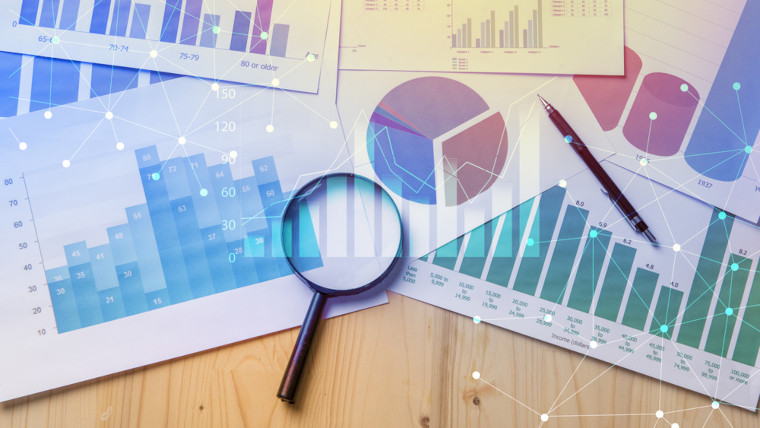 Image source: Thanakorn.P / shutterstock.com

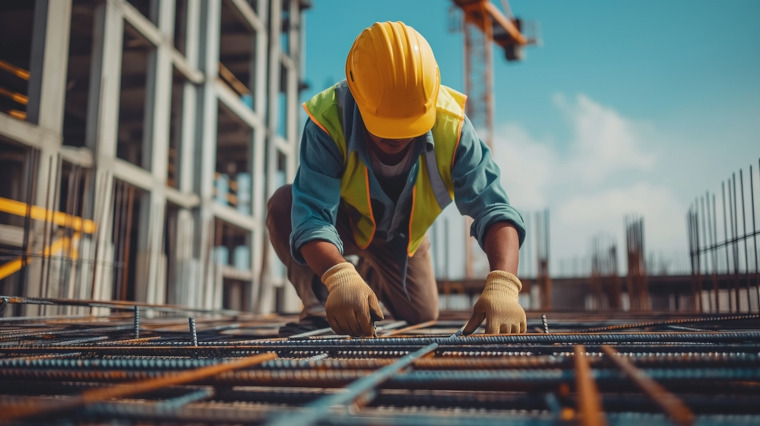 Image source: Sach336699 / shutterstock.com

 Image source: DC Studio / shutterstock.com