Home/Middle East/King Abdullah II of Jordan: Biography, Family and Reign
08.10.2026
Middle East
843
Reading time: 12 minutes
King Abdullah II of Jordan: Biography, Family and Reign
Save the article:
Who rules Jordan today, and why is he considered one of the most recognisable monarchs in the Middle East? King Abdullah II has governed the country for many years, represents the Hashemite dynasty, and combines domestic reforms with the complex role of a mediator in the region.
What should you know about his family, his wife Queen Rania and their children, as well as the monarch's residences and security? This article gathers verified facts about the King's origins, career, politics and personal life — without speculation or tabloid gossip.
Origins and the Path to the Throne of King Abdullah II
Abdullah II was born in Amman. He belongs to the Hashemite dynasty. His father was King Hussein, and his mother was Princess Muna. His parents divorced when he was a child. From an early age, the boy was prepared for affairs of state, although he did not become heir apparent straight away.
Image source: Yazan obeidat / unsplash.com
Parents and the Prince's childhood
King Hussein ruled Jordan for decades. His wife, Princess Muna, bore the surname Gardiner and came from Wales. Abdullah is their eldest son. As a young boy, he was briefly declared Crown Prince. This role was then passed to Abdullah's uncle, Prince Hassan.
The future King's childhood was spent between Amman and educational institutions abroad. Abdullah has brothers and sisters from his father's various marriages. All of them are members of the ruling Hashemite house, and the family still appears together at official events.
The Hashemite dynasty and the King's lineage
The Hashemites are one of the oldest ruling dynasties in the region. The family traces its lineage back to the Prophet Muhammad through his daughter Fatima. The Hashemites have ruled various parts of the Middle East. In Jordan, the dynasty became established after the country was founded.
Today, Abdullah is one of the few monarchs in the world with such a lineage. The Jordanian throne passes down the male line within the family. The country's Independence Day is celebrated every year as a reminder of how hard the House of Hashemite fought to achieve its own statehood.
Education in Jordan, the United Kingdom and the United States
Abdullah received his primary education in Amman. He then attended schools in the United Kingdom. He later enrolled at a university in the United States. He studied international relations and received further education at Oxford. He undertook his military training at the British academy Sandhurst, one of the world's most renowned military schools. After completing his studies, he returned home and entered military service.
Abdullah graduated from a military academy in the United Kingdom. He served in Jordan's armoured forces. He then transferred to the army's special forces units. He commanded elite units and attained the highest military ranks. The King has remained in contact with the officers he served alongside to this day. His military career spanned many years before he ascended to the throne.
How Abdullah II became King
For many years, Prince Hassan, King Hussein's brother, was considered heir to the throne. A few weeks before his death, King Hussein changed his will. He announced that Abdullah would become Crown Prince instead, a decision that came as a surprise to many observers. Shortly afterwards, King Hussein passed away. Abdullah took the oath of office and became the new monarch of Jordan.
Politics of the King of Jordan: Reforms and International Relations
After ascending the throne, Abdullah turned his attention to domestic reforms. At the same time, he worked to establish Jordan's position on the international stage. Both areas are closely interconnected and shape the monarch's image in the world.
Economic reforms and growth of the country's economy
The King launched the privatisation of state-owned enterprises. He supported the creation of special economic zones; these zones attracted foreign investment into the country. Tourism, logistics and industry all developed as a result.
Special attention is being paid to young people: the authorities are launching training and support programs for aspiring entrepreneurs. Jordan's economy has gone through periods of growth and slowdown, much like those of neighbouring states.
Political reforms and dialogue with society
During a period of regional unrest, the King made a number of concessions. He initiated consultations with parliament and society. Committees for national dialogue were established.
The King also works with the government on changes to the electoral system. Under the constitution, it is the monarch who approves the appointment of the Prime Minister following consultations with MPs. In this way, the monarchy has preserved stability without sharp upheavals.
Position on the Middle East settlement
Abdullah has long advocated for a resolution to the Israeli-Palestinian conflict. Jordan shares borders with both sides of the conflict. The King regularly calls for a return to the negotiating table. He is responsible for safeguarding the Muslim and Christian holy sites in Jerusalem. This role makes Jordan a key participant in the negotiation process.
Fighting terrorism and radicalism
The King openly opposes extremism. Jordan takes part in international coalitions against terrorism. Domestically, the authorities have tightened controls on radical groups. This stance has made Jordan a reliable partner for Western states.
International relations of the King of Jordan
Abdullah regularly meets with the leaders of other states. Jordan maintains relations with the United States, European countries and the Arab world. Contacts with Russia are also developing. Every official visit strengthens the King's influence and Jordan's standing on the international stage. Below are the main directions of the King's foreign policy.
Direction
Essence of the King's position
Israeli-Palestinian settlement
Mediation, safeguarding of the Jerusalem holy sites
Fight against terrorism
Participation in coalitions, monitoring of radical groups
Relations with Arab states
Support for regional stability, allied ties
Relations with Western countries
Partnership in economics and security
Relations with Russia
Development of diplomatic and economic contacts
This wide network of contacts strengthens Jordan's position in the Middle East. Thanks to the King's diplomatic efforts, the country remains a platform for dialogue between different parties to conflicts.
Humanitarian aid and refugee assistance
Wars and conflicts in neighbouring countries force thousands of people to seek refuge in Jordan. The King supports humanitarian aid programmes and seeks funding for them from foreign governments. This work requires enormous effort and ongoing negotiations with international organisations. The subject is regularly raised at the King's meetings with foreign delegations.
The Royal Family of Jordan: Wife and Children of Abdullah II
The King's family attracts just as much attention as his political work. The monarch's wife, Queen Rania, is well known for her public activities. The couple's children hold a special place in the life of the kingdom.
Queen Rania of Jordan — wife of King Abdullah II
Rania was born in Kuwait into a family of Palestinian origin and, before her marriage, bore the surname Al-Yassin. She met Abdullah at a social event in Amman. Their courtship is often described as a love story that transformed the public image of the monarchy. The couple first appeared together in public shortly after their engagement, before going on to marry.
The Queen works on projects in the fields of education and social support, and promotes the rights of women and children across the region. She runs social media accounts and shares glimpses of family life. Many readers search for photos of Queen Rania of Jordan precisely because of her distinctive style — her outfits are regularly discussed by fashion publications.
The children of King Abdullah II and the Crown Prince
Abdullah and Rania have four children. Their eldest son is Crown Prince Hussein; he is being prepared for his future role as head of state. They have two daughters, Princesses Iman and Salma. Their youngest son, Prince Hashem, currently takes part in family life without holding any official duties. Below is the composition of the Jordanian royal family.
Name
Status
Role in the family
Crown Prince Hussein
Eldest son
Being prepared to become head of state
Princess Iman
Eldest daughter
Public and representative duties
Princess Salma
Youngest daughter
Studies, participation in events
Prince Hashem
Youngest son
Studies, family events
The Jordanian royal family is held together by tradition and close ties between generations. The children grow up with demanding schedules, yet they almost always maintain their privacy.
Officially, the King is addressed as His Majesty, while members of the ruling family are addressed as His or Her Royal Highness: these titles underline the status of each member of the House of Hashemite and are bound by strict palace etiquette.
The Crown Prince's wedding and the King's first granddaughter
Crown Prince Hussein married Rajwa Al Saif, an architecture graduate from Saudi Arabia. Before the wedding, the couple went through an engagement, and the marriage ceremony itself followed the traditional format characteristic of the Hashemite dynasty.
The groom greeted guests in national dress, while the bride wore a wedding gown with hand embroidery and a light veil, with a tiara placed on her head. The ceremony featured a wedding procession, fresh flowers and a celebratory cake.
Representatives of other ruling houses in the region were invited to the celebration. Rajwa became the King and Queen's daughter-in-law, and the wedding itself turned into one of the major events for the ruling house. Some time later, the newlyweds had a daughter — the Crown Prince's firstborn and Abdullah and Rania's first granddaughter. In this way, the King and Queen became grandparents, and the Hashemite family gained a new generation.
The King's Personal Life: Hobbies, Residences, Security and Awards
Beyond his state duties, the King has personal interests of his own. He lives across several residences and is under constant protection. His contribution to international relations has been recognised with awards from various states.
The monarch's hobbies and interests
The King has a passion for technology and outdoor pursuits. His interests include:
driving cars and motorsport;
flying helicopters and aeroplanes;
skydiving and diving;
martial arts;
modern gadgets and technology.
Image source: xb100 / magnific.com
These pursuits shape the King's image as an active and modern man. He enjoys travelling and often combines personal trips with state visits, allowing him to blend leisure with diplomatic work.
Residences of the King of Jordan
The monarch's official residence, Zahran Palace, is located in the country's capital, Amman. The King receives foreign guests and holds a number of official meetings there. There are also other palaces used for formal ceremonies. Some residences are closed to outsiders for security reasons.
The King's protection and security system
The King is protected by a special unit of the Royal Guard. Its personnel undergo military and specialised training. The security of the King of Jordan is organised on a multi-layered basis. It includes personal protection, the security of residences and control of travel routes. This approach reduces the risks to the monarch and his family.
Important! Details of the King's security arrangements are not disclosed publicly — this is standard practice for serving monarchs and heads of state.
Awards and international recognition
Abdullah has received awards from several states. Some of these relate to his contribution to interfaith dialogue. Others recognise his role in strengthening international security. This recognition underlines the King's status on the world stage.
Interesting Facts about King Abdullah II of Jordan
Beyond his official biography, a number of unconventional stories are known about the King. They rarely feature in standard reference material, yet they reveal a good deal about the monarch's character. These stories include:
Abdullah personally undertook special forces training alongside ordinary soldiers;
the King has gone out into the city incognito on several occasions to check on the work of state services;
the monarch appeared in a brief cameo role in a well-known television series;
Abdullah is fluent in both English and Arabic;
the King takes an interest in modern technology just like younger users.
These stories present the King not only as a head of state, but also as a real person with a range of interests.
Conclusion
Abdullah II is a monarch who combines tradition with a modern approach to governance. He has travelled a path from military officer to head of state. He has carried out economic and political reforms within the country. He plays a prominent role in Middle Eastern politics and pays close attention to humanitarian aid for neighbouring countries.
By his side are Queen Rania, their four children and a growing granddaughter, who continue the traditions of the Hashemite dynasty and adhere to strict palace protocol. Together, they shape the image of a modern Jordanian royal family.
Frequently Asked Questions
Who is the Queen of Jordan?
The Queen of Jordan is Rania, wife of King Abdullah II. Before her marriage she bore the surname Al-Yassin, and she now works on matters of education and social support.
Who is the wife of the King of Jordan?
The wife of the King of Jordan is Queen Rania. Abdullah is her husband and the father of their four children; the couple married after a brief courtship.
Who is part of the Jordanian royal family?
The Jordanian royal family comprises King Abdullah II, Queen Rania, Crown Prince Hussein with his wife Rajwa and their daughter, Princesses Iman and Salma, and Prince Hashem.
Where can I find photos of the Queen of Jordan?
Photos of Queen Rania of Jordan are published on her official social media accounts and on the Royal Court's website.
Who is responsible for the security of the King of Jordan?
The security of the King of Jordan is provided by a unit of the Royal Guard. It is responsible for the monarch's personal safety and the protection of his residences.
Article header image source: Mohammad Almashni / unsplash.com
Distance from Sharjah to Dubai and journey time. How to get from Sharjah Airport to Dubai? How to get from Sharjah to Dubai by bus? Taxi and shuttle from Sharjah to Dubai. Comparison of all options: w...
Mortgages in Dubai are available to foreign citizens, which is why many consider purchasing residential property in one of the world's wealthiest cities.
Citizenship by real estate investment, its advantages and risks. Countries offering citizenship or a residence permit for purchasing real estate. Costs and ways to obtain a legal status through purcha...
General information about bus travel in Dubai. Rules of conduct in Dubai public transport. Bus fare in Dubai. Ways to find out Dubai bus schedules. Sightseeing buses in Dubai. Popular tourist bus rout...
Why Dubai is the gastronomic capital of the Middle East. Dubai restaurants by cuisine type. Restaurants with panoramic views and unusual formats. Michelin-starred and the most expensive restaurants in...
This article discusses which emirates are better and the characteristics of the UAE regions. While tourists are interested in hotels, beaches and entertainment infrastructure, other factors must be co...
General information about alcohol consumption rules in Dubai. Alcohol-related fines in Dubai. Places where you can buy alcohol in Dubai. Popular restaurants and nightclubs in Dubai licensed to sell al...
Healthcare system in Dubai. Access to medical care for UAE citizens. Access to medical care for residents and expats. Access to medical care for tourists and short-term visitors. Medical tourism in Du...
The fame of the Deira district in Dubai. The history of the Deira district in Dubai. The structure of the Deira district in Dubai. Transport accessibility of the Deira district in Dubai. Real estate i...


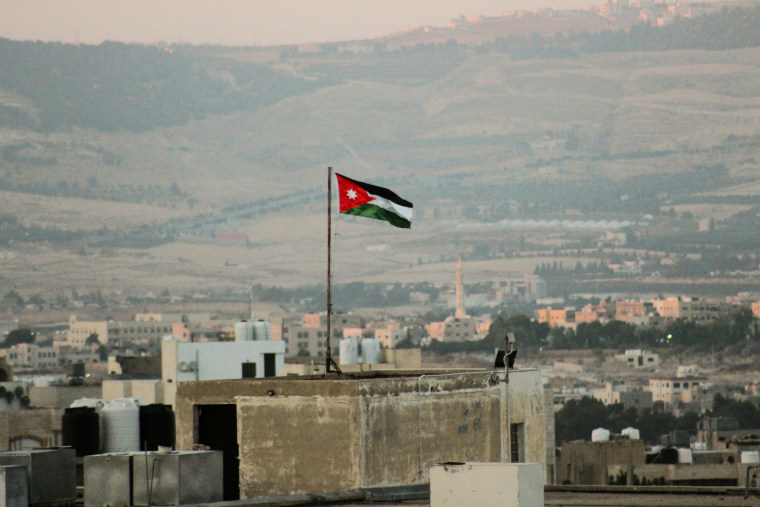 Image source: Yazan obeidat / unsplash.com


 Image source: xb100 / magnific.com