Home/Middle East/What to see in Oman: the main sights, itineraries for 1–7 days, and where to go with children
02.09.2026
Middle East
1173
Reading time: 17 minutes
What to see in Oman: the main sights, itineraries for 1–7 days, and where to go with children
Save the article:
What to see in Oman? Oman is a land of forts, wadis with emerald water, and a desert, and its main sights are the Sultan Qaboos Grand Mosque and old Muscat, the mediaeval fort of Nizwa, Jebel Shams canyon, the Wadi Shab oasis, and the Ras Al Jinz Turtle Reserve.
In a single visit it is perfectly realistic to visit five to seven such places, provided you make the Omani capital your base and take day trips from there. This article contains ready-made itineraries for one-day, four-day, and week-long trips, as well as a breakdown of where to stay.
How much time do you need to see the highlights of Oman? At a minimum you need a full day in the Omani capital; four days is more comfortable, and will allow you to visit the city of Muscat, Nizwa, the mountains, and one wadi, while a full picture, including the Wahiba Sands and Sur, requires a week. Detailed itineraries for each timeframe can be found in section 2. Below is a breakdown of what to see, how much time to allow, and how to plan everything without unnecessary fuss.
The Main Sights of Oman
The sights of Oman that a tourist should visit first and foremost are: the Sultan Qaboos Grand Mosque in the capital, Nizwa Fort, Jebel Shams canyon, the Wadi Shab oasis, and the Ras Al Jinz Turtle Reserve — a top five that covers both history and nature as well as the quintessential Omani character. These are the views that most frequently appear in travellers' photographs from the country and that shape Oman's primary visual identity on social media.
Image source: Hongbin / unsplash.com
Below, each destination is covered in greater detail — by city and region — so that it is immediately clear which places are conveniently visited together.
Muscat: the Sultan Qaboos Grand Mosque, forts, and the Corniche
Omanis are proud that their capital looks nothing like its neighbours: there are almost no skyscrapers, yet ancient forts and carved gateways have been preserved, and even new buildings in this city are constructed with an eye to tradition, as required by law. In recent years, however, the first new residential complexes have begun to appear on the outskirts, gradually becoming part of the urban landscape.
The Omani capital is an essential stop on any itinerary, and almost always the first one, because this is where international flights arrive, and almost everyone visiting the country for the first time should set aside a day specifically for the capital. In addition to the mosque, the city is also home to a centre for the performing arts — the Royal Opera House Muscat.
The city's main attraction is the Sultan Qaboos Grand Mosque, opened in 2001 to mark the 30th anniversary of the Sultan's reign. Inside is a hand-woven Persian carpet weighing 21 tonnes, which 600 women spent four years making, and a 14-metre Austrian Swarovski crystal chandelier. The building accommodates 20,000 worshippers, comprises several prayer halls, and is clad in white Indian marble.
The carved vaulting and floral ornament on the arches are a striking example of Oman's architectural tradition, in which carving remains a constant feature of the decoration of almost any mosque — details that are worth lingering over and photographing, since such a level of craftsmanship is not to be found anywhere else in Oman.
Important: non-Muslims are permitted to enter the mosque only during certain hours, usually Saturday to Thursday from approximately 8:00 AM–8:30 AM until 11:00 AM; on Fridays the mosque is closed to tourists. The dress code is strict: women must cover their arms to the wrist and their legs to the ankle, and wear a headscarf; men must wear long trousers.
These rules stem from respect for the local religion and Islamic traditions rather than from a whim, and visitors also gain an introduction to the country's culture in the process. Photography inside is permitted, but drone photography in this area is prohibited.
After the mosque, the logical next stop is Old Muscat, where two 16th-century forts — Al Jalali and Al Mirani — stand on the cliffs on either side of the bay. Tourists are not admitted inside: both buildings remain active military installations. Each fort is a classic fortress complex consisting of several watchtowers, large interior courtyards, and old prison cells for captives.
From the outside, however, this is one of the most picturesque spots in the city, especially at sunset, when the lights come on and the ancient watchtowers are reflected in the water; the best photographs are taken precisely at that moment. Nearby is the Al Alam Palace, the Sultan's official residence, with its futuristic blue and gold columns.
In the evening it is worth making the journey to the Corniche waterfront in the Mutrah district — a three-kilometre promenade along the old harbour, where traditional dhow boats and yachts are moored.
During daytime hours the promenade is deserted because of the heat, but after 5:00 PM it comes to life: locals come to stroll, corn and sugar cane are sold, and it is possible to hire a boat for a short sea trip. This is also the place to try Arabic coffee with cardamom, strong tea, and fresh flatbreads; street stalls selling bread and kebabs operate until late in the evening.
At the northern end of the Corniche is the Mutrah Souq — Arabia's oldest market, with stalls selling frankincense, spices, silver jewellery, and traditional khanjar daggers. This is where the scents of frankincense and spices are at their most intense, and traders will allow you to photograph their stalls if you ask politely.
Frankincense and myrrh are traditionally brought to this market from the south of the country, from the Salalah region near the Yemeni border, where resin-bearing trees grow. According to legend, it was through these very lands that the incense trade once passed to the court of the legendary Queen of Sheba. Local residents still share this legend with tourists.
The southern, coastal part of the country around Salalah follows entirely different climatic rules: from June to September, and especially in July, a misty monsoon season known as khareef prevails, but by November the rains are over, the coconut palm and banana plantations turn green, and the air fills with the scent of tropical fruit.
As for souvenirs, tourists typically take home silver jewellery, perfumes, and aromatic resins such as frankincense, while the markets are a good place to look for ceramics and local spices — saffron and cardamom — as well as dried dates of different varieties, Eastern sweets, and honey-roasted nuts, which are conveniently available in vacuum-sealed packaging.
What should you visit in the city on a single trip:
the Sultan Qaboos Grand Mosque — in the morning, before 11:00 AM, while it is open to non-Muslims;
Forts Al Jalali and Al Mirani — exterior viewing only, best at sunset, when the sun illuminates the walls, allowing you to take the finest photographs;
the National Museum of Oman — if the history of the Sultanate's maritime empire interests you;
the Corniche waterfront and Mutrah Souq — in the evening, once the heat subsides.
The city of Nizwa and the Hajar Mountains: the fort, Jebel Shams, and the Balcony Walk
An hour and a half to two hours' drive from the capital, the mountainous part of the country begins — the Hajar Mountains, with the ancient capital of Nizwa at their centre. This region is officially known as the Ad Dakhiliyah Governorate and is considered the historical heart of the country.
For several centuries Nizwa was the religious and political seat of the Imams of Oman, and historians still debate the origins of certain architectural features of the city (this subject remains the focus of ongoing research).
Nizwa Fort, built in the 17th century, is one of Oman's most visited fortresses: its cylindrical tower, 45 metres in diameter and 34 metres high, is the largest in the country, and inside there are preserved traps for attackers — false doors, slippery floors, and openings for pouring hot oil.
The fortress was built to defend the approaches to the oasis and remained well-protected for centuries; it is in truth not merely a fort but a genuine castle with thick walls.
From the top of the tower, a panoramic view opens over the valley of date palms; this is where the finest photograph of the surrounding province can be taken. Adjacent to the fort, the Nizwa Market operates, and on Fridays this bazaar hosts a livestock auction — a spectacle not seen anywhere else in the country.
From there the route logically leads higher into the mountains — to Jebel Shams, the highest point in Oman (approximately 3,009 metres). There lies the Wadi Ghul canyon, up to 1,000 metres deep; referred to as Oman's Grand Canyon, it is the deepest canyon in the Middle East.
This gorge is striking in its sheer depth, and in its curious rock formations it is strongly reminiscent of the canyons of Arizona; the path along the rim winds among boulders. Along its edge runs the Balcony Walk — a 4.5 km trail that leads to an abandoned stone village perched on a cliff above the abyss.
Right at the brink, the experience is truly breathtaking — a feeling of standing on the roof of the world — and the panoramic shot from there circulates across the social media accounts of travellers from every country.
The trail is well-marked but runs right along the cliff edge and becomes really steep in places, so non-slip footwear is essential. The ascent must be taken slowly, though there is ample time and energy to complete the entire route if you set off early. True snow on the summit does not occur even in winter, despite the considerable altitude.
On the way to Jebel Shams it is worth stopping at the village of Misfat al Abriyeen, where a falaj irrigation system more than a thousand years old and listed as a UNESCO World Heritage Site still operates today.
A falaj is an ancient gravity-fed canal system, part of which runs underground, through which water descends from the mountains to the fields without pumps or electricity. Narrow stone staircases connect the terraced date and lime plantations, which descend in tiers right down to the wadi bed.
The narrow, winding lanes of the village and the mud-brick houses with open window recesses are features typical of this area that are rarely encountered in guidebook photographs of other corners of the Persian Gulf region.
It is also worth setting aside time for the nearby small towns of Bahla and Al Hamra, where mud-brick quarters have been preserved and the photographs of the narrow lanes are no less striking than in Nizwa itself. Both villages are located very close to Nizwa, so it is possible to stop there en route without making a detour.
How to decide exactly where to go in the mountains if time is limited:
Destination
What to see
Journey time from the capital
Best suited to
Nizwa
Fort, Friday livestock market, old town
1.5–2 hours
Everyone; an essential stop
Jebel Shams
Wadi Ghul canyon, Balcony Walk
4 hours; a 4WD vehicle is required
Hiking and panorama enthusiasts
Jebel Akhdar
Rose gardens, Diana's Viewpoint, the Suwgra village
3.5–4 hours; 4WD required
Romantics; best in March–April
Wadis and the coast: Wadi Shab, Bimmah Sinkhole, Sur
East of Oman's capital are wadis (dry canyons with pools) and the old port city of Sur. The most famous oasis is Wadi Shab: the trail follows emerald-green water between red cliffs, and at the end you must swim beneath an overhanging rock to reach a hidden cave with a waterfall cascading down from the cliff.
The route takes several hours and requires the ability to swim. The clear waters of this wadi are the envy of many a tropical resort, and travellers frequently note in their reviews that photographs of the green pools among red cliffs look almost unreal.
On the way to Wadi Shab it is convenient to stop at the Bimmah Sinkhole — a karst depression approximately 40 metres deep with turquoise water, formed by the erosion of limestone by seawater. This type of sinkhole forms through the dissolution of limestone by seawater, and photographed from above it makes a particularly striking image — no wonder it is one of the most recognisable and celebrated spots on the coast.
The sizeable pit of turquoise water is impressive at any time of day. Swimming there is permitted, and the fish, including small species, show no fear of people whatsoever.
Further along the coast lies the city of Sur, from which, according to legend, Sinbad the Sailor set out on his voyages. Traditional wooden dhow boats are still built there using techniques a thousand years old: hammer, chisel, and timber from India. The working shipyards operate during morning hours and are open for viewing. The craftsmen are generally happy for visitors to photograph the boat-building process.
On the beach beside the shipyards, waves wash shells and coral onto the sand, and the old lighthouses at the entrance to the bay still serve as a guide for fishing boats. Dhow boats (also known as dau) have sailed out of the port of Sur for centuries thanks to its advantageous position on the trade routes to India and East Africa. Near the town lies the Khor Al Batah lagoon — a sanctuary for flamingos and other migratory birds, worth a visit if time allows.
The port towns of this country are worth exploring separately from the mountain itinerary; the pace of life there is entirely different.
Checklist of what to bring to the wadi:
a modest swimsuit or a sarong (revealing swimwear is not appropriate);
a waterproof case for your phone — without one it is impossible to reach the far grottos or take atmospheric photographs beneath the waterfall;
comfortable non-slip footwear that can get wet;
bottled water and a sun hat — the sun beats down in the canyons more fiercely than it appears.
Step by step, the route through Wadi Shab goes as follows: park at the entrance, cross the channel by boat (approximately 1 OMR), walk 30–40 minutes along the pools, crossing from bank to bank, reach the furthest pool, and dive under the rock into the cave with the waterfall inside.
It is best to set out early in the morning: by midday the trail fills with tourists and other people constantly appear in the background of your photographs, as the route is one of the country's most popular, and it is rarely deserted.
What to See in Oman in 1 Day, in 4 Days, and in a Week
In a single day in Oman it is realistic to see only the capital; in four days you can add the mountains and one oasis; and in a week you can reach the desert and the eastern coast with the turtles. Below are specific itineraries with full details.
Itinerary for 1 day (Muscat)
If you have only a single day — for instance, a transit stop on the way to another Gulf country — the entire time is best devoted to the capital.
8:00 AM–10:30 AM — the Sultan Qaboos Grand Mosque (arrive before it closes to tourists at 11:00 AM);
11:00 AM–1:00 PM — the National Museum of Oman, or a walk along the Al Alam Palace and the forts Al Jalali and Al Mirani — in the soft morning light these buildings are particularly striking in photographs;
1:00 PM–3:00 PM — lunch and rest in the shade (the city is hot at this time even in winter);
4:00 PM–7:00 PM — the Corniche waterfront and Mutrah Souq, when the heat subsides and the lights come on.
This type of trip covers Oman's main historical and religious sights and is well suited to those arriving on a transit stop or combining the visit with a holiday in the UAE.
Itinerary for 4 days (Muscat — Nizwa — mountains — one wadi)
A four-day trip is the comfortable minimum for seeing the country beyond the capital.
Day
What to see
Where to stay
1
Capital: mosque, forts, Corniche, Mutrah Souq
Capital
2
Drive to Nizwa, Nizwa Fort, market, evening in the mountains
Nizwa or Jebel Akhdar
3
Jebel Shams, Wadi Ghul canyon, Balcony Walk
Return to Nizwa or to the capital
4
Wadi Shab or Wadi Bani Khalid en route, back in the evening
Capital
If your trip is only four days long, this is the maximum that can be fitted in. Jebel Akhdar can be dropped from the itinerary, as the rose gardens are of greatest interest in spring, and a single day in the mountains can replace two — in that case day three combines Nizwa Fort and Jebel Shams, while the wadi is left for day four on the way to the airport.
Itinerary for a week (Muscat — Nizwa — mountains — wadis — Wahiba Sands — Sur — Ras Al Jinz)
A week-long itinerary is best planned as a loop rather than a linear route — that way you avoid returning to the city every evening. The logic is as follows: from the capital you head into the mountains (Nizwa, Jebel Shams), descend to the Wahiba Sands desert, then continue to the eastern coast at Sur and the Ras Al Jinz Turtle Reserve, and return to Muscat along the coast through Wadi Shab and the Bimmah Sinkhole.
The classic loop takes six to seven days, requires a four-wheel-drive vehicle at least for the desert section, and includes one overnight stay in a camp among the dunes — an experience in its own right, and the reason most tourists come, many of them bringing a tripod specifically for night photographs of the starry sky.
Trip timeline:
Day
Region
Key highlights
1
Capital
Mosque, forts, Corniche
2
Nizwa and the mountains
Nizwa Fort, Jebel Shams
3
Wahiba Sands desert
Jeep safari, overnight stay in camp
4
Eastern coast
Sur, dhow shipyards
5
Ras Al Jinz
Turtle reserve, night-time tour
6
Return along the coast
Wadi Shab, Bimmah Sinkhole
7
Capital
Free time, museums, shopping before the flight
What to See in Oman with Children
Three formats work best for a trip with children in Oman: beaches with leisure infrastructure, the Ras Al Jinz Turtle Reserve, and cool caves such as Al Hoota — there is no heat, no long walks, and no risk of overheating of the kind associated with mountain trails.
Beaches and the Ras Al Jinz Turtle Reserve
Why do children enjoy Ras Al Jinz? The Ras Al Jinz reserve, sometimes referred to as a nature park, is one of the world's most important nesting sites for green sea turtles, and from June to October it is possible to watch with your own eyes as tiny hatchlings emerge from the sand and make their way to the sea.
Tours are conducted in organised groups early in the morning or late in the evening, because turtles are sensitive to light — ordinary torches and camera flashes are prohibited in the reserve, which means flash photography is banned there as well.
Are there age restrictions on such tours? There are no formal age restrictions, but the tours take place at night or at dawn, require silence, and last approximately an hour — for very young children who struggle with early mornings or cannot remain quiet for long, such an outing may prove rather taxing.
For swimming with children, the Al Qurum city beach within the city is more convenient — a wide strip of sand approximately 4 km long with changing rooms, showers, and cafés nearby. The water in this area is warm year-round and does not drop below 22°C even in winter, so the swimming season there effectively never ends.
Right on the waterfront it is easy to find a café with fresh seafood and a children's menu — convenient if you're traveling around this country with little ones.
Checklist for a trip to Ras Al Jinz with a child:
book the tour in advance — group places are limited;
bring a warm jumper — nights at this time of year are cool even by the sea;
explain to the child beforehand about the ban on torches, flashes, and touching the turtles;
allow 3–3.5 hours for the journey from the capital; it is more convenient to stay overnight near the reserve.
Al Hoota Cave and Wadina Water Park
Al Hoota Cave at the foot of Jebel Shams is the only limestone cave on the Arabian Peninsula equipped for tourists. Inside are underground lakes home to a rare species of blind fish that has completely lost its sight and pigmentation over millions of years of evolution in the dark.
The tour is led by a guide, lasts approximately 45 minutes, and visitors are transported to the entrance by a small electric train — the only railway in the country. It is cool inside the cave even in the fiercest heat outside, though photography is prohibited; you will have to make do without a souvenir photograph.
If active leisure without the risk of overheating is what you are after, the Wadina Water Park with slides and children's pools is located within an hour and a half from Nizwa — a fine option during the hottest hours of the day, when outdoor temperatures are at their peak. This is also a good place to take a lunch break: the café at the waterpark serves simple dishes with chicken and fresh vegetables, after which you can comfortably drive back to the city.
Note: after emerging from the cool cave into the open air, the sun strikes with sudden intensity — make sure to bring hats, high-factor sunscreen, and a sufficient supply of water for every child, especially if the excursion falls during the summer months.
Postcards with photographs of the cave are sold at the entrance, since photography inside is not permitted.
Practical tips for travelling with children
The best season for a trip to Oman with children is October to April, when daytime temperatures remain a comfortable 25–30°C rather than climbing above 40°C as they do in summer. The climate varies considerably between regions, so it is worth checking the weather separately for the mountains and the coast before travelling. A light jacket will come in useful in the mountains of Jebel Akhdar and Jebel Shams.
The different regions of the country are quite different at this time of year: in the capital and on the coast it is still warm, while in the mountains it is already cool, which is worth bearing in mind when packing.
Family travel checklist:
sun hats, SPF 50 sunscreen, and bottled water — essential for every member of the family;
when visiting wadis with young children, choose Wadi Bani Khalid rather than Wadi Shab, as there will be no need to swim or walk long distances there;
on beaches and in wadis, swimwear should be modest, a light T-shirt on top is recommended;
a first-aid kit with basic remedies for sunburn and motion sickness (mountain roads are winding);
keep your phone charged for photographs and download offline maps in case you lose signal.
Natural Attractions of Oman
Oman's natural attractions are concentrated in three areas: the Hajar Mountains with the rose gardens of Jebel Akhdar and the Jebel Shams canyon, the Wahiba Sands desert with fiery dunes up to 100 metres high, and the wadi oases with emerald water such as Wadi Shab and Wadi Bani Khalid.
This region is surprising with the diversity of its landscapes, even for those who have already travelled widely across the Middle East. Fine photographs can be taken in virtually any of the three areas. The country's shores are washed by the Arabian Sea and the Gulf of Oman, and remarkably there are almost no large cities there — only mountains, sands, and rare oases — so mobile coverage disappears in certain locations.
The Hajar Mountains and Jebel Akhdar (the rose gardens)
Jebel Akhdar is a high plateau at an altitude of 2,000–2,500 metres in the Hajar Mountains, within approximately 3.5–4 hours from the capital. Access is only possible in a four-wheel-drive vehicle; ordinary saloon cars are turned back at the checkpoint at the foot of the mountain. The rose-blooming season is March–April; this is when the terraced gardens are at their most photogenic. The temperature difference from the plains below can reach 20 degrees.
Diana's Viewpoint takes its name from Princess Diana, who visited the place in 1986, and now falls within the grounds of the Anantara resort. To reach the viewpoint and photograph the precipice, you need to book a table at the hotel restaurant in advance. The place is truly worth it: the panoramic view of the abyss and the clouds below allows you to take one of the most spectacular photos of the entire trip.
In addition to the gardens, the plateau preserves ancient falaj canals and the Suwgra village, whose houses are carved into a cliff face. At the foot of the plateau lie the small towns of Al Hamra and Bahla, which can be conveniently visited en route. Near Bahla you can also visit Jabrin Castle — one of the finest and most elaborately decorated palace-fortresses in Oman, renowned for its painted ceilings and wooden balconies.
Wahiba Sands desert
The Wahiba Sands desert, named after one of the Bedouin tribes, stretches 180 km from north to south and 80 km from east to west in the Ash Sharqiyah Region. The desert landscape changes every hour: a hot wind constantly reshapes the crests of the dunes, erasing the morning tracks of the jeeps.
Image source: Arisa S. / unsplash.com
The dry, hot climate is beyond dispute, but this is the most accessible of Oman's deserts, to which jeep safaris are run: guides deflate the tyres of the 4WD vehicles and the conquest of dunes up to 100 metres high begins.
In the mountains and the desert, goats, camel herds, and even wild oryx are frequently encountered; these animals show no fear of people and graze calmly right beside the road.
Advice for an overnight stay in the desert:
Book a place in a Bedouin camp in advance — options range from simple tents to camps with a swimming pool; prices start at 30–80 OMR per double room with dinner and breakfast.
Enter the dunes at sunset — this is when the sand slowly changes colour from gold to deep red, producing the finest photographs of the entire trip.
Stay overnight: there is no light pollution in the Wahiba Sands, and the Milky Way is visible to the naked eye.
Wake at around 5:00 AM to catch the sunrise over the dunes, which more than compensates for the early rise.
Avoid planning the trip during the hot season (May to September): temperatures climb above 50°C and most camps close for this period.
The nearest town — Sur — is a couple of hours' drive away, so it is easy to quickly return to civilisation.
Wadis and underground caves
Wadis in Oman are valleys where rivers alternately dry up and fill with water during the rains, and the two most well-known are best chosen according to what you want from the visit.
Feature
Wadi Bani Khalid
Wadi Shab
Access
10 minutes on foot from the car park
Boat crossing + 30–40 minutes on foot
Swimming
Pools right beside the road
You need to swim to the furthest pool
Cave
Small Muqal Cave next to the water
Cave with waterfall, accessible only by swimming, with a dive
Best suited to
Families with children; those who dislike long walks
Active travellers prepared for swimming and physical effort
Completing the list is Al Hoota Cave at the foot of Jebel Shams — the limestone cave already mentioned above, approximately 2 million years old, with underground lakes and blind fish, the only one in this part of the Arabian Peninsula equipped for tourist visits. Both locations lie away from large towns, so mobile coverage may be unreliable, meaning it is worth downloading your route in advance.
Where to Stay in Oman
Where to stay in Oman depends on what you plan to see first: for an urban and historical programme, staying in the capital is most practical; for the mountains, choose the hotels of Jebel Akhdar; and for the desert, a Bedouin camp right in the dunes of the Wahiba Sands is available. Overall, the country's infrastructure caters to tourists of every budget, from simple guesthouses to five-star hotels with spas and private beaches.
Where to stay in Muscat: different districts for different purposes
Muscat is not a single compact city but rather a collection of districts, each of which logically suits a particular travel objective. Qurum and Shati Al Qurum form a beach zone with modern hotels and proximity to the airport, convenient for those who want to combine sightseeing with time by the sea.
The old centre is the historic district near the Al Alam Palace and the forts — quiet and compact, but with minimal infrastructure for an extended stay. Mutrah offers the atmosphere of an old port town: the market, the Corniche waterfront, fishing boats — staying there is most interesting for those who want to immerse themselves fully in the local character, soak up the neighbourhood's atmosphere, and build up a fine photographic record.
District
Advantages
Best suited to
Qurum / Shati Al Qurum
Beach, modern hotels, close to the airport
Families, beach holiday lovers
Old centre
Close to the forts and palace, quiet
History enthusiasts, short stays
Mutrah
Market, waterfront, authentic atmosphere
Those seeking local character
Whichever district of the city you choose, the majority of the country's attractions are no more than two to three hours away by car.
A note for investors. For those considering Oman not solely as a tourist destination but also taking a serious interest in the region — for instance, simultaneously exploring real estate in the neighbouring UAE — it is important to understand the logic: Muscat and Dubai are only an hour and a half apart by air, and many investors who already own apartments in Dubai or Abu Dhabi regard Oman as a neighbouring country for leisure or portfolio diversification.
Where to stay near the mountains and the desert
If your itinerary includes the mountains or the desert, returning to the city every evening wastes too much time, so it is better to stay directly in these areas.
In Jebel Akhdar, several five-star and boutique hotels operate at altitudes of 2,000 metres and above, meaning there is cool mountain air even in summer. Views of the rose gardens impress even those who have already seen dozens of similar photographs online.
In the Wahiba Sands desert, accommodation is organised in the form of Bedouin camps. There is a rich variety of options: from simple tents without amenities to camps with air conditioning and a pool.
In Nizwa and around the fort there are small mid-range hotels — a convenient base for day trips to Jebel Shams.
Wild camping is permitted in Oman, so with a rented four-wheel-drive vehicle a tent can be pitched directly in the mountains, without being tied to a hotel.
Bear in mind: mobile coverage in the mountains and the desert is weaker than in the city, so routes and bookings are best prepared in advance.
Oman Tours: What to Choose and Is It Worth Going on Your Own
The most popular tours in Oman are a jeep safari through the Wahiba Sands desert, snorkelling at the Daymaniyat Islands, and a night-time excursion to the Ras Al Jinz turtles.
Travelling independently in a hire car is perfectly feasible for the majority of routes, with the exception of the desert and difficult mountain roads. Organised tours, however, are the quickest way to get to know the country if independent logistics seem complicated and there is no time to work through all the details of the itinerary.
Jeep safari through the Wahiba Sands with an overnight stay in camp — the cost starts at 30 OMR per person, including dinner and breakfast, plus time for photographs among the dunes before the sun becomes too fierce.
Snorkelling or diving at the Daymaniyat Islands — the environmental levy is approximately 3 OMR for snorkelling and 6 OMR for diving; half-day group tours cost from 25 to 30 OMR. Underwater photographs with turtles there are among the finest in the whole country.
Night-time tour to the turtles at Ras Al Jinz — approximately 8 OMR per person including a guide; for children aged 5–12, the price is 4 OMR.
A dhow cruise through the Musandam fjords with dolphins and snorkelling starts at 15–20 OMR for a full-day trip.
Tours to Al Hoota Cave with a guide and a ride on the mini-train are suitable for families with children — adult ticket costs approximately 7.5 OMR, children's ticket costs 3.5 OMR.
Many tours depart directly from the city, so there is no need to make your way separately to a meeting point.
Travelling independently or with a guide: what to choose
What is the difference between an independent trip and an organised tour? An independent trip in a hire car is cheaper and more flexible, but requires confident driving skills on mountain roads and is not suitable for the desert without experience of driving on sand. An international driving licence is required for hire-car rental almost everywhere in the country.
Public transport is poorly developed: buses run infrequently, and taxis in mountain towns are best booked in advance through reliable drivers with good reviews. The highways between regions are generally in decent condition, though road signs are not always duplicated in English.
A guided tour costs more, but removes the risks associated with navigation, equipment, and particularly hazardous stretches of road.
Factor
Hire car
Organised tour
Cost
Lower when travelling in a group of 2–3 or more
Higher, but includes logistics and a guide
Route flexibility
Complete freedom to change plans on the go
Fixed schedule
Desert and mountain off-road
Not recommended without experience
Safer with a local guide
Cities and forts (capital, Nizwa, Bahla)
Perfectly convenient independently
Not necessary; roads are good
Language barrier
Signs are duplicated in English
Guide resolves the issue entirely
The optimal strategy for most tourists is to combine both formats: hire a car for the urban and mountain sections of the itinerary, where the roads are asphalted and straightforward, and book an organised tour specifically for the Wahiba Sands desert and, if desired, for diving at the Daymaniyat Islands, where local expertise, specialist equipment, and diving gear are important.
Incidentally, guides on such tours typically suggest the best photo stops themselves; help with angles and advice on where to position yourself are also part of the service.
Wherever your route takes you — mountain towns, the coast, or the desert — it is worth building in extra time for the journey: the distances between the country's regions are deceptive, and road quality beyond the cities sometimes drops. There is one further point to bear in mind: car hire insurance in this country is often sold separately from the base rate.
Conclusion
Oman is one of the few countries in the Persian Gulf where a single trip allows you to see mountains, desert, and sea without sacrificing a sense of authenticity. Oman is rightly called a land of contrasts, and its growing tourist numbers only confirm that any itinerary should include at least some of the main sights.
Each town there has its own character: the capital lives has its mosques and markets, Nizwa has its forts, while mountain towns such as Misfat al Abriyeen seem frozen in time.
Many of the fortresses there are not museum reconstructions but restored monuments with centuries of history, and each one bears the imprint of its era. The country also has no shortage of hidden corners lying just off the tourist trail, and travelling there is full of small discoveries.
There are good reasons to return to this country again and again: the different regions of Oman have their own seasons, and a winter itinerary will look entirely different from a spring one, with the blooming rose gardens of Jebel Akhdar. Oman is increasingly being chosen by European tourists as an ideal alternative to noisier neighbouring resorts.
Oman is often compared to the UAE, but in practice the two are quite different destinations: while Dubai and Abu Dhabi offer tourists skyscrapers and shopping, people come to Oman for authenticity — mud-brick forts weren’t rebuilt into selfie spots, and nature that mass tourism has not yet reached.
Although both countries are located in the Persian Gulf region, the difference is felt in everything, from architecture to prices. That is precisely why Oman is the ideal destination for those who have grown tired of familiar resorts.
Omani cuisine combines Indian, Persian, and Bedouin culinary traditions: the staple ingredients are rice, meat, dates, and strong coffee with cardamom, and local residents are fond of tea with milk. This is home cooking rather than restaurant food, and it is worth sampling not only in cafés but also at the markets, where simple but satisfying dishes are served.
Image source: Berke Citak / unsplash.com
There is a long tradition of hospitality in Oman: guests are always welcome, and courtesy is met with courtesy. Perhaps that is precisely why tourists will have much to say and share after their trip; memories of it remain genuinely memorable, and you are unlikely to want to forget them. There is no need to wait for the right moment: obtaining a visa has become noticeably easier than it was just a few years ago, and a trip can be planned right now.
The reason you will want to return is quite simple: even a short drive over a long weekend allows you to pass through both mountains and coastline, and from the trip you can bring back not only photographs but also memorable purchases, such as frankincense or dates, which make an excellent gift.
Frequently Asked Questions
Can the main sights of Oman be visited in a single day?
In a single day it is realistic to see only the capital: the Sultan Qaboos Grand Mosque, Forts Al Jalali and Al Mirani, the Corniche waterfront, and Mutrah Souq. All other regions require a minimum of four days. A detailed one-day itinerary can be found in this article.
How much time is needed in Oman to see the highlights?
The comfortable minimum is a four-day trip: the capital, Nizwa, the mountains, and one wadi oasis. For a complete picture of the whole country, including the desert and the turtles, a week is needed; this is one of those cases where seeing the country with your own eyes once is worth more than reading ten articles.
What should you see in Oman with children?
With children it is worth heading to the city beaches, the Ras Al Jinz Turtle Reserve, and Al Hoota Cave — it is cool and safe there. Active canyons such as Wadi Shab are also suitable for older children. A full breakdown can be found in the article.
What is the difference between Wadi Shab and Wadi Bani Khalid?
Wadi Bani Khalid is accessible directly from the car park and suits families, while Wadi Shab requires a boat crossing and a hike with a dive into the cave. Both are within 2–2.5 hours from Muscat.
Do you need a guide for a trip around Oman, or can you travel independently?
The majority of Oman's sights are accessible in a hire car without a guide: the roads are good and there are signposts. A guide is only necessary for the Wahiba Sands and routes such as Jebel Shams, where a four-wheel-drive vehicle is required. A breakdown of all the options can be found in our article.
What are the most impressive natural attractions in Oman?
The most impressive natural sites are the Jebel Shams canyon (Oman's Grand Canyon), the Wahiba Sands desert, and the wadi oases with their emerald water. All three can be combined in a week-long itinerary. Each of them shows the country at its most photogenic, and they are the ones most frequently encountered in social-media photographs.
Article header image source: Andy Arbeit / unsplash.com
Specifics of property rights types in the UAE. What is freehold? What is leasehold? Usufruct and musataha. Pros and cons of different forms of ownership in the UAE. Frequently asked questions about ty...
What Bur Dubai is like. Pros and cons of the Bur Dubai district. Living amenities in Bur Dubai. Accommodation options in Bur Dubai. How to get around Bur Dubai. Frequently asked questions about Bur Du...
UAE and Saudi Arabia: what they have in common and their key differences. Culture, laws and way of life: what is the difference? Economy, business and employment opportunities. Tourism and expat life:...
Official currency of the UAE. 3 best ways to exchange currency in Dubai. 3 worst ways to exchange currency in Dubai. Frequently asked questions about currency exchange in Dubai.
The official language of Dubai and the UAE. English as the main means of communication. Other widely spoken languages in Dubai. Practical advice for tourists and expats. Frequently asked questions.
Geographical position of Ajman. How to get to Ajman? General information about the city of Ajman. Main attractions and what to see. Frequently asked questions.
Advantages and disadvantages of opening a business in Dubai. 10 most in-demand areas for starting a business in Dubai. Choosing a company type for business registration in Dubai. Steps to register a b...
General information about alcohol consumption rules in Dubai. Alcohol-related fines in Dubai. Places where you can buy alcohol in Dubai. Popular restaurants and nightclubs in Dubai licensed to sell al...



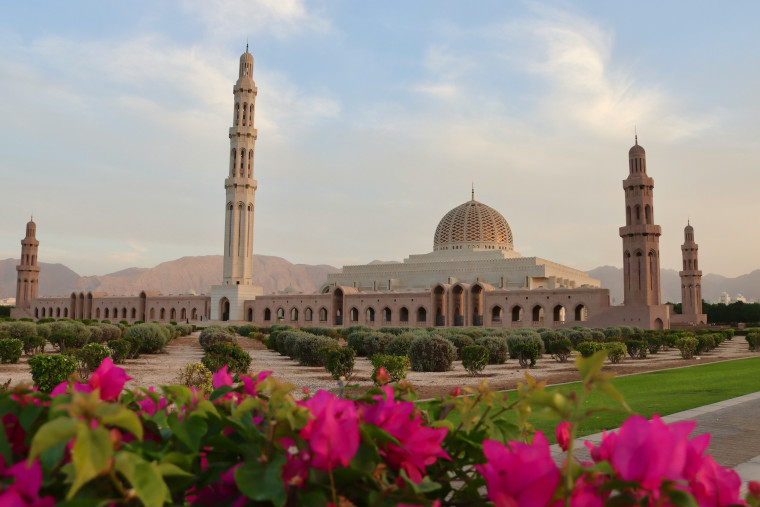 Image source: Hongbin / unsplash.com


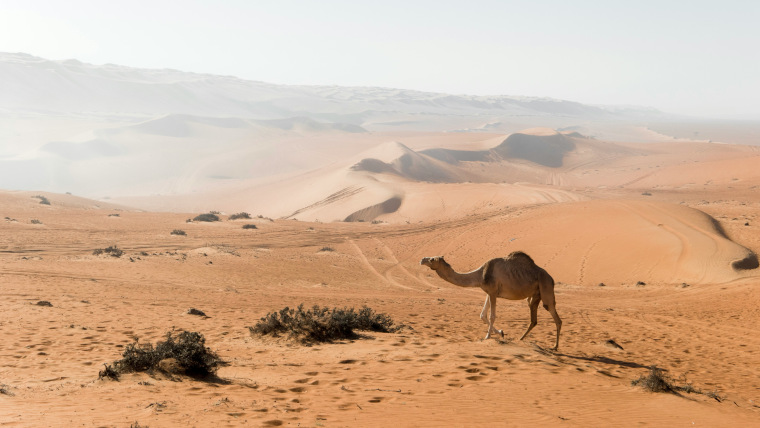 Image source: Arisa S. / unsplash.com

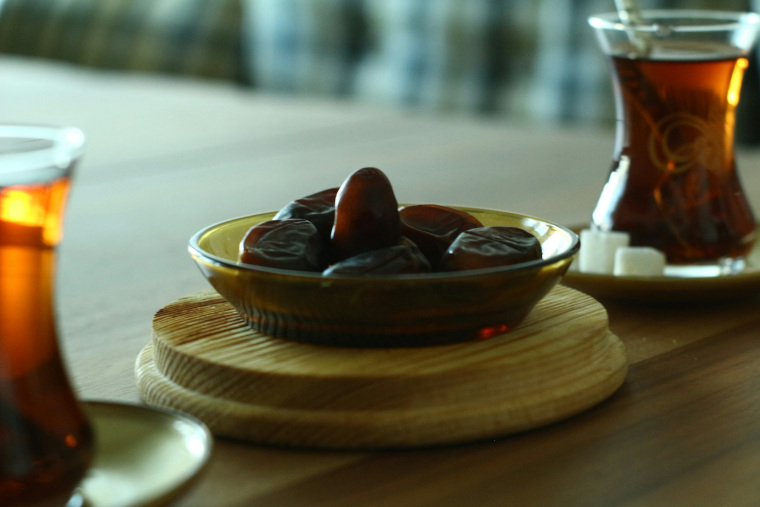 Image source: Berke Citak / unsplash.com