Home/Cities of the UAE/How to Get from Sharjah to Dubai: All Options, Prices, and Journey Times
23.06.2026
Cities of the UAE
1087
Reading time: 12 minutes
How to Get from Sharjah to Dubai: All Options, Prices, and Journey Times
Save the article:
How do you choose the best way to get from Sharjah to Dubai without overpaying? In this article you will find a detailed overview of all transport options — from budget-friendly buses to comfortable shuttles — with up-to-date prices and step-by-step instructions.
Who will find this information useful? Anyone who wants to save money, understand how to use the Nol transport card, and choose the best route. Particularly relevant for budget travellers, families with children, and those visiting the UAE for the first time.
Distance from Sharjah to Dubai and Journey Time
Sharjah and Dubai are two neighbouring emirates of the UAE that practically merge into one another. The border between them is almost imperceptible — the two cities flow seamlessly into each other with no border checkpoints.
Sharjah's proximity to Dubai makes the former emirate a popular choice for tourists who want to save money on accommodation whilst still having easy access to attractions and museums.
How many kilometres is it from Sharjah to Dubai
The distance between the two emirates is approximately 24 kilometres; from the Jubail Bus Terminal to Abu Hail metro station is around 15 kilometres. If you are arriving at Sharjah International Airport and plan to reach the historic districts or skyscrapers, the distance will be 35–40 kilometres depending on your final destination.
Image source: Ahmed Aldaie / unsplash.com
The main road is the E11 motorway (Sheikh Mohammed Bin Zayed Road). Along the way you will cross the Dubai Creek canal — an additional toll is charged for crossing the bridges when using taxi services.
How long does the journey from Sharjah to Dubai take
By bus, the journey from Jubail Bus Terminal to Union Square metro station takes 40–50 minutes. With a transfer onto the metro to reach Dubai's skyscrapers or shopping centres, the total journey time is around an hour and a half.
A journey by private car or shuttle takes 25–40 minutes in normal traffic conditions. During rush hour (mornings from 7:00 AM to 9:00 AM and evenings from 5:00 PM to 8:00 PM), the journey can take up to 60 minutes. This is important to bear in mind when planning excursions and business meetings.
The best times to travel are between 10:00 AM and 4:00 PM, and after 9:00 PM. If you are planning to visit attractions or attend a business meeting in Dubai, allow an extra 30–40 minutes for possible congestion.
How to Get from Sharjah Airport to Dubai
Sharjah International Airport is a popular arrival point for airlines offering affordable fares. Many tourists choose flights to Sharjah to save money on tickets. Several convenient options are available for travelling to Dubai, catering to different budgets and levels of comfort.
Bus No. 99 from Sharjah Airport
Bus No. 99 is the only direct route from the terminal. It is an economical option for those who are happy to spend a little more time in exchange for savings. The bus runs to Jubail Bus Terminal near the Central Market.
It departs every 30–40 minutes, and the journey takes approximately 50 minutes. This is one of the rare cases in the UAE where you can pay the fare in cash — a Nol card is not required.
Upon arriving at Jubail Bus Terminal, transfer to a bus to Dubai. A Nol transport card will be required there. The entire journey including the connection takes around an hour and a half. A suitable option for solo travellers with light luggage.
Taxi from Sharjah Airport to Dubai
A taxi is the quickest way to get to Dubai from the airport. An official desk operates in the arrivals hall. Staff speak English and will assist with luggage.
The fare depends on your final destination: a trip to Deira is cheaper than to the Downtown Dubai business district, and the cost to Dubai Marina is even higher. A cross-emirate border surcharge is added on top of the base fare, which is explained in more detail in the taxi section below.
You can also hail a car via smartphone apps right after collecting your luggage. Waiting times are usually 5–10 minutes. The journey to Dubai's business district takes 35–45 minutes in normal traffic.
Airport shuttle: how to book
A pre-booked shuttle is the ideal choice for those who value comfort. A meet-and-greet with a name board at the airport, assistance with luggage, and a journey directly to your destination, with no need to search for a vehicle or any other hassle.
Book in advance, at least 16 hours before your flight arrives. When making a reservation, provide your flight number, arrival time, and hotel address in Dubai. Even in the event of a flight delay, the waiting time is included in the fare. The price is fixed and does not vary with traffic conditions.
A shuttle is particularly worthwhile for families with children, groups of three or four people, or travellers with a lot of luggage. You can choose the class of vehicle — from a standard saloon to a minivan. Fares are comparable to a taxi journey, but the level of service is higher.
This is a convenient option for tourists arriving in Dubai for the first time or planning a packed itinerary of excursions.
How to Get from Sharjah to Dubai by Bus
The bus is the most budget-friendly way to travel between the two emirates. The public transport system in the UAE is modern, user-friendly, and runs to a reliable timetable. Buses are equipped with air conditioning, comfortable seats, and luggage space.
Jubail Bus Terminal
Jubail Bus Terminal is Sharjah's main transport hub, from which all buses to Dubai depart. The terminal is located next to the Central Souk, which is renowned for its distinctive architecture.
On site there are kiosks where transport cards can be purchased. You will need local currency (dirhams) — currency exchange facilities are available at Dubai and Sharjah international airports or at shopping centres. There are also toilets, a café, and shops selling water and snacks.
Boarding points are clearly marked with route numbers and signs in English. Terminal staff speak English and will direct you to the correct boarding area.
All bus routes from Sharjah to Dubai
Several routes operate between Sharjah and Dubai. The right choice depends on which part of the city you need to reach.
Route E303 runs to Union Square metro station, and is the most popular route amongst tourists. Union Square is an interchange station for the Red and Green lines. The journey from Jubail Bus Terminal takes 15–20 minutes, ideal for those planning to visit Dubai's business districts, shopping complexes, or the Burj Khalifa.
Route E303A goes to Sabkha Bus Station in the Deira district, close to the Gold Souk and Spice Souk — the main attractions of old Dubai. The journey takes 20–25 minutes.
Route E304 goes to Satwa Bus Station in the Jumeirah district. This area of Dubai is known for its beaches, shopping complexes, and proximity to the Burj Al Arab hotel. The journey takes 30–35 minutes. Suitable for a beach holiday, sightseeing, or shopping.
Route E306 runs to Al Ghubaiba metro station in the old areas of Dubai, near the main bus terminal. From there it is easy to reach the historic districts. The journey takes 25–30 minutes. Nearby is the ferry terminal, which links Sharjah with the neighbouring emirate.
Route E307 goes to Deira City Centre metro station — one of Dubai's largest shopping centres. An excellent choice for shopping and sightseeing. The journey takes 20–25 minutes.
Route E307A is the shortest option. The bus runs to Abu Hail metro station, the closest to the Sharjah border. The journey takes 15 minutes.
Route E311 runs to Rashidiya metro station near Dubai International Airport. The journey takes 30–35 minutes.
Nol transport card: purchasing and using
The Nol card is a unified transport card for public transport in Dubai. Cash payment is not accepted (except on bus No. 99 from Sharjah Airport).
Image source: pio3 / shutterstock.com
Three types of cards are available. The Silver card is the most popular option for tourists — it is reusable and valid for several years. The Gold card entitles the holder to travel in premium comfort zones on the metro. The Red card is a disposable card for a limited number of journeys.
The Silver card can be purchased at kiosks at Jubail Bus Terminal, at Dubai metro stations, or at the airport. When you buy it, you receive the card with an initial balance. The cost is affordable and quickly pays for itself.
Topping up the card is straightforward — terminals with an English-language interface are installed at all metro stations and bus terminals. Insert your card, select the amount, and pay with cash or a bank card.
When boarding a bus, tap your card on the reader at the entry point — a beep will sound and the balance will appear on screen. When alighting, tap your card again at the rear door. The system works on a reservation basis: the maximum fare is blocked upon entry, and the actual amount is deducted upon exit.
Bus fare
The price depends on the distance — the UAE transport system operates on a zonal basis. A journey from Jubail Bus Terminal to a metro station in the Deira district is charged at the base rate. This is the most affordable way to travel between the emirates.
Payment is made automatically when using the card. The system will calculate the amount based on your boarding and alighting points. It is important not to forget to tap your card when getting off, otherwise the maximum amount will be deducted.
Combined route: bus + metro
For journeys to Dubai's business districts or more distant areas, combining the bus with the metro is the optimal approach. The Red Line of the metro passes through the business districts and connects the main attractions, shopping complexes, and commercial quarters.
The most popular route: board bus E303 at Jubail Bus Terminal and travel to Union Square. This is Dubai's key transport interchange, where both lines of the metro meet. At the Union station you need to transfer to the Red Line and can continue to the Downtown area with the Burj Khalifa and the Dubai Mall shopping centre, the Marina district, or Jumeirah's beaches.
An alternative is bus E307A to Abu Hail. From Abu Hail it is two stops to Union Square, followed by a transfer to the Red Line.
A third option is to hire a car at Jubail Bus Terminal and travel to Abu Hail or Stadium. A journey within Sharjah is inexpensive and takes 10–15 minutes. This approach saves time and remains affordable compared to hiring a taxi for the entire distance.
Image source: Sanjai Sudheesh / unsplash.com
Remember to top up your Nol card before travelling on the Dubai metro. The terminals are available at all stations.
Taxi and Shuttle from Sharjah to Dubai
Taxi and shuttle services are popular choices for those who value comfort and speed. These options are well suited to families with children, travellers with a lot of luggage, or those who are tired after a flight and simply want to reach their Dubai hotel without any fuss.
How much does a taxi from Sharjah to Dubai cost
The fare consists of a base boarding charge plus a per-kilometre rate. The final price depends on your destination district and the time of day.
The journey to Deira takes 25–30 minutes, with a lower price. The business district, home to the Burj Khalifa, is 35–40 minutes away, with a higher price. Dubai Marina or Jumeirah Beaches are 45–50 minutes away, with a correspondingly higher price.
Traffic has a significant impact on the price. During rush hour the journey can take one and a half times longer, and the cost increases accordingly. Choose daytime or evening hours after 9:00 PM to avoid congestion.
For a group of three or four people, a taxi to Dubai becomes a cost-effective option. By splitting the fare, you end up paying close to the bus price whilst getting there faster and in greater comfort.
Cross-emirate border surcharge
When travelling between emirates, an additional border crossing surcharge is charged. This is a fixed fee added on top of the metered fare. A surcharge also applies when crossing the bridge over the Dubai Creek canal.
The amount is the same in either direction — from Sharjah to Dubai or back. The surcharge is added to the meter automatically upon crossing the border.
How to hail a taxi in the UAE
Official taxis in the UAE are easy to recognise by their distinctive colouring. In Sharjah, taxis have pink or light blue roofs; in Dubai they are cream coloured. All vehicles are fitted with meters and air conditioning.
The easiest method is via smartphone apps. A car will arrive within 5–10 minutes. The app displays an estimated fare upfront. Payment can be made in cash or by card. The second option is to arrange a car through your hotel's concierge desk. The third is to flag one down on the street near shopping centres or metro stations. Make sure the meter is running at the start of the journey.
Shuttle: advantages and cost
A shuttle differs from a standard taxi service in terms of the level of service and predictability. The main advantage is a fixed price that does not change with traffic conditions. The second advantage is a meet-and-greet with a name board at the airport. The third is guaranteed waiting, even in the event of a flight delay.
When booking, you can choose the class of the vehicle. A standard saloon is suitable for one or two people. A minivan is ideal for families or groups of up to six people. A premium-class vehicle is for those who appreciate luxury when travelling around Dubai and the UAE.
The fare depends on the route and vehicle class. From Sharjah International Airport to the Deira district the price is lower than to the Dubai Marina or Jumeirah. A shuttle fare is often comparable to a standard taxi, but the level of service is higher.
Taxi and shuttle: a cost-effectiveness comparison
A taxi is more cost-effective for spontaneous journeys within the city. Hail one via an app, get in, and go — quickly and without any advance booking. It is also convenient for short distances within a single emirate.
A shuttle is the better choice in several situations. First — a journey from the airport after a night flight or when travelling with a lot of luggage. Second — travelling as a group or family. By booking a minivan, you split the fare amongst everyone and enjoy a comfortable journey at a fixed price.
A shuttle is also more convenient if you want to avoid the stress of traffic. A fixed price provides peace of mind and allows you to budget your journey precisely. This is particularly relevant for business trips and sightseeing tours around Dubai and the UAE.
For families with young children, a shuttle is often the only sensible option. The ability to book a child seat, assistance with a pushchair — all of this makes a shuttle the optimal choice for a comfortable family trip.
Comparison of All Options: Which One to Choose
The choice of the best way to travel from Sharjah to Dubai depends on your priorities and budget. Each mode of transport has its advantages, and making the right choice determines how pleasant the start of your journey will be.
The cheapest option
The bus is the undisputed winner when it comes to saving money. The cost of travelling from Jubail to the nearest metro station is minimal. Even taking the cost of purchasing a transport card into account, the expenditure remains well within the budget of economical travellers.
If you need to reach Dubai's business district, the bus-and-metro combination will cost a little more but is several times cheaper than a taxi. This combination is convenient for those planning walking tours or sightseeing around the city streets.
The fastest option
A taxi or shuttle are the quickest options. In the absence of traffic, the journey to the nearest Dubai districts takes 25–30 minutes, and to the business district 35–40 minutes. This is two to three times faster than taking the bus with connections.
Image source: Ainur Kamaev / unsplash.com
Car hire also offers a high degree of speed. Along the E11 motorway you can reach any destination quickly without stopping. However, bear in mind rush-hour traffic — any time advantage is negated during peak hours.
The most comfortable option
A pre-booked shuttle offers the highest level of comfort. You will be met with a name board, your luggage will be taken care of, and you will be delivered directly to your choice address. There is no need to search for transport or explain your route — everything is arranged in advance.
A fixed price provides psychological comfort — you know exactly what you will pay. A shuttle is the ideal choice for families with children, elderly travellers, and anyone who values service and a stress-free journey around the UAE.
Comparison of all options: price, speed, level of comfort
To help you make a choice, below is a summary of all the ways to travel between Sharjah and Dubai, with key parameters for each option.
Mode of transport
Approximate cost
Journey time
Comfort level
Best suited to
Bus
Low
40–60 min
2 stars
Budget travellers
Bus + Metro
Low–medium
Up to 1.5 hrs
3 stars
Journeys to the city centre
Taxi
Medium–high
25–40 min
4 stars
Those who value speed
Shuttle
Medium–high
30–40 min
5 stars
Families, groups
Car hire
Medium (per day)
25–30 min
4 stars
Many journeys around the city
Ferry
Low–medium
35 min
3 stars
Those who enjoy something different
Travelling alone on a tight budget — the bus will save money for other expenditures. Families with children or travellers with luggage should consider a shuttle — the comfort justifies the cost.
For business travellers who need to be on time, a taxi or shuttle will ensure a punctual arrival. If you are planning a lot of travel around the city, car hire will give you freedom of movement.
Conclusion
Getting from Sharjah to Dubai is straightforward — the two emirates are connected by a well-developed transport network with options to suit every budget. Bus services offer cost-effective travel; taxis and shuttles provide speed and comfort.
You can stay in the more affordable Sharjah and travel to Dubai for sightseeing every day, spending very little on transport. Or choose a shuttle for important journeys and the bus for everyday travel — this flexibility helps you optimise the budget for your entire trip.
The bus and metro system in the UAE is modern and safe. Plan your routes in advance, avoid travelling during rush hours, and journeys between Sharjah and Dubai will become a pleasant part of your holiday.
Frequently Asked Questions
Is it possible to travel from Sharjah to Dubai at night?
Yes. Buses run around the clock, though intervals are longer at night. Taxi and shuttle services are available at any time. The metro operates from 6:00 AM to midnight on weekdays and until 1:00 AM at weekends.
How long is a Nol card valid for?
A Nol card is valid for five years from the date of last use. If you return to the UAE a year or two later, simply top up the balance and continue using the same card.
Can I pay by bank card on the bus?
No — only a transport card is accepted. The exception is bus No. 99 from Sharjah Airport, where the fare can be paid in cash.
Is there space for luggage on buses and in the metro?
Yes, buses have designated luggage areas. The metro has special zones with space for suitcases. Large luggage can be carried free of charge.
Do I need to book a taxi in advance?
Booking is not necessary — you can easily hail a car via an app within 5–10 minutes. However, a shuttle is best booked in advance, especially for journeys from the airport or late at night.
Yes, pushchairs are permitted. Staff assist with boarding through a designated entrance. The metro has lifts at all stations — Al Ghubaiba, Union Square, Abu Hail, and others — for the convenience of parents.
How much does it cost to hire a car for a day?
The fare depends on the class of vehicle and the rental company. A budget saloon can be hired in the mid-price range (including the cost of fuel and any potential road tolls).
Is public transport in the UAE safe?
Yes, public transport in the UAE is very safe. All buses and metro trains are equipped with CCTV cameras, staff are trained to a high standard, and crime levels are minimal. Women have access to dedicated zones on the metro.
What should I do if I lose my Nol card?
Unfortunately, the balance cannot be recovered — cards are not personalised. You will need to purchase a new card and top it up. Keep your card somewhere safe.
Description of the Jumeirah district in Dubai. Real Estate and Investments in the Jumeirah District. Availability of Education in the Jumeirah district in Dubai. Frequently Asked Questions about the J...
What is DMCC? Location: Jumeirah Lakes Towers and Uptown Dubai. Advantages of registering a company in DMCC. Types of licenses in DMCC. Types of activities in DMCC. The company registration process in...
11 official festivals in Dubai and the UAE. Non-muslim festivals celebrated in the UAE and Dubai. Other festival celebrations in Dubai and the UAE. Frequently asked questions about festivals in Dubai.
Where is Dubai located? History and development of Dubai. Culture and architecture of Dubai. Districts of Dubai. Frequently asked questions about the location of Dubai.
Advantages of Dubai for living and investment. The best business districts of Dubai. Top 3 districts of Dubai for living. Frequently asked questions about Dubai districts.
What does UAE citizenship provide? Advantages of UAE citizenship. How to obtain UAE citizenship? Conditions for obtaining UAE citizenship. Procedure for obtaining UAE citizenship. Loss of UAE citizens...
The Dubai Mall. Mall of the Emirates. Dubai Marina Mall. Ibn Battuta Mall. Dubai Festival City. Frequently asked questions about shopping centres in Dubai.
Does voice communication via messengers work in the UAE? Main telecommunication operators in the UAE. 3 telecommunication operators in the UAE with eSIM support. How to activate an eSIM for communicat...
Demographic indicators of the Arab Emirates. General information about the population of the Arab Emirates. Benefits for the indigenous population of the Arab Emirates. Rules for communicating with th...



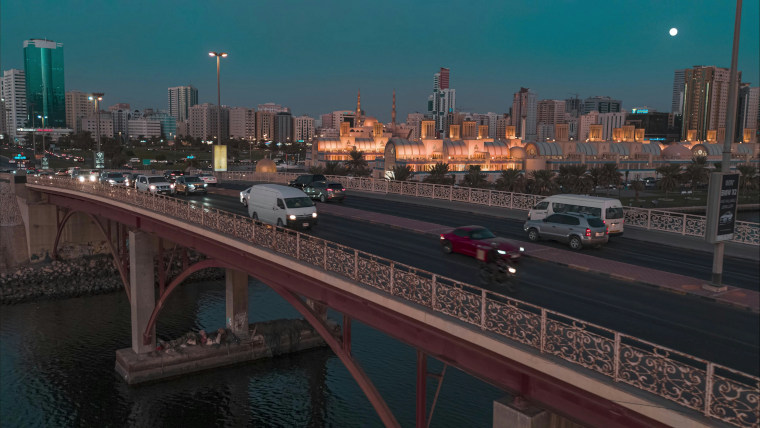 Image source: Ahmed Aldaie / unsplash.com


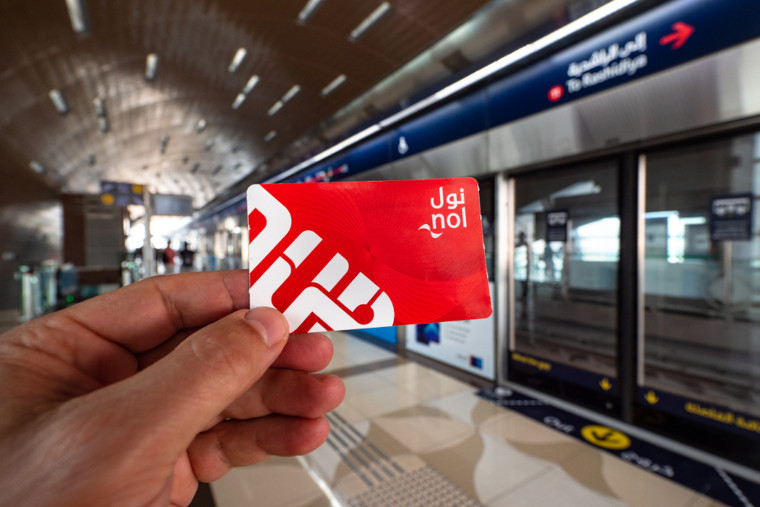 Image source: pio3 / shutterstock.com

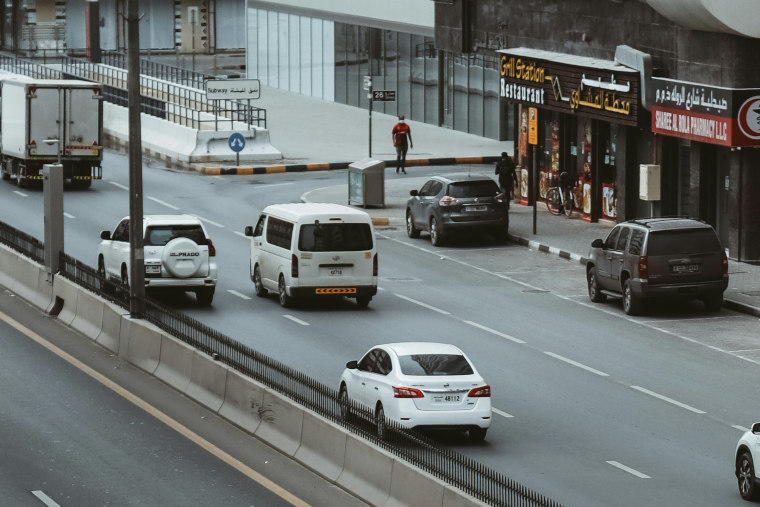 Image source: Sanjai Sudheesh / unsplash.com


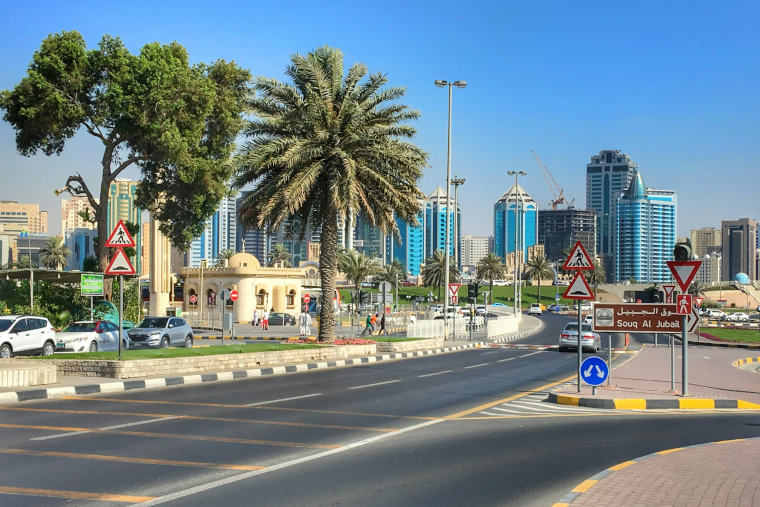 Image source: Ainur Kamaev / unsplash.com