Arabian Mythology: Djinn, Gods and Spirits of the Ancient East
Save the article:
What lies behind the veil of mystery surrounding one of the most enigmatic mythological traditions in the world? Arabian mythology is a remarkable universe in which djinn grant wishes and sow chaos, ancient gods govern the elements of the desert, and mystical creatures inhabit every corner of the Arabian Peninsula. This rich mythology, with its roots in pre-Islamic times, continues to influence modern culture, from Hollywood blockbusters to literary masterpieces, inspiring creators across the globe with its vivid imagery and profound symbolism.
Why is it worth immersing oneself in this cultural heritage now? In an age of globalisation, Arabian mythology serves as a bridge between ancient traditions and the modern understanding of the world, offering a unique perspective on humanity's eternal questions. The gods of Arabian mythology, such as Allat and Hubal, the djinn of Arabian mythology with their complex hierarchy and diversity of forms, and Arabian mythological creatures such as ghouls and marids — all of these represent not merely folkloric characters, but a reflection of the ancient Arabs' worldview, their fears, hopes and conceptions of justice. Understanding these figures opens doors to a deeper appreciation of Arab culture and helps avoid stereotypes when creating modern works based on these themes.
History and Origins of Arabian Mythology
The roots of Arabian mythology reach deep into antiquity, when the first beliefs of nomadic tribes were taking shape across the expanses of the Arabian Peninsula. Long before the advent of Islam, these lands were inhabited by peoples with rich spiritual traditions, which subsequently became the foundation for one of the most vivid mythological systems in the world.
Pre-Islamic beliefs and their geographical roots
The harsh conditions of the Arabian Peninsula greatly influenced the formation of mythological ideas among the ancient Arabs. Endless deserts, rare oases and unpredictable sandstorms created a unique worldview in which every natural phenomenon acquired sacred significance. The Arab tribes of the pre-Islamic era believed that every stone, water source and tree were inhabited by spirits, regarding them as the dwelling places of powerful forces.
The nomadic way of life of the Bedouin led to a unique relationship with space and time. Unlike settled civilisations with their temples and permanent shrines, Arab tribes carried their gods with them in the form of sacred stones and amulets. This mobility of belief facilitated the rapid spread of mythological narratives between different tribes and regions.
The influence of trade routes on mythological synthesis
The Arabian Peninsula occupied a strategic position at the crossroads of trade routes between Asia, Africa and Europe. Caravan routes linking India with Byzantium passed through major trading centres such as Mecca, Yathrib and Palmyra. This constant cultural exchange enriched Arabian mythology with elements from Persian, Mesopotamian, Egyptian and Ethiopian traditions.
Merchants and travellers exchanged not only goods but also stories of distant lands, their gods and wonders. Thus, Arab mythology acquired motifs that resembled Zoroastrian notions of fire spirits, Babylonian legends of desert demons and Egyptian beliefs in the afterlife.
The influence of Jewish and Christian traditions is particularly noticeable, bringing new ideas about angels and evil spirits that threatened human beings in the desert to Arab culture.
Periodisation of the development of Arabian mythology
The development of Arabian mythology can be divided into several key periods. The archaic period (up to the 6th century AD) was characterised by the predominance of animistic beliefs and the cult of ancestors. During this time, the basic conceptions of djinn as spirits of nature and tribal guardians who lived alongside humans in the invisible world were formed.
The classical pre-Islamic period (6th–7th centuries AD) was marked by the systematisation of mythological knowledge and the appearance of the first poetic works recording ancient legends. It was during this period that the hierarchy of spiritual beings was established and the canonical images of the main deities of the Arab pantheon took shape.
Regional characteristics of mythological traditions
The geography of the Arabian Peninsula gave rise to unique regional variants of mythology. The tribes of northern Arabia, who were in contact with Byzantium and Persia, developed complex cosmogonic myths and conceptions of a celestial hierarchy. The South Arabian kingdoms, such as Saba and Himyar, created a developed mythology of fertility linked to monsoon rains and irrigated agriculture.
The image was generated using AI technologies
The coastal regions of the Persian Gulf and the Red Sea gave rise to a maritime mythology featuring patron spirits of sailors and merchants. The central districts of Najd preserved the most archaic forms of belief associated with the cult of sacred stones and astral deities who dwelt in the heavens and influenced human destiny.
Transformation in the Islamic period
With the advent of Islam, Arabian mythology did not disappear but underwent significant transformation. Many ancient beliefs were reinterpreted in the context of the new religion. The djinn were transformed from pagan spirits into a distinct class of rational beings mentioned in the Quran. Ancient gods were demonised or became historical figures.
Islamic scholars and poets preserved many pre-Islamic myths, adapting them to the new religious paradigm. Through this process, Arabian mythology gained a second life in medieval literature, becoming a source of inspiration for works such as One Thousand and One Nights and poems about pre-Islamic heroes.
During Islamisation, many of the evil spirits of antiquity were transformed into demons opposing the righteous person, reflecting a new understanding of the struggle between good and evil.
Gods of Arabian Mythology and the Ancient Pantheon
Pre-Islamic Arabia was a mosaic of beliefs in which each tribe worshipped its own gods, creating a complex religious picture of the peninsula. The gods of Arabian mythology formed a multi-layered system reflecting both cosmic forces and the everyday needs of nomads and merchants. This ancient pantheon united astral cults, the worship of natural elements and the veneration of tribal patron deities.
The supreme deities of the pre-Islamic pantheon
Allah occupied a special position in the pre-Islamic religious system as the supreme deity — "the god of gods." His name derives from the Arabic al-ilah — "the deity" — indicating recognition of his pre-eminent role among the many gods.
The tribes of Arabia regarded Allah as the creator of the world and the father of other deities, but rarely addressed him directly, preferring to pray through intermediaries — lesser gods and goddesses.
Hubal was one of the most venerated deities of Mecca, whose statue of red agate stood in the Kaaba. This god of war and fate controlled the outcome of battles and commercial enterprises.
The Quraysh, the ruling tribe of Mecca, especially revered Hubal, using divination arrows at his altar to make important decisions. Archaeological finds confirm that the cult of Hubal spread from the Nabataean kingdom, where he was known as the patron god of caravan routes.
The daughter-goddesses of Allah and their cults
Al-Lat, "the goddess," was regarded as one of the three principal daughters of Allah and was a patroness of fertility and motherhood. Her main sanctuary was located in Taif, where priests maintained a sacred fire and performed sacrifices.
The tribes of western Arabia brought her offerings of dates, milk and incense, praying for safe deliveries and a good harvest. Etymologically, her name is linked to the root word laha — "deity" — which underscores her high status in the pantheon.
Al-Uzza, "the mighty one," embodied the planet Venus and was the patroness of love, beauty and war. Her sacred grove at Nakhlah, between Mecca and Taif, served as a place of pilgrimage for lovers and warriors.
Three sacred acacia trees symbolised her threefold nature — maiden, mother and warrior. The Quraysh especially venerated Al-Uzza, regarding her as the patroness of their tribe and protector of trade caravans.
Manat, "fate," governed death and the underworld, determining the length of human life. Her sanctuary on the shore of the Red Sea at Qudayd attracted pilgrims who performed a ritual shaving of the head as a sign of dedication to the goddess. The tribes of Khazraj and Aws from Medina regarded Manat as their principal patroness, appealing to her before long journeys and military campaigns.
Regional deities and their functions
The northern tribes of Arabia worshipped Ruddah, a goddess of luck and prosperity whose cult was particularly widespread among the Tamim. She was depicted as a woman with a cornucopia, symbolising the flourishing of pasturelands and success in trade. Rituals in her honour included dances around sacred stones and the sacrifice of white she-camels.
The South Arabian kingdoms developed their own religious tradition, with the god Almaqah at the head of the pantheon. This lunar god of the Sabaean kingdom controlled irrigation and agriculture, which was critically important for the prosperity of the southern oases. Monumental temples at Marib and other cities attest to a highly developed cult with a professional priesthood and complex rituals.
The hierarchy of deities and places of worship
The Arab pantheon was structured according to the principle of cosmic hierarchy, in which the supreme deities governed the fundamental forces of nature whilst local gods attended to the specific needs of the tribes. Each deity had its own sphere of influence: astral gods controlled celestial cycles, chthonic deities governed the underworld and fertility, and tribal patrons oversaw military fortune and social wellbeing.
Sanctuaries were situated in strategically important locations: on trade routes, near water sources, on hilltops. The Kaaba in Mecca was the central sanctuary, uniting the cults of various tribes during the annual pilgrimage. Around it stood the idols of 360 deities, representing the religious diversity of the Arabian Peninsula.
Ritual practices and priestly traditions
Priests, known as kahin, served as intermediaries between people and the gods, practising divination, the interpretation of dreams and healing. They employed various methods of prophecy: the casting of inscribed arrows, observation of the flight of birds, and the interpretation of the entrails of sacrificial animals. Female priests played a special role in the cults of the goddesses, presiding over rituals of fertility and initiation.
Pilgrimage to the sanctuaries included the ritual circumambulation of sacred stones, sacrifices and communal meals. Tribes brought offerings of camels, sheep, incense and jewellery to the gods, believing that generosity would secure divine patronage. Sacred months were declared periods of truce, during which military activities ceased for the sake of religious ceremonies.
Djinn and Spirits in Arabian Mythology
The djinn of Arabian mythology represent one of the most complex and multifaceted categories of supernatural beings, whose nature differs fundamentally from the spirits and demons familiar to the Western reader. These creatures of smokeless fire possess free will, reason and the capacity for moral choice, which makes them unique among the mythological beings of the world.
The nature and origin of djinn
According to Arab tradition, djinn were created from pure fire without smoke — a substance that endowed them with special properties and abilities. Unlike angels, fashioned from light, and humans, created from clay, djinn occupy an intermediate position in the cosmic hierarchy.
The etymology of the word "djinn" traces back to the Arabic root word janna, meaning "to conceal" or "to hide," which reflects their ability to remain invisible to the human eye.
These spirits of Arabian mythology possess a lifespan considerably exceeding that of a human being, yet remain mortal creatures. Djinn are capable of reproducing, forming families, experiencing emotions and making decisions based on their own convictions and desires. This complexity of their nature makes interaction with them unpredictable and potentially dangerous.
Classification of djinn by type and power
Marids are the most powerful category of djinn, often associated with the element of water. These magnificent beings possess colossal strength and are capable of fulfilling the most demanding wishes, but their services require a particular approach and respect. In Arab folklore, marids are often depicted as proud and independent creatures who can be either great allies or dangerous adversaries.
Ifrits occupy a special place among the fire spirits, distinguished by their connection with the underworld and volcanic activity. These djinn are known for their fiery temperament and destructive tendencies, but with the correct approach can provide protection and strength. Ifrits often serve as guardians of treasures and ancient knowledge concealed in the depths of the earth.
Shayatin are the dark side of the djinn, inclined towards deception and the temptation of human beings. It is important to understand, however, that not all shayatin are evil — some simply follow their own nature, testing the boundaries of human morality.
Abilities and magical powers
Djinn possess a wide spectrum of supernatural abilities that vary according to their type and individual strength. The ability to transform allows them to assume any form — from animals to humans, from inanimate objects to elemental phenomena. This metamorphosis is so perfect that even experienced sorcerers may be deceived by a skilled djinn.
Teleportation and movement through space form the basis of their mobility, enabling them to traverse vast distances instantaneously. Djinn are capable of carrying both people and objects with them, making them invaluable companions for travellers and merchants. Manipulation of matter and energy gives them the ability to create illusions, alter the physical properties of objects and influence natural phenomena.
Hierarchy and social structure
The society of djinn is organised according to a complex hierarchical system, at the head of which stand powerful kings and sultans. Each type of djinn has its own rulers: Malik al-Ahmar governs the red djinn associated with fire, whilst Malik al-Abyad leads the white djinn of the element of air. This power structure influences the interaction between different groups of djinn and determines their behaviour towards human beings.
Social roles within djinn society include warriors, scholars, craftsmen and merchants, which reflects the complexity of their civilisation. Some djinn serve as intermediaries between the human and spirit worlds, acting as guides and interpreters. Others specialise in guarding sacred places or ancient artefacts.
Habitats and interaction with humans
Djinn inhabit a variety of locations: from desert oases to underground caves, from ancient ruins to modern cities. They have a particular preference for places of power — springs, old trees, abandoned buildings and crossroads. An understanding of these preferences helps people either to avoid unwanted encounters or, conversely, to establish contact with friendly spirits.
Relations between djinn and humans range from mutually beneficial cooperation to open enmity. Some djinn become the patrons of families, passing their protection from generation to generation. Others enter into temporary agreements, providing services in exchange for certain benefits or liberation from imprisonment.
Modern studies of Arab folklore show that conceptions of djinn continue to evolve, adapting to a changing world whilst preserving their fundamental characteristics and cultural significance.
Mythical Creatures of Arabian Mythology
In the Arabian mythology, the creatures are fascinating supernatural beings, each of which reflects the deep-seated fears, hopes and conceptions of the ancient Arabs regarding the world. Alongside the widely known djinn, the mythological tradition of the Arabian Peninsula is inhabited by many other creatures — from bloodthirsty ghouls to magnificent rukhs capable of lifting an elephant into the sky.
Ghouls — devourers of the dead and the living
Ghouls occupy a special place among the mythical creatures of the Arab tradition as personifications of death and decay. These demonic beings possess the ability to assume human form, most frequently transforming into attractive women in order to lure travellers in the desert. In their true guise, a ghoul is a repulsive creature with claws in place of hands, fangs and eyes burning with hellfire.
Traditionally, ghouls inhabit cemeteries, ruins and abandoned places, feeding on corpses and attacking lone travellers. Their ability to shapeshift makes them particularly dangerous — they can imitate the voices of familiar people, luring victims into a trap. Protection against a ghoul can be achieved by reciting the Quran, wearing amulets bearing the names of Allah, or striking it on the forehead, which forces the demon to reveal its true form.
Nasnas — the half-humans of the desert
Nasnas represent some of the most enigmatic creatures of Arabian mythology — half-humans who possess only half a body. According to ancient descriptions, a nasnas has one arm, one leg, half a head with a single eye and is able to move by leaping with remarkable speed. These beings inhabit the remote districts of Yemen and southern Arabia, where encounters with them were considered extremely rare and ominous.
The origin of nasnas is linked to a curse or to the result of a union between djinn and humans. Despite their fearsome appearance, nasnas are not always hostile to human beings — some accounts describe them as wise creatures capable of foretelling the future. An encounter with a nasnas may bring either good fortune or misfortune, depending on the intentions of the traveller.
The rukh — lords of the skies
The gigantic rukh birds are among the most impressive creatures of Arabian mythology, whose strength and size surpass human imagination. These legendary birds are capable of lifting elephants and rhinoceroses into the air, and the span of their wings can blot out the sun. The rukh dwell on inaccessible mountain peaks and islands in the Indian Ocean, building nests of precious stones and gold.
The most well-known story of the rukh appears in One Thousand and One Nights, in which Sinbad the Sailor uses the giant bird to escape from an island. The rukh symbolises divine power and the unattainability of celestial heights for ordinary mortals. An encounter with this bird may bring either salvation or destruction, depending on how a person conducts themselves in the presence of such a mighty creature.
Al-miraj — the unicorn of the desert
Al-miraj is the Arabian version of the unicorn — a yellow hare with a black horn on its forehead, endowed with supernatural abilities. This creature is capable of killing other animals with a single touch of its horn and inspires terror in the predators of the desert. Al-miraj inhabits remote oases and mountainous districts, where its appearance is considered a sign of impending change.
Symbolically, al-miraj embodies purity and divine protection, but also mortal danger for those who have desecrated sacred places. Its horn is considered a powerful amulet against poisons and disease, which makes hunting this creature extremely tempting yet fatally dangerous.
Sila — guardians of treasures
Sila are serpentine creatures of enormous size that guard treasures and ancient ruins. These beings possess the ability to assume human form and can live for thousands of years, accumulating knowledge and wealth. Sila are often depicted as wise yet cunning creatures, prepared to make deals with humans in exchange for services or knowledge.
An encounter with a sila can bring immense riches to one who manages to outwit this ancient creature or render it a service. However, attempts to deceive a sila or steal the treasures it guards invariably end poorly for the bold adventurer.
The symbolic significance of mythical creatures
The mythical creatures of Arabian mythology serve not only as entertainment but also fulfil important cultural functions. They embody the collective fears and hopes of the people, explain inexplicable natural phenomena and serve as moral guides.
Ghouls caution against wandering in dangerous places, the rukh symbolises the unattainability of divine power, and nasnas serve as reminders of the consequences of violating the natural order.
These creatures continue to influence modern Arab culture, appearing in literature, cinema and folk art as symbols of cultural identity and connection with the ancient traditions of forebears.
The Influence of Arabian Mythology on Modern Culture
Arabian mythology has had a colossal impact on global culture, influencing a wide range of creative fields and continuing to inspire creators worldwide. From medieval tales to modern blockbusters, images of djinn, magic carpets and Eastern palaces have become an integral part of the global cultural heritage.
Literary heritage: from One Thousand and One Nights to modern fantasy
The collection One Thousand and One Nights became a bridge between Arabian mythology and Western literature, introducing European readers to the wondrous world of Eastern tales. Antoine Galland's first translation in the early 18th century caused a genuine revolution in European literature, inspiring authors such as Voltaire, Goethe and Byron to create works with Eastern motifs.
Modern fantasy literature actively draws on elements of Arabian mythology. Neil Gaiman in American Gods reinterprets ancient spirits in the context of the modern world, whilst Salman Rushdie in Two Years Eight Months and Twenty-Eight Nights creates a postmodern interpretation of classical Arab myths.
The djinn of Arabian mythology have been transformed from complex beings with moral dilemmas into simplified wish-fulfillers, which reflects the process of cultural adaptation.
Cinematic embodiments of Eastern legends
Hollywood has actively exploited the imagery of Arabian mythology since the silent films of the 1920s. Disney's Aladdin of 1992 became a cultural phenomenon, though it presented a rather loose interpretation of the original Arab tales. Modern films such as Prince of Persia and the 2019 Aladdin remake demonstrate the evolution of approaches to Eastern themes with regard to cultural sensitivity.
The image was generated using AI technologies
The gods of Arabian mythology appear less frequently in mainstream cinema compared with djinn due to religious considerations and the difficulty of adapting polytheistic imagery for modern audiences. Independent cinema, however, is increasingly turning to authentic sources, creating more accurate cultural portrayals.
The gaming industry and interactive worlds
Video games have become a new platform for the popularisation of Arabian mythology. The Prince of Persia series introduced millions of players to Perso-Arabian legends, while Assassin's Creed: Mirage recreates medieval Baghdad with its mystical traditions. Board games such as Tales of the Arabian Nights allow players to immerse themselves in interactive versions of classic tales.
Arabian mythological creatures are finding new life in role-playing games and fantasy settings. Ifrits, marids and other types of djinn have become popular characters in Dungeons & Dragons and other systems, though their characteristics are frequently simplified for gaming purposes.
Artistic reinterpretation and visual culture
Orientalism in the 19th century, despite its problematic aspects, contributed to the popularisation of Arabian motifs in European art. Artists such as Jean-Léon Gérôme and Eugène Delacroix created romanticised images of the East that continue to influence the visual perception of Arab culture to this day.
Contemporary art demonstrates a more nuanced approach. Arab artists such as Mona Hatoum and Shirin Neshat reinterpret traditional mythological imagery through the lens of modern realities, creating a dialogue between ancient beliefs and current social questions.
Musical interpretations and soundscapes
The spirit of Arabian mythology inspires composers to create musical works with an oriental flavor. From Rimsky-Korsakov's Scheherazade to modern soundtracks for films and games, Arabian mythological motifs find expression in a variety of musical genres. Electronic music is particularly active in its use of samples of traditional Arabian instruments to create a mystical atmosphere.
The influence of Arabian mythology on modern culture continues to expand, adapting to new media and technologies whilst retaining its ability to captivate and inspire audiences across the globe.
Frequently Asked Questions
How do djinn differ from demons?
The djinn of Arabian mythology differ fundamentally from Western demons in their nature and moral freedom. Unlike demons, which are traditionally regarded as evil beings, djinn possess free will and can be either good or evil. They are created from smokeless fire, have their own civilisation with rulers and laws, and are capable of marriage and having offspring.
Demons in the Christian tradition, by contrast, are fallen angels deprived of the possibility of redemption.
Did female djinn exist?
Yes, in Arabian mythology there are many references to female djinn, who played an important role in folklore and legend. These beings could assume the form of beautiful women, seduce travellers or become the wives of mortal men.
Some female djinn, such as Queen Bilqis from the legends of King Solomon, possessed great power and wisdom. Unlike male djinn, female spirits were associated with the magic of fertility and the protection of the home.
How did Islam influence Arabian mythology?
The advent of Islam fundamentally transformed Arabian mythology, not by destroying it entirely but by reinterpreting it within the framework of a monotheistic religion. The ancient gods of Arabian mythology were reduced to false idols; however, djinn received official recognition in the Quran as real creations of Allah.
Many mythical creatures were reinterpreted through the prism of Islamic demonology, in which shayatin became fallen djinn. This made it possible to preserve the rich mythological heritage whilst adapting it to the new religious paradigm.
Which Arabian myths are the most well known?
The most well-known Arabian myths are the stories from the collection One Thousand and One Nights, including the adventures of Sinbad the Sailor, the tale of Aladdin and the magic lamp, and the story of Ali Baba and the forty thieves. Legends of King Solomon and his power over the djinn have also become widespread in global culture.
Arabian myths about the rukh bird, capable of lifting an elephant into the air, and about ghouls dwelling in the desert, have become classic images of Eastern folklore. These stories continue to inspire modern writers and filmmakers around the world.
Are there references to Arabian mythology in the Quran?
The Quran does indeed contain direct references to certain elements of Arabian mythology, above all the djinn, to whom an entire surah is devoted. The holy book of Islam acknowledges the existence of these creatures of fire, describing them as rational beings capable of belief or unbelief.
The image was generated using AI technologies
The Quran also mentions Iblis (Satan) as a djinn who refused to bow before Adam, which links Islamic theology with pre-Islamic conceptions of spirits. However, the majority of other mythical creatures of Arabian mythology are not mentioned in the Quran, remaining part of popular folklore.
Where can one study Arabian mythology in greater depth?
For an in-depth study of Arabian mythology, it is recommended to consult the academic works of orientalists, such as those of Ignaz Goldziher and Alfred Guillaume on pre-Islamic Arab religion. Classical sources include the medieval Arab chronicles of al-Kalbi and al-Tabari, which contain valuable information on ancient beliefs.
Modern studies by Robert Hoyland and Gerald Hawting offer new interpretations of archaeological and textual data. For beginners, translations of One Thousand and One Nights in academic editions with commentaries, which reveal the mythological context of the stories, are well suited as a starting point.
Article header image was generated using AI technologies
Main features of the Al Manara district in Dubai. Infrastructure of Al Manara. Renting and buying property in Al Manara. Food market in Al Manara. Frequently asked questions about Al Manara.
Qatar: essential facts before your trip. What to see in Doha: the main attractions. Attractions outside Doha. Practical tips: itineraries, food, and shopping. Frequently asked questions.
Healthcare system in the UAE. Medical insurance for Dubai residents. Registration of foreigners in the healthcare system. Best clinics in Dubai. Frequently asked questions about healthcare in Dubai.
Do Russians need a visa for Qatar in 2026? Entry rules for Qatar: documents and requirements. Transit through Doha: is a visa required. How to obtain a visa for Qatar if necessary. Useful tips before ...
Shopping centres in Sharjah: are they worth visiting? 5 best shopping centres in Sharjah. 5 tips for shopping in Sharjah. Frequently asked questions about shopping centres in Sharjah.
Main specifics of banks in the Emirates. Benefits of accounts in Dubai and other emirates' banks. Types of banking institutions in Dubai. Accounts and cards that Dubai banks offer. Top Dubai banks ran...
General rules for wearing shorts in Dubai. Specifics for men and women. Where shorts are definitely not permitted. Practical tips and alternatives. Frequently asked questions.



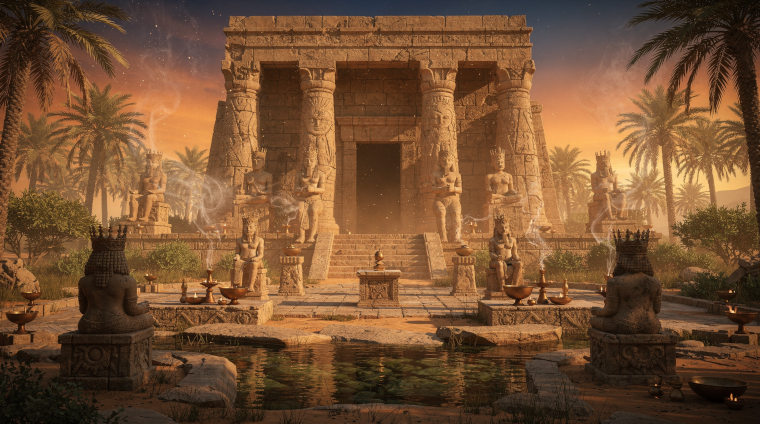 The image was generated using AI technologies


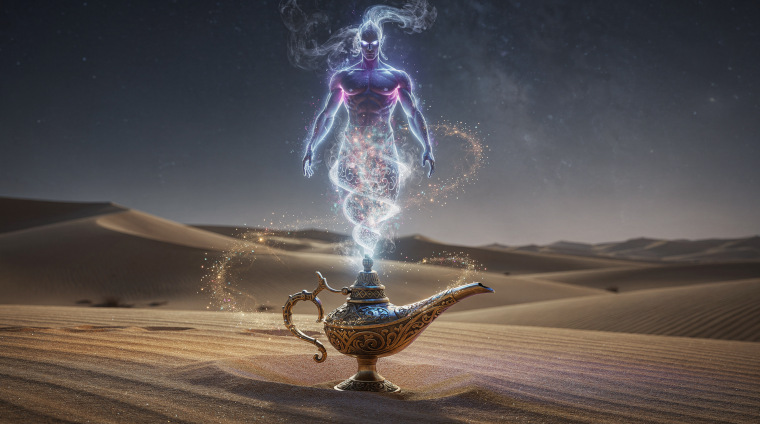 The image was generated using AI technologies


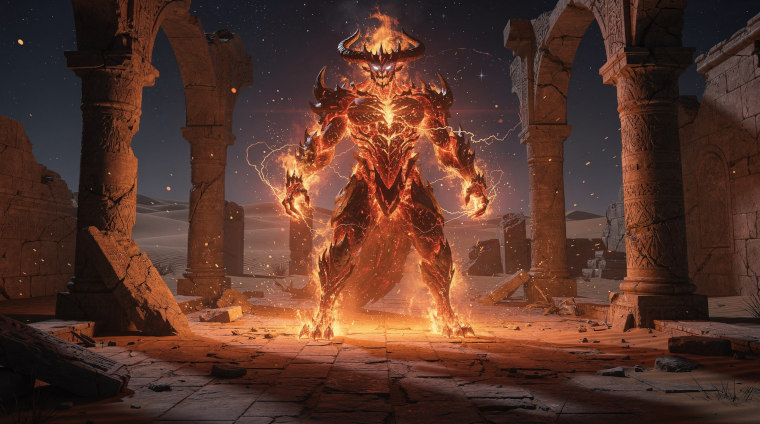 The image was generated using AI technologies