What is it about? The cities of the UAE are designed to allow you to create a wonderful life according to your preferences and needs. And thanks to this, the majority of the population in the emirates consists of foreigners.
Which city is the best? Dubai offers various opportunities for work, study, leisure and entertainment, and is also famous for its shopping centres, restaurants and nightlife. But it's not the only one in the rating of the most popular UAE cities.
Ranking of the Largest Cities in the UAE
The United Arab Emirates is a land of surprises that has managed to gain respect and recognition at the international level over the past decades thanks to achievements in various fields.
Each of the country's seven emirates is a unique combination of incredible and magical: from artificial islands to snow mountains in the middle of the desert. Large UAE cities have advanced urban design and favourable living climate, making them the best place for leisure, residence and business activities.
In 1971, the emirates united and since then have managed to achieve incredible heights in various fields in a relatively short period. Thanks to rich oil and gas reserves, the country is progressing at an incredible speed, attracting foreigners. For example, Dubai's population has increased by more than 165 times over the past 70 years.
Place
City
Emirate
Population
1
Dubai
Dubai
3,646,010
2
Abu Dhabi
Abu Dhabi
1,935,234
3
Sharjah
Sharjah
1,332,455
4
Ajman
Ajman
403,923
5
Al Ain
Abu Dhabi
374 000
6
Ras Al Khaimah
Ras Al Khaimah
230,903
7
Fujairah
Fujairah
145,940
8
Umm Al Quwain
Umm Al Quwain
72,936
The majority of the UAE population consists not of locals but of expatriates. Europeans, Americans, Asians and many others flock to this region in search of a better life and a more profitable work. Although not everyone manages to fulfil their ambitions in the UAE, the country's government offers various prospects for both businessmen and employees.
The UAE offers foreigners a wide choice of formats for business registration, tax exemption, a developed infrastructure and affordable workforce. This is just part of the many reasons that attract foreign investors. Employees are also in favourable conditions.
Although significant income should not be expected when working in the service industry, agro-industry or construction, the upper and middle managers rarely regret their choice, as their standard of living in the Arab Emirates is higher, and earnings are many times more than what they could get in their home country.
Usually, expats tend to choose between Dubai or Abu Dhabi as their place of residence. These cities are indeed the most prosperous, wealthy, and populated. There are many vacancies for foreign specialists, free economic zones for entrepreneurs, a diverse residential real estate market, and many leisure options.
Image source: Po-Hsuan Huang / unsplash.com
However, about 80% of the UAE territory is not suitable for living in, which limits the choice. Nevertheless, those who have lived in the UAE for quite a long time recommend newcomers to consider settling in six other cities of the country. Let's examine in more detail the best cities that are part of the UAE that can become an excellent place to live.
Rating of the Best Cities for Living in the UAE
Dubai
This city is the largest in the UAE and the capital of the emirate of the same name. Dubai's government has always stood out for its innovative approaches to management, as it was here that the country's first free economic zone was created, and the construction boom began, which continues to this day.
Dubai's government was the first to realize how beneficial it was for state finances to attract foreign tourists, businessmen, and workers. Today, Dubai is the country's key seaport, financial and business centre, and aviation hub, with no trace left of its past of fishing huts and mangrove swamps.
Many of those who aspire to move to Arab countries tend to choose Dubai for residence, attracted by its unique advantages:
the country has a significant number of free economic zones with great opportunities for business development;
the developing real estate market presents a wide range of offers, from budget options to elite objects with excellent infrastructure;
many vacant positions are available for both highly qualified specialists and people looking for work without special requirements;
foreigners can enjoy a certain degree of freedom in choosing behaviour style and clothing, especially in areas where the expat community predominates, such as Dubai Marina, Palm Jumeirah, Jumeirah Beach Residence and others;
public transport in the city is well organized: buses, taxis run regularly on the streets, and there is also a metro;
a lively rhythm of city life, and a variety of places for recreation and entertainment.
Like any other metropolis, Dubai also has its disadvantages:
in summer months, Dubai becomes one of the hottest places on the planet, where maximum temperature indicators often rise above 40°C;
as a result of high concentration of population and vehicles, Dubai has become a noisy place with regular traffic jams;
continuous construction and bold architectural solutions, including the creation of artificial islands, have had a negative impact on the ecosystem of the urban environment.
Abu Dhabi
Abu Dhabi is the capital of not only its emirate but also the entire UAE. Government authorities are located in this city. Foreigners often compare it to the embodiment of legendary Arab wealth, where oil flows under their feet.
The city is indeed permeated with luxury, and its residents live in abundance. Abu Dhabi acts not only as an administrative but also industrial, financial, commercial, and cultural heart of the UAE. It is the main source of state budget income, as it contributes over 50% to the country's GDP.
Almost two million people currently live in Abu Dhabi, among whom people from other countries predominate.
High-rise buildings resembling New York skyscrapers adorn the city's waterfront, while the rest of it is built mainly with luxury villas and elegant townhouses, where residents lead a life of prosperity and tranquility. Several free economic zones operate in the urban area, which opens up business opportunities for both company owners and employees.
Image source: Paul Pablo / unsplash.com
Abu Dhabi attracts migrants with its main advantages:
higher quality of life;
the presence of free economic zones;
excellent prospects for professional growth and relaxation opportunities;
life flow is calmer, and the surrounding nature is much cleaner than in Dubai;
superior level of security, ideal for family comfort with young children.
Still, Abu Dhabi has its weaknesses:
in summer days, temperature often rises above 40°C;
public transport currently includes only taxis and buses, however, authorities have promised to start the construction of metro in the near future;
high cost of real estate and impossibility to find budget accommodation options.
Al Ain
This ancient city, part of the Abu Dhabi emirate, is located 148 kilometres away from the capital and is the fourth most populous within the Arab Emirates (almost half a million residents). It has become one of the country's key cultural and tourist centres.
Despite the absence of seaside resorts (due to lack of coastline), the city of Al Ain entices tourists with its unique attractions, including a university, mineral springs, the largest UAE zoo, a historical fort, shopping centres, and numerous park zones with fountains.
Undoubtedly, the number of business prospects and open job positions in Al Ain significantly falls behind Dubai and Abu Dhabi, however, it steadily progresses, making it a potential competitor in the future. Today's Al Ain is a green city with no traffic jams, affordable housing, high security level, and excellent conditions for life and professional growth.
Sharjah
Over the past five years, its territory has significantly expanded through the integration of adjacent settlements. It is becoming a preferred residence for expats seeking to find work in manufacturing or manage their own industrial enterprises.
Image source: Vivek Vg / unsplash.com
Sharjah is distinguished by the presence of extensive industrial areas and has 40% of the country's industrial capacity. In the city, you can find many interesting places, such as the third largest fountain in the UAE, King Faisal Mosque, watchtowers, an amusement park, and much more.
Sharjah's advantages:
it is located next to Dubai;
there are spaces with special economic regime available for use;
the costs for housing, food, and other expenses are quite attractive;
there is an international airport and a sea terminal in the metropolis;
an advantageous location next to the Persian Gulf and the Gulf of Oman.
However, Sharjah has one disadvantage. This emirate, along with its capital, is one of the most conservative places in the Arab Emirates. In this region, the alcohol ban is fully observed. Tourists don't have access to entertainment like hookah bars.
Living in Sharjah, you'll have to be attentive to clothing choices, especially for females: avoid wearing short skirts, shorts, and clothes with open necklines or shoulders.
Fujairah
This town, despite its small size compared to others, stands out for its unique cozy atmosphere. About 50 thousand residents live in it, making it seventh in population. The city is located on the coast of the Gulf of Oman and besides the international airport also has a seaport.
The Fujairah emirate operates a free economic zone, creating excellent conditions for foreign businessmen's activities. Although the number of vacancies here is not as large as in metropolises, it won’t be hard to find a suitable job. Additionally, the cost of living in Fujairah is affordable, and the comfort level is quite high.
The city's iconic symbol is an ancient fort with well preserved battle ruins. The emirate is distinguished by picturesque mountain landscapes, making it ideal for walks and active pastimes. Unlike Dubai and Abu Dhabi, Fujairah is not a metropolis; it is ideal for families preferring tranquility and avoiding urban bustle.
Ras Al Khaimah
The city of Ras Al Khaimah is a key administrative and economic hub of the UAE, where today there are more than 100 thousand residents. This ancient city was originally called Julfar and is located in the northern part of the country, washed by the Persian Gulf waters. The gulf waters divide the city into two parts: the old one, abundant with historical monuments, and the new one, which attracts expats for life and business.
Ras Al Khaimah is famous for its outstanding international transport connections, including seaport and airport. Travel from Ras Al Khaimah to Dubai along a modern highway with a perfect surface takes one hour.
Expats highlight the following among the important advantages of this city:
two free economic zones, one of which enables the creation of offshore enterprises;
affordable prices for living, renting, and property acquisition;
Ras Al Khaimah, located in the shadow of the Hajar Mountains, is distinguished by pleasant climate. Summer temperatures here are significantly lower than in other regions of the country;
a variety of options for leisure, including visiting a beach.
Perhaps the most significant drawback of Ras Al Khaimah is the absence of a public transport system, except for taxi services. Living here requires a personal car, whether for moving around the city or traveling to neighboring emirates, as Ras Al Khaimah is not connected with other UAE regions by either bus or other types of public transport.
Ajman
Ajman is distinguished by its high population density by UAE standards, where about two hundred and fifty thousand residents live. Located on the Persian Gulf coast, the city has a developed seaport open to international shipping.
Among its attractions are such significant places as the museum, Al Nuaimi Mosque, an ancient watchtower, and a sports complex where camel racing competitions are regularly held. In Ajman, the traditional craft — the construction of dhow sailing vessels — is preserved and developed to this day.
By turning your attention to this city, you'll find a whole range of possibilities:
housing with low cost but good quality level (often the choice of foreign specialists working in Dubai);
no restriction on alcoholic beverages;
a possibility of creating business in a free economic zone where foreigners have the right to register their companies under attractive conditions;
convenient city infrastructure;
comfortable beach recreation.
Ajman doesn't have significant drawbacks, however, it can provide tourists and employees with fewer chances for professional growth and leisure. Nevertheless, for work and leisure, you can always consider nearby Dubai, which is only 15 kilometers away.
Umm Al Quwain
This cozy city occupies a space of just over two thousand square kilometers, spreading out on a sandy cape surrounded by Persian Gulf waters. The population is about seventy thousand people.
For workers who came to the UAE for earnings, the local town might seem unattractive due to lack of jobs. However, for businessmen, there is an opportunity to register their company in one of the free economic zones.
Image source: Salman Sidheek / unsplash.com
Usually, people choose Umm Al Quwain because:
for tourists seeking to learn about the lifestyle of native UAE residents and wanting to escape from the urban bustle this is and excellent choice;
expats, who experience discomfort from the busy Dubai lifestyle with its high-rise buildings and the exquisitely expensive Abu Dhabi city life, find peace and comfort in their daily life in Umm Al Quwain.
The main disadvantages of Umm Al Quwain are its remoteness, a weak job market, and an underdeveloped real estate sector.
Frequently Asked Questions about UAE Cities
Is there a city in the UAE that has the lowest level of prosperity?
Ajman has no oil reserves, which makes it not the wealthiest of emirates and, consequently, its city is poor. However, nearby, in the territory of the Masfout enclave, there are mineral springs, which are the main source of drinking water for the UAE and even some neighbouring states.
Which of the United Arab Emirates cities is the most beautiful?
The city of Fujairah is one of the most picturesque corners of the UAE on the eastern edge of the country on the shore of the Gulf of Oman. Fujairah is famous for its amazing beaches with clear water and magnificent mountain views.
Which United Arab Emirates city is known for coolness?
Fujairah stands out for its abundance of greenery and cool climate.
Obviously, the UAE's fame is not limited to just Dubai and Abu Dhabi. In this country, there are many popular cities capable of attracting foreigners' attention.
Do Russians need a visa for the UAE and how do you obtain one? What documents are required to enter the UAE? What are the differences between entry rules for Dubai, Sharjah and Abu Dhabi? What you nee...
Which desert surrounds Dubai? Where the desert is located and how to get there? The best places for photo shoots in the desert. Entertainment and activities in the desert. FAQ.
Specifics of Carrefour in Dubai. Average food prices in Dubai in 2025. Must-buy items in Dubai supermarkets. Competitors of Carrefour Dubai. Frequently asked questions about Carrefour Dubai.
Why cars are tinted in Dubai. UAE tinting rules: what's allowed and what's banned. Mirror tinting: is it allowed? Tinting on company vehicles and taxis. How much does tinting cost in Dubai. Choosing f...
Oman as a beach holiday destination: everything you need to know. The best seaside resorts in Oman. Comparing resorts: how to choose based on your priorities. Oman hotels and holiday budget. Frequentl...
Specifics of working in Abu Dhabi. Popular industries in Abu Dhabi. Places to search for jobs in Abu Dhabi. Obtaining a work visa in Abu Dhabi. Salary range in Abu Dhabi. Frequently asked questions ab...
The Arabian Peninsula before the formation of the Saudi state. The first and second Saudi states. The creation of the modern Kingdom of Saudi Arabia. The development of Saudi Arabia in the 20th–21st c...
History and development of the UAE armed forces. Strength and structure of the UAE Army. Military service in the UAE: specifics and requirements. Armament and technical equipment. UAE Army in world ra...



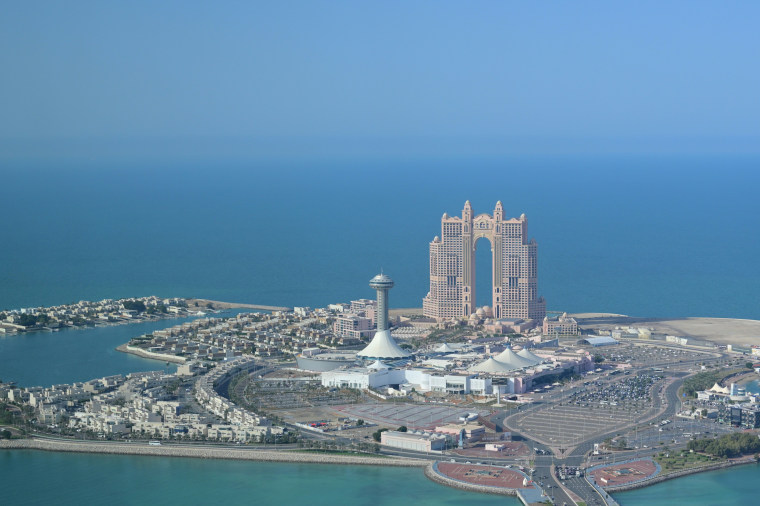 Image source: Po-Hsuan Huang / unsplash.com

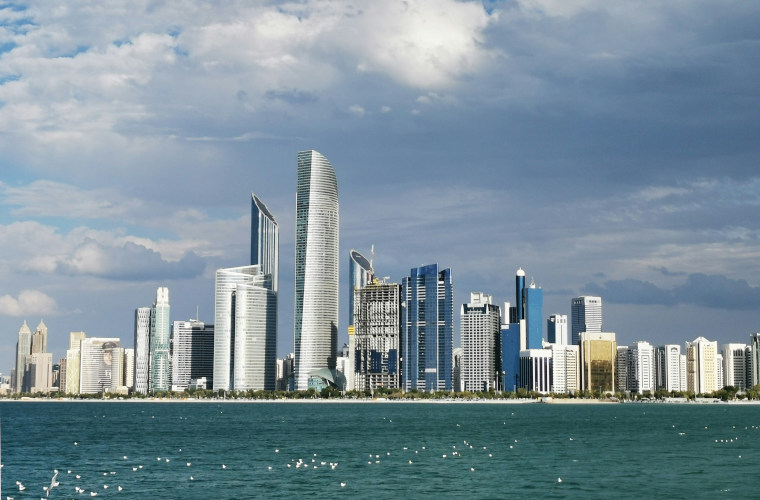 Image source: Paul Pablo / unsplash.com
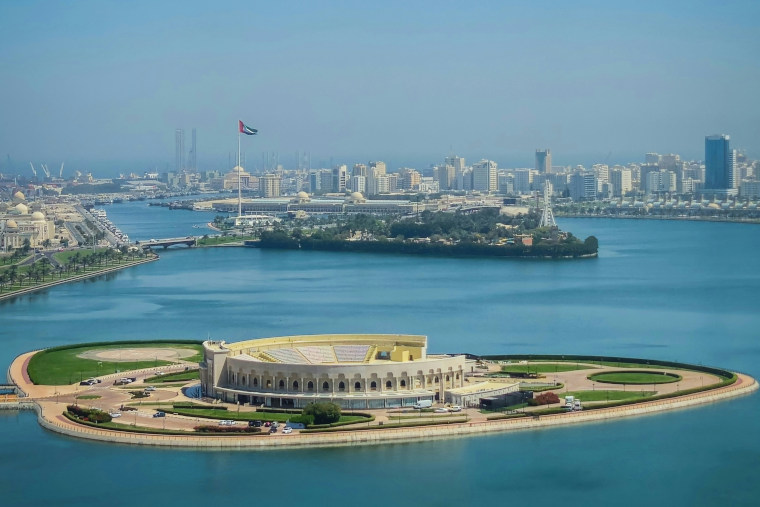 Image source: Vivek Vg / unsplash.com

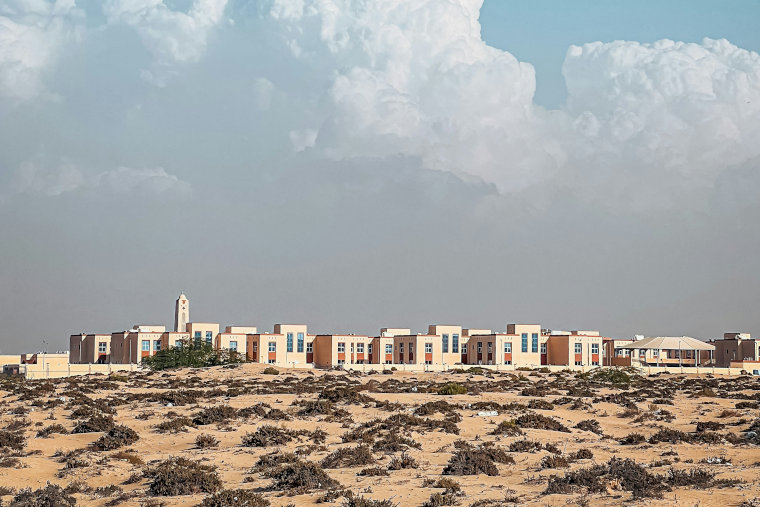 Image source: Salman Sidheek / unsplash.com