Can You Smoke in Dubai: A Complete Guide to Laws and Regulations for Tourists
Save the article:
Why is it important to know the smoking rules in Dubai? Dubai is a modern metropolis with strict laws and distinct cultural norms, where violating smoking regulations can lead to serious fines and even deportation. Many tourists and expats find themselves uncertain: can you smoke on a hotel balcony? Where can you find designated smoking areas? What restrictions apply to e-cigarettes? Ignorance of local legislation can ruin a holiday or create problems during long-term residence in the emirate.
Who is this article for? It will be useful for smoking tourists who are concerned about breaking the law in a foreign country and are looking for safe places to smoke in hotels and public spaces. Expats and long-term residents will find up-to-date information on adapting to local laws and changes in legislation. Business travellers will receive clear guidance on how to observe business etiquette and where to smoke between meetings without violating local norms.
Smoking Laws in Dubai and the UAE
The United Arab Emirates has some of the strictest anti-tobacco laws in the world, which apply to all seven emirates, including Dubai. The UAE's federal legislation governs tobacco policy through the Anti-Tobacco Law No. 15 of 2009, which was substantially amended in 2014 and 2019.
Federal laws on tobacco in the UAE
The foundation of anti-tobacco legislation is a federal law that sets the minimum age for purchasing and consuming tobacco products at 18 years. The law prohibits the sale of tobacco to minors and provides for fines for vendors ranging from 500 to 5,000 dirhams.
Federal legislation prohibits the use of tobacco products in public places, including shopping centres, restaurants, cafés, hospitals, schools, universities, and government buildings. Violating these regulations carries a fine of between 500 and 2,000 dirhams for individuals.
Dubai's local regulations
The Dubai Municipality has supplemented the federal laws with its own ordinances, making the restrictions even stricter. Can you use tobacco products outdoors in Dubai? The answer is not straightforward — tobacco is only permitted in specially designated outdoor areas, away from building entrances and public transport stops.
Image source: Seif Eddin Khayat / unsplash.com
Local authorities have established a minimum distance of 5 metres from the entrance to any building within which the use of tobacco is prohibited. Can you use tobacco products outdoors in Dubai near shopping centres? No — doing so incurs a fine of 1,000 dirhams.
Legislative specifics across the emirates
Each of the seven emirates has the right to supplement federal norms with its own restrictions. In the northern emirates, such as Sharjah and Ajman, even stricter requirements are in place. The emirates of Ras Al Khaimah and Fujairah have introduced additional restrictions for tourist zones.
A unified system of fines operates across the emirates, but local authorities may impose additional penalties. For example, in the emirate of Abu Dhabi, higher fines are provided for violations in tourist areas, which are frequently visited by tourists from many different countries.
A strict approach to law enforcement
The UAE takes a rigorous approach to enforcing anti-tobacco legislation at every level. The country's authorities closely monitor compliance with the prohibitions through modern surveillance technology and regular patrols. This strict approach is driven by the country’s commitment to maintaining high public health standards and creating a comfortable environment for family leisure.
Authorities are particularly strict about violations in tourist zones, as these may affect the country's reputation as a leading holiday destination. Strict compliance with anti-tobacco norms has become part of the national strategy to strengthen the UAE's image as a modern, health-conscious country.
Strict bans on tobacco
The list of places where the use of tobacco products is prohibited includes:
All forms of transport (metro, buses, taxis, trams)
Medical establishments and their grounds
Educational institutions and the area within a 100 metre radius
Children's playgrounds and amusement parks
Public beaches
Sports facilities and stadiums
Shopping centres and their car parks
Particular attention is given to government buildings — the use of tobacco is prohibited not only inside but also on the surrounding grounds within a radius of 50 metres. This applies to all ministries, municipal offices, and consulates.
Recommendations for tourists
Tourists should familiarise themselves with local requirements, as ignorance of the law does not exempt one from liability. Many tourists from European countries are accustomed to a more lenient attitude towards tobacco products, which can lead to difficulties in the UAE.
Special information leaflets in several languages are distributed at airports and hotels. Tour operators are obliged to inform their clients of the applicable restrictions before departure.
Examples of violations and their consequences
Real-world practice demonstrates how seriously the authorities treat compliance with anti-tobacco laws. In 2023, more than 3,500 violations related to the use of tobacco in public places were recorded in Dubai.
Using tobacco in a shopping centre — a fine of 2,000 dirhams plus a warning from the security service. A repeated violation may result in a ban from entering the establishment.
Violating regulations on the Dubai Metro — a fine of 2,000 dirhams and possible administrative detention for 24 hours. The video surveillance system automatically records all violations.
Using tobacco products on Jumeirah Beach — a fine of 1,000 dirhams. Patrol services regularly inspect the beaches, especially at weekends.
The control and penalty system
Compliance with anti-tobacco laws is monitored through several structures. Dubai's police have specialised units that patrol public areas. Shopping centres and hotels use their own security services to identify violators.
Fines are collected on the spot via an electronic system, which eliminates any possibility of negotiating with an inspector. All violations are recorded in a database and may affect future visa applications for tourists or the renewal of residency visas for expats.
Repeat violations result in fines being doubled, and systematic violations may lead to expulsion from the country for foreign nationals. Authorities pay particular attention to violations by tourists, as these can negatively impact the UAE's reputation as a tourist destination.
International cooperation in tobacco control
The UAE actively cooperates with international organisations in the field of combating tobacco use. The Emirates are a party to the WHO Framework Convention on Tobacco Control, which obliges the country to adhere to international standards in this area. This cooperation allows the country's authorities to continuously improve anti-tobacco legislation and share experience with other countries.
Image source: jannoon028 / freepik.com
International conferences and seminars are held regularly, at which UAE representatives share their experience of successfully implementing anti-tobacco policy. Many countries in the region are studying the Emirates' experience to implement similar measures in their own jurisdictions.
Where You Can Smoke in Dubai
In Dubai, smoking is permitted only in specially designated areas, which are clearly marked and regulated by local authorities. Understanding exactly where you can smoke cigarettes in Dubai will help you avoid fines and unpleasant situations during your stay in the emirate.
Specially equipped zones in hotels
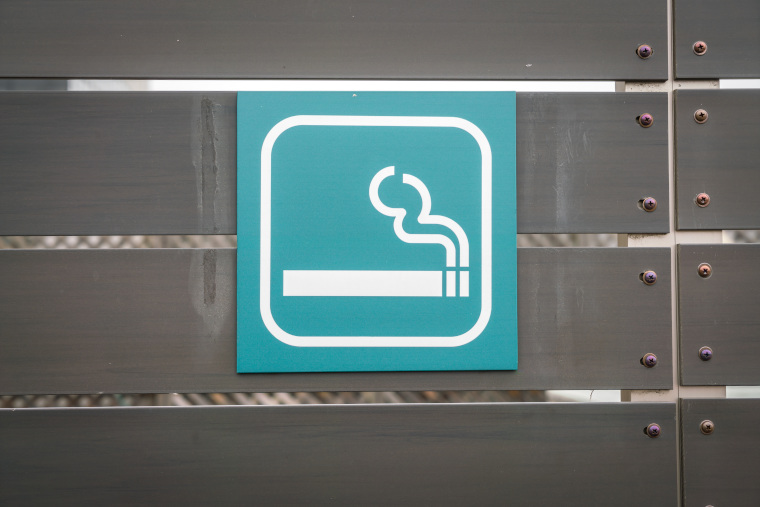
Most 4- and 5-star hotels have specially designated smoking areas. These areas are usually situated outdoors — on terraces, inner courtyards, or dedicated balconies. The hotels are required to display a "Smoking Area" or "Designated Smoking Zone" sign.
Hotel rooms generally do not have smoking areas — even in luxury establishments. Exceptions include some private villas and apartments, where smoking may be permitted on open balconies or terraces. It is important to clarify this information when booking.
On the balconies of standard rooms, the use of tobacco products is prohibited, even if the balcony appears private. Violating this requirement may result in a fine from the hotel of 200–500 dirhams, in addition to an official fine from the authorities.
Restaurants, bars, and entertainment venues
In restaurants, smoking is permitted only in specially designated open-air areas. Many establishments in the Dubai Marina, JBR, and Downtown areas have terraces for smoking guests. These areas must be separated from the main dining room and have appropriate ventilation in accordance with established standards.
Bars and lounges often offer smoking terraces or shisha areas. Some establishments have dedicated shisha rooms, which are considered an exception to the general prohibition on indoor smoking. However, ordinary cigarettes may not be used in such rooms.
Sports bars and pubs within hotel complexes generally have open areas where the use of tobacco products is permitted. It is always advisable to ask the staff for the location of the smoking area before ordering.
Dubai Airport and transport hubs
At Dubai International Airport, smoking rooms are located in each terminal. In Terminal 1, they can be found at the departure level near gates A2, B7, and C9. In Terminal 3, smoking areas are situated near gates A1, B3, and C5.
All smoking rooms in the airport are marked with the international cigarette symbol in a red circle and the inscription "Smoking Room". The rooms are equipped with ventilation systems and ashtrays. The use of tobacco products outside these areas within the airport is prohibited and carries a fine of 2,000 dirhams.
Smoking is prohibited on Dubai Metro stations, including on platforms and surrounding areas. The use of tobacco products in taxis and other forms of transport is also forbidden.
Beaches and public areas
On Dubai's municipal beaches, smoking is permitted only in specially designated zones, which are marked with the relevant signage. Jumeirah Beach, Kite Beach, and La Mer have such zones, usually situated away from children's playgrounds and the main leisure areas.
Private beach clubs may have their own requirements regarding the use of tobacco products. Some permit smoking in certain terrace zones, whilst others prohibit it entirely on their premises. It is necessary to clarify the requirements upon entry.
In parks and municipal gardens, the use of tobacco products is completely prohibited. This applies to the Dubai Miracle Garden, Zabeel Park, Creek Park, and other green spaces throughout the city.
The city's safety standards and sanitary requirements
Dubai's authorities have established clear safety standards for smoking areas across all districts of the city. Each specially designated area must comply with international standards for ventilation and fire safety. Regulations stipulate the mandatory presence of fire extinguishers and smoke-extraction systems in enclosed smoking rooms.
The city's sanitary standards require the regular cleaning of smoking areas and the replacement of ashtrays at least twice a day. Failure to meet these requirements may result in the establishment being closed for a period of up to 30 days. Standards also stipulate a minimum distance of 3 metres from building entrances and children's areas.
Practical tips for finding smoking areas
To quickly find smoking areas, use hotel and restaurant mobile applications — many display the location of such areas on their maps. When checking in to a hotel, ask the concierge for the location of the nearest smoking area.
Always look for official markings: signs reading "Smoking Area", "Designated Smoking Zone", or the international symbol. If there are no markings, it is best to refrain from using tobacco products in that location.
Источник: jannoon028 / freepik.com
In shopping centres, smoking areas are usually located on open terraces or in specially equipped rooms near food courts. In the Dubai Mall, such areas can be found on the LG level near the cinema and on the second-floor terrace. The regulations for the city's shopping centres stipulate the mandatory display of information signs in Arabic and English.
E-cigarettes and Vapes in Dubai
UAE legislation draws a clear distinction between the regulation of e-cigarettes and traditional tobacco products. Since 2019, electronic smoking devices have been subject to separate regulations, which set out specific requirements for their import, sale, and use.
The legal status of electronic devices
E-cigarettes, vapes, IQOS, and Pod Systems are officially classified as "alternative tobacco products" in accordance with the 2019 amendments to the federal law. This means they are subject to the same territorial restrictions as ordinary cigarettes, but with additional technical requirements.
Can you smoke e-cigarettes in Dubai? Yes, but only in the same specially designated areas where the consumption of traditional cigarettes is permitted. There are no allowances for electronic devices in municipal areas.
Import rules and licensing
The import of electronic devices for personal use is limited to two devices per person, plus a supply of liquids not exceeding 100 ml. Nicotine-containing liquids must have a concentration of no more than 20 mg/ml — the standard adopted in the EU.
Commercial import requires a special licence from the UAE Ministry of Health. All devices must comply with the standards of the Emirates Authority for Standardisation and Metrology (ESMA) and carry Arabic-language labelling with health warnings.
Age restrictions and sales
The minimum age for purchasing e-cigarettes is 18, as with traditional tobacco. Retailers are obliged to check identification documents and may refuse a sale if there is any doubt about the buyer's age.
Retail sales of e-cigarettes are permitted only at licensed outlets. Online sales are prohibited within the UAE, including delivery from abroad for private individuals.
Practical recommendations for hotel stays
In hotel rooms, the use of vapes is governed by the establishment's internal policy. Most 4- and 5-star hotels prohibit the use of any tobacco products in rooms, including electronic devices, due to the risk of triggering smoke detectors.
Image source: teksomolika / freepik.com
On hotel balconies, the use of e-cigarettes is generally permitted, but it is advisable to check the specific hotel's policy upon check-in. Some resorts have dedicated vaping areas with comfortable seating and charging stations.
Rules on Importing Tobacco Products
The UAE's customs regulations set clear limits on the import of tobacco products for personal use. Observing these requirements will help you avoid confiscation of goods and significant fines when crossing the border.
Duty-free import allowances
Adult passengers over the age of 18 may import 400 cigarettes, or 50 cigars, or 500 grams of tobacco duty-free. These allowances apply regardless of whether you can smoke cigarettes in Dubai in specific locations — importation is governed by separate customs regulations. Exceeding the permitted quantities automatically incurs a customs duty of 100% of the value of the goods.
Declaration procedures and duties
When the duty-free allowances are exceeded, it is necessary to complete a customs declaration form in the red channel at the airport. Duty is calculated based on the retail price of tobacco products in the UAE, which significantly exceeds duty-free prices. Concealing tobacco products in excess of the allowance carries a fine of between 4,000 and 20,000 dirhams.
Recommendations on duty-free purchases
Purchasing tobacco products at Dubai Airport's duty-free shops is 40–60% cheaper than buying in the city's shops. Bear in mind that smoking is restricted to designated areas, so calculate the quantity you need based on the planned duration of your stay.
Keep duty-free receipts in order to present them to customs officers if proof of lawful purchase is required.
Packaging and transportation requirements
Requirements for the transportation of tobacco products stipulate that they be placed in hand luggage or checked baggage. Open packets of cigarettes must be in hand luggage to allow inspection by customs officers. Aviation safety regulations prohibit smoking on board aircraft, including the use of electronic devices.
Additional restrictions
Remember: the use of e-cigarettes in Dubai is governed by separate regulations, but their import is also subject to customs restrictions applicable to tobacco products.
The established import allowances apply to all types of tobacco products, including chewing tobacco and snus. Violating the applicable requirements may result not only in financial penalties but also in temporary detention at the airport.
Practical Advice for Smokers
Knowledge of certain nuances will help smokers feel comfortable in Dubai, avoiding cultural misunderstandings and legal problems. It is important to remember that respecting local traditions and planning ahead will make your stay as comfortable as possible.
Finding smoking areas and navigating the city
To quickly find smoking areas, use the Careem app or Google Maps with the search query "smoking area Dubai". In shopping centres, ask at information desks — staff will always point you to the nearest smoking area. At hotels, ask for the location of designated smoking areas upon check-in to avoid unpleasant situations.
Image source: senivpetro / freepik.com
The Dubai Municipality mobile application contains an up-to-date map of smoking areas. Many restaurants and cafés include information about their smoking terraces on their websites in the "Facilities" section.
Smoking etiquette and cultural considerations
Before travelling, familiarise yourself with the basics of local etiquette. Never smoke in the presence of local residents without permission, especially near women and children. If you see an Emirati in traditional dress (a dishdasha or abaya), move at least 10 metres away before smoking.
During the holy month of Ramadan, special restrictions apply: smoking cigarettes in Dubai during daylight hours is only permitted in enclosed smoking rooms at hotels. Can you smoke outdoors in Dubai during this period? Absolutely not, as smoking is prohibited from dawn to dusk, even in the usual smoking areas.
Purchasing tobacco products
Cigarettes are sold at licensed supermarkets, ADNOC and Emirates petrol stations, and specialist tobacconists. The average price of a packet of an international brand is 15–25 dirhams (4–7 US dollars). The best places to buy are Carrefour, Spinneys, and Waitrose, which carry a wide range of products.
Be sure to have your ID document with you, as only persons over the age of 18 are permitted to buy tobacco products. Can you use e-cigarettes in Dubai? Yes, but purchase nicotine liquids only from licensed vape shops in shopping centres. Avoid street vendors — the risk of purchasing counterfeit products is high.
Practical recommendations for behavior
The use of tobacco is completely prohibited in all forms of public transport and taxis. When booking a hotel room, check for the availability of a smoking balcony. In restaurants, request a table in the smoking section in advance — not all establishments have such areas.
Always extinguish cigarettes in dedicated ashtrays and do not discard cigarette butts on the ground — the fine is 500 dirhams. Have a portable ashtray with you for use in permitted areas.
Compliance with local norms and regulations
Local norms require particular attention to detail. Rules of conduct in crowded places include a prohibition on smoking within 15 metres of the entrances to mosques and schools. Requirements for tourists stipulate the mandatory use of only designated smoking areas.
Safety regulations require compliance with fire prevention measures — do not smoke near petrol stations or in dry desert areas. Etiquette principles dictate asking those around you for permission before smoking in smoking areas. The penalty system includes fines for violating tobacco legislation ranging from 500 to 2,000 dirhams, depending on the severity of the offence.
Frequently Asked Questions
Can you smoke on a hotel balcony in Dubai?
Whether smoking is permitted on a hotel balcony depends on the establishment's policy and the type of room. Most hotels prohibit the use of tobacco products on balconies due to the fire risk and complaints from other guests.
Some hotels have designated smoking rooms with permission to use tobacco products on the balcony. Be sure to clarify the hotel's requirements upon check-in to avoid fines of between 500 and 2,000 dirhams.
What is the fine for smoking in a shopping centre?
The fine for using tobacco products in Dubai's shopping centres ranges from 500 to 3,000 dirhams, depending on the mall and the circumstances of the violation. Repeated violations may result in the fine being increased to 5,000 dirhams and a temporary ban from entering the shopping centre.
Image source: Andrii Yalanskyi / shutterstock.com
Mall security actively patrols the premises and immediately responds to violations of anti-tobacco legislation. In some cases, attendance at a police station to complete a report may be required.
Are e-cigarettes permitted on flights to Dubai?
E-cigarettes and vapes are prohibited for use on board all flights bound for the UAE, in accordance with international aviation standards. These devices may only be transported in hand luggage in a switched-off state, with batteries removed or protected against accidental activation.
Using an e-cigarette on an aircraft carries a fine from the airline of up to 5,000 US dollars. Refill liquids are subject to the general requirements for the carriage of liquids in hand luggage.
Can you smoke a shisha in public places?
The use of shisha in public spaces in Dubai is prohibited under the same laws that govern tobacco smoking. Shisha is only permitted in licensed shisha establishments, specially equipped restaurants, and some hotels with the relevant permits.
The fine for using shisha outdoors or in unauthorised locations ranges from 1,000 to 5,000 dirhams. Many tourists mistakenly believe that shisha is less strictly regulated, but UAE law makes no distinction between types of tobacco products.
What should you do if you are caught smoking in a prohibited area?
If you are caught smoking in a prohibited area, remain calm and cooperate with the authorities. Immediately extinguish the cigarette, apologise, and explain that you were unaware of the prohibition, if that is genuinely the case.
Be prepared to present your documents and pay the fine on the spot, or to visit the nearest police station. Do not attempt to argue or respond aggressively, as this may worsen the situation and increase the size of the fine.
How many cigarettes can you bring into the UAE duty-free?
Persons over the age of 18 may import up to 400 cigarettes, or 50 cigars, or 500 grams of tobacco duty-free for personal use. Exceeding these allowances incurs a customs duty of 100% of the value of the goods, plus VAT at 5%.
All tobacco products must be declared when passing through customs control. The import of tobacco products by persons under the age of 18 is prohibited and may result in confiscation of the goods and a fine.
The UAE's customs requirements clearly regulate the procedure for importing tobacco products. In accordance with current regulations, all tobacco products must be in their original factory packaging. The provisions also stipulate the mandatory declaration of all tobacco products regardless of quantity, which helps to avoid misunderstandings at customs.
Moving to and living in Dubai attracts many people. This is not surprising: high level of comfort and almost absolute security, first-class healthcare and excellent education system, low taxes.
General information about alcohol consumption rules in Dubai. Alcohol-related fines in Dubai. Places where you can buy alcohol in Dubai. Popular restaurants and nightclubs in Dubai licensed to sell al...
General information about the Dubai Marina district. Hotels in the Dubai Marina district. Real estate in the Dubai Marina district. Transport in the Dubai Marina district. Popular restaurants in the D...
Oman as a beach holiday destination: everything you need to know. The best seaside resorts in Oman. Comparing resorts: how to choose based on your priorities. Oman hotels and holiday budget. Frequentl...
Distance and journey time from Dubai to Fujairah. Bus E700: the cheapest option. Taxi and transfer from Dubai to Fujairah. Driving from Dubai to Fujairah. How to get from Abu Dhabi to Fujairah? Conclu...
Sea and gulf — what is the difference? The Persian Gulf — the main waterway of the UAE. Water temperature, sharks and the best seasons. Dubai's beaches and artificial islands. Activities and attractio...



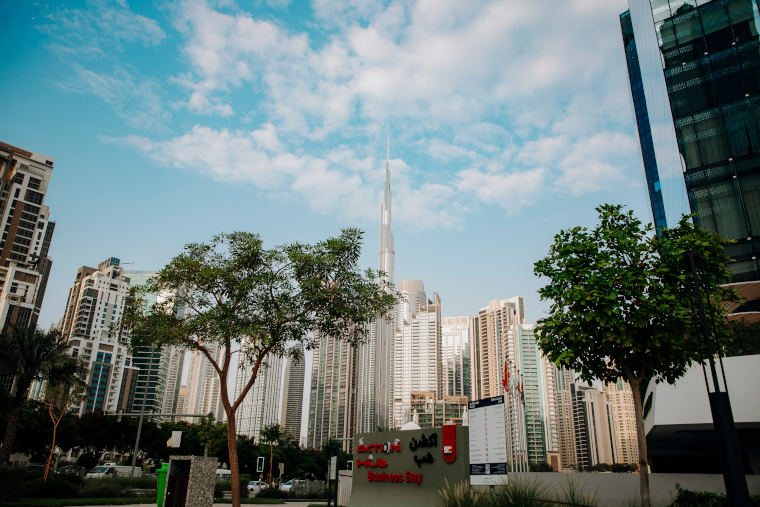 Image source: Seif Eddin Khayat / unsplash.com

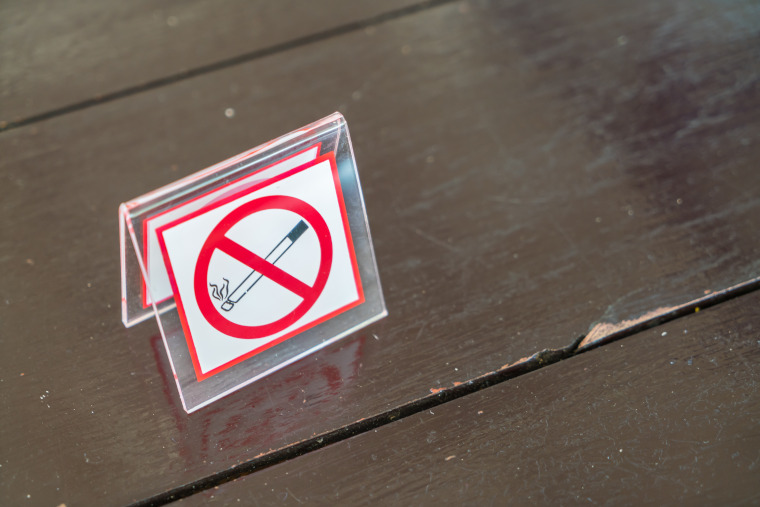 Image source: jannoon028 / freepik.com

 Источник: jannoon028 / freepik.com

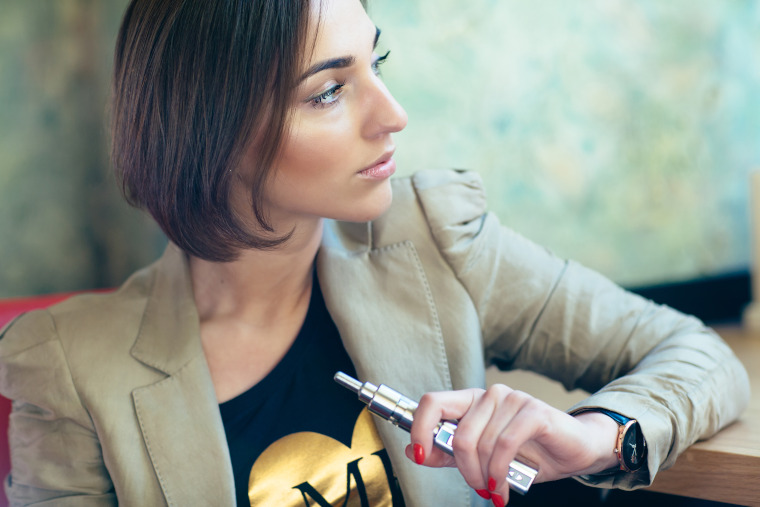 Image source: teksomolika / freepik.com

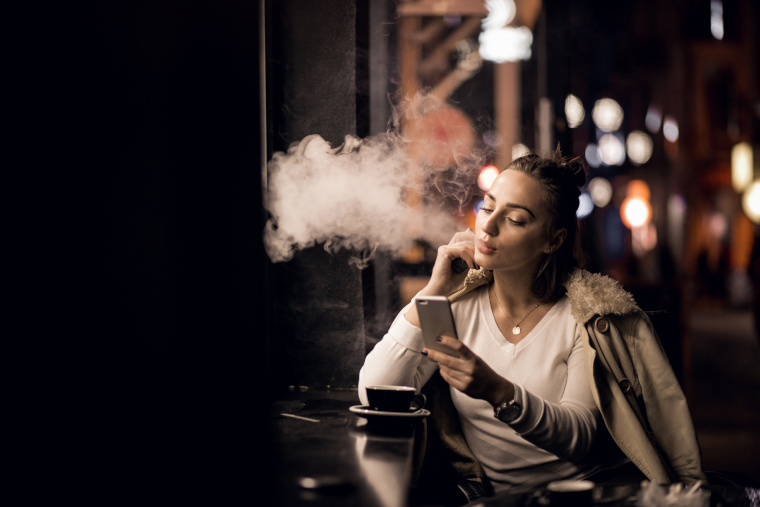 Image source: senivpetro / freepik.com

 Image source: Andrii Yalanskyi / shutterstock.com