Home/Everything about the UAE/The Sea in Dubai and the Persian Gulf: Water Temperature, Beaches and Holidays in the UAE
19.05.2026
Everything about the UAE
1218
Reading time: 11 minutes
The Sea in Dubai and the Persian Gulf: Water Temperature, Beaches and Holidays in the UAE
Save the article:
What is the Persian Gulf and why is it no worse than an ordinary sea? Many tourists are surprised to learn that Dubai does not have a sea in the conventional sense — it has a gulf. But this is precisely what makes the water warmer, the waves calmer, and entering the water safe even for children. This article provides a comprehensive overview of the geography, water temperature by season, the best beaches, and water-based activities.
Who will find this article useful? Those travelling to Dubai for the first time who want to know what to expect when swimming. Those choosing the right time of year for their trip. Families with children, fans of active holidays, and anyone who wants to understand the geography of the UAE — without padding or vague generalisations.
Sea and Gulf — What is the Difference
When people talk about the sea in Dubai, they mean the Persian Gulf. Technically, it is a gulf, not a sea. But the difference is not as great as it might seem at first glance.
How a gulf differs from a sea
A sea is a part of the ocean, surrounded by land on three sides or separated by islands. A gulf is a body of water that cuts more deeply into the land and is connected to the ocean through a narrow strait. The Persian Gulf is connected to the Indian Ocean via the Strait of Hormuz.
In practice, the difference for tourists is minimal. The gulf even has certain advantages: the water warms up more, the waves are gentler, and the entry into the water is gradual. Swimming there is comfortable even for children.
Which waters wash the UAE: the Persian Gulf and the Gulf of Oman
Most of the emirates, including Dubai, Abu Dhabi, and Sharjah, have coastlines along the Persian Gulf. Fujairah is the only emirate on the eastern coast. It is washed by the Gulf of Oman, which is also part of the Indian Ocean, but with more open water and larger waves.
Image source: Thiago Neves / unsplash.com
Two different coastlines — two different characters of water. The Persian Gulf is calmer and warmer; the Gulf of Oman is closer to a real open sea.
The Persian Gulf — The Main Waterway of the UAE
The Persian Gulf is not merely a geographical feature. It is the foundation of the economy, history, and natural environment of the entire region.
Geographical position and connection to the Indian Ocean
The gulf stretches approximately 1,000 kilometres between the Arabian Peninsula and Iran. Its average depth is around 50 metres, and the maximum does not exceed 90 metres. By the standards of ocean waters, this is very shallow. It is precisely this shallow depth that explains the high water temperature and intensive evaporation.
Through the Strait of Hormuz, the gulf connects to the Gulf of Oman, and then to the Indian Ocean. The strait is of strategic importance: a significant share of the world's oil exports passes through it.
Economic and strategic significance
The Persian Gulf coastline is one of the largest oil and gas regions on the planet. The UAE's ports are among the busiest in the world. The port of Jebel Ali in Dubai handles cargo from across the Middle East, Africa, and South Asia.
Trade routes through the gulf existed long before the discovery of oil. Pearls, fish, dates — all of these were exported from there for centuries to India, Persia, and further east.
Ecology and nature: corals, dugongs and oil tankers
Beneath the waters of the Persian Gulf lies a rich underwater world. Dugongs live there — rare marine mammals listed in the Red Book. Sea turtles, manta rays, and dozens of species of tropical fish are also found here. There are also coral reefs there, though they are less developed than those in the Red Sea.
Oil tankers passing through the Strait of Hormuz do have an impact on the ecology. Small oil slicks on the surface of the water are not uncommon. However, in the area around Dubai's beaches, the water is considerably cleaner than in the open part of the gulf. The city authorities monitor the condition of the coastal zone.
The cultural and historical significance of the gulf for the Emirates
Before the oil boom, pearl diving was the foundation of the coastal economy. Divers would descend without scuba equipment to collect oysters. This trade had existed for thousands of years and came to an end only in the mid-20th century, with the advent of cultured pearls from Japan.
Image source: wirestock / magnific.com
Fishing and seafaring shaped the culture and character of the peoples of the gulf. Traditional wooden dhow boats are still built by hand and used for leisure trips to this day.
Water Temperature, Sharks and the Best Seasons
The waters of the Persian Gulf in Dubai are warm at any time of year. However, the seasons do differ — both in terms of swimming comfort and the weather overall.
Water temperature by month
The gulf warms up quickly due to its shallow depth. In winter, the water remains pleasantly warm — around 22–24°C. In summer, it heats up to 35°C and above, which is in itself unusual for any body of water.
Season
Months
Water temperature
Air temperature
Swimming conditions
Winter
December–February
22–24°C
18–26°C
Comfortable for most tourists. Cool by local standards, but warm enough for swimming.
Spring
March–May
24–28°C
26–37°C
Excellent swimming conditions. The water is warm, and the heat is not yet extreme.
Summer
June–August
32–35°C
38–46°C
The water is very warm. The heat is extreme. The beach is only viable in the early morning or in the evening.
Autumn
September–November
28–32°C
28–38°C
The sea is warm, and the heat gradually subsides. A good time for beach holidays.
The water temperature in the Persian Gulf never drops below 20°C. By comparison, in winter the Mediterranean Sea off the coast of Spain is around 13–15°C. Dubai is ahead in terms of water warmth at any time of year.
Sharks in the Persian Gulf in Dubai: is there any danger
Sharks do exist in the Persian Gulf. The most commonly encountered are reef sharks and whitetip sharks. They are relatively small and not aggressive towards humans.
On Dubai's equipped public beaches, the risk of encountering a shark is close to zero. The beaches are protected by nets and boom barriers. Lifeguards are on duty every day. Recorded shark attacks on tourists on Dubai's beaches are extremely rare — just a handful in the entire history of recorded observations.
Important! Jellyfish can be encountered in the gulf, particularly during the summer months. They are not fatally dangerous, but may cause skin irritation. Before swimming, it is worth checking with the lifeguards about current conditions at the beach.
The best seasons for a beach holiday
The choice of season depends on what matters most: warm water, mild air, or a combination of beach time and sightseeing.
Autumn is the velvet season. The sea is still well warmed from the summer, and the air gradually cools down. September is hot, but October and November are the optimal months. There are also fewer tourists than in winter.
Spring is the season for active holidays. March and April are ideal: the water is warm, the air is comfortable, and the sun does not scorch. By May, the summer heat can already be felt.
Winter brings a mild climate. December to February attracts tourists from Europe and Russia. The water is around 22–24°C — cool by Dubai standards, but considerably warmer than any European resort in winter. This is the peak tourist season, with higher prices.
Summer is for the bold. Air temperatures exceed 40°C. The beach is only accessible in the early morning and after sunset. On the other hand, the water feels like a warm bath, there are few tourists, and hotel prices are noticeably lower.
Dubai's Beaches and Artificial Islands
The Persian Gulf coastline in Dubai offers kilometres of well-maintained beaches and unique man-made islands found nowhere else in the world.
Beach features: sand, service and infrastructure
Dubai's beaches boast fine white sand, a gentle entry into the water, and calm shallow sea. The waves rarely exceed half a metre. This makes the coastline comfortable even for families with children.
Image source: frantic00 / shutterstock.com
The city's public beaches are equipped with shower cubicles, changing rooms, toilets, and cafés. Many have rental facilities — sun umbrellas, sun loungers, and water sports equipment. Lifeguards are present every day during daytime hours.
Jumeirah Beach — long and popular, with views of the Burj Al Arab. Suitable for families and those looking for a classic beach holiday.
Kite Beach — one of the best city beaches. Well-developed infrastructure, several leisure zones, cafés and restaurants.
JBR Beach — located next to the Jumeirah Beach Residence district. Plenty of cafés, shops, and a lively atmosphere. Popular with young people and expats.
Hotel beaches — private areas with a higher level of service. Available to hotel guests or for an additional fee.
The rules of conduct on UAE beaches require respect for local traditions. Swimwear is appropriate directly on the beach and by the pool. Beyond these areas, it is customary to cover up.
Dubai's artificial islands in the Persian Gulf
Dubai has created islands in the waters of the Persian Gulf that did not previously exist in nature. These are large-scale projects that have transformed the appearance of the coastline.
The islands additionally protect the shoreline from waves. The water between the islands and the mainland becomes even calmer and warmer — ideal for swimming and water sports.
Island name
Key features
Palm Jumeirah
Residential villas and apartments, hotels, shopping centres, a water park, a monorail
The World Islands
300 islets in the shape of a world map. Partially developed, with some still under construction
Bluewaters Island
Residential and commercial buildings, the Ain Dubai observation wheel, restaurants and shops
Palm Jumeirah is the most famous of the islands. Its palm-tree silhouette is visible from space. The island is home to hundreds of villas, dozens of hotels, a water park, and its own transport system — a monorail. It is a world unto itself within the city.
Activities and Attractions along the Gulf
The Persian Gulf in Dubai offers far more than beach holidays. There is a comprehensive infrastructure for water sports, boat trips, and urban experiences. The majority of the city's main attractions are concentrated close to the coastline.
Yachting, dhow cruises and catamaran trips
Hiring a yacht is one of the most popular ways to spend time on the water. You can head out into the gulf for a few hours or arrange a dinner on board with views of Dubai's night skyline. Traditional wooden dhow boats offer evening cruises with dinner — a combination of history and modern-day service.
Kitesurfing, wakeboarding and parasailing
For fans of active water sports, Dubai has everything. Kitesurfing is particularly popular at the beaches to the north of the city centre, where there is a steady wind. Wakeboarding and water skiing are available on dedicated courses. Parasailing allows you to rise above the gulf and see the city from a bird's-eye view. Flyboarding is a more exotic option for those who want to literally soar above the water.
Diving, snorkelling and water parks
The underwater world of the Persian Gulf near Dubai's shores is not the richest — visibility and the variety of reefs are better off the coast of Fujairah on the Gulf of Oman. However, there is still plenty to see in Dubai's waters: sunken vessels, artificial reefs, moray eels, and parrotfish. Snorkelling is accessible from the shore or from a boat.
The water parks along the Persian Gulf coastline are among the largest in the world. Slides, wave pools, and lazy rivers make for a full day's programme on their own. Fishing in the open waters of the gulf is also popular: organised fishing tours head out in search of barracuda, tuna, and snapper.
Burj Khalifa, the Dubai Fountain and the Dubai Mall
The world's tallest building is just a few minutes away from the gulf. At its foot stands the Dubai Fountain, which puts on a show every evening. Nearby is one of the world's largest shopping centres, complete with an indoor ice rink, an aquarium, and hundreds of shops and restaurants.
Burj Al Arab and Jumeirah Mosque
The sail-shaped hotel has become the symbol of Dubai. It stands on a small artificial islet directly in the gulf and is visible from most beaches in the Jumeirah area. Nearby is the Jumeirah Mosque, one of the few religious sites in Dubai that is open to non-Muslim visitors.
Museum of the Future, Ain Dubai and Dubai Miracle Garden
The Museum of the Future is a torus-shaped building with Arabic calligraphy on its façade. Inside are interactive exhibitions about technology and civilisation. The Ain Dubai observation wheel on Bluewaters Island is one of the largest in the world. From the cabin, visitors enjoy a panoramic view of the gulf and the city skyline. Dubai Miracle Garden is a seasonal flower park: thousands of plants form sculptures and installations.
Conclusion
The Persian Gulf in Dubai offers warm, calm water, white sand, and well-developed infrastructure. The gulf is technically not a sea, but for swimming it is better suited than many actual seas: shallow water, an absence of strong waves, and a water temperature above 20 °C throughout the year.
The best time for a beach holiday is October to April. In summer the heat is extreme, but the water is at its warmest and prices are at their most affordable. Sharks are present in the gulf, but on the city's equipped public beaches they pose virtually no threat.
In addition to swimming and sunbathing, the coastline offers yachting, diving, kitesurfing, dhow cruises, and excursions to the artificial islands. And close to the water lies the majority of the city's iconic landmarks — from the Burj Khalifa to Jumeirah Mosque.
Frequently Asked Questions
Which sea washes Dubai?
Dubai is washed by the Persian Gulf — part of the Indian Ocean. It is an inland sea connected to the ocean via the Strait of Hormuz. Technically it is a gulf rather than a sea, but it is entirely suitable for swimming and beach holidays.
What is the water temperature in the Persian Gulf in Dubai?
The water in the gulf is warm throughout the year. In winter it is around 22–24 °C; in summer it warms up to 32–35 °C. Even in the coolest months, swimming is comfortable.
Are there sharks in the Persian Gulf near Dubai's beaches?
Sharks do exist in the gulf, but on the city's equipped public beaches the risk is minimal. The beaches are protected by nets and lifeguards are on duty. Shark attacks on tourists at Dubai's beaches are extremely rare — just a handful in the entire history of recorded observations.
When is the best time to visit Dubai for a beach holiday?
The optimal months are October, November, March, and April. During this period the water is warm, the air is comfortable, and sunbathing carries no risk of heatstroke. Winter is also suitable, but this is the peak tourist season with higher prices.
Image source: SnapSaga / unsplash.com
Is the Persian Gulf part of the Indian Ocean?
Yes. The Persian Gulf connects to the Gulf of Oman via the Strait of Hormuz, and the Gulf of Oman is part of the Indian Ocean. As such, the waters of the gulf in Dubai belong to the basin of the Indian Ocean.
Why is the Persian Gulf sometimes called the Arabian Gulf?
This is a matter of politics and geographical nomenclature. The Arab countries of the region have traditionally used the name "Arabian Gulf". The Persian roots of the name go back through history — for centuries the gulf was associated with the Persian Empire. Both names are used depending on the context.
Article header image source: Sahil ibn Sarafudeen / unsplash.com
Top countries to live in 2026. Dubai as the best destination for relocation. Best countries to live in with children. How to choose a country for relocation: a practical guide. Frequently asked questi...
What cuisines are represented in Dubai restaurants? 5 best restaurants in Dubai according to MICHELIN Guide 2024. Fine dining restaurants in Dubai. 3 most expensive restaurants in Dubai. 10 inexpensiv...
Specifics of the administrative structure of the UAE. History of Abu Dhabi. Description of Abu Dhabi. Frequently asked questions about the capital of the UAE.
Does voice communication via messengers work in the UAE? Main telecommunication operators in the UAE. 3 telecommunication operators in the UAE with eSIM support. How to activate an eSIM for communicat...
How much do food products cost in Dubai in 2025? 5 best supermarkets in Dubai where you can buy affordable groceries. Best grocery markets in Dubai. 3 food delivery services in Dubai. Food prices in D...
Advantages of obtaining UAE citizenship. Ways to obtain UAE citizenship. Obtaining a residence permit before obtaining citizenship. Step-by-step process for obtaining UAE citizenship. Misconceptions a...
History of oil production in Dubai. Volumes and the significance of oil for modern UAE and Dubai. Major oil-producing companies of the United Arab Emirates. Frequently asked questions about oil in Dub...



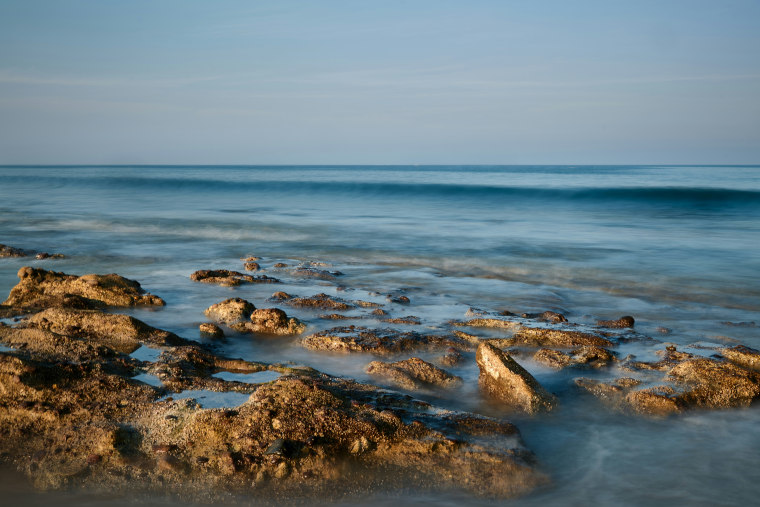 Image source: Thiago Neves / unsplash.com

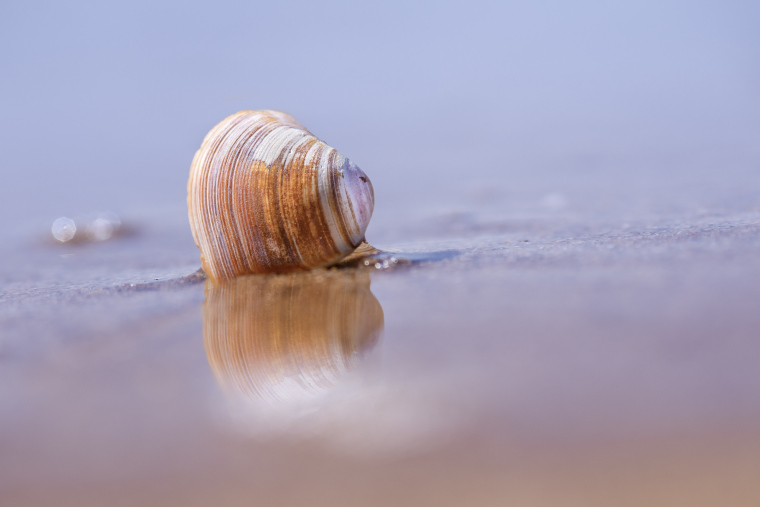 Image source: wirestock / magnific.com

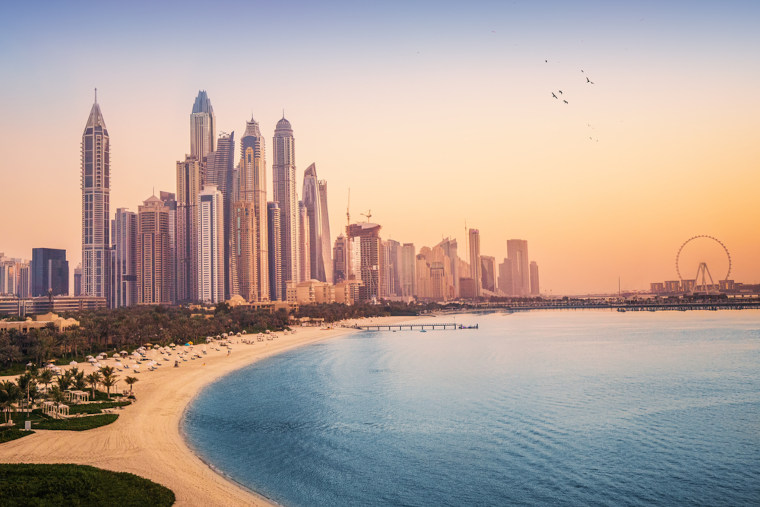 Image source: frantic00 / shutterstock.com

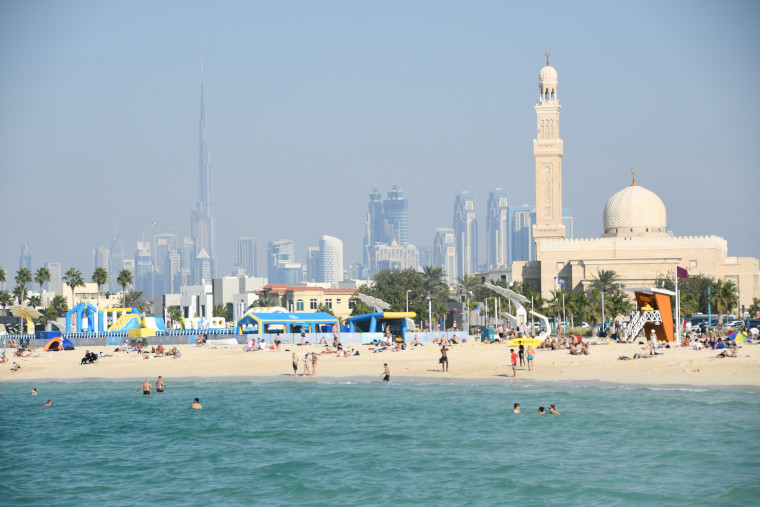 Image source: SnapSaga / unsplash.com