Sockets in Dubai: A Complete Guide to Socket Types and Adaptors in the UAE
Save the article:
Why is it important to know about socket types in Dubai? Arriving in the UAE without a suitable adaptor, you risk being left with dead gadgets and no connectivity on the very first day of your holiday. Dubai uses the British standard Type G socket, which differs fundamentally from Russian and European plugs. Without the correct adaptor, you will be unable to charge your phone, laptop, or other devices — which is particularly critical for business trips and family holidays.
Who is this article for? This material will be useful for first-time tourists travelling to the UAE who are unsure what sockets await them in Dubai's hotels. Business travellers will find information about reliable adaptors for laptops as well as quick ways to purchase adaptors. Families will receive practical advice on how many adaptors they need and universal solutions for charging multiple devices. You will gain a ready-made plan for preparing for your trip and clear instructions for choosing the right equipment.
Sockets in Dubai: Standards and Specifications
The United Arab Emirates uses a single standard for electrical sockets — the British Type G. This standard is used in all seven emirates, including Dubai, Abu Dhabi, Sharjah, Ras Al Khaimah, and others. Understanding the specifics of the local electrical system will help you prepare properly for your trip and avoid unpleasant surprises when charging your devices.
Technical specifications of the UAE electrical system
The mains voltage is 230 volts at a frequency of 50 hertz. These parameters correspond to European standards, which makes the use of most modern devices safe. The maximum current for domestic sockets reaches 13 amperes, providing sufficient power for laptops, hair dryers, and other energy-intensive appliances.
The stability of the power supply in Dubai is at a high level — outages occur extremely rarely, and the voltage quality meets international standards. This is particularly important for business travellers who require reliable operation of their equipment. The power supply system has been operating around the clock without significant disruptions for many years.
The design of Type G sockets
The British standard is for plugs with a distinctive three-pin design. One vertical earth pin is positioned at the top and has a rectangular cross-section 8 mm in length. Two horizontal pins for the live and neutral connections are located at the bottom; these are also rectangular in shape, measuring 6.35 × 4 mm.
Image source: Daisy Daisy / shutterstock.com
The distance between the centres of the horizontal pins is 22.2 mm. The earth pin is longer than the others, ensuring it makes contact first when the plug is inserted. Many sockets are fitted with protective shutters that open only when all three contacts are pressed simultaneously.
Differences from Russian standards
Russian Type C and Type F sockets are for plugs that differ significantly from those in Dubai. Type C has two round pins with a diameter of 4 mm and no earth connection, whilst Type F has additional side earth contacts. The distance between the pins in Russian sockets is 19 mm, compared to 22.2 mm in the British standard.
The principal difference lies in the shape of the contacts: the round pins of Russian plugs physically cannot fit into the rectangular openings of British sockets. The voltage in Russia is 220 V compared to 230 V in the UAE, but this difference is not critical for modern devices with switch-mode power supplies.
Uniformity of the standard across the emirates
The socket type in Dubai is completely identical to those used in the other emirates. UAE federal legislation establishes uniform requirements for electrical installations, so travelling between Dubai, Abu Dhabi, or Sharjah, you will not face the need to change your adaptors.
This standard is also used in hotels of every category — from budget hostels to luxury resorts. In some modern hotel complexes, USB sockets are additionally installed, but the main outlets remain Type G.
The system has operated reliably for many years, which is confirmed by the positive comments of tourists and experts.
The history of the standard's adoption
The British socket standard was adopted in the UAE as far back as the 1970s, when the modern infrastructure of the emirates was taking shape. Since then, the system has remained virtually unchanged and has been functioning successfully for more than 50 years. In the 1990s, the electricity grid was modernised, but the socket type remained the same.
The choice of the British standard is explained by the region's historical ties with Great Britain. Today that choice has proved its worth — the system operates reliably and meets international safety requirements.
Practical questions for tourists
Which sockets are used in public places in Dubai? At airports, shopping centres, and restaurants, the same British standard applies, although charging areas are often equipped with universal connectors for the convenience of tourists. Many establishments provide adaptors on request.
Is an adaptor needed for Russian devices? Yes, an adaptor from Type C/F to Type G will definitely be required. Without it, Russian plugs will not fit the local sockets. An adaptor can be purchased at the airport, in your hotel, or at any electronics shop.
Where can quality adaptors be found in the UAE? It is best to buy adaptors at electronics shops or large shopping centres. Airports also offer a wide selection of adaptors, but prices there are usually higher. Many hotels supply adaptors free of charge on request.
Are European devices compatible with the local grid? Most modern European appliances are designed for 220–240 V, so they work perfectly well on the UAE grid. The only issue is plug incompatibility, which is resolved by using an adaptor.
Additional technical questions
Travellers frequently leave comments noting that the quality of adaptors in the UAE is high and prices are reasonable. Others note the convenience of universal adaptors that are suitable for various countries and plug types.
Keep in mind that the number of sockets in hotel rooms can be limited. It is recommended that you take an extension lead or a multi-socket adaptor with a British plug if you plan to charge several devices simultaneously. This is especially relevant for business trips with a large amount of equipment.
Adaptors and Converters for Sockets in Dubai
Choosing the right adaptor for a trip to Dubai is a key moment in travel preparation. A quality device will ensure stable operation of all your gadgets and spare you the trouble of charging issues. Let us examine in detail all types of adaptors and the criteria for choosing them.
Simple adaptors: the basic solution
A simple adaptor for a socket in Dubai is a compact device that converts your plugs to the British Type G standard. Such adaptors cost from 50 to 150 roubles and are suitable for basic needs.
Image source: Call Me Fred / unsplash.com
Key specifications of simple adaptors:
Maximum load: 10–13 amperes
Compatibility: European and American plugs
Dimensions: 4 × 3 × 2 cm
Weight: 15–25 grams
Simple devices are ideally suited for charging smartphones, tablets, and small gadgets. However, for powerful appliances such as hair dryers or irons, it is better to choose more reliable options.
Universal adaptors: a solution for global travellers
A universal adaptor is a multifunctional device compatible with sockets in more than 150 countries worldwide. Such a solution will prove an indispensable companion for travellers who frequently visit different continents.
Advantages of universal adaptors:
Compatibility with socket types A, B, C, D, E, F, G, I, J, K, L, N
Built-in fuses for overload protection
Compact all-in-one design
Durability thanks to quality materials
The cost of a quality universal device is 1,500–3,500 roubles. Popular models include EPICKA, BESTEK, and Ceptics — all of which hold CE and FCC safety certificates.
Adaptors with USB ports: modern convenience
Modern socket adaptors with USB ports combine the functions of an adaptor and a charging station. Such devices are particularly relevant for family trips, when several gadgets need to be charged simultaneously.
The price of a quality USB adaptor ranges from 2,000 to 5,000 roubles. The Anker PowerPort and RAVPower models have received high user ratings for reliability and charging speed.
Criteria for choosing a quality adaptor
When purchasing an adaptor for a socket in Dubai, pay attention to the key safety and functionality parameters. Making the right choice will protect your devices and ensure a comfortable stay in the hotel.
Mandatory safety certificates:
CE (European standard)
FCC (American standard)
RoHS (environmental safety)
UL (safety laboratory)
Housing materials: choose devices made from fire-resistant PC94V-0 plastic. This material does not support combustion and withstands temperatures up to 125°C.
Maximum load: for most gadgets, 10 A is sufficient, but powerful devices (laptops, hair dryers) require 13–16 A adaptors.
Recommendations on the number of adaptors
The number of devices depends on the size of the group and the amount of equipment. Experienced travellers advise taking 1–2 more adaptors than the planned minimum.
One or two adaptors will suffice for a solo traveller. A family of four will need 3–4 adaptors, accounting for smartphones, tablets, cameras, and other gadgets. Business travellers are advised to take an additional device for a laptop and a spare adaptor in case of breakage.
Bear in mind: in most Dubai hotels, the number of sockets in the room is limited, so an adaptor with several USB ports will be the optimal solution for saving space and charging conveniently.
Features of Sockets in Dubai's Hotels
Dubai's hotel infrastructure is adapted to the needs of international guests, so sockets in hotels have their own features depending on the category of accommodation. Most modern hotels thoughtfully equip rooms with additional solutions for the comfort of their guests.
Luxury hotels: maximum comfort
In five-star hotels such as the Burj Al Arab, Atlantis, or the Four Seasons, sockets are provided in an extended format. In addition to the standard British Type G sockets, rooms are fitted with universal international sockets that are compatible with European, American, and Asian standard plugs.
Image source: lifeforstock / freepik.com
Modern luxury-class hotels often equip work areas with USB ports for direct device charging. The number of sockets in a room can reach 8–12, including sockets by the bed, in the bathroom, at the desk, and in the lounge area.
Mid-range hotels: practical solutions
Four-star hotels generally provide standard British sockets with the option of obtaining an adaptor from reception free of charge. In some establishments of this category, combination sockets combining several standards are installed.
Rooms in the mid-range category typically feature 4–6 sockets in key areas: by the bed, on the dressing table, in the bathroom, and at the work area. Many hotels additionally install USB chargers in bedside cabinets.
Budget hotels: basic provision
In three-star hotels and hostels, standard British sockets predominate, without additional adaptors. The number of sockets is limited to 2–4 per room. In budget establishments, adaptors are provided for an additional fee (usually 10–15 dirhams per day) or against a deposit.
Checking when booking
When choosing accommodation, it is advisable to check the availability of universal sockets or special adaptors in the room description. Many hotels provide this information in the "Room amenities" section on booking websites.
Rooms may be fitted with sockets that have switches — a characteristic feature of the British standard. Before use, make sure the switch on the socket is in the "on" position.
Requesting an adaptor at reception
If there are no suitable sockets in the room, contact reception to request an adaptor. In most four- and five-star establishments, this service is provided free of charge. It is advisable to make the request immediately upon check-in to avoid waiting.
Some hotels keep a record of issued adaptors and may require a deposit. When checking out, do not forget to return the device in order to recover your deposit.
Alternative charging options
Modern hotels offer guests various ways to charge their devices without the use of special adaptors.
Wireless charging stations are becoming standard in luxury-class rooms, allowing compatible smartphones to be charged simply by placing them on a dedicated surface.
Many hotels also provide rooms with charging cables of various types: Lightning for Apple devices, USB-C for modern Android devices, and micro-USB for older models. This solution is particularly convenient for guests who have forgotten to bring their own chargers.
Where to Buy an Adaptor in Dubai
In Dubai, you can buy an adaptor on virtually every corner — from luxury shopping centres to small supermarkets. The city offers numerous options for tourists who urgently need an adaptor to charge their devices.
Shopping centres: the widest selection
Dubai Mall offers the broadest range of adaptors at the Virgin Megastore and Sharaf DG electronics shops, where you can buy quality universal devices for 25–45 dirhams. At the Mall of the Emirates, similar goods are sold at Carrefour and local electronics boutiques for prices ranging from 20 to 60 dirhams depending on functionality.
City Centre Mirdif and Ibn Battuta Mall also have numerous shops where you can buy adaptors. Both large chain stores and smaller kiosks with more affordable prices operate in these shopping centres, with prices starting at 15 dirhams for the simplest model.
Supermarkets: affordable prices
Carrefour is one of the most reliable options for purchasing adaptors. Many branches of the chain stock own-brand devices for 12–25 dirhams, as well as branded models costing up to 50 dirhams. Lulu Hypermarket offers a similar price range with a good selection of universal models.
Spinneys and Waitrose also sell adaptors, but at higher prices, starting at 30 dirhams. However, you are guaranteed to find quality European brands with a lengthy warranty there.
Specialised electronics shops
Sharaf DG is the largest chain of electronics shops in the UAE, where you can buy an adaptor of any type. Prices range from 20 to 100 dirhams depending on the brand and features. Jumbo Electronics offers premium devices with USB ports and fast charging for 45–80 dirhams.
Buying at the airport: the emergency option
At Dubai International Airport, adaptors are sold in duty-free shops and electronics boutiques. Prices there are significantly higher — 40–120 dirhams — but this is a lifesaver for those who forgot to buy a device in advance. Al Maktoum International Airport offers a similar range with an equivalent mark-up.
Tips on choosing and buying
Always check the adaptor's compatibility with your devices before purchasing. Pay attention to the maximum power rating — for laptops, models rated at 10 A or more are needed. Avoid excessively cheap options at street kiosks — they can damage your equipment. It is better to spend an extra 10–15 dirhams at a shopping centre on proven quality and a safety guarantee.
Practical Tips for Travellers
Proper preparation for a trip to the UAE begins well in advance of departure. Careful planning of your power needs will help you avoid unpleasant surprises and ensure a comfortable stay in the country.
Planning ahead of the trip
Purchase a universal adaptor in advance — in Russia, prices for quality devices are 30–40% lower than in Dubai. Check the compatibility of all appliances with 230 V. Make a list of all the family's gadgets and calculate the number of charging ports you will need.
Image source: rawpixel.com / freepik.com
Prepare backup power options: a power bank with a capacity of at least 10,000 mAh for smartphones, portable chargers for cameras, and spare USB-C and Lightning cables. Pack all charging devices in a separate bag for quick access at the airport and upon check-in.
Practical travel tips
Use the USB ports on Emirates and Etihad aircraft — they work even during take-off and landing. In hotel rooms, look for hidden sockets behind beds and writing desks — there are often additional outlets there. Many cafés in shopping centres provide wireless charging for compatible devices.
In public places, choose charging stations near information desks — they are under CCTV surveillance and are safer than street ones. Dubai Airport offers free charging in the waiting areas, but you’ll need your own cables.
Safety when using electrical appliances
Never use home-made adaptors or damaged converters — the UAE has strict fines for electrical safety violations.
Avoid plugging powerful devices into a single adaptor simultaneously — this can lead to overheating. If you notice sparks, crackling, or a burning smell, disconnect the device immediately and contact hotel staff.
Keep a spare adaptor in your hand luggage — baggage is sometimes lost, and it might be difficult to resolve problems in a foreign country with a flat phone.
Frequently Asked Questions
What sockets are used in Dubai?
Dubai and the entire UAE use the British Type G socket standard with three rectangular pins. The voltage is 220–240 volts at a frequency of 50 Hz, which corresponds to Russian standards in terms of electrical parameters. All sockets in Dubai have earthing and built-in fuses for safe use. This socket type in Dubai is the only official standard across all the emirates.
Is an adaptor needed for Russian devices?
Yes, an adaptor for a socket in Dubai will definitely be required for all Russian devices. Russian plugs with two round pins are not compatible with local sockets without a special adaptor. The only exception is devices that charge via USB, provided you have a suitable power block. Without an adaptor, you will be unable to charge your phone, laptop, or other electrical appliances brought from Russia.
Where can I buy an adaptor in Dubai?
An adaptor for a socket in Dubai can be purchased at the airport, in shopping centres, at Carrefour and Lulu supermarkets, and in electronics shops. At the airport, prices are higher — approximately 25–40 dirhams; at shopping centres, cheaper — 15–25 dirhams. The most affordable prices are at local supermarkets and markets, starting at 10 dirhams for a simple adaptor. Universal adaptors cost 30–60 dirhams depending on quality and features.
Do hotels provide adaptors?
Most four- and five-star hotels provide adaptors free of charge at reception or already have them placed in the rooms. In budget hotels and hostels, adaptors usually need to be requested separately, and the supply is limited.
Some hotels charge a deposit of 50–100 dirhams for an adaptor, which is returned upon check-out. It is advisable to clarify the availability of adaptors when booking or immediately upon arrival.
Can Russian extension leads be used?
Russian extension leads cannot be plugged directly into sockets in Dubai without an adaptor. If you have an adaptor, you can plug an extension lead through it, but this places additional strain on the contacts. It is safer to buy a local extension lead at a supermarket for 20–40 dirhams. What plugs are used for Dubai sockets? The British Type G standard is the only one used in Dubai.
Is it safe to use cheap adaptors?
Cheap adaptors costing 5–10 dirhams may be unsafe owing to poor contact quality and the absence of protection. They frequently overheat, spark, or break, which can damage your devices. It is better to spend 20–30 dirhams on a quality adaptor with safety certification. Avoid purchasing adaptors in dubious places and always check the reliability of the contacts before use.
What other charging options are available in Dubai?
In addition to adaptors, there are other ways to charge devices in Dubai. Many cafés, restaurants, and shopping centres provide wireless charging for modern smartphones. USB ports are found in public transport, at the airport, and in accommodation. Some establishments offer charging stations with various types of cables for different devices.
What else is important to know about electricity in Dubai?
The UAE has different safety standards compared to Russia — all electrical appliances must be earthed. Sockets are fitted with individual switches, allowing the power supply to be disconnected when necessary. The stability of the power grid in Dubai is high, and voltage surges occur rarely. For expensive equipment, it is recommended that you use surge protectors of local manufacture.
Do Russians need a visa for Qatar in 2026? Entry rules for Qatar: documents and requirements. Transit through Doha: is a visa required. How to obtain a visa for Qatar if necessary. Useful tips before ...
What is a residence permit? What is permanent residency? What is citizenship? Residence permit vs permanent residency: key differences. Permanent residency vs citizenship: what's the difference? Compa...
Features of the Dubai Festival City district. Daily life in Dubai Festival City. Housing in Dubai Festival City. Shopping and entertainment in Dubai Festival City. Transport accessibility of Dubai Fes...
Nuances of living with children in Dubai. Advantages and disadvantages of relocating to Dubai with children. Requirements for relocation to Dubai. Expenses related to relocation to Dubai. Best areas f...
A reason to contact a real estate agency in Dubai. Regulation of real estate agencies in Dubai. How to choose a real estate agency in Dubai? Specifics of real estate agencies' work in Dubai. Risks of ...
What a flying taxi is and how it works. From the first flights to the present day: who is developing the flying taxi. Where air taxis are already flying: Dubai and other cities around the world. Why f...
Why you need a local SIM card in Dubai. Is the free SIM card in Dubai worth using? Differences between a regular SIM card and an eSIM. Choosing a mobile operator for an eSIM in Dubai. Frequently asked...
Does voice communication via messengers work in the UAE? Main telecommunication operators in the UAE. 3 telecommunication operators in the UAE with eSIM support. How to activate an eSIM for communicat...
How to get to the old city in Dubai? Where Old Dubai is located. What to see in Old Dubai? Markets and bazaars of the old city. Practical tips for visiting. Frequently asked questions.



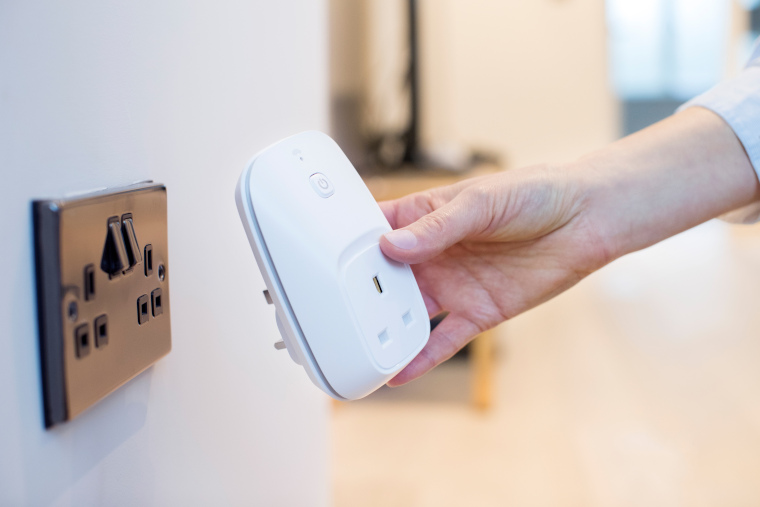 Image source: Daisy Daisy / shutterstock.com

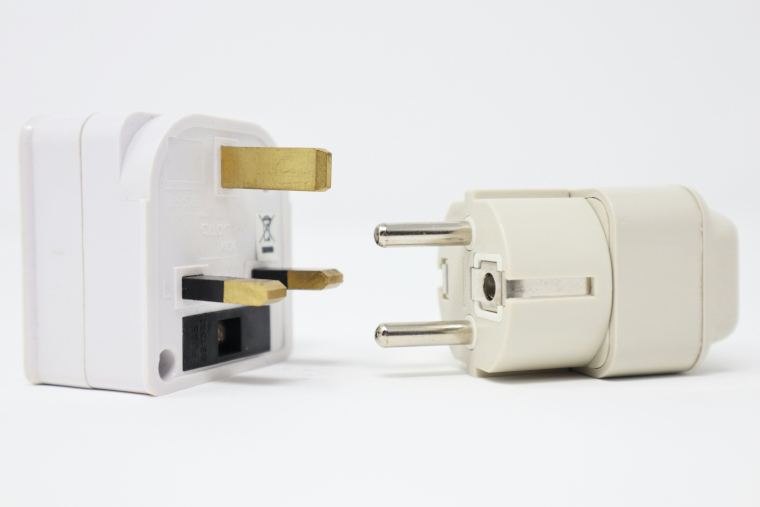 Image source: Call Me Fred / unsplash.com

 Image source: lifeforstock / freepik.com


 Image source: rawpixel.com / freepik.com