Home/Cities of the UAE/Dubai Airport Terminals: A Complete Guide to Navigation and Services
20.04.2026
Cities of the UAE
1014
Reading time: 13 minutes
Dubai Airport Terminals: A Complete Guide to Navigation and Services
Save the article:
Why does navigating Dubai Airport terminals cause so many questions? Dubai International Airport is one of the largest in the world, with three terminals, each comparable in size to a small town. Many travellers find themselves lost in the maze of connecting passages, unsure which terminal their flight departs from, or waste precious time searching for the services they need. The situation is especially challenging for those arriving in Dubai for the first time or making a connection that requires changing terminals.
Who is this guide for? This article will be useful for tourists visiting Dubai Airport for the first time who are worried about getting lost in its vast terminals. Business travellers will find information about the best business lounges and premium services for comfortable work and rest. Transit passengers will receive a clear plan of action for navigating between terminals and managing a lengthy wait. You will gain a practical plan with specific routes, time frames, and helpful tips for moving confidently around the airport.
General Information About Dubai Airport Terminals
Dubai International Airport (DXB) is a large-scale aviation complex consisting of three main passenger terminals, each of which serves specific categories of airlines and destinations. More than 80 million passengers pass through the airport every year, making it one of the busiest airports in the world by international passenger traffic.
Structure and specialisation of the terminals
Terminal 1 specialises in serving international airlines, with the exception of Emirates and certain partner carriers. Major airlines such as Lufthansa, British Airways, Air France, and many other European and Asian carriers are based there. The terminal is equipped with modern check-in systems and has a capacity of approximately 18 million passengers per year.
Terminal 2 is the most compact of the three and primarily serves regional and budget airlines, including flydubai — a subsidiary of Emirates. This terminal also handles certain charter flights and specialises in routes to the Middle East, Africa, and the Indian Subcontinent.
Terminal 3 is the home terminal of Emirates, the largest airline in the region, as well as airlines of the Oneworld alliance. It is the largest and most modern terminal in the complex, capable of handling up to 60 million passengers annually. This is where the famous Emirates business lounges are located, along with the most extensive duty-free infrastructure.
Geographical layout of the terminals
The terminals are arranged in a linear sequence along the main area of the airport. Terminal 1 is situated in the northern part of the complex, Terminal 2 occupies the central position, and Terminal 3 is located in the southern part.
The distance between the outermost terminals (1 and 3) is approximately 4 kilometres, making it necessary to use dedicated transport to travel between them.
All terminals are connected by the Dubai International Airport automated metro, which operates around the clock and enables passengers to travel quickly between the terminals. A journey between any two terminals takes 5–15 minutes, depending on destination and system load.
The logic behind the distribution of airlines
The distribution of airlines across terminals is based on several principles: alliance membership, passenger traffic volumes, and strategic partnerships. Emirates, as the UAE's flagship carrier, was granted exclusive rights to use the most modern Terminal 3, allowing the airline to provide passengers with the highest level of service.
International carriers are accommodated in Terminal 1 to optimise international transit procedures and simplify baggage logistics. Terminal 2 specialises in regional routes, which aligns with Dubai's strategy of developing as a transit hub between Europe, Asia, and Africa.
Capacity and passenger volumes
The combined capacity of all terminals at Dubai International Airport exceeds 90 million passengers per year, and actual passenger traffic in recent years has been approaching this figure. Peak hours are early morning (6:00 AM to 9:00 AM) and late evening (9:00 PM to 1:00 AM), when the largest number of international flights are being handled simultaneously.
Image source: Shine Nucha / shutterstock.com
Modern passenger flow management technologies allow the airport to cope effectively with high demand. Each terminal is equipped with automated check-in systems, biometric control, and intelligent queue management, which significantly reduces waiting times for passengers.
A Detailed Description of Each Terminal
Each of the three passenger terminals at Dubai Airport is a unique architectural structure with its own approach to serving airlines and passengers. Understanding the specifics of each terminal will help you plan your time correctly and choose the most efficient route.
Terminal 1: classic elegance and functionality
Dubai Airport Terminal 1 covers an area of 518,000 square metres and has 20 gates for passenger handling. This terminal serves the majority of international airlines, including Lufthansa, British Airways, Air France, and KLM.
The architectural features of the terminal reflect a traditional approach to airport design with an emphasis on functionality. The building is executed in light tones with marble and glass, creating a sense of space and light. Ceilings reaching up to 12 metres in height are adorned with modern light fittings, and panoramic windows provide natural illumination.
A duty-free area of 15,000 square metres with more than 40 shops
25 restaurants and cafés, including McDonald's, Costa Coffee, and local establishments
A medical centre with round-the-clock service
A children's play area of 200 square metres
Rest rooms and sleeping areas
Free Wi-Fi and charging stations
Navigation within the terminal is well organised: departure zones are located on the second floor, arrivals on the first. Signs in Arabic and English will help you find the right gate with ease.
Terminal 2: compact and convenient
Dubai Airport Terminal 2 is the most compact of the three terminals, covering 240,000 square metres and having 18 gates. It specialises in serving budget airlines such as flydubai, Air Arabia, and other low-cost carriers.
The architectural design of the terminal features a minimalist approach using modern materials. Open spaces and high ceilings create a sense of airiness, despite the relatively modest size of the building.
Image source: Ancapital / shutterstock.com
Main amenities:
A compact duty-free area with the basic products
12 food and beverage outlets, including fast food and cafés
A basic first-aid point
A small children's area
Rest areas with comfortable seating
Free Wi-Fi throughout the terminal
Thanks to its compact size, the time taken to travel from the entrance to a gate is no more than 15 minutes. All areas are situated on a single level, which simplifies navigation for passengers with luggage.
Terminal 3: the luxury and innovation of Emirates
Dubai Airport Terminal 3 is the most impressive structure in the complex, covering 1,713,000 square metres and having 108 gates. This terminal is the home base of Emirates airline and exclusively handles that carrier's flights.
The architectural features of the terminal are remarkable in their scale and opulence. The building was constructed using the most advanced technologies and materials. The central section of the terminal is crowned by an enormous dome rising 180 metres, and the interiors are finished with marble, gold, and crystal.
Premium infrastructure includes:
The world's largest duty-free area, covering 90,000 square metres
More than 150 luxury brand boutiques
70 world-class restaurants and bars
A fully equipped medical centre with specialist physicians
Children's areas with play complexes and entertainment staff
Timeless Spa covering 1,400 square metres
A fitness centre and swimming pool
The Dubai International Hotel with 361 rooms
Unique features:
An automated baggage handling system
An innovative air conditioning system
Moving walkways with a combined length of 97 kilometres
A navigation system with interactive maps
Navigation within the terminal is organised around three main zones: A, B, and C. Each zone has its own colour coding and signage system. Transfers between zones are made on automated trains, and the travel time between the furthest points is 4 minutes.
Practical navigation tips:
Download the Dubai Airports mobile app for accurate navigation
Use the interactive maps positioned every 100 metres
Ask members of staff in Emirates uniforms for assistance
Allow additional time when travelling between remote gates
All three terminals are equipped with modern security systems, including biometric identification and automated passport control, which significantly reduces the time needed to complete formalities.
Business Lounges and Waiting Areas
Each of the three terminals at Dubai Airport offers a variety of options for comfortable pre-flight waiting — from free rest areas with basic facilities to exclusive premium lounges with a full range of services. Choosing the right place to wait can make a significant difference to your experience of the airport, especially during long layovers or when flights are delayed.
Terminal 1: compact and functional options
The business lounges at Dubai Airport Terminal 1 include several options, each tailored to the needs of different categories of passengers. The main lounge — Marhaba Lounge — is located on the second floor after passport control, next to departure gates A1–A24.
Services include hot and cold buffet, soft drinks, Wi-Fi, showers, and a computer work area. Access costs $65 for adults and $35 for children when purchased on the day, or $45 when booked in advance through the airport website.
Terminal 2: variety for all budgets
The business lounges at Dubai Airport Terminal 2 include two main options. Marhaba Lounge Terminal 2 and flydubai Business Class Lounge. Marhaba Lounge is the most popular choice, located in the central part of the terminal between gates C1–C15. The lounge operates around the clock and offers hot food, showers, a children's area, and free Wi-Fi.
Terminal 3: premium class and luxury
The business lounges at Dubai Airport Terminal 3 are a true showcase of luxury and innovation. The Emirates First Class Lounge in Concourse A is considered one of the finest in the world — its 1,500 square metres include an à la carte restaurant, a wine bar, and a spa with massage rooms and showers stocked with Bulgari products.
The Emirates Business Class Lounge occupies two levels and accommodates up to 500 guests simultaneously. It features a live kitchen with a head chef, a cocktail bar, a sleeping area with reclining seats, and a children's club with attendants.
Image source: Frugal Flyer / unsplash.com
Marhaba Lounge Concourse B serves passengers of other airlines and offers a standard range of services for $60. Its distinguishing feature is an outdoor terrace with views of the city, which is open during the cooler months.
Practical tips on choosing and booking
When choosing the right lounge, consider the length of your wait and your specific needs. For layovers of less than 3 hours, the free rest areas with basic amenities are sufficient. For waits of between 3 and 6 hours, Marhaba Lounge with showers and a full meal offering is recommended.
There are several ways to save on lounge access. Premium credit cards frequently include complimentary lounge access through the Priority Pass programme. Purchasing an annual Marhaba membership costs $299 and pays for itself by the third visit.
Booking in advance through the official Dubai Airports website gives a discount of up to 30%. When purchasing a family package (2 adults and children), the saving is $40–50 compared with buying on the day.
Expert tip: if you are flying Emirates in business class via Terminal 3, be sure to visit the First Class Lounge — access is included in the ticket price, and the quality of the service surpasses that of many luxury hotels. In all other cases, the best option is to book Marhaba Lounge in advance, taking into account your connection time and the facilities you require.
Navigation Between Terminals and Transport
Moving between the terminals at Dubai Airport is arranged as conveniently as possible for passengers; however, it requires an understanding of the available routes and the time involved. The map of Dubai Airport terminals illustrates the considerable distances between the buildings, making transfer planning critically important for a successful connection.
Free shuttle buses: the primary means of travel
The free bus system is the most popular means of travelling between terminals. Shuttles run around the clock on two main routes: the first connects Terminal 1 and Terminal 3, and the second links all three terminals via the central transport interchange.
Buses depart every 10–15 minutes during peak hours and every 20 minutes at night. The journey time is 15–20 minutes for the Terminal 1–Terminal 3 route and up to 25 minutes when travelling to Terminal 2. Stops are clearly marked with "Inter-Terminal Transfer" signs and are situated at the arrivals level of each terminal.
Walking and alternative routes
Walking is only possible between certain sections within the transit zone of Terminal 3, where passengers can move between Concourses A, B, and C via covered galleries. The distance between the furthest points is approximately 2 kilometres, which takes 20–25 minutes on foot.
Walking between separate terminal buildings is not possible due to the considerable distances involved and security considerations. Attempting to walk from Terminal 1 to Terminal 3 would require leaving the transit zone and passing through security again.
Taxis between terminals
Taxi services are available for travelling between terminals; however, this option is recommended only when carrying a large amount of luggage or for passengers with reduced mobility. The fare is 25–35 dirhams, and the journey takes 10–15 minutes depending on traffic conditions.
Taxis can be ordered at desks in the arrivals areas or through mobile apps provided by local operators. It is important to bear in mind that when using a taxi, you will need to leave the transit zone and complete the full check-in process at the new terminal.
The signage and navigation system
Navigation within the airport is managed through a multi-level system of signs in both Arabic and English. Main directions are indicated on large blue boards with pictograms, which are also replicated on the floor via LED strips to make it easier to follow a route.
Image source: S saeed / unsplash.com
Interactive maps are installed every 100–200 metres along the main corridors and show the passenger's current position in relation to departure gates, shops, and services. The DXB App mobile application provides additional navigation features, including optimal route planning and boarding notifications.
Practical recommendations for transit passengers
Transit passengers are advised to allow a minimum of 60 minutes for a transfer between terminals when connecting within the airport, and 90 minutes for international flights. These time frames include waiting for the bus, the journey itself, and passing through additional security checks.
It is best to start your transfer immediately after collecting your baggage or clearing passport control, without stopping in the shops at the first terminal. Particular attention should be paid to the shuttle timetable during the night hours, when intervals between services increase to 20–30 minutes.
Practical Information and Services
There are several ways to get to Dubai International Airport from the city centre, each with its own advantages depending on your destination terminal and the time of day. Planning your route in advance will help you avoid stress and missing your flight.
Transport links with the city
Dubai Metro is the most economical and predictable way to reach the airport. The Red Line of the metro connects the city centre with two airport stations: Airport Terminal 1 and Airport Terminal 3. A journey from Union station takes approximately 45 minutes and costs 7.5 dirhams in a standard carriage. The metro operates from 5:00 AM to 12:00 AM on weekdays and until 1:00 AM at weekends.
Taxis and car-sharing services offer maximum comfort at any time of day or night. A journey from the city centre costs 80–120 dirhams depending on traffic and the exact destination address. Uber and Careem operate around the clock at standard fares.
Bus routes 401, 402, and C01 run between various districts of the city and the airport terminals at intervals of 15–30 minutes. The fare is 3–5 dirhams, though journey times may increase due to traffic.
Parking and left luggage
Long-stay parking at Dubai Airport is organised by zone with different tariffs. Parking at Terminal 1 costs 20 dirhams for the first 4 hours and 5 dirhams for each subsequent hour. The multi-storey car parks at Terminal 3 offer rates starting at 15 dirhams per hour, with a maximum daily rate of 75 dirhams.
Left luggage facilities are available at all terminals and operate around the clock. In Terminal 1, the service costs 30 dirhams per day for a standard bag; in Terminal 2 it is 25 dirhams; and in Terminal 3 it is 35 dirhams. Oversized baggage will cost an additional 15–20 dirhams.
Financial and medical services
Currency exchange points operate in all terminals at rates close to those offered by banks. Terminal 3 has the greatest number of exchange points — more than 15 at various levels. ATMs accept cards from international payment systems without any additional airport charges.
Medical services include pharmacies, first-aid points, and a clinic in Terminal 3. A duty doctor is available around the clock; a basic consultation costs 200 dirhams. Pharmacies stock international medicines and essential goods.
Amenities and entertainment
Free Wi-Fi is available throughout all areas of the airport with no time restrictions. Charging stations are installed at every gate, in waiting areas, and in restaurants. USB ports and internationally compatible power sockets are available free of charge.
Children's areas are provided in every terminal: play areas, mother-and-baby rooms, and changing tables. Terminal 3 has a crèche for passengers with long layovers.
Dedicated lifts, ramps, accessible toilets, and waiting areas are provided for passengers with reduced mobility. An airport escort service is available free of charge upon prior notification to the airline.
Duty-free shops operate around the clock with prices 20–40% lower than in the city. Restaurants offer dishes with prices starting at 25 dirhams, and at cafés prices for a drink and a light snack start at 15 dirhams.
Frequently Asked Questions
How many terminals does Dubai Airport have?
Dubai International Airport has three main passenger terminals in operation — Terminal 1, Terminal 2, and Terminal 3. Each terminal serves different categories of airlines and flight destinations.
A cargo terminal also operates, but it is not intended for passenger services. The map of Dubai Airport terminals clearly shows the location of all buildings within the complex.
Which terminal does Emirates use?
Emirates airline is based exclusively at Terminal 3 of Dubai Airport. This terminal was built specifically for the UAE's flagship carrier and is one of the most modern in the world. All Emirates flights, including international and domestic routes, depart from and arrive at this terminal. The finest Emirates business lounges are also located in Terminal 3.
How long does it take to transfer between terminals?
Transferring between terminals takes 15–45 minutes depending on the means of transport chosen. The free shuttle bus runs every 10–15 minutes and delivers passengers in 20–30 minutes.
A taxi between terminals costs approximately 25–35 dirhams and takes 10–15 minutes. Allow at least one hour for the transfer, including waiting time for transport.
How do I get to the airport by metro?
The Red Line of the Dubai Metro connects the city centre with airport terminals 1 and 3. The "Airport Terminal 3" station serves Terminal 3, and the "Airport Terminal 1" station serves Terminal 1. A journey from the city centre takes 45–60 minutes, and the fare is 7–15 dirhams depending on the zone. Terminal 2 cannot be reached by metro — you will need to take a bus or taxi from one of the other terminals.
How can I access a business lounge without elite status?
Lounge access can be obtained by purchasing a single-visit pass for 200–400 dirhams depending on the level of the lounge. Many lounges accept Priority Pass cards, which can be purchased in advance or obtained through premium bank cards.
Dubai Airport Terminal 3 offers the greatest selection of premium lounges, including the renowned Emirates Lounges. Booking through the official websites of airlines often provides discounts on visits.
When are the duty-free shops open?
Duty-free shops at Dubai Airport operate around the clock in all terminals, which is particularly convenient for passengers on night flights. Certain boutiques and restaurants may have limited opening hours (6:00 AM to 12:00 AM). The widest range of goods and the best offers are available in Terminal 3.
Article header image source: Muhammad Ahmad / unsplash.com
Ancient history and the founding of Dubai. Key stages of the city's development. Modern Dubai: achievements of recent decades. Construction pace and architectural records. FAQ.
Specifics of the UAE government structure. Who the sheikhs are. Sheikhs of Dubai. Sheikhs of Abu Dhabi. Sheikhs of other emirates. Frequently asked questions about UAE sheikhs.
Advantages of working in the UAE. In-demand professions for work in the UAE. Visa requirements for work in the UAE. Life in the UAE for expats. Frequently asked questions about work in the UAE.
Demographic indicators of the Arab Emirates. General information about the population of the Arab Emirates. Benefits for the indigenous population of the Arab Emirates. Rules for communicating with th...
Alcohol consumption rules in Sharjah. Bringing alcohol into Sharjah. Buying alcohol in neighbouring emirates. Fines and penalties for breaking alcohol rules. Alcohol in other UAE emirates: a compariso...
This article discusses which emirates are better and the characteristics of the UAE regions. While tourists are interested in hotels, beaches and entertainment infrastructure, other factors must be co...
Natural features of Saudi Arabia: geography and terrain. Climate and nature of Saudi Arabia by region. Natural resources of Saudi Arabia and their use. Natural landmarks of Saudi Arabia and tourist lo...
VAT and Tax Free in Dubai. The difference between Tax Free and Duty Free in Dubai. The Tax Free procedure in Dubai. New VAT refund system in Dubai. 6 important nuances of Tax Free registration in Duba...



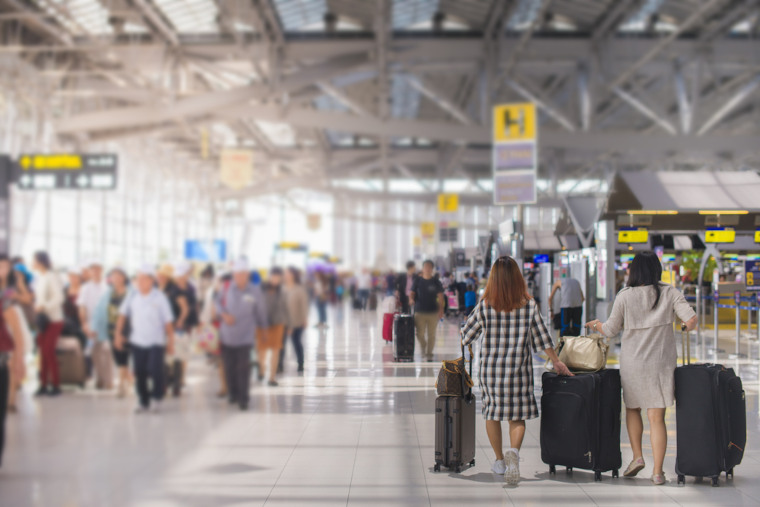 Image source: Shine Nucha / shutterstock.com

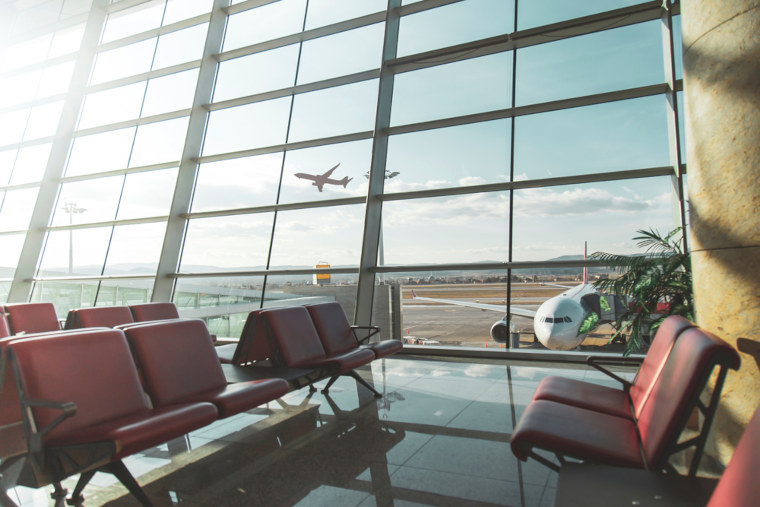 Image source: Ancapital / shutterstock.com

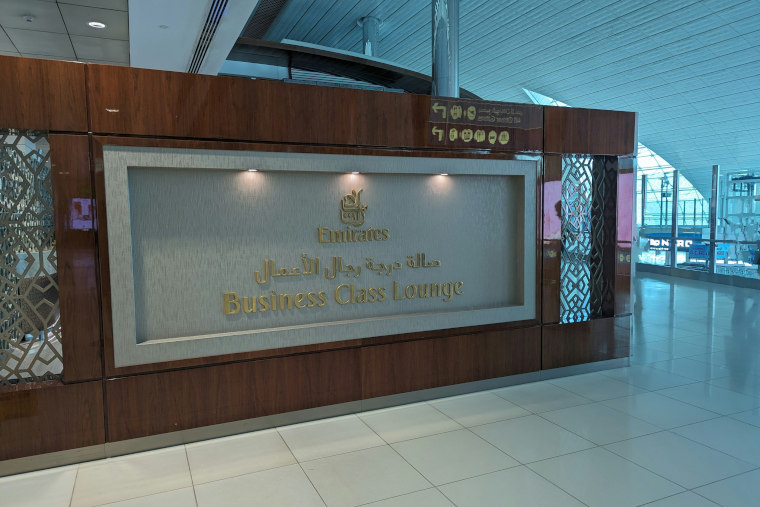 Image source: Frugal Flyer / unsplash.com

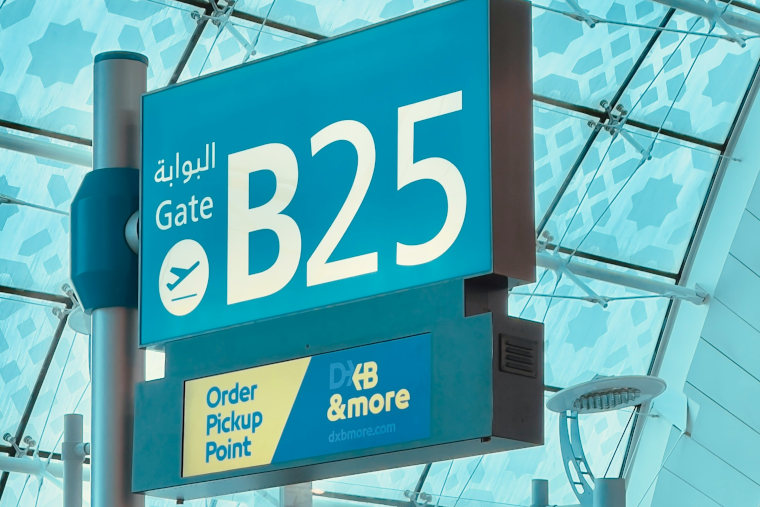 Image source: S saeed / unsplash.com