Home/Middle East/Salalah, Oman: location, how to get there and what to see
11.09.2026
Middle East
1147
Reading time: 12 minutes
Salalah, Oman: location, how to get there and what to see
Save the article:
Tired of the usual beaches of Turkey, the UAE and Egypt, and looking for a destination where you are unlikely to find crowds of fellow countrymen? Salalah suits those who value a comfortable trip, but want to discover a less obvious side of the Middle East — with a warm sea, white sand and a mild climate even in the middle of winter.
What do you need to know before travelling to Oman, a country that many Russian tourists are still relatively unfamiliar with? Further in this article — the exact location of the city, the logistics of flights and visas, an overview of the beaches and key sights, as well as practical advice on money and safety.
Salalah: Location and When to Visit
Salalah lies in the south of Oman, in the Dhofar Governorate, on the shores of the Indian Ocean. It is separated from Muscat, the country's capital, by nearly 1,000 kilometres of desert and mountains. The difference is immediately apparent: whilst the north of the country is hot and dry, the south breathes with oceanic moisture. This geographical isolation defines the city's main characteristic — a climate unlike any other in the Persian Gulf region.
Image source: Terence Pereira / unsplash.com
Mountain nature reserves and palm groves in the surrounding area attract tourists who seek picturesque landscapes that are rare for the Arabian Peninsula. Many travellers visit Salalah for panoramic views, banana plantations and walks amidst tropical vegetation. Unlike the rest of Oman, rain falls regularly there during the summer, which is a rarity in a country with a desert climate.
Location and climate by season
The city is situated 40 kilometres from the border with Yemen, on the coast of the Arabian Sea. The Dhofar Mountains surround Salalah on three sides. They trap humid air masses and create conditions that are rare for the Arabian Peninsula: green slopes, mist and streams of water in the middle of a desert country. Such contrast between the north and south is seldom encountered in other countries of the Persian Gulf.
The year is clearly divided into two periods:
The dry season lasts from October to April. The air warms to 20–28°C, rainfall is almost entirely absent, and the ocean temperature holds at 24–26°C. This is the time for swimming and beach holidays, and it remains the most popular period among tourists from Russia.
The khareef season falls between June and September. A cool monsoon arrives from the Indian Ocean: the mountains become shrouded in mist, the slopes turn green, and streams and small lakes appear in the valleys. Air temperature during this period is around 25°C, and the water temperature is around 23°C. Swimming is more difficult due to waves and currents, but the season of green landscapes begins.
Season
Months
Air temperature
Water temperature
What to do
Dry
October–April
20–28°C
24–26°C
Beaches, diving, snorkelling
Khareef
June–September
22–25°C
22–23°C
Wadi Darbat, waterfalls, green mountains
At the height of khareef, particularly in July and August, swimming in the ocean can be unsafe due to strong waves and underwater currents. Lifeguards close some beaches to swimmers on such days.
For a classic beach holiday with a warm sea, the period from November to March is the best choice. For a trip to see greenery, waterfalls and landscapes that are unusual for Arabia, July and August are the most suitable months.
How to Get to and Where to Stay in Salalah
Trips to Salalah have become noticeably simpler over the past year. Since December 2025, charter flights from Moscow to Salalah have been operating without any stopovers. Below are the details on visas, flights and accommodation. The transfer from the airport to the resort area usually takes no more than half an hour; the hotels are clustered compactly along the coastline.
Tourists can choose from villas, bungalows and rooms in international chain hotels with well-developed infrastructure, which includes swimming pools, spas and private beaches. Demand for tours to Salalah is growing alongside the expansion of air links from Moscow.
Flights and visas
Russian citizens do not require a visa to travel to Oman for stays of up to 30 days per entry — since 18 July 2025, an intergovernmental agreement abolishing the visa requirement has been in force. To enter the country, you will need:
For stays in Oman exceeding 30 days, it is advisable to arrange a visa in advance — through the embassy or the eVisa online service. Many travellers opt for package tours that include flights and transfers from a tour operator, as this makes it easier to plan the overall budget for the trip.
There are three ways to fly to Salalah:
A direct charter flight from Moscow. The journey takes approximately 7–8 hours; the flights are operated by tour operators as part of a seasonal programme.
A route via Muscat. Operated by Oman Air; the connection takes between 2 and 6 hours depending on the schedule.
A route via Dubai or Istanbul. A useful option if tickets on the first two routes are sold out or the required dates are not available on the schedule.
During the low season, tickets to this destination can be found for 9,000–10,000 rubles one-way, but closer to departure, budget options usually disappear.
Hotels and accommodation prices
Accommodation in Salalah falls into three categories based on price and location. Budget guesthouses and apartmentsIn can be found in the city centre, near the Al Hafa market.Mid-range hotels with direct access to the city beach are located in the Dahariz area and along the promenade. In the resort zone beyond the centre, international chain complexes have been built with their own private stretches of coastline.
Type of accommodation
Area
Price per night
Features
Guesthouse, apartments
City centre
Starts at $30–40
Budget option; a walk to the beach
3–4★ hotel
Dahariz, Al Hafa
Starts at $60–90
Close to the city beach, markets and promenade
5★ resort complex
Resort zone
Starts at $150
Private beach, swimming pools, spa
Prices shown do not include high season or current exchange rates. Please check the rates for your intended dates before booking. It is easy to find an option to suit any budget, from a guesthouse to a seafront villa. Some hotels offer their own tours and excursions for guests, which can be booked at reception.
What to See and Do in Salalah
The resort city combines a relaxed beach holiday with a rich excursion programme. The morning is best spent on the beach, whilst the second half of the day can be devoted to ancient ruins, markets or the green valley. Below are the highlights, divided into natural and historical attractions.
Those who enjoy active holidays will find jeep tours into the mountains and hiking to viewpoints with panoramic views over the ocean very much to their liking. Dolphins and sea turtles are found in the coastal waters, which is why boat excursions for wildlife watching are popular amongst tourists.
Beaches
Salalah's coastline stretches for dozens of kilometres of white sand. Entry to most beaches is free; you only pay for the hire of an umbrella and a sun lounger.
Al Mughsail. The most photogenic beach in the region: cliffs, natural blowholes from which water shoots upwards when the waves are strong, and the nearby Marneef Cave. Early in the morning, camels graze on the shore.
Al Hafa. A city beach in a tranquil bay, with a market and a palm-lined promenade nearby. The water is calm and suits families with children.
Al Sahel. A sandy shore with views of the ocean, popular for evening walks and picnics.
Dahariz. A beach within the city, known for its sunsets. Mid-range hotels are situated nearby.
Water activities, such as banana boat rides, water-skiing, diving and snorkelling, are available at the larger beaches. Equipment hire is usually cheaper than at beaches in the UAE or Egypt. Salalah's beaches are suitable both for active and for relaxed family holidays with children, and Al Mughsail is a frequent stop on group tours to show tourists the blowholes and Marneef Cave.
Salalah's history is linked to the "Frankincense Road" — an ancient trade route along which frankincense resin was transported to India, Persia and Egypt. This history is reflected in several sites across the region.
Al Baleed Archaeological Park. The ruins of an ancient port city, a UNESCO World Heritage Site; the Museum of the Land of Frankincense, with its exhibition on maritime and caravan trade, is located within the site.
Sumhuram (Khor Rori). Another ancient port from which traders dispatched frankincense by sea. The remains of fortress walls and buildings have been preserved.
The Tomb of Nabi Ayub. The mausoleum of the Prophet Job in the Al Qara Mountains, a sacred place for Muslims, Christians and Jews alike.
The Tomb of Nabi Imran. The mausoleum of the father of the Virgin Mary, located within the city, with a sarcophagus measuring 12 metres in length.
Wadi Darbat. A valley with streams and waterfalls, located within 40 minutes' drive from the city. During the khareef season it transforms into a green oasis with lakes.
Taqah Fort. A mediaeval defensive structure not far from Salalah.
Tombs and mosques are open to tourists, but require modest, covered clothing and silence inside. Women would do well to bring a shawl for their head and shoulders. The list of local attractions does not end there: excursion tours to historical sites usually include a guide and transfers, which is convenient for those visiting the region for the first time.
What to Eat and What to Bring Back from Salalah
Local cuisine is built around seafood, spices and dates. Among the most notable dishes are shuwa — meat slow-cooked in an earth pit for several hours — and machboos — rice with fish or chicken and spices. Omani halwa with cardamom deserves special attention: in both texture and taste it differs markedly from the halwa most people are familiar with. Coffee with cardamom and dates are traditionally served at the table — these are a part of local hospitality.
Among the more unusual options are dishes made from camel meat and camel's milk.
Fresh tropical fruits — mangoes, papayas, coconuts and bananas from local plantations — are sold at markets and in cafés. Aromatic oils and perfumes based on frankincense and myrrh are also found among the region's natural products — a separate category of souvenirs, in addition to food.
The most popular souvenirs to take home include:
frankincense — the resin of the Boswellia sacra tree, which grows only in the south of the Arabian Peninsula; a packet costs around half a rial;
myrrh and incense (bakhoor, sandalwood, nutmeg blends);
silver jewellery and khanjar daggers (traditional weapons with elaborate decoration);
sandalwood items — jewellery boxes, trays;
dates and cardamom coffee — edible souvenirs.
It is better to buy all of these at the Al Hafa and Al Husn markets rather than in hotel shops, where prices are one and a half to two times higher. Haggling at the markets is standard practice and sellers expect it. It is easy to find souvenirs to suit any budget: from inexpensive incense to silver jewellery, and gastronomic tours of the markets are becoming increasingly popular among tourists who wish to sample local cuisine.
Tips for Tourists: Safety and Rules of Conduct
Oman is a conservative Muslim country, and in Salalah it is important to respect local traditions even when staying at a resort. Before travelling, it is advisable to take out travel insurance and bring some cash in rials, as not all shops and market stalls accept cards.
Image source: Andrey Strizhkov / unsplash.com
Booking flights and accommodation in advance is more cost-effective, as prices rise closer to the high season. Organised tours from reputable agencies reduce risk and save time, whilst following a few simple rules makes the trip comfortable even for those visiting this destination for the first time.
Clothing. Standard beachwear is acceptable on the beach and within the hotel, but at markets, in mosques and in public places, shoulders and knees should be covered.
Alcohol. It is sold only in licensed hotels and restaurants for foreign nationals. Drinking on the street or in public places is prohibited.
Friday. This is the day off according to the Muslim calendar; some shops and offices are closed until midday.
Currency. Transactions are carried out in Omani rials (OMR). This is one of the most valuable currencies in the world — one rial is equivalent to approximately 2.6 US dollars.
Photography. It is not advisable to photograph local residents, particularly women, without their permission.
Transport. Public transport within the city is poorly developed; tourists generally take taxis or hire a car with a driver for trips to the sights.
The crime rate in Oman is low, and hotel staff and guides are accustomed to working with tourists from a wide range of countries. By observing the basic rules, a trip to Salalah passes smoothly and comfortably.
Frequently Asked Questions
Where is Salalah located and how does it differ from the rest of Oman?
Salalah is situated in the south of Oman, in the Dhofar Governorate, on the coast of the Indian Ocean. Unlike the northern part of the country with its desert climate, in Salalah the humid monsoon air creates mild weather and green mountains during the khareef season.
Do Russian citizens need a visa to travel to Salalah?
No visa is required for stays of up to 30 days per entry. The agreement between Russia and Oman abolishing the visa requirement has been in force since 18 July 2025. To enter the country, you will need a foreign passport, a return ticket and a hotel booking.
Yes, since December 2025 tour operators have launched direct charter flights from Moscow to Salalah. The journey takes approximately 7–8 hours. It is also possible to fly with a connection in Muscat, Dubai or Istanbul.
When is the best time to visit Salalah?
For a beach holiday with a warm sea, the dry season from October to April is the best choice. For a trip to enjoy the greenery and waterfalls, the khareef season from June to September is more suitable, although swimming during this time is made more difficult by the waves.
How much does accommodation in Salalah cost?
A guesthouse or apartment in the city centre costs $30–40 per night. A mid-range hotel near the city beach costs $60–90. A 5★ resort complex with its own stretch of coastline costs from $150 per night.
What are the must-see sights in Salalah on a short trip?
Al Mughsail Beach with its natural blowholes, Al Baleed Archaeological Park and the Tomb of Nabi Ayub are the essential stops on a short itinerary. With an extra day available, it is worth making the trip to Wadi Darbat valley. The list of sights in the region is far longer, which is why many tourists return to Salalah to discover more.
Specifics of property rights types in the UAE. What is freehold? What is leasehold? Usufruct and musataha. Pros and cons of different forms of ownership in the UAE. Frequently asked questions about ty...
Basic dress code rules in Dubai: what every tourist needs to know. Dress code for women in Dubai: a detailed guide. Climate and clothing in Dubai: how to dress for the weather. Where to wear what: a d...
What cuisines are represented in Dubai restaurants? 5 best restaurants in Dubai according to MICHELIN Guide 2024. Fine dining restaurants in Dubai. 3 most expensive restaurants in Dubai. 10 inexpensiv...
VAT and Tax Free in Dubai. The difference between Tax Free and Duty Free in Dubai. The Tax Free procedure in Dubai. New VAT refund system in Dubai. 6 important nuances of Tax Free registration in Duba...
Main features of apartments in Dubai. 10 freehold zones for buying an apartment in Dubai. Main trends in the Dubai real estate market in 2024. Frequently asked questions about the cost of apartments i...
Advantages of Dubai for living and investment. The best business districts of Dubai. Top 3 districts of Dubai for living. Frequently asked questions about Dubai districts.
Ain Dubai — a record-breaking Ferris wheel. Location and directions to Ain Dubai. Ride experience and what can be seen. Practical information for visitors. Frequently asked questions.



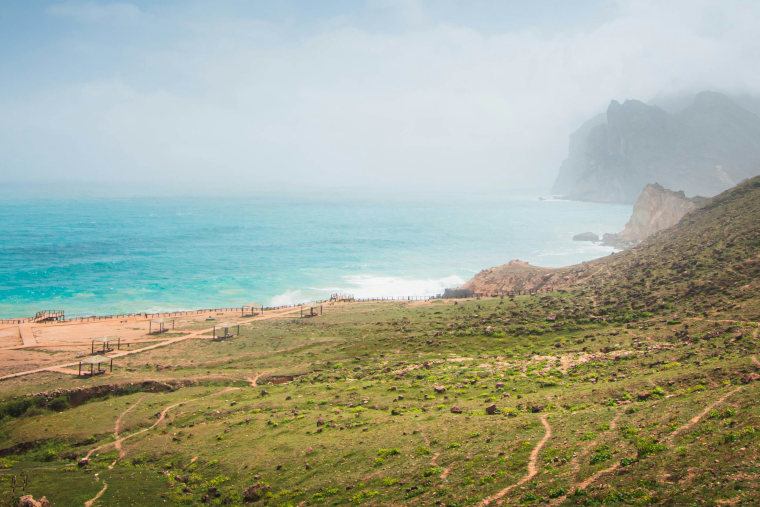 Image source: Terence Pereira / unsplash.com


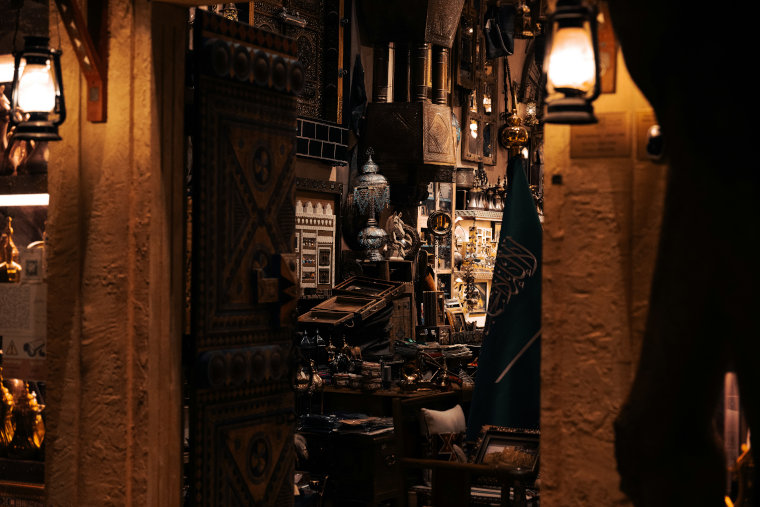 Image source: Andrey Strizhkov / unsplash.com