Ramadan in the UAE — Dates, Rules, and Tips for Tourists
Save the article:
What awaits tourists in Dubai and other emirates during Ramadan? In the coming years, the holy month of Ramadan falls at the end of winter and the beginning of spring. For many travellers this is the peak tourist season, and news of a holiday coinciding with the fast raises dozens of questions. Where can you eat during the day? What restrictions are in place? Is it worth going at all?
What should you pay attention to? This article covers specific rules of conduct, discounted hotel prices, restaurant and shopping centre opening hours in Dubai, as well as an honest breakdown of the pros and cons of travelling during this period. The information is current for 2026 and will help you plan your holiday without any unpleasant surprises.
What Ramadan Is and When It Takes Place
Ramadan is the ninth month of the Islamic lunar calendar and the most important spiritual period for Muslims. For 30 days, believers observe the fast: they completely abstain from food, water, and smoking during daylight hours (from dawn to sunset). The purpose of the fast is spiritual purification, self-discipline, and charity.
The essence of the holy month and fasting traditions
The rhythm of life in the country during Ramadan revolves around two meals. Suhoor is the early morning meal before sunrise. Iftar is the evening meal after sunset, traditionally beginning with dates and water.
Image source: freepik / magnific.com
Every evening, cities across the UAE come alive: families gather at the table, restaurants and cafés open their doors, and streets fill with lights and the aromas of traditional dishes. For tourists, this is an opportunity to experience local culture first-hand.
Ramadan and Eid al-Fitr dates
Ramadan is tied to the lunar calendar, so the dates shift by approximately 10–11 days each year. The exact start of the month is determined by observation of the moon, and the date may shift by ±1 day.
Year
Start of Ramadan
End of Ramadan
Eid al-Fitr
2025
28 February
29 March
30 March – 1 April
2026
19 February
19 March
20–22 March
2027
8 February
9 March
10–12 March
2028
28 January
26 February
27 February – 1 March
Travelling to Dubai or other emirates during this period requires knowledge of several rules, which are covered below.
Rules of Conduct and Restrictions for Tourists During Ramadan
This is the key section for anyone planning a holiday in the UAE during Ramadan. The restrictions apply to behaviour in public places during daytime hours. The rules are more relaxed within hotel grounds. Let us go through everything point by point.
What is prohibited in public places during daytime hours
From sunrise to sunset, on streets, in parks, shopping centres, and other public spaces, strict prohibitions apply. These are observed by everyone — both local residents and visitors to the country.
Not permitted:
eating, drinking, smoking, or chewing gum in view of others;
playing loud music in a car or through a speaker;
dancing or behaving in an ostentatiously noisy manner;
appearing in public in revealing clothing (short shorts, low necklines, bare shoulders).
These rules apply from dawn until the evening adhan (the call to prayer at sunset). After sunset, the restrictions are lifted and the city returns to its usual rhythm.
Recommended attire: covered shoulders and knees; this applies to both men and women. In shopping centres and at tourist attractions, greater attention is paid to observing the dress code than during a regular month.
Alcohol during Ramadan is available only in licensed establishments at hotels and from a certain time onwards. Bars and clubs in the city are either closed or operate without alcohol. The sale of alcohol in shops is suspended.
The fine for eating or smoking in public places during the day can reach 2,000 dirhams (approximately $545). Since 2020, the authorities have relaxed a number of rules: for example, hotel restaurants may serve tourists behind screens during the daytime. However, respect for the fast remains a mandatory rule of conduct.
How hotels, restaurants, and shopping centres operate
Hotels are the most comfortable zone for tourists during Ramadan. Hotel swimming pools, beaches, and restaurants operate as normal. Food is served around the clock, either behind closed curtains or in separate dining rooms.
Where you can eat and drink during the day:
hotel restaurants and cafés (behind screens);
food courts in shopping centres (some are open, but with partitions);
your hotel room (any food and drinks without restriction).
Image source: freepik / magnific.com
Shopping centres in Dubai and other cities operate on reduced hours: they open later (around 10:00 AM–12:00 PM) and close later (after iftar, at 1:00–2:00 in the morning). Theme parks and tourist attractions also change their opening hours; it is advisable to check the exact schedule on venue websites a week before your trip.
What to Do in the UAE During Ramadan: Entertainment, Festivals, and Gastronomy
Ramadan is no reason to stay in your room. After sunset, the emirates transform into one vast evening celebration. It is precisely during this month that tourists gain access to a unique cultural experience unavailable at any other time.
Iftar in Dubai — where to try traditional dishes
Iftar is the main gastronomic event of every evening. Restaurants and cafés offer a special menu: dates, lentil soup, harees, luqaimat (sweet dumplings in syrup), lamb dishes, and fresh salads. Many hotel establishments put on themed buffets with dozens of Arabic and international dishes. The average cost of iftar ranges from 100 to 400 dirhams per person.
Free community iftar tables are a tradition in their own right. They are set up near mosques, in parks, and on public squares. Any guest may join, regardless of their faith. This is a powerful gesture of charity and hospitality.
Ramadan markets, festivals, and cultural programmes
Evening events are the hallmark of Ramadan in the UAE. The city quite literally comes alive after sunset.
night markets with street food, sweets, and souvenirs;
festivals of Arabic calligraphy, ceramics, and traditional crafts;
food festivals featuring tastings of Middle Eastern cuisine;
guided tours of Dubai's historic districts in the evening light;
cultural programmes at museums and galleries (often with free admission).
Theme parks and water parks operate on evening schedules, opening closer to sunset. Beaches are accessible throughout the day, swimming and sunbathing are permitted without restriction.
Is It Worth Visiting the UAE During Ramadan: Pros and Cons for Tourists
There is no single answer, as it all depends on your priorities. Below is an honest breakdown to help you make a decision.
Advantages of visiting during Ramadan:
hotel discounts of up to 30–50% — the cost of accommodation in Dubai drops noticeably;
beaches, swimming pools, and resorts are less crowded, as the flow of tourists decreases;
a unique atmosphere: evening markets, iftars, and festive lights;
a rare cultural experience — the chance to visit mosques, try traditional dishes, and witness the country's authentic way of life;
temperatures in February–March are comfortable: 25–30°C during the day, without the summer heat.
Image source: Kel Avelino / unsplash.com
Disadvantages of visiting during Ramadan:
eating, drinking, and smoking in public places is not permitted during the day;
some restaurants and cafés are closed until iftar, and the choice of venues is more limited;
reduced opening hours for shops, theme parks, and tourist attractions;
live music and nightclubs are almost entirely absent;
traffic after sunset — the whole city goes out for iftar simultaneously.
For families with children, the holiday is quite comfortable: there are no restrictions within the hotel grounds, and the evening programme will be enjoyed by both adults and children alike. The key is to check opening hours in advance and plan daytime activities around the hotel and beach.
How the End of Ramadan is Celebrated in the UAE: The Eid al-Fitr Holiday
Eid al-Fitr (Uraza Bayram) is a three-day celebration marking the end of the holy month of Ramadan. The emirates are immersed in a festive atmosphere: fireworks, salutes, family gatherings, and gifts. Restaurants, parks, and beaches are packed, so it is best to book a table or excursions 5–7 days in advance. Shopping centres hold large-scale sales, and streets are decorated with festive installations.
If your trip coincides with this holiday, be ready for the city to be extremely busy and plan your itineraries ahead of time.
Frequently Asked Questions about Ramadan in the UAE for Tourists
Can you eat and drink at a hotel during Ramadan in the UAE?
Yes. Restrictions do not apply within hotel grounds. Hotel restaurants and cafés serve guests during the daytime, but behind screens or in enclosed dining rooms. Eating in your room is permitted without any conditions whatsoever. Hotel swimming pools and beach areas in Dubai also operate as normal.
What fine do tourists face for violating Ramadan rules?
For eating, drinking, or smoking in public places during the day, the fine can reach 2,000 dirhams (approximately $545). The Emirates police tend to be lenient towards tourists and more often issue a warning for a first offence. However, it is not worth taking the risk, as the rules of conduct apply to everyone, regardless of visa status or nationality.
Are shopping centres and theme parks open during Ramadan?
They are open, but on modified schedules. Large shopping centres in Dubai open later — around 10:00 AM–12:00 PM — and close after iftar, at 1:00–2:00 in the morning. Theme parks and some tourist attractions switch to evening visiting hours. It is best to check the exact times on the specific venue's website a few days before your trip.
Is it worth travelling to the UAE during Ramadan with children?
A beach holiday with children is quite comfortable. Within the hotel or resort, children may eat and drink freely. During the day, hotel swimming pools, water parks, and beaches are available. In the evening, there are markets, festivals, and the city's special festive lighting.
Is it true that hotels in Dubai are cheaper during Ramadan?
Yes, and this is one of the best periods for savings. Discounts on accommodation in hotels in Dubai and other emirates can reach 30–50%. Tour prices also fall due to the lower volume of tourists. Many companies offer special packages that include iftar and excursions. For those seeking a beach holiday at an attractive price, this is an interesting window of opportunity.
Article header image source: Kel Avelino / unsplash.com
What Bur Dubai is like. Pros and cons of the Bur Dubai district. Living amenities in Bur Dubai. Accommodation options in Bur Dubai. How to get around Bur Dubai. Frequently asked questions about Bur Du...
What was before the beginning of the history of the UAE? Territories of the UAE in the 19th century. History of economic development of the UAE. The scandalous story of the UAE emir. Top 5 interesting...
Which restaurants in Dubai Mall are worth your attention and why. Where to eat in beautiful surroundings. Where to eat affordably in Dubai Mall: food courts, prices, and tips. Where alcohol is served ...
Features of the Dubai Festival City district. Daily life in Dubai Festival City. Housing in Dubai Festival City. Shopping and entertainment in Dubai Festival City. Transport accessibility of Dubai Fes...
The Arabian Peninsula before the formation of the Saudi state. The first and second Saudi states. The creation of the modern Kingdom of Saudi Arabia. The development of Saudi Arabia in the 20th–21st c...
The History of Bluewaters Dubai. Advantages and Infrastructure of Bluewaters Dubai. Entertainment at Bluewaters Dubai. Investment Appeal of Bluewaters Dubai. Frequently Asked Questions about Bluewater...
The best golf clubs in Dubai. Rooftop golf in Dubai — unique venues. Practical tips for playing golf in Dubai. Golf tourism in Dubai. Frequently asked questions.
Do Russians need a visa for Bahrain: entry rules. How to get a Bahrain visa: a step-by-step guide. How much does a Bahrain visa cost: current prices and payment methods. What documents are needed to o...
Basic dress code rules in Dubai: what every tourist needs to know. Dress code for women in Dubai: a detailed guide. Climate and clothing in Dubai: how to dress for the weather. Where to wear what: a d...



 Image source: freepik / magnific.com

 Image source: freepik / magnific.com

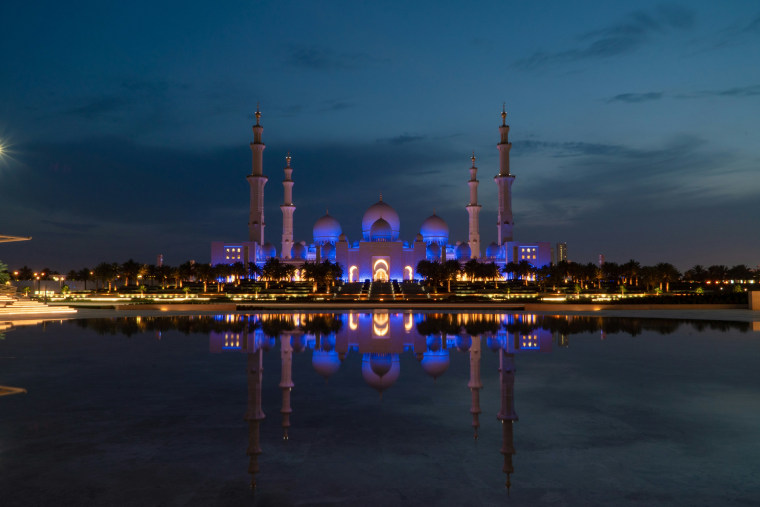 Image source: Kel Avelino / unsplash.com