Best Countries to Live in 2026: Dubai and Top Destinations
Save the article:
Are you planning to make a radical change in your life and looking for the ideal place to relocate? In 2026, the global map of the most attractive countries to live in is undergoing significant changes. Dubai has unexpectedly topped the ranking of the best countries to live in across the world, surpassing traditional leaders Switzerland, Norway, and Denmark. This shift reflects the new priorities of modern people: tax advantages, business opportunities, a high level of safety, and quality infrastructure are becoming decisive factors when choosing a country for permanent residence.
What makes a country the best place to live in today's conditions? The ranking of the top countries to live in for 2026 is compiled on the basis of a comprehensive analysis of economic stability, quality of education, healthcare, environmental conditions, and career prospects. Special attention is paid to criteria that matter to families with children: neighbourhood safety, quality of school education, and the development of child-friendly infrastructure. Young professionals value career prospects and start-up opportunities, whilst affluent investors consider tax planning and the prestige of their place of residence. Understanding these factors will help you make an informed decision about your future home.
Top Countries to Live in 2026
International rating agencies analyse dozens of indicators annually to determine the most attractive countries for living. In 2026, the assessment methodology has undergone substantial changes: digital infrastructure, environmental sustainability, and remote working opportunities now carry greater weight.
Methodology for compiling rankings of the best countries
Leading research organisations, including the OECD Better Life Index, the Global Peace Index, and the Human Development Index, use a comprehensive approach to assessing quality of life. The main criteria include economic stability (30% weight), safety and political stability (25%), quality of healthcare (20%), educational opportunities (15%), and climatic conditions (10%).
The new parameters for 2026 cover internet speed, availability of digital public services, and levels of air and water pollution. Particular attention is paid to the social mobility index — the ability of citizens to improve their economic standing regardless of their background.
Top 10 best countries to live in 2026
UAE (Dubai) — the unexpected leader of the ranking, owing to zero income tax, a high level of safety, and well-developed infrastructure. The average salary stands at $4,200 per month, and the time required to obtain a residency visa has been reduced to 30 days.
Switzerland — a traditional favourite with the highest standard of living and political stability. Average life expectancy reaches 83.8 years, and the population happiness index stands at 7.5 out of 10.
Singapore — Asia's financial hub with an efficient healthcare and education system. The city-state ranks first among the world's safest megacities.
Canada — a leader in the quality of education and social security. Immigration programmes allow permanent residency to be obtained within 12–18 months for those with an in-demand profession.
Norway — the Scandinavian model of welfare, with high incomes and a well-developed social system. GDP per capita exceeds $75,000 per year.
Denmark — the world leader in the happiness index, with an excellent work–life balance. A 37-hour working week and five weeks of paid holiday are the standard.
Australia — attracts with its mild climate and high quality of life. The minimum wage stands at $21.38 per hour — one of the highest in the world.
Netherlands — Europe's leader in the digitalisation of public services and environmental sustainability. 99% of the population speaks conversational English.
Sweden — an innovative economy with a high level of social equality. Parental leave amounts to 480 days, which can be shared between both parents.
Finland — the world leader in education, with the best school system. Higher education is free for all EU citizens.
Data sources and international organisations
The ranking of the best countries to live in for 2026 is based on research from authoritative international organisations. The Organisation for Economic Co-operation and Development (OECD) publishes the annual Better Life Index, which analyses 11 key aspects of wellbeing across 40 countries.
The United Nations Development Programme compiles the Human Development Index (HDI), which takes into account life expectancy, level of education, and population income. The Institute for Economics and Peace produces the Global Peace Index — the most authoritative indicator of safety and political stability.
The image was generated using AI technologies
The World Health Organisation provides data on the quality of medical services and the availability of healthcare. Transparency International publishes the Corruption Perceptions Index, which is critically important for assessing the quality of governance.
New research for 2026 includes data from the McKinsey Global Institute on countries' digital readiness, and reports from the Climate Change Performance Index on environmental sustainability. These indicators are becoming increasingly important for young professionals and families planning long-term residence abroad.
Dubai as the Best Destination for Relocation
The United Arab Emirates is rapidly becoming a global hub for international talent. According to the Dubai Statistics Centre, in 2024, the emirate was home to over 3.5 million people, 85% of whom were expats from 200 different countries. This cosmopolitan metropolis offers a unique combination of Eastern hospitality and Western standards of comfort.
Economic advantages and tax policy
The UAE's main competitive advantage is the absence of personal income tax. Residents pay only 5% VAT on goods and services, making the emirate one of the most tax-attractive jurisdictions in the world. Corporate tax stands at 9% for companies with profits exceeding 375,000 dirhams per year.
The average salary for expatriates in Dubai ranges from 15,000 to 35,000 dirhams per month, depending on the field. IT specialists earn 20,000–45,000 dirhams, financial analysts earn 18,000–40,000 dirhams, and doctors earn 25,000–60,000 dirhams per month.
A well-developed business ecosystem
Dubai ranks 11th in the World Bank's Doing Business index, thanks to streamlined business registration procedures. A company can be established in 2–3 days via the online Dubai Business Portal. The emirate has more than 45 free economic zones offering preferential conditions for investors: 100% foreign ownership, exemption from corporate tax for 15–50 years, and no currency restrictions.
Particularly popular are the DIFC zone for financial services, DMCC for commodity trading, and Dubai Internet City for IT companies. These zones host the regional headquarters of Google, Microsoft, Oracle, and other technology giants.
Infrastructure quality and transport
Dubai ranks among the top 10 cities in the world for infrastructure quality according to the Global Infrastructure Index. Its metro system, stretching 90 kilometres, connects all key districts of the city, with fares ranging from 3 to 8 dirhams depending on distance. Dubai International Airport serves more than 240 destinations and has been named the best airport in the world by Skytrax.
The road network comprises modern multi-lane motorways with intelligent traffic management systems. Public transport operates from 5:00 AM to midnight, and until 1:00 AM at weekends. Taxis are available around the clock, with a starting fare of 5 dirhams and a per-kilometre rate of 1.96 dirhams.
A world-class healthcare system
The UAE's medical system combines public and private institutions of the highest quality. The Dubai Health Authority manages a network of 14 hospitals and 120 polyclinics equipped with modern facilities. Private clinics, such as American Hospital Dubai and Mediclinic City Hospital, provide services of international standards.
Compulsory health insurance covers basic services for all residents. The cost of a policy ranges from 1,500 to 5,000 dirhams per year, depending on coverage. Dubai specialises in medical tourism, attracting patients from neighbouring countries with advanced treatments in oncology, cardiology, and plastic surgery.
Educational opportunities for families
More than 200 international schools operate in the emirate, following British, American, French, and International Baccalaureate curricula. Top institutions include Dubai International Academy, GEMS Wellington International School, and Repton School Dubai. Tuition fees range from 25,000 to 90,000 dirhams per year.
The image was generated using AI technologies
Higher education is provided by branches of prestigious universities: London Business School, and Heriot-Watt University Dubai. The American University in Dubai and Zayed University offer programmes taught in English, leading to internationally recognized degrees.
Residency and citizenship programmes
The UAE offers several pathways to long-term residency. The Golden Visa, valid for 10 years, is available to investors, entrepreneurs, and specialists in the fields of medicine, science, and the arts. Minimum requirements include investments of at least 2 million dirhams in real estate or the establishment of a company with a share capital of at least 500,000 dirhams.
The citizenship programme was launched in 2021 for outstanding professionals, scientists, doctors, engineers, and artists. Candidates must have significant achievements in their field and recommendations from government bodies. The review process takes 6–12 months.
Cost of living by category
Annual rent for a one-bedroom apartment in central Dubai ranges from 60,000 to 120,000 dirhams, and for a two-bedroom apartment it ranges from 80,000 to 180,000 dirhams. In residential suburbs, the prices are 30–40% lower. Utility bills amount to 200–400 dirhams per month, including electricity, water, and internet.
Grocery prices in supermarkets are comparable to European prices: milk costs 6 dirhams per litre, bread costs 3–5 dirhams, and chicken costs 20 dirhams per kilogram. A meal at a mid-range restaurant costs 40–80 dirhams per person, and fast food costs 15–25 dirhams.
Safety and quality of life
Dubai ranks 2nd in the world for safety according to the Numbeo Safety Index, with a score of 84.5 out of 100. The crime rate is extremely low, owing to strict legislation and effective policing. Women can move about safely at any time of day or night, and instances of theft or fraud are extremely rare.
The political stability of the UAE is confirmed by high ratings from international agencies. The country does not participate in military conflicts and maintains diplomatic relations with all states in the world. This creates a favourable environment for long-term career planning and investment.
Best Countries to Live in With Children
When choosing a country to relocate to with children, parents are faced with a great many criteria that differ fundamentally from the priorities of single professionals. The quality of education, paediatric healthcare, neighbourhood safety, and the development of family-oriented infrastructure become the determining factors. Below are six countries that offer the best conditions for family life.
Canada: the benchmark for multicultural upbringing
The Canadian education system ranks 4th in the world in the PISA rankings, whilst state school education is entirely free for residents. The Child Care Benefit provides families with up to 6,400 Canadian dollars per year for each child under the age of 6. A distinctive feature of the Canadian approach is its emphasis on bilingual education and cultural diversity.
Children's healthcare is covered by the universal health system, including dentistry up to the age of 18 in most provinces. The infant mortality rate stands at just 4.4 per 1,000 live births — one of the best figures in the world.
Australia: the balance of nature and technology
Australian schools rank among the top 10 in the world, and the NAPLAN system ensures uniform standards of educational quality across the country. Families receive the Family Tax Benefit of up to 4,000 Australian dollars per year, plus the Child Care Subsidy covers up to 85% of childcare costs.
What makes Australia unique is the combination of high-tech cities with access to nature. Children grow up in an ecologically clean environment whilst also having access to modern educational technology. The Medicare system provides free healthcare for children, including specialised care.
Sweden: the leader in family policy
The Swedish model of family support is considered a benchmark worldwide. Parents receive 480 days of paid parental leave, which can be shared between mother and father. Child benefit is paid until the age of 16 with no income testing.
The image was generated using AI technologies
Education is entirely free, including university, and school lunches are provided at the state's expense. Swedish children achieve high results in international tests in reading and natural sciences. The country's environmental policy ensures that children grow up in one of the cleanest countries in the world.
Denmark: happy childhood as a priority
Denmark regularly tops the rankings of the world's happiest countries, and this directly impacts the quality of childhood. The Danish concept of hygge creates a special atmosphere of cosiness and security for children. The education system focuses on developing creativity and critical thinking, rather than rote learning.
Parents receive 52 weeks of paid parental leave, and nurseries are 75% subsidised by the state. The healthcare system provides free care for children, including psychological support and speech therapy.
Singapore: Asian quality with Western standards
Singapore's education system has been recognised as the best in the world for mathematics and natural sciences, according to the TIMSS study. At the same time, the government actively invests in bilingual education, where English is combined with the family's mother tongue.
Child benefits in Singapore amount to up to 3,000 Singapore dollars per year, and the healthcare system provides subsidised medical care for children. The country's level of safety is among the highest in the world: children can move freely around the city without adult supervision.
UAE: modern family infrastructure
The United Arab Emirates is rapidly developing its family infrastructure, attracting the best international schools and medical centres. Dubai is home to branches of prestigious British and American schools, providing world-class education.
A distinctive feature of the UAE is that the absence of income tax allows families to direct more funds towards their children's education and development. Modern shopping centres include extensive children's zones, whilst beaches and theme parks create ideal conditions for family leisure all year round.
The choice of the best country to live in with children depends on the priorities of each individual family: some value the free education offered by the Scandinavian countries, whilst others prefer the multicultural environment of Canada or the high academic standards of Singapore.
How to Choose a Country for Relocation: A Practical Guide
Making the decision to move to another country requires a systematic approach and careful analysis of many factors. A well-structured selection process will help you avoid disappointment and find a place that truly suits your lifestyle and goals.
Identifying personal priorities and reasons for relocating
The first step in choosing a country for relocation is an honest assessment of your own motivations and expectations. Draw up a list of the three main reasons prompting you to change your place of residence: career advancement, the quality of education for your children, tax planning, or climate preferences.
Rank the factors by importance, assigning each a score from 1 to 10. This ranking will form the basis for the subsequent comparison of candidate countries. Consider not only your current needs, but also your plans for the next 5–10 years — a change of profession, having children, or retiring.
Analysing financial capacity and requirements
A realistic assessment of your financial resources is critically important for a successful move. Calculate three main categories of expenditure: initial relocation costs (visas, documents, transport), start-up capital for settling in (housing, furniture, a car), and a monthly budget for the first 6–12 months.
Research average salaries in your profession in the candidate countries using international platforms such as PayScale or Glassdoor. Compare income with living costs using Numbeo's cost-of-living indices. Allow a buffer of 30–50% on top of your planned budget to cover unforeseen expenses.
Researching immigration legislation
Every country has unique requirements for immigrants, which can significantly affect the possibility of relocating. Begin with official government websites and consulates to obtain up-to-date information on visa programmes.
Determine the appropriate visa category: work, investment, family, or student. Study the requirements regarding education, work experience, language proficiency, and financial guarantees. Pay attention to processing times — in some countries, the process can take anywhere from 6 months to 2 years.
A self-assessment checklist before relocating
Answer the following key questions honestly, as they will help you narrow down your list of candidate countries:
Are you prepared to learn a new language, and what is your current level of English?
How important to you are the climate and geographical location?
Are you planning to obtain local citizenship, or are you considering temporary residence?
What level of cultural difference are you prepared to accept?
Is proximity to your home country important for regular visits?
Do you have any chronic conditions requiring special medical care?
Comparative analysis of key factors
Create a comparison table for 3–5 finalist countries, covering the following criteria: cost of living, quality of healthcare, education system, tax burden, safety, climate, cultural adaptation, and career opportunities.
Rate each factor on a scale of 1 to 10 and multiply by the importance weight from your initial ranking. The country with the highest total score will be the optimal choice given your priorities.
Practical preparation for the relocation
Once you have chosen a country, begin preparations 12–18 months before your planned move date. Submit your visa application, start learning the language, and obtain international education and qualification certificates.
Establish contact with local expatriate communities via social media groups and forums. Research the property market, school areas, and the transport system. Consider making a reconnaissance trip of 1–2 weeks to get to know the country first-hand.
Prepare a financial cushion, open an international bank account, and obtain international health insurance. A systematic approach to planning will significantly increase your chances of a successful transition to life in a new country.
Frequently Asked Questions
Which country is considered the best to live in in 2026?
According to international rankings for 2026, Dubai tops the list of the best countries to live in across the world, surpassing the traditional leaders. Experts note the unique combination of tax advantages, well-developed infrastructure, and a cosmopolitan environment.
Switzerland and Norway remain in the top 3, but are behind the UAE in terms of digitalisation and attractiveness for young professionals. The ranking takes into account new criteria: remote work opportunities, environmental sustainability, and adaptation to post-pandemic realities.
Why is Dubai popular amongst expatriates?
Dubai attracts expatriates with its absence of personal income tax and capital gains tax, which allows them to significantly increase their income. The emirate is home to representatives of more than 200 nationalities, creating a unique multicultural environment without language barriers.
The well-developed infrastructure includes modern international schools, advanced healthcare, and a convenient transport system. Dubai's geographical position makes it an ideal hub for conducting business between Europe, Asia, and Africa.
How much money is needed to move to another country?
The cost of relocating varies from $15,000 to $100,000, depending on the chosen country and immigration programme. Obtaining residency in Dubai through a property purchase requires a minimum of $200,000, whilst European investment programmes start at €250,000.
In addition, allowance must be made for the costs of relocating the family, renting accommodation for the first few months, and settling-in expenses. Specialists recommend having a financial buffer covering 6–12 months of living costs in the new country.
What documents are needed for relocation?
The basic set of documents includes a passport valid for at least 6 months, a police clearance certificate with an apostille, and medical certificates. For employment-based immigration, you will need academic certificates with a notarised translation, a record of employment, and reference letters from employers.
Investors are required to provide proof of income, bank statements, and documents confirming the source of funds. Married couples are additionally required to provide marriage certificates and children's birth certificates with the relevant translations.
Is it possible to relocate without knowing the local language?
In most popular destination countries, knowledge of the local language is not a mandatory requirement at the initial stage. Dubai, Singapore, and Malta use English as the main language of business communication, which greatly simplifies the settling-in process.
Many European countries offer integration programmes that include language learning after a residence permit has been obtained. However, for long-term integration and career advancement, proficiency in the local language remains an important advantage.
How long does the process of obtaining a residence permit take?
The time required to obtain a residence permit varies considerably between countries and types of immigration programme. In Dubai, the process of obtaining a residency visa through a property purchase takes 2–4 weeks after the documents have been submitted.
European programmes require 3–6 months for an application to be considered, whilst the Portuguese Golden Visa can be obtained within 6–8 months. Canadian and Australian programmes are the most lengthy — from 12 to 24 months, depending on the applicant's category.
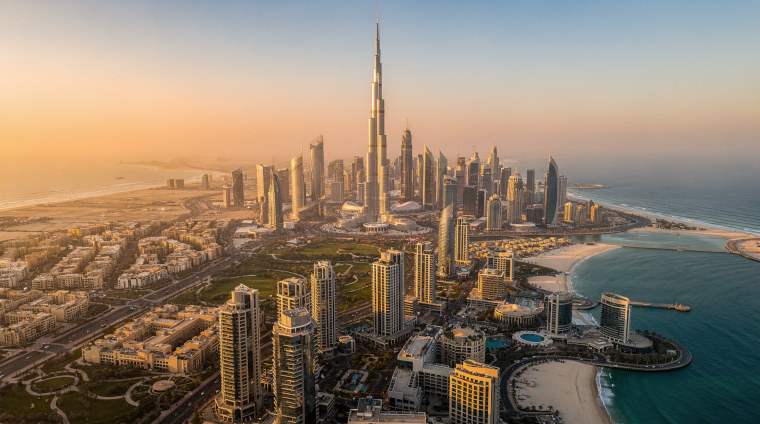
Article header image was generated using AI technologies
What the UAE flag looks like. The meaning of the UAE flag's colours. The history of the UAE flag's creation. The use of the flag in the modern UAE. Frequently asked questions.
What Ramadan is and when it takes place. Rules of conduct and restrictions for tourists during Ramadan. What to do in the UAE during Ramadan: entertainment, festivals, and gastronomy. Is it worth visi...
Which desert surrounds Dubai? Where the desert is located and how to get there? The best places for photo shoots in the desert. Entertainment and activities in the desert. FAQ.
General information about alcohol consumption rules in Dubai. Alcohol-related fines in Dubai. Places where you can buy alcohol in Dubai. Popular restaurants and nightclubs in Dubai licensed to sell al...
Specifics of the administrative structure of the UAE. History of Abu Dhabi. Description of Abu Dhabi. Frequently asked questions about the capital of the UAE.
At first glance, schools in Dubai differ little from those in other countries: similar large buildings, classrooms, and uniforms. However, the education process itself is structured slightly different...
What Arab culture is and how it came about. Contribution of Arab science to world civilisation. Culture of the Arabic language and its role in literature, philosophy and art. Which traditions of Arab ...



 The image was generated using AI technologies

 The image was generated using AI technologies

 The image was generated using AI technologies