Safety in the UAE for Tourists: Rules and Emergency Phone Numbers
Save the article:
What is this about? Safety in the UAE for tourists is of paramount importance. The United Arab Emirates has long established itself as one of the most comfortable destinations for international tourism. The gleaming skyscrapers of Dubai, the luxurious beaches of Abu Dhabi, modern shopping centres, and unique attractions draw millions of visitors from around the world every year.
What should you bear in mind? A low crime rate, well-developed infrastructure, the ubiquitous presence of security services, and CCTV surveillance create a sense of safety. And this is not merely an impression: statistics confirm that tourists are safe there. However, as in any country, there are rules and norms in force, and ignorance of them can lead to unpleasant situations.
General Situation Regarding Safety in the UAE for Tourists
Regarding safety for tourists in the UAE, according to Numbeo data, Dubai has a safety index of 84.9 and a crime index of 15.1. In other words — a very high level of safety and an extremely low level of crime, relative to other major cities in the world. The reason for this lies in the policies pursued by the UAE authorities in the area of law enforcement.
The UAE government actively implements the most up-to-date CCTV systems and maintains a dense presence of law enforcement officers on city streets. Even petty crimes are rare there.
Despite this, the authorities recommend that foreign tourists take precautions so that a holiday in Dubai leaves nothing but positive memories.
Among travellers to the UAE, there is a well-founded view that Dubai is a very safe city for independent travel. The high standard of law and order allows foreigners to experience local culture in keeping with their own preferences and interests.
The main tourist areas (Downtown, Dubai Marina, and the Jumeirah beaches) are traditionally busy, which provides an additional guarantee of personal safety.
Dubai's well-developed public transport network and thoroughly planned tourist routes make getting around the city very comfortable for solo travellers.
Bear in mind the importance of respecting local customs and dress requirements. Sightseeing as part of tourist groups and giving careful thought to your choice of accommodation will enhance your safety.
Safety of Women in the UAE
Women travelling to the UAE without a companion need not have any particular concerns. Dubai has been recognised as one of the safest places in the world by Travel Ladies (an app designed specifically for female travellers). The low crime rate allows female tourists to enjoy new experiences whilst feeling protected.
Image source: Sven Hansche / shutterstock.com
Women travelling through the Emirates alone have access to any attraction (for example, the Dubai Fountains, the Dubai Opera, or the traditional markets). However, general safety recommendations for tourists in Dubai advise that modesty in dress should be maintained and traditional cultural norms should not be violated.
Joining a tourist group (women-only or mixed) can serve as an additional measure to avoid unpleasant situations whilst also being a fun way to spend time. Sensible precautions will allow a woman to have a wonderful time in the United Arab Emirates.
Rules of Conduct for Tourists in the UAE
The United Arab Emirates is a country where Islam is the dominant religion, which entails fairly strict norms of behaviour in public places.
Muslim countries pay serious attention to regulating matters related to the consumption of alcoholic beverages. In the UAE, alcohol may not be consumed outside the home or outside licensed premises.
Only those who have obtained a special licence are permitted to purchase alcohol in Dubai. A foreign tourist may obtain a temporary (one-month) licence to purchase alcohol. Residents of Dubai are permitted to obtain a full licence.
Since 31 December 2022, the licence for purchasing alcohol in Dubai has been free of charge; prior to that, it cost approximately $70. This measure is experimental. The authorities have set aside a period of time to test it, having decided to assess how this decision affects the development of the tourism sector.
In Abu Dhabi, Dubai and other emirates, the minimum age for drinking alcohol is 21 (except Sharjah, where alcohol is completely prohibited).
Further restrictions that tourists should be aware of include a ban on photographing government buildings and military facilities. It is also prohibited to photograph people without their permission. The British Government warns its citizens of the risk of being arrested for photographing women on beaches.
Bear in mind that UAE legislation treats any online publications critical of the country as a criminal offense.
A common misconception about the UAE — that relationships outside of marriage are prohibited there — should be dispelled. Unmarried couples living together is permitted by law.
What is genuinely prohibited, however, is homosexual relations. That said, the Emirates take a fairly liberal approach to the personal lives of foreign tourists. As such, booking a hotel room for a same-sex couple will not present any particular difficulties.
The most important thing is not to violate public decency in public places. That said, heterosexual couples are also not permitted to display affection in public.
How Safe is Public Transport in the UAE for Tourists
Safety for tourists in Dubai is also ensured when using public transport (buses, trams, and the metro). The transport infrastructure is excellently developed. Routes serve all areas of the city and tourist attractions.
Bear in mind that during peak hours, buses and trains will be crowded. In such cases, try to avoid carrying valuables or large amounts of cash, and keep a close eye on your belongings.
A good alternative to public transport, particularly at night (from a safety perspective), is a taxi. Use official operators or taxi-hailing apps (such as Uber and Careem). When getting into a car, choose the rear seat and monitor the route using GPS.
Image source: Alexey Boldin / shutterstock.com
Try not to become absorbed in your devices whilst on public transport to avoid losing all awareness of your surroundings. These simple precautions will make travelling around Dubai's streets comfortable and safe.
What is Prohibited in the UAE
Medicines
A number of medications in the Emirates fall into the "controlled substance" category, meaning that prior authorisation is required to bring them into the UAE. Failure to obtain this may result in the medicines being confiscated at the border, and you could face legal proceedings. Check your medications before travelling.
Swearing and obscene gestures
The use of profanities and indecent gestures (both in real life and online) is a criminal offence for which you may face either imprisonment or deportation.
A minor staying in a hotel without an adult
Persons under the age of 18 may not stay in a hotel on their own.
Traffic violations
For serious violations, police officers may seize the vehicle, and the return of the vehicle to its owner may cost 50,000 dirhams. Aggressive driving and making gestures at other road users can result in arrest and deportation.
Crossing the road other than at a designated crossing (jaywalking) is also an offence.
Failure to observe the rules during the holy month of Ramadan
Even if they are not Muslims, tourists in the UAE during Ramadan are prohibited from eating, drinking, smoking, and playing loud music in public places.
Criticism of the United Arab Emirates on social media
Posting negative information about the activities of UAE authorities, companies, or citizens on online platforms can result in arrest.
Financial offences
These include not only financial fraud but also failure to pay a hotel bill. The punishment is the freezing of funds in bank accounts and arrest without the right to bail.
Bringing prohibited products into the country
For example, the importation of poppy seeds is banned.
Bringing in narcotics and narcotic substances
Even having traces of prohibited substances in the blood is unlawful. The penalty is a prison sentence (of three months) and a fine of up to 100,000 dirhams (approximately $27,000). Drug trafficking carries a punishment of up to the death penalty.
Image source: wavebreakmedia_micro / magnific.com
Cosmetics and electronic cigarettes containing CBD (cannabidiol) are also banned.
Charitable activities
Any charitable activities, including fundraising on online platforms, require authorisation from the UAE authorities.
Media operations
Media representatives wishing to work on the territory of the United Arab Emirates must first obtain permission. Failure to do so may result in a fine or imprisonment.
Violation of the dress code
Particularly strict rules apply to women. They may wear a swimsuit only on the beach or at a swimming pool. Regular clothing must cover the shoulders and knees.
Looking through someone else's phone
Doing so without the owner's permission may constitute grounds for criminal prosecution.
This violation of this rule carries a fine of 100 dirhams (approximately $27).
How to Behave at Sea and in the UAE Desert
Rules of conduct at sea
There are a number of rules to observe when in the water:
Pay attention to the flags displayed on public beaches: red means swimming is not permitted; yellow means swimming is allowed but exercise caution; purple means dangerous marine creatures (such as jellyfish) may be present in the water.
Swim only where lifeguards are present.
In order to ensure safety for tourists in Dubai, municipal services have established three public beaches where swimming after dark is permitted: in the Jumeirah 2, Jumeirah 3, and Umm Suqeim 1 districts. All the necessary conditions for this have been created there.
How to behave in the Dubai desert
Almost every tourist who visits the country wants to experience the desert. Here are a few simple rules to help you avoid any problems:
If you are planning an overnight safari, make sure you bring warm clothing, as the desert climate is characterised by sharp temperature fluctuations, and it can be cold there at night.
Stock up on an adequate supply of water, food, and medicines.
Only use reliable tour operators to arrange a desert excursion.
Image source: magnific / magnific.com
When travelling to Dubai, bear in mind that it is generally very hot there. Be sure to bring sun cream, drink plenty of water, and try to stay in the shade. Sunglasses and a hat are also advisable. In summer, the hottest part of the day in Dubai falls between 11 AM and 3 PM.
The Safest Areas of Dubai for Tourists
Downtown Dubai
When discussing safety for tourists in Dubai, one immediately wants to single out the Downtown area, which includes the famous Burj Khalifa and Dubai Mall. This area is under police patrol and is well lit at night. An excellent place for foreign tourists to stay in Dubai.
Dubai Marina
An area home to upmarket restaurants and hotels, and the centre of Dubai's nightlife. A district that combines comfortable conditions for living and leisure, picturesque scenery, and a safe environment for foreign visitors to the United Arab Emirates.
Jumeirah
A prestigious district in the central part of Dubai, with grand architecture and premium shops; it is one of the safest places to stay in the UAE. It offers an interesting combination of comfort, tranquillity, and tourist activity.
The world-famous Burj Al Arab hotel and Wild Wadi Waterpark attract both local residents and numerous tourists alike. This constant bustle of people provides an additional guarantee of safety. The hotels located there have their own security services, which further reduces risks for foreigners.
What Should a Tourist Do in a Difficult Situation in the UAE
If you have been unable to avoid trouble, respond to the situation promptly, bearing in mind the possible legal consequences of your actions.
In the event of an incident
Use the following telephone numbers:
police (999);
ambulance (998);
fire service (997).
Give the exact address, describe the situation (assault, fire, seizure), and mention any potential threats.
While waiting for help to arrive:
Try to ensure safe conditions, for example by moving to a safer location (such as stepping away from a vehicle involved in a collision).
Take emergency first-aid measures for the injured person (for instance, positioning them comfortably so as not to aggravate a broken limb) while specialists are on their way to the scene.
Bear in mind: panic will not lead to anything good; keep calm and composed.
If you find yourself dealing with legal matters:
Contact the consulate. Staff should make contact themselves, but if that does not happen, submit an application to the relevant representative offices in the UAE and Dubai. The diplomatic service is obliged to organise assistance in a crisis situation — for instance, arranging temporary accommodation for passengers whose flight has been delayed or rescheduled.
Gather evidence. Did your tour operator or airline fail to provide what is legally required? Carefully document all unplanned expenditure on accommodation, meals, and the purchase of return tickets. Obtain a certificate from the airport confirming that your flight was rescheduled or cancelled.
Engage lawyers specialising in travel law to properly draw up a claim or to represent your interests. For example, if a tour operator is proposing to reschedule your trip whilst refusing to issue a refund, you can submit an officially worded refusal with a demand for reimbursement of costs.
Standard travel insurance policies do not cover acts of war; however, if the cancellation occurred through the fault of the tour operator (that is, non-provision of services), the liability lies with the operator, not the insurer.
Contact details for safety matters for Russian tourists in the UAE
Emergency telephone number of the Russian Embassy in the United Arab Emirates (Consulate General of the Russian Federation in Dubai): +971 50 454-77-54.
Round-the-clock hotline of the Situation and Crisis Centre of the Ministry of Foreign Affairs of Russia: +7 495 695-45-45.
E-mail: rusembuae@mail.ru
We strongly advise you to:
Monitor information through official channels: regularly check messages from airlines, tour operators, and the authorities.
Register for evacuation flights: submit an application as soon as the airline or tour operator begins drawing up lists for special flights.
Download the DCAS SOS app. This will allow you to call for an ambulance quickly in Dubai. The app is available on the App Store and Google Play. Through it, you can send an SOS signal, enabling medics to identify your location.
Frequently Asked Questions about Safety in the UAE for Tourists
What should I do to avoid falling victim to robbers and fraudsters?
Always keep your luggage under control in crowded places.
Store valuables, money, and documents in the hotel safe or at reception.
Do not carry large sums of cash on your person, and do not display the contents of your wallet in public.
Only travel around the city in official taxis displaying a yellow TAXI sign.
Do not accept gifts from strangers — this may be an attempt to distract your attention.
What factors may adversely affect my health?
Hot climate. Summer temperatures can exceed 40 °C. Try not to go outside at midday, use sun cream, and wear a hat.
Poor water quality. Tap water in Dubai is considered safe to drink; however, local residents prefer bottled water; follow the same approach.
Dangerous animals. Venomous snakes can be encountered in the desert, whilst venomous jellyfish are found in the waters of the Persian Gulf.
Insect bites. Protect yourself from mosquitoes and midges using repellents.
What documents should I always carry with me?
Your passport or a paper copy of it. It is required when visiting shopping centres, embankments, beaches, and large events. Keep copies of your international and domestic passports, as well as your insurance policy, on hand.
Do not violate local customs, observe the laws of the country you are in, pay attention to your surroundings, and your holiday in the UAE will leave only pleasant memories.
Features of the Dubai Festival City district. Daily life in Dubai Festival City. Housing in Dubai Festival City. Shopping and entertainment in Dubai Festival City. Transport accessibility of Dubai Fes...
The Arabian Peninsula before the formation of the Saudi state. The first and second Saudi states. The creation of the modern Kingdom of Saudi Arabia. The development of Saudi Arabia in the 20th–21st c...
Why you need a local SIM card in Dubai. Is the free SIM card in Dubai worth using? Differences between a regular SIM card and an eSIM. Choosing a mobile operator for an eSIM in Dubai. Frequently asked...
History and origins of Arabian mythology. Gods of Arabian mythology and the ancient pantheon. Djinn and spirits in Arabian mythology. Mythical creatures of Arabian mythology. The influence of Arabian ...
Qatar: essential facts before your trip. What to see in Doha: the main attractions. Attractions outside Doha. Practical tips: itineraries, food, and shopping. Frequently asked questions.
How to get to the old city in Dubai? Where Old Dubai is located. What to see in Old Dubai? Markets and bazaars of the old city. Practical tips for visiting. Frequently asked questions.
Alcohol consumption rules in Sharjah. Bringing alcohol into Sharjah. Buying alcohol in neighbouring emirates. Fines and penalties for breaking alcohol rules. Alcohol in other UAE emirates: a compariso...



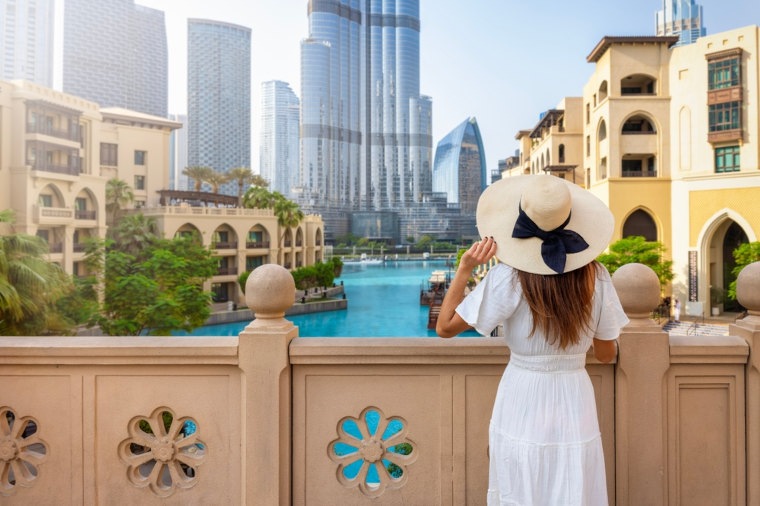 Image source: Sven Hansche / shutterstock.com

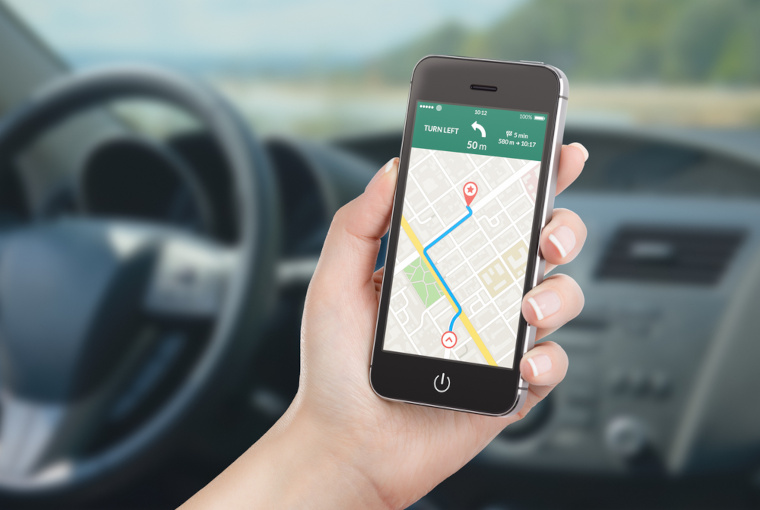 Image source: Alexey Boldin / shutterstock.com

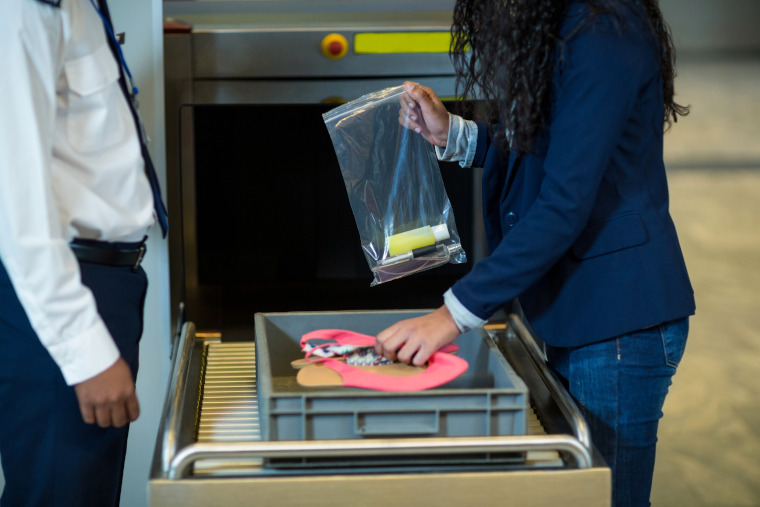 Image source: wavebreakmedia_micro / magnific.com

 Image source: magnific / magnific.com